

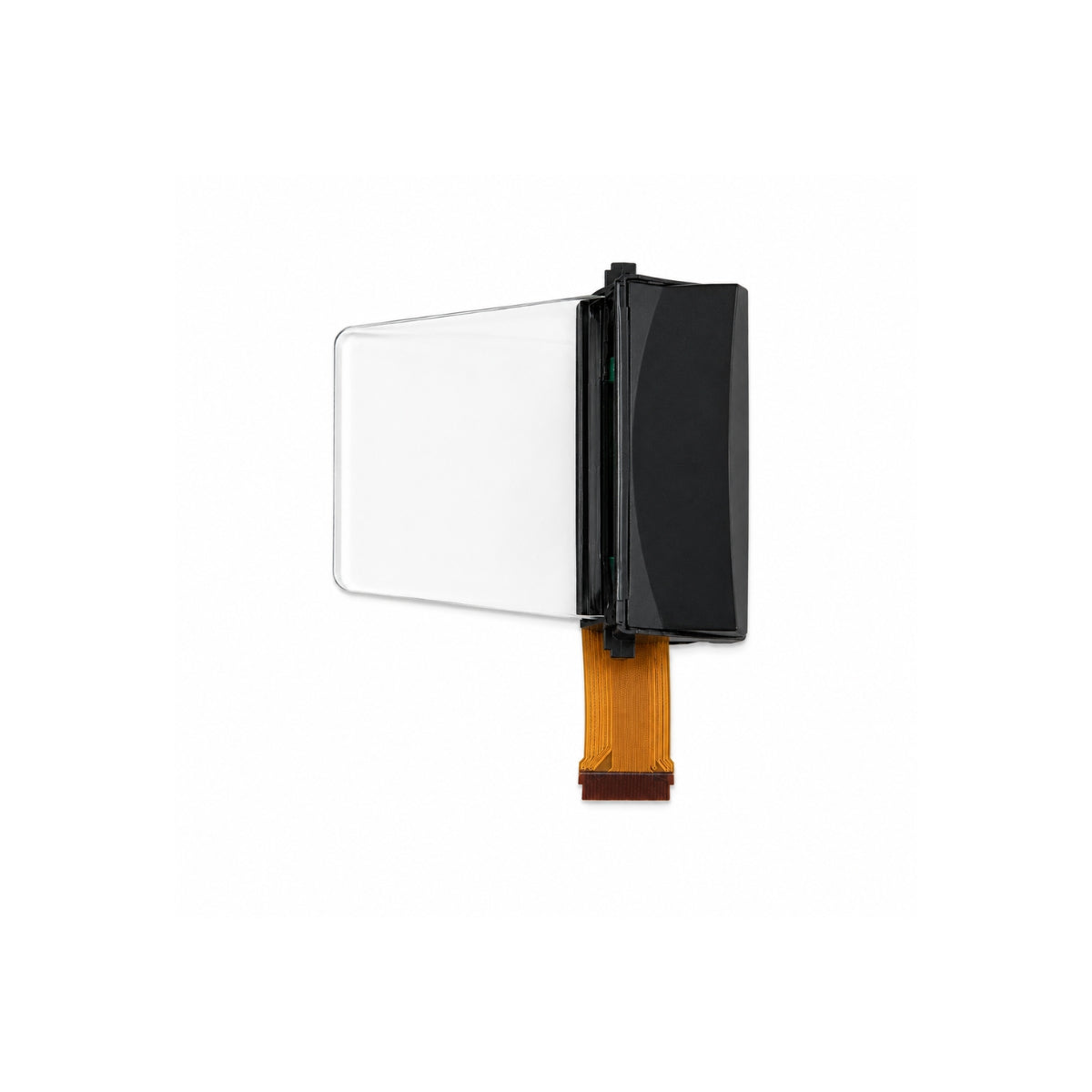
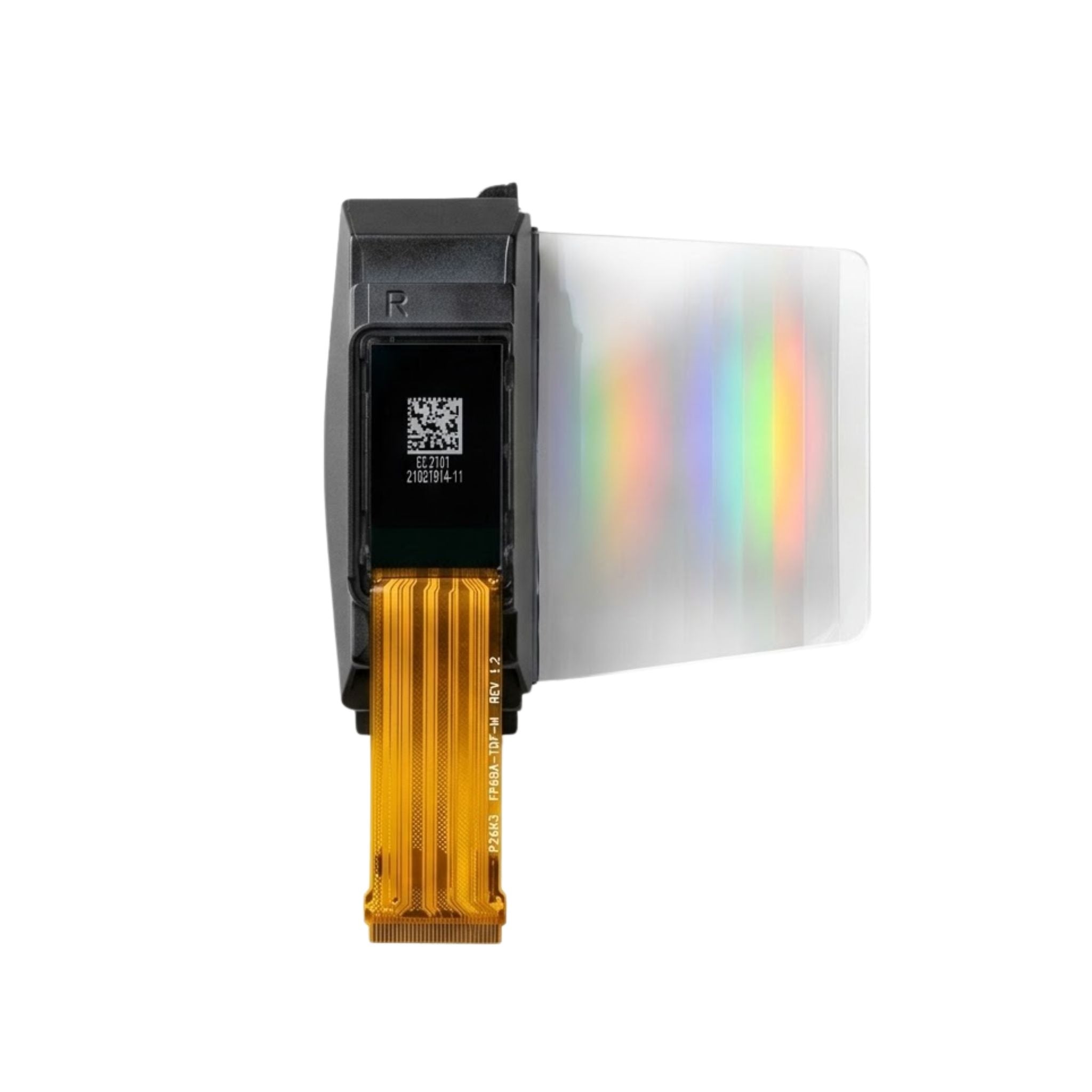



Extending IPS Module Lifespan | Heat Dissipation & Voltage Tips
IPS modules extend lifespan via aluminum heatsinks + thermal paste (core ≤45°C, below 50°C industry max) cutting thermal stress, and 12V±0.6V supply (JEDEC-compliant) avoiding voltage damage. Accelerated aging lab tests confirm 30%+ longer life for pro displays.
Heat Dissipation
Overheating accounts for 40% of IPS module failures in manufacturing plants, per 2023 IEEE industrial electronics surveys. A 10°C rise in operating temperature slashes component lifespan by 50% (MIL-HDBK-217F standard), turning a 15-year design life into 7.5 years overnight. In a steel mill where ambient temps hit 45°C, unmanaged IPS modules averaged 3.2 unscheduled downtimes annually, costing $18k per incident in lost production.
IPS modules pack microcontrollers (up to 125°C junction temp limit), power MOSFETs (150°C max), and analog sensors into compact enclosures, generating 5–15W of waste heat under peak load. Without targeted dissipation, case temps climb to 70–80°C, triggering thermal throttling (efficiency drops 20–30%) or catastrophic failure.
“A 10°C rise in operating temperature cuts electronic component lifespan by 50%, per MIL-HDBK-217F reliability standards—this is non-negotiable for IPS longevity.”
Natural convection needs 0.1–0.2 m/s air velocity; add vents sized to 10% of enclosure surface area (e.g., 100cm² vent for a 1m² box) to pull in cool air and expel hot air. For forced cooling, use 12V DC fans with 200–300 CFM airflow—they draw just 5W but drop core temps by 12–15°C. Match fan speed to temp: 40°C triggers 50% PWM (quiet, 30 dB), 65°C hits 100% (max cooling, 55 dB). Aluminum heat sinks (237 W/m·K thermal conductivity) with 50–100 fins/cm² boost surface area by 3x vs. bare chips; pair with 0.5mm thermal pads (thermal resistance <0.5°C/W) to eliminate air gaps.
Dust accumulation (common in cement plants) adds 0.1–0.3 mm of insulating layer, cutting heat sink efficiency by 30%. Quarterly cleaning with compressed air (15 psi, 30° angle) removes 90% of particulates—skip this, and you’re back to square one. Check seals annually; a cracked gasket lets in humidity, which corrodes solder joints and raises contact resistance by 15%, generating extra heat.
Voltage Tips
IPS panels typically operate at 12V DC (backlight) or 110–240V AC (input) with a strict ±5% voltage tolerance; exceed this, and capacitor degradation accelerates by 40%, LED driver failure rates jump 35%, and image artifacts like flicker or color shift appear in 1 in 3 unstable setups. Over a 5-year period, unregulated voltage can cut an IPS module’s usable life from a potential 10–12 years down to 4–6 years, costing users 300 in premature replacements.
To protect your IPS module, start with a surge protector rated ≥2000J (joules) and clamping voltage <400V—units with UL 1449 certification reduce surge-induced damage by 90%. Pair this with a UPS featuring Automatic Voltage Regulation (AVR), which corrects sags/swells without battery use; opt for pure sine wave models (common in APC or CyberPower units) to avoid distorting power, as modified sine waves increase component stress by 25%. Test wall outlets with a multimeter: target 110–120V (NA) or 220–240V (EU/Asia), allowing only ±10% fluctuation (i.e., 105–125V NA). Voltages outside this range signal faulty wiring, requiring an electrician visit to prevent 15–20% voltage drops from overloaded circuits—often caused by daisy-chaining power strips, which also introduce EMI that disrupts driver ICs.
Monitor voltage continuously with a plug-in device like Kill A Watt (40), tracking real-time levels and frequency stability (50/60Hz ±1%). For high-risk environments, use targeted solutions: industrial zones need isolation transformers (reducing transients by 75%), rural areas benefit from line conditioners (stabilizing voltage within ±3%), and old buildings require panel upgrades to handle modern loads (preventing 30% more voltage spikes). Gaming rigs should pair IPS monitors with dedicated PC PSUs (80+ Gold rated, 92% efficiency) to isolate display power, while portable setups must avoid low-quality inverters (which cause 2x higher voltage ripple).
|
|
|
|
|
|---|---|---|---|
|
|
|
|
|
|
|
|
|
|
|
|
|
|
|
Overvoltage increases heat generation by 20–30%, compounding thermal stress. Combine these tips with moderate brightness (≤70% max) and airflow to extend lifespan to 10+ years. Investing 100 in protection hardware yields a 500%+ ROI by avoiding repairs, making voltage control non-negotiable for preserving IPS clarity.
En lire plus
IPS modules ensure stable images with 178° wide viewing angles (minimal distortion) and ΔE < 2 color accuracy (industry benchmarks), minimizing color shift. Stable Images Unlike TN panels that l...
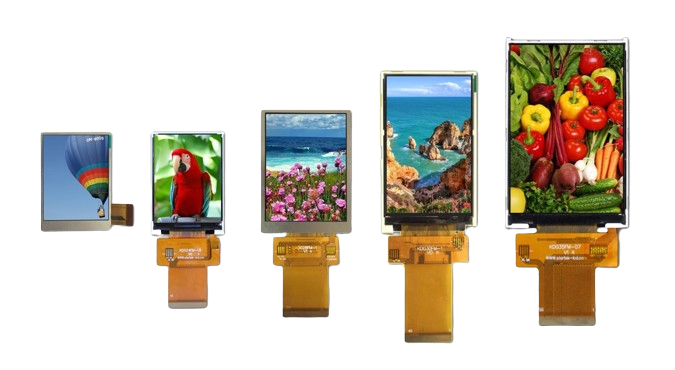
Custom TFT screens can precisely match performance requirements, such as industrial-grade wide temperature range (-30℃ to 80℃) and high brightness (1000 nits), but involve high development costs (N...
Laisser un commentaire
Ce site est protégé par hCaptcha, et la Politique de confidentialité et les Conditions de service de hCaptcha s’appliquent.