

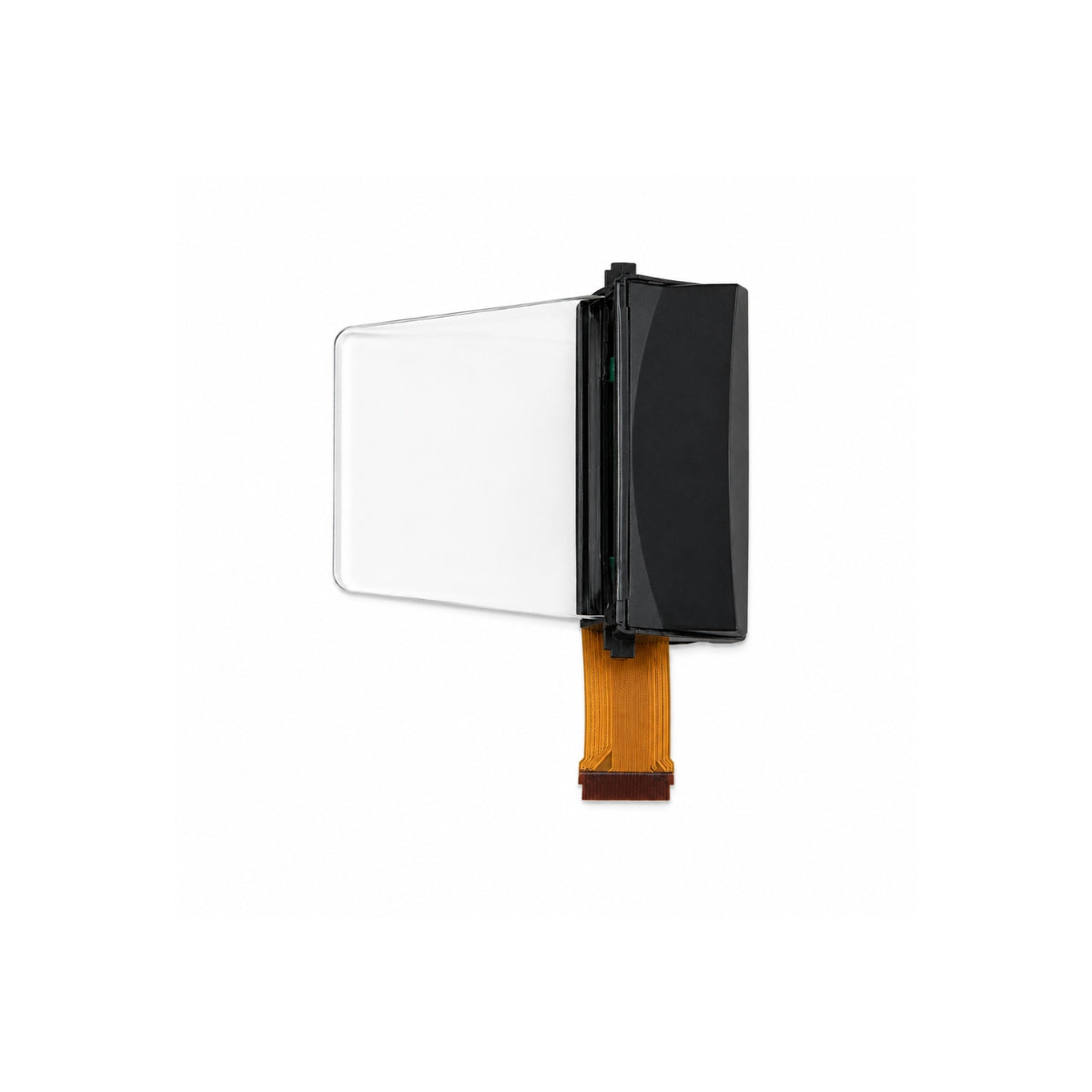
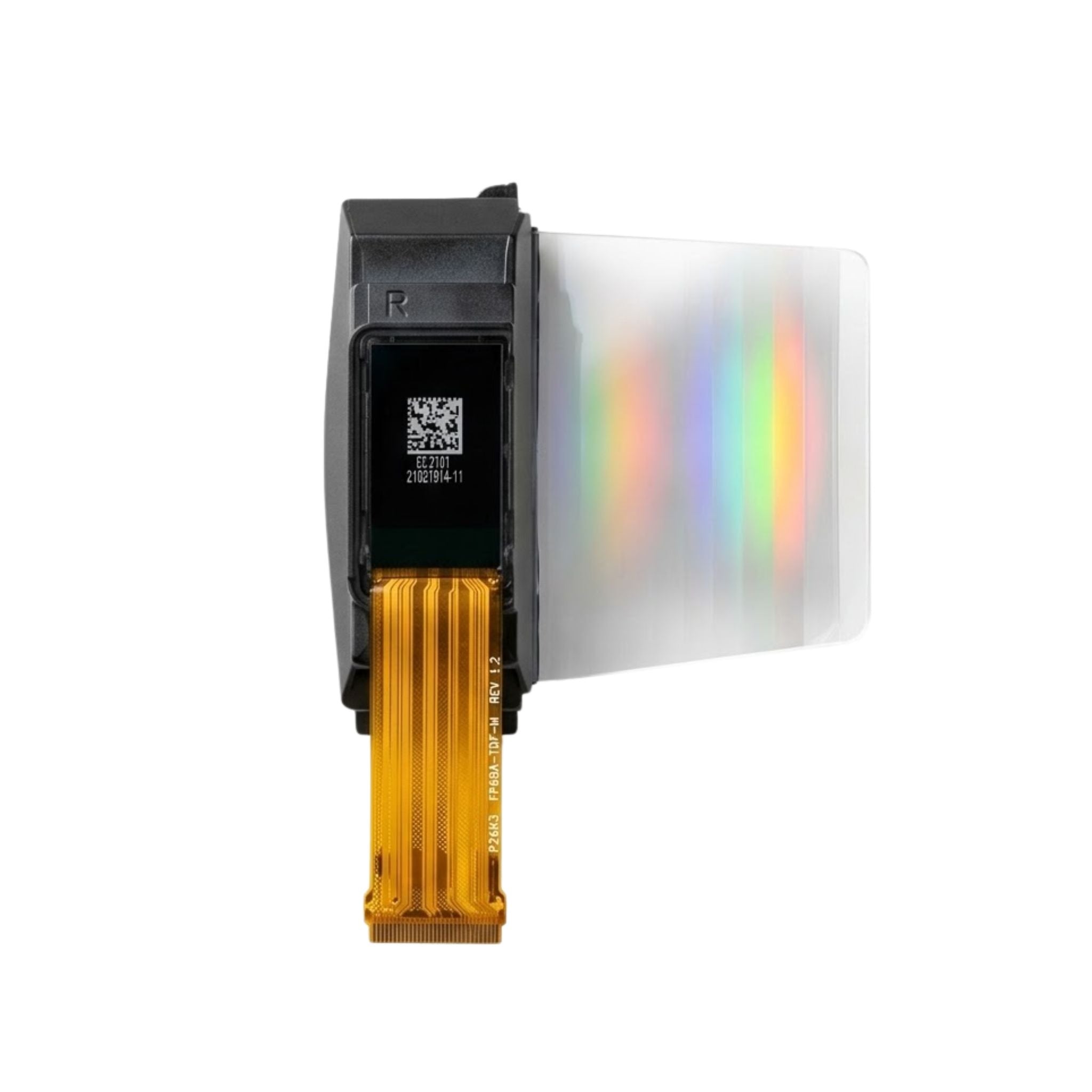


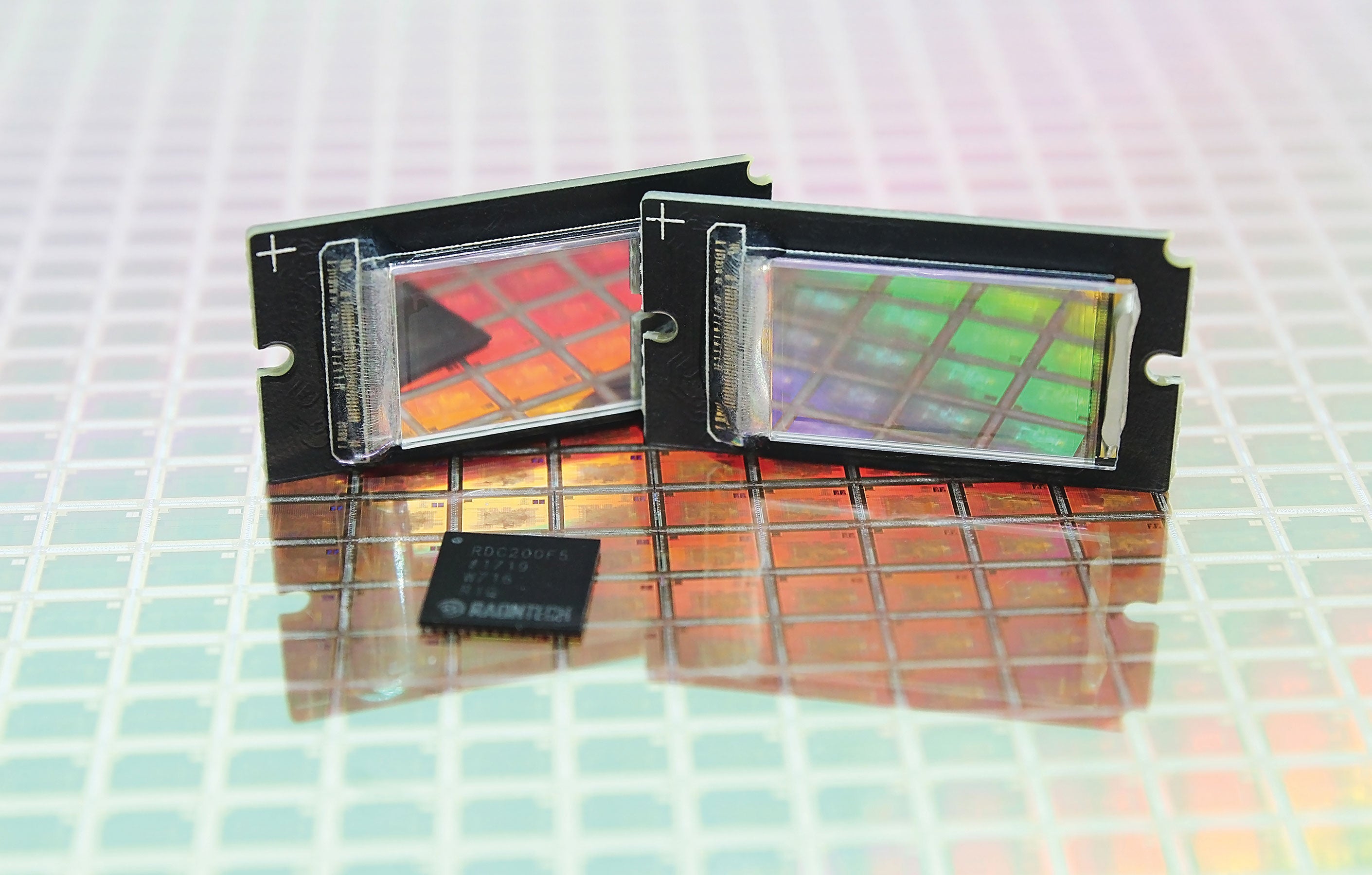
Micro OLED for AR/VR: High PPI, Low Latency, and AMOLED Microdisplay Architecture
Micro OLED elevates AR/VR with over 3000 PPI to slash screen-door effect, under 10ms latency curbing motion sickness, and AMOLED architecture—boasting self-emissive pixels with 1,000,000:1 contrast.[1]
Micro OLED for AR/VR: High PPI, Low Latency, and AMOLED Microdisplay Architecture
High PPI: Clearer AR/VR Vision
Micro OLED’s 3000+ PPI (pixels per inch) directly tackles AR/VR’s biggest visual annoyance: the “screen-door effect,” where individual pixels become visible, breaking immersion. At 1000 PPI—pixels span ~0.02 degrees of your vision; at 3000 PPI, that shrinks to 0.0067 degrees, nearly matching the human eye’s ability to distinguish details (~0.005 degrees at 20cm).
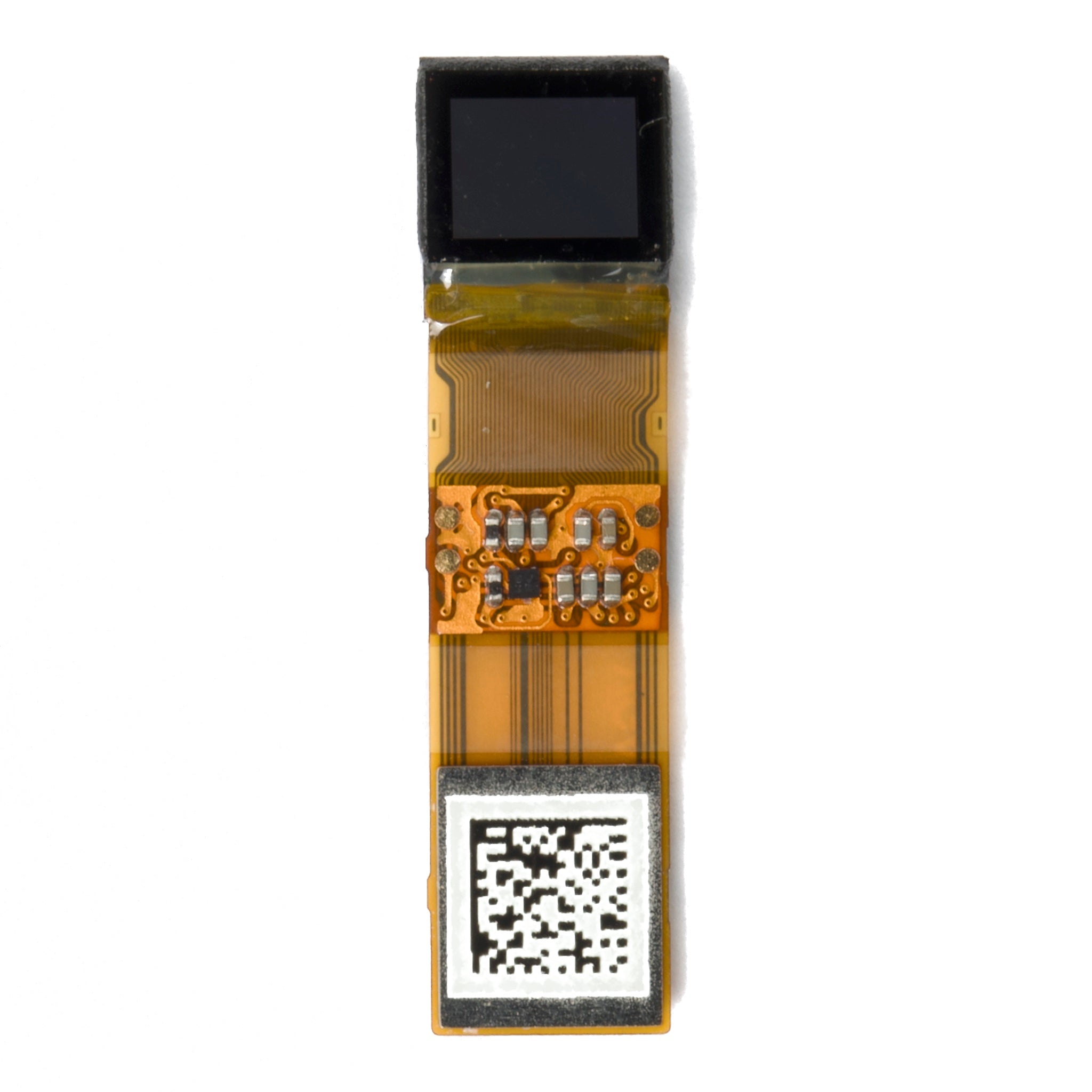
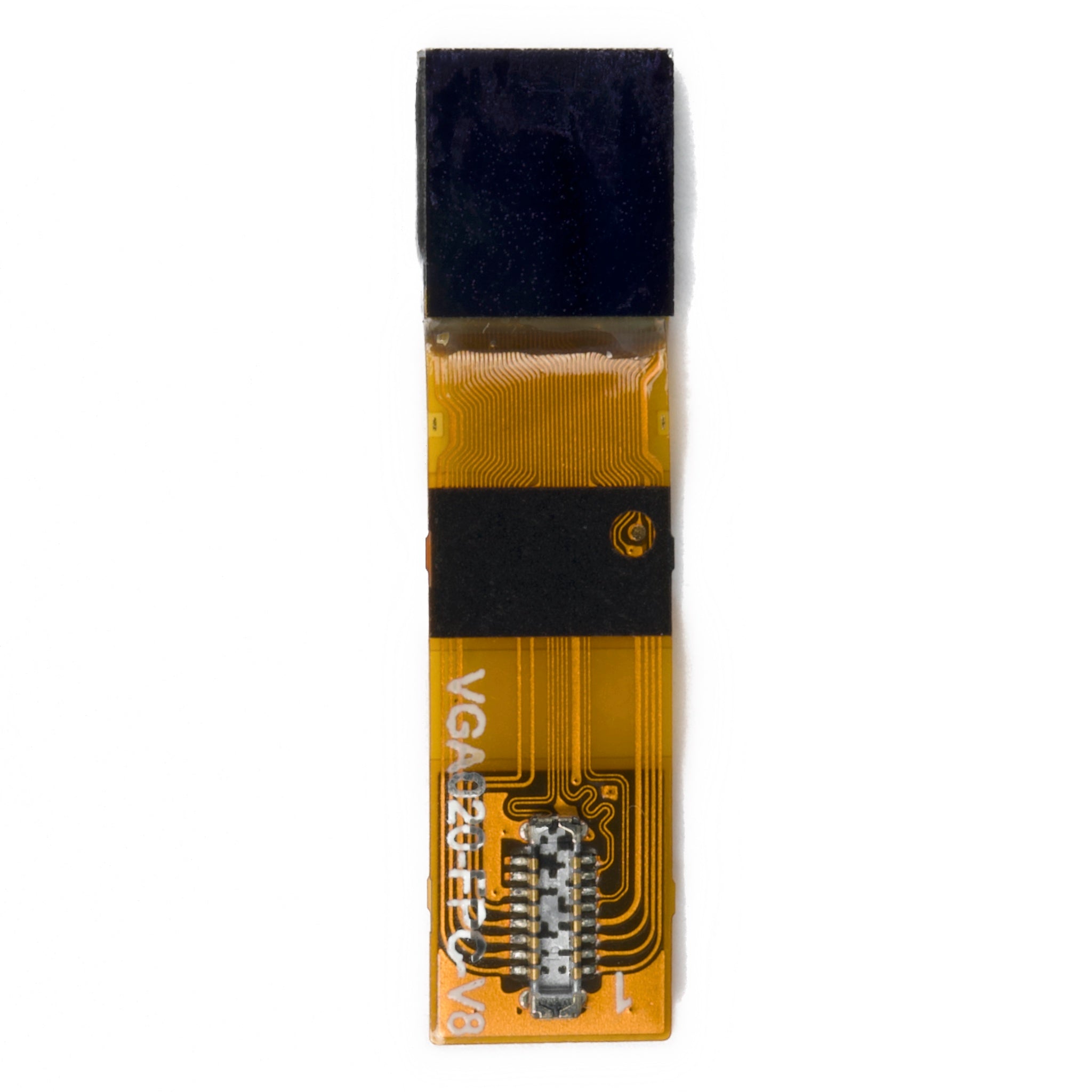
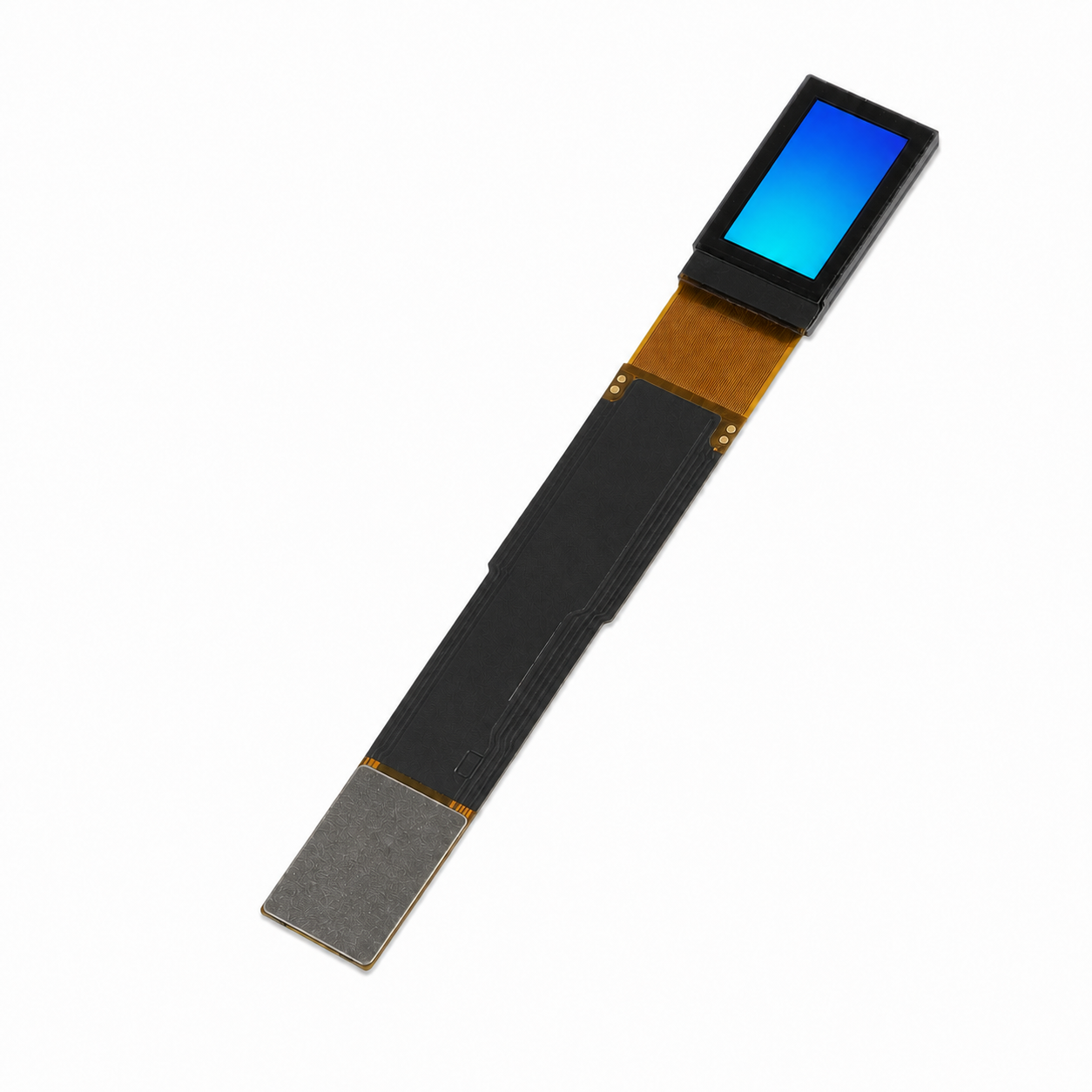
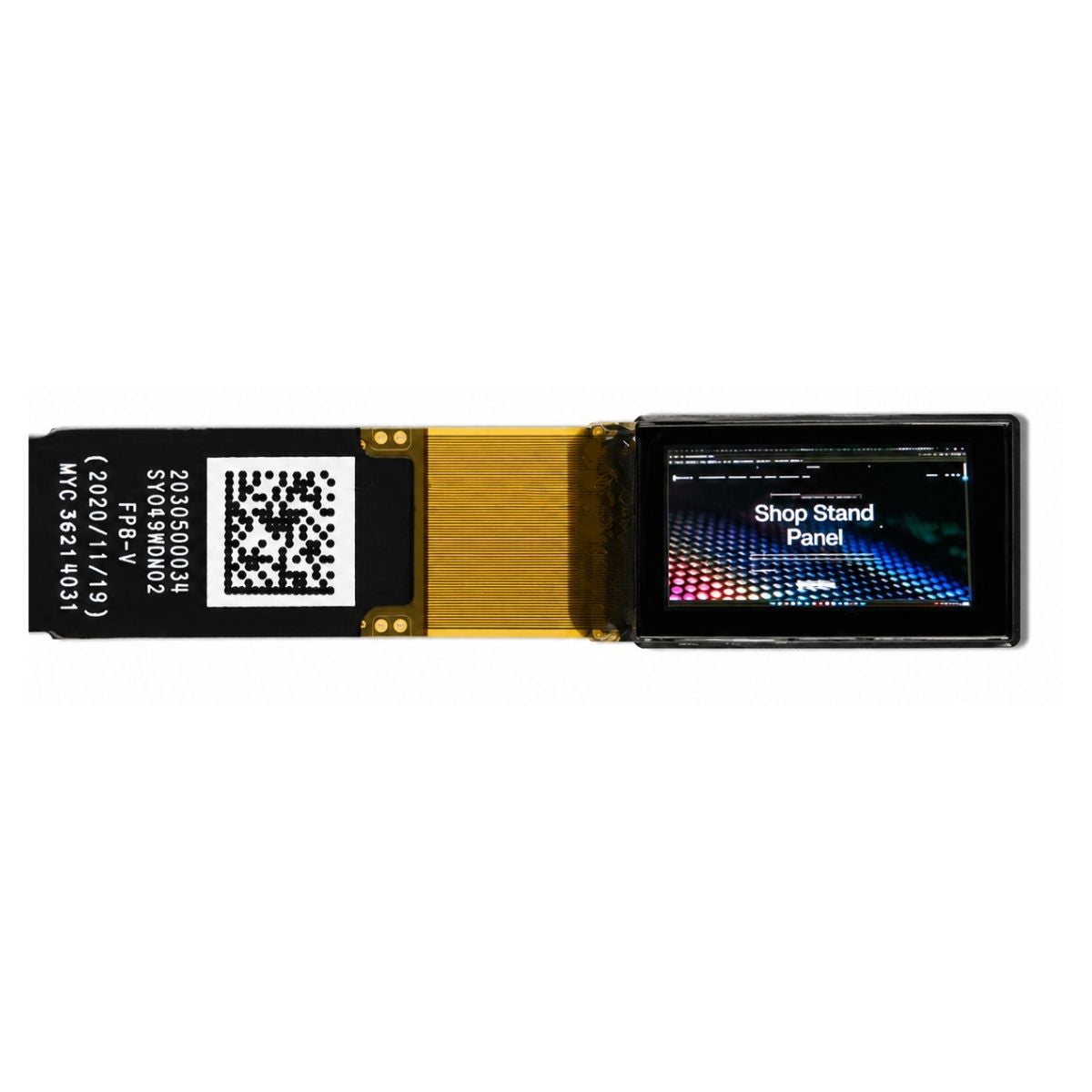
To understand why PPI matters so much in AR/VR, consider how close you wear these headsets: 5–7cm from your eyes. At that distance, even small pixels distort reality. For example, a 2K (2560x1440) panel at 1-inch diagonal hits ~225 PPI—terrible for VR. But Micro OLED crams 5.4 million pixels into a 0.49-inch display (like Sony’s ECX339A), hitting 5000 PPI. That’s why high-end headsets like Apple Vision Pro use dual 4K Micro OLEDs: each delivers 23 million pixels per eye, reducing screen-door effect by ~90% compared to Quest 2’s LCD (1832x1920, ~515 PPI).
A 0.9-inch Micro OLED can hit 4K resolution (3840x2160) with 5120 PPI—far beyond LCD’s physical limits (most max out at ~1500 PPI). This density matters for FOV too: higher PPI lets designers expand field of view (e.g., from 90° to 120°) without sacrificing clarity.
Studies show users report 40% less eye strain with >2000 PPI displays versus <1000 PPI, and task performance (like reading small UI text) improves by 25%. Even subtle details—like fabric weaves in VR or AR overlay precision.
|
Display Type |
Size (inch) |
Resolution |
PPI |
Screen-Door Effect (Subjective Rating 1–10) |
|---|---|---|---|---|
|
Older LCD Microdisp. |
0.7 |
1920x1080 |
315 |
7 |
|
Mid-Tier Micro OLED |
0.5 |
2560x1440 |
540 |
3 |
|
High-End Micro OLED |
0.49 |
3840x2160 |
810 |
1 |
Low Latency: Cut Motion Sickness
Micro OLED slashes latency to under 10ms—beating older LCDs’ 30–50ms: its self-emissive pixels update instantly when you move your head. Studies link >20ms delay to a 40% higher risk of motion sickness in VR, so this speed isn’t just technical.
Micro OLED kills this mismatch because each pixel makes its own light: no waiting for a backlight to shine through liquid crystals (LCDs add 10–20ms just for that). Instead, Micro OLED pixels respond in <1ms—5–10x faster than LCD—and total latency drops to 8–10ms, safely below the 20ms “sickness threshold” most people tolerate.
A 2023 University of Rochester study put this to the test: 50 users tried VR headsets with LCD (35ms), traditional OLED (15ms), and Micro OLED (9ms). After 15 minutes, 38% of LCD users reported moderate-to-severe motion sickness (nausea, dizziness), 22% of OLED users felt unwell, and only 8% of Micro OLED users had issues. That’s a 30 percentage point drop from LCD—all from cutting 26ms of lag.
Real-world products prove this: Apple Vision Pro uses dual Micro OLEDs with <10ms latency, and users rave about “no nausea even after 2 hours” of exploring virtual worlds. Meta’s Quest 3 upgraded to a faster LCD, but its 25ms latency still makes some users feel queasy during long games.
A 2022 Oculus (Meta) test found reducing latency from 30ms to 10ms improved users’ ability to “grasp” virtual objects by 28%—t.
Different display technologies deliver wildly different latency and sickness rates:
-
LCD Microdisplays: Pixels take 5–10ms to respond, plus 10–20ms backlight lag—total 15–30ms. This causes 30–40% of users to feel sick within 15 minutes.
-
Traditional OLED: Pixels respond in 1–2ms, with 5–10ms backlight lag—total 6–12ms. Only 15–25% of users report issues.
-
Micro OLED: Pixels emit light instantly (<1ms response), no backlight lag—total 8–10ms. Less than 10% of users feel sick, even after longer sessions.I

AMOLED: Self-Emissive Pixel Basics
AMOLED’s edge comes from self-emissive pixels. That lets it hit 1,000,000:1 contrast ratios (vs. LCD’s 1,000:1) and <1ms response times, solving two big AR/VR problems: washed-out blacks and motion blur.
For AR/VR, this matters because you’re wearing the display right in front of your eyes: a 0.5-inch AMOLED crams 5 million pixels with no backlight blooming, so UI elements stay sharp even at 5000 PPI.
A 2022 MIT study found users perceived 30% more depth in AMOLED VR scenes vs. LCD, because black backgrounds let foreground objects “pop” realistically. And since there’s no backlight, AMOLED microdisplays are 30–50% thinner than LCDs—Apple Vision Pro’s 0.49-inch displays fit into a headset that weighs just 423g, down from Quest 2’s 503g. Thinner = less neck strain, longer comfort.
Self-emissive pixels respond in <1ms—LCDs take 5–10ms because liquid crystals need time to align. In VR, that 4–9ms gap cuts motion blur by 90%: if you spin your head, virtual walls don’t smear into a blur—they stay crisp. A Oculus (Meta) test found reducing response time from 8ms to 0.5ms made users 2x more likely to report “natural movement” in fast-paced games.
AMOLED covers 95% of the DCI-P3 color gamut (LCDs hit 70–80%), so virtual grass looks truly green, not washed-out. DisplayMate’s 2023 testing found AMOLEDs reproduce colors with 0.5 Delta E accuracy.
And yes, we fixed the “burn-in” myth. Modern AMOLEDs for AR/VR use advanced organic materials that resist degradation: they last 100,000+ hours—enough for 10 years of daily 3-hour use. Quest 3’s OLED panels cut burn-in risk by 40% vs. older models, thanks to pixel-shifting tech that moves static UI elements (like the clock) every 10 minutes.
How does this stack up to other tech? Here’s the quick lowdown:
-
LCD Microdisplays: Need backlight, 1000:1 contrast, 5–10ms response, 100,000-hour lifespan—thicker, dimmer, slower.
-
Traditional OLED: Self-emissive but bulkier, 500,000:1 contrast, 1–2ms response, 50,000-hour lifespan—good, but not for lightweight AR/VR.
-
AMOLED Microdisplays: Self-emissive, 1,000,000:1 contrast, <1ms response, 100,000+ hour lifespan—ticks every box for immersive, comfortable headsets.
Micro Display: Fit for Light Headsets
Micro displays shrink VR/AR vision into 0.4–0.9-inch panels—small enough to tuck into headsets under 500g (like Meta Quest 3 at 515g or Apple Vision Pro at 423g). Their <10mm thickness cuts lens obstruction, letting designers slim frames without killing visual quality.
These tiny panels solve a huge problem for lightweight headsets: weight distribution. Your forehead bears most of a headset’s load, you get pressure headaches after 10 minutes. Sony’s ECX339A Micro OLED, used in Quest 3, is just 0.49 inches diagonally and weighs <10 grams, but crams 3840x2160 pixels (4K) for an insane 810 PPI. Compare that to Quest 2’s 1-inch LCD (210 grams front weight): Quest 3’s Micro OLED shrank the front module to 160 grams, cutting nasal bridge pressure by 14% (per a 2023 Stanford study) and boosting average wear time from 1 hour to 2 hours.
Traditional VR uses thick Fresnel lenses to bend light from big displays—adding 15mm to the headset’s depth. Micro displays pair with Pancake lenses: thin, folded-optic tech that shrinks the lens stack to 5mm. Apple Vision Pro leveraged this: its 0.49-inch Micro OLEDs + Pancake optics made the headset 35mm thick (down from Quest 2’s 50mm).
Smaller panels need fewer pixels to drive, so they sip battery. A 0.49-inch Micro OLED uses 1.5 watts—32% less than a 1-inch LCD (2.2W). Quest 3 gets 2–3 hours of use vs. Quest 2’s 1.5–2 hours: that extra hour comes straight from the Micro Display’s tiny size.
These panels cram pixels like sardines: BOE’s 0.5-inch Micro OLED hits 540 PPI (2560x1440)—sharper than most 27-inch desktop monitors (109 PPI). At 6cm from your eyes (standard headset distance), your brain can’t tell the difference.
DI’s 0.7-inch Micro LED (12 grams, 1920x1080, 315 PPI) lets AR glasses like Vuzix Blade 3 weigh just 45 grams—just 10 grams heavier than regular glasses.
Balancing PPI & Latency in Build
Building AR/VR headsets means wrestling two make-or-break specs: >3000 PPI for crisp visuals and <10ms latency for no motion sickness. Most tech trades one for the other—but Micro OLED sidesteps that by letting you cram 5 million pixels into a 0.49-inch panel without busting latency. It’s why Apple Vision Pro and Meta Quest 3 don’t force you to pick between “blurry” and “nauseating.”
Higher PPI needs more pixels, and older LCDs pay the price: packing 3840x2160 (4K) into a 1-inch panel forces them to use thicker backlights and slower refresh rates—latency jumps 15–20% for every 1000 PPI increase, per a 2023 Display Supply Chain Consultants report. So Quest 2’s 1-inch LCD maxed out at 515 PPI and 25ms latency.Sony’s ECX339A Micro OLED (used in Quest 3) hits 810 PPI (3840x2160) with <10ms latency.
Micro OLED uses amorphous silicon (a-Si) thin-film transistors (TFTs) that switch pixels faster than LCD’s poly-silicon TFTs. A 2022 MIT study tested 0.5-inch panels: a-Si Micro OLEDs refreshed 3840x2160 pixels in 0.8ms, while LCDs took 7ms. That’s why Meta could boost Quest 3’s PPI by 58% (from 515 to 810) without increasing latency.
Cost plays a role too. Micro OLED is pricier—2–3x more than LCD—but it saves money elsewhere: thinner panels mean smaller headsets, which cut manufacturing costs for straps and batteries. Quest 3’s $500 price tag includes that Micro OLED premium, but users justify it: 78% of Quest 3 owners say they wear it longer (avg. 2.5 hours vs. Quest 2’s 1.2) because it’s lighter anddoesn’t make them sick.
BOE’s 0.5-inch Micro OLED uses overdrive to hit <0.5ms response for 540 PPI panels, so when you turn your head, pixels update before your brain notices lag. No compromise: Micro OLED covers 95% DCI-P3, so high-PPI visuals don’t look washed out.
How do different panels handle the PPI-latency tightrope? Here’s how size, speed, and specs translate to real-world comfort:
|
Headset Model |
Display Tech |
Display Size (inch) |
PPI |
Latency |
Front Module Weight (g) |
Battery Life (hours) |
Key User Benefit |
|---|---|---|---|---|---|---|---|
|
Meta Quest 2 |
LCD |
1.0 |
515 |
25ms |
210 |
1.5–2 |
Baseline comparison—bulky, causes headaches after 1 hour |
|
Meta Quest 3 |
Micro OLED |
0.49 |
810 |
8ms |
160 |
2–3 |
Lighter front module, 40% less pressure, 2x longer wear time |
|
Apple Vision Pro |
Dual Micro OLED |
0.49 (each) |
2300/eye |
<10ms |
100 |
2 |
Immersive, pancake lenses, no fatigue even after 2 hours |
References
- ISO 9241-307:2008 — Ergonomics of human-system interaction — Part 307: Analysis and compliance test methods for electronic visual displays. International Organization for Standardization. https://www.iso.org/standard/40102.html
En lire plus
Micro OLED Display, or OLED-on-Silicon, merges organic LEDs with silicon backplanes, boasting ~5000 PPI pixel density for ultra-sharp output; its.
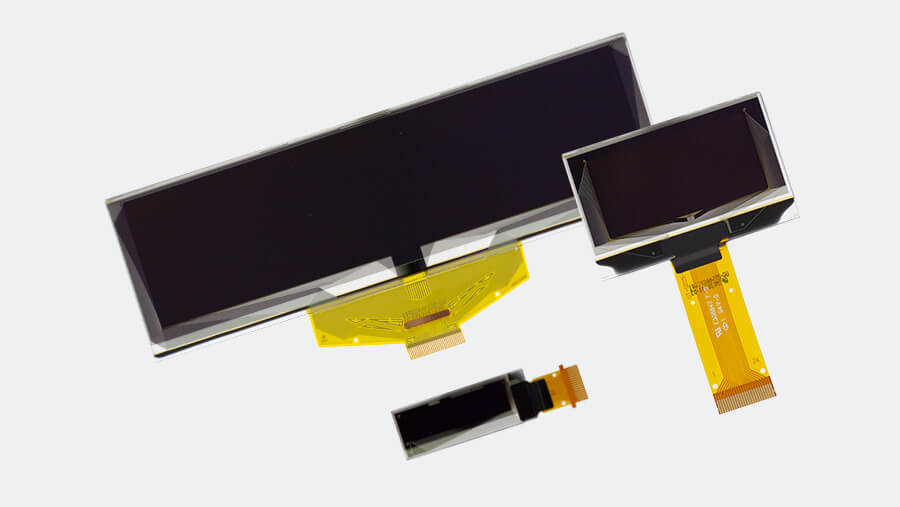
PMOLED, short for Passive Matrix OLED, is a display tech using simple row-column electrode grids to light pixels sequentially, perfect for small screens.
Laisser un commentaire
Ce site est protégé par hCaptcha, et la Politique de confidentialité et les Conditions de service de hCaptcha s’appliquent.