



Does NexPCB Offer Support For Displays Modules
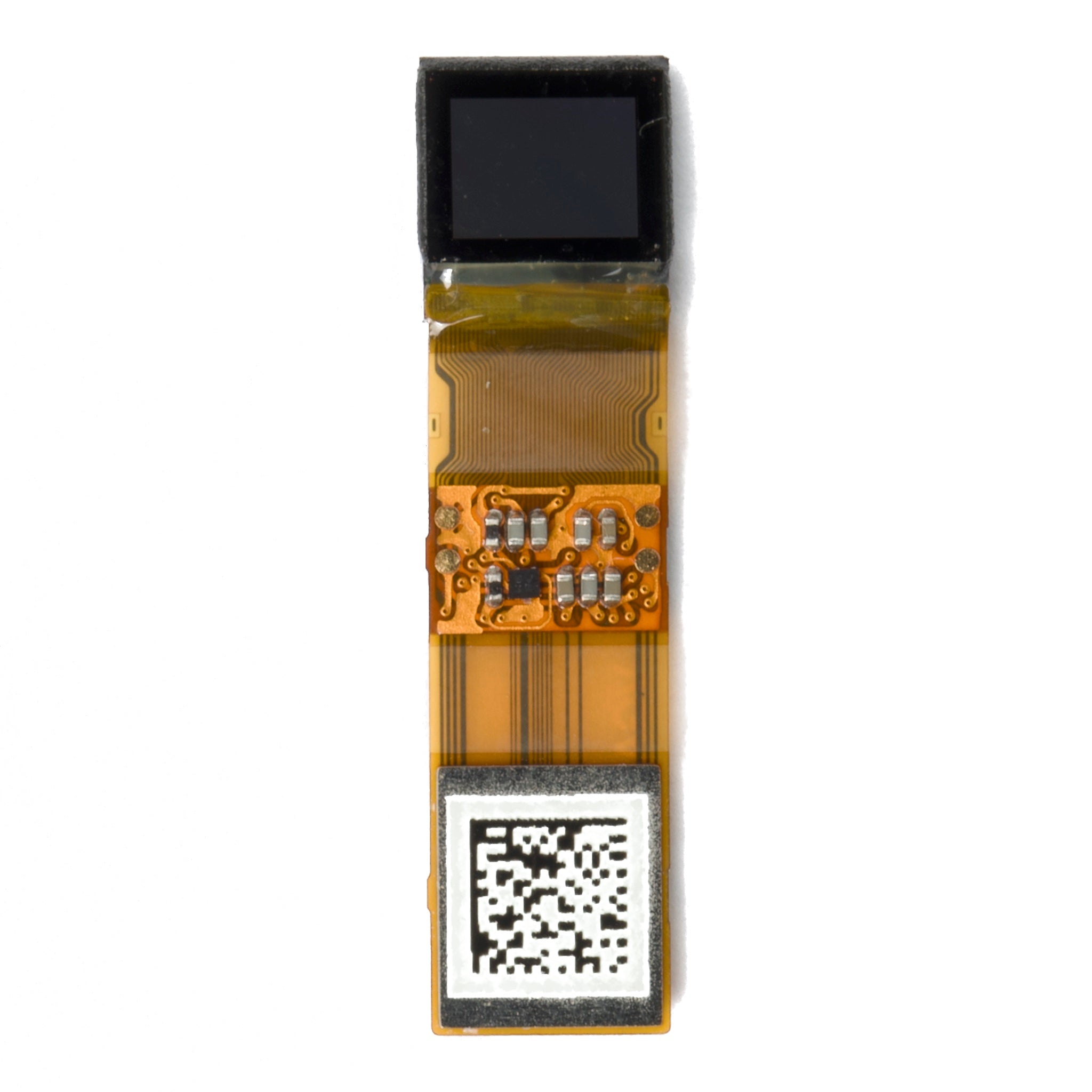
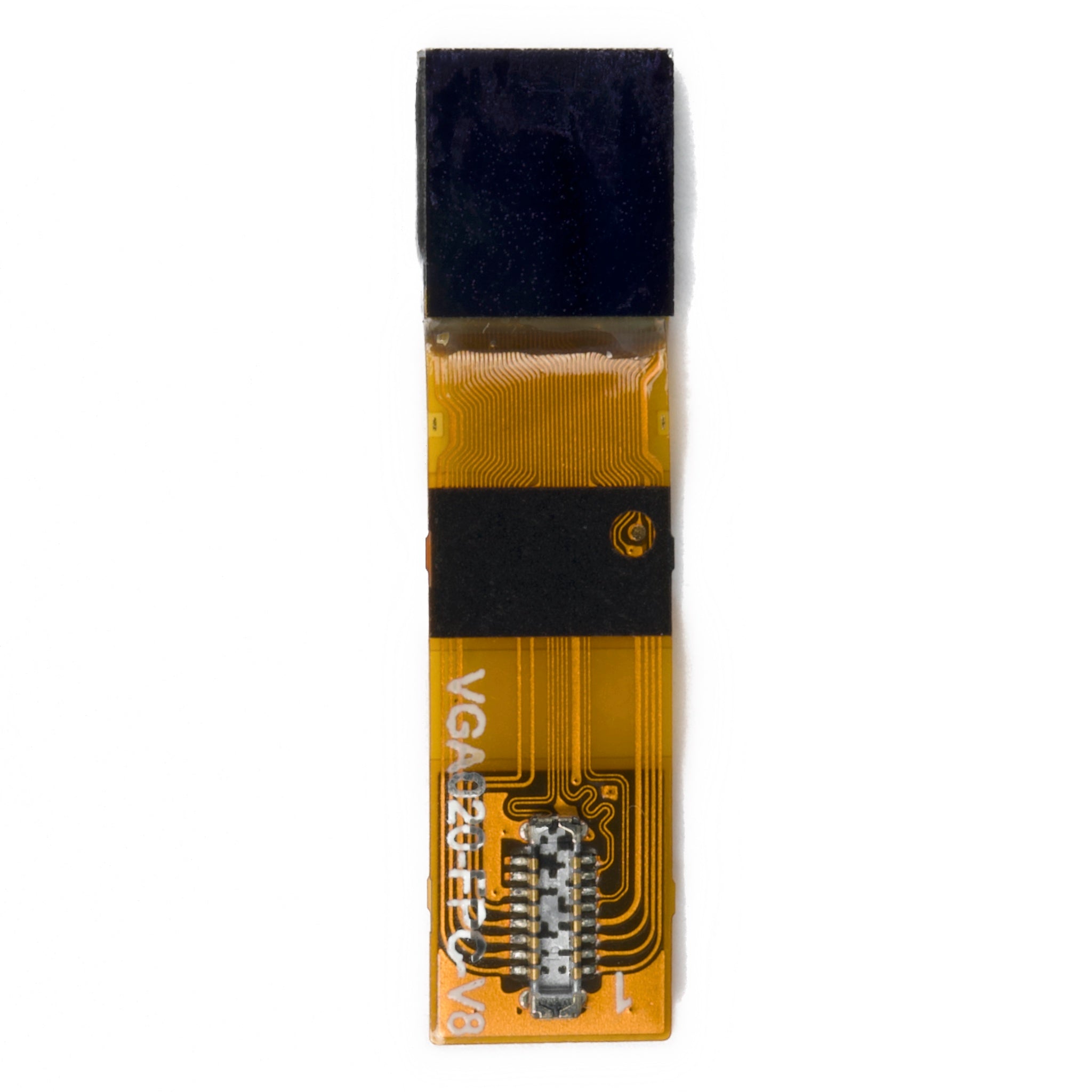
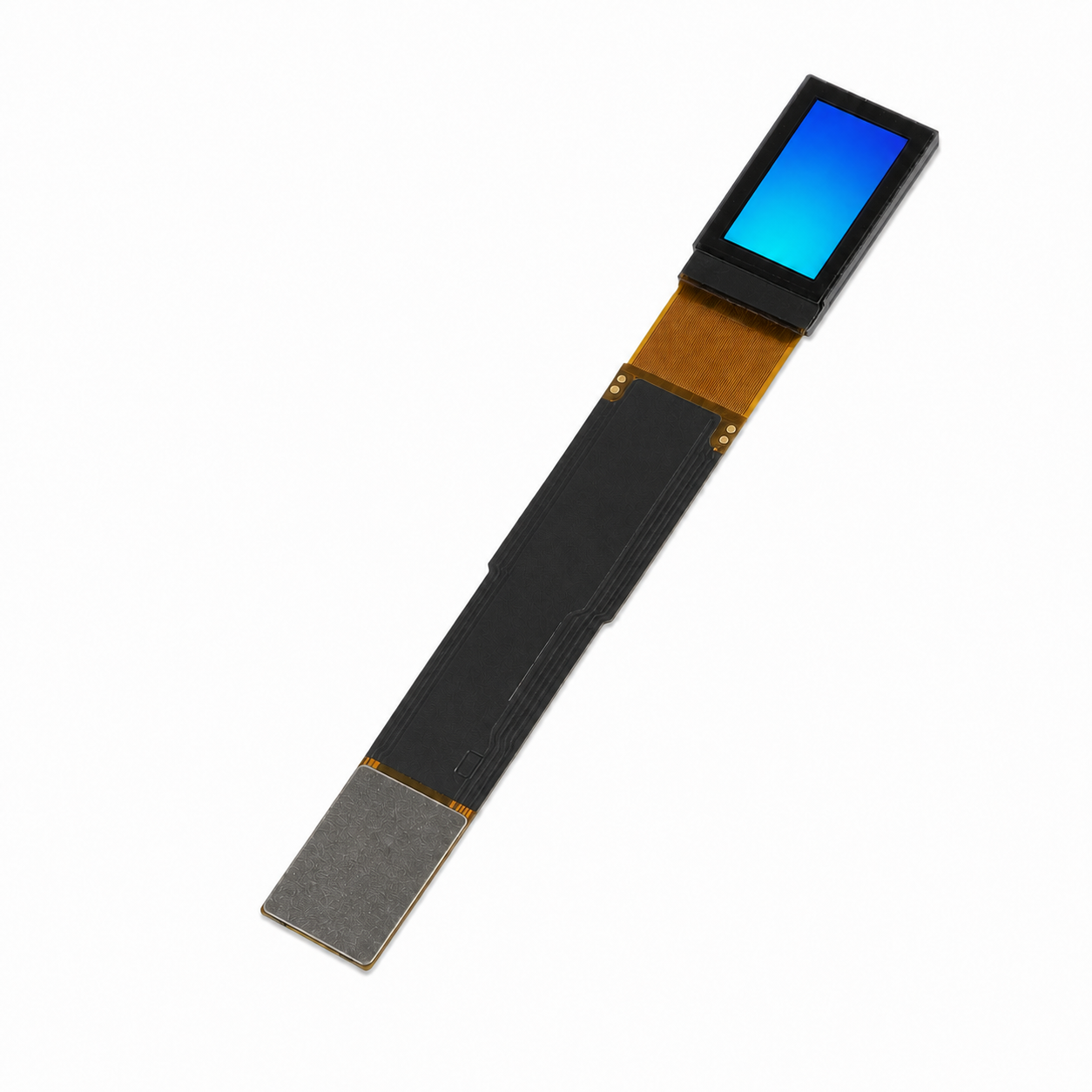
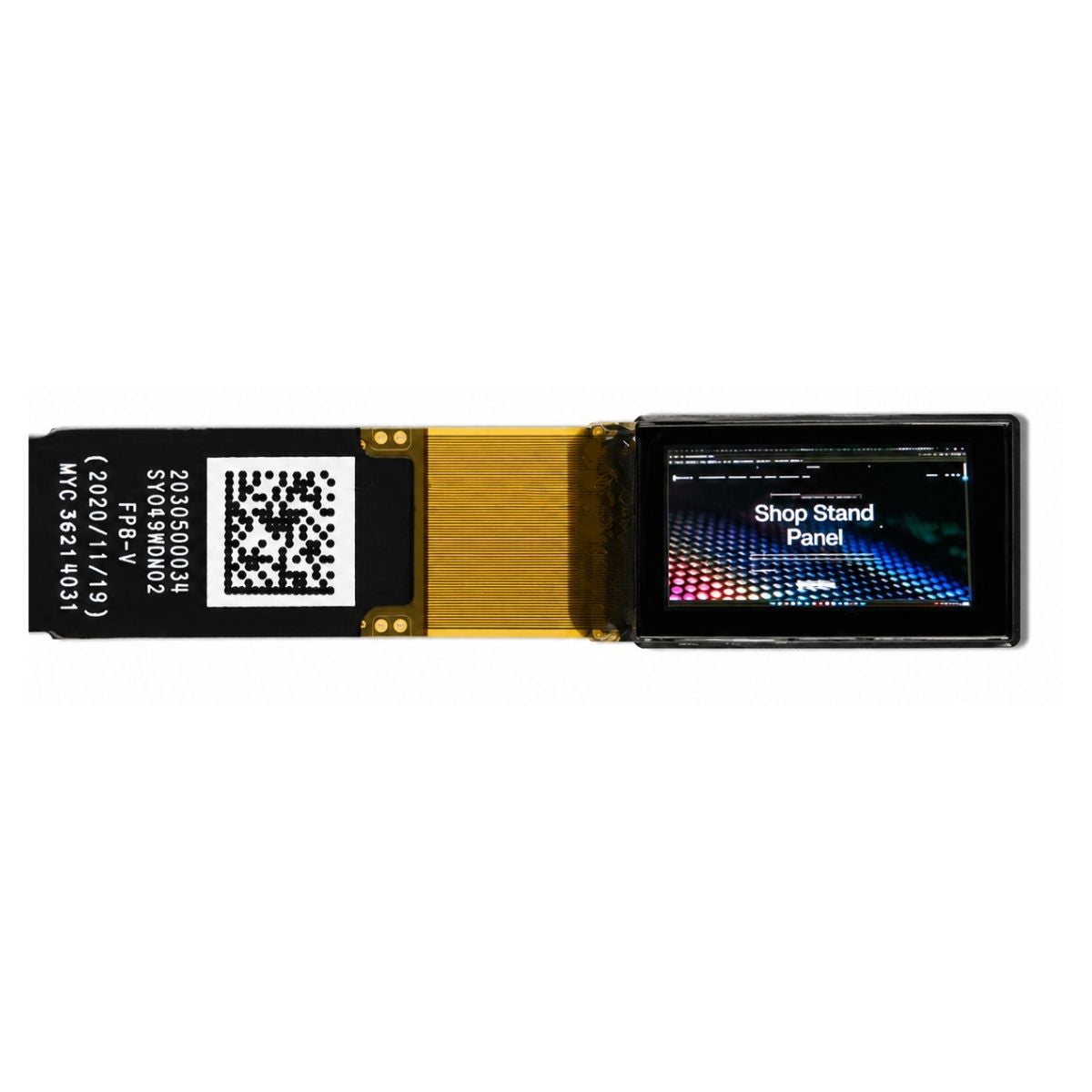
Yes, in the form of engineering support around a module order rather than a warranty desk. The useful way to judge it is by scope: support covers five things — selecting the panel, reviewing the drawing and interface, building and measuring samples, documenting what was shipped, and planning for the life of the part. Ask which of the five is included, which is charged, and who answers when a batch fails.
Where support usually starts
Most display problems are created before a purchase order exists, when a panel is chosen for its size and price and not for its controller, its interface or its temperature grade. A supplier who reviews specifications early prevents the expensive version of that mistake, where the enclosure is tooled and the display cannot be driven at the required frame rate.
The two specifications that cause the most rework are logic level and backlight drive. A module built for a lower logic supply will not accept a higher bus without level shifting, and an LED backlight needs a current source rather than a voltage. Both are decided at selection and both are cheap to fix on paper.
What a drawing review checks
A design review for a display is a short list applied carefully, and it is worth asking for the list in writing so that the same items are checked on every revision.
| Item | What goes wrong if it is missed |
|---|---|
| Pinout against the controller datasheet | Bus lines swapped or a control pin left floating |
| Logic voltage and level shifting | Intermittent writes, or damage on a 5 V bus |
| Backlight circuit and current setting | Dim panel, overheating driver, or short LED life |
| FPC length, bend radius and stiffener | Fatigue cracks at the bend after assembly |
| Bezel, active area and window tolerance | Visible edge of the display behind the cover |
| Connector mating and insertion depth | A connector that seats on the bench and opens in vibration |
| Grounding and ESD path | Resets when the panel is touched |
| Thermal path from the backlight | Contrast drift or a shortened backlight life in a sealed case |
The value of this review is not that the supplier knows more than your engineers. It is that the same mistake has been seen before, and the checklist is the record of it.
Interface and timing
Interface support is where a supplier can save the most time, because the numbers interact. SPI throughput is set by three things at once: the clock the controller can accept, the bits per pixel of the colour format and the pixel count of the panel. Change any one and the achievable frame rate changes.
A worked example makes the trade visible. A 320 by 240 panel at 16 bits per pixel needs about 1.2 million bits per frame; at an 8 MHz clock that is roughly six frames per second before command overhead, which is enough for a status display and not enough for video. Dropping to 8 bits per pixel doubles the rate and halves the colour depth.
The clock itself is a device rating, not a preference, and the bit order and clock mode have to match the panel datasheet or the first byte arrives shifted.[1] These are the details to settle in an email before samples are built, not during bring-up.
Also settle how the host knows a frame is complete. Without a tearing-effect signal or a synchronized update window, a monochrome or colour panel will show a horizontal seam when the host writes faster than the panel refreshes, and the seam is often mistaken for a defective module.
Samples and measurement
Support is only as good as the numbers attached to it. Ask for the optical data with its measurement conditions, because a brightness figure without a drive current and a meter geometry cannot be compared with anything.
ISO 9241-307 sets out how display characteristics are analysed and assessed, and its measurement procedures refer back to ISO 9241-305; a report that cites the series is one you can compare against another supplier's.[2]
For the sample stage, agree what will be measured, on which fixture, at which drive conditions, and keep the measured unit as the reference for the production lot. A sample that is chosen because it looks good is not a reference; a sample with a recorded reading is.

Documentation that keeps a project alive
A module is only maintainable if the paperwork survives the people who wrote it. Ask for the controlled drawing with a revision number, the controller datasheet, a 3D model for the enclosure, the initialisation sequence, and the declaration files for the markets you ship to.
Then ask what happens when something changes. A process change notice tells you that a panel, a polariser or a controller is changing before it arrives in a carton, which is the difference between qualifying a new batch and discovering it in production.
Lifecycle, not just the first order
The support question that matters two years later is availability. Controllers reach end of life on the supplier's schedule, and a module built around a single controller ends with it.
Ask for the expected life of the panel and the controller separately, whether a second source exists for the same format, and what a last-time buy would look like. For products with a service life measured in years, the industrial display range is specified around that question rather than around price.
What support cannot do
It cannot replace your own EMC testing, your own mechanical tolerance stack, or your own decision about what happens when a part is unavailable. It also cannot make a specification precise after the tooling is cut.
And it cannot be measured by response time alone. An answer in an hour that ignores the interface constraint costs more than an answer in a day that includes it, which is why the questions below are worth more than a service-level promise.
Questions worth asking
- Will you review my schematic and drawing before I order, and in writing?
- What is the logic voltage range, and what happens on a 5 V bus?
- What current does the backlight need, and what driver do you recommend?
- Which controller is in the module, and is a second source available for it?
- What are the optical readings with their measurement conditions?
- What is the change notification process, and how much notice does it give?
- What is the expected availability of the panel and of the controller?
- Who is the technical contact after the order ships, and what do they need from me?
What to send with the enquiry
Send the enclosure drawing or the available space, the interface you intend to use, the logic voltage, the operating temperature range, the environment, the annual quantity and the date you need the first batch. Those seven items decide most of the answer.
If a panel from the TFT range nearly fits, say which dimension is fixed and which can move. If the design needs to move between interface types, an adapter board lets you evaluate the panel before the PCB is final, which is the cheapest form of support there is.
Good support is a review, a measurement and a document, offered before and after the order. Ask for the scope in writing, send a complete brief, and keep the reference sample. The rest is a relationship with a technical contact who knows your part number.
References
- Arduino. Arduino & Serial Peripheral Interface (SPI) — clock speed limited by the peripheral's rating, bit order and mode set per device. https://docs.arduino.cc/learn/communication/spi
- ISO 9241-307:2008 — Ergonomics of human-system interaction — Part 307: Analysis and compliance test methods for electronic visual displays. International Organization for Standardization. https://www.iso.org/standard/40102.html
Weiterlesen

NexPCB ensures display modules ship safely by first sealing them in anti-static bags to block static, then wrapping in thick EPE foam for shock.
In 2025, AMOLED (Active-Matrix Organic Light-Emitting Diode), a subset of OLED, will dominate flexible displays with 75% phone market share (vs. OLED’s.
Hinterlasse einen Kommentar
Diese Website ist durch hCaptcha geschützt und es gelten die allgemeinen Geschäftsbedingungen und Datenschutzbestimmungen von hCaptcha.