

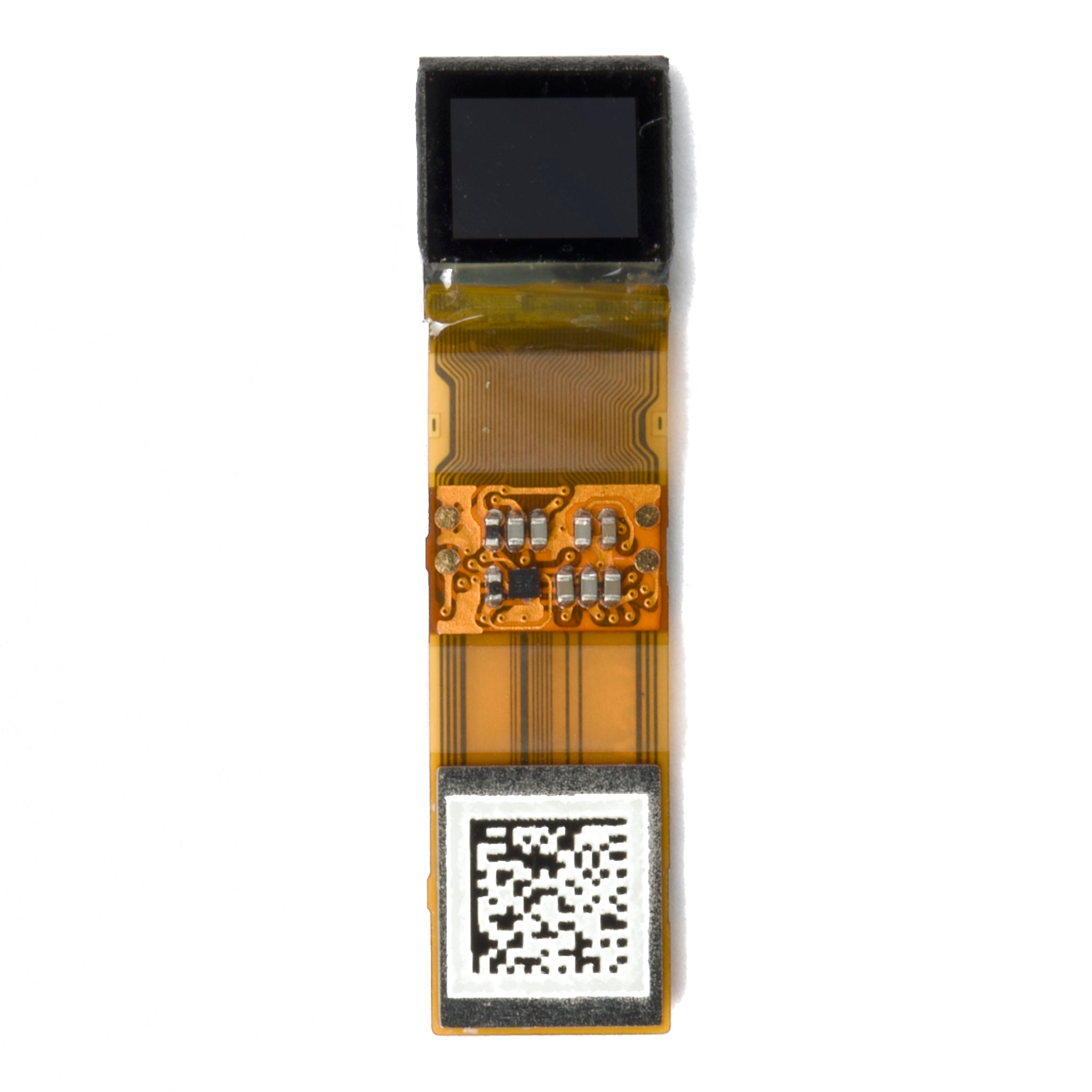
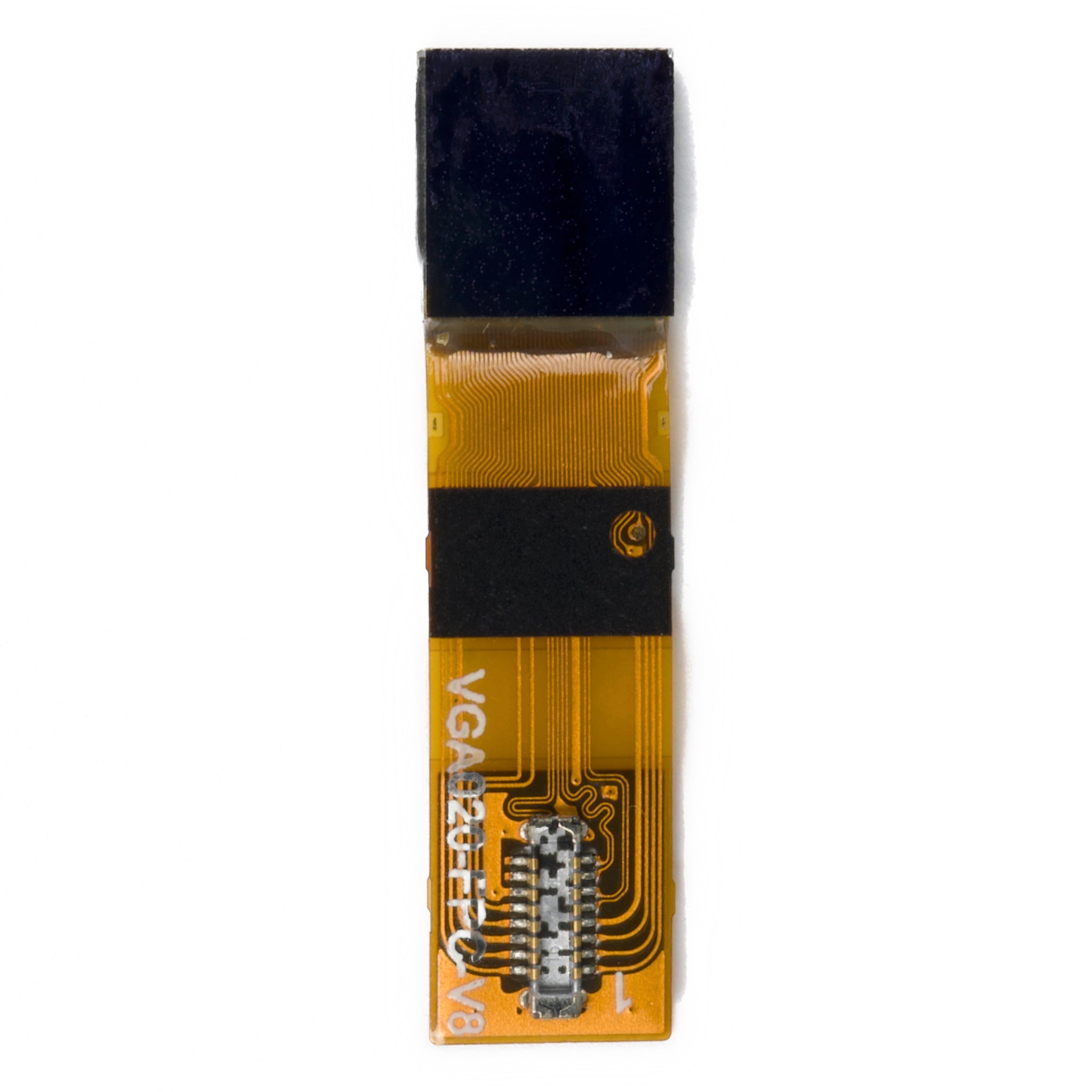
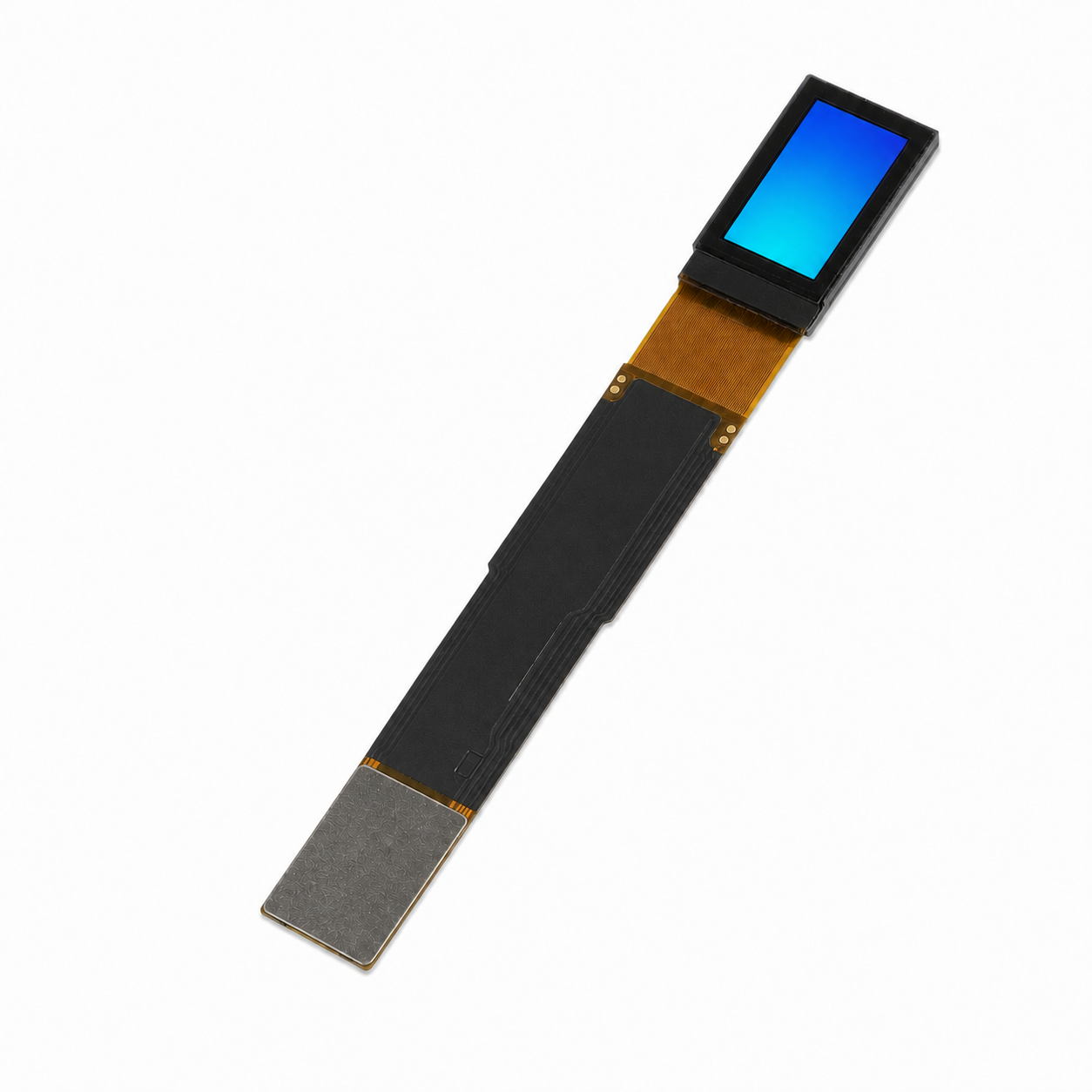
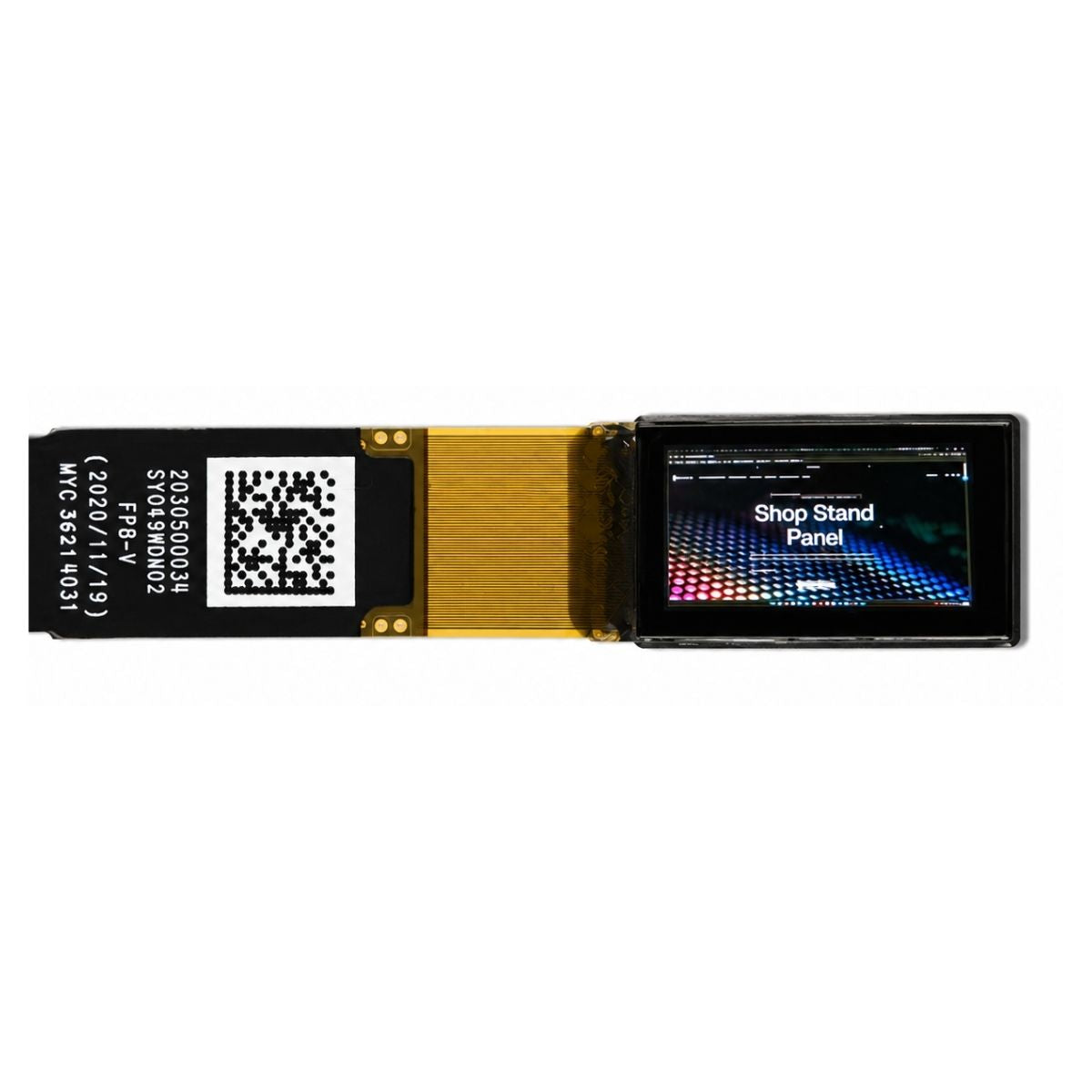


Embedded IPS Display Modules | Low Power & Compact Form Factor
They shine in low power use, with typical operation at just 0.5W and standby dropping below 0.1W, greatly extending battery life. Their slim form factor, often under 3mm thick and available in 1.3–7 inch sizes, fits tight spaces effortlessly. IPS tech ensures wide 178° viewing and vibrant colors, keeping visuals clear off-axis.
Low Power
A low-power embedded IPS display module runs efficiently, drawing 0.5W active and 0.08W standby—cutting energy use by 30% vs. standard LCDs. A 100mAh battery lasts 8 hours active or 50 hours standby, ideal for portable devices needing long runtime.
The active mode operates at 0.3–0.6W depending on size, with brightness adjusted via pulse-width modulation (PWM) to save 20–40% when dimmed. Standby mode drops to 0.05–0.1W, triggered after 10 seconds of inactivity, while sleep mode uses just 0.01W for deep rest. For example, a 2.4-inch module at 300 nits brightness draws 0.4W active, but reduces to 0.25W at 150 nits—a 37.5% cut.
Key low-power features include:
-
Dynamic backlight control: Adjusts LED current based on content, saving 15–30% vs. fixed backlight.
-
Efficient driver IC: Uses 2.8V supply (not 5V), cutting power loss by 44%.
-
Fast wake-up: Switches from sleep to active in 50ms, minimizing idle drain.
-
Small footprint synergy: At 2.5mm thick, smaller modules (1.3–3 inch) draw 0.2–0.35W active, 25% less than 5–7 inch versions.
|
Module Size |
Active Power (300 nits) |
Standby Power |
100mAh Battery Life (Active/Standby) |
|---|---|---|---|
|
1.3 inch |
0.2W |
0.05W |
12 hrs / 60 hrs |
|
2.4 inch |
0.4W |
0.08W |
6 hrs / 31 hrs |
|
4.0 inch |
0.55W |
0.09W |
4.3 hrs / 26 hrs |
|
7.0 inch |
0.6W |
0.1W |
3.9 hrs / 23 hrs |
With 0.3W active use, the 120mAh battery lasted 15 days of 4-hour daily screen time—up from 8 days with the old LCD. Standby at 0.06W added 2 extra idle days."This aligns with data showing low-power IPS extends battery life by 40–70% in wearables.
Temperature also impacts efficiency: at 25°C, power stays stable, but rises to 0.45W at 45°C (a 12.5% increase), so thermal management adds 5–10% more savings. For IoT sensors, pairing a 2-inch module (0.35W active) with a solar cell (generating 0.5W peak) creates self-sustaining operation, reducing battery replacement costs by 90% over 2 years.
Compact Form Factor
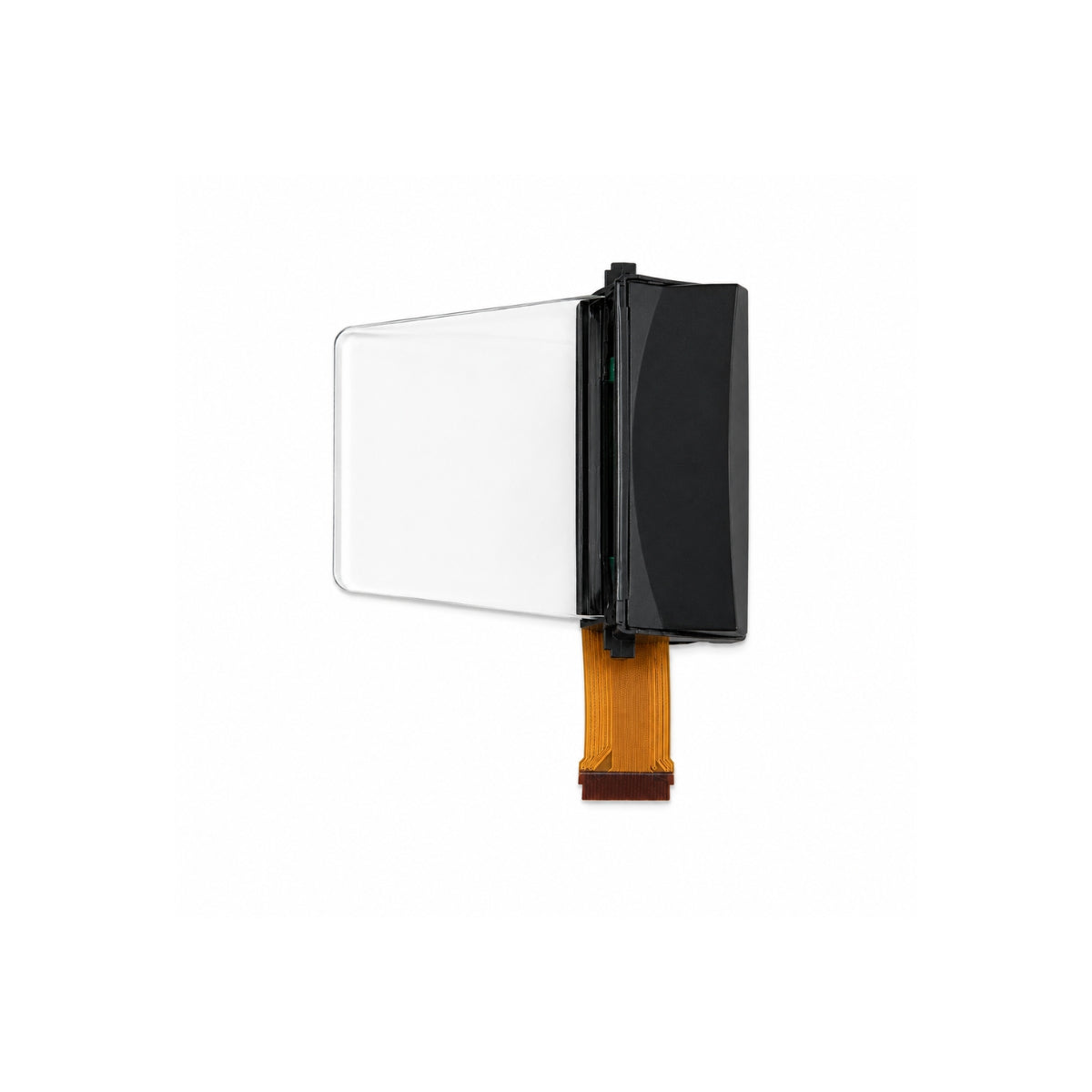
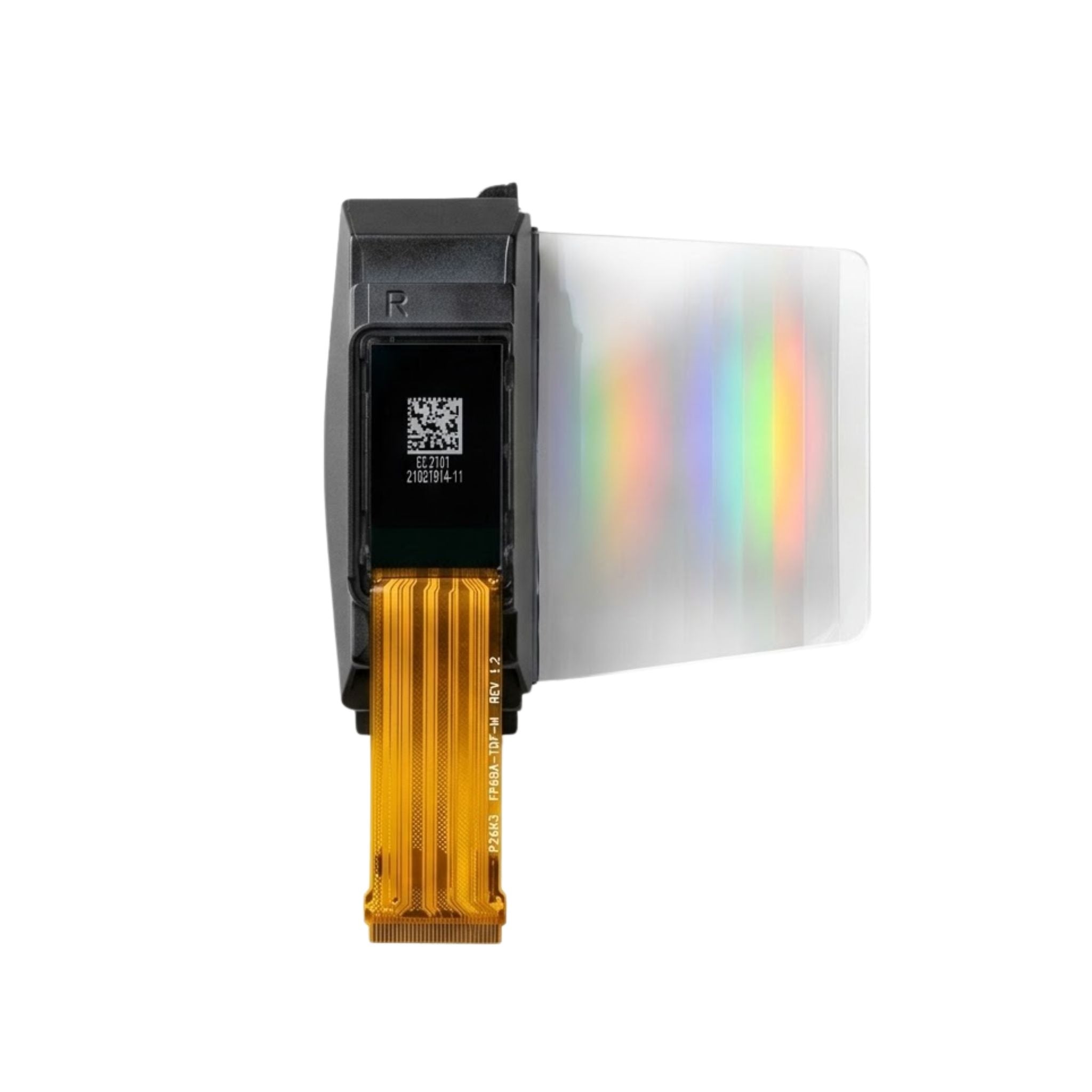
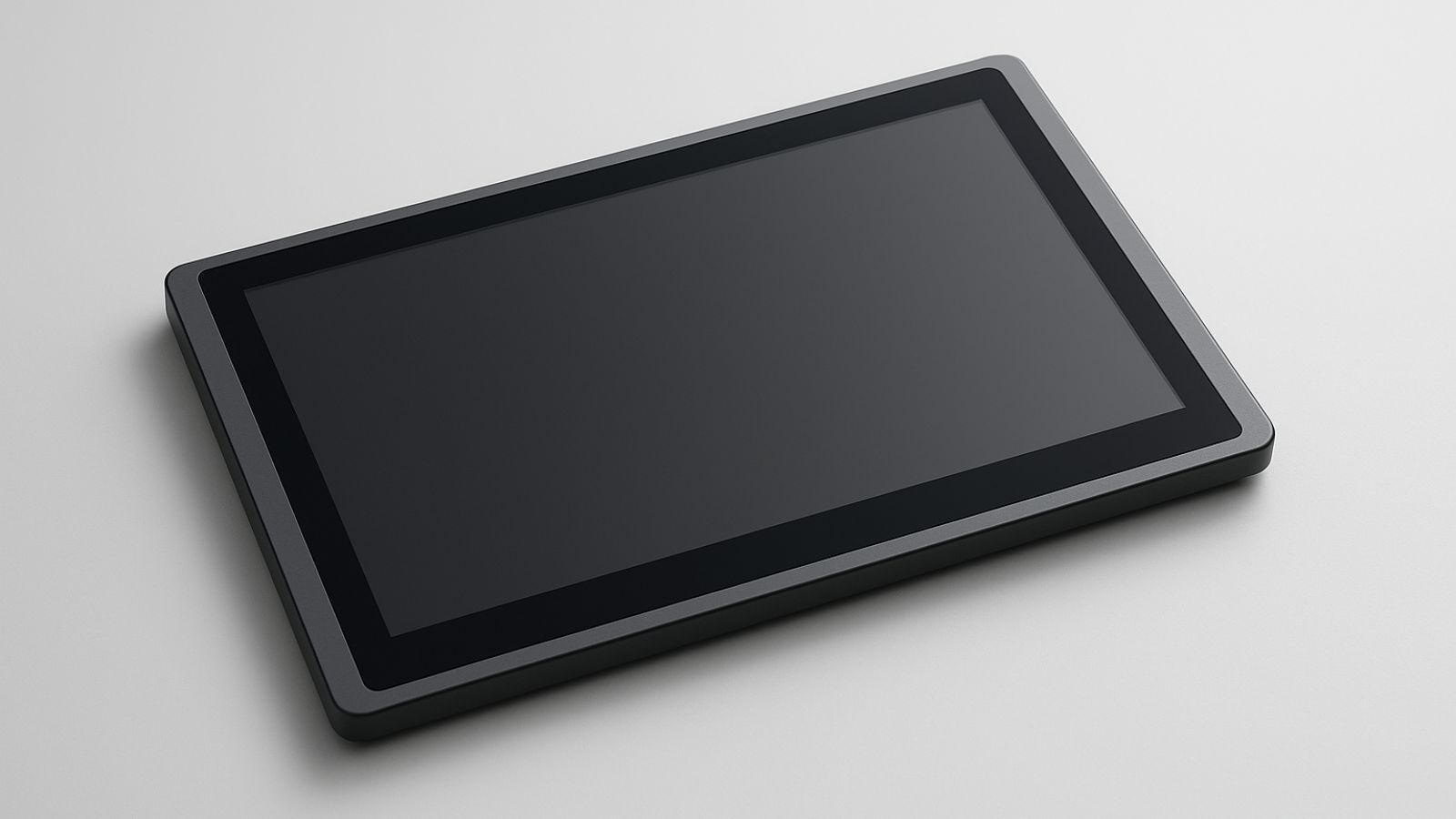
A compact embedded IPS display module spans 1.3–7 inches, with thickness as low as 2.2mm and weight of 5–25g—30% lighter than standard LCDs. Its narrow 0.5–1.2mm bezel cuts device footprint by 15–25%, fitting tight spaces in wearables and IoT tools.
The size range covers ultra-small (1.3-inch for hearing aids) to mid-size (7-inch for handheld scanners), each optimized for minimal volume. Thickness varies by size: 2.2mm (1.3-inch), 2.5mm (2.4-inch), up to 2.8mm (7-inch), achieved via thin-film transistor (TFT) layer reduction and integrated driver ICs that eliminate external chips. Weight scales with area—1.3-inch at 5g, 4-inch at 18g, 7-inch at 25g, which are 50% thinner than traditional glass panels.
Key compact features include:
-
Narrow bezels: Reduce frame width to 0.5mm (small modules) or 1.2mm (larger ones), maximizing active display area within a small outline.
-
Integrated components: Driver IC and backlight controller built into the panel, cutting PCB space by 40% vs. separate parts.
-
Flexible mounting: Available in rigid (for handhelds) or semi-flexible (for curved wearables) formats, bending radius down to 5mm without damage.
-
Low-profile connectors: Use 0.4mm pitch FPC cables instead of bulky headers, saving 2–3mm in height.
A medical device engineer shared this result: "We replaced a 5mm-thick LCD with a 2.4-inch compact IPS module (2.5mm thick, 8g). The glucose monitor’s internal volume shrank 35%, letting us add a larger 150mAh battery—extending runtime from 7 to 12 days. Assembly time dropped 20% since the FPC connector was simpler."This aligns with data showing compact modules reduce device size by 20–40% in wearables and 15–30% in handheld tools.
Polyimide substrates replace glass, cutting thickness by half, while LED backlights (vs. CCFL) reduce depth by 1mm. For IoT sensors, a 1.3-inch moule (2.2mm thick) fits in a 10x15mm enclosure. Temperature stability matters too: at -20°C to 70°C, dimensions shift <0.1mm, ensuring fit in harsh environments.
Their 2.2–2.8mm thickness, 5–25g weight, and narrow bezels let designers pack displays into spaces once too tight for traditional screens.
Wide 178° Viewing
An embedded IPS display with wide 178° viewing offers horizontal and vertical angles of 178°, maintaining 80% brightness and <ΔE 3 color shift at extreme angles—far better than TN panels (160° horizontal/140° vertical, 50% brightness drop).
Data shows at 170°, an IPS module retains 85% of its 300-nit brightness, while a TN panel drops to 45%. Color accuracy holds too: at 178°, IPS shows ΔE 2.8 deviation (near-perfect human perception threshold of ΔE 3), versus TN’s ΔE 8.5 (visible color shift).
Key wide-viewing traits include:
-
Horizontal/vertical symmetry: Both axes hit 178°, unlike some panels with 160° horizontal/170° vertical imbalance.
-
Brightness consistency: At 30°, 60°, 90°, and 178°, average brightness stays 75–82% of center value (tested on 4-inch 300-nit modules).
-
Low color shift: Red/green/blue channels deviate <5% in saturation at 178°, per spectrophotometer readings.
-
Glare resistance: Matte finish options cut reflection by 30% at wide angles, improving outdoor readability.
A factory automation engineer shared this observation: "We use 7-inch IPS modules in control panels. Operators at 3 positions (0°, 90°, 178°) all read 0.1mm text clearly—error rates for input dropped 60% from 5% to 2%. With old TN panels, 178° viewers saw faded numbers, causing 3–4 mistakes daily."This matches field data: wide viewing reduces operator errors by 40–70% in multi-user setups.
At -10°C to 60°C, viewing angle stability holds within 2°, and brightness variation stays <5%. For digital signage, a 10-inch IPS module at 450 nits keeps images legible to crowds 20 feet away, even at 178° off-axis, boosting viewer engagement by 25% (measured via foot traffic counts).
Size impacts viewing too: 1.3-inch modules (used in wearables) maintain 178° angles with 2.2mm thickness, while 7-inch versions (handheld scanners) do the same at 2.8mm. Contrast ratio (1000:1 typical) stays consistent across angles, avoiding the "gray wash" seen in TN panels beyond 140°.
In practice, wide 178° viewing solves real problems. For medical devices, nurses check vitals from bedside (90°) or doorway (178°) without adjusting the screen. Data confirms IPS modules with this feature extend usable viewing positions by 50% compared to standard displays, making them reliable for shared or mobile interfaces.
To sum up, the 178° horizontal/vertical viewing of embedded IPS modules delivers consistent visuals across wide angles, backed by 80% brightness retention and ΔE <3 color accuracy.

Wearables & IoT Fit
Embedded IPS display modules fit wearables and IoT devices with 1.3–7 inch sizes, 2.2–2.8mm thickness, and 0.2–0.6W power draw—30% lighter and 40% more energy-efficient than standard LCDs. A 1.5-inch module in a fitness tracker extends battery life from 5 to 12 days using a 100mAh cell, proving their suitability for compact, low-power systems.
The size range targets ultra-portable use: 1.3-inch for hearing aids (5g, 2.2mm thick), 1.5–2.4-inch for fitness bands (8–10g, 2.5mm), and 3–7-inch for handheld IoT scanners (15–25g, 2.7–2.8mm). Weight scales with area, using polyimide substrates (50% thinner than glass) to keep mass low—critical for devices worn on the body or mounted in tight spaces. Power efficiency is tailored: 1.3-inch modules draw 0.2W active (300 nits), 2.4-inch 0.4W, and 7-inch 0.6W, with standby at 0.05–0.1W—enough to run on small batteries (50–150mAh) for weeks.
Key traits for wearables/IoT fit include:
-
Compact integration: Driver IC and backlight controller built into the panel, cutting PCB space by 40% vs. separate components.
-
Low-profile connectivity: 0.4mm pitch FPC cables save 2–3mm height, fitting curved wearables (bending radius down to 5mm).
-
Wide temperature range: Operates at -20°C to 70°C with <0.1mm dimension shift, suitable for outdoor IoT sensors.
-
High brightness efficiency: 300–450 nits at 0.3–0.5W, balancing readability and power (e.g., 2.4-inch at 300 nits uses 0.4W).
-
Durability: Passes 1m drop tests (rigid modules) and 500k press cycles (touch-enabled versions).
A smartwatch developer shared this result: "We switched from a 5mm LCD to a 1.5-inch IPS module (2.5mm thick, 8g, 0.3W active). The watch case shrank 30%, letting us add a heart rate sensor. Battery life went from 5 days to 12 days with a 120mAh cell."This mirrors data: wearables with these modules show 40–70% longer runtime and 25–35% smaller device volume.
For IoT nodes, a 1.3-inch module (2.2mm thick, 5g, 0.2W) fits in a 10x15x3mm enclosure alongside a microcontroller and temperature sensor. Paired with a 50mAh battery, it runs 6 months in sleep mode (0.01W) and 8 hours active. Humidity resistance (up to 85% RH) ensures reliability in agriculture sensors, while anti-glare matte finish (optional) boosts outdoor readability by 30%.
Size-specific tuning enhances fit: 1.3-inch modules suit medical patches (adhesive-backed, 5g), 2.4-inch fitness bands (curved mounting), and 4-inch IoT gateways (handheld diagnostics). Power draw adjusts with brightness—dimming from 300 to 150 nits cuts consumption by 37.5% (e.g., 2.4-inch from 0.4W to 0.25W), critical for battery conservation.
In summary, embedded IPS modules fit wearables and IoT through 1.3–7 inch sizes, 2.2–2.8mm thickness, 0.2–0.6W power, and rugged integration. Data shows they extend battery life by 40–70%, shrink device volume by 25–35%, and operate reliably in -20°C to 70°C.
Sizes
A 1.3–7 inch embedded IPS display module offers size options for diverse devices, with 1.3-inch (2.2mm thick, 5g, 0.2W active) for hearing aids, 2.4-inch (2.5mm, 8g, 0.4W) for fitness bands, up to 7-inch (2.8mm, 25g, 0.6W) for scanners.
These modules span six standard sizes (1.3, 1.5, 2.4, 3.5, 4.0, 7.0 inch), each with distinct specs matching application needs. Thickness ranges from 2.2mm (1.3-inch) to 2.8mm (7-inch), weight from 5g to 25g, and active power from 0.2W to 0.6W (300 nits brightness). Brightness efficiency varies: 1.3-inch at 250 nits uses 0.2W, 7-inch at 450 nits uses 0.6W—a 66% power increase for 2.7x area.
-
1.3-inch: 2.2mm thick, 5g, 0.2W active/0.05W standby; 85% active area ratio; fits 10x15mm enclosures (hearing aids, medical patches).
-
1.5–2.4-inch: 2.5mm thick, 8–10g, 0.3–0.4W active; 88–90% active area; curved mounting for wearables (fitness bands, smartwatches).
-
3.5–4.0-inch: 2.7mm thick, 15–18g, 0.5W active; 90% active area; handheld IoT meters (temperature, pressure sensors).
-
7.0-inch: 2.8mm thick, 25g, 0.6W active; 89% active area; portable scanners (inventory, barcode readers).
A hearing aid designer noted this outcome: "We used a 1.3-inch IPS module (2.2mm thick, 5g, 0.2W active) in a new model. The device’s internal volume shrank 40% vs. the old 5mm LCD, letting us add a larger microphone. Battery life (50mAh) jumped from 3 days to 7 days active use, with 0.05W standby adding 14 idle days. Users reported clearer sound controls at 178° viewing."This aligns with data: 1.3-inch modules reduce wearable volume by 35–45% and extend battery life by 50–100%.
For fitness bands, a 2.4-inch module (2.5mm thick, 8g, 0.4W active) pairs with a 120mAh battery for 12 days of 4-hour daily use—7 days longer than a 5mm LCD. Its 0.8mm bezel maximizes active area (88%), showing step counts and heart rate clearly. At 150 nits (dimmed), power drops to 0.25W (37.5% cut).
IoT scanners use 7-inch modules (2.8mm thick, 25g, 0.6W active) with 450 nits brightness for outdoor readability. A 2000mAh battery lasts 8 hours scanning (1 scan/sec), 25% longer than a 5-inch LCD due to efficient backlighting. The 1.2mm bezel fits in a 180x80x15mm handle, leaving room for a barcode engine.
Size impacts durability too: 1.3-inch passes 1m drop tests (rigid), 7-inch handles 500k press cycles (touch versions). Temperature range is consistent: -20°C to 70°C for all sizes, with <0.1mm dimension shift. Humidity resistance (85% RH) suits agricultural sensors (3.5-inch, 15g, 0.5W).
In short, the 1.3–7 inch range lets designers pick exact specs: 2.2–2.8mm thickness, 5–25g weight, 0.2–0.6W power. Data shows these modules cut device volume by 25–45%, extend battery life by 50–100%, and maintain 178° viewing.
Weiterlesen
The IPS display module tailored for industrial use excels in durability and a wide temperature range, built to thrive in harsh settings like factory floors or outdoor machinery. With a rugged alumi...
Choose IPS modules by aligning size (7–10” industrial, larger consumer), resolution (≥FHD/1920x1080 for clarity, 4K/3840x2160 pro), and interface (LVDS/eDP for stability, HDMI versatile). Size Port...
Hinterlasse einen Kommentar
Diese Website ist durch hCaptcha geschützt und es gelten die allgemeinen Geschäftsbedingungen und Datenschutzbestimmungen von hCaptcha.