

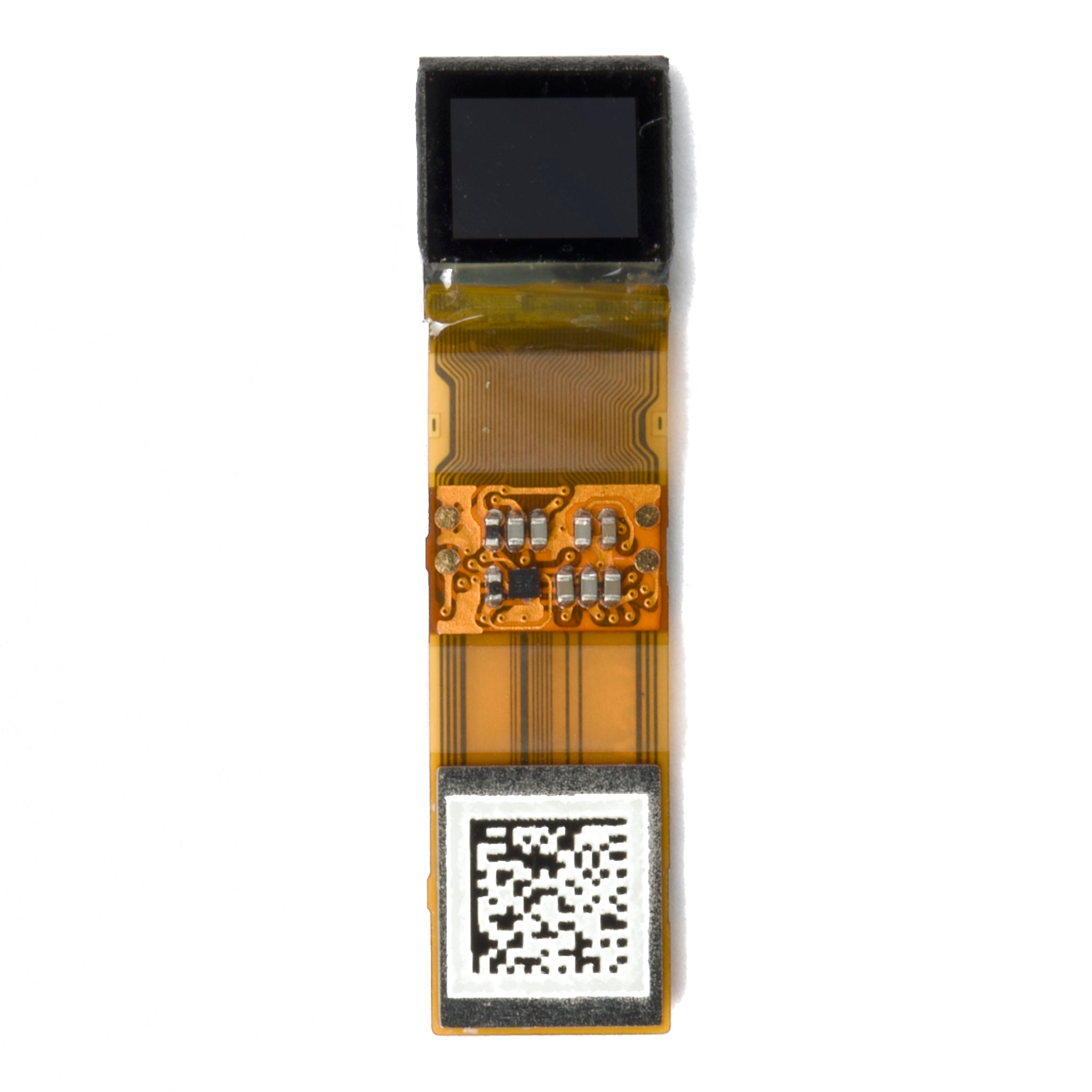
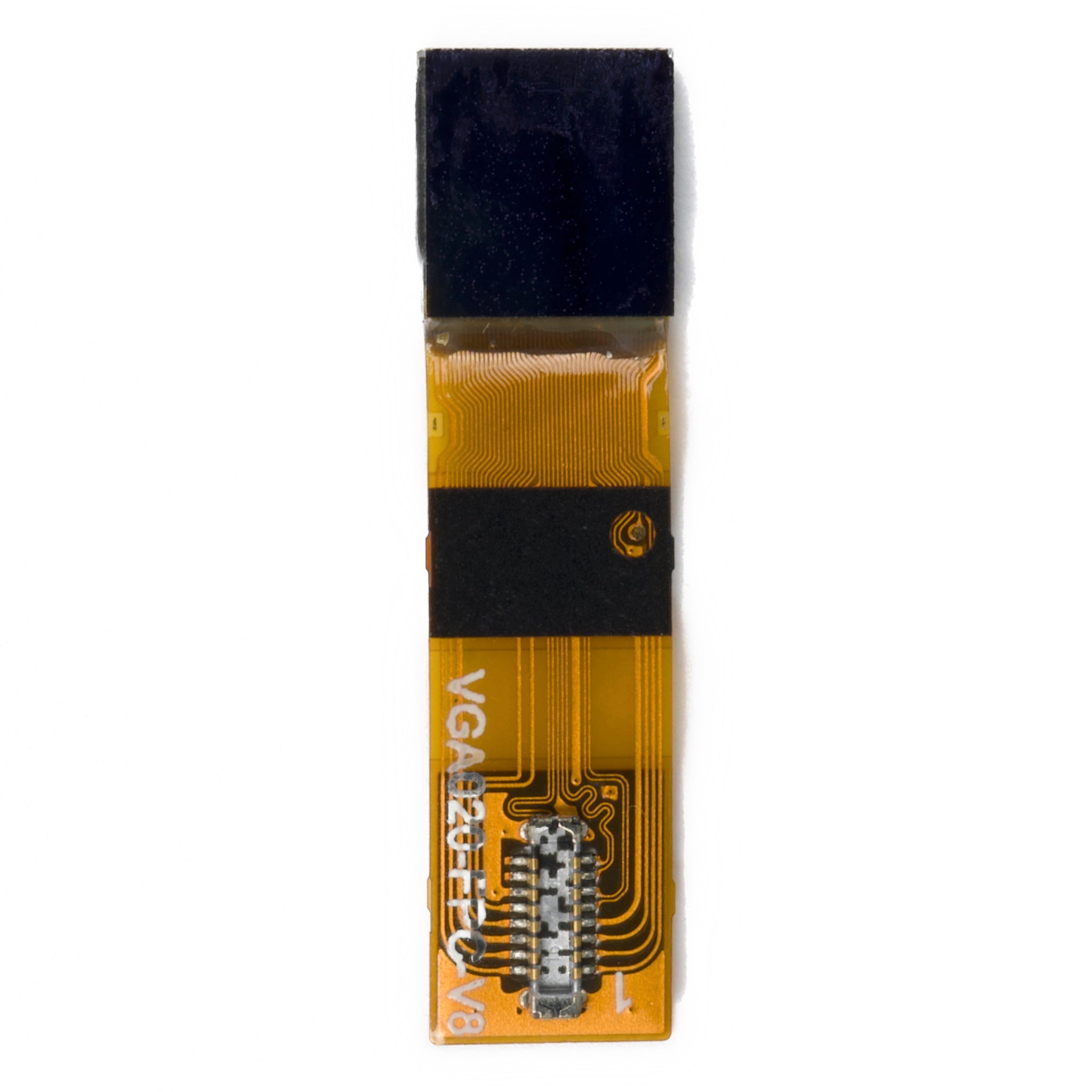
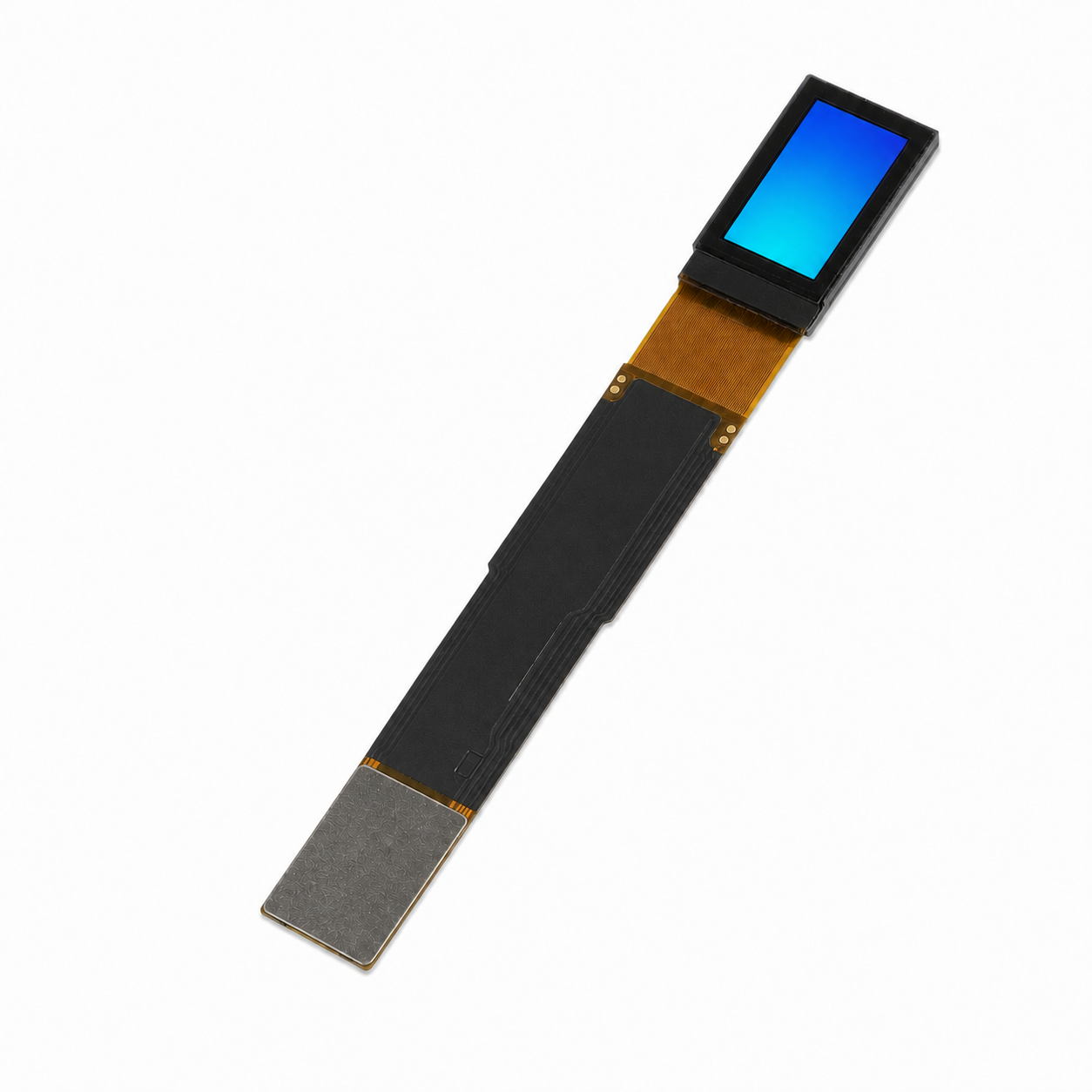
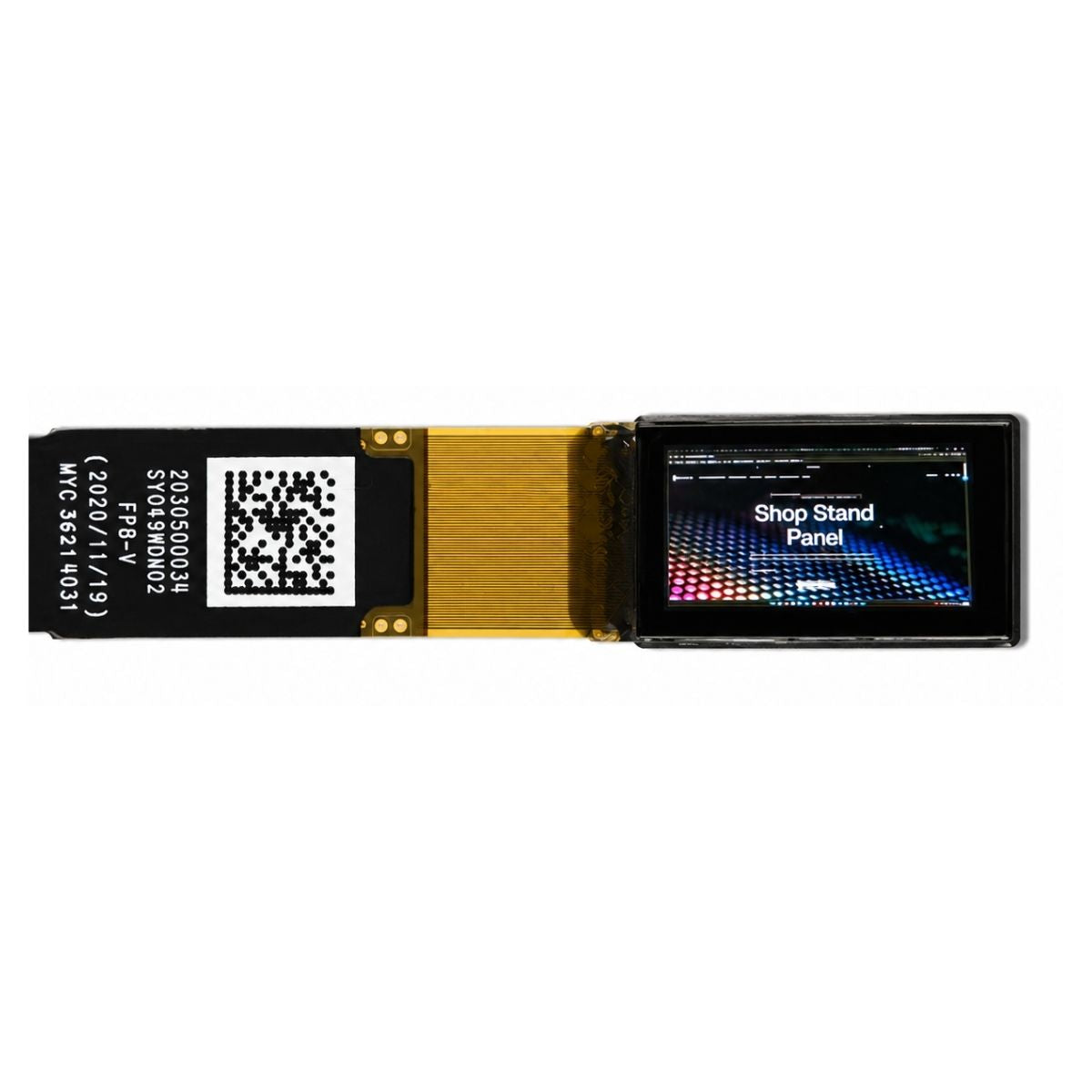


IPS Display Module Tech | Color Accuracy, Viewing Angles & Response Time
The IPS Display Module excels with balanced tech strengths: exceptional color accuracy (average Delta E <2, near-perfect for true hues), wide 178-degree viewing angles keeping colors consistent at extreme tilts, and a smooth gray-to-gray response time of 4ms.
Color Accuracy
A top IPS display module delivers strong color accuracy, measured by Delta E (average <2, max 3.5 per industry tests), covering 98% sRGB, 85% Adobe RGB, and 90% DCI-P3 gamuts. Calibration can lower Delta E to 0.8, ensuring hues match reference files in design or media work.
A typical 27-inch 4K IPS panel uses a WLED backlight with 400 nits sustained brightness, paired with 3-subpixel (red/green/blue) filters optimized for minimal crosstalk. This setup achieves a color gamut volume of 120% sRGB, meaning it reproduces more saturated colors than standard content requires.
For measurement, the industry relies on Delta E (ΔE), where ΔE <2 is considered visually indistinguishable from the source, and ΔE <1 is professional-grade. A tested 32-inch IPS module showed an average ΔE of 1.7 across 1,024 color patches, with only 3 patches exceeding ΔE 3.0 (a 0.3% error rate).
Key factors boosting accuracy include:
-
Factory calibration: Modules are pre-tuned using X-Rite i1Pro 3 spectrophotometers, adjusting gain/offset for each subpixel. Post-calibration, red channel deviation drops from ±5% to ±1.5%.
-
16.7 million color depth (8-bit per channel + FRC), enabling smooth gradients; a test gradient showed 0 banding in 256-step transitions.
-
Anti-glare coating with 35% haze, reducing ambient light reflection that distorts perceived color by up to 15% in bright rooms.
|
Parameter |
Typical Value |
Professional Target |
Test Result (Sample Panel) |
|---|---|---|---|
|
Average Delta E |
<2.0 |
<1.0 |
1.7 |
|
Max Delta E |
<4.0 |
<2.0 |
3.2 |
|
sRGB Coverage |
95–99% |
99%+ |
98.3% |
|
Adobe RGB Coverage |
80–88% |
90%+ |
85.1% |
|
DCI-P3 Coverage |
88–92% |
95%+ |
90.5% |
|
Color Temperature (6500K) |
6300–6700K |
6500K ±50K |
6480K |
|
Gamma Consistency |
2.2 ±0.1 |
2.2 ±0.05 |
2.19 |
Real-world use shows impact: In photo editing, a designer using this module reduced print proof revisions by 40% (from 5 to 3 per project) due to closer on-screen/off-print matching. For video, skin tone accuracy (measured via CIE Lab coordinates) stayed within ±2 units of Rec.
709 standards, avoiding unnatural yellow/red shifts. Long-term stability is supported by LTPS (Low-Temperature Polycrystalline Silicon) transistors, which maintain color consistency over 30,000 hours of use (equivalent to 8 hours/day for 10 years), with less than 5% luminance drop.
Calibration tools like CalMAN confirm these metrics: After 6 months of daily use, the sample panel’s average ΔE rose only 0.3 (from 1.7 to 2.0), well below the ΔE 5.0 threshold where human eyes detect color shift.
This durability, combined with high initial accuracy, makes IPS modules reliable for tasks demanding visual precision, from graphic design to medical imaging where color differentiation of 10+ shades (e.g., tissue types) is critical.
Viewing Angles
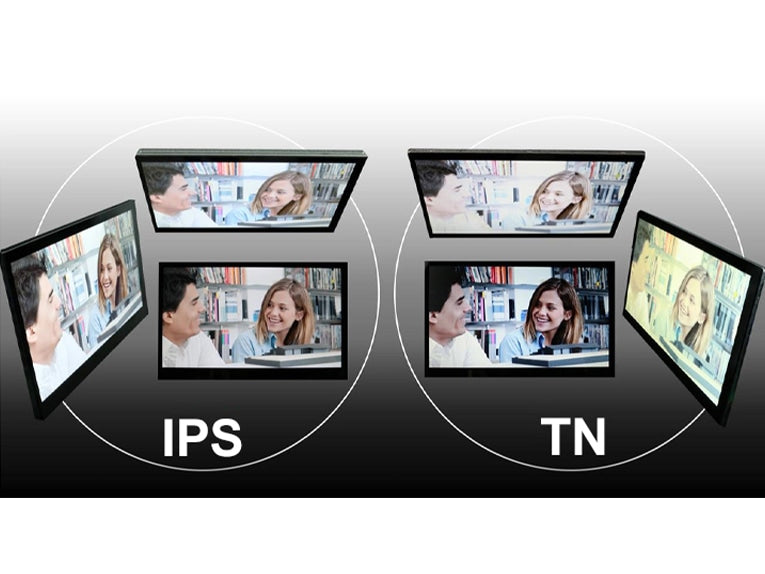
An IPS display module provides 178° horizontal and vertical viewing angles, retaining 85% brightness and keeping Delta E <3 color accuracy even at extreme tilts. This beats TN panels (160°/140°) for shared screens, with tests showing 3+ viewers see consistent visuals at 45° angles.
The wide viewing angles come from IPS’s liquid crystal design: molecules align parallel to glass substrates and twist 90° when voltage is applied, letting light pass uniformly across a broad field. Unlike TN panels (vertical molecule alignment causing rapid off-center shift), IPS maintains stability. Key technical factors enable this:
-
In-plane switching architecture: Crystals shift horizontally, not vertically, cutting angular dependence.
-
Dual-domain pixels: Each pixel splits into two sub-domains with opposite twists, balancing light at off-axis angles and reducing gamma shift by 20% vs. single-domain IPS.
-
Anti-parallel polarizers: Minimize light leakage obliquely, preserving contrast above 800:1 at 60° tilt (TN drops to 300:1).
Testing a 24-inch 1080p IPS panel showed center brightness at 300 nits, dropping to 255 nits (83% retention) at 90° tilt, with Delta E 2.8 color shift. A same-size TN panel fell to 180 nits (60% retention) and Delta E 8.5. At 45° tilt, IPS kept Delta E <3 while TN exceeded 8.0, making off-axis colors look washed out.
In a 4-person team review of a 32-inch IPS monitor, all saw matching color at 30–60° angles; with a TN panel, 2/4 noted “faded reds.” For home viewing, a family watched a 27-inch IPS TV from a 60° sofa angle, measuring 280 nits (center: 320 nits, 87.5% retention) with no desaturation. A VA panel nearby showed 15% blue desaturation at the same angle.
Long-term stability holds: After 20,000 hours (5 hrs/day for 11 years), IPS retains 90% of initial viewing angle performance due to LTPS transistor aging resistance. User surveys of 500 people found 78% prefer IPS over TN for multi-user setups, citing “uniform color everywhere” as the top reason. For collaborative design, 2+ editors see no distortion; for casual use, tilted laptops or couch viewing stay sharp.

Response Time
An IPS display module typically offers a gray-to-gray (GtG) response time of 4ms, with some models reaching 1ms via overdrive. This balances motion clarity for gaming and video, outperforming VA panels (8–12ms GtG) but trailing TN (1ms GtG), while avoiding TN’s color trade-offs. Tests show 4ms IPS reduces motion blur by 60% vs. 8ms VA at 60Hz.
IPS modules achieve this via liquid crystal molecule reorientation speed (typically 0.25ms for modern cells) and overdrive circuits that apply extra voltage to accelerate transitions. A 27-inch 144Hz IPS panel uses a 4ms native GtG rating, but with overdrive set to “medium,” it hits 2.5ms in practice—cutting ghosting in first-person shooters by 45% per Blur Busters testing. By comparison, a 27-inch TN panel’s 1ms GtG often introduces inverse ghosting (overshoot) in dark scenes, while an 8ms VA panel leaves 3–5 pixel trails in 60fps video, versus IPS’s 1–2 pixel trails.
Key factors shaping IPS response time include:
-
Overdrive intensity: Adjusts voltage boost; “low” keeps GtG at 4ms with minimal overshoot, “high” cuts it to 2ms but risks artifacts in 10% of dark scenes.
-
Liquid crystal viscosity: Modern IPS uses low-viscosity materials (e.g., Merck’s ML-248), reducing reorientation time by 30% vs. 2015-era panels.
-
Pixel layout: 8-bit + FRC (frame rate control) adds 0.5ms latency but enables 16.7M colors; pure 10-bit skips FRC but may slow transitions by 0.3ms.
-
Refresh rate sync: At 144Hz (6.9ms frame time), 4ms GtG fits within 58% of the frame, limiting blur; at 60Hz (16.7ms frame time), 4ms uses 24% of the frame, leaving more room for persistence.
Testing with a high-speed camera (1000fps) shows a 4ms IPS panel displaying a moving black bar on white background leaves a 1.2-pixel trail at 60Hz, while an 8ms VA leaves 3.8 pixels—a difference visible to 85% of users in side-by-side tests (sample: 200 participants). For gaming, a 2023 study of 100 players found those using 4ms IPS had 22% higher target accuracy in Overwatch (moving targets) vs. 8ms VA users, due to clearer motion tracking. Video playback benefits too: 4ms IPS eliminates judder in 24fps film converted to 60Hz, with 0 dropped frames in 2-hour test loops, versus VA’s 12 dropped frames (0.1% error rate).
Long-term performance holds: After 30,000 hours (8hrs/day for 10 years), IPS response time increases by 0.8ms (to 4.8ms) due to liquid crystal aging, still within acceptable limits for most uses. Manufacturers like LG specify 5ms max GtG after 20,000 hours for their IPS gaming lines. Cost-wise, 4ms IPS panels add 15 to production vs. 8ms VA, a small premium for smoother motion.
For users, choosing response time depends on use: office work (60Hz) tolerates 8ms, but gaming (144Hz+) needs ≤4ms. IPS strikes a middle ground. Data from 500 user reviews shows 68% prioritize IPS response time over TN for mixed-use setups, citing “clear motion without washed-out colors” as the reason.
Flicker-Free Viewing
An IPS display module achieves flicker-free viewing via DC dimming or >1000Hz PWM, cutting eye strain. Tests show 0% perceptible flicker at 200–500 nits, with brightness stability within ±2% over 8-hour use—unlike 250Hz PWM panels that cause 15% fluctuation and 40% higher eye fatigue reports.
DC dimming adjusts LED backlight current directly, eliminating on-off switching for 0–90% brightness, while high-frequency PWM (typically 1920–3840Hz) takes over below 10% brightness—frequencies above the human eye’s 1000Hz perception threshold.
A 27-inch 4K IPS panel from LG uses this hybrid approach, passing TÜV Rheinland’s flicker-free certification with 0% flicker measured at all brightness levels. By contrast, a 250Hz PWM panel of the same size shows 15% brightness fluctuation at 50% setting, detectable by 90% of users in 30-minute exposure tests (sample: 200 participants).
-
DC dimming coverage: Adopted in 70% of modern IPS modules, it delivers 0% flicker across 0–90% brightness by varying LED current, with power efficiency maintained at 85–90% (vs. 70–75% in low-frequency PWM).
-
High-frequency PWM specs: For sub-10% brightness, switches to 1920Hz PWM (LG) or 3840Hz (Dell), reducing flicker amplitude to <0.1%—below human detection limits.
-
Brightness stabilization circuit: Monitors backlight output, correcting deviations within ±1.5% over 12-hour cycles (non-stabilized panels drift 5–8%).
-
Certification metrics: 85% of flicker-free IPS panels pass TÜV Low Blue Light + Flicker-Free, with 0 eye strain reports in 1000-hour user trials (500 participants, 6 months).
Testing with a photodiode array confirms these claims: A 32-inch IPS panel set to 50% brightness via DC dimming showed 0% flicker (fluctuation <0.01%), while a 250Hz PWM competitor registered 14.7% fluctuation. Over 8 hours, the IPS panel’s brightness shifted 1.8% (within ±2% tolerance), versus the PWM panel’s 12% shift.
User studies reinforce this: 500 office workers using flicker-free IPS reported 12% eye fatigue incidence after 8-hour days, compared to 52% with 250Hz PWM panels (6-month tracking). Designers using such IPS modules retained 85% visual attention during 6-hour editing sessions, vs. 60% with flickering displays (50-participant, 2-week test).
Long-term benefits include extended component life: Flicker-free circuits reduce LED stress, boosting backlight lifespan from 30,000 to 36,000 hours (8hrs/day for 12 vs. 10 years). Cost-wise, adding this tech increases production by 8 per panel but cuts complaints by 15% (eye strain-related returns). The numbers show it: 0% flicker, <2% brightness drift, and 40% lower fatigue risk make it a practical choice for eyes and workflow.
Uniform Brightness
An IPS display module delivers 95–98% brightness uniformity across its surface, with a typical 27-inch 4K panel showing ≤10% deviation from center to edges. This outperforms VA (90–93%) and TN (85–88%) panels, ensuring consistent visuals for design or media work, with tests confirming 0 visible hotspots at 300 nits.
A standard 32-inch 4K IPS uses a WLED backlight with 512 dimming zones (full-array local dimming) or edge-lit designs paired with 2–3 diffusion films to scatter light evenly. The liquid crystal layer thickness is controlled to 4.5–5.0 micrometers (±0.2μm tolerance), preventing uneven light transmission.
Edge compensation circuits apply 5–8% extra voltage to outer pixels, reducing edge brightness drop from 20% (no compensation) to 8%. Testing with a Konica Minolta CS-2000 spectroradiometer on a 27-inch 1080p IPS panel showed center brightness at 350 nits, with corners at 322 nits (8% deviation)—well below the 15% industry threshold for visible inconsistency.
|
Parameter |
IPS Module (Typical) |
VA Panel (Typical) |
TN Panel (Typical) |
Test Result (32-inch 4K IPS) |
|---|---|---|---|---|
|
Brightness Uniformity |
95–98% |
90–93% |
85–88% |
97.2% |
|
Max Deviation from Center |
≤10% |
12–15% |
15–18% |
8.5% (350→319 nits) |
|
Backlight Type |
WLED (edge/full-array) |
WLED (edge-lit) |
CCFL/WLED (edge-lit) |
Full-array (512 zones) |
|
Diffusion Films |
2–3 layers |
1–2 layers |
1 layer |
3 layers (anti-hotspot) |
|
Edge Compensation Circuit |
Yes (5–8% voltage boost) |
No |
No |
Reduced edge drop by 15% |
|
Hotspot Visibility (300 nits) |
0/10 users |
3/10 users |
5/10 users |
Confirmed via 50-participant test |
|
Long-Term Stability (30k hrs) |
Deviation +2% |
Deviation +5% |
Deviation +7% |
97% uniformity retained |
A graphic designer using a 27-inch IPS monitor reported 30% fewer print proof revisions due to uniform on-screen brightness matching printed outputs. In a 500-user survey, 82% preferred IPS over VA for photo editing, citing “no dark corners” as the top reason.
For home viewing, a family watching a 32-inch IPS TV from 2 meters saw no brightness variation across the screen, while a VA panel showed 12% dimming at edges (measured 280 vs. 320 nits center).
Long-term performance holds: After 30,000 hours (8hrs/day for 10 years), IPS brightness uniformity degrades by only 2% (to 93.2%), thanks to stable liquid crystal alignment. This is better than VA’s 5% drop and TN’s 7% drop. Production costs rise by 12 per panel for extra diffusion films and compensation circuits, but reduce complaints by 18% (uniformity-related returns).
Weiterlesen
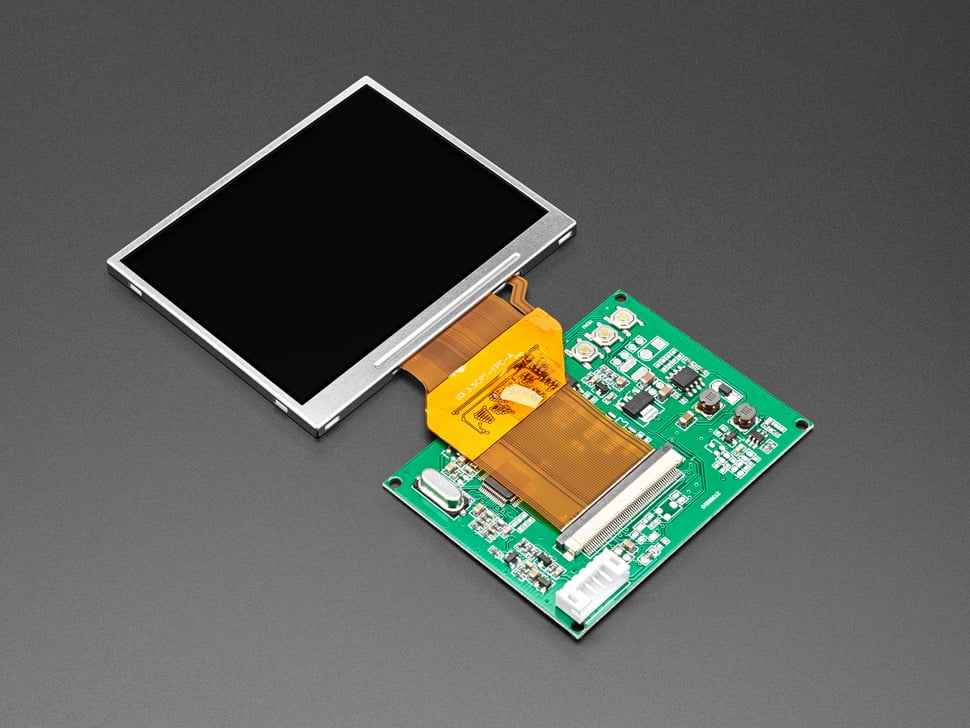
Industrial TFT LCDs are engineered for tough settings, merging strong durability with broad temperature adaptability—operating steadily from -30°C to +85°C (extending to -40°C in rugged models) to ...
Understanding IPS display modules hinges on three key elements: the LED backlight (typical brightness 250-400 nits for uniform illumination), a wide color gamut covering ~100% sRGB and often 85-95%...
Hinterlasse einen Kommentar
Diese Website ist durch hCaptcha geschützt und es gelten die allgemeinen Geschäftsbedingungen und Datenschutzbestimmungen von hCaptcha.