



What is IPS Display | Technology, Benefits, Buying Tips
An IPS (In-Plane Switching) display is an LCD panel that switches its liquid crystals parallel to the glass instead of twisting them. The practical result is a stable image from wide angles and colour that does not shift as the eye moves across the screen. For buyers, the technology matters less than three purchase variables: whether the datasheet numbers are measured or inherited, what the module actually includes, and whether the supplier can hold the specification across production lots.
How the technology works
Both the pixel and the common electrode sit on the same glass substrate, so the electric field runs sideways through the liquid crystal layer rather than across the cell gap. The molecules rotate in the plane of the panel, which keeps the polarisation state — and therefore the image — consistent over a much wider angle than a twisted-nematic cell can manage[1].
Because the electrodes share one surface, they consume more area inside each pixel and each pixel needs two switching transistors. That geometry is the root of the technology's two persistent trade-offs: a lower aperture ratio that demands a stronger backlight, and a switching behaviour that is more sensitive to fringe fields than TN[1].
What the technology actually buys you
Angle-stable grey levels. The same half-tone reads the same from the left edge, the right edge and the centre of the panel. On a TN screen the same grey drifts toward blue or yellow off-axis, which turns a stable instrument reading into a subjective one.

Colour that survives the field of view. For products where two people look at the screen at once — laboratory instruments, medical readers, kiosk panels — consistent colour across the panel removes a class of arguments about what the display "really" shows.
High-brightness options that do not fall apart. A sunlight-readable IPS module rated at 1000 nits keeps its contrast better across the panel than a TN design pushed to the same brightness, because the wide-angle structure does not trade off-axis contrast for on-axis brightness as sharply.
Touch integration without colour artefacts. IPS panels do not lighten or trail when pressed, which is why capacitive and on-cell touch stacks are usually built on IPS rather than TN.
No burn-in mechanism. Static interface elements — status bars, fixed labels, numeric readouts — can stay on screen indefinitely without the retention that affects emissive panels.
What IPS does not buy you
A narrower reality check is useful before writing a specification around the label.
Contrast is not class-leading. Typical IPS modules sit around 1000:1. VA panels reach several times that, and AMOLED produces true black. If the product displays dark content in a dark environment, IPS is a compromise.
Power is not the strength. The lower aperture ratio means more backlight for the same luminance. In battery-powered products the difference against TN is real and should be budgeted, not argued away.
Response is adequate, not exceptional. Small IPS modules used for static interfaces are not limited by response at all. Products showing fast motion need the response figure checked against the actual content, not against a marketing number.
Colour accuracy is a calibration property. IPS improves angular stability, not absolute colour error. The backlight spectrum, colour filter and factory calibration decide whether a module hits a colour target.
What to check before you buy
Six specifications separate a usable quote from a cheap one. The measurement basis for the first three is standardised in ISO 9241-307[2].
- Contrast at operating brightness. A 1000:1 figure quoted at 200 nits does not survive being driven to 1000 nits. Ask for contrast at the brightness the product will run.
- Brightness: typical versus minimum. A 500-nit typical rating allows a production spread. If readability depends on a floor, specify the minimum.
- Viewing angle with a contrast value. "178°" means little on its own. Ask for measured contrast at 85° off-axis in both directions.
- Interface and driver. SPI and MCU suit low-resolution panels on small microcontrollers; RGB, MIPI and LVDS become necessary as resolution and refresh rate rise. Confirm the driver IC part number, not just the interface name.
- Operating temperature. Industrial modules commonly run −20 °C to +70 °C. Brightness and response quoted at 25 °C may not hold at the extremes.
- Backlight lifetime definition. LED lifetime is rated to a brightness half-life. 30,000 hours at 50% of initial luminance is a different promise from 50,000 hours at 70%.
How to compare IPS supplier quotes
Quotes for "an IPS display" often describe different products. Normalise them before comparing prices:
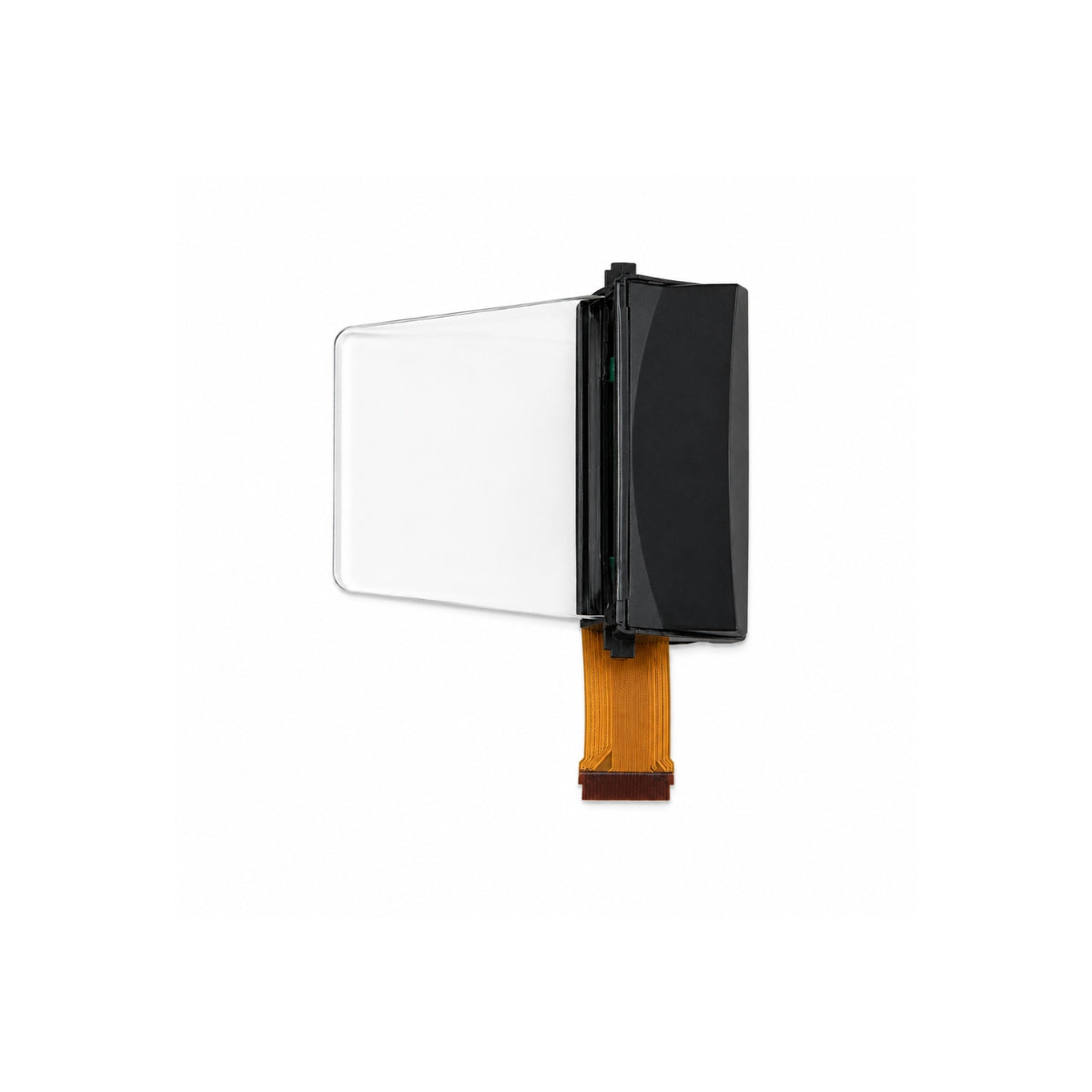
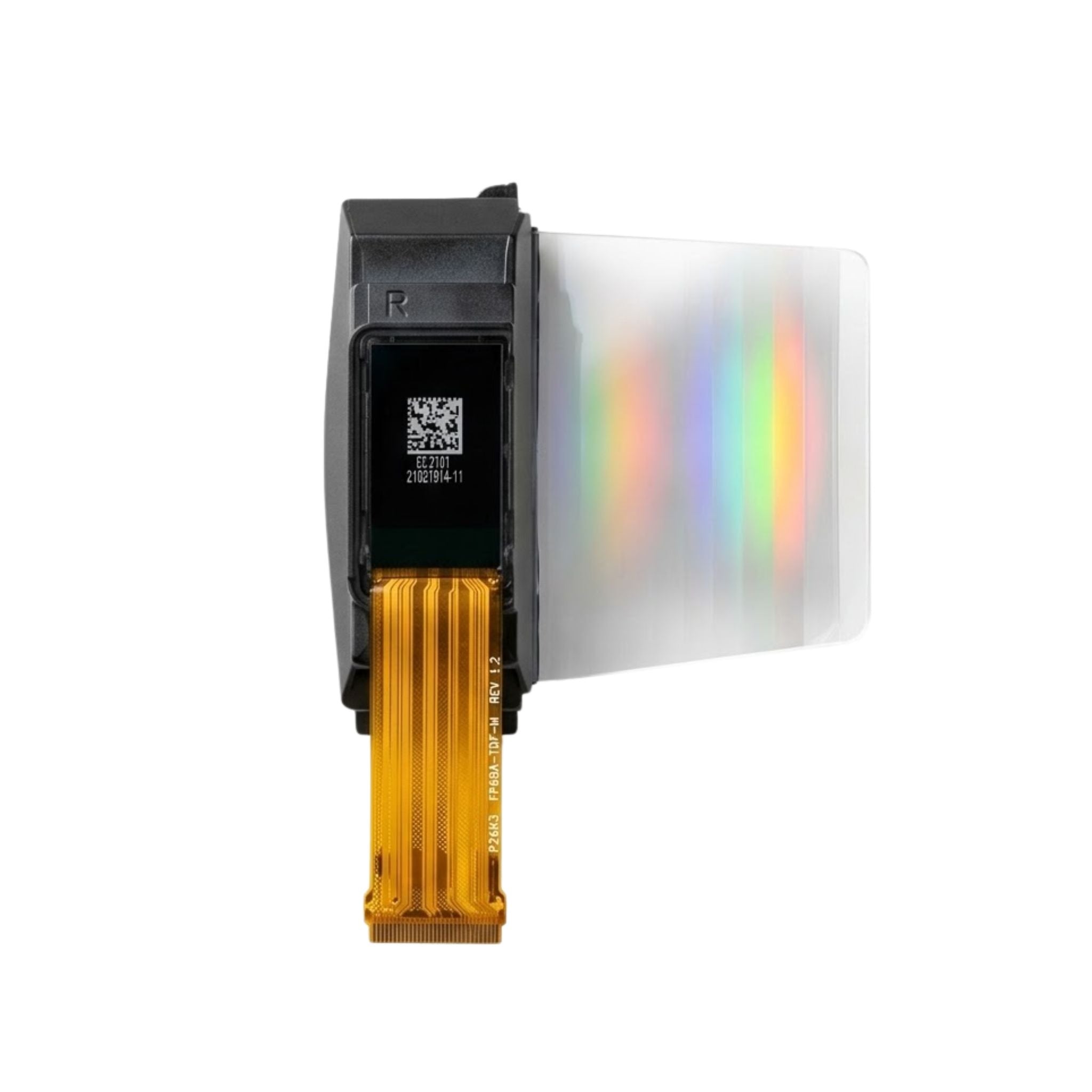
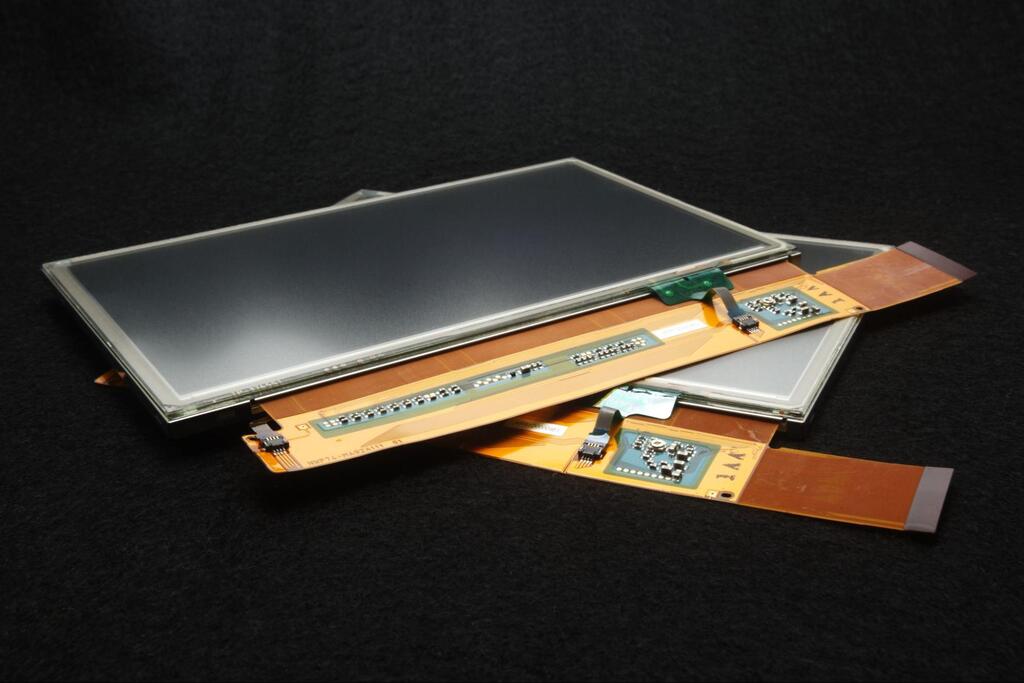
Panel or module. A bare panel needs a driver board, a backlight driver and mechanical integration. A module includes them. Compare the same scope.
Touch included or not. Capacitive touch adds a sensor, a controller and a bonding step. A cheaper quote frequently excludes it without saying so.
Sample versus production price. Sample pricing covers handling and small quantities. Production price depends on volume, tooling amortisation and whether the panel is a standard catalogue part or a custom build.
Customisation scope. FPC length and pinout, cover glass treatment, backlight colour and brightness bins are the usual custom items. Each one carries engineering and minimum-order implications that belong in the comparison table.
Documentation. A supplier who provides full electrical characteristics, mechanical drawings and reliability test reports is cheaper in engineering time than one who provides a one-page flyer.
Buying mistakes worth avoiding
Choosing on the widest angle claim. Panel labels describe pixel architectures, not delivered performance. Two "IPS" modules can differ substantially in contrast and power.
Skipping the sample evaluation. Datasheets describe typical units. Evaluate at least three units at the intended brightness and viewing positions before committing a production order.
Specifying brightness without ambient light. A 400-nit module is comfortable indoors and unreadable in direct sun. Measure the installation environment first, then choose the brightness class.
Ignoring the interface ecosystem. The panel chosen last minute can force a different driver IC, a different connector and a redesign of the FPC.
Assuming price parity across sizes. IPS cost per square centimetre is not linear. Small round and square formats carry different tooling and yield economics from standard rectangular panels.
Where to start
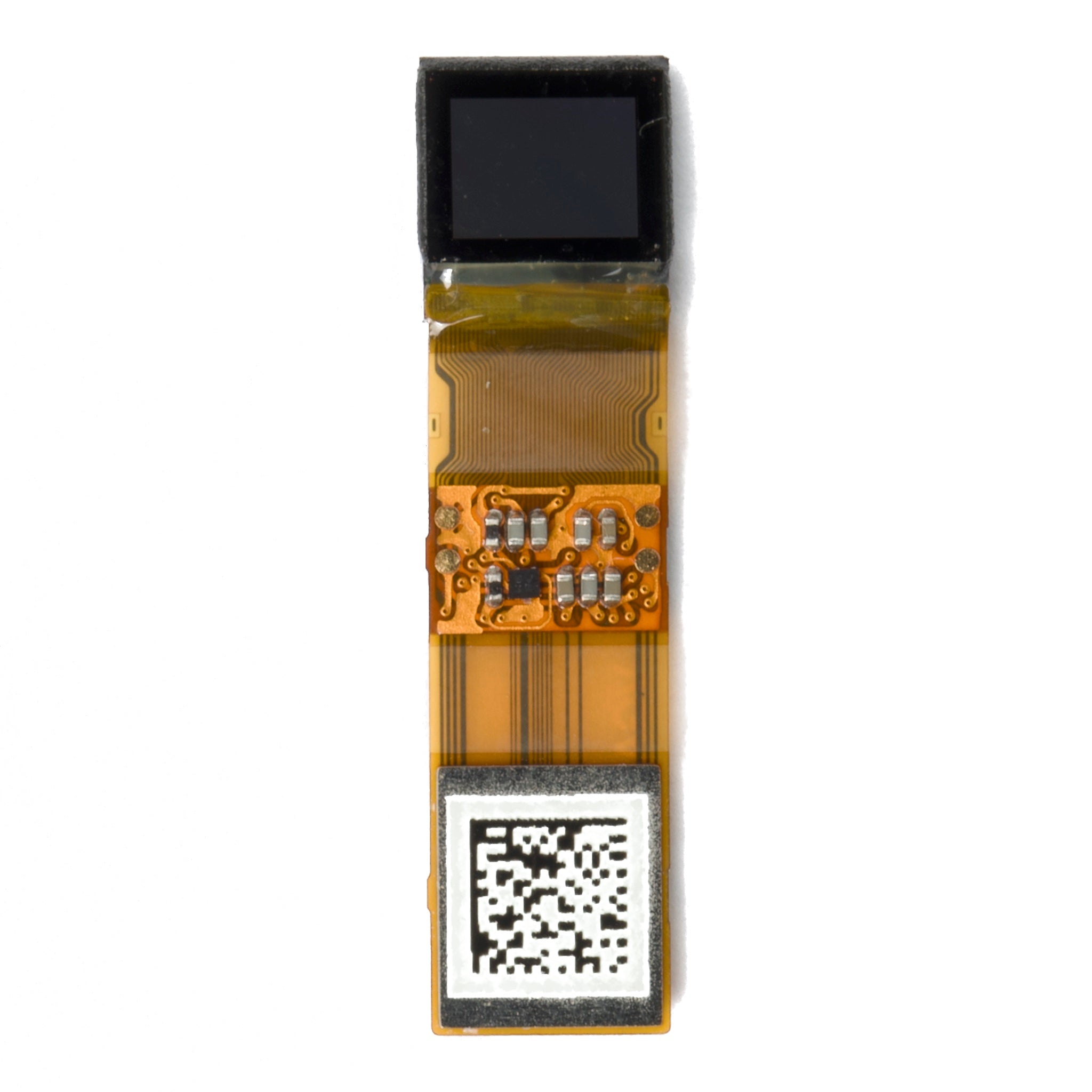
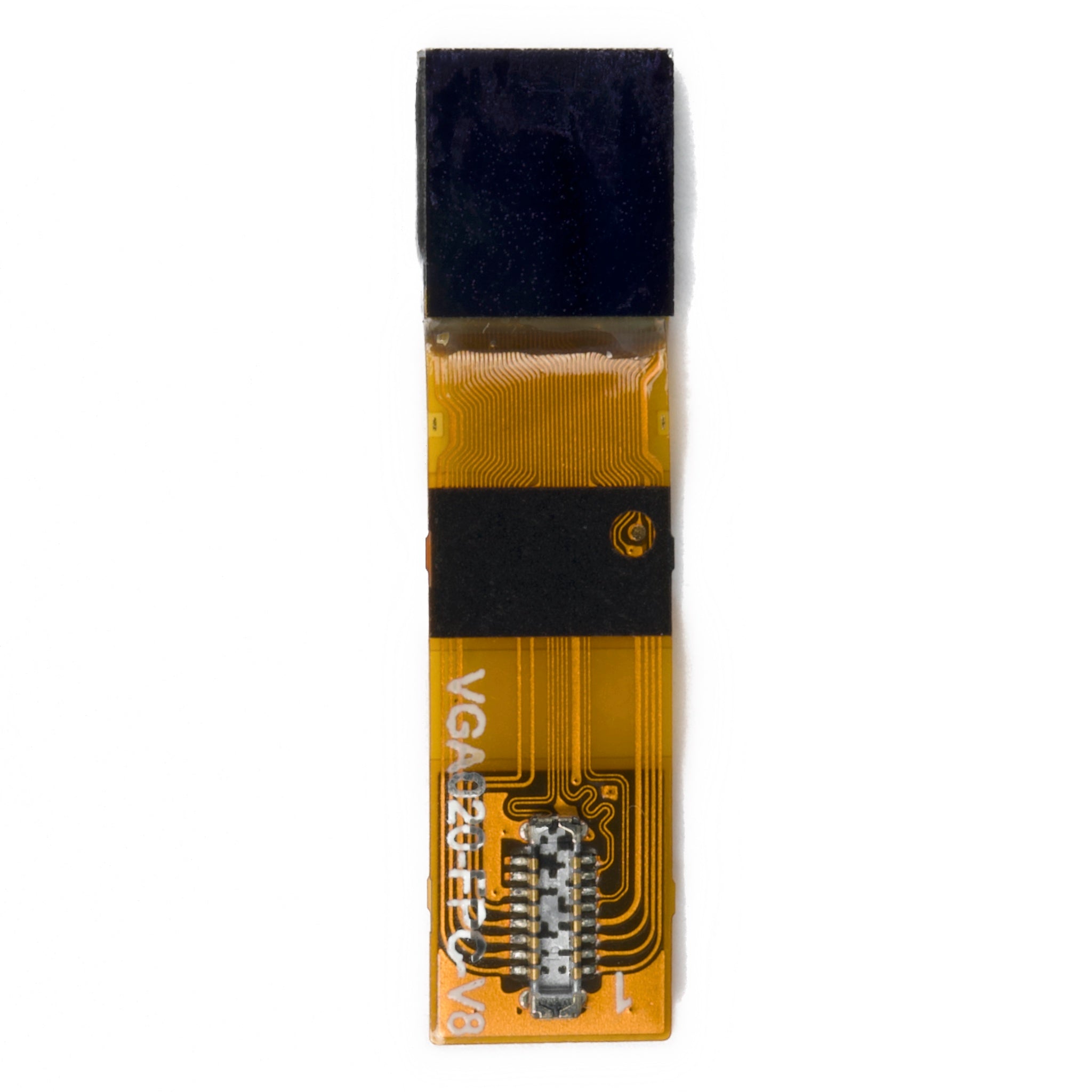
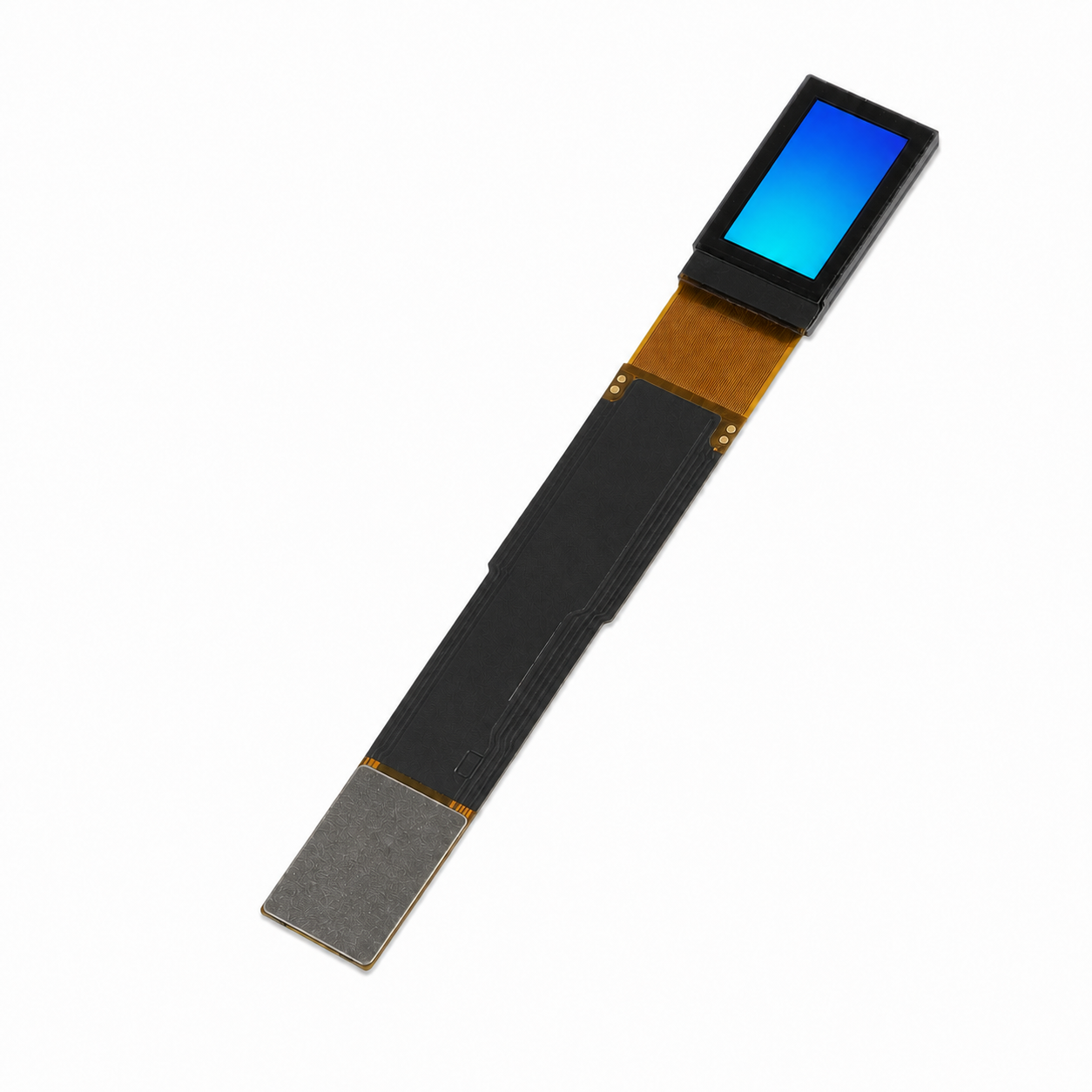
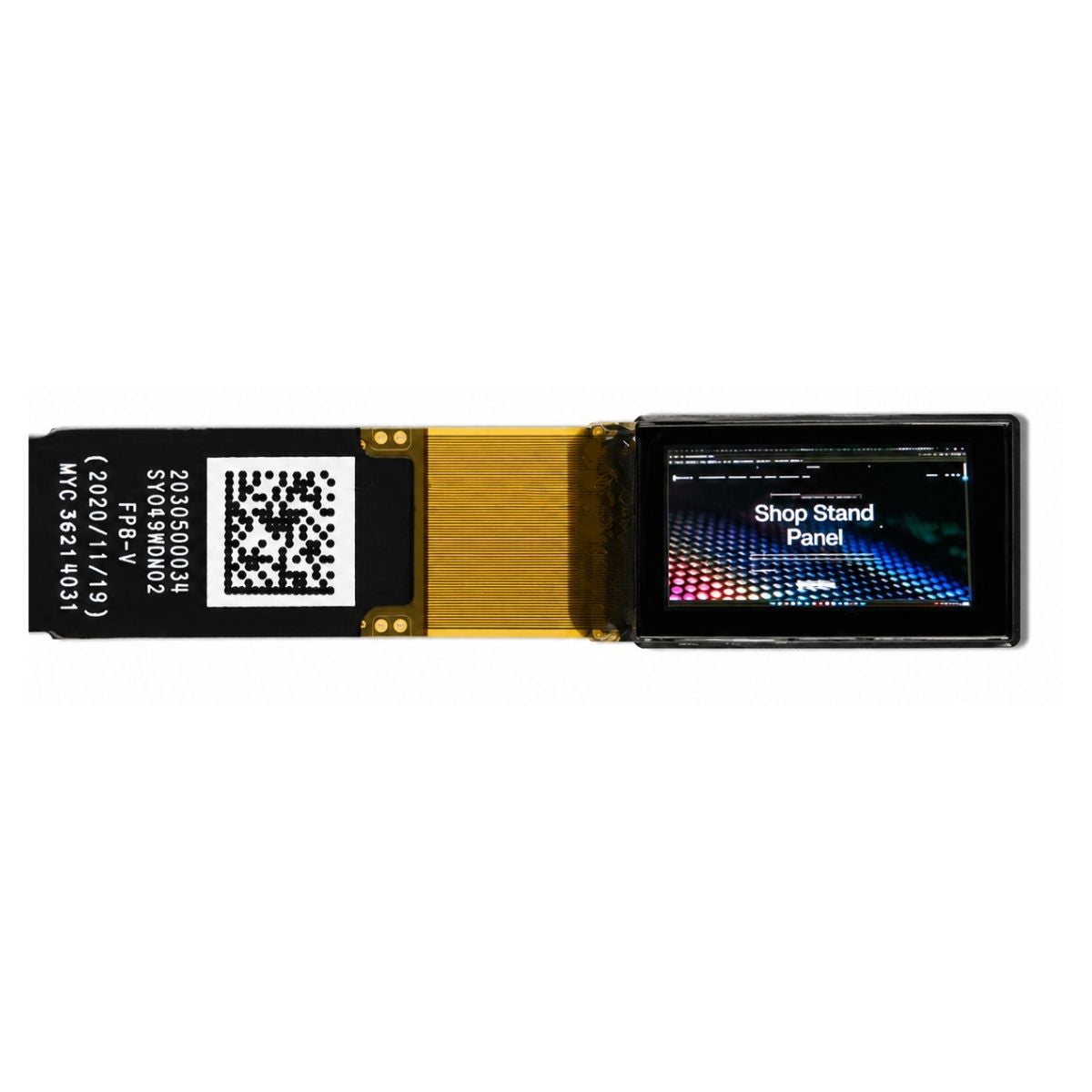
Round, square and bar-shaped IPS modules from 0.85″ to 12.1″, including high-brightness versions and capacitive touch options, are listed in the IPS display collection. Products that need true black or a wider colour gamut are better served by AMOLED modules, and cost-driven fixed-view designs can use TFT LCD modules in the same sizes.
An IPS display is the right choice when viewing angle stability and colour consistency decide whether the product works. Buy the measured specification — contrast at operating brightness, minimum luminance, off-axis contrast — rather than the label, and normalise supplier quotes before comparing price.
References
- Hilsum, C. (2010). Flat-panel electronic displays: a triumph of physics, chemistry and engineering. Philosophical Transactions of the Royal Society A, 368(1914), 1027–1082. https://doi.org/10.1098/rsta.2009.0247
- ISO 9241-307:2008 — Ergonomics of human-system interaction — Part 307: Analysis and compliance test methods for electronic visual displays. International Organization for Standardization. https://www.iso.org/standard/40102.html
Weiterlesen
This IPS Display Guide covers types (standard, Nano IPS), pros like 178-degree viewing angles and ΔE<2 color accuracy , and use cases: favored by.
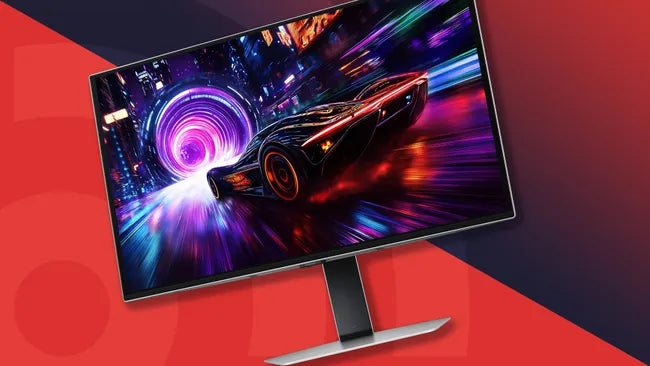
Best IPS displays excel with 27-inch 2560x1440 resolution for sharp, detailed visuals, ΔE≤2 color accuracy (near-flawless for design work), and 144Hz.
Hinterlasse einen Kommentar
Diese Website ist durch hCaptcha geschützt und es gelten die allgemeinen Geschäftsbedingungen und Datenschutzbestimmungen von hCaptcha.