

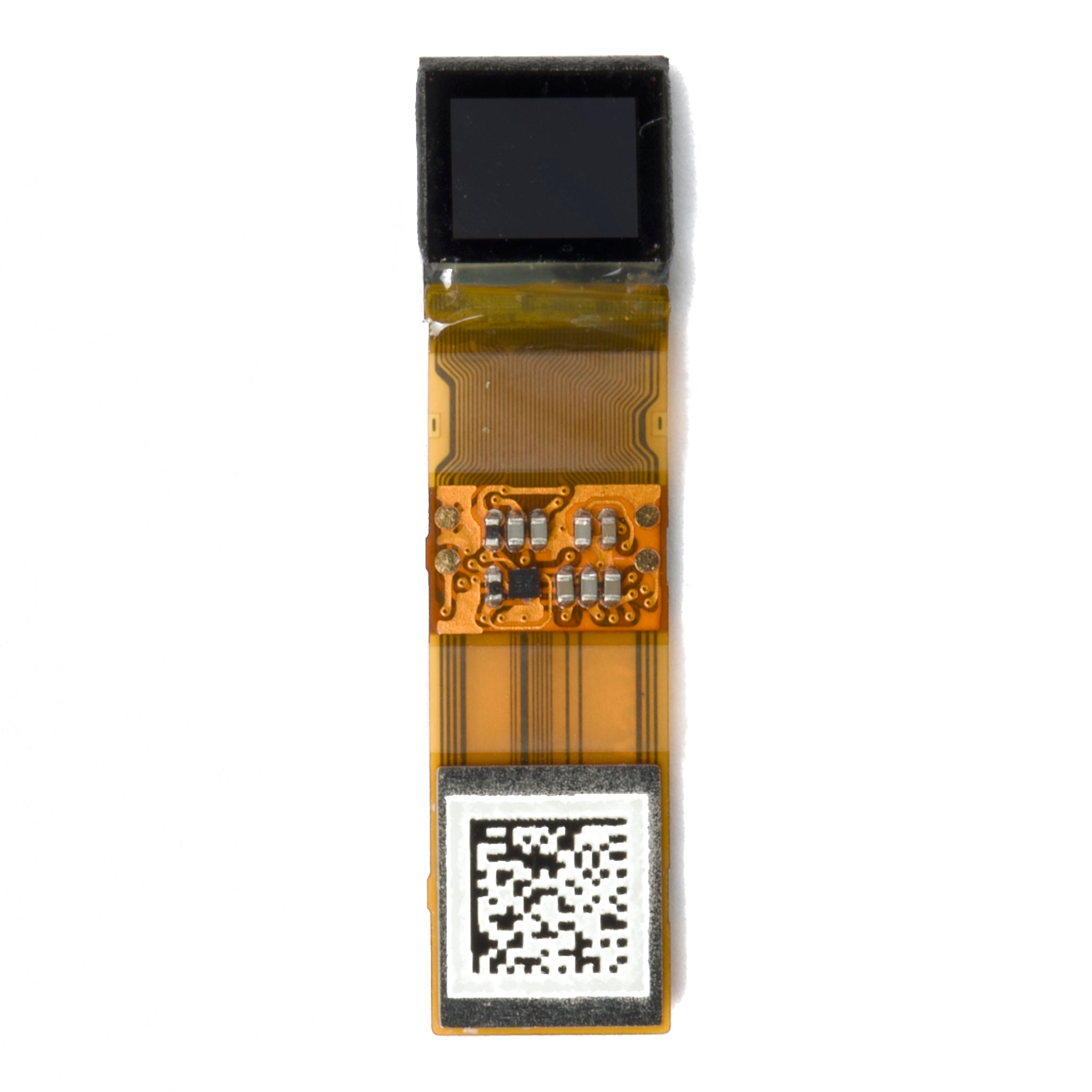
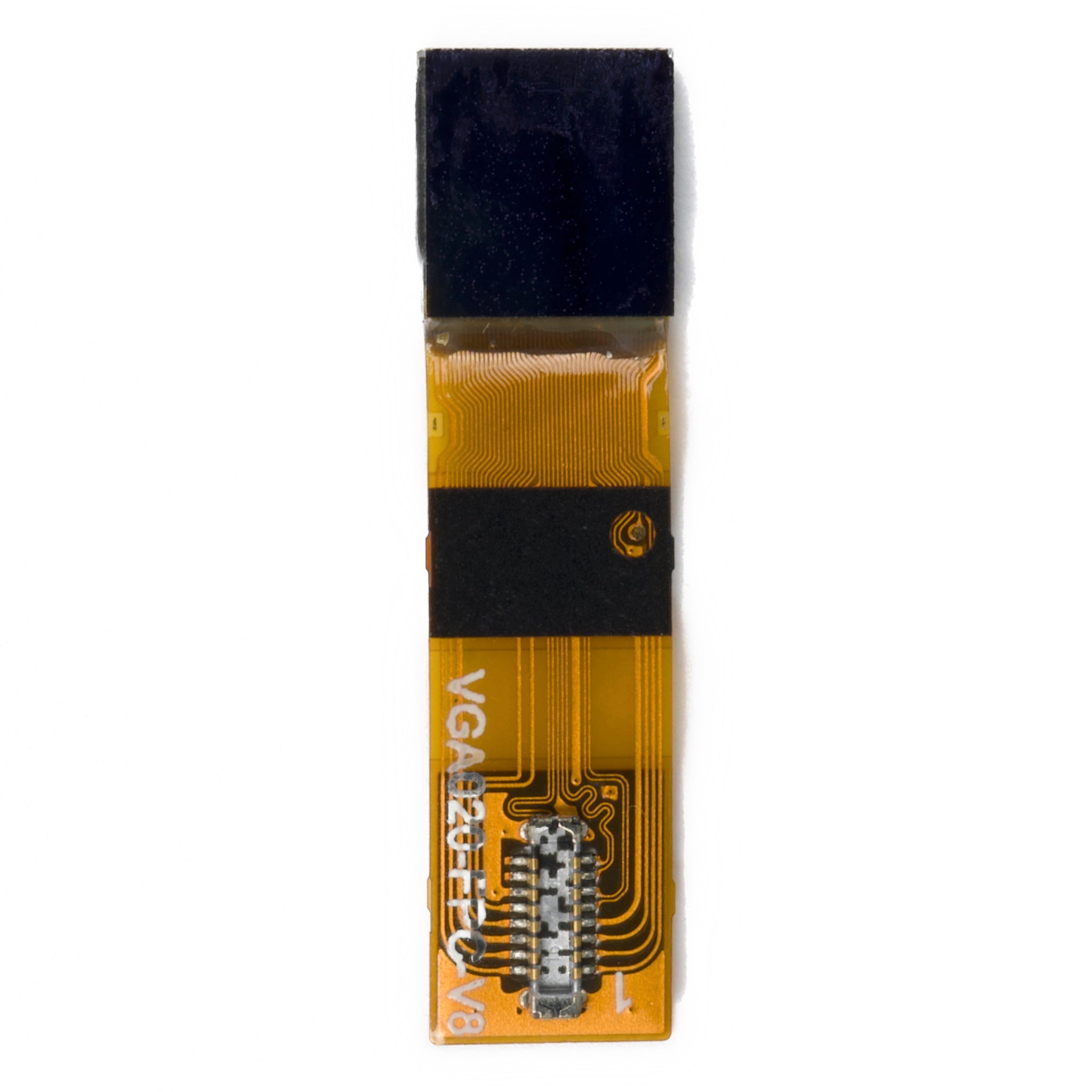
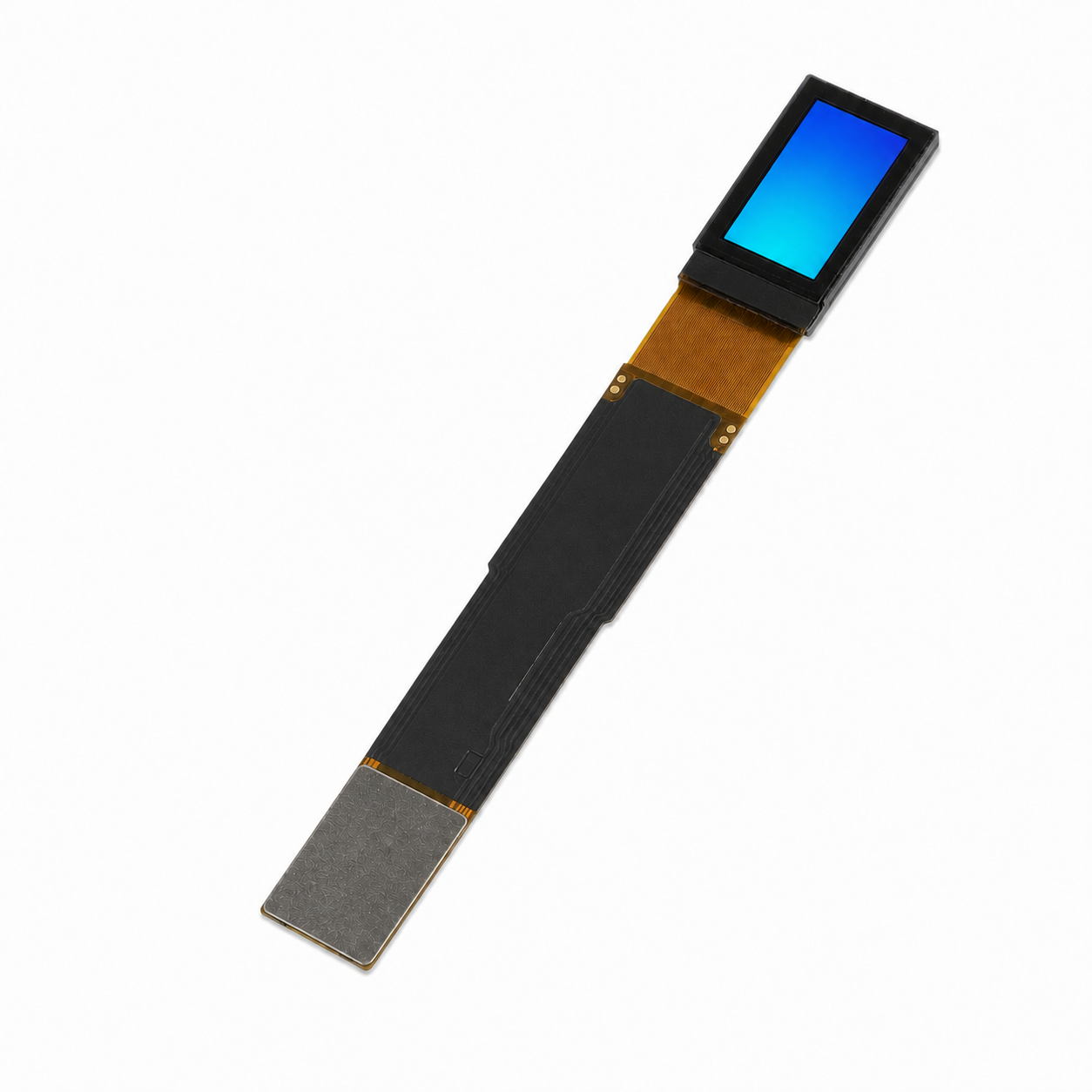
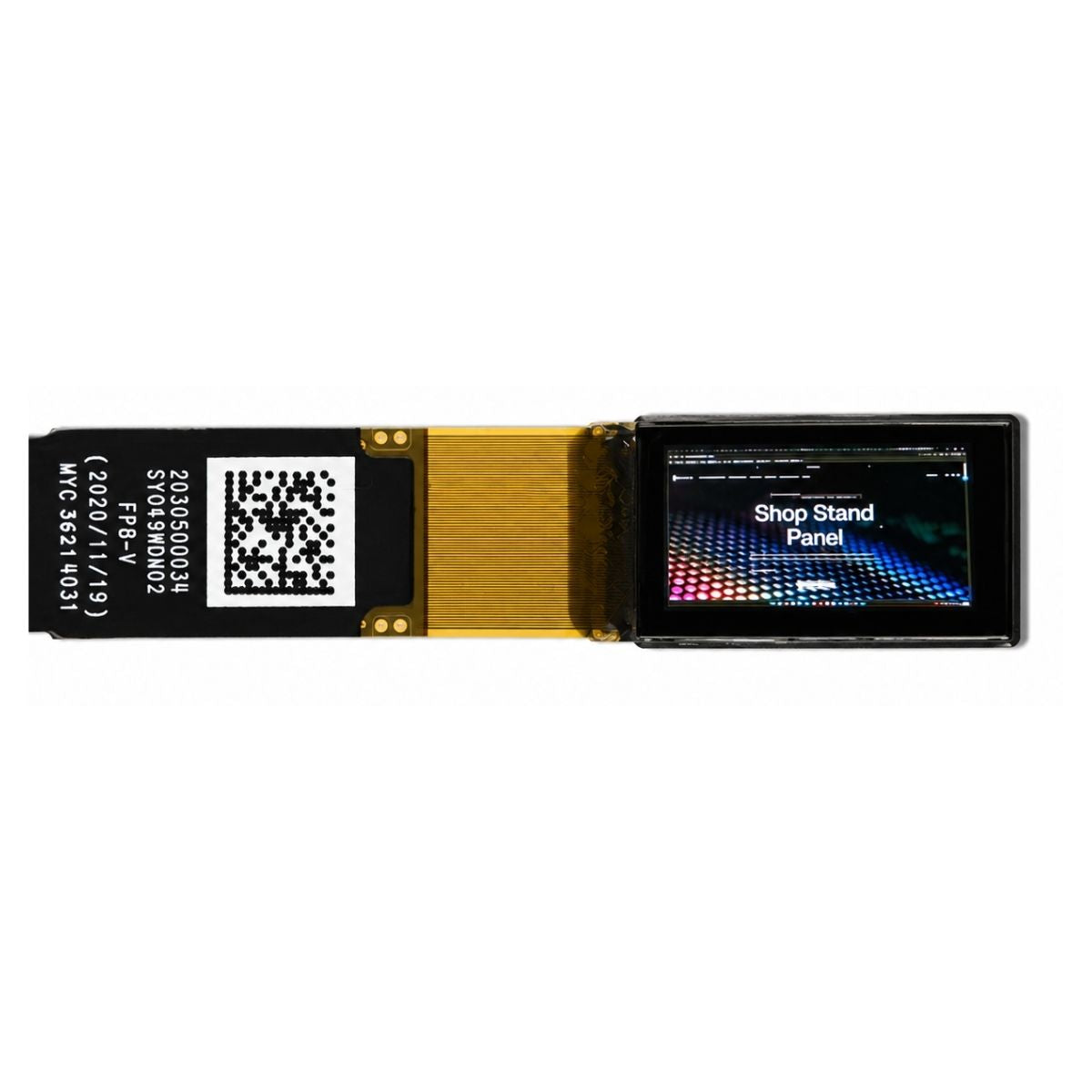
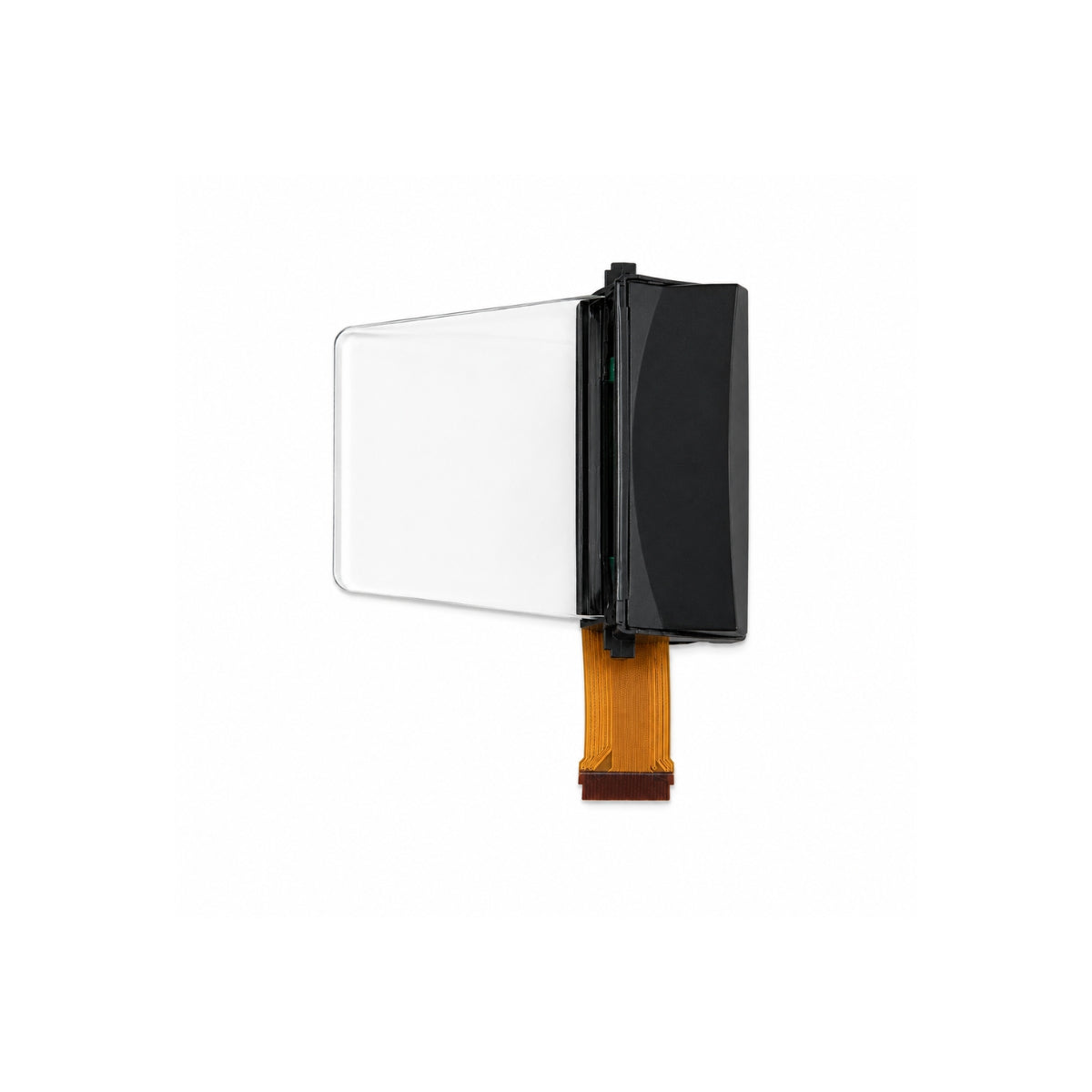
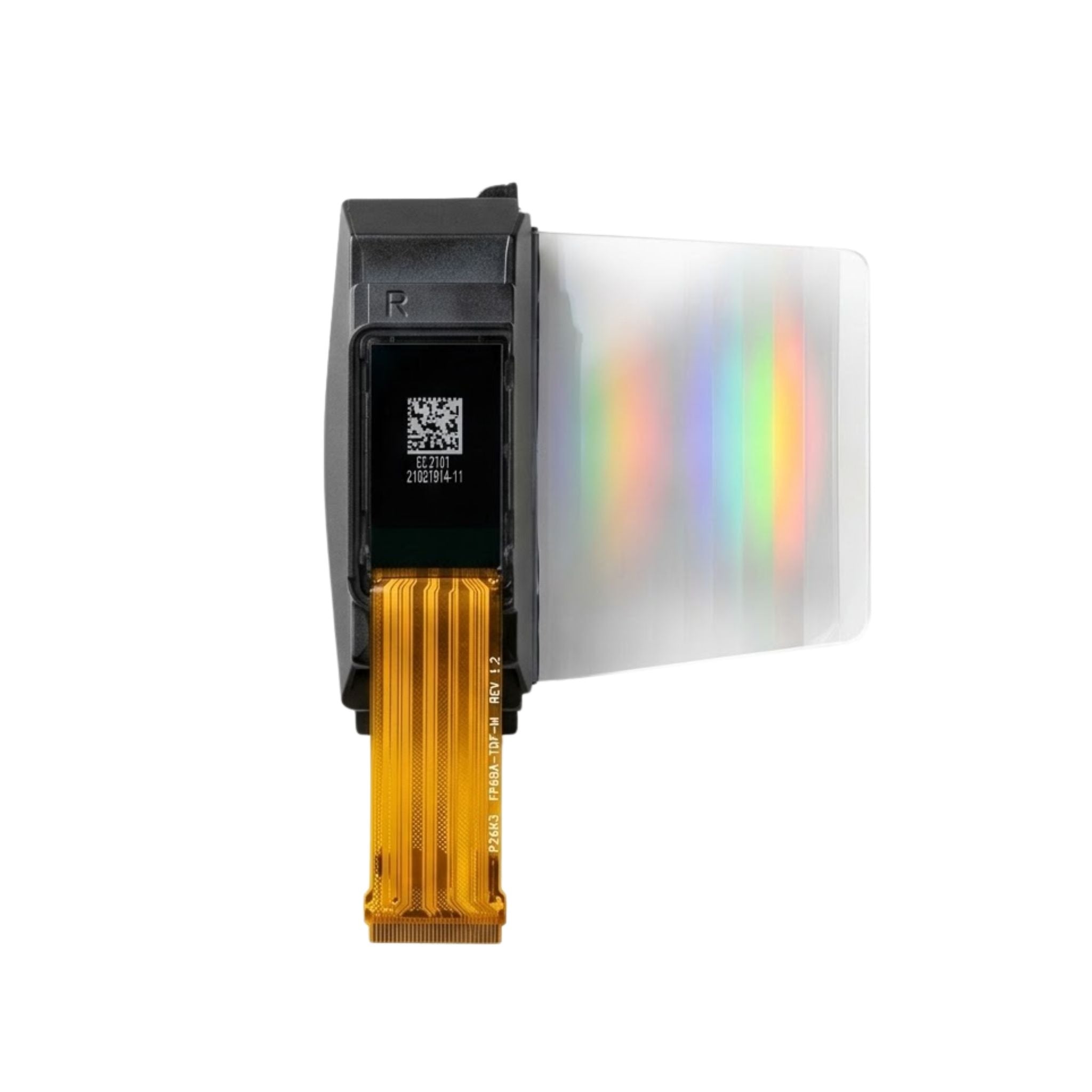


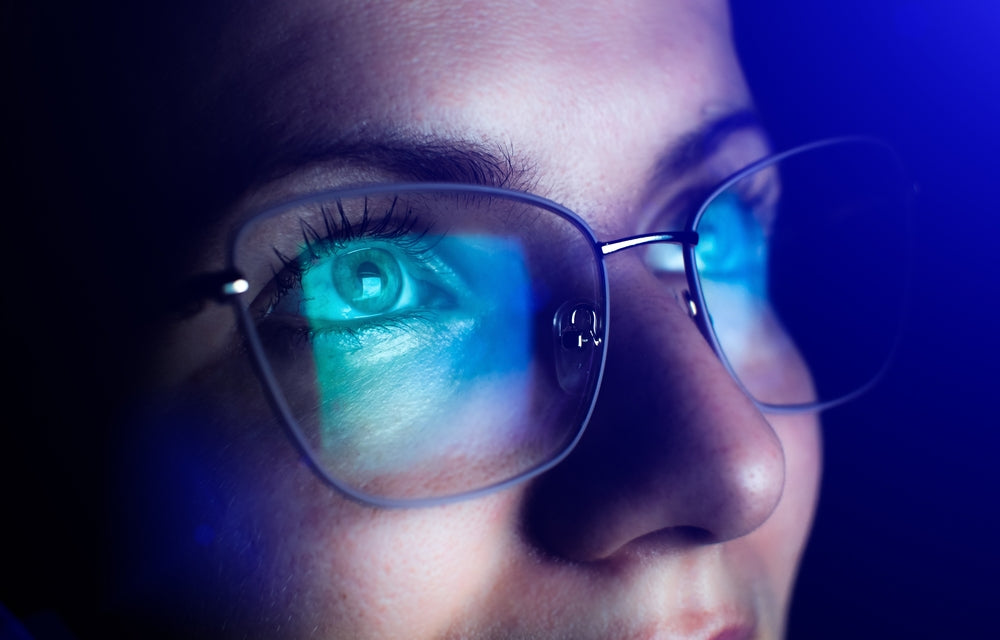
AMOLED displays are known for their vivid colors, high contrast, and deep black levels. While they offer many benefits, they can cause eye strain and other health issues in some cases. One of the m...
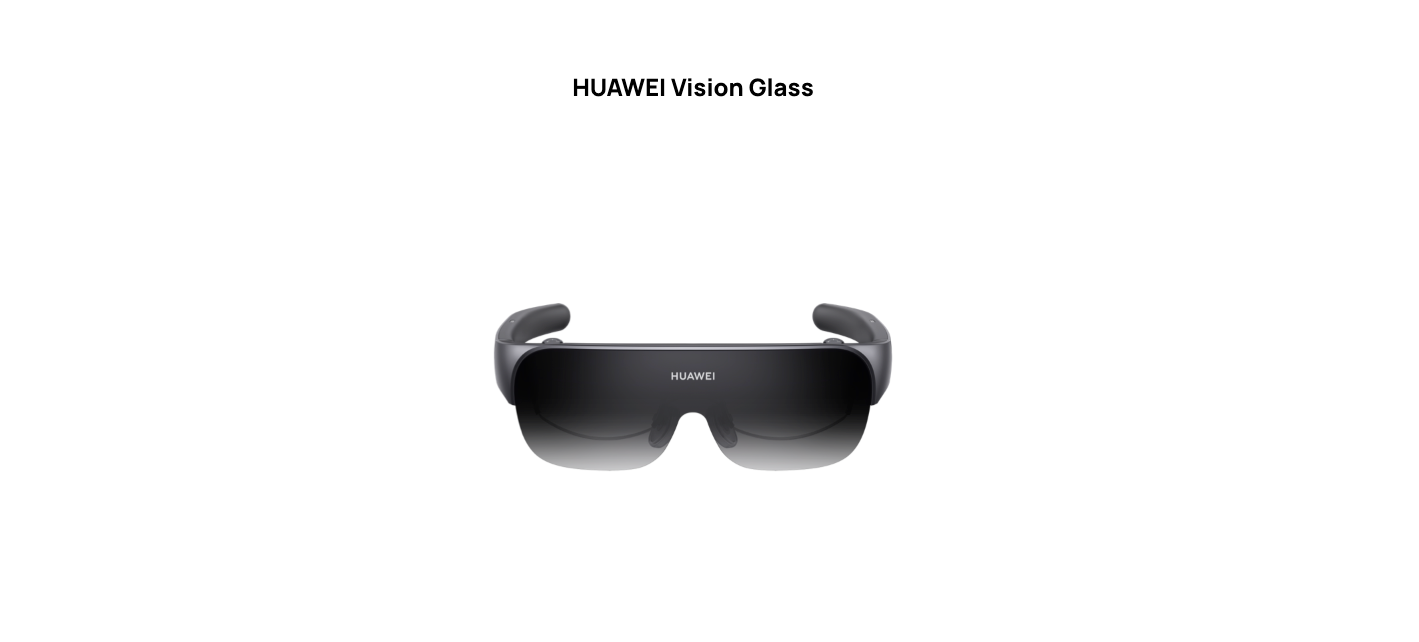
Huawei has launched its first AR glasses, the Huawei Vision Glass, which focuses on mobile travel and home scenarios. It can project a 120-inch screen in a virtual space equivalent to 4 meters away...

Introduction Augmented Reality (AR) is a technology that enables the overlay of virtual objects and information onto the real world. AR glasses are one of the most popular wearable devices that pro...
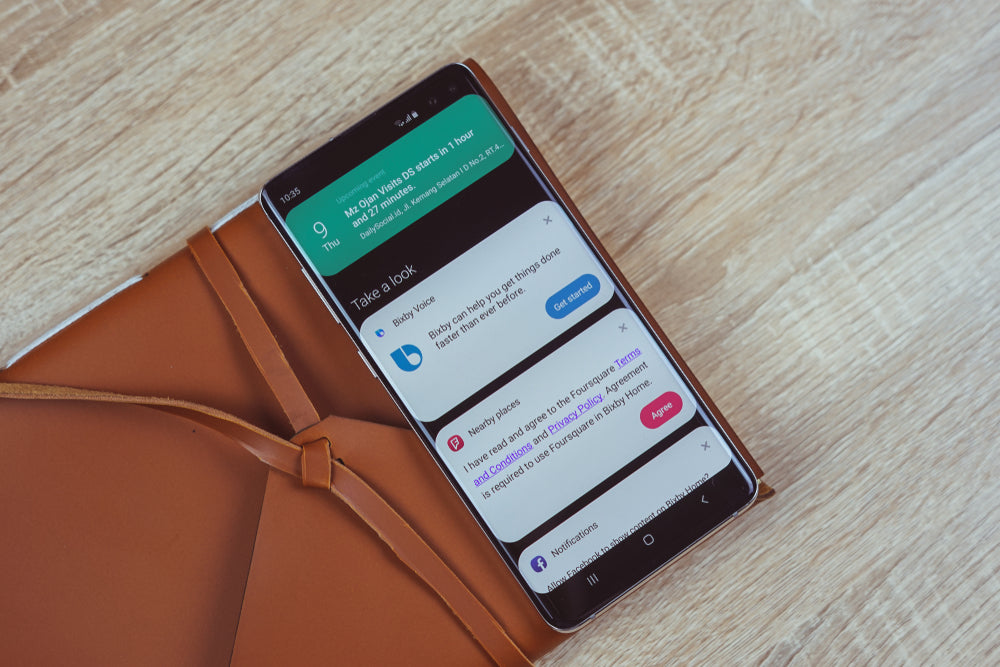
This is a list of Samsung smartphones that use AMOLED screen. Samsung Galaxy Z Fold Samsung Galaxy Z Flip 3 Samsung Galaxy S21 Ultra Samsung Galaxy S21+ Samsung Galaxy S21 Samsung Galaxy S20 FE Sa...

In the physical sense, a pixel is a small, discrete element that makes up the display of an electronic device, such as a computer monitor or a television. Each pixel consists of a combination of el...

AMOLED displays have become increasingly popular in recent years due to their vibrant colors, high contrast ratios, and low power consumption. However, one question that often arises is whether AMO...
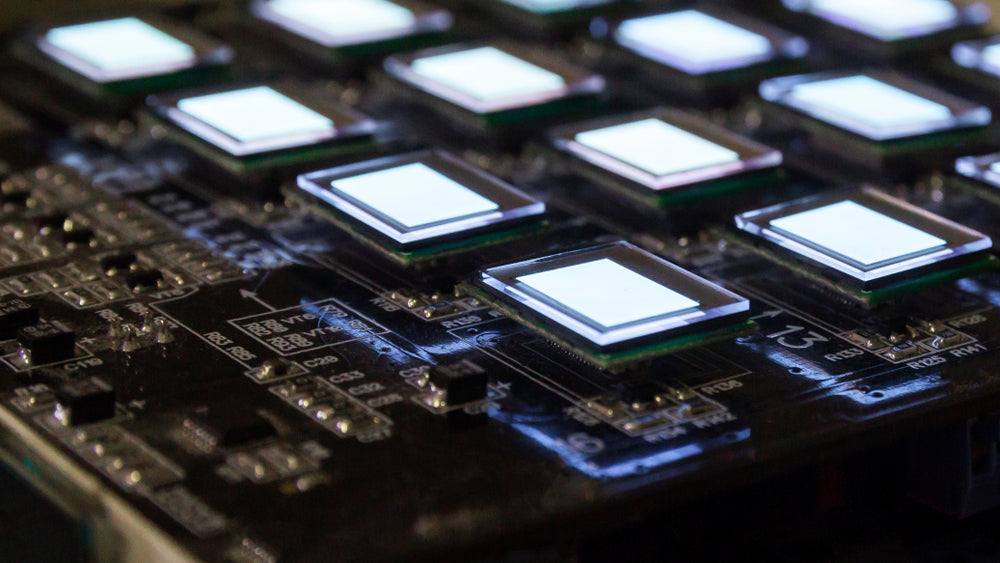
An AMOLED screen typically lasts for about 15,000 hours before noticeable dimming occurs, whereas LCDs with LED backlights can exceed 50,000 hours. However, AMOLEDs are prone to permanent burn-in f...
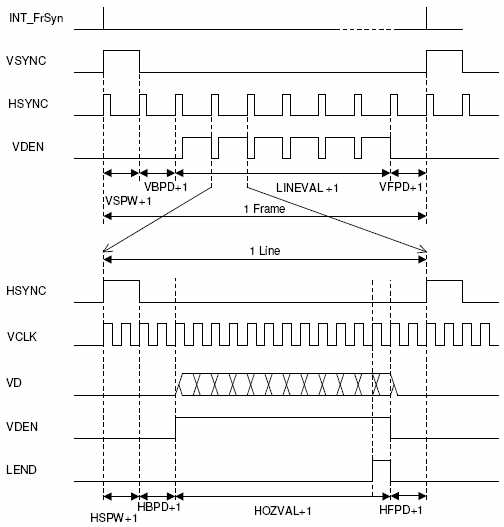
Typical Timing Diagram LCD Display Flow An LCD displays a picture, filling in every pixel, but at a speed that our eyes don't notice. If the LCD display frequency is reduced, we can obviously feel...
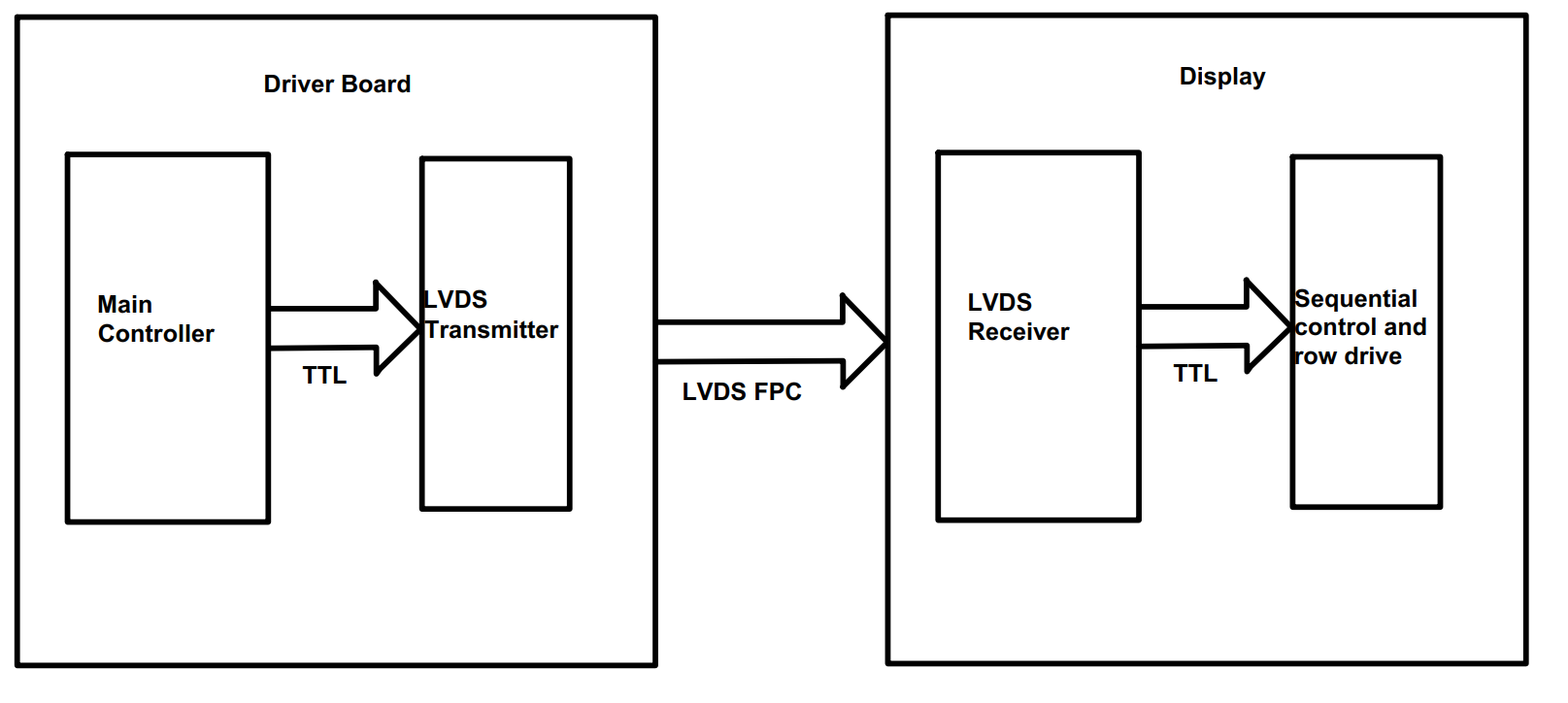
Overview LVDS=Low-Voltage Differential Signaling,The core of this technology is the use of very low voltage swing high speed differential transmission data, has the following characteristics: Low ...