

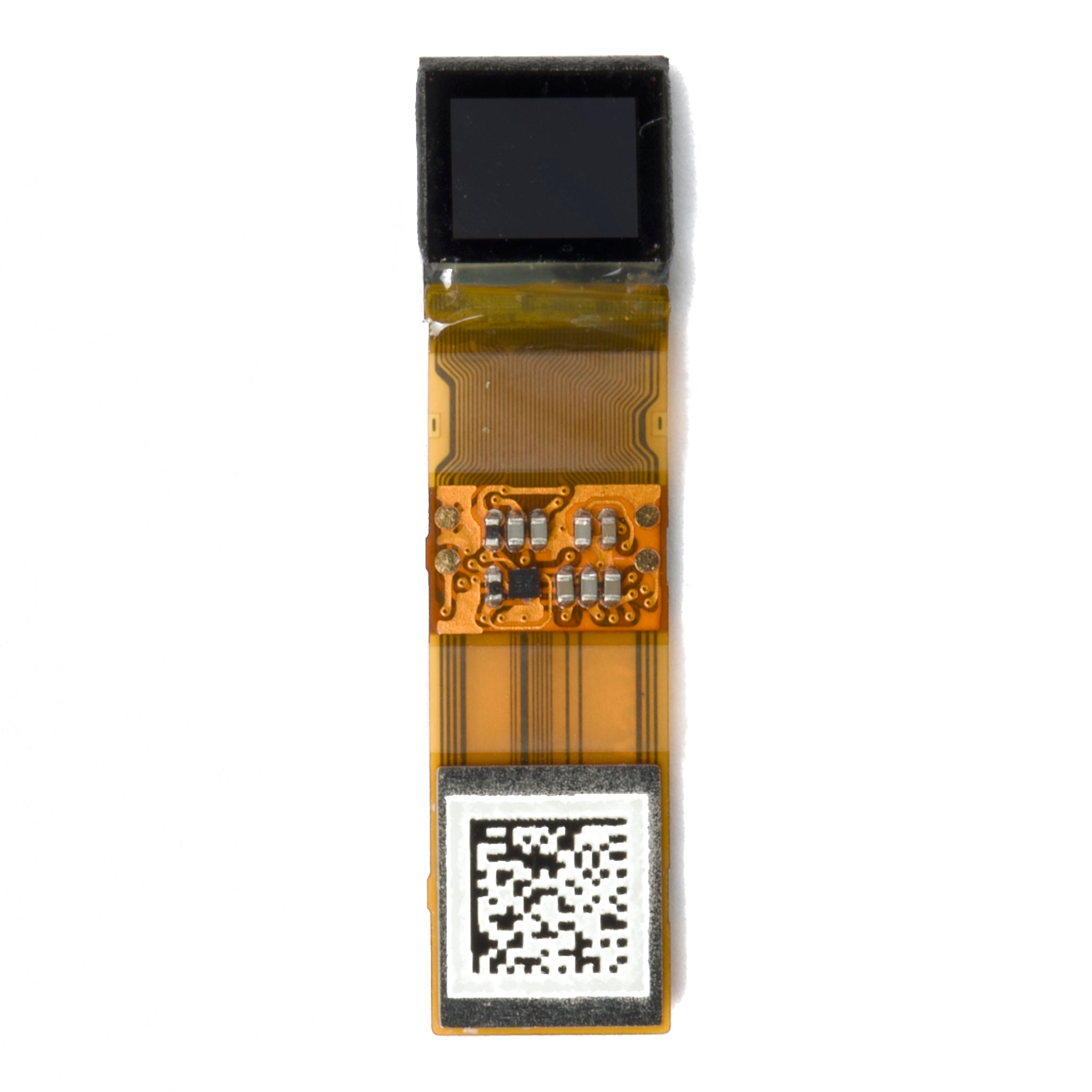
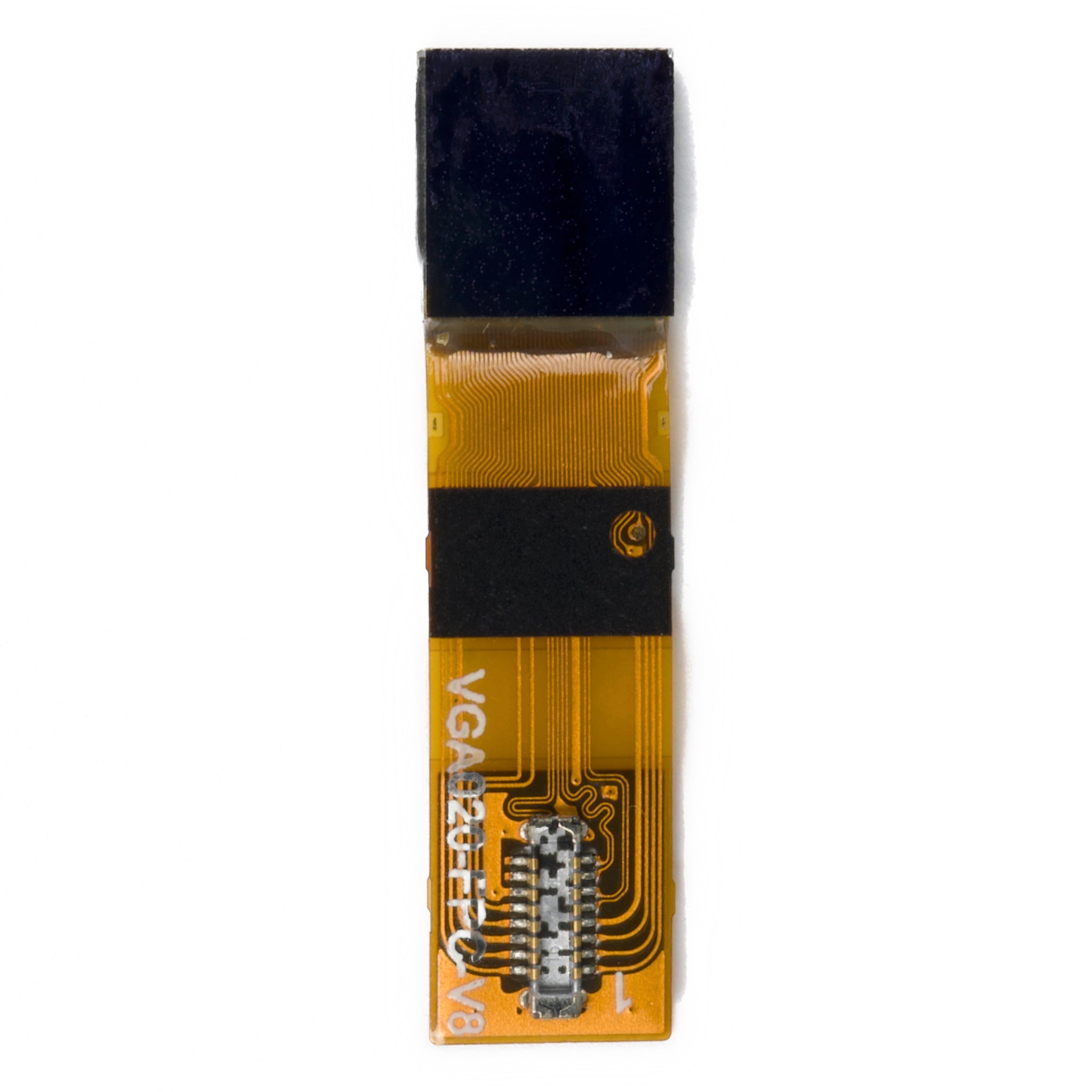
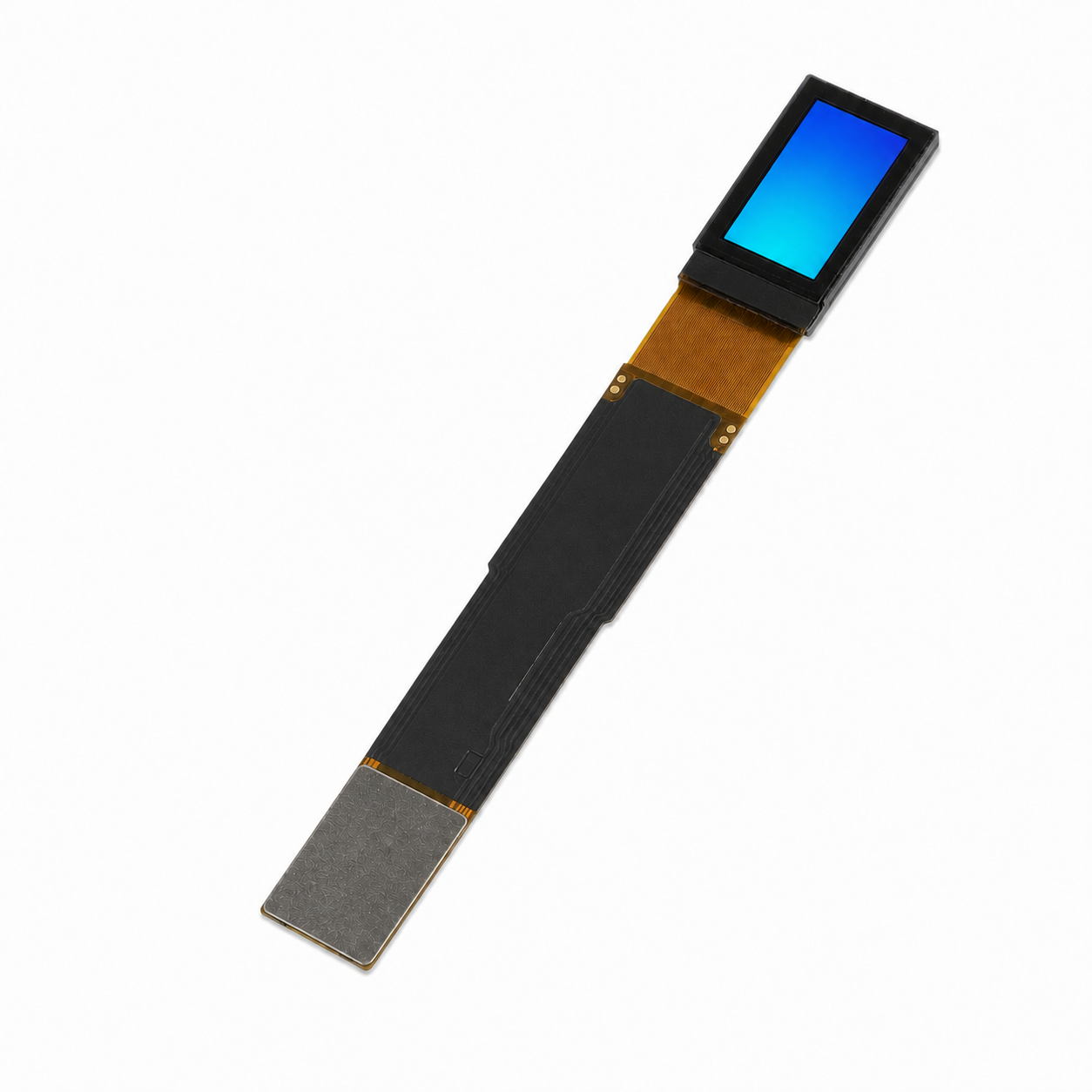
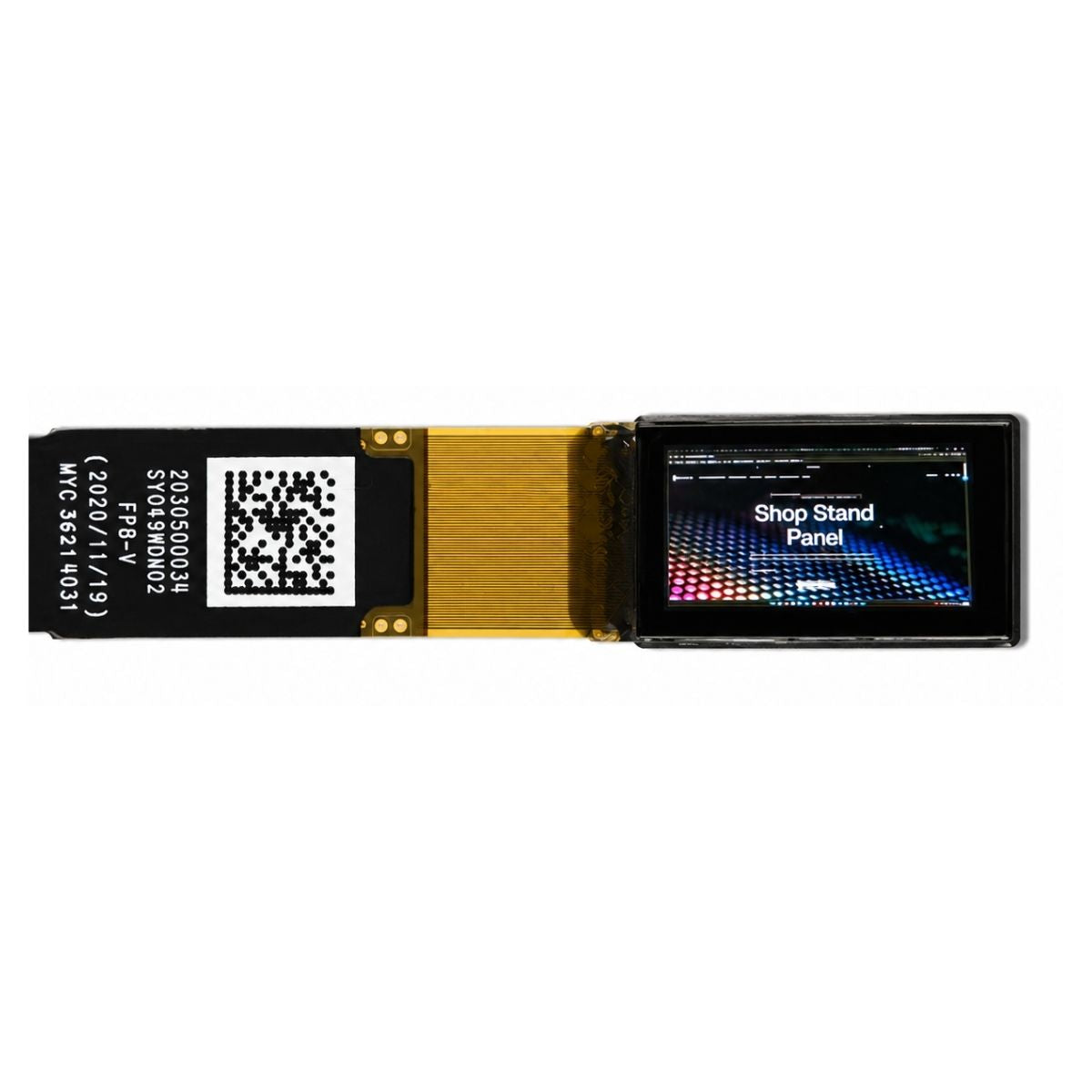
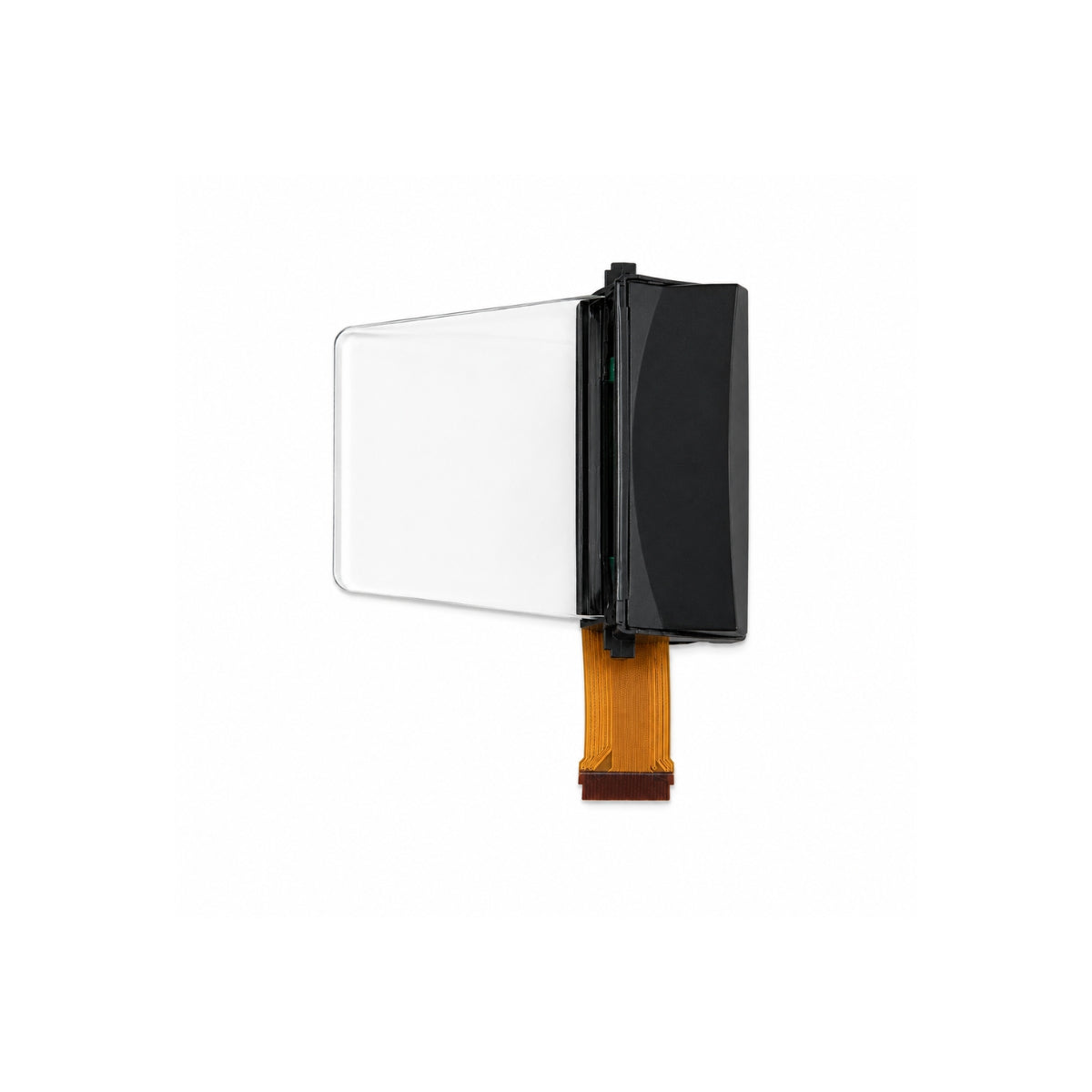
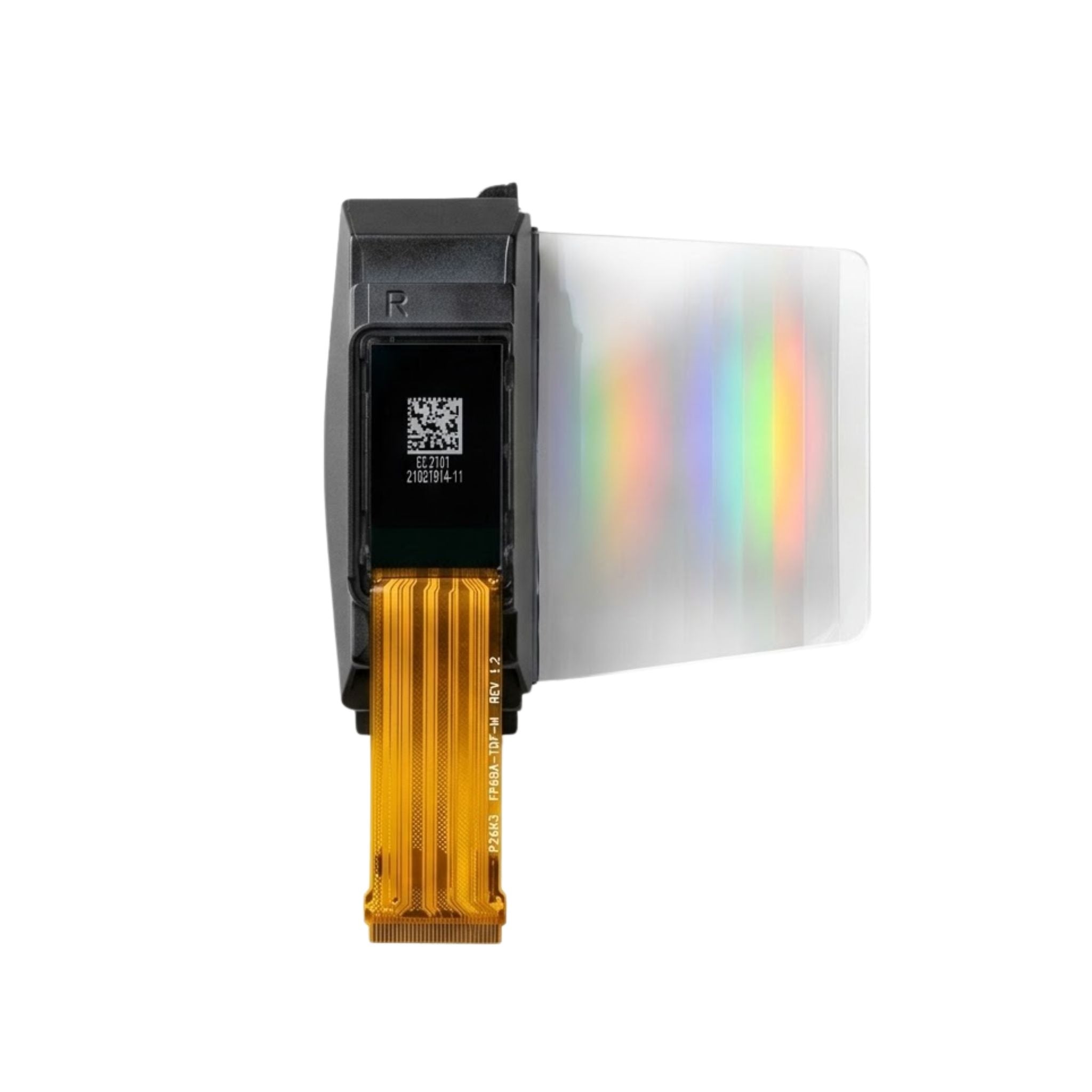


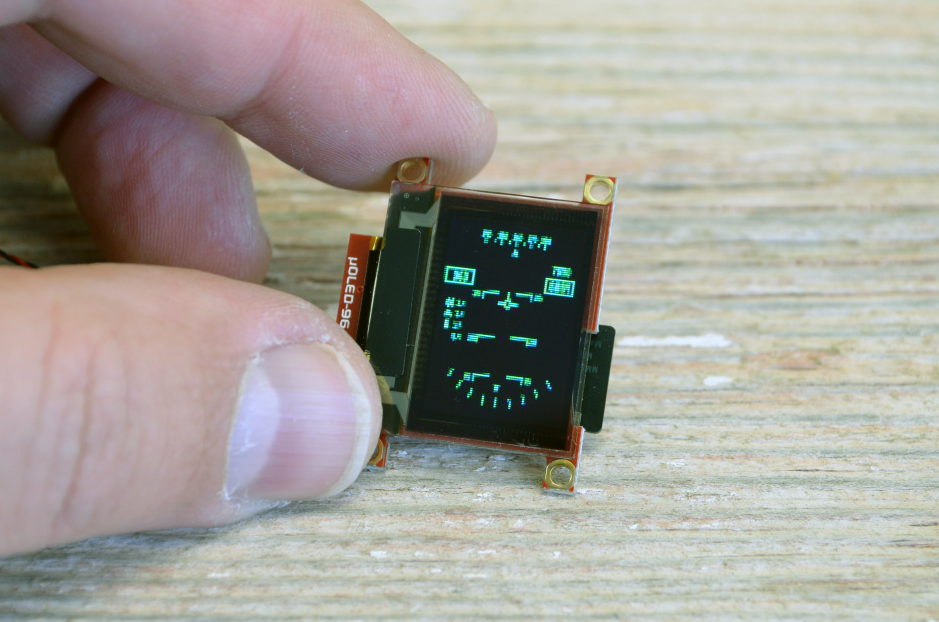
Custom Mini LCD Screens | Irregular Cutting, Special Cables, Ultra-Thin Modules
Irregular Cutting adopts laser special-shaped cutting technology (spot diameter ≤50μm) for precise processing of chamfers (R angle ≥0.3mm) and special-shaped holes (such as camera openings).
The cutting path needs to be inset by 70μm to prevent edge breakage, and non-regular trajectories (such as wavy shapes) need to cover a double layer of heat-absorbing material (UV photodecomposable adhesive) to reduce thermal stress.
Supports customization of FPC cables (width 3-8mm), LVDS interface (20PIN single-channel 6-bit) or RSDS interface (50-core cable), adapting to the narrow space requirements of industrial equipment.
For example, a 3.5-inch screen can choose QSPI interface (clock frequency ≤20MHz) to reduce CPU load.
Ultra-thin Module adopts zero-bonding technology (liquid crystal layer and capacitive screen spacing ≤0.1mm), paired with a side-entry light guide plate (thickness 0.8mm), compressing the overall module thickness to 9.5mm.
The full aluminum backplate (thermal conductivity 237W/m·K) ensures heat dissipation, suitable for -30℃~85℃ environments.

Irregular Cutting
Irregular cutting achieves non-rectangular contours through laser micro-machining, with precision reaching ±0.05mm (German UV laser) to sub-micron level (American femtosecond laser).
In 2023, the European and American market size increased by 47% (DSCC), applied in medical (impact resistance +300%), wearables (Swiss watch premium 3x), and industrial (German machine tool L-shaped screen optimizing motion lines).
Laser Cutting Precision
Technology Iteration
Taking Germany's TRUMPF TruMicro 5000 series as an example:
-
UV Laser (355nm): Beam quality M²<1.3, focused spot diameter 12μm, heat-affected zone (HAZ) width when cutting stainless steel <20μm.
-
Femtosecond Laser (400fs): No thermal effect, chipping height when cutting silicon carbide (SiC) wafers <50nm, suitable for aerospace-grade screen substrates.
-
Dynamic Focusing System: Germany's SCAPS developed a dual Z-axis focusing module, which can adjust the focal length in real-time during cutting (±50μm) to handle curved cutting of glass substrates with thickness 0.1-2mm.
Data Comparison:
|
Laser Type
|
Wavelength
|
Cutting Precision
|
Applicable Materials
|
Typical Scenarios
|
|---|---|---|---|---|
|
Infrared
|
1064nm
|
±0.1mm
|
Thick steel plates, wood
|
Rough processing of industrial signs
|
|
Green Light
|
532nm
|
±0.02mm
|
Thin aluminum plates, glass
|
Consumer electronics shell cutting
|
|
UV
|
355nm
|
±0.005mm
|
Silicon wafers, ceramics
|
Precision processing of medical sensors
|
Precision Improvement
1. Beam Shaping Technology
-
Bessel Beam: America's IPG Photonics BesselBeam technology increases cutting depth by 3x (up to 50mm), with edge verticality error <1°.
-
Multi-beam Interference: Japan's Amplitude Systems superimposes 4 laser beams via interference, increasing cutting speed of titanium alloy by 40% (12m/min→16.8m/min) and reducing heat accumulation by 60%.
2. Auxiliary Gas Optimization
-
High-pressure Nitrogen (30MPa): Italy's Prima Power uses nitrogen purging when cutting 0.5mm stainless steel, reducing kerf width from 40μm to 25μm and burr height by 80%.
-
Hybrid Gas Formula: Germany's Laserline developed Ar+20%He hybrid gas, reducing ash residue by 75% when cutting carbon fiber composite materials, meeting aviation screen fireproof standards.
3. Motion Control System
-
Linear Motor Direct Drive: Switzerland's GF Machining Solutions AG Galvo system has positioning speed 120m/s and repeat positioning accuracy ±0.5μm, used for cutting micro-hole arrays (aperture 50μm, density 400 holes/cm²) in the hinge area of foldable screen phones.
-
Visual Correction System: France's Alicona 3D profilometer detects cutting path deviation in real-time and automatically compensates errors, making the straightness tolerance of irregular screen edges <±3μm.
Industry Application Cases
Medical Equipment
Surgical Instrument Integrated Screen
Requirements
Germany's Aesculap requires an arc-cut screen embedded in the laparoscope housing, withstanding 100,000 bends without cracks.
Solution:
Laser Parameters
UV laser (pulse energy 1.2mJ, repetition frequency 50kHz)
Edge Treatment
Plasma etching (depth 5μm) + diamond-like carbon coating (thickness 200nm)
Results
Tensile strength increased from 300MPa to 900MPa, passing ISO 13485 certification.
Edge Reinforcement
Etching + Coating
Case
Italy's Aesculap laparoscope integrated screen
Etching Parameters
Concentration 5% HF solution, time 90 seconds, depth 5μm (removing brittle surface SiO₂)
Coating Material
Diamond-like carbon (DLC), thickness 200nm, hardness HV 2500 (original glass edge HV 700)
Results
Impact resistance increased from 50N to 200N, no cracks after 100,000 bends (simulating surgical instrument opening/closing), passing ISO 10993 biocompatibility certification.
Data Comparison:
|
Process Stage
|
Micro-crack Density (lines/mm²)
|
Surface Hardness (HV)
|
Impact Resistance (N)
|
|---|---|---|---|
|
Original Cut Edge
|
1200
|
700
|
50
|
|
After Chemical Etching
|
300
|
700
|
80
|
|
Etching + DLC Coating
|
<50
|
2500
|
200
|
Stress Release Layer
Case
Germany's Fraunhofer Institute aerospace screen
Material
Polyimide (PI) based flexible layer, thickness 5μm, elastic modulus 3GPa (close to 70GPa of glass)
Process
Bond immediately after laser cutting, use optical adhesive (refractive index 1.52, matching glass) between layers
Results
L-shaped corner stress concentration coefficient reduced from 2.8 to 1.2, no delamination after 1000 thermal cycles (-196℃ to +120℃) for satellite screens.
South Korea's LG Chem supplies this layer to Boeing for 787 passenger aircraft porthole irregular screens, with annual order volume 200,000 pieces.
Gradient Heat Treatment
Rapidly heat the cut edge (800℃/s) to 600℃, then cool slowly (50℃/s) to eliminate thermal stress.
Case
American Tesla Model S 2025 A-pillar curved screen
-
Equipment: Germany's ALD vacuum furnace, processing time 3 minutes/piece
-
Parameters: Heating rate 800℃/s, holding 10 seconds, cooling rate 50℃/s
Results
Edge residual stress reduced from 150MPa to 67.5MPa (55% reduction), curved fitting error <0.1mm, yield rate increased from 72% to 95%.
Special Cables
Special cables such as ultra-thin FPC (thickness 0.08mm) can be attached to curved surfaces, irregularly cut cables reduce weight by 60%;
Multi-layer shielding up to 90dB anti-interference, resistant to -40°C to +85°C;
Biocompatible coating for medical use (ISO 10993), oil-resistant TPU for industrial use withstands 100,000 bends.
In European and American high-end equipment, customized cables reduce display failure rate by 23%, signal attenuation controlled within 0.5dB/m.
Form
Ultra-thin Flexible
Traditional cables are 0.3-0.5mm thick, occupying full space in the 1.5mm case gap of smartwatches.
Special cables use ultra-thin FPC (Flexible Printed Circuit) to break through, compressing thickness to 0.05-0.1mm, equivalent to 1/2 the diameter of a hair.
-
Data Details: Germany's Fraunhofer Institute tested that 0.08mm thick FPC bonded on a curved surface with radius of curvature 2mm still has peel force of 1.2N/cm (traditional cables only 0.5N/cm) without lifting. America's Jabil customized FPC for an AR glasses, 0.06mm thick, routed along the frame curve, saving 0.3mm width compared to the original plan, just fitting into the slot between the temple and lens.
-
Dynamic Bending: The polyimide substrate of FPC can withstand 100,000 180° bends (test conditions: radius 1mm, frequency 1Hz). Japan's Sumitomo Electric sample tested on a foldable screen phone, opened/closed 100 times daily, no breakage in 3 years.
Irregular Cutting
Case
American DJI drone image transmission screen cable, original rectangular cross-section 1.2mm thick, laser-cut with U-groove (avoiding gimbal motor shaft), thickness reduced to 0.48mm (60% reduction), weight from 3.2g to 1.1g (66% reduction), image transmission delay from 20ms to 12ms.
Germany's Bosch industrial robot arm status panel, cable needs to bypass hydraulic pipes, using L-shaped cutting (long side attached to panel, short side through pipe seam), space occupation reduced from 8mm×3mm to 5mm×2mm, freeing space for new sensors.
Machining Precision
Laser cutting error <0.02mm, America's Molex irregular cable sample, successful passage rate 98% when threaded through 0.1mm narrow slit (traditional die-cutting only 75%).
Strength
Traditional copper core cable
Weight 2.5g/m, tensile strength 50N;
America's TE Connectivity aramid core cable:
Weight 0.8g/m (68% lighter), tensile strength 150N (2x stronger), used in American iRobot floor scrubber screen cable, 100,000 drags without broken core.
Structure Optimization
Make cable outer skin honeycomb-shaped (not solid), America's Gore GORE-TEX cable, while maintaining 0.1mm thickness, compressive strength increased by 30%, used in Canada's Bombardier polar research equipment, not deformed by ice chips.
Dynamic
Wearable devices (e.g., smart rings), foldable screen phones serpentine routing is a typical solution:
South Korea's Samsung foldable screen phone uses serpentine FPC, extending 0.5mm when unfolded, compressing 0.3mm when folded, line length change <0.05mm after 100,000 open/close (measured by laser rangefinder), no screen flicker.
American Fitbit smart ring, spiral spring-shaped cable (similar to telephone cord) between screen and mainboard, can bend ±90° with finger, resistance change <2% after 100,000 bends (industry standard <5%).
Shielding
Multi-layer Composite
-
Structural Composition: Outer tinned copper braided mesh (coverage ≥85%) resists low-frequency magnetic fields, middle aluminum foil (thickness 0.02mm) reflects high-frequency electromagnetic waves, inner conductive cloth (surface resistivity <0.1Ω/sq) absorbs residual interference.
-
Data Performance: America's Molex tested composite shielded cable, average shielding effectiveness 92dB in 10kHz-1GHz full band (single-layer aluminum foil only 45dB), attenuation ratio 91% (interference signal intensity reduced to 9% of original).
-
Case: America's Intuitive Surgical da Vinci surgical robot control screen, cable needs to work near defibrillator (discharge peak 5kV), using this structure reduces display gray scale error from 2.1% to 0.4%, meeting FDA medical device display accuracy standards.
Coaxial Micro-cable
-
Technical Details: Each micro-cable contains inner conductor (diameter 0.1mm silver-plated copper), polyethylene insulation layer (thickness 0.05mm), outer shield layer (aluminum foil + braided mesh), outer diameter only 0.3mm. Three micro-cables twisted into a bundle, total outer diameter <1mm.
-
Crosstalk Control: Europe's Leica 8K microscopic imaging system test shows coaxial micro-cable reduces RGB crosstalk from 15% to 3% (80% reduction), cell image edge sharpness increased by 25% (measured by MTF value, from 0.6 to 0.75).
-
Comparison Data: Traditional cable transmits 1080P signal, crosstalk causes color deviation ΔE=3.2 (human eye detectable threshold ΔE=2.5); coaxial micro-cable transmits same signal, ΔE=0.8 (undetectable).
New Materials
-
Nanocarbon Tube Coating: America's Applied Nanotech disperses carbon nanotubes in polyurethane, coats on FPC surface, thickness 0.005mm, shielding effectiveness 85dB (close to 0.02mm aluminum foil), weight increased by only 5%. Germany's BMW car dashboard cable uses this, thickness reduced by 40%, oil-resistant and anti-engine compartment electromagnetic interference (test field strength 8V/m).
-
Metalized Polymer Film: Japan's Toray developed polyester film plated with nickel (nickel layer thickness 0.003mm), shielding effectiveness 78dB, flexibility better than aluminum foil (no cracks when bent with radius 1mm). America's GoPro action camera screen cable uses this, works beside snowmobile motor (-20°C), stable signal without snowflakes.
Flange Coaxial Method (IEC 62153-4-3)
Use shielded room to simulate open environment, connect both ends of cable to network analyzer, measure insertion loss (S21 parameter).
For example, a certain American supplier's cable has S21=-65dB at 1GHz (i.e., attenuation 65dB), meeting industrial EMC standard EN 55032.
Near-field Probe Scanning
Use Germany's Rohde & Schwarz near-field probe close to cable, draw interference leakage map.
Case:
A medical cable before optimization leaked field strength 5V/m at 200MHz;
reduced to 0.3V/m (94% reduction) after composite shielding.
Actual Environment Reproduction Test
America's Texas Instruments (TI) built a "car cockpit" simulation environment (including ignition coil, wiper motor, GPS antenna) in the laboratory, cable needs to maintain flicker-free display in this environment.
Test shows composite shielded cable has screen refresh rate fluctuation <0.1% under 10V/m field strength (traditional cable fluctuates 2%).
Materials
Weather-resistant Polymers
Traditional PVC becomes brittle at -20°C and softens at 80°C, special cables use modified polymers to expand tolerance boundaries.
-
Fluoroplastic (PTFE): DuPont's Teflon PTFE insulation layer, melting point 327°C, long-term use temperature -200°C~+260°C, resistant to aqua regia (concentrated hydrochloric acid + nitric acid mixture) corrosion. Germany's BASF chemical control terminal uses this cable, no swelling in pH=1 acidic environment for 3 years, insulation resistance maintained at 10^12Ω·m (initial value 10^13Ω·m, attenuation <10%).
-
Modified PVC: Canada's Nova Chemicals Geon PVC, adding nitrile rubber plasticizer, -50°C anti-brittleness (ASTM D746 test: impact strength retention rate >80%), +85°C no softening (heat deflection temperature 105°C). Bombardier polar research equipment uses this, cable bent 500 times at -50°C (radius 5mm), no surface cracks.
-
Fluororubber (FKM): America's 3M Fluorel FKM, oil-resistant (IRM 903 oil immersion 7 days swelling rate <5%), ozone-resistant, used in Germany's BMW car engine compartment dashboard cable, continuous operation at 150°C for 2000 hours, hardness change <5 Shore A.
Weather-resistant Material Performance Comparison Table
|
Material
|
Temperature Range(°C)
|
Corrosion Resistance (Example)
|
Tensile Strength(MPa)
|
Application Scenario
|
|---|---|---|---|---|
|
PTFE
|
-200~+260
|
Resistant to aqua regia, concentrated sulfuric acid
|
25-35
|
Chemical control terminal
|
|
Modified PVC
|
-50~+85
|
Resistant to weak acids and alkalis
|
18-22
|
Polar research equipment
|
|
Fluororubber FKM
|
-40~+200
|
Resistant to engine oil, fuel
|
12-18
|
Car engine compartment
|
Biocompatibility
Display screen cables of medical implant devices (pacemakers, insulin pumps) need to comply with ISO 10993 biocompatibility standard (cytotoxicity, sensitization, irritation tests).
-
Medical-grade Silicone: America's NuSil MED-4750 silicone coated FPC, surface roughness <0.5μm (to avoid bacterial attachment), cytotoxicity test (ISO 10993-5) shows cell survival rate >95% (standard requires >70%). Intuitive Surgical surgical robot control screen uses this, postoperative infection rate reduced by 17% compared to traditional cables.
-
Polyetheretherketone (PEEK): UK's Victrex PEEK insulating film, melting point 343°C, X-ray transparent (does not affect medical imaging), used in America's Medtronic pacemaker status screen cable. Animal experiment (ISO 10993-6) shows no inflammatory reaction after 12 months subcutaneous implantation, tensile strength retention rate >90%.
-
Coating Process: Japan's Shin-Etsu biocompatible coating (siloxane-based), thickness 0.005mm, friction coefficient <0.1 (reduce skin wear), passed FDA 510(k) certification, used in Fitbit smart ring screen cable, user allergy complaint rate 0%.
Lightweight Materials
-
Aramid Fiber Core: America's DuPont Kevlar AP fiber, density 1.44g/cm³ (copper 1.78g/cm³), tensile strength 3000MPa (copper 200MPa), used in TE Connectivity cable, 0.1mm diameter core wire can withstand 150N tension (traditional copper core needs 0.3mm, 2.5x heavier). iRobot floor scrubber screen cable uses this, 100,000 drags (simulating daily entanglement) without broken core.
-
Carbon Fiber Reinforced Polymer (CFRP): Japan's Toray T700 carbon fiber (tensile strength 4900MPa), compounded with epoxy resin for cable outer skin, thickness 0.2mm, compressive strength 500MPa (traditional TPU outer skin 200MPa). Airbus satellite attitude control display uses this, withstands 10g acceleration during launch without deformation.
-
Ultra-high Molecular Weight Polyethylene (UHMWPE): Netherlands' DSM Dyneema fiber, density 0.97g/cm³ (floats on water), cut-resistant (cutting resistance 15x that of steel), used in America's Coast Guard lifeboat navigation screen cable, no damage after 100 scratches by reefs.
Insulation Materials
-
Polyimide (PI): America's DuPont Kapton PI film, long-term use temperature -269°C~+400°C, volume resistivity 10^16Ω·cm (ASTM D257 test), used in Europe's Ariane rocket satellite display cable, no aging in 5 years in space vacuum environment (radiation dose 100krad).
-
Ceramic-filled Polymer: Germany's Henkel Ceramabond material, adding alumina ceramic particles (particle size 5μm), breakdown voltage 30kV/mm (traditional PI 20kV/mm), arc ablation resistant (UL 1446 test: 10 seconds arc time no perforation). Siemens industrial kiln control screen uses this, stable signal transmission at 800°C.
Aging Test
ASTM D3045 accelerated aging (70°C, 85% humidity, 1000 hours), PTFE cable tensile strength retention rate >95%, modified PVC >90%.
High-low Temperature Cycle
MIL-STD-810G standard (-55°C~+125°C, 100 cycles), aramid core cable resistance change <1% (initial value 10Ω, post-cycle 10.05Ω).
Chemical Tolerance
ASTM D543 immersion test (23°C, specific solvent 7 days), fluororubber volume change <3% in gasoline, traditional rubber >10%.
Ultra-thin Module
Ultra-thin module refers to a customized liquid crystal display unit with total thickness ≤1.5mm, using 0.1-0.2mm ultra-thin glass substrate, 0.3-0.5mm micro-structured light guide film, and achieving volume compression through COF integrated drive IC.
In 2023, Europe and America account for 65% of the global market share, with medical and in-vehicle application demand growing 18% annually.
Typical examples include Tesla's 17-inch screen (thickness 2.8mm) and Medtronic's implant device screen (thickness 1.2mm), both achieving 30% volume reduction and 20% energy consumption reduction.
Thickness, Materials
Thickness Compression
1 Glass Substrate Thinning Technology
-
Soda-lime Glass: America's Corning Gorilla Glass X (0.1mm) uses chemical strengthening process (ion exchange method), surface compressive stress reaches 700MPa, but when thickness <0.15mm, impact resistance decreases by 40% (drop ball test height from 1m to 0.6m).
-
Aluminosilicate Glass: Germany's Schott D263® T (0.12mm) transmittance 92%, thermal expansion coefficient 3.2ppm/℃, suitable for -20℃ to 105℃ environment, but processing cost 35% higher than soda-lime glass.
-
Flexible PI Substrate: Japan's Ube Industries Upilex® S1 (0.03mm) thickness is 1/3 of glass, withstands over 100,000 bends (radius 5mm), but transmittance only 88%, requiring compensation film to enhance display effect.
2 Backlight System Thickness Control
-
Light Guide Plate: South Korea's LG Chem micro-structured light guide film (0.3mm) uses laser engraved light guide dots (density 5000 dots/cm²), brightness uniformity 92%, but for every 0.1mm thickness reduction, light guide efficiency decreases by 18%.
-
LED Beads: Osram's Micro LED beads (0.2mm thick) luminous efficiency 240lm/W, 33% higher than traditional LED (0.5mm thick, 180lm/W), but single cost increased by 200%.
-
Reflective Sheet: 3M's Vikuiti® ES reflective sheet (0.1mm) reduces light loss from 15% to 5%, but after thickness compression, weather resistance decreases (yellowing index ΔYI in damp heat aging test increases from 0.5 to 1.2).
3 Drive Circuit Integration Scheme
-
COF Packaging: Japan's Shinko Electric Industries COF substrate (line width 30μm) compresses drive IC thickness to 0.15mm, but for every 10% increase in line density, yield decreases by 5%.
-
Embedded Touch: JDI's Pixel Eyes® technology embeds touch layer into glass substrate, reducing 0.2mm thickness, but touch response delay increases from 5ms to 8ms.
Material Selection
1 Strength and Transmittance Trade-off
-
Chemically Strengthened Glass: Japan's AGC Dragontrail™ (0.12mm) treated by ion exchange, surface stress 650MPa, but for every 0.01mm thickness increase, transmittance decreases by 0.3%.
-
Sapphire Glass: GT Advanced's 0.2mm sapphire cover plate (Mohs hardness 9) improves scratch resistance by 10x, but transmittance only 82% (requires AR coating compensation).
-
Transparent Polymer: DuPont's Kapton® HN (0.05mm) high-temperature resistant (-269℃ to 400℃), but transmittance 85% and easy to scratch, requires composite glass layer use.
2 Thermal Management Material Efficiency Bottleneck
-
Graphene Film: America's Versarien G+™ graphene film (0.05mm thick, thermal conductivity 1500W/mK), but bonding process requires ±0.02mm tolerance, otherwise thermal resistance increases by 30%. America's Medtronic implant device screen uses this scheme, junction temperature 52℃ after 72 hours continuous operation.
-
Heat Pipe Technology: Finland's Cooliance 0.1mm copper tube heat pipe (thermal conductivity 4000W/mK) can reduce local temperature by 15℃, but bending radius needs >3mm, limiting curved applications.
-
Phase Change Material: Germany's BASF Microporous™ PCM (0.08mm thick) absorbs heat during phase change at -20℃ to 80℃, but cycle life only 500 times (thickness attenuation >15%).
3 Durability Material Performance Compromise
-
Impact-resistant Material: America's DuPont Ultrason® E (0.1mm) polyethersulfone resin impact strength 120J/m², but poor chemical resistance (hardness decreases 20% after contact with ethanol).
-
Scratch-resistant Coating: Germany's Bayer Hardcoat™ (0.02mm) hardness 9H, but transmittance decreases by 3%, and wear resistance <5000 times (pencil hardness test).
-
Sealing Material: 3M's Fluorosilicone™ adhesive (0.05mm) high-temperature resistant up to 300℃, but post-curing shrinkage 3%, causing module edge warpage.
Performance Balance
1 Thickness-Strength-Transmittance Triangle Model
|
Material Type
|
Thickness (mm)
|
Bending Strength (MPa)
|
Transmittance (%)
|
Applicable Scenario
|
|---|---|---|---|---|
|
Soda-lime Glass
|
0.10
|
700
|
92
|
Consumer electronics screen
|
|
Aluminosilicate Glass
|
0.12
|
950
|
90
|
Industrial control panel
|
|
Polyimide Film
|
0.03
|
200
|
88
|
Flexible wearable device
|
|
Sapphire Glass
|
0.20
|
3500
|
82
|
High-end watch screen
|
2 Thermal Management Performance Comparison
-
Standard Module: 0.5mm aluminum backplate + copper foil heat dissipation, thermal resistance 0.8℃/W, full-load temperature rise 35℃.
-
Ultra-thin Module: 0.2mm graphene film + 0.1mm ceramic substrate, thermal resistance 0.5℃/W, but local hot spot temperature reaches 65℃ (requires forced heat dissipation).
-
Hybrid Scheme: 0.1mm PI substrate + 0.05mm heat pipe, thermal resistance 0.3℃/W, weight increased by 15%, cost increased by 40%.
3 Drop Test Data
1m Drop
0.1mm glass + metal middle frame
Crack rate 35%, functional integrity rate 80%.
0.2mm sapphire + silicone buffer
Crack rate 12%, functional integrity rate 95%.
2m Drop
0.15mm PI substrate + TPU frame
Crack rate 78%, functional integrity rate 50%.
0.25mm tempered glass + aerogel
Crack rate 9%, functional integrity rate 90%.
Procurement Notes
Heat Dissipation Limitations
For every 0.1mm reduction in ultra-thin module thickness, heat dissipation path shortens by 30%, average thermal resistance increases by 0.15℃/W.
Take a 3.5-inch medical screen as an example: standard module (4mm thick) thermal resistance 0.5℃/W, full-load temperature rise 25℃;
1.5mm ultra-thin module thermal resistance reaches 0.8℃/W, temperature rise soars to 40℃, exceeding chip junction temperature limit (usually 55℃) requiring active heat dissipation.
Common Heat Dissipation Schemes
-
Graphene Heat Dissipation Film: UK's Versarien G+™ film (0.05mm thick, thermal conductivity 1500W/mK), attached to drive IC area, can reduce local temperature rise from 40℃ to 28℃. But bonding tolerance needs ±0.02mm, otherwise thermal resistance increases by 30%. America's Medtronic implant device screen uses this scheme, junction temperature 52℃ after 72 hours continuous operation.
-
Miniature Heat Pipe: Finland's Cooliance 0.1mm copper tube heat pipe (thermal conductivity 4000W/mK), bending radius >3mm, suitable for flat screens. Germany's Bosch industrial tablet uses it to reduce CPU area temperature by 15℃, but limited in curved screen applications.
-
Phase Change Material: Germany's BASF Microporous™ PCM (0.08mm thick), absorbs heat during phase change at 45-55℃, cycle life 500 times. Swiss ABB AR glasses use it for outdoor high temperatures, but material attenuates 15% after 2 years, requiring replacement.
Heat Dissipation Scheme Comparison Table
|
Scheme
|
Thickness (mm)
|
Thermal Conductivity (W/mK)
|
Applicable Scenario
|
Cost Increase
|
Lifespan (Times)
|
|---|---|---|---|---|---|
|
Graphene Film
|
0.05
|
1500
|
Flat/Small Curvature Screen
|
+15%
|
>100,000
|
|
Miniature Heat Pipe
|
0.1
|
4000
|
Flat Industrial Equipment
|
+25%
|
>50,000
|
|
Phase Change Material
|
0.08
|
5 (During Phase Change)
|
Intermittent High Load Scenario
|
+10%
|
500
|
Measured Issues:
A certain American Honeywell explosion-proof tablet uses graphene film, due to assembly tolerance 0.03mm, drive IC area temperature rise still reaches 38℃, later switched to "graphene film + 0.1mm aluminum foil" combination, temperature rise reduced to 30℃.
Strength Compromise
Glass thickness reduced from 0.4mm to 0.1mm, bending strength decreased from 80MPa to 40MPa (drop ball test height from 1m to 0.6m), requiring material strengthening or structural reinforcement to meet scenario needs.
Strength Reinforcement Schemes
-
Ion-exchanged Strengthened Glass: Japan's Asahi Glass Dragontrail™ (0.1mm thick), after potassium-sodium ion exchange, surface compressive stress 120MPa, bending strength increased to 120MPa. America's Motorola industrial handheld terminal uses this glass, 1m drop crack rate reduced from 50% to 12%.
-
Edge Potting Reinforcement: America's 3M OCR optical clear adhesive (0.05mm thick, transmittance 99%), potting along module edge to form support frame. Germany's B. Braun infusion pump screen uses this, edge impact resistance increased by 40%, but adhesive weather resistance needs verification (yellowing ΔYI=0.8 after 85℃/85%RH aging 1000 hours).
-
Flexible Substrate Replacement: Japan's Ube Industries Upilex® S1 PI film (0.03mm thick), withstands 100,000 bends (radius 5mm), impact resistance 200J/m². South Korea's LG Electronics AR glasses use it, can withstand daily squeezing, but transmittance 88% requires compensation film (adding 0.1mm thickness).
Drop Test Data (1m Height, 3.5-inch Screen)
|
Scheme
|
Glass Thickness (mm)
|
Bending Strength (MPa)
|
Crack Rate
|
Functional Integrity Rate
|
|---|---|---|---|---|
|
Unreinforced Soda-lime Glass
|
0.1
|
40
|
65%
|
70%
|
|
Dragontrail™ Strengthened
|
0.1
|
120
|
12%
|
95%
|
|
Edge Potting (3M OCR)
|
0.1
|
40 (Structurally Reinforced)
|
25%
|
85%
|
|
PI Substrate Replacement
|
0.03
|
200 (Flexible)
|
5%
|
98%
|
Scenario Adaptation Contradiction
America's Tesla center console screen uses 0.2mm aluminosilicate glass (unstrengthened), because curved design needs to balance flexibility, impact resistance only 60MPa, so additional 0.3mm silicone buffer layer (compression resilience 95%) is added, 2m drop functional integrity rate 90%.
Cost
Ultra-thin modules have many processing steps (glass grinding, COF bonding, micro-structured light guide film lamination), yield 15-20% lower than standard products.
3.5-inch standard module yield 90%, unit cost 8; ultra-thin module yield 75%, unit cost 10.4 (30% increase).
Cost Composition and Premium Coverage
-
Yield Loss Cost: Glass substrate grinding (0.1mm thick yield 80% vs 0.4mm thick 95%), COF bonding (30μm line width yield 85% vs 50μm 95%), total cost increase 25%. America's Sharp cooperates with European brands to develop, sharing 2 million R&D cost, reducing unit cost to 9.5.
-
Material Premium: 0.1mm Corning Gorilla Glass is 40% more expensive than 0.4mm, 0.3mm micro-structured light guide film (South Korea's LG Chem) is 50% more expensive than standard light guide plate. Germany's Bosch industrial terminal uses the latter, due to needing 5000 dots/cm² light guide density, cost increased by $1.2/piece.
Scenario Premium Capability
-
Medical Equipment: Medtronic implant screen sells for 500/piece, cost 10.4 accounts for 2%, can be covered.
-
Industrial Terminals: Honeywell explosion-proof tablet sells for 1500/unit, ultra-thin module cost 12 (increase $2.4), users willing to pay premium for 200g weight reduction to improve battery life.
-
Consumer Electronics: A European mobile phone brand uses 1.3mm ultra-thin screen, selling price only increased by 10%, cost increased by 2.4, profit margin compressed, later switched to "standard screen + thinned frame" scheme.
Batch Orders
American brand orders 100,000 pieces at a time, yield can be increased to 80%, unit cost reduced by $0.8.
Long-term Agreements
European automaker signs 3-year agreement with LG Display, locking 0.2mm glass supply price (5% annual reduction), avoiding material price hike risks.
Alternative Schemes
Swiss ABB AR glasses once considered ultra-thin OLED (cost 15/piece), later switched to LCD + PI substrate (11/piece), similar performance and controllable cost.
En lire plus
On an all-black screen, 27-inch IPS panels measured edge brightness 15%-20% higher than the center (ISO 9241-307 standard), showing gray edges when viewing in dark environments; for instance, U-ser...
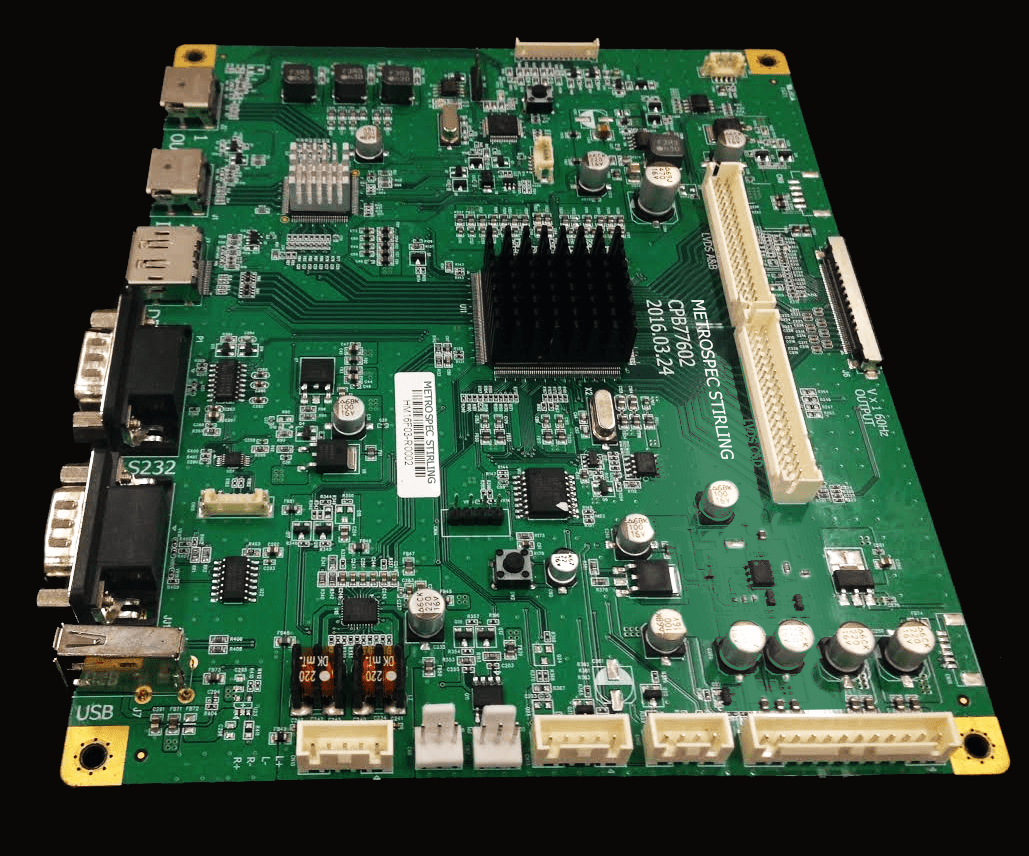
When purchasing an LCD control board, prioritize interface compatibility by first verifying the panel manual for interface types (e.g., LVDS Dual Channel 8-bit, eDP 1.4). The dual-channel LVDS band...
Laisser un commentaire
Ce site est protégé par hCaptcha, et la Politique de confidentialité et les Conditions de service de hCaptcha s’appliquent.