



Does NexPCB Have Standard Modules In Stock
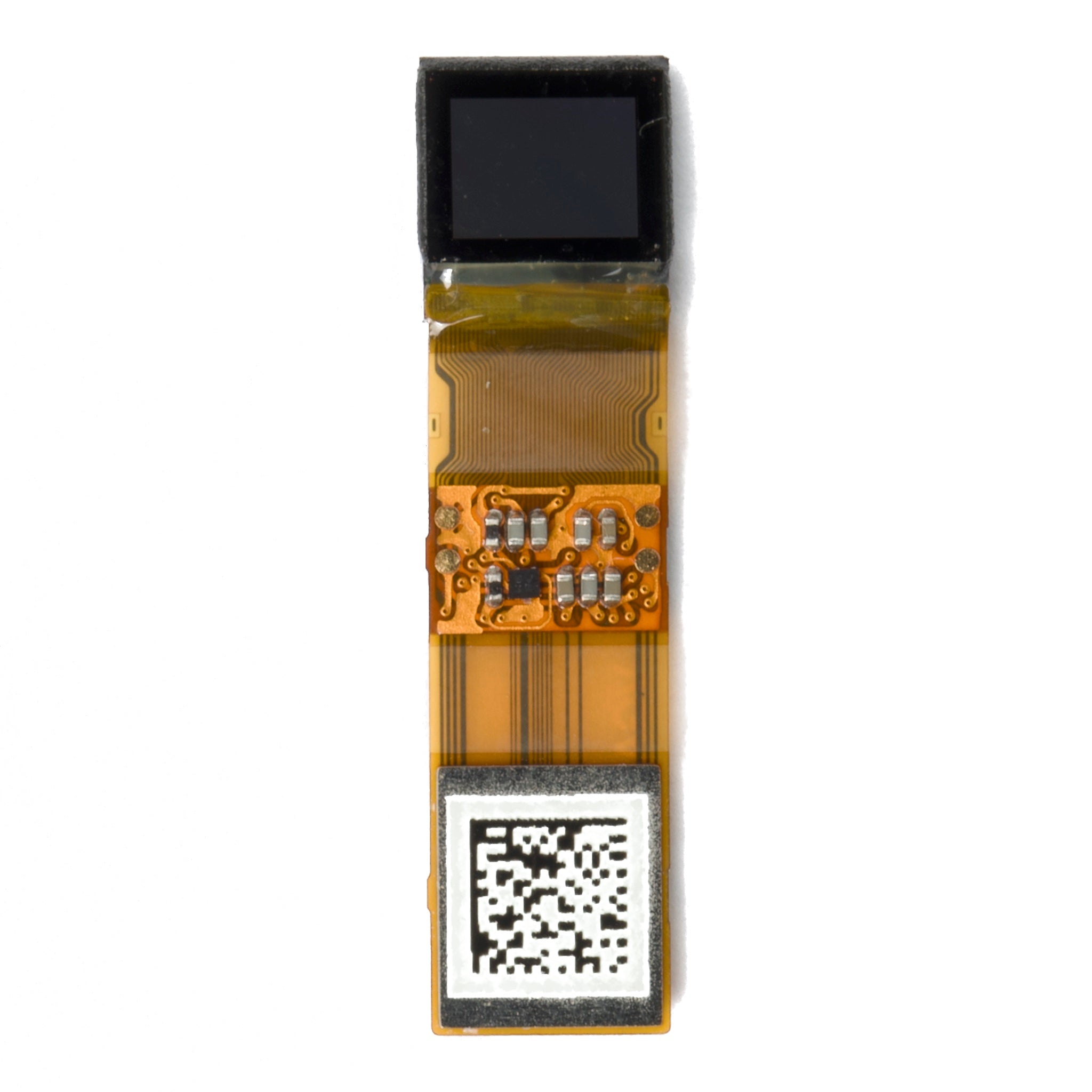
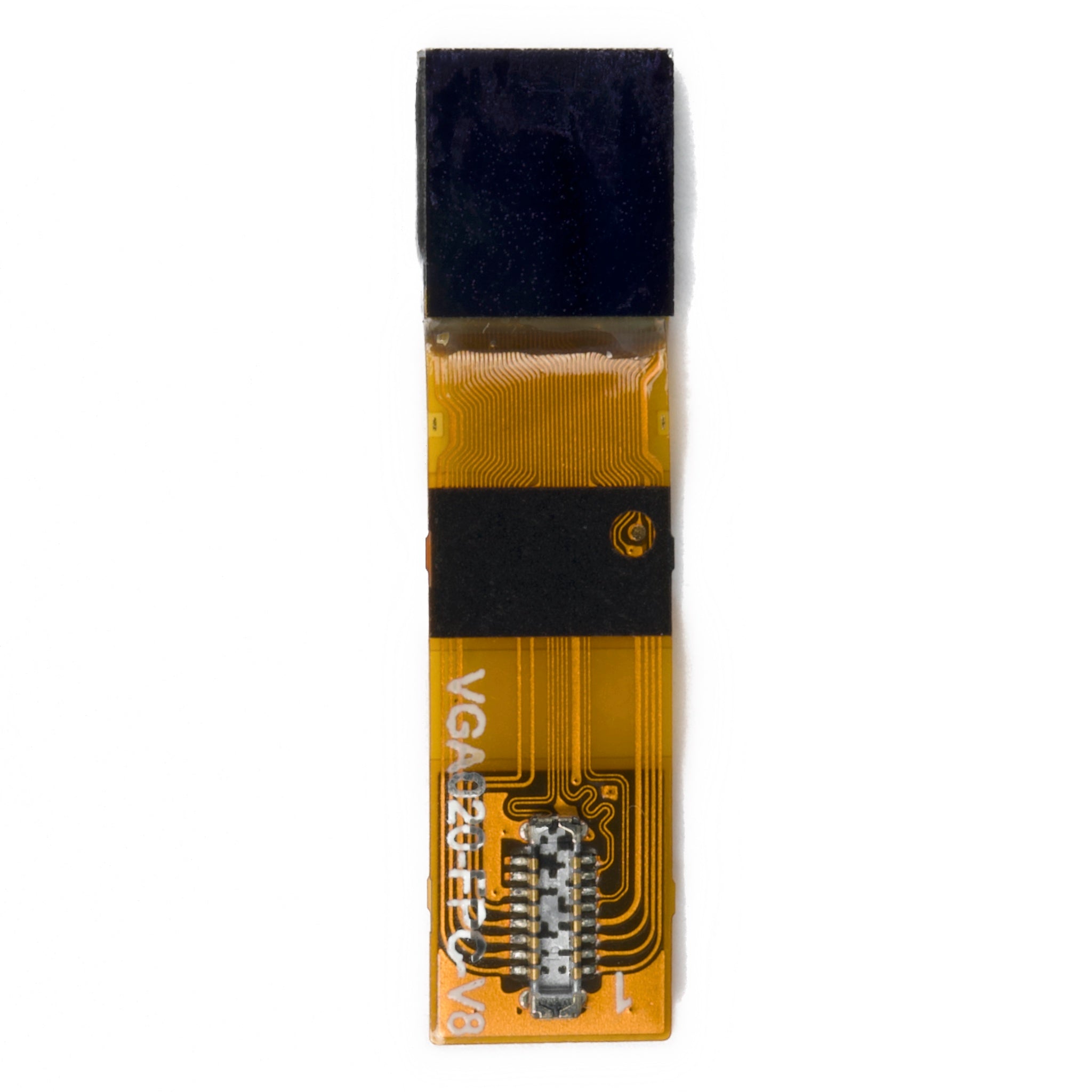
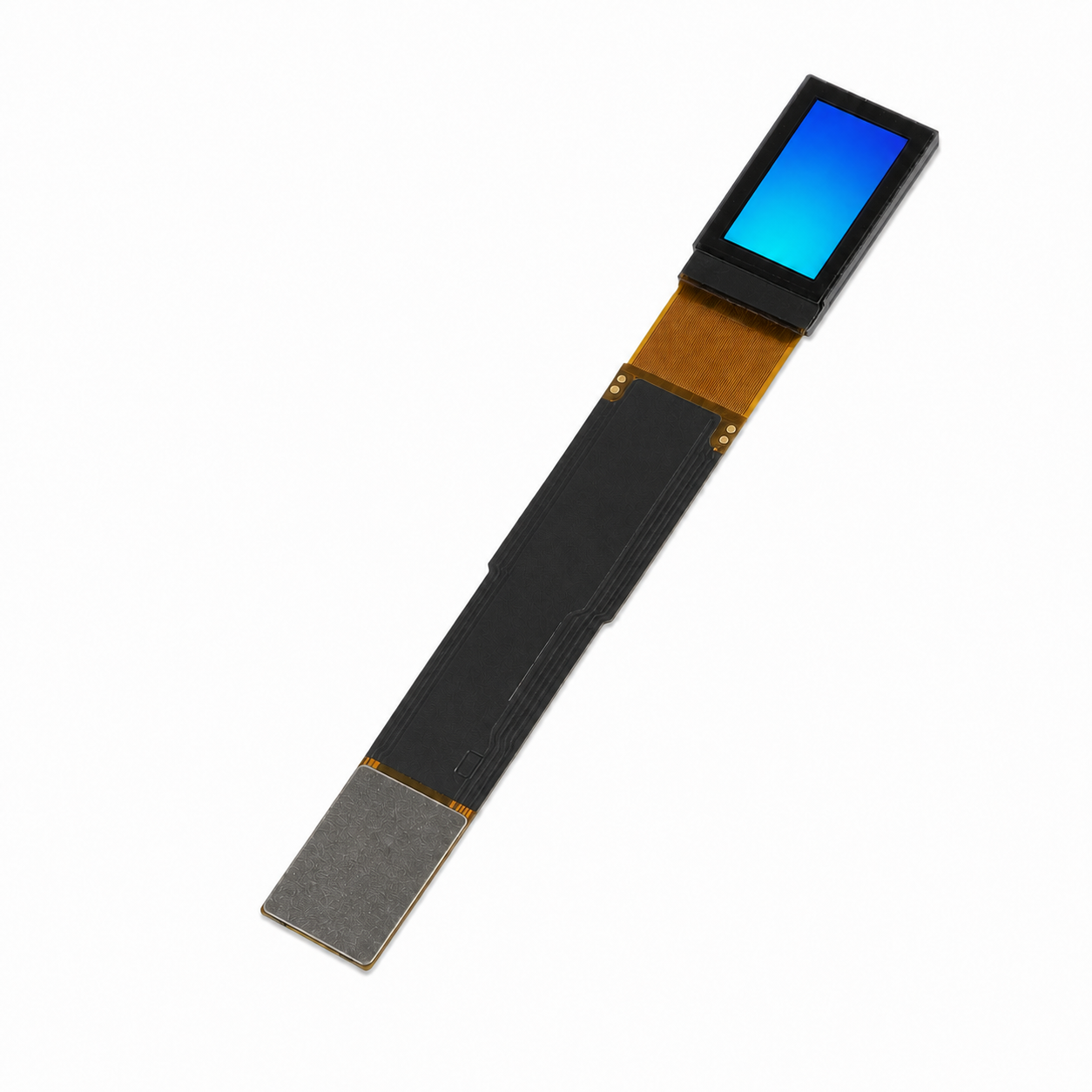
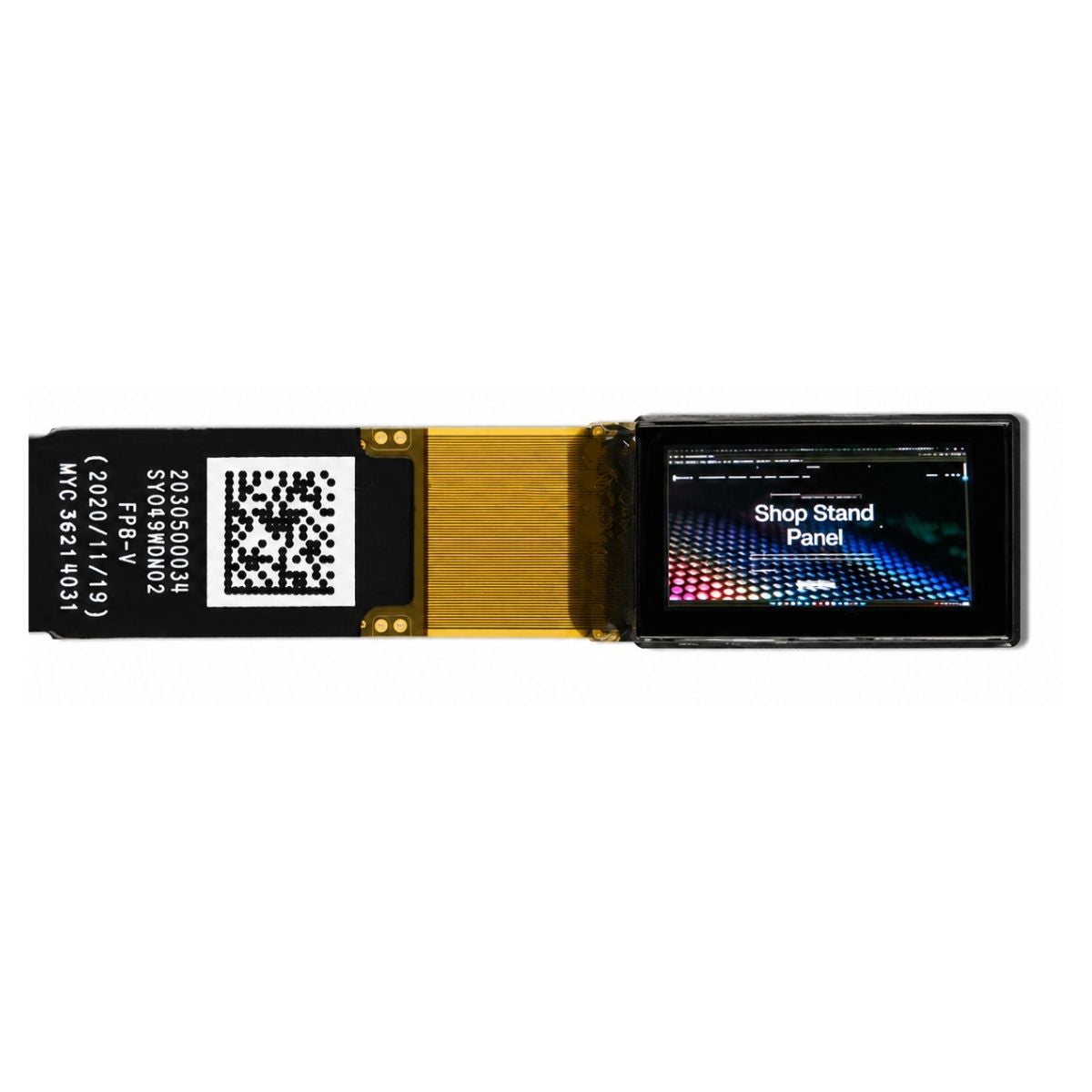
Yes for the sizes that repeat across projects, and the useful answer is a quantity rather than a yes. NexPCB holds recurring stock of standard display modules and builds the rest to order. Because a stock figure changes daily, confirm free quantity, the exact stocked variant and its date code at quote time rather than relying on a catalogue page.
What makes a module standard
A module is standard when nothing about it is tooled for one customer. That means a fixed panel size and resolution, a fixed controller, a fixed FPC pinout and length, a fixed backlight type, and a published drawing that matches the datasheet. Any of those changing takes the part out of stock and into a build.
The distinction matters commercially. A stocked module has its tooling amortised, so the price breaks come from quantity. A custom module carries tooling for the FPC, the bezel or the cover glass, and that cost is paid once whether the order is 100 units or 10,000.
It also matters technically. Two modules with the same panel and the same resolution can differ in backlight current, logic voltage and FPC orientation. Swapping between them because both are "3.5 inch TFT" is the most common source of a redesign that should have been a drop-in.
Three answers to one question
"In stock" describes at least three different states, and only one of them ships today. Free stock is unallocated and available. Allocated stock is committed to other orders and will not move. Stock on order exists as a purchase order with an arrival date, which is a lead time wearing a stock label.
There is a fourth case worth asking about: finished modules versus stocked components. A supplier can hold panels, controllers and backlights and still need assembly and test time before a module ships. That is a shorter wait than a full build, but it is not same-day dispatch, and it should be quoted as an assembly slot rather than as inventory.
What the catalogue holds
Stock tends to follow the sizes that appear in many projects at once. In character modules that means the common two-line and four-line formats, which is why the character LCD range is where a first order is easiest to fill from stock. In graphics it is the small monochrome formats, and in colour it is the small and mid-size TFT panels with the controllers that have published libraries.
Modules that combine a panel with an optical bond, a cover glass or a specific touch stack are usually built rather than held, because the combination is rarely shared between customers. The same applies to wide-temperature and high-brightness versions, where the panel itself may be a different part number from the standard one.
Questions to ask at quote time
| Question | Why the answer changes your plan |
|---|---|
| Is the quantity free stock or total stock? | Allocated units cannot be shipped, so the free figure sets your date |
| Which variant is the stocked one? | FPC length, backlight and touch differ between part numbers |
| What is the date code? | Adhesive and polariser age; older stock needs a fresh inspection |
| Can the samples come from one lot? | A pilot build needs consistent units, not mixed batches |
| What is the minimum order for stock versus build? | Stock usually has a lower floor than a tooled build |
| What happens if free stock is zero? | Gives you a panel lead time plus an assembly slot, not a guess |
Where lead time actually goes
A build has stages that cannot be compressed into each other. The drawing has to be approved, the FPC tooling made, samples built and measured, reliability run, and only then does production start. Tooling is the stage with the longest tail, because a change after the tool exists costs another tool.
Stock removes the tooling and assembly stages, which is why the difference between a stocked part and a built part is measured in weeks rather than days. It does not remove the transit stage, and it does not remove the inspection stage if you ask for one.
Practical consequence: order stock against your assembly date, not against your design freeze. A module that arrives three weeks before the line needs it sits in storage, where the polariser and the packaging degrade slowly and the warranty clock has already started.

Checks before you commit
Compare the drawing revision, not just the part number. Then confirm the four items that break integrations: interface and pinout, logic voltage, backlight current, and operating temperature range. A module quoted at 3.3 V logic will not accept a 5 V bus without level shifting, and a stock part will not be reworked to accommodate it.
Ask for the optical specification with its measurement conditions, because a brightness figure without a condition is not comparable between suppliers. ISO 9241-307 sets out how display characteristics are measured and assessed, and a datasheet that follows it lets you compare two modules instead of two claims.[1]
Finally, confirm what is in the box: the connector type, the mating housing if one is supplied, the pin-one marking and the protective film. These are the details that stop a receiving inspection from turning into a re-order.
Ask for a sample from the lot you are buying, not from a demonstration tray. Measure it at the brightness you will actually drive and look at a grey field for uniformity, because that is where a long-stored module shows its age. Record the reading so the incoming inspection has something to compare against.
When stock is the wrong answer
Some requirements cannot be met from a standard part, and forcing one wastes a cycle. If the product needs sunlight readability, the panel and the optical stack both change. If it needs a bonded cover glass with an anti-reflective coating, the bond is a process step, not an accessory. If it needs a five-year availability commitment, the controller choice matters more than the stock level.
Those cases belong in a custom or industrial programme, where the panel is selected for lifecycle and the module is documented as a controlled part number. The industrial display range exists for that reason, and the TFT range covers the standard sizes that usually ship from stock.
Holding a buffer
Stock at the supplier is not stock at your line. Work out the reorder point from weekly consumption multiplied by the quoted lead time, then add the variability you have actually seen rather than a round percentage. Two suppliers for the same controller family is worth more than a large buffer of one part, because a buffer delays a shortage while a second source removes it.
NexPCB stocks standard modules and builds the rest, so the answer for a given part is a quantity, a variant and a date. Ask for all three in writing, check the drawing revision before you approve, and keep a second source for anything your schedule cannot lose.
References
- ISO 9241-307:2008 — Ergonomics of human-system interaction — Part 307: Analysis and compliance test methods for electronic visual displays. International Organization for Standardization. https://www.iso.org/standard/40102.html
En lire plus
To ship display modules safely, first wrap each unit in 2cm-thick anti-static EPE foam to guard against scratches and minor shocks, then nestle them in a.
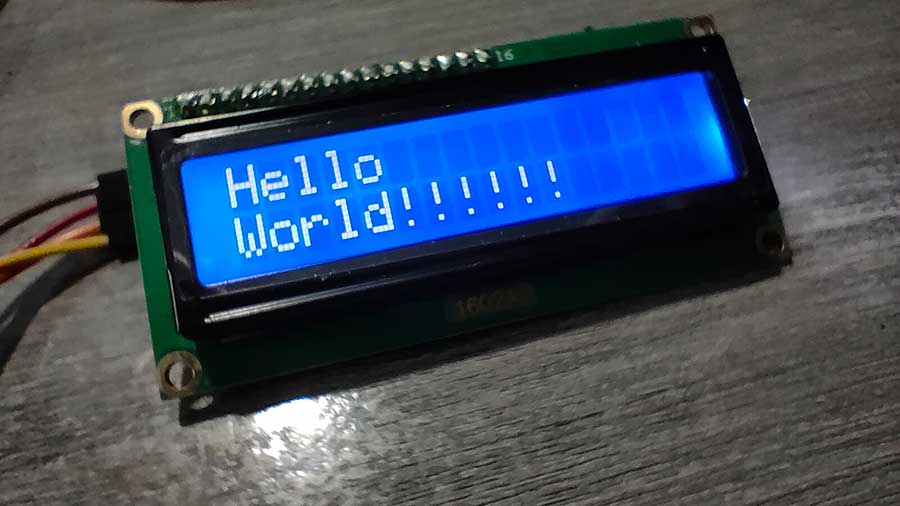
Integrating a character LCD into your project, say a 16x2 model with 16 pins, is straightforward: connect its VCC to 5V, GND to ground, then link RS to.
Laisser un commentaire
Ce site est protégé par hCaptcha, et la Politique de confidentialité et les Conditions de service de hCaptcha s’appliquent.