



How To Ship Displays Modules Safely
Pack a display module against three separate hazards: static discharge, mechanical shock and vibration, and moisture. Each one needs different material, so a single layer of bubble wrap answers none of them. Treat the pack as a specification with measurable acceptance criteria, prove it once with a documented drop and vibration test, then freeze the bill of materials so later shipments match the tested build.
Static is the first failure mode
A module is not just glass. It carries a driver IC, a bonded flexible circuit and often a backlight driver, and those are the parts a discharge damages. Plain polyethylene bags and loose bubble wrap generate and hold charge, so a module that arrives with a working panel can still fail weeks later from a weakened bond.
Specify dissipative packaging rather than plain plastic, and record the measured surface resistance on the incoming inspection sheet rather than trusting the supplier's label. The class boundaries come from the packaging standard your customer's ESD control plan cites, so ask which one applies instead of assuming a house rule.
Handling matters as much as material. Ground the packing bench, use a wrist strap, and keep an ioniser running where film is peeled. Leave the protective film on the polariser until the module reaches the assembly station: peeling it early generates charge at the surface and exposes the softest layer in the stack.
Foam pockets and clearance
The pocket has to hold the module without loading the active area. A pocket cut to the exact outline grips the glass edge, and any pressure across the viewing area changes the cell gap, which shows up as blotchy brightness rather than a clean crack. Cut a pocket a few tenths of a millimetre larger than the outline on each side, and let the foam compress on the bezel, not the display window.
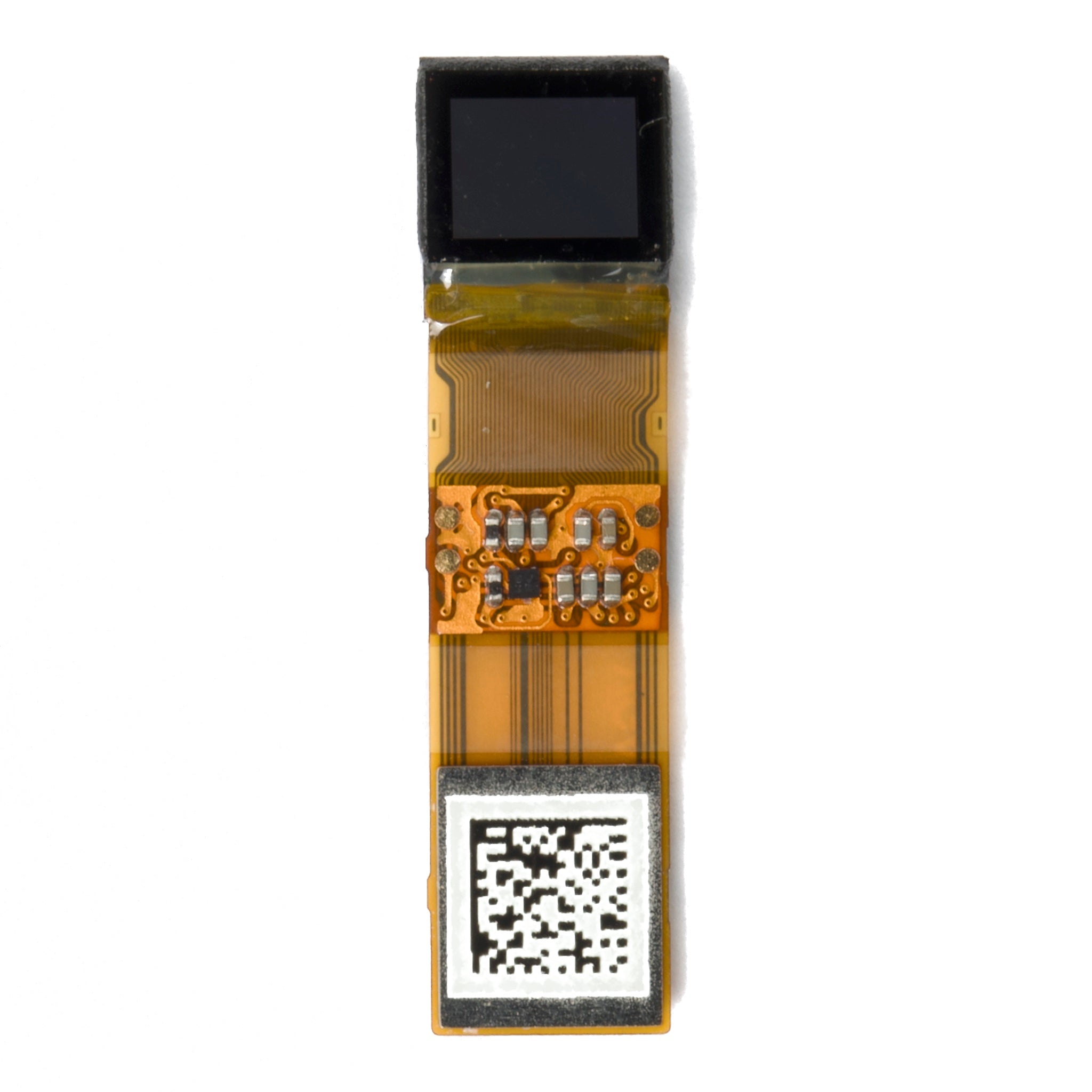
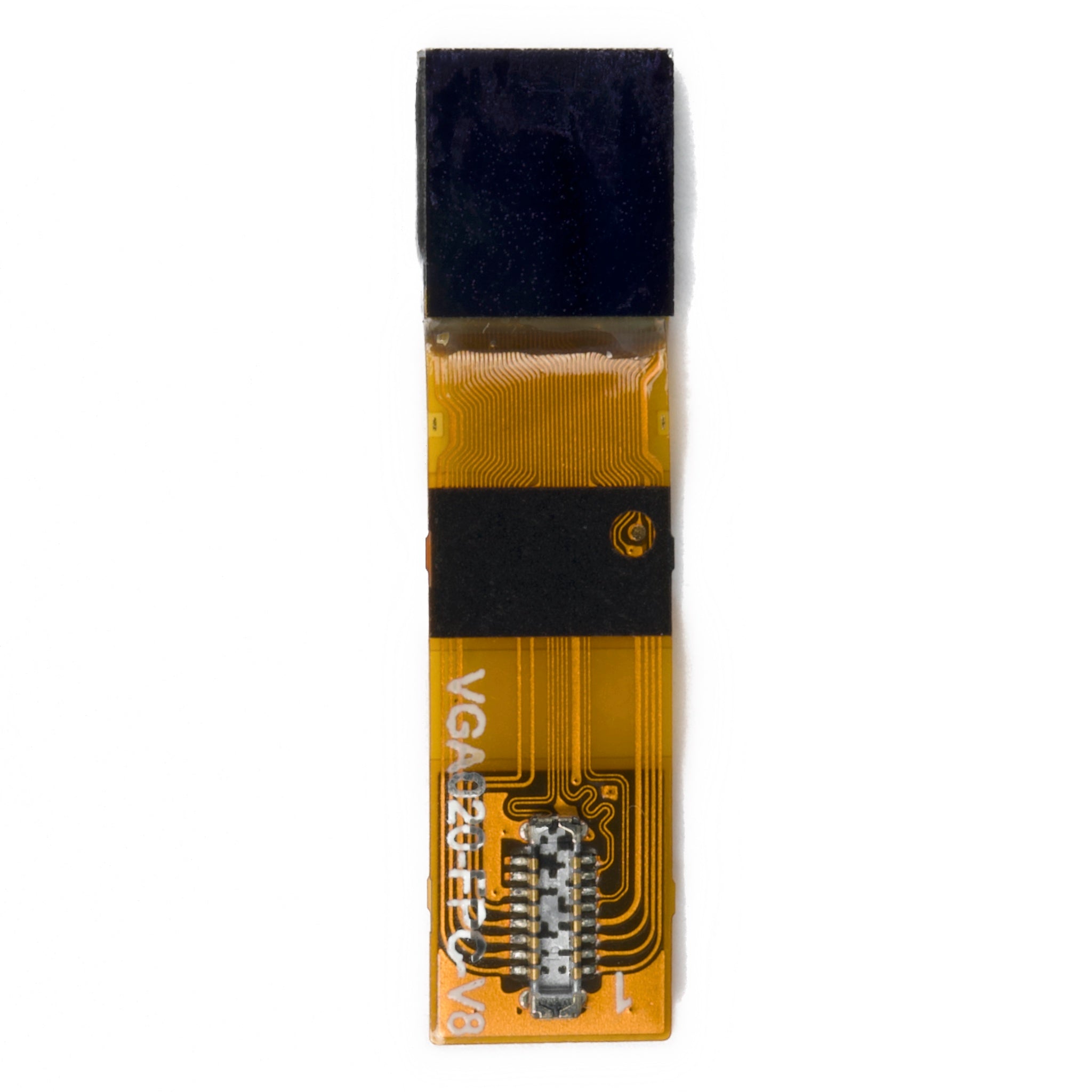
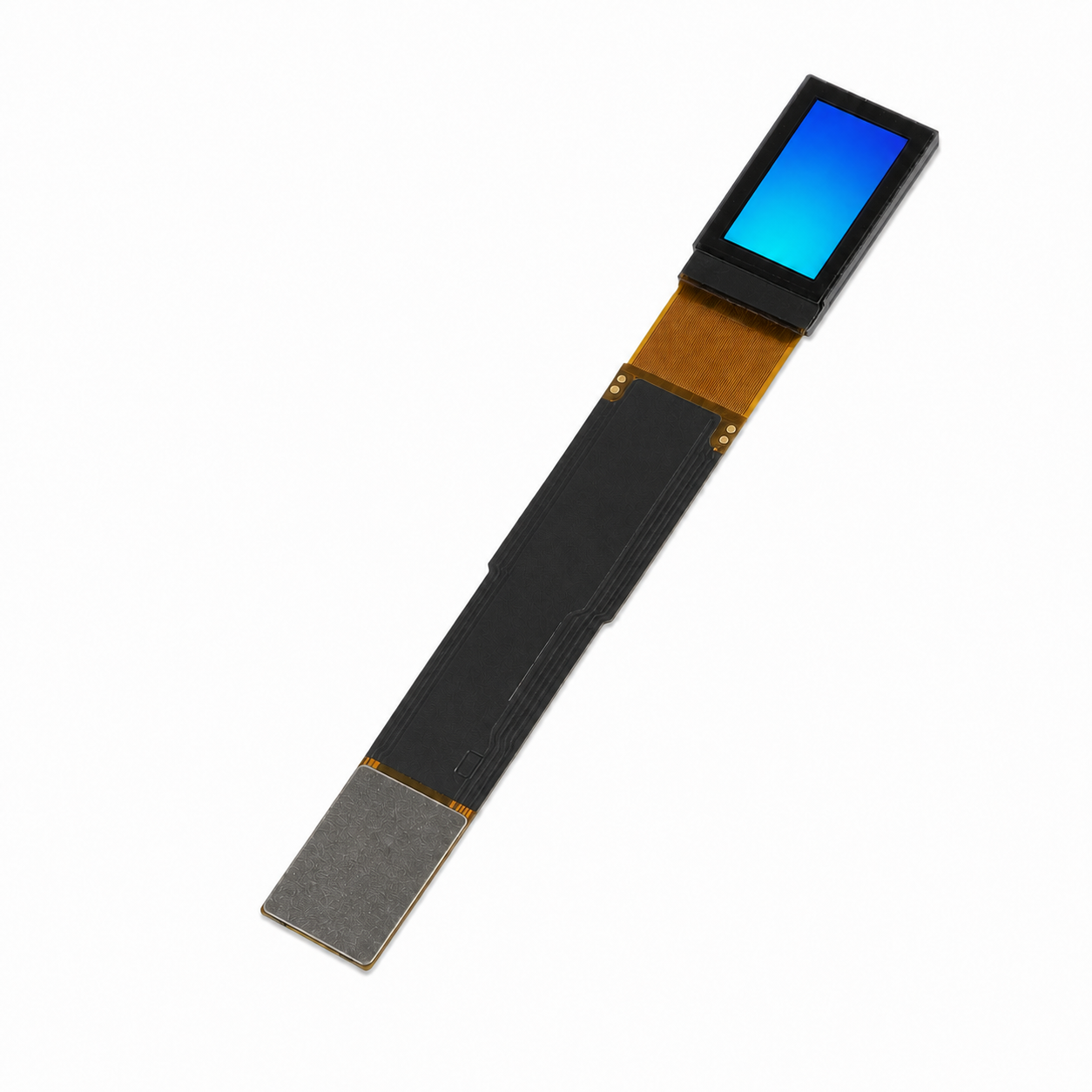
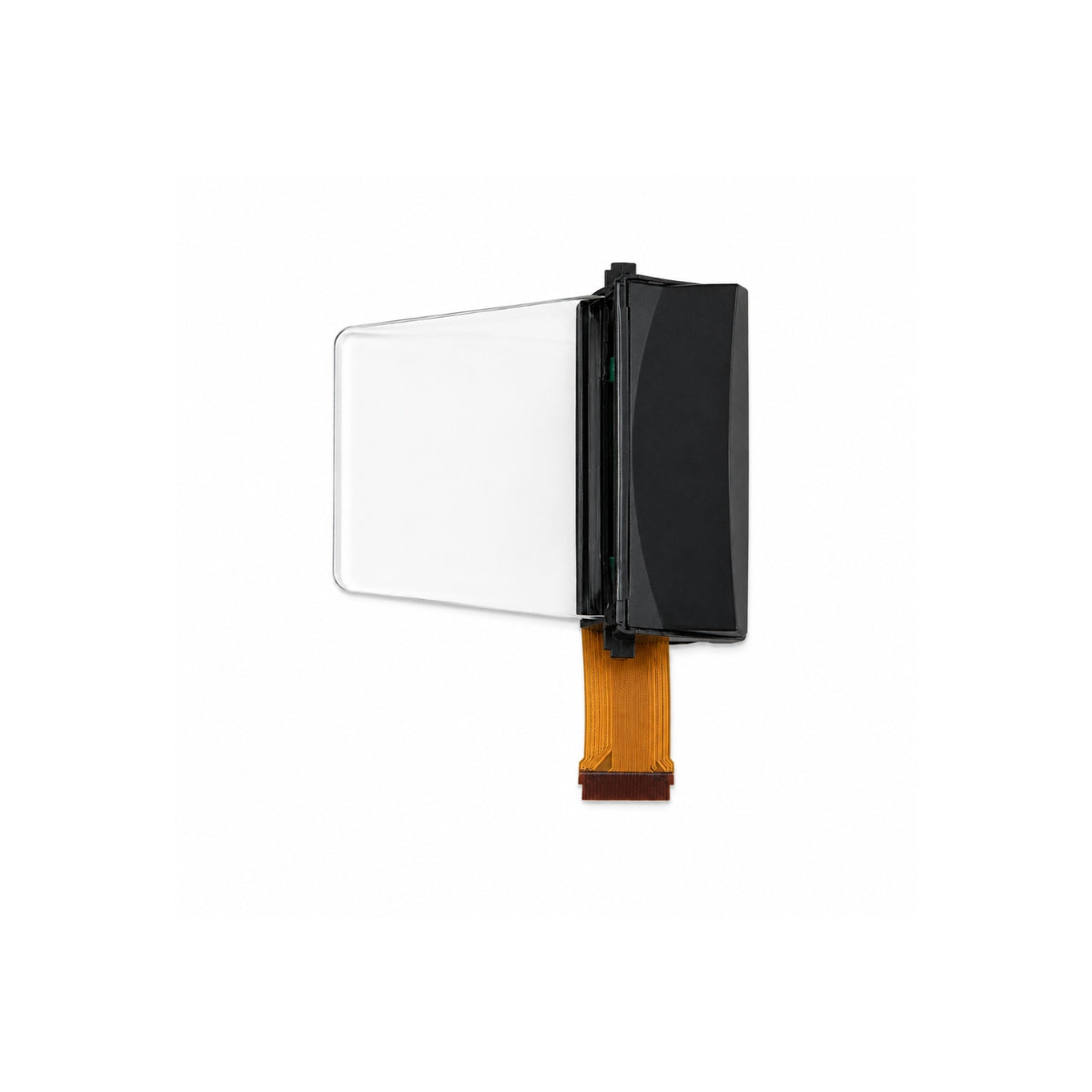
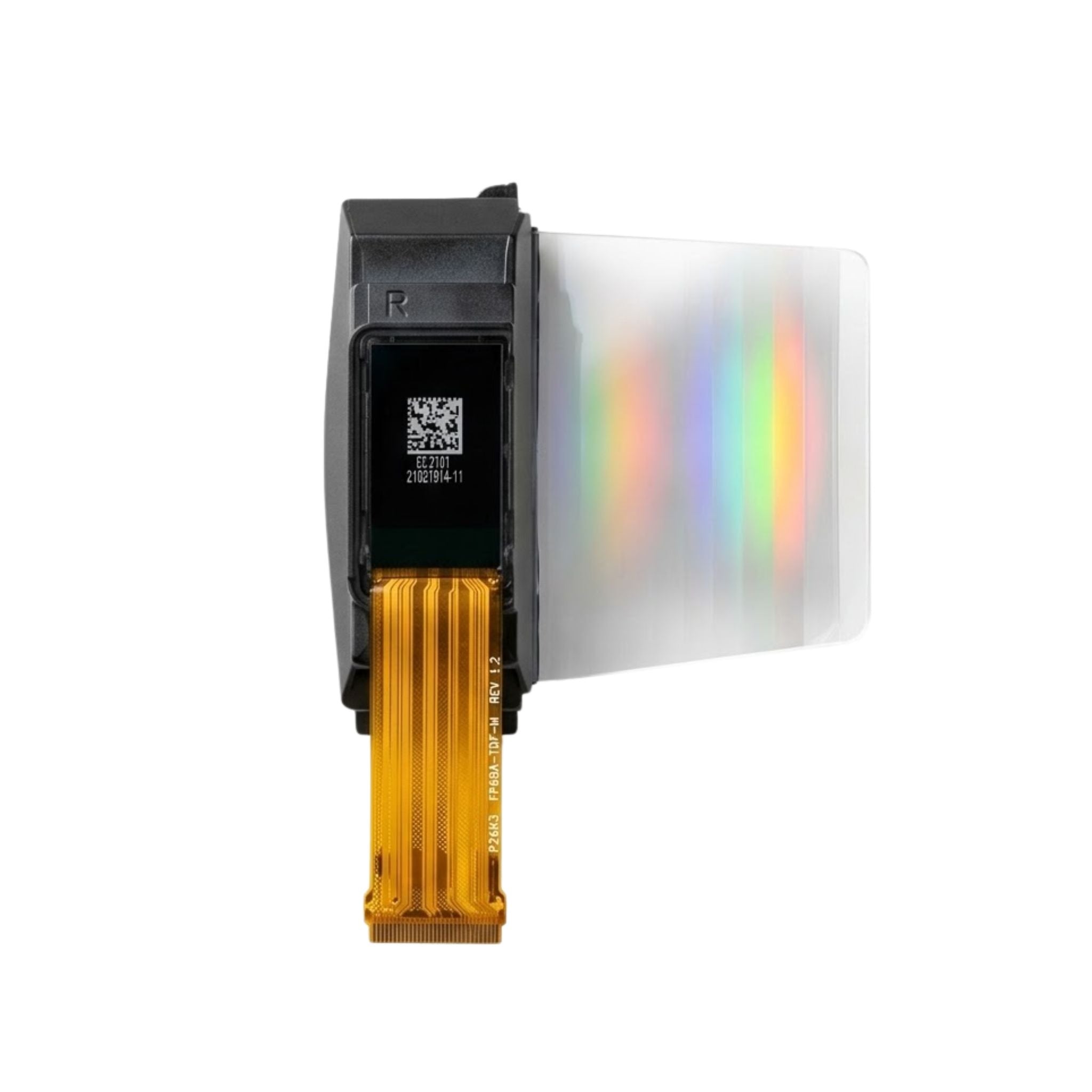
Leave a relieved channel for the flexible circuit. A foam face pressing on the bend radius creases the copper, and a creased FPC often passes a bench test and fails after thermal cycling. Modules with chip-on-glass bonding need the same care at the bond edge: no foam contact within the bond shadow.
Carton strength and stack height
Stack height is a compression calculation, not a habit. Box compression strength falls as humidity rises and as time under load increases, so a carton that survives a stack in a dry warehouse can crush in a humid container. Measure the compression strength of the actual box, apply a safety factor of at least three, then derate for the humidity and duration of the route.
Dividers do more work than thicker board. They spread the load across the full footprint and stop cartons from nesting into the one below. Keep heavy modules at the bottom of a pallet, weigh every carton against the label, and reject any carton that exceeds it at the packing station rather than at the port.

Moisture on long routes
Humidity attacks two things: the polariser adhesive, which hazes at the edge, and any exposed metal on the FPC or the connector, which corrodes. A carton is not a moisture barrier, so a sea route needs a barrier bag around the module stack rather than a bag around each unit.
Size the desiccant to the bag volume and the days in transit, and put a humidity indicator card where it can be read without opening the barrier. A card that has already changed colour on arrival tells you the bag failed, which is information you lose if the desiccant is buried under foam. Keep the sachet off the panel face; a hard sachet pressed against glass under stack load is a point load.
Test the pack, not the panel
Choose the protocol by transport mode, because the protocols test different things. ISTA 1A is a non-simulation integrity screen for packaged products up to 68 kg; 3A simulates the parcel environment for a single package; 3E simulates a unitised load in a full truckload.[1] A pack that passes 1A has proved its strength, not its behaviour in a parcel network.
Run the sequence in the order the product will experience it: conditioning, then drops, then random vibration, then a functional test. Test at least three cartons and keep one untested carton as a control, so a failure can be attributed to the test rather than to handling during the test.
Write acceptance criteria before the first drop. Useful ones are: no glass crack or chip at the edge, no crease or delamination at the FPC bend, pixel defect count unchanged from the pre-test record, and no visible change in brightness uniformity. Vague criteria such as "no damage" turn a failed test into an argument.
Labels that change handling
Handlers read the top and two adjacent sides, so orientation arrows belong on all three. Add the weight and the maximum stack height in the same field of view; a carton marked only "fragile" tells a handler nothing about whether it can be double-stacked.
Paper labels lift in humid conditions. Use a polyester label with an acrylic adhesive on routes that cross the tropics, and specify the adhesive rather than the face material, because the adhesive is what fails. Mark the static bag as well, since a punctured dissipative bag is no longer dissipative at the puncture.
Inspection at receiving
Inspect the carton before the module. Crushed corners, water staining and tape that has been cut and re-sealed tell you more about the journey than the panel does. Open in an ESD-safe area, count against the packing list, and photograph the layer as it was found.
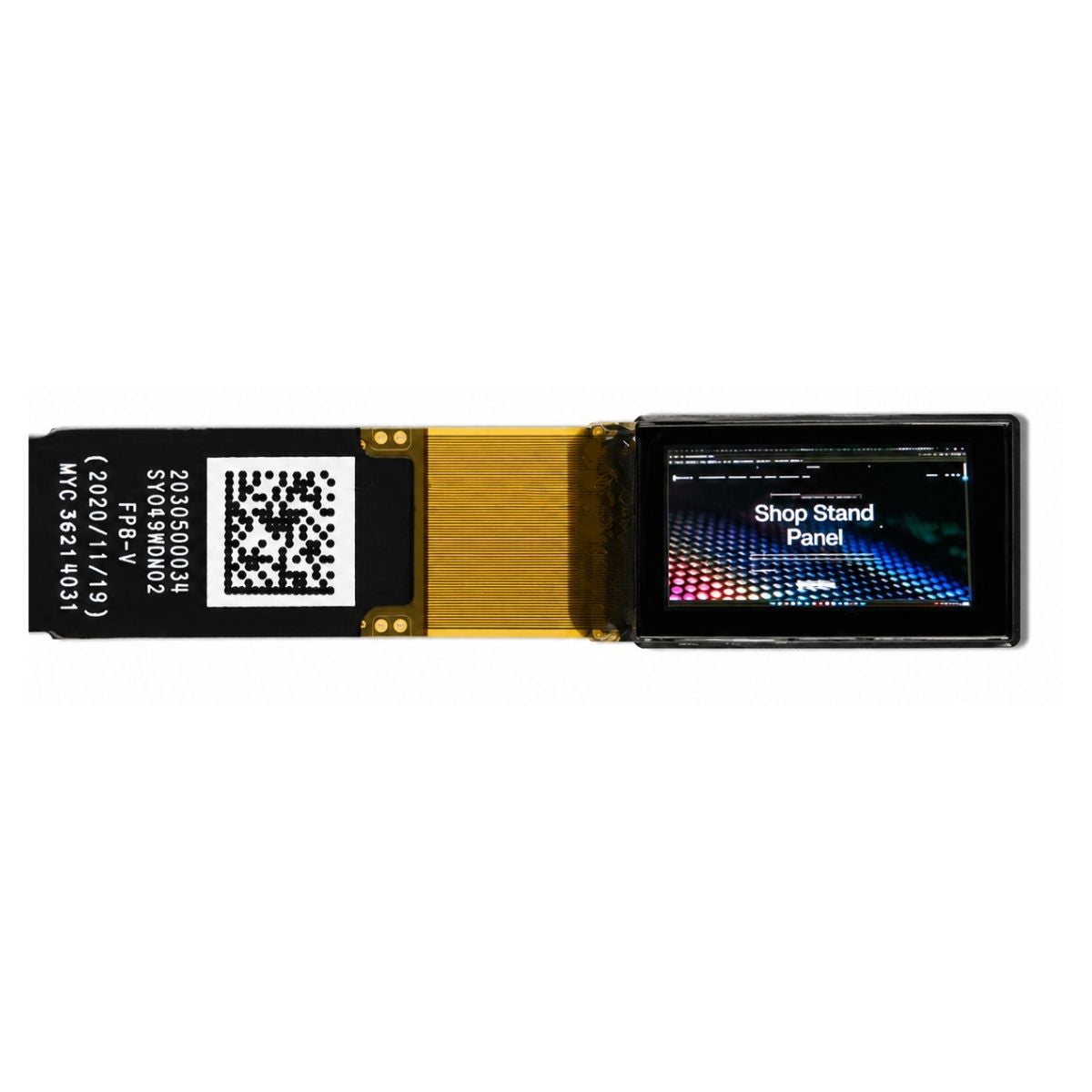
Then look at the display under a uniform grey field at a fixed distance, with the module at its rated brightness, so that mura and polariser scratches are judged under repeatable conditions rather than by eye at whatever the room lighting happens to be.[2] Quarantine the lot until the functional test is complete, and log the date code with the result.
What belongs in the packing spec
- Bag and foam class, with the standard they are bought against.
- Pocket clearance per side, and the surfaces the foam may contact.
- Carton flute, compression strength and the stack height it supports.
- Test protocol, drop height, vibration profile and acceptance criteria.
- Label content, position and adhesive type.
- Receiving inspection steps and the record that proves they ran.
A packing spec written this way can be audited. Anyone can pick up a carton and check it against the sheet, and a change of foam supplier becomes a documented re-test instead of a silent risk.
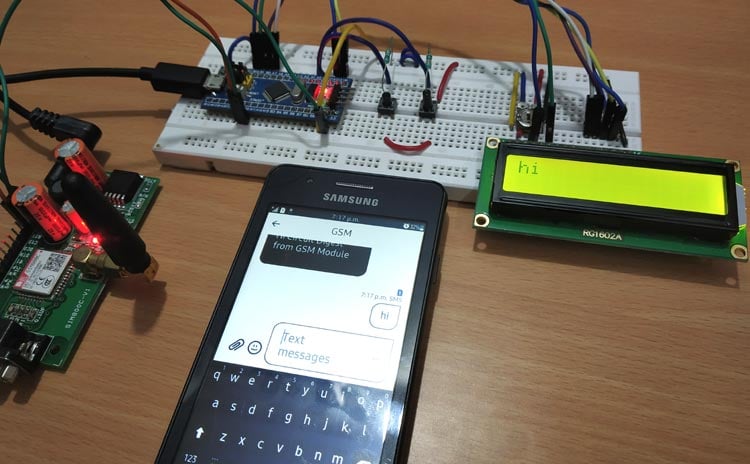
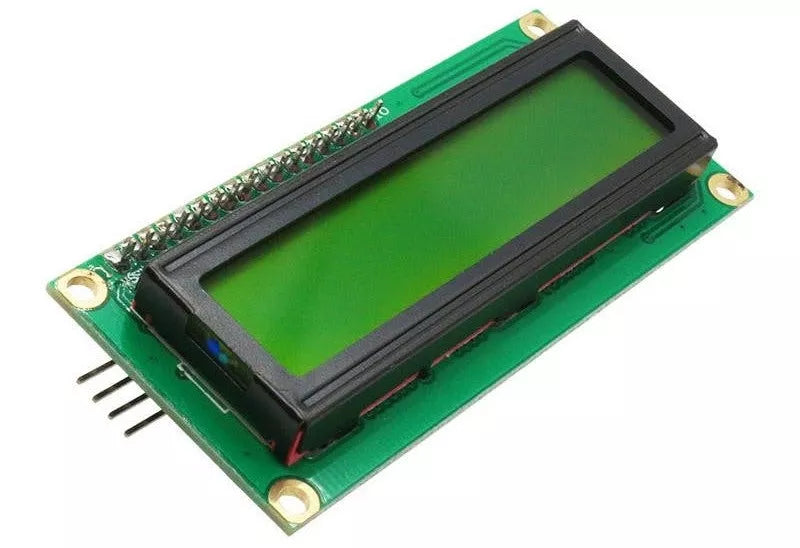
Safe shipment is a written specification, tested once and then held constant. Control static at the bench, size the pocket to the bezel, calculate stack height, and define pass and fail before the first drop. The TFT display range and the character LCD modules both ship under the same rules, though glass and FPC differ.
References
- International Safe Transit Association. ISTA Test Procedures — 1A (integrity testing, packaged products 150 lb / 68 kg or less), 3A (parcel delivery simulation), 3E (unitised loads for truckload shipment). https://ista.org/test_procedures.php
- ISO 9241-307:2008 — Ergonomics of human-system interaction — Part 307: Analysis and compliance test methods for electronic visual displays. International Organization for Standardization. https://www.iso.org/standard/40102.html
En lire plus
Temperature significantly impacts display modules: at -10°C , liquid crystals slow, increasing response time by 5-10ms and dimming brightness; above 50°C.
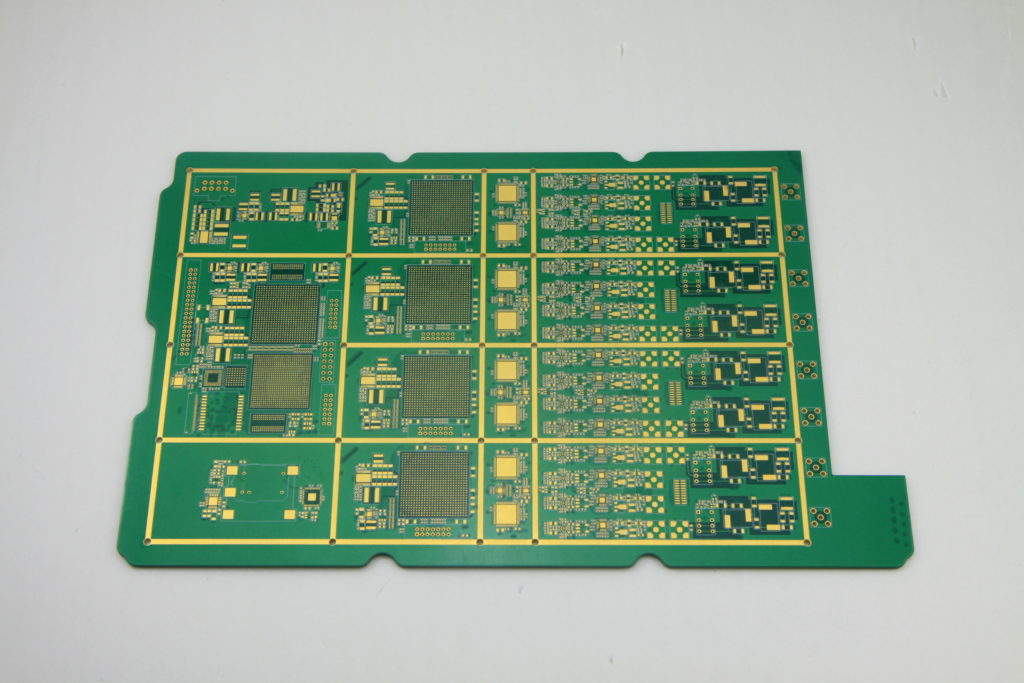
NexPCB stocks several standard modules including popular ones like Wi-Fi/BT combo chips and basic power management ICs; currently, they hold over 3,000.
Laisser un commentaire
Ce site est protégé par hCaptcha, et la Politique de confidentialité et les Conditions de service de hCaptcha s’appliquent.