

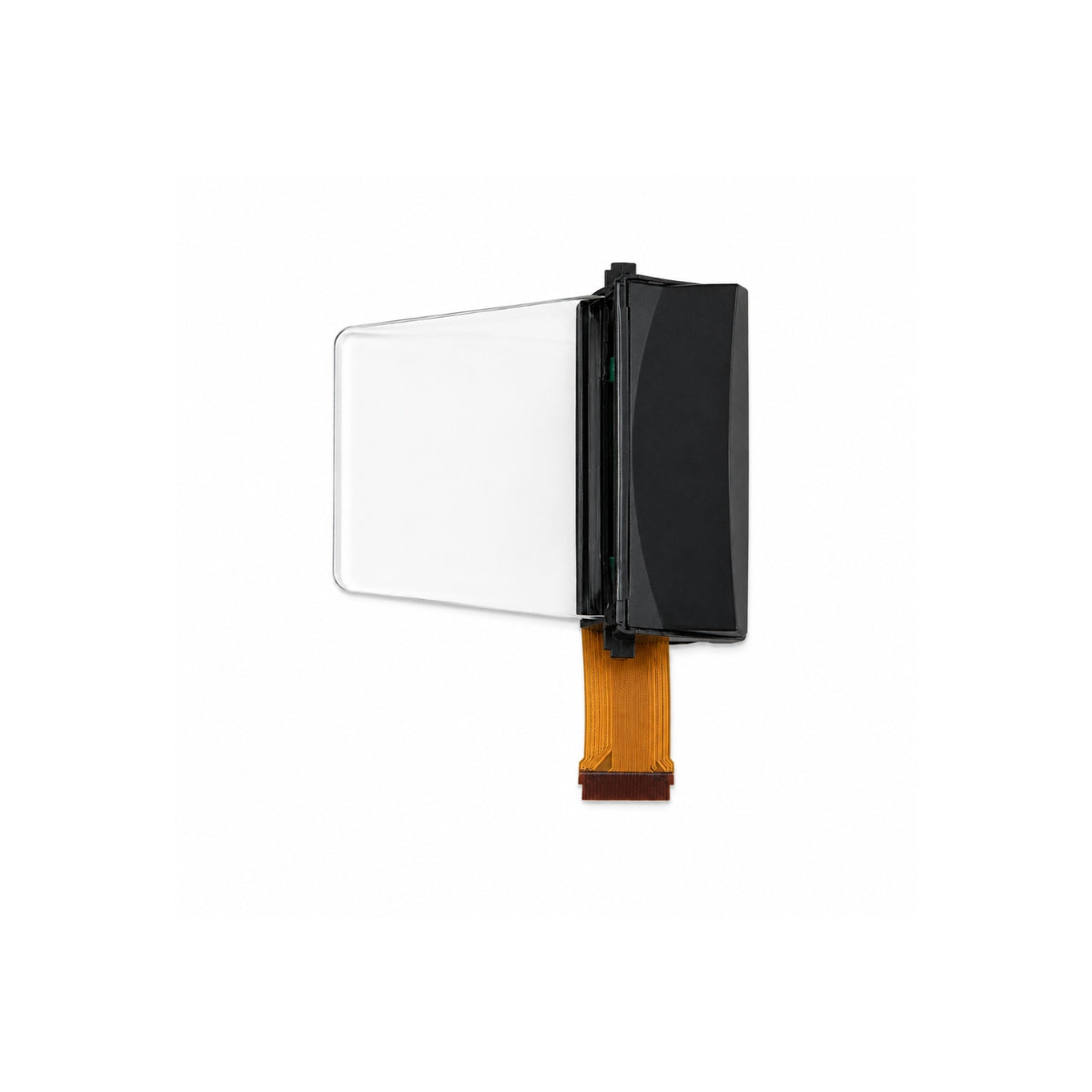
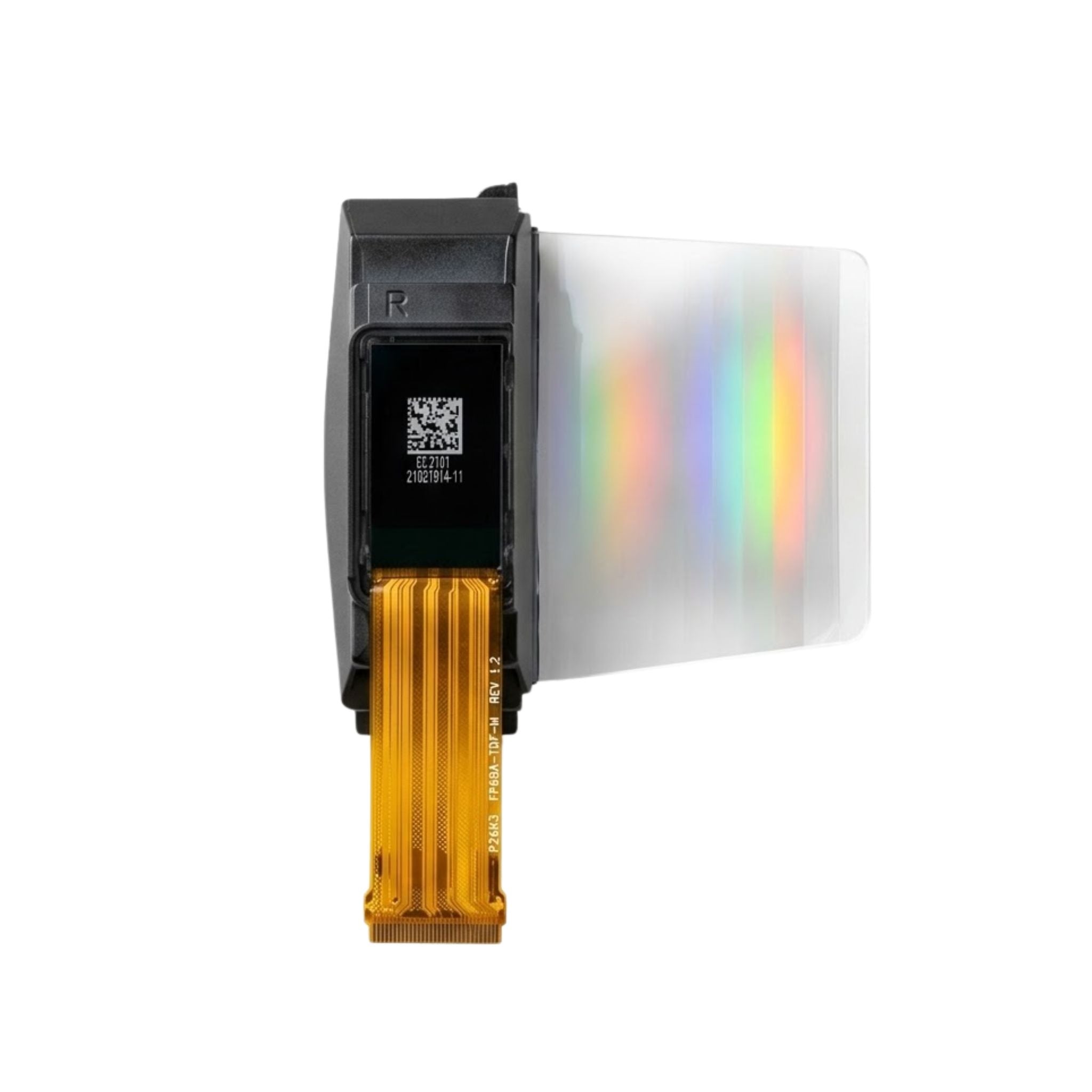


High-End Micro OLED Modules | Professional Use, Color Accuracy, Price
High-end micro OLED modules are the ones specified for colour-managed work rather than for playback: wide gamut coverage, a low colour difference after per-unit calibration, a white point that holds as the panel warms, and a test report that states the conditions. The price gap comes from resolution on a small die, calibration labour, yield and test coverage — not from the brand on the flex.
What separates a premium module
Four things, and only one of them is the panel. First, the panel's native gamut and its uniformity across the field. Second, the driver electronics, which determine bit depth, gamma resolution and whether per-pixel compensation is applied. Third, the calibration performed on the finished module. Fourth, the documentation that lets you verify all of the above after the part arrives.
A module that quotes only resolution and peak luminance is a consumer part with a professional label. The specification that matters is the one describing the state of the display after assembly, at temperature, over time.
Professional use
Medical imaging asks for grayscale fidelity above all: many diagnostic tasks depend on distinguishing adjacent low-contrast levels, and a display that crushes near-black detail destroys the very information the clinician needs. That means a stable black level, a monotonic grayscale ramp and enough bit depth that the steps do not band. Any claim about diagnostic performance belongs to the validated workstation as a whole, under the applicable medical device standard, not to the panel alone.
Industrial inspection and colour matching ask a different question: can two operators agree that a sample matches a standard? Coverage of a wide gamut and a low colour difference after calibration both help, but the viewing environment dominates. A calibrated display in an uncalibrated room is not a colour reference.
Helmet-mounted and near-eye systems ask for luminance and speed, with the optical train as much a part of the answer as the panel. Brightness at the eye depends on combiner efficiency and the optical path, so the panel figure and the see-through luminance have to be compared as a system.

Colour accuracy metrics
Gamut coverage describes the area a display can reach inside a reference space. sRGB is the baseline for web and general software, DCI-P3 the cinema reference, Adobe RGB the print and photographic reference with a wider green primary. Quoting 99 percent of sRGB tells you almost nothing, because sRGB is a small target; the same coverage figure against Adobe RGB or Rec. 2020 says far more.
Colour difference is the second metric. Delta E compares a measured patch with its reference in a perceptual space, usually CIELAB with the CIEDE2000 formula. Low single-digit values are conventionally treated as visually small differences, and colour-critical work asks for lower values still, measured across many patches rather than at one white point.
Report both the average and the maximum. An average of one with a maximum of five means a few patches are visibly off, which matters for a brand colour or a tissue tone even if the mean looks excellent. Ask for the patch count, the reference space and the instrument as well.
Bit depth and processing
Bit depth sets how finely the panel can be addressed. Native 10-bit drive gives each channel a thousand-odd steps and produces smooth gradients; 8-bit with frame-rate control approximates extra levels by temporal dithering, which works well for photographic content and less well where a static field must stay uniform or where the camera is rolling.
The source, the interface and the panel all have to carry the same depth. A 10-bit panel fed an 8-bit signal behaves like an 8-bit display, and a link that truncates the word is the usual culprit. Verify the whole chain before paying for the depth.
Calibration and reporting
Per-unit calibration is the most defensible difference between a premium module and a good one. The module is measured with a spectroradiometer, and the gains and gamma tables for each channel are written into its own memory. Batch calibration, where one correction set is applied to a lot, leaves unit-to-unit spread in place.
Ask what was measured: white point at one level or a grey ramp; a handful of primaries or a few dozen patches; at one brightness or across the range you will use. Ask when it was measured — before or after the cover glass and bonding were added, because the optics shift both luminance and colour.
The report should state instrument, aperture, ambient temperature and the luminance levels tested. Without those, two numbers cannot be compared, and the same discipline applies to any luminance or contrast figure you are asked to accept.[1]
Stability over temperature
OLED emission shifts with junction temperature, and the three colour systems do not shift equally. A module calibrated cold will drift as it warms through the first half hour of use. The better modules carry a temperature sensor and apply compensation in the driver, which keeps the white point close to target across a working range instead of only at the calibration bench.
Test it the way you will use it: power the module, log the white point and a mid-grey patch for an hour, and plot the drift. That curve tells you more about the electronics than any single specification, and it takes one afternoon.
Price drivers
Resolution on a fixed die size is the largest single factor. Moving from full HD to 4K on the same diagonal roughly quadruples the pixel count, and because yield falls with defect density across the active area, the cost per good die rises faster than the pixel count does. That is the mechanism behind the steep step between resolution grades.
Calibration is the second factor, and it is labour. Per-unit measurement and programming takes instrument time and a skilled operator, and it scales linearly with volume in a way that panel cost does not.
Volume, test coverage and cosmetic grade account for most of the rest. Screening every unit for pixel defects, uniformity and colour takes time per unit; a supplier selling on price usually samples instead of screening. For a professional instrument the screening is often the part worth paying for, because a field failure costs far more than the difference in unit price.
Procurement checklist
- Gamut coverage stated against a named reference space, with the coverage method.
- Colour difference average and maximum, patch count, instrument and conditions.
- Native bit depth of the panel, the driver and the interface.
- Calibration performed per unit or per batch, and whether it includes the bonded stack.
- White point drift over a warm-up period at your operating temperature.
- Pixel defect criteria and whether every unit is screened.
- Lifetime definition and the luminance at which it was measured.
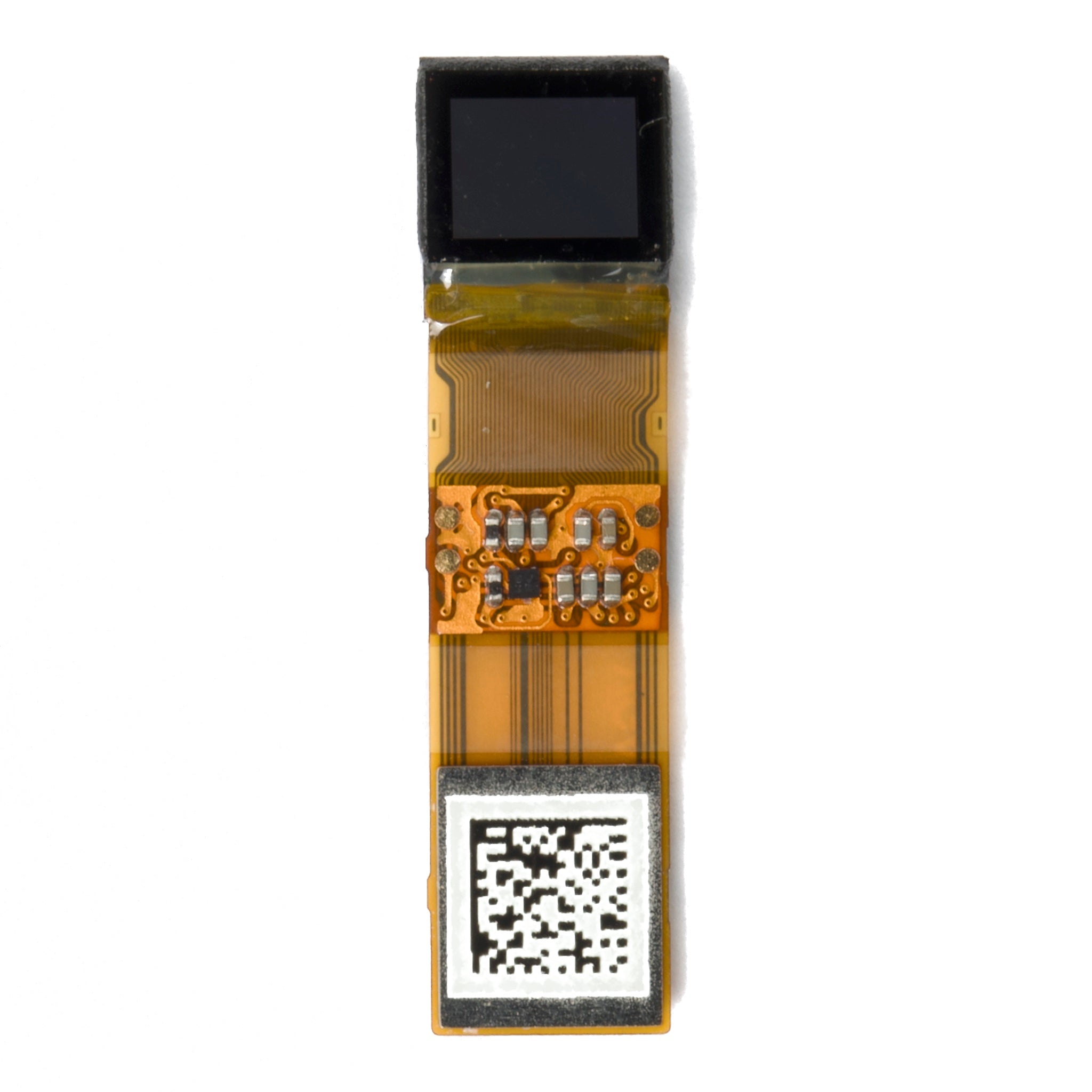
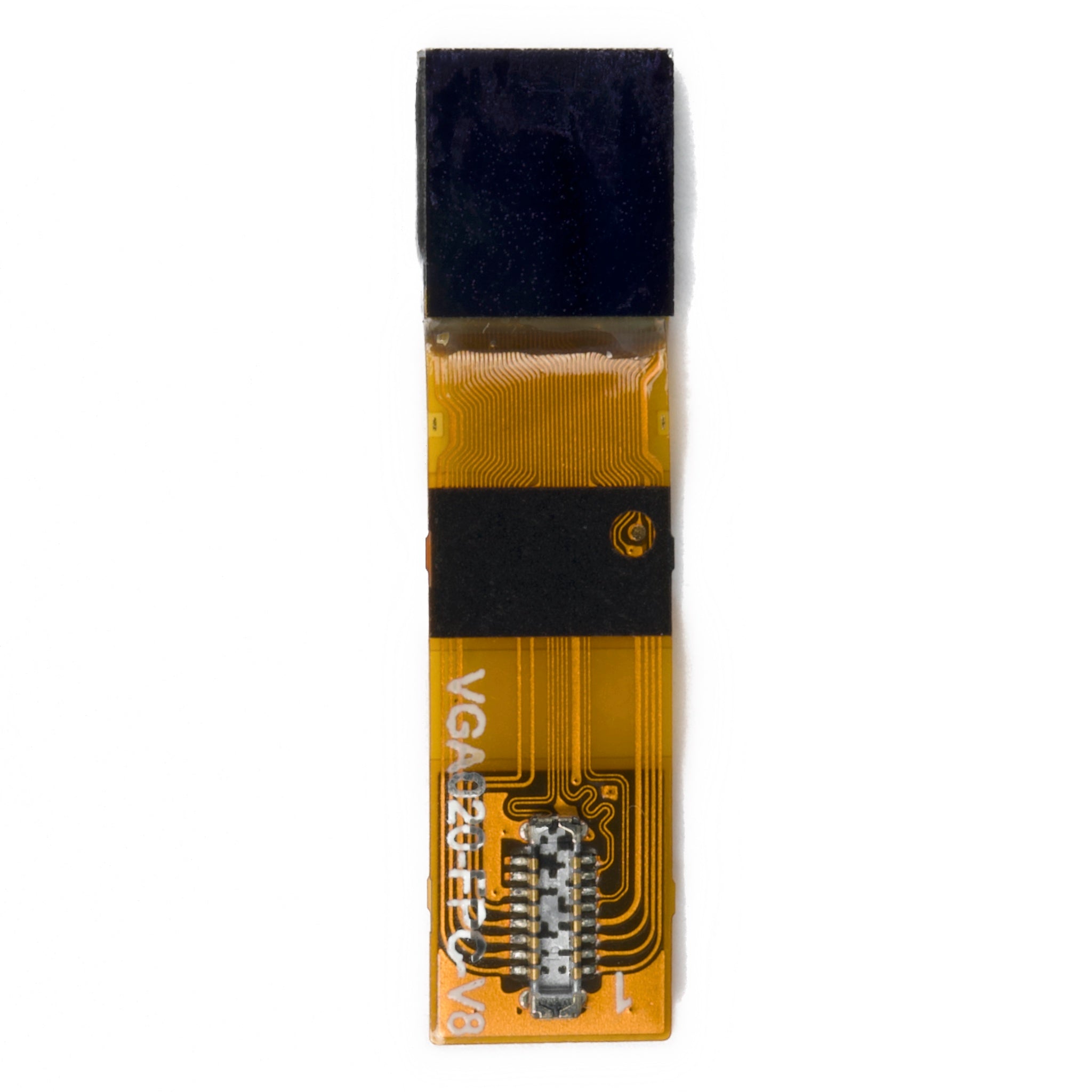
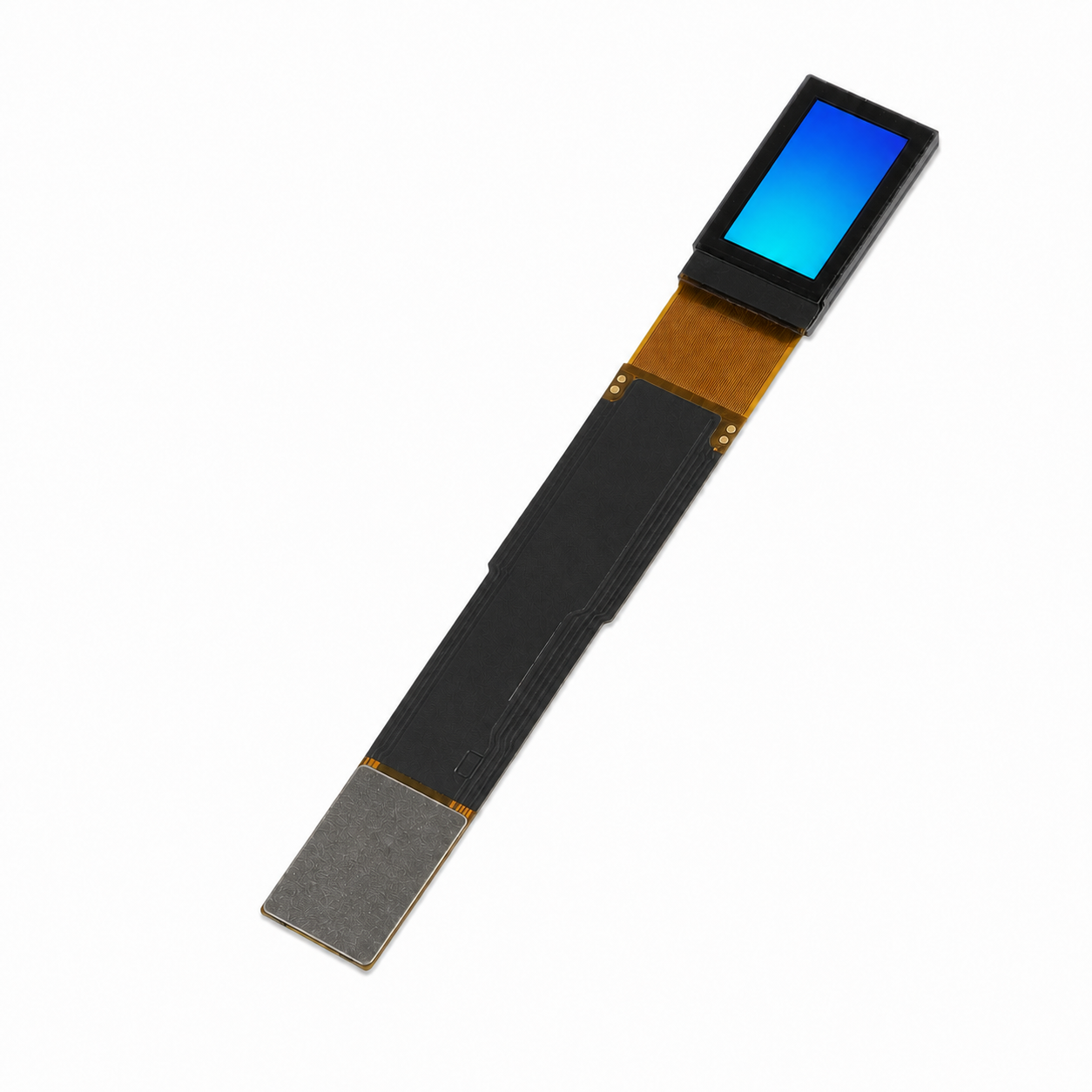
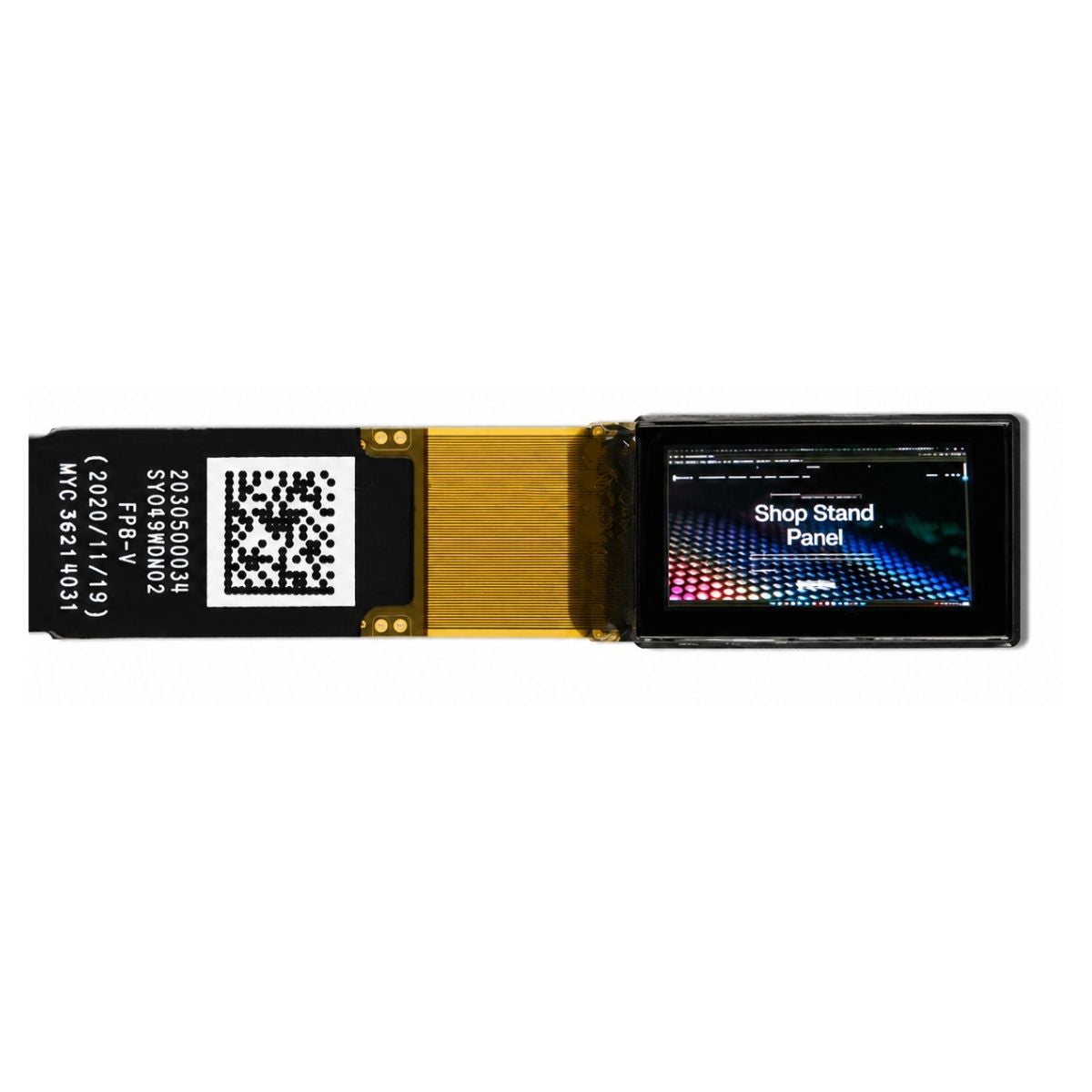
Modules intended for colour-critical and near-eye work are listed in our micro OLED collection, with matching optics and mechanical parts in the AR and VR range. Where the application needs a larger diagonal and does not need the pixel density, an AMOLED module will usually be the more economical route.
Buy the report, not the headline. A module whose calibration conditions you can reproduce, and whose drift you have measured yourself, is worth more than one with a better number on a page.
References
- ISO 9241-307:2008 — Ergonomics of human-system interaction — Part 307: Analysis and compliance test methods for electronic visual displays. International Organization for Standardization. https://www.iso.org/standard/40102.html
En lire plus
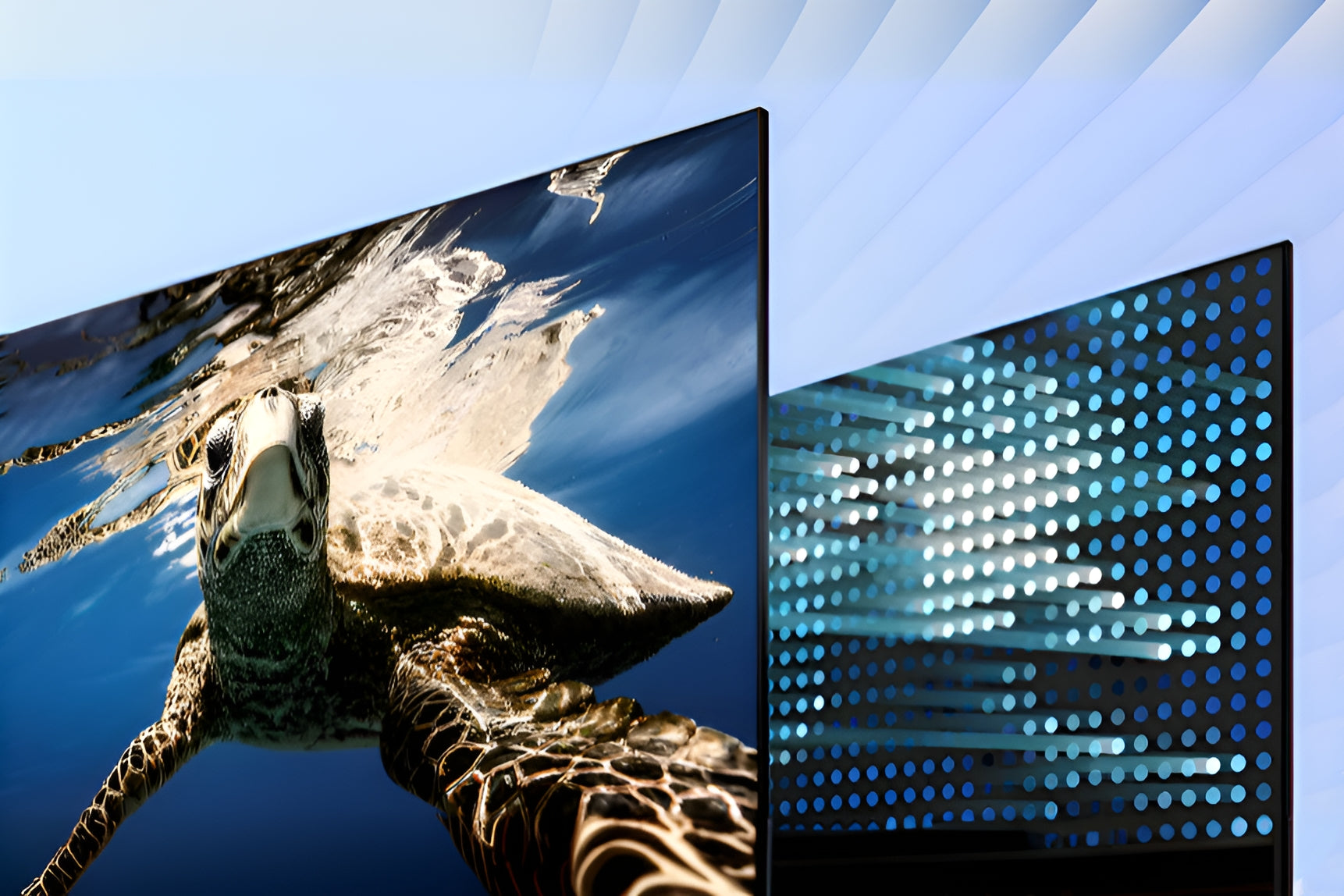
Micro OLEDs surpass OLEDs: 1M:1 contrast (OLEDs ~500k:1), lifespan >100k hrs (OLEDs 50k via aging tests), yet cost 30-50% more. Validate via ANSI.

Micro OLED panels vary: qVGA (320x240) for low-power, WVGA (800x480) for clarity; RGB variants hit 1M:1 contrast (mono: 500k:1), <5mW at 30Hz. Variants.
Laisser un commentaire
Ce site est protégé par hCaptcha, et la Politique de confidentialité et les Conditions de service de hCaptcha s’appliquent.