



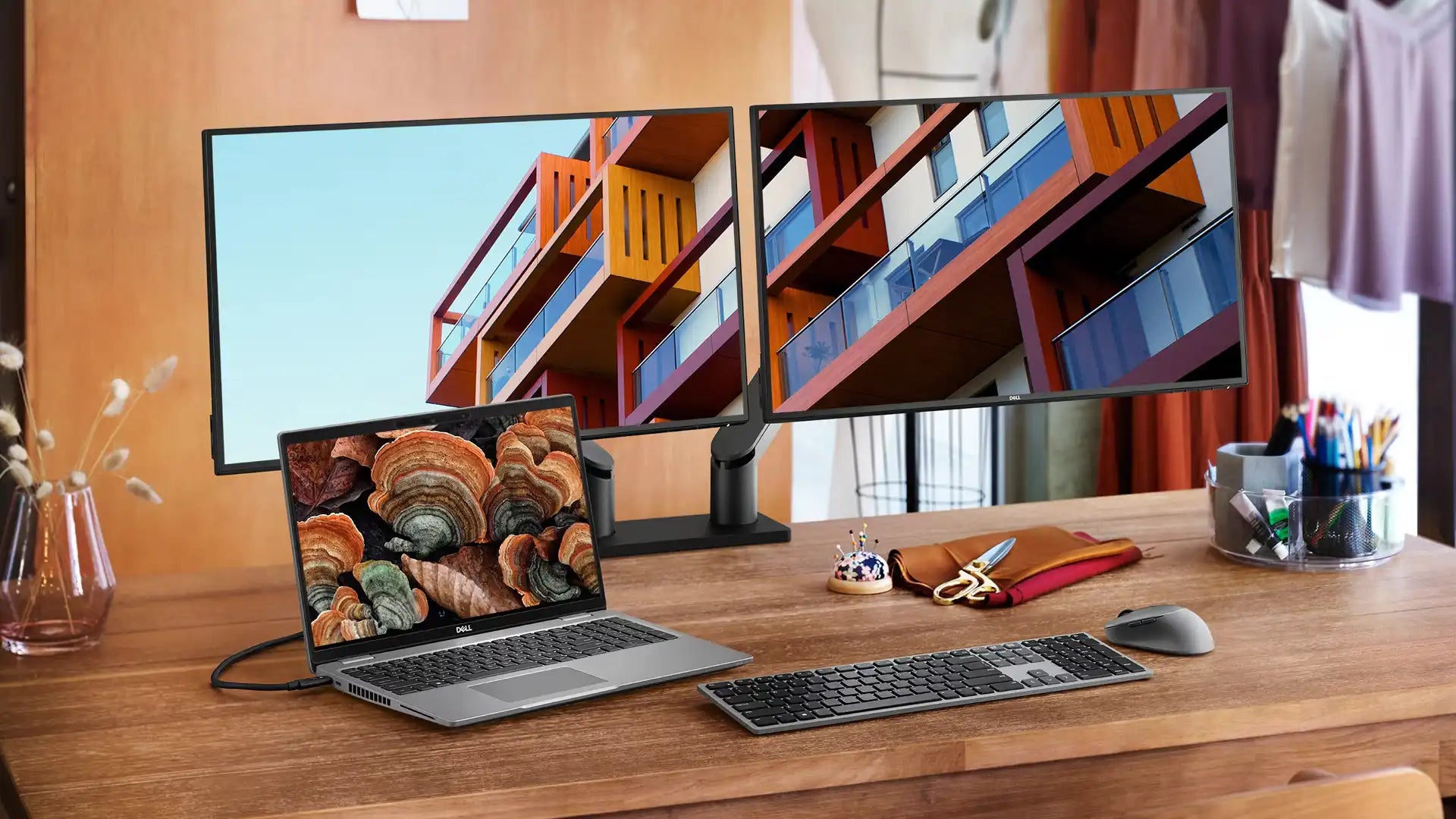
When choosing between a VA (Vertical Alignment) and IPS (In-Plane Switching) panel, consider your priorities: VA panels offer better contrast ratios (typically 3000:1 vs IPS's 1000:1), making black...
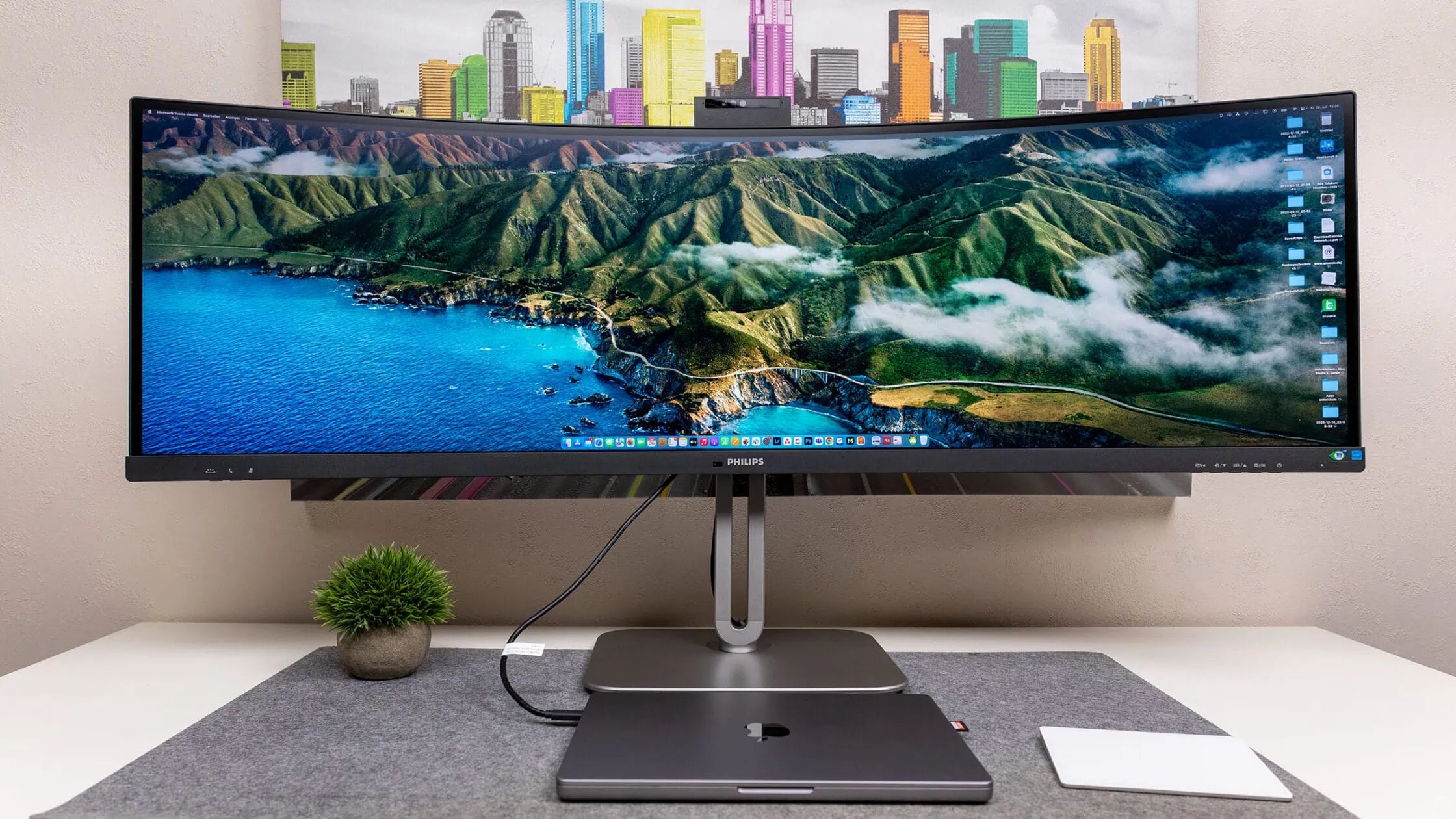
For general office tasks like documents and spreadsheets, VA panels are a good choice due to their high static contrast ratio (typically 3000:1), which delivers deep blacks and reduces eye strain i...
For competitive FPS gaming, an IPS panel is generally better than a VA due to its superior motion clarity. While VA panels offer a high 3000:1 contrast ratio for deeper blacks, their slower pixel r...
IPS (In-Plane Switching) panels are typically 30–80 more expensive than VA (Vertical Alignment) ones due to their superior viewing angles (178° vs. 170°–178°) and better color accuracy (100% sRGB v...
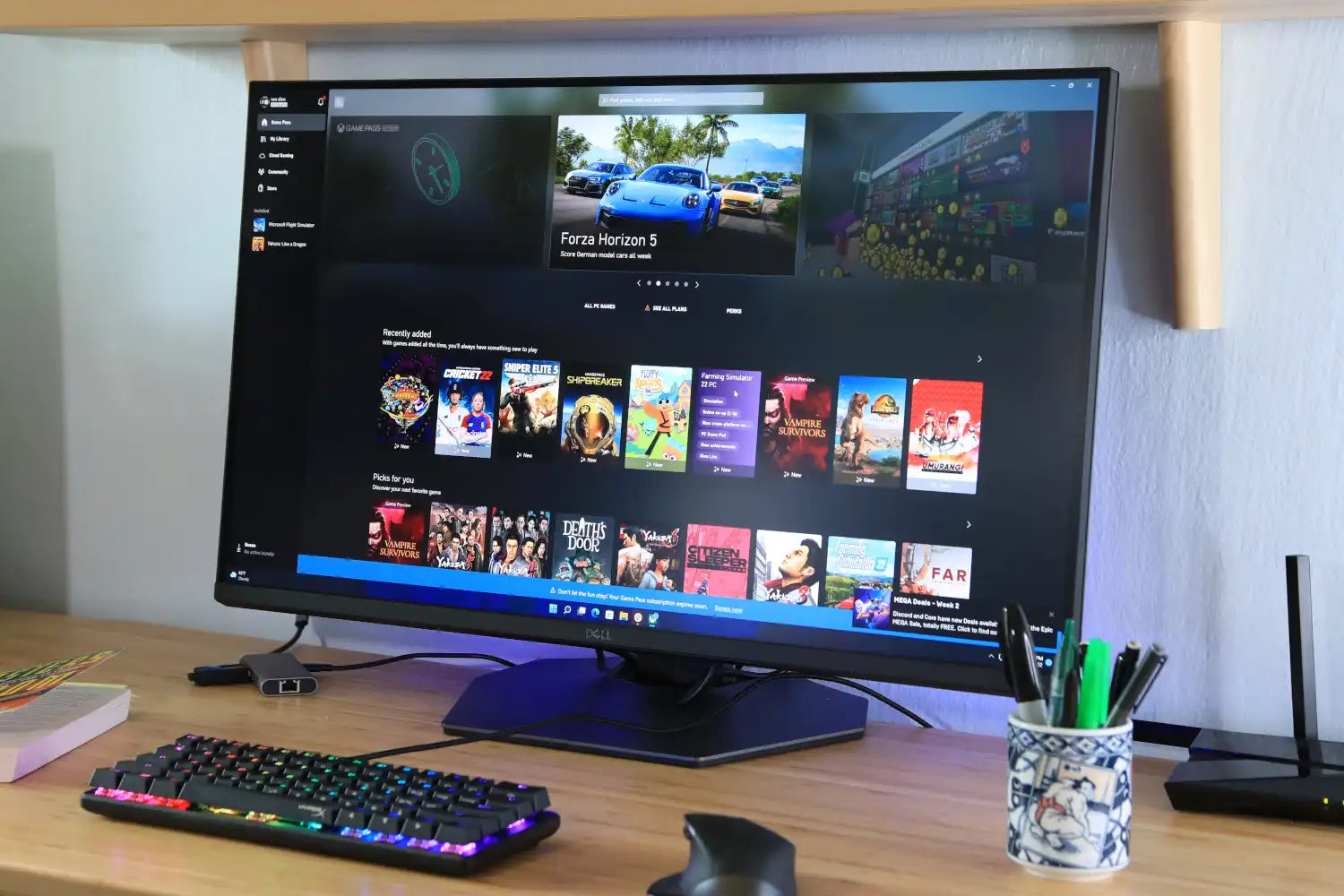
An IPS monitor typically lasts between 30,000 to 60,000 hours of use, which translates to over 10 years with average daily usage, though this lifespan can be influenced by factors like brightness s...
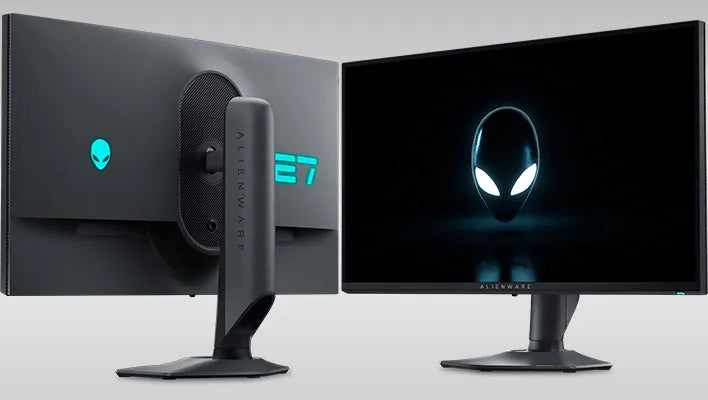
IPS panels are excellent for gaming due to their wide viewing angles (178°) and accurate colors (100% sRGB coverage), though they typically have slightly higher response times (4-5ms) compared to T...
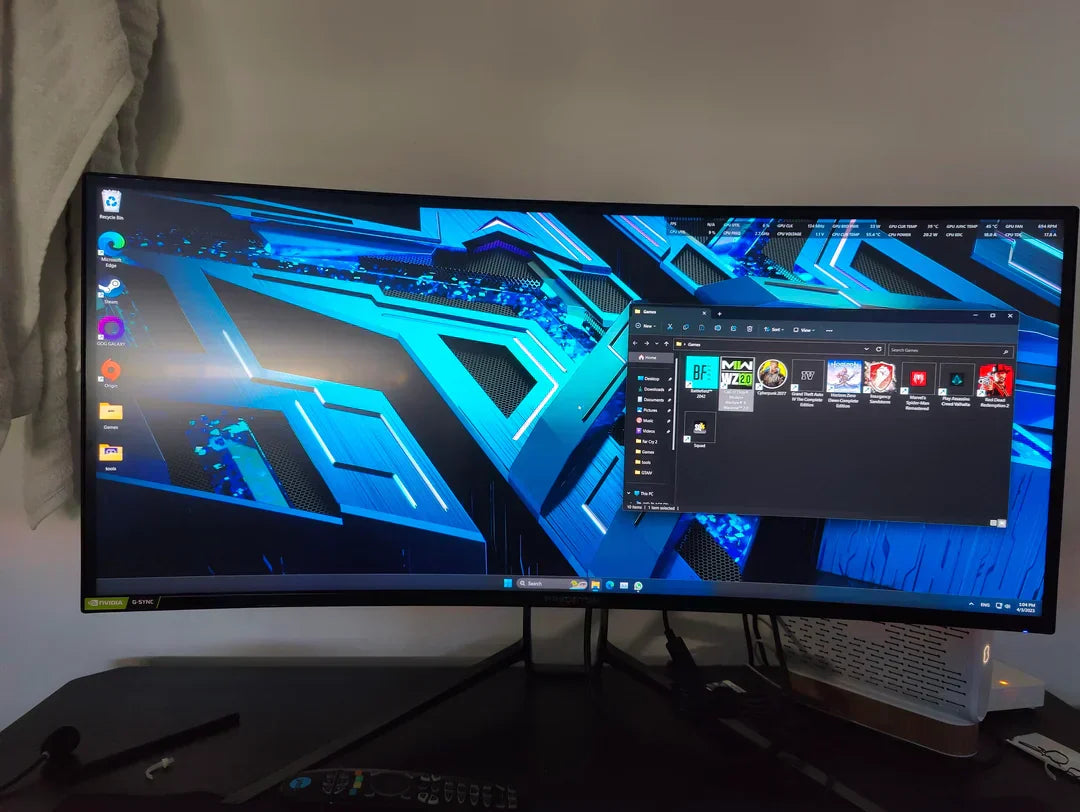
IPS displays are excellent for TVs due to their wide 178-degree viewing angles and accurate color reproduction, making them ideal for group viewing. With typical response times around 4-8ms, they h...
IPS displays are generally better for eye comfort compared to older TN panels due to higher color accuracy and wider viewing angles, reducing strain from skewed perspectives. They often feature fli...
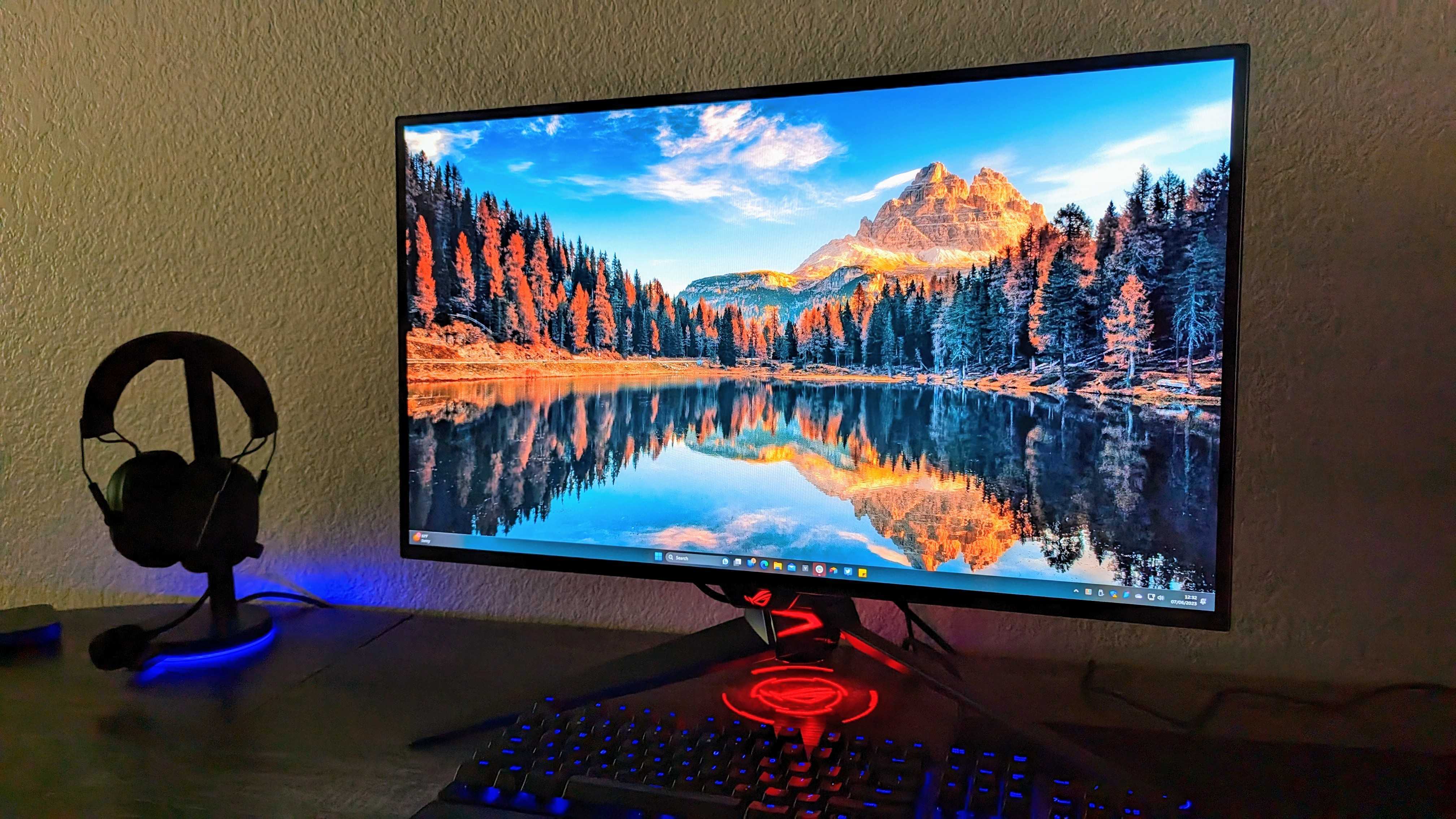
When comparing IPS vs OLED for eye comfort, IPS panels are generally better due to stable brightness and no flicker, while OLED’s high contrast (1,000,000:1) can cause eye strain from PWM dimming (...