

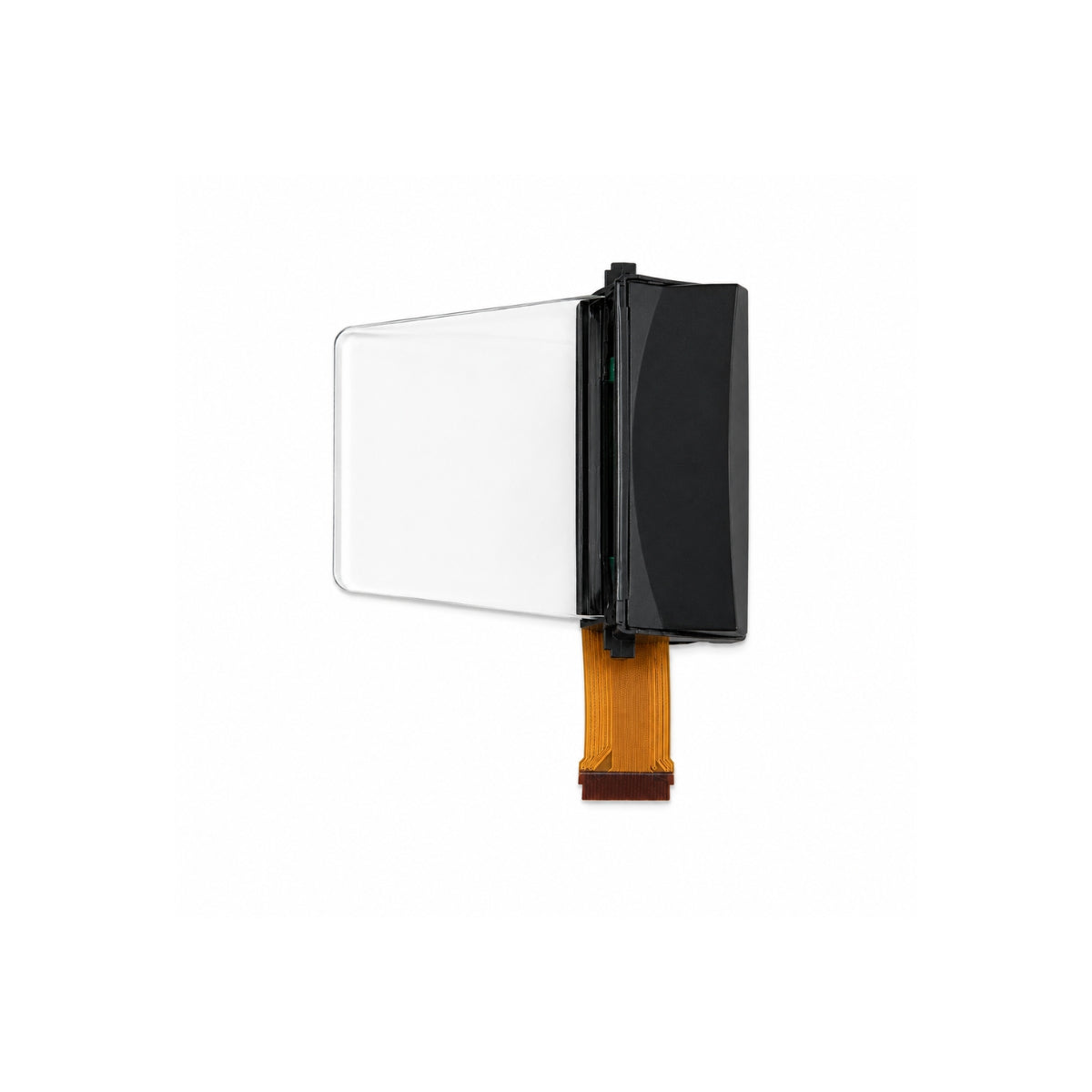
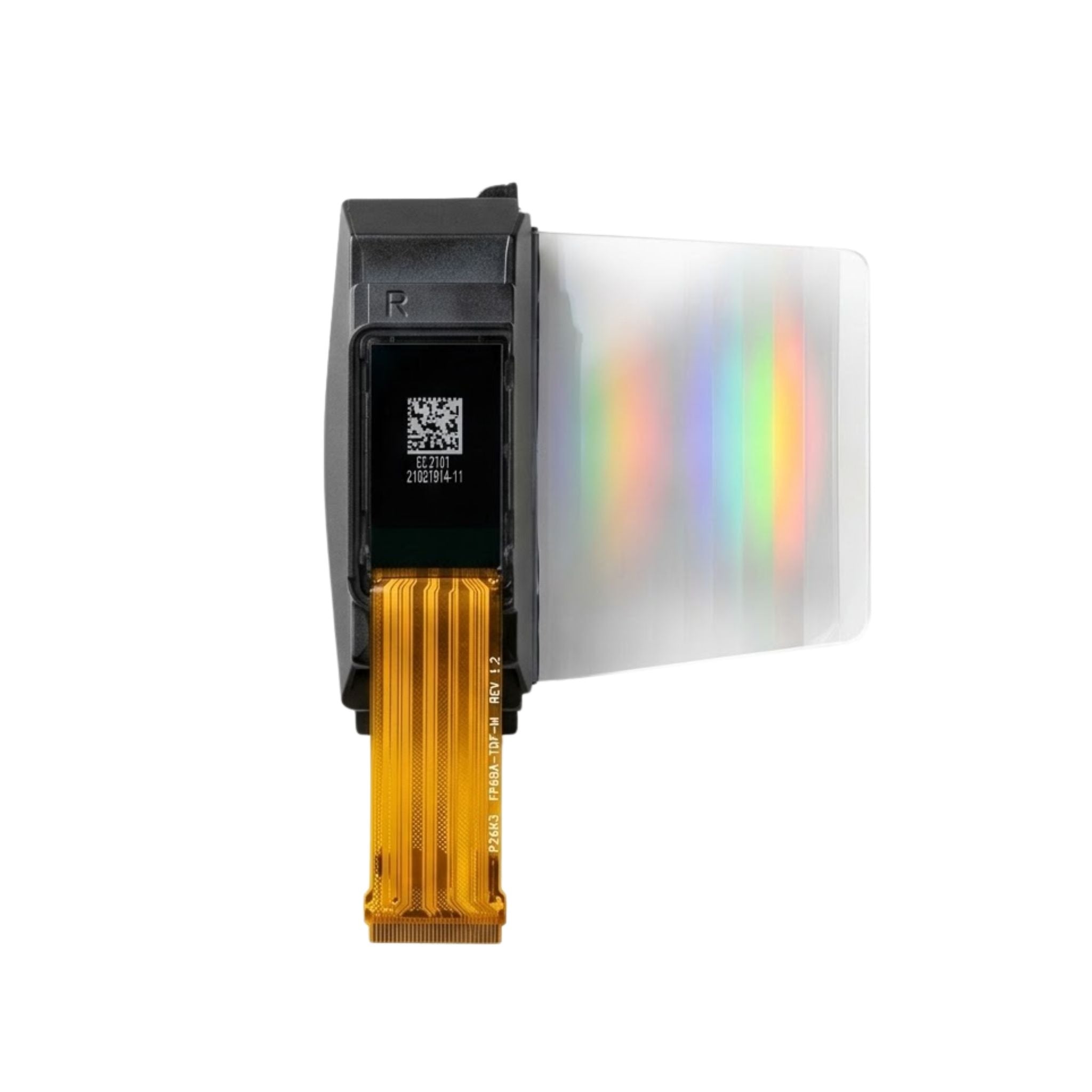


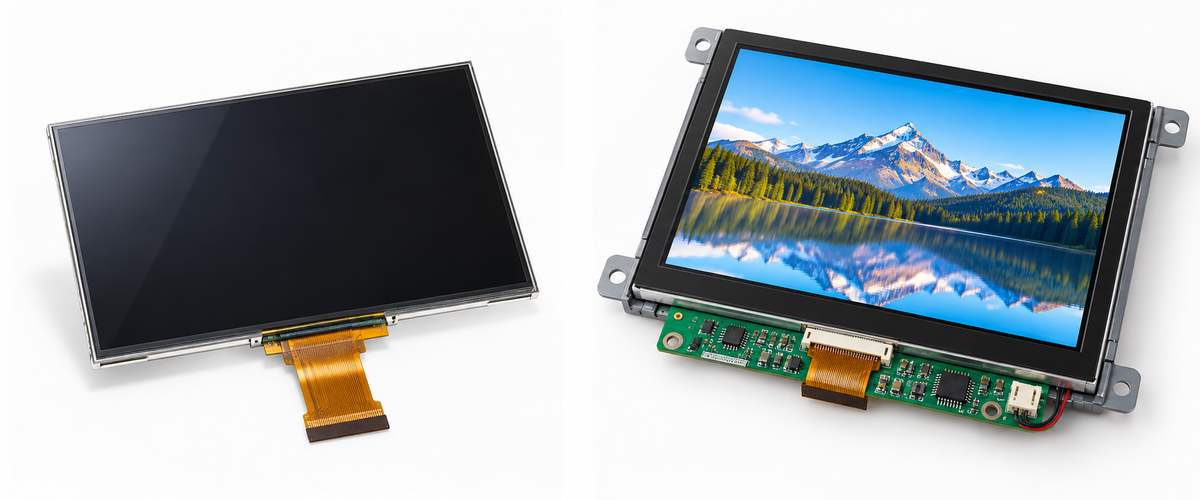
An LCD panel quote usually covers the basic display assembly. An LCD module can include quite a bit more: the backlight, driver IC, FPC, frame, touch hardware, cover glass, bonding, and sometimes ...
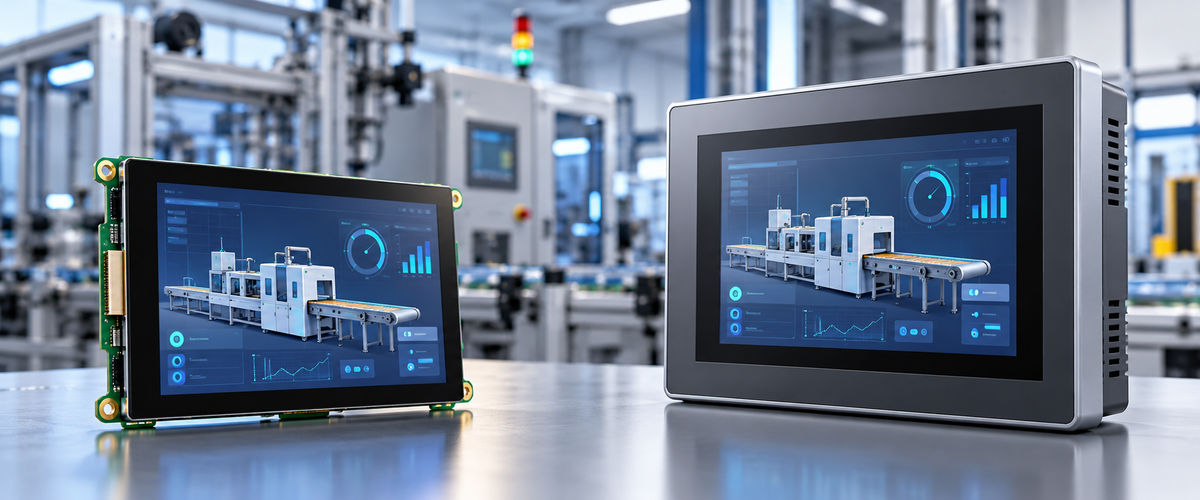
For a PLC-based machine that needs quick integration and easy field replacement, a complete HMI panel is usually the simpler route. If the equipment already has its own processor and the display n...
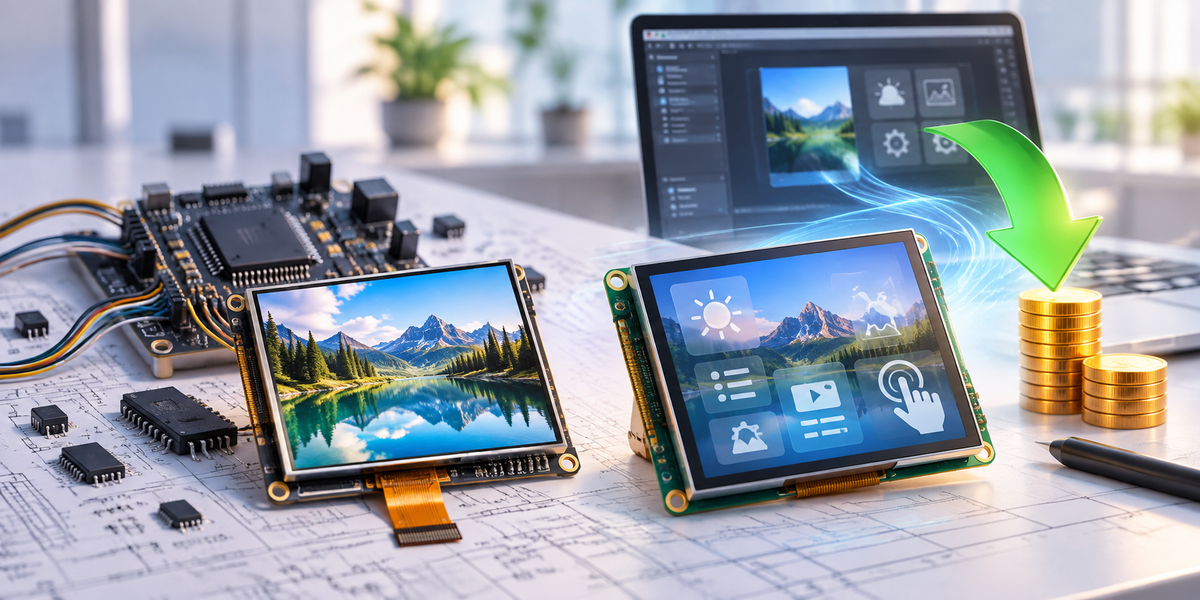
A Smart TFT can save development work when it takes framebuffer storage, graphics rendering, touch processing, or GUI tasks away from the host. A standard TFT can be cheaper when the host already ...
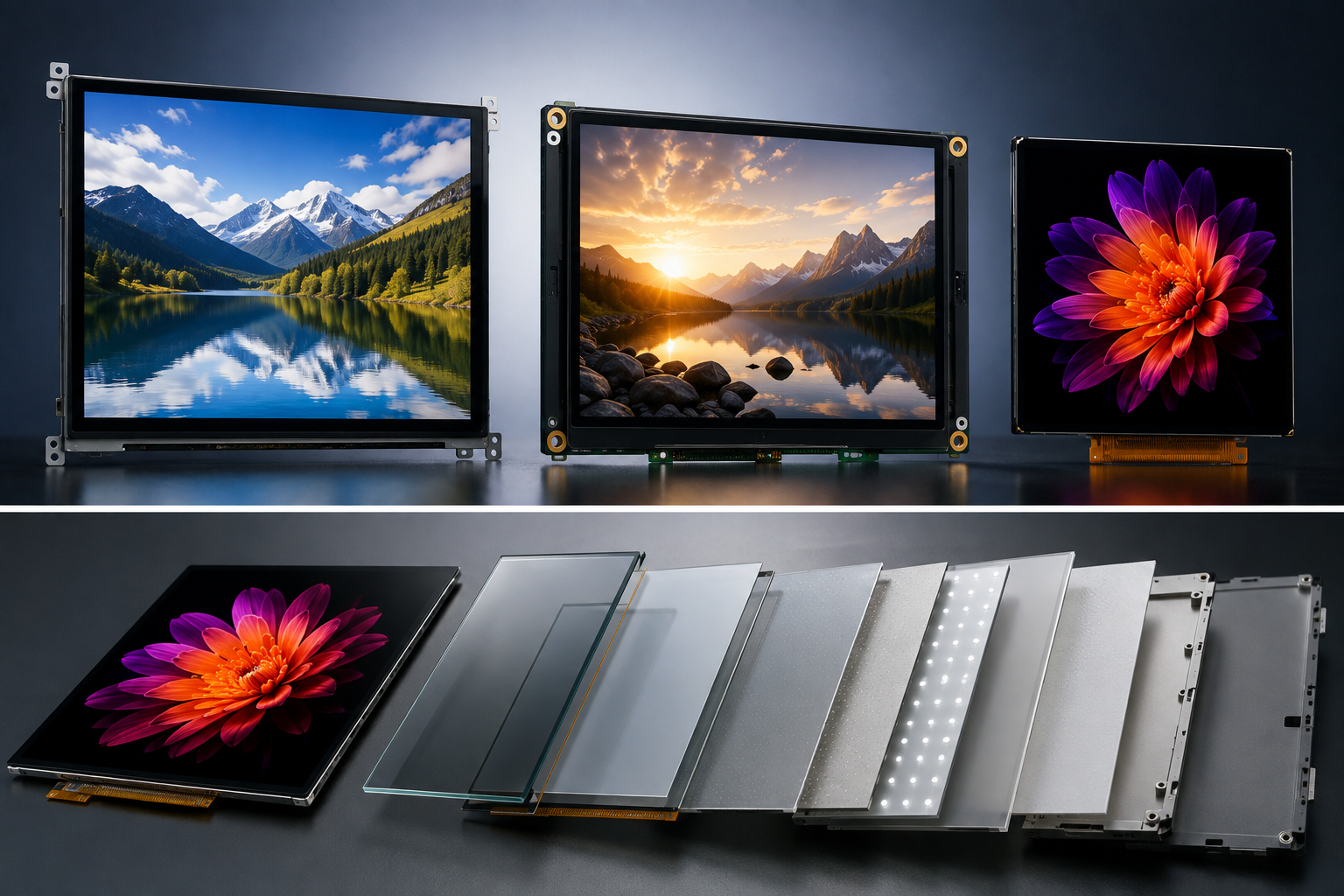
For most OEM projects, IPS is the safer place to start when a screen will stay on for long hours, show a mostly fixed interface, or be viewed from different angles. VA makes more sense when stronge...
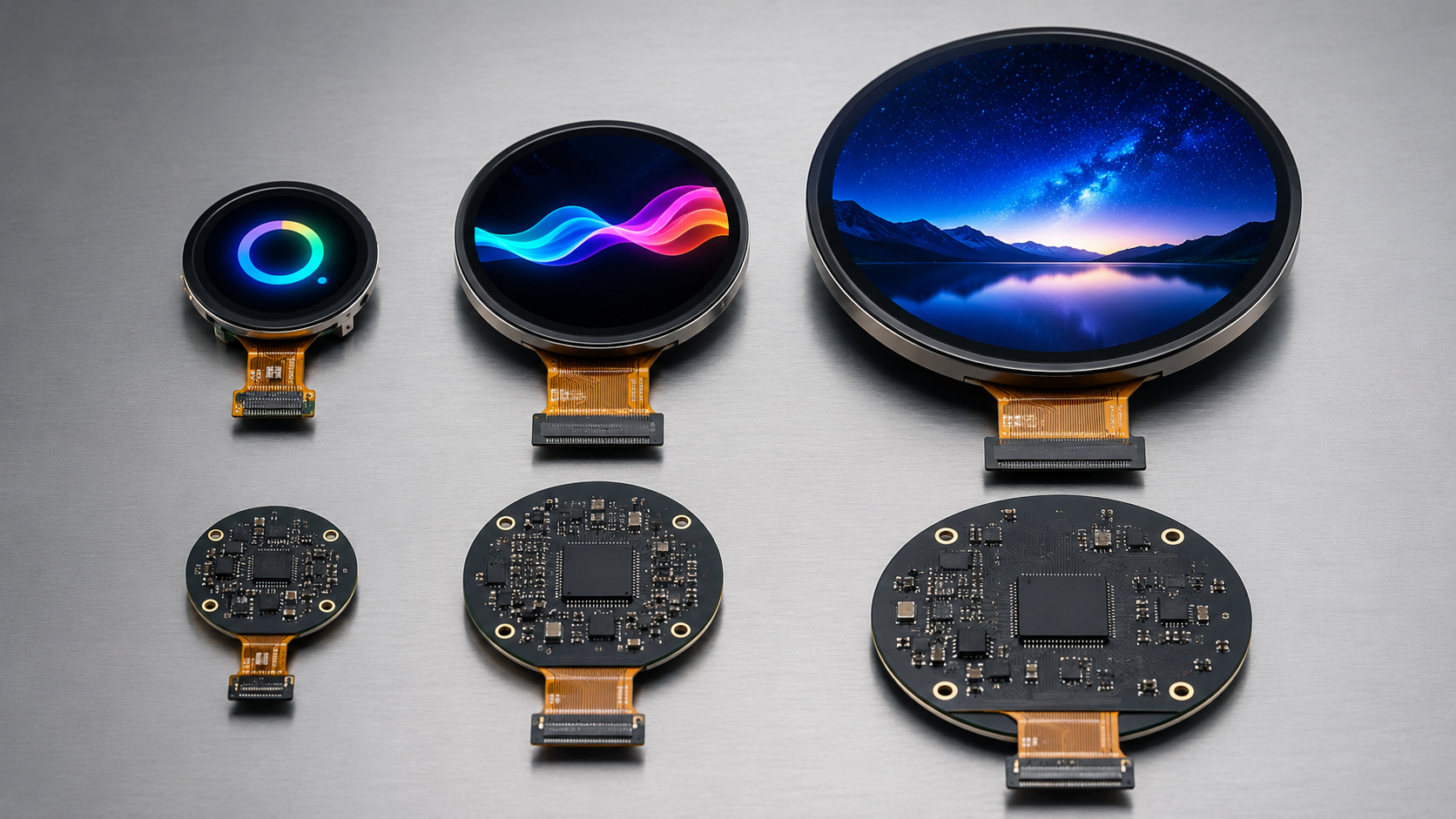
For industrial use, select a round OLED in this order: mechanical fit, readable UI, optical performance, interface bandwidth, RAM, power, lifetime, environment, and supply control. A 240 × 240 RGB...
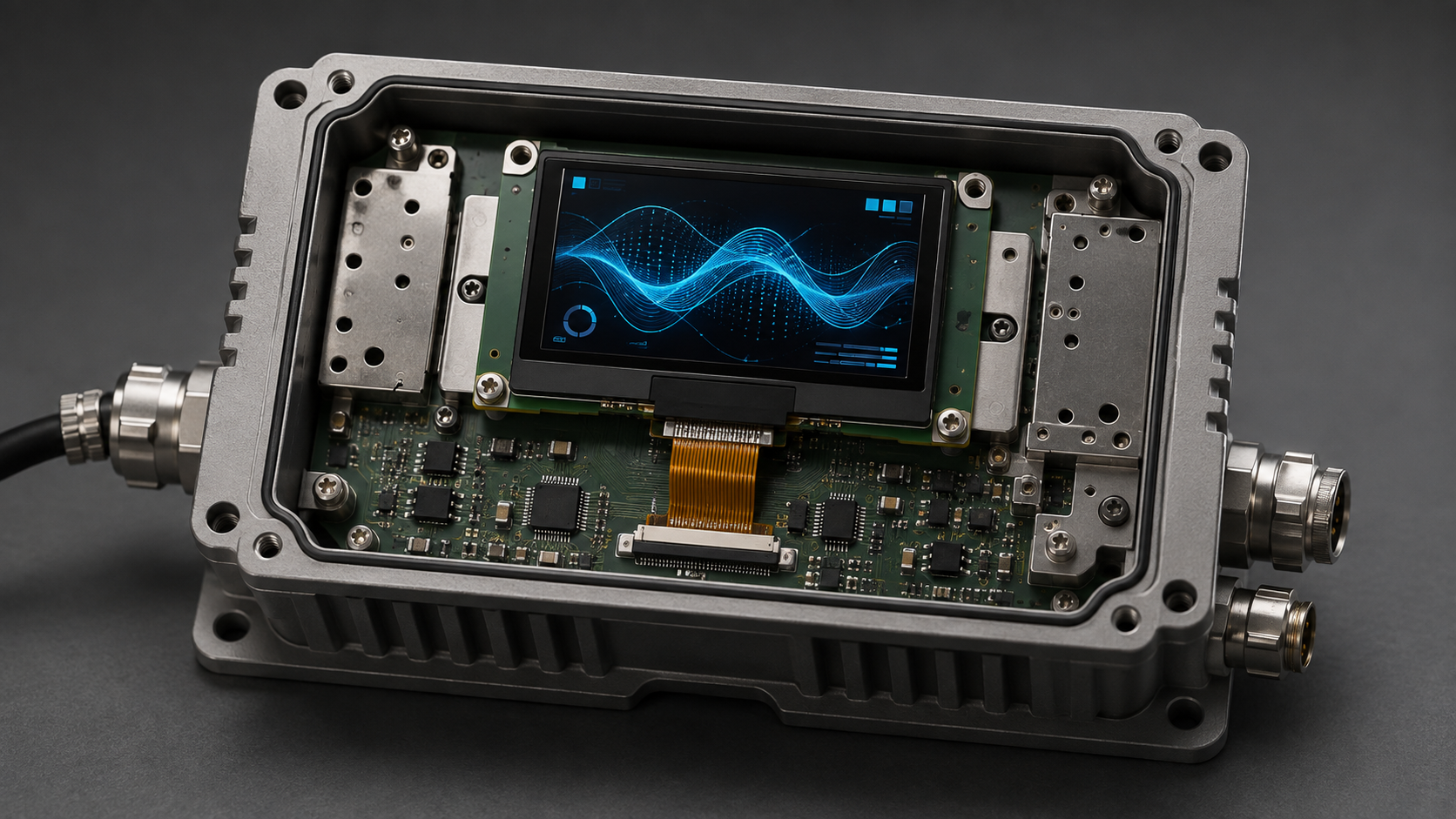
Set the connector coordinates from fixed datums, measure power and signals at the module end, and test cold startup, EMI, ESD and vibration with the final enclosure. For a 128 × 64 monochrome PMOL...
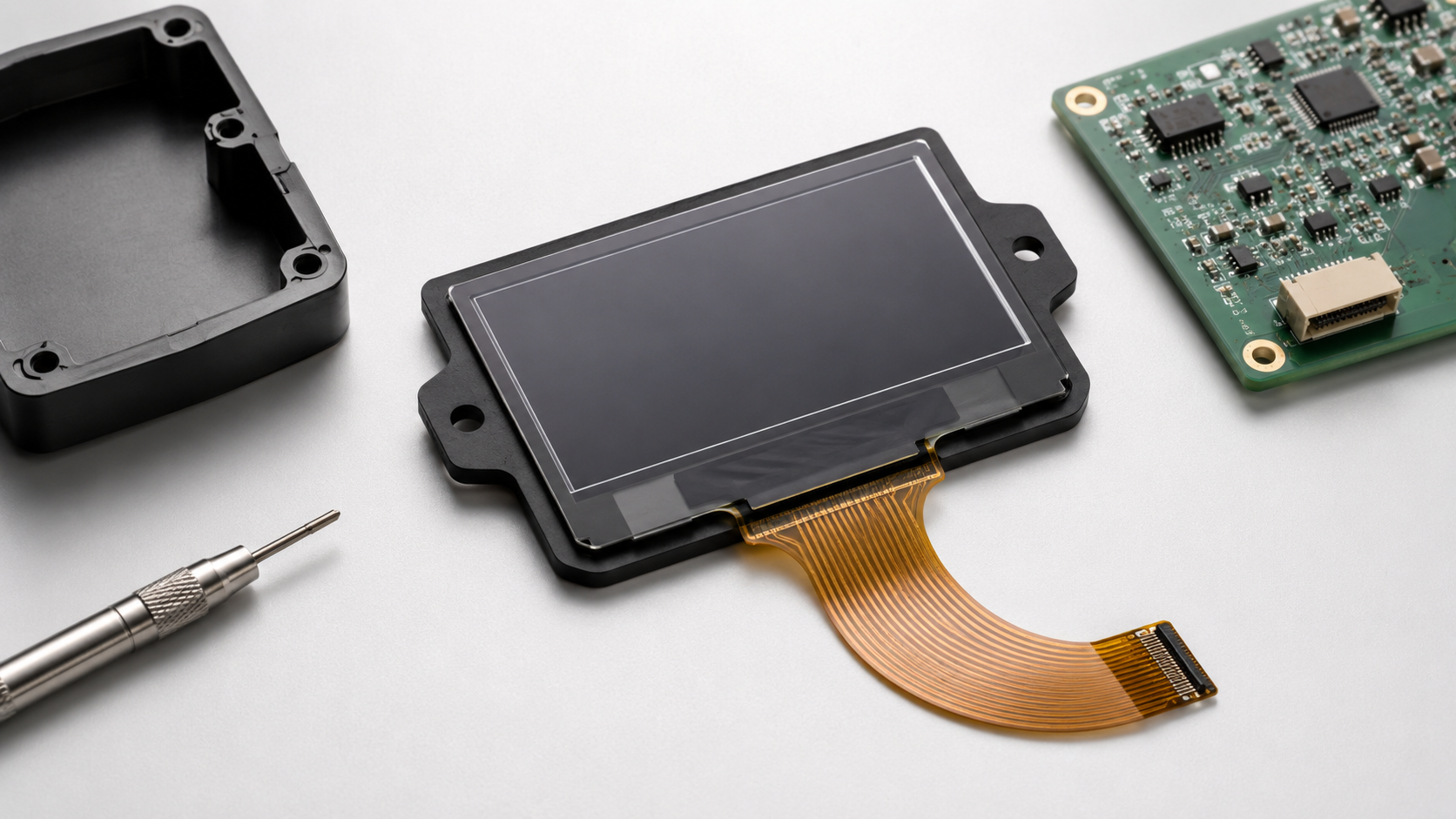
Approve a PMOLED ODM supplier only after the module fits the real enclosure, reaches the production connector without FPC stress, runs with the final firmware, and passes written electrical, optic...
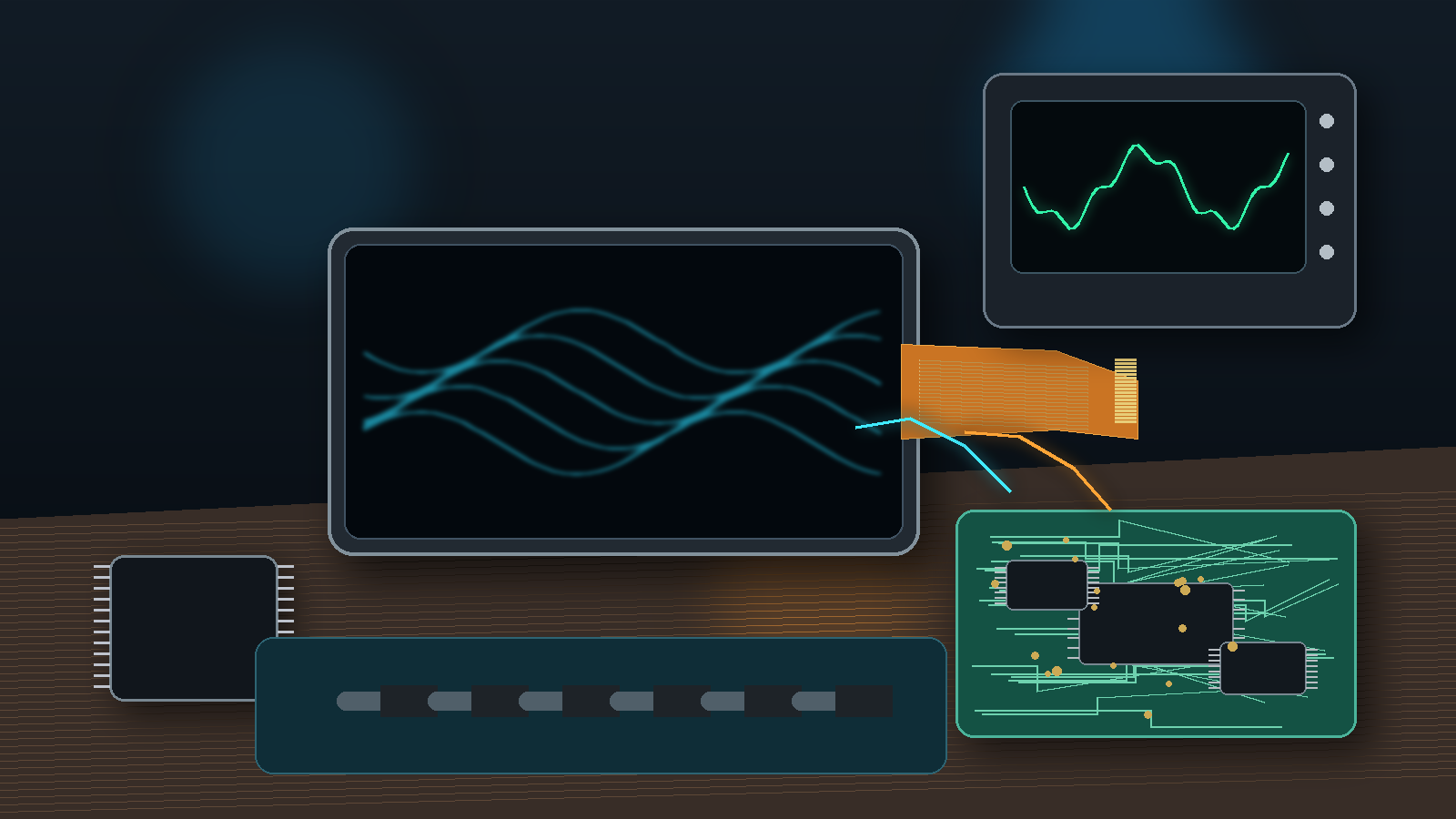
Yes, an obsolete graphic OLED module can often be replaced without changing the enclosure or host PCB. The replacement must keep the required outline, active-area position, connector, voltage leve...
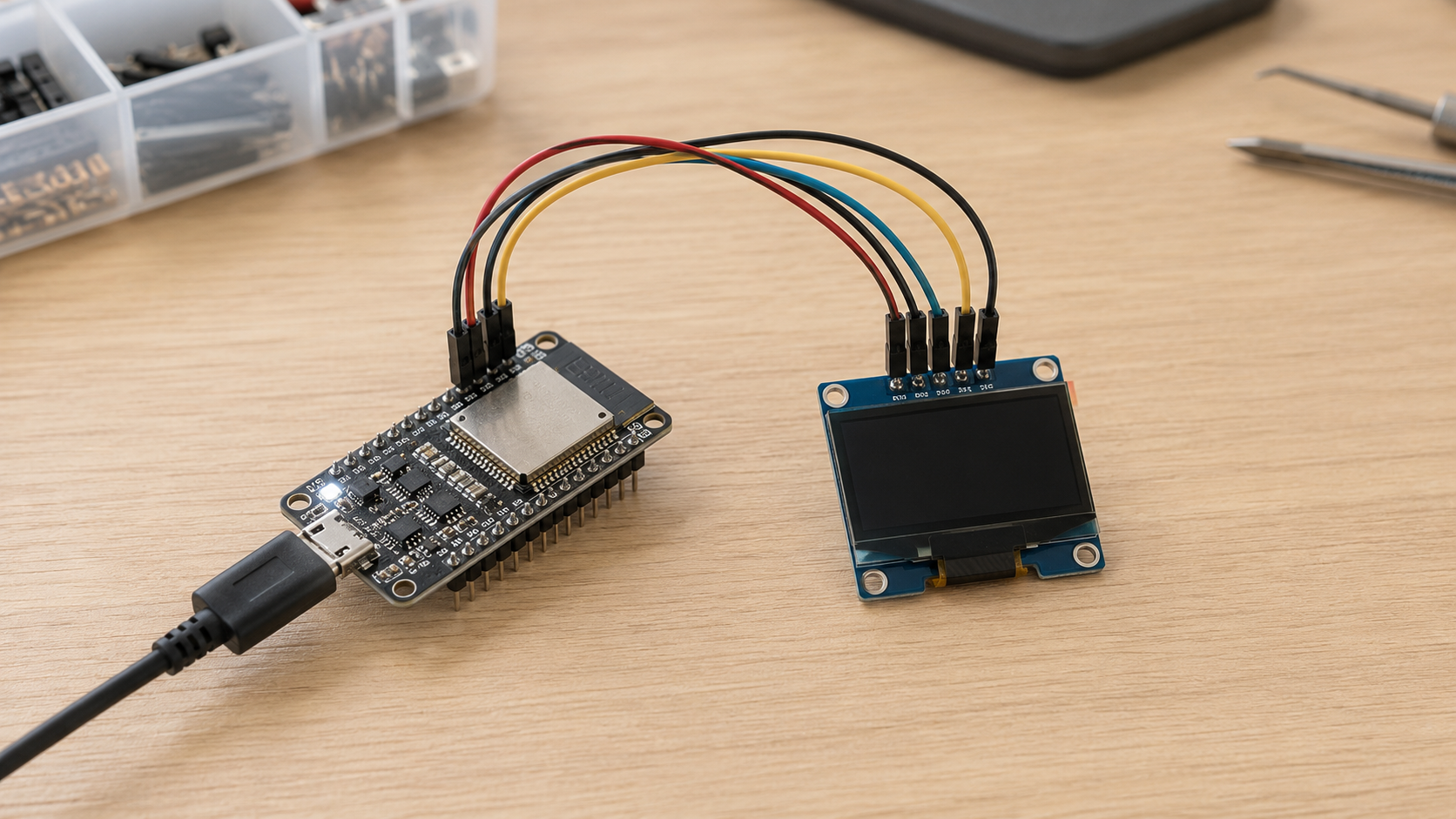
An I2C OLED usually stops responding after repeated sleep cycles because one sleep or wake event leaves the bus, MCU peripheral, GPIO pins or OLED controller in the wrong state. The MCU may sleep ...