Passer au contenu

Panier

Votre panier est vide

Explorer nos produits

0.5" Micro OLEDoS Display 1600x1200 120Hz 1000nits - MIPI

SKU: DM-OLED050-1005
Prix de vente$299.00
  • 💹 Enjoy a 20% discount for orders over 500
  • 📉 A 15% discount is available for orders ranging from 200 to 499
  • 🎁 A 10% discount is available for orders ranging from 50 to 199
  • 🎁 A 5% discount is available when ordering 10-49

Interested in customizing this product? Get in touch with us.

Order samples, immediate delivery.

Factory bulk lead time: 3 weeks.

Set: Screen Only

Partager
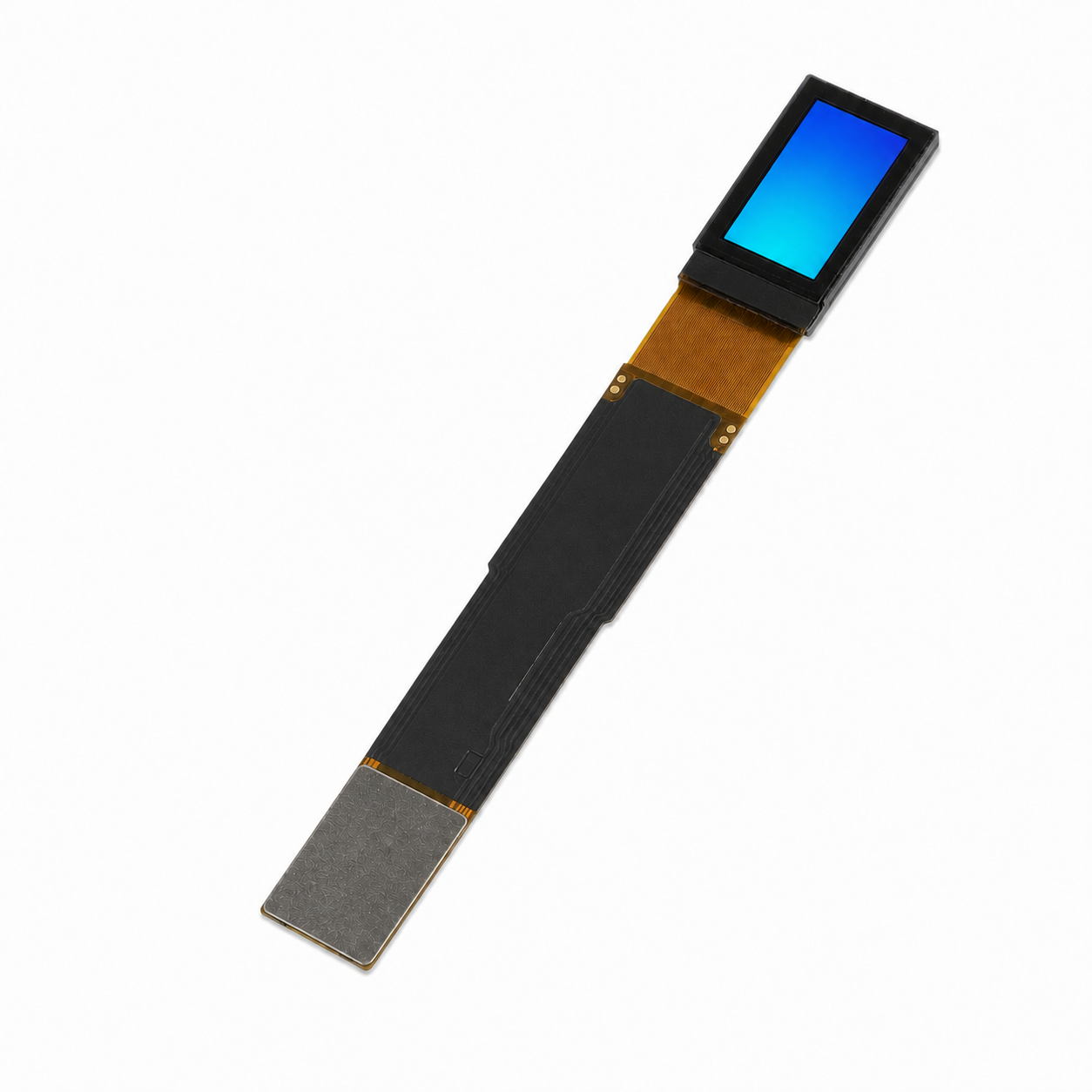
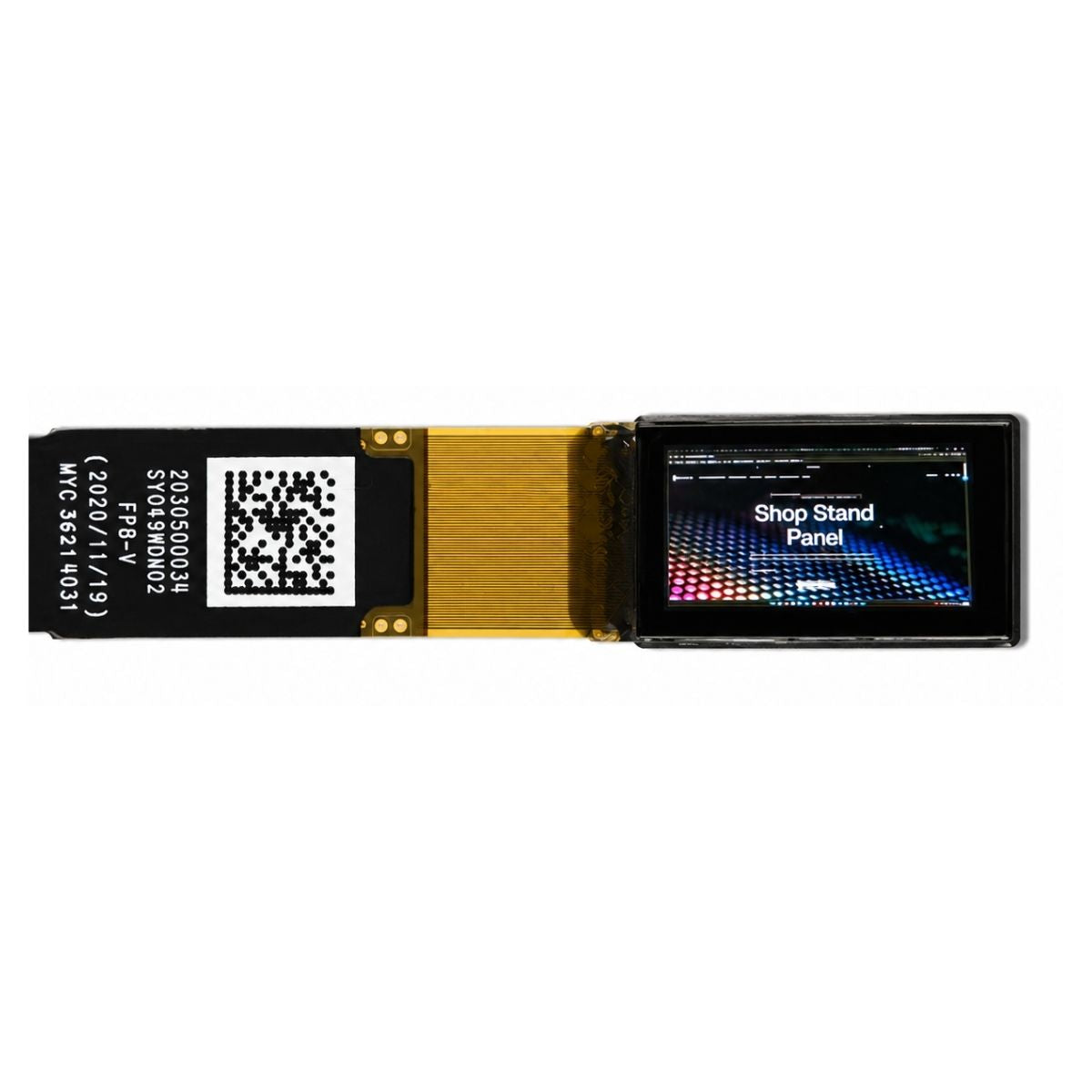
0.5" Micro OLEDoS Display 1600x1200 120Hz 1000nits - MIPI DisplayModule
0.5" Micro OLEDoS Display 1600x1200 120Hz 1000nits - MIPIScreen Only Prix de vente$299.00

Resources & Downloads

DM-OLED050-1005 · Micro OLEDoS Display Module

0.5" Micro OLEDoS Display 1600×1200, 120Hz, 1000 nits, MIPI Interface

This 0.5-inch Micro OLEDoS display module uses a single-crystal silicon backplane with integrated panel driver and logic driver circuits. It is suitable for compact near-eye display evaluation, electronic viewfinder systems, and head-mounted display designs that require high resolution, high contrast, compact size, and MIPI-based video input.

The module provides 1600(H) × 1200(V) real RGB resolution, 1000 cd/m² luminance, 100,000:1 typical contrast ratio, 90% DCI-P3 color gamut, 60Hz to 120Hz frame rate operation, MIPI + I2C interface, VESA-DSC v1.1 decoding, 6.3μm pixel size, and a 10.08mm × 7.56mm usable display area.

1600 × 1200

Real RGB Resolution

1000 cd/m²

Luminance

100,000:1

Typical Contrast

MIPI + I2C

Video + Control

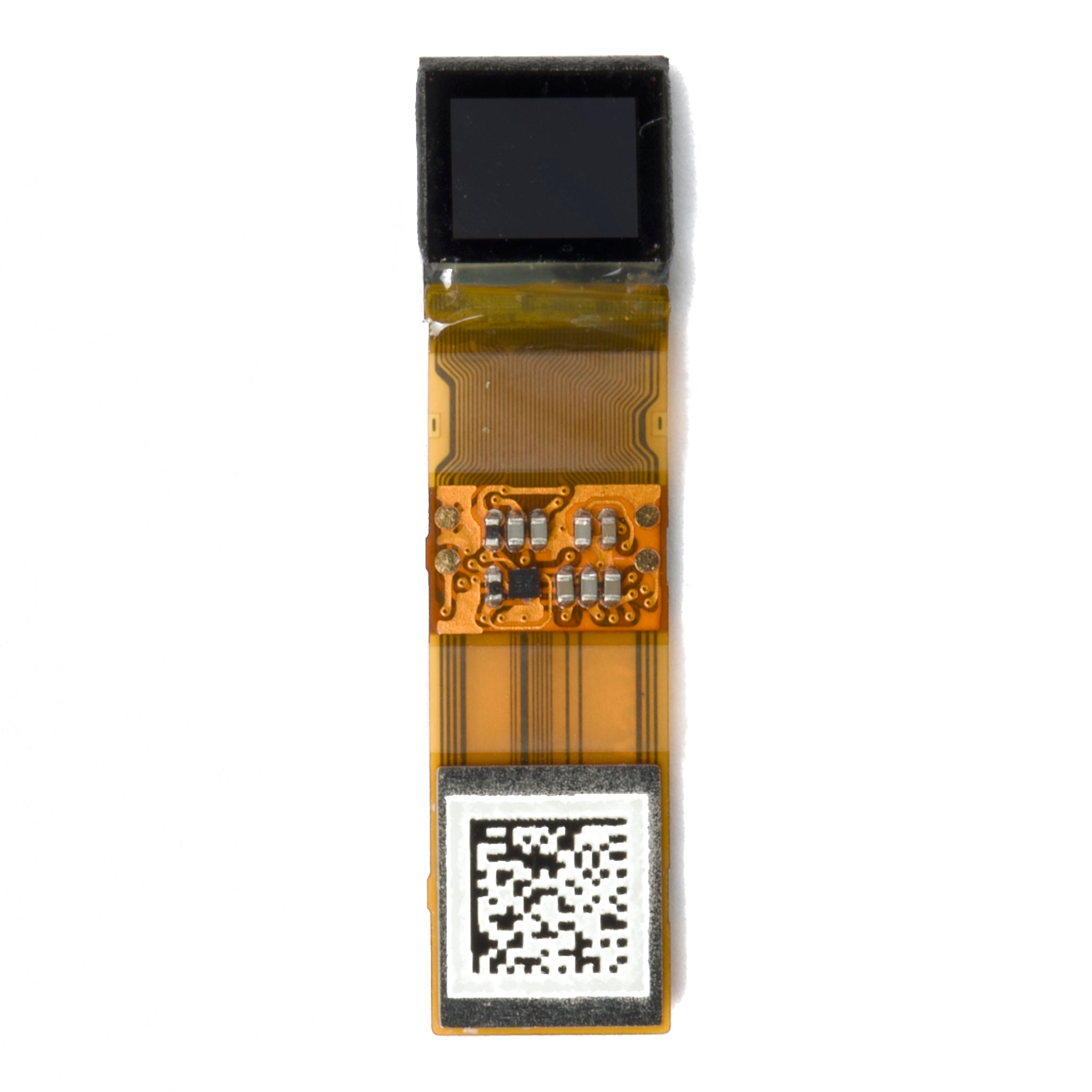
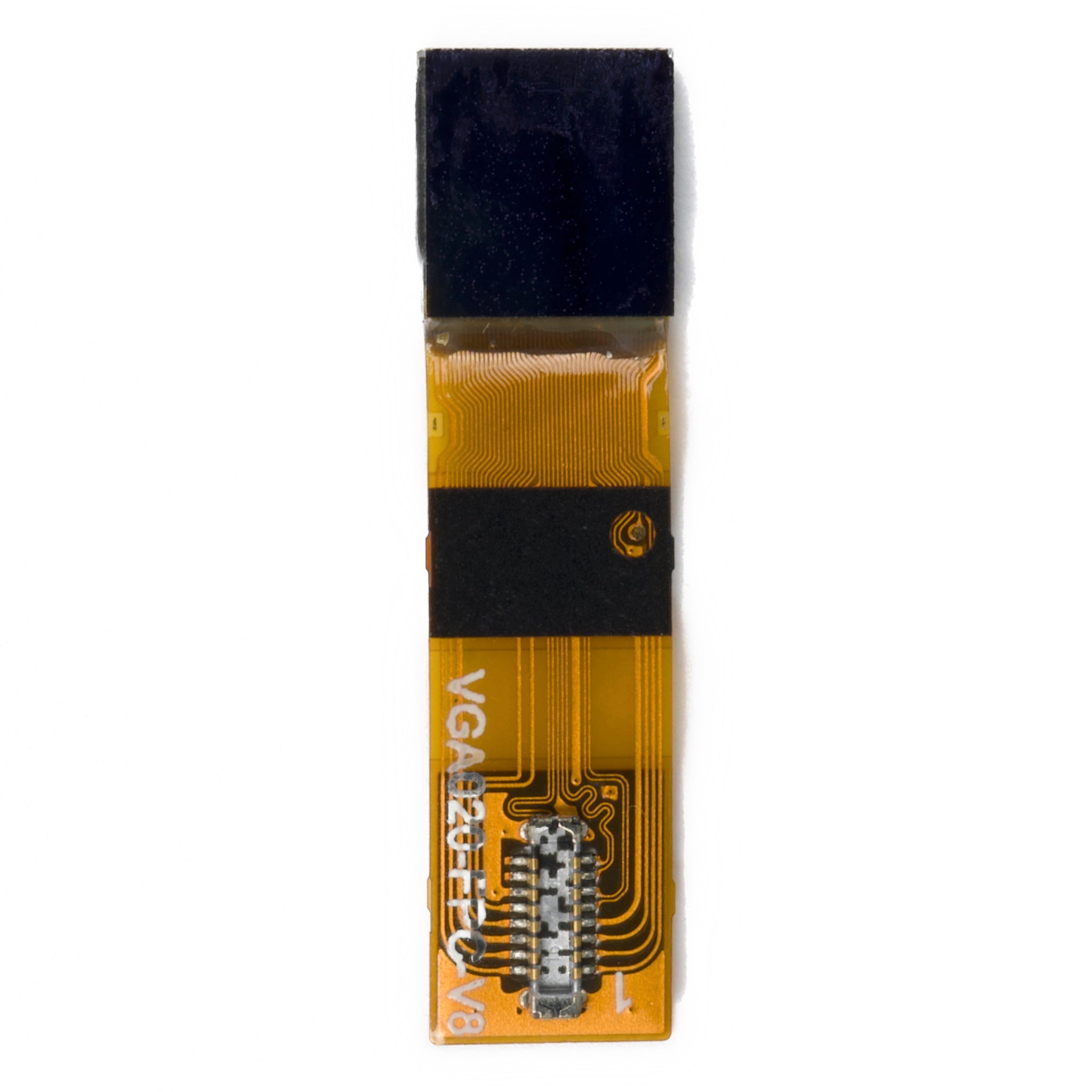
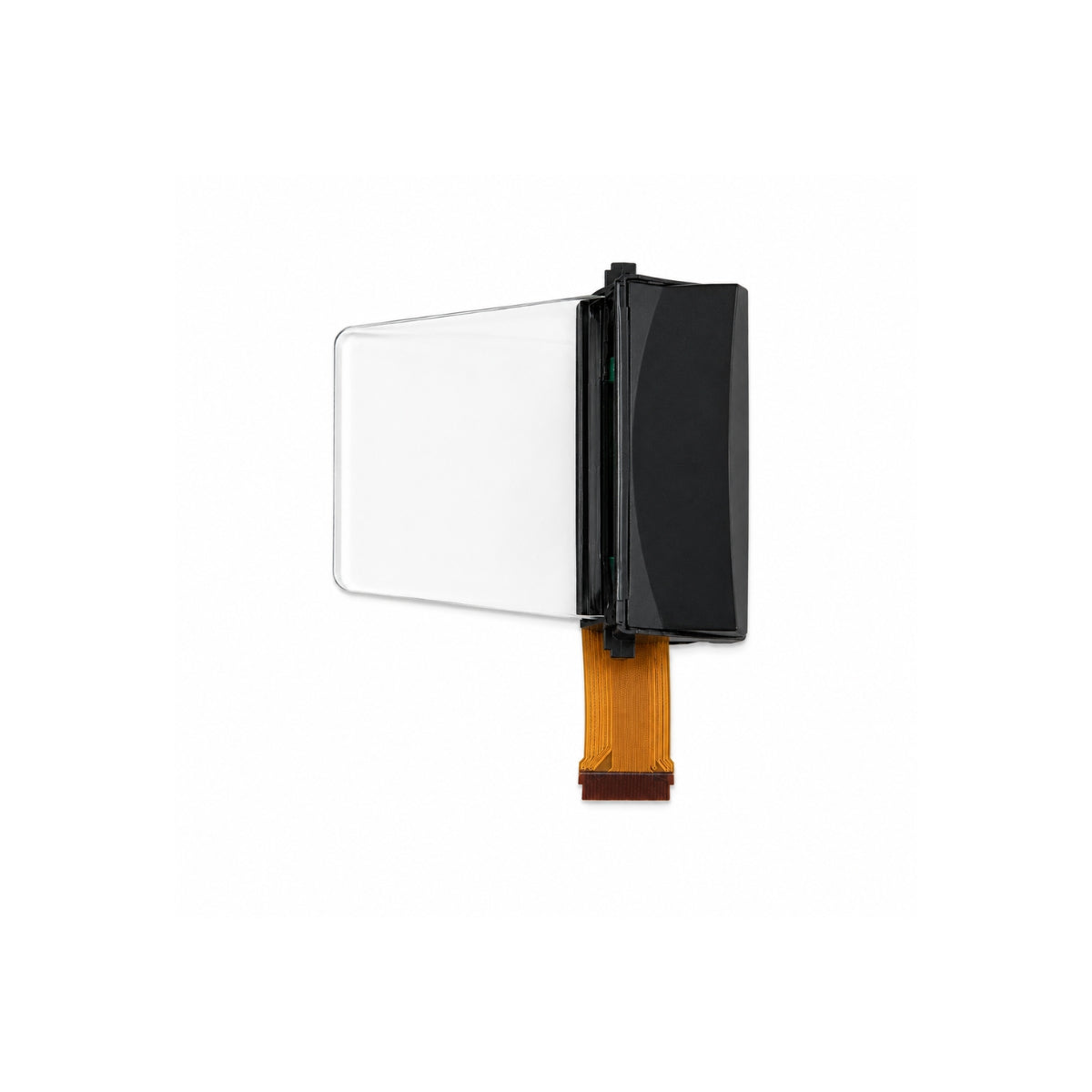
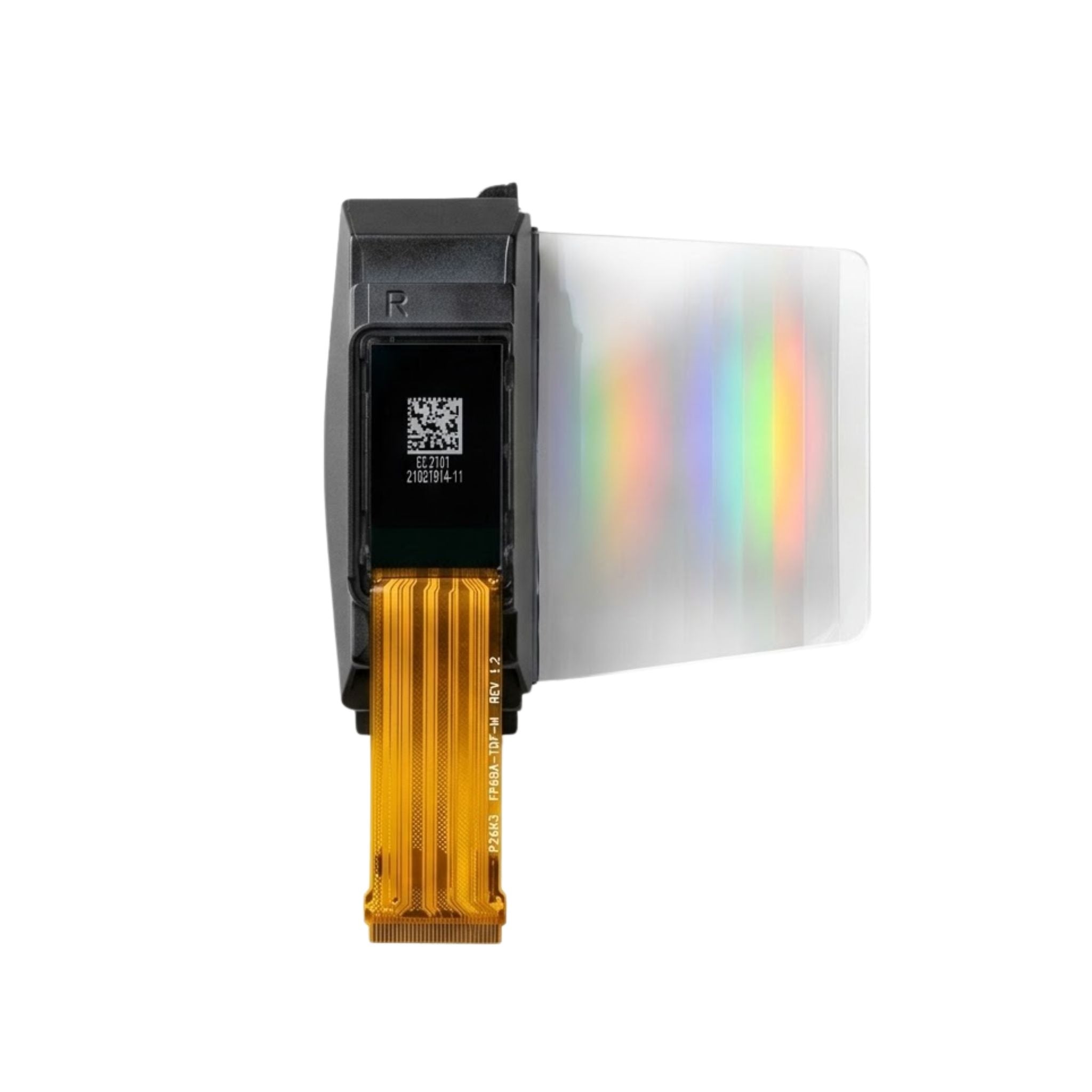
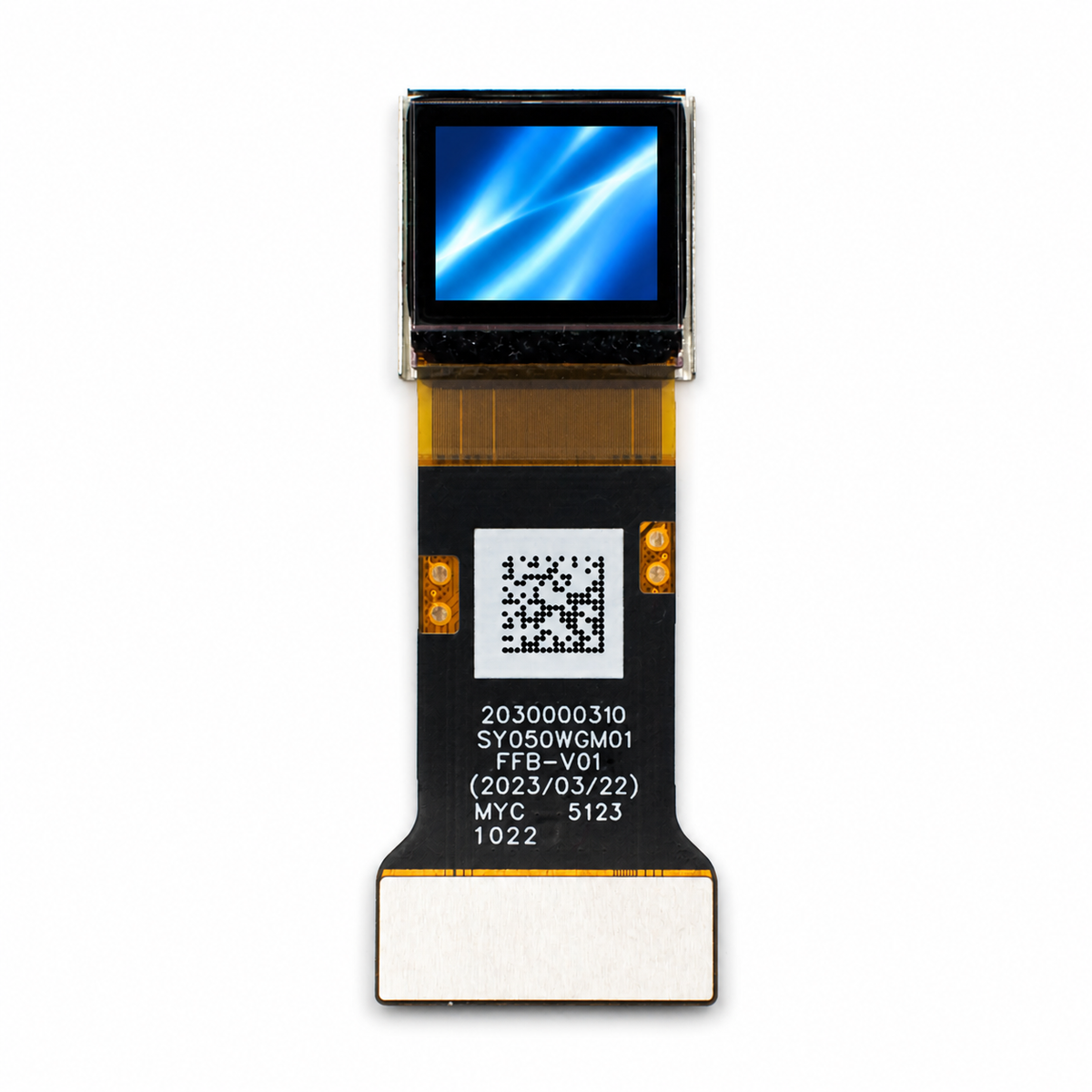
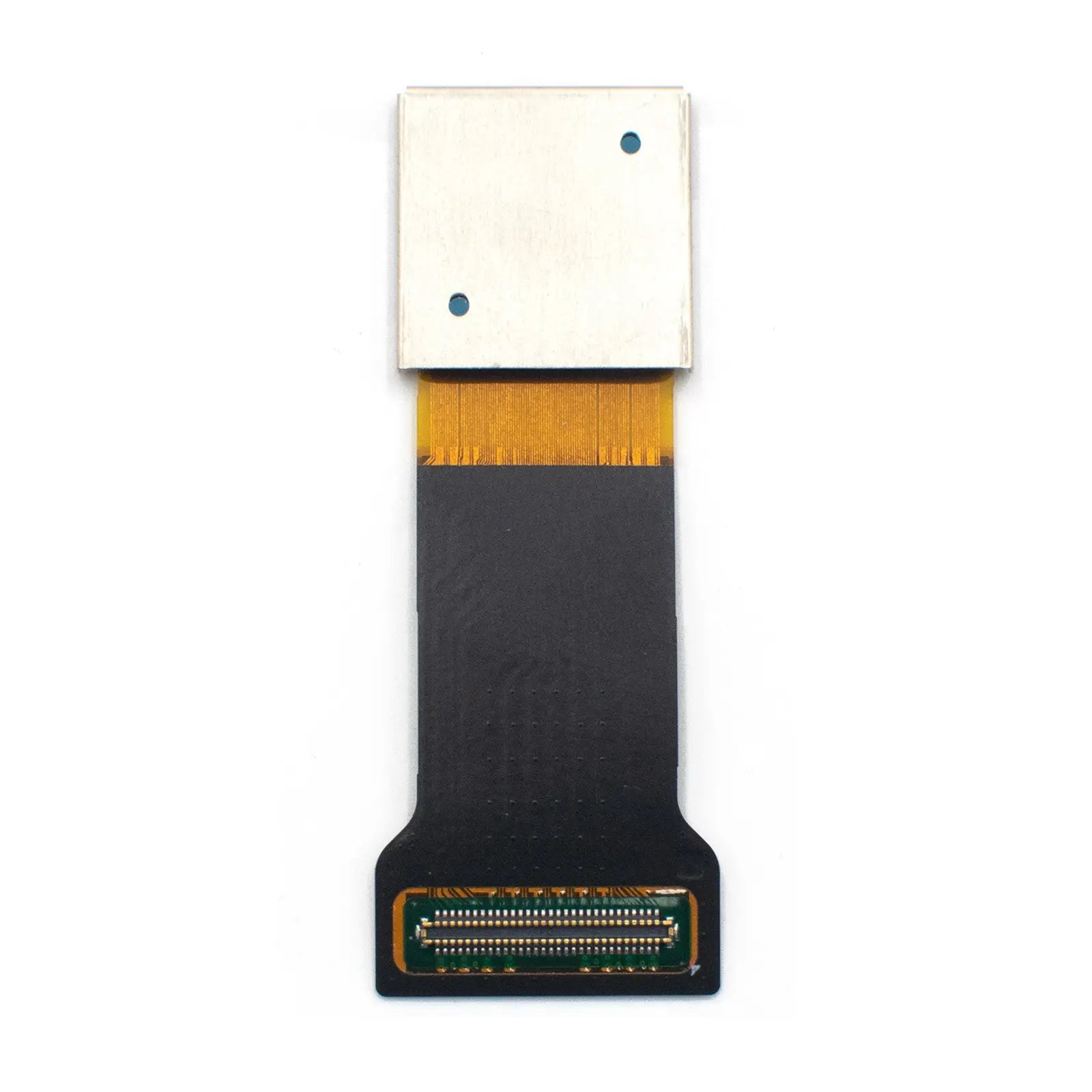
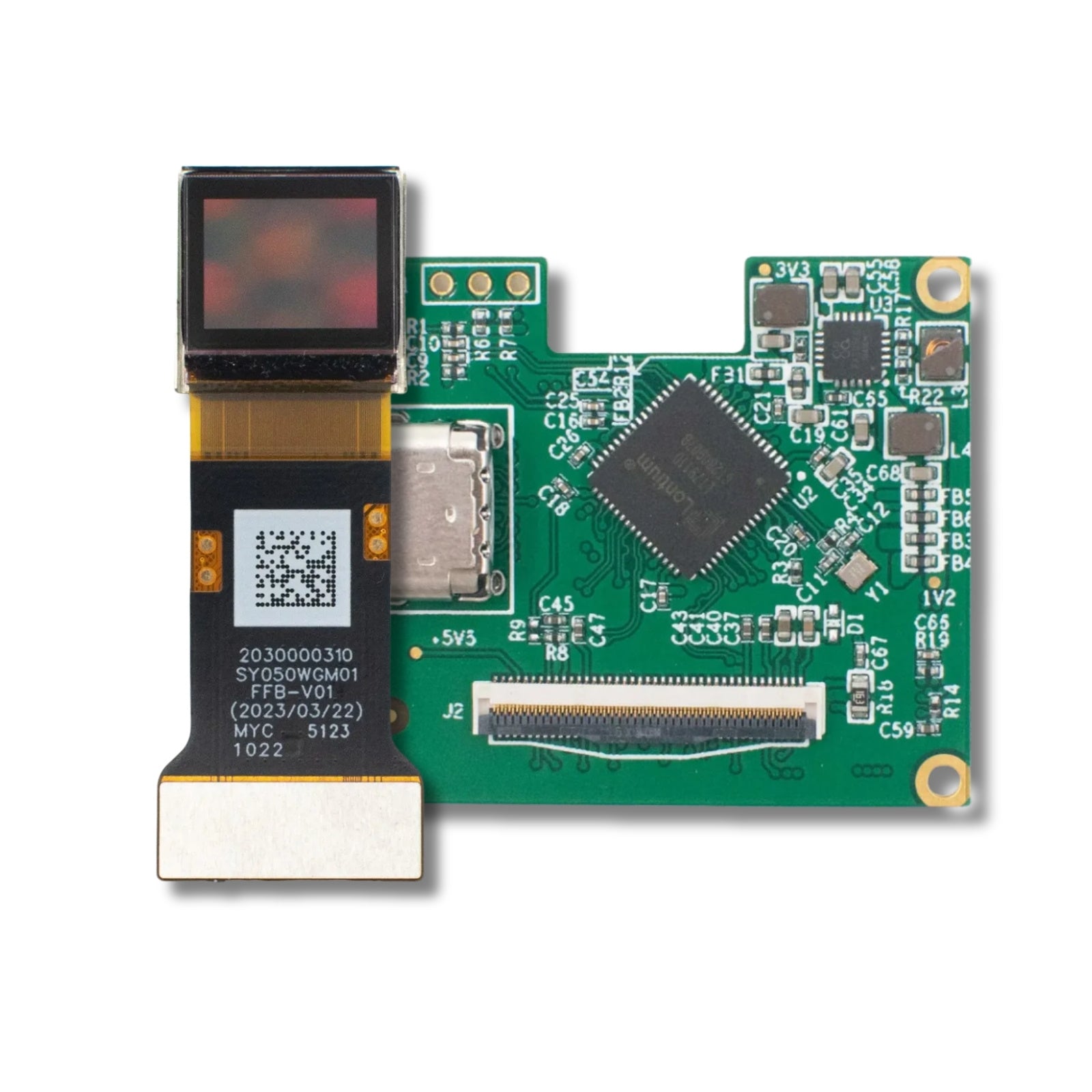
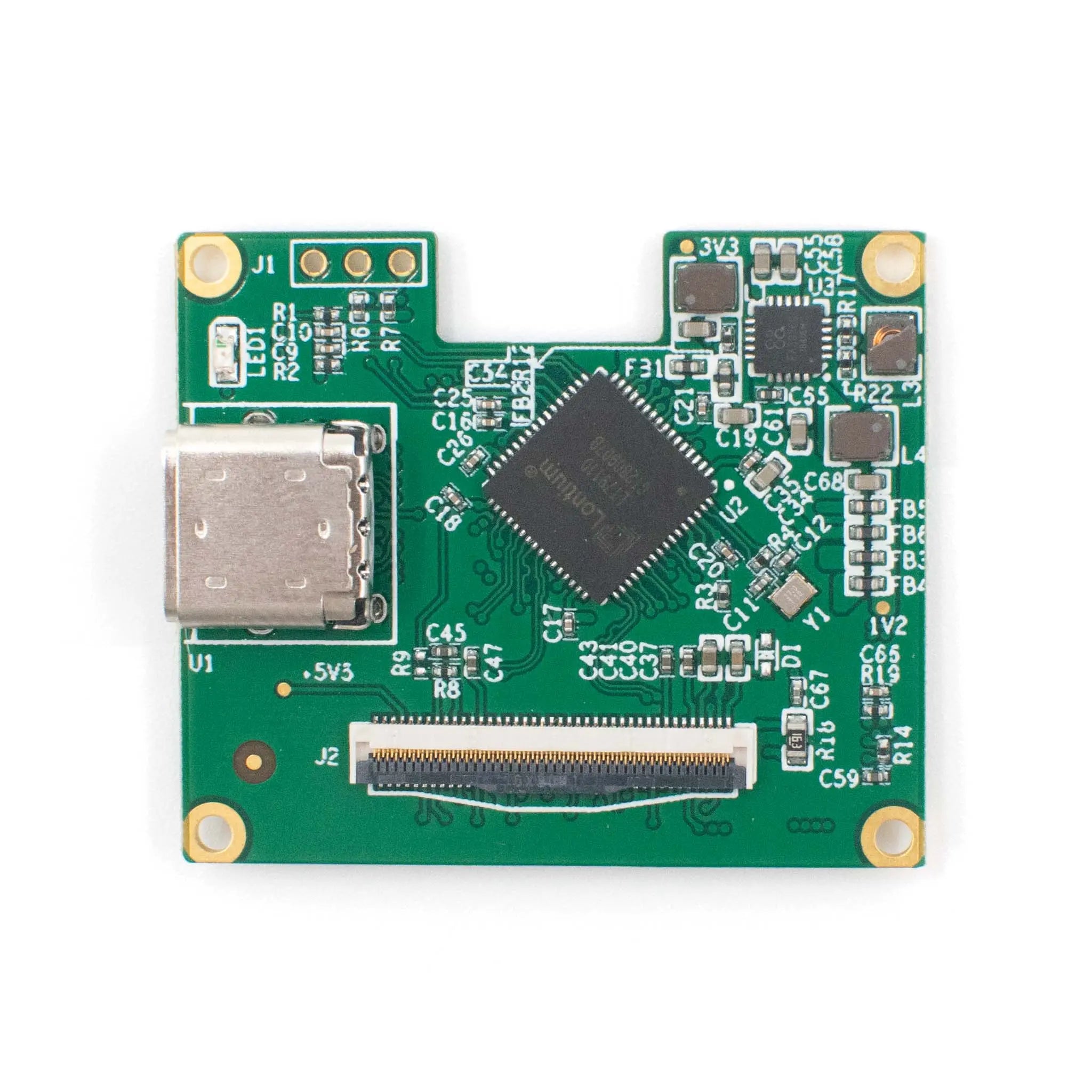
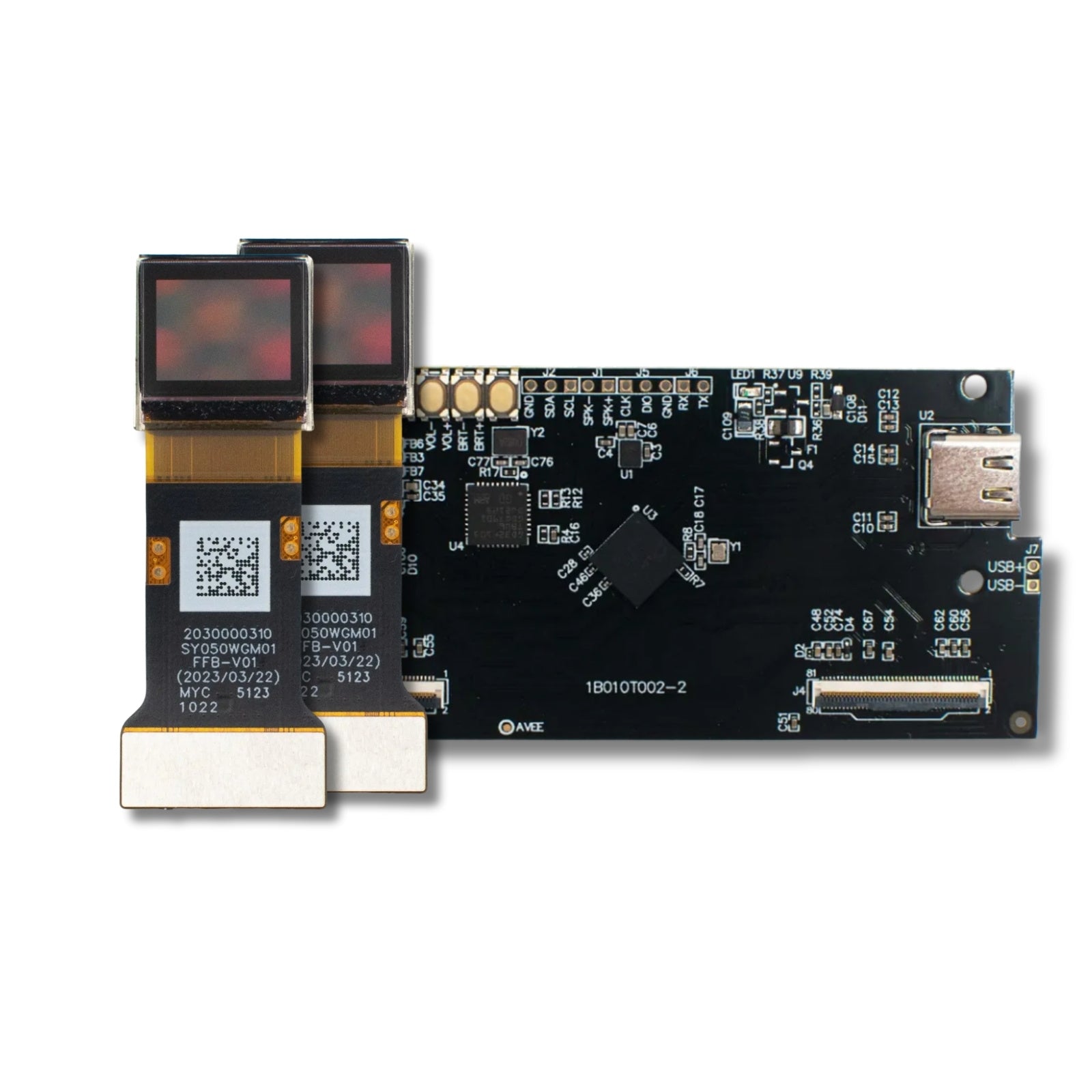
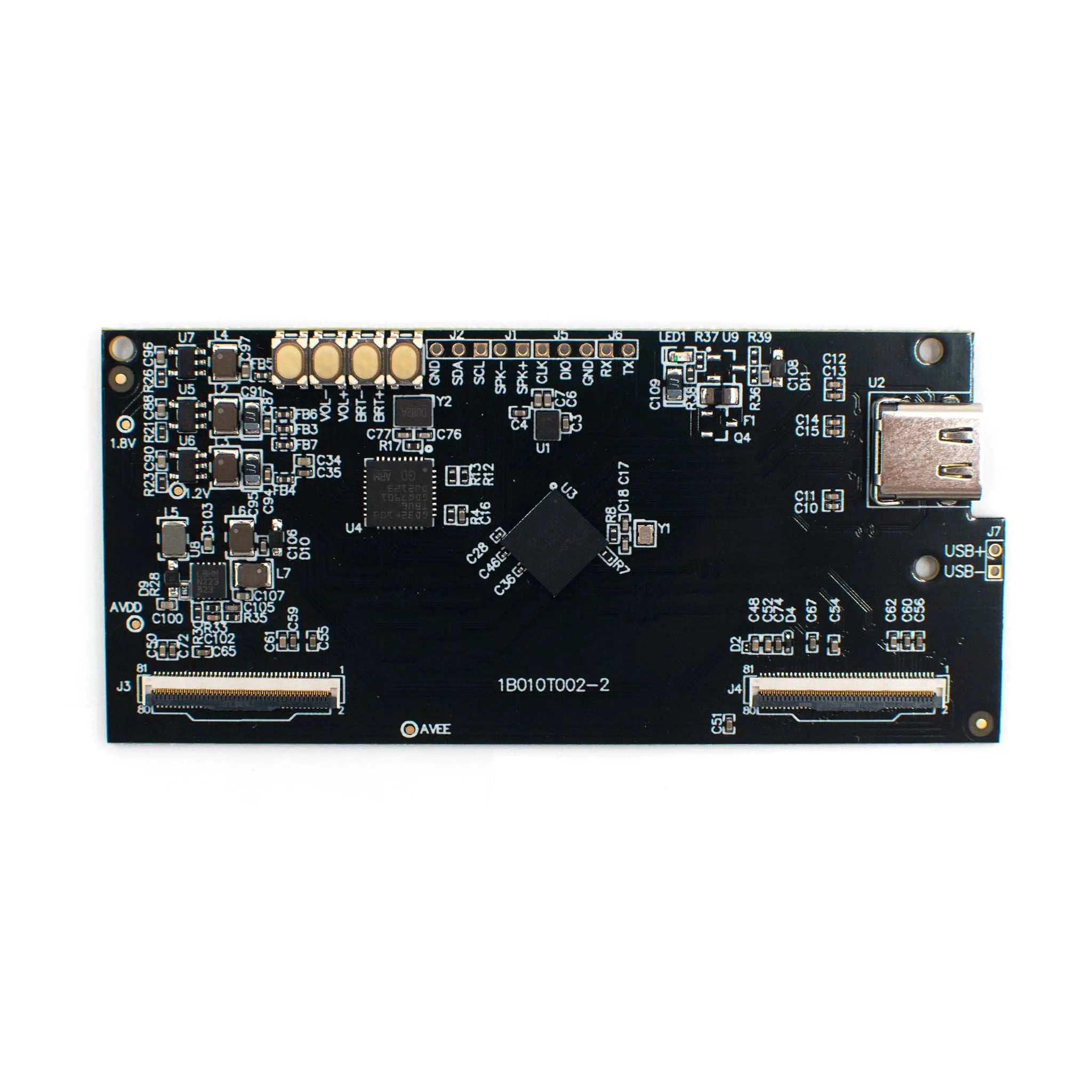
0.5 inch Micro OLEDoS display module DM-OLED050-1005 front and back view

Display Area: 10.08mm × 7.56mm

Pixel Size: 6.3μm

Frame Rate: 60-120Hz

Optical Performance Data

Approx. 4000 PPI

Pixel density is calculated from 1600 pixels across a 10.08mm active width and 1200 pixels across a 7.56mm active height. This density helps reduce visible pixel structure in magnified near-eye optical systems.

1000 cd/m² Luminance

The luminance value is specified for the display module. Final eye-side brightness depends on optical efficiency, lens or prism transmission, coating design, mechanical light leakage, and driving conditions.

100,000:1 Typical Contrast

OLED self-emissive pixels support deep black performance without LCD backlight leakage. Final perceived contrast should be validated inside the final optical engine.

90% DCI-P3 Color Gamut

The color coverage supports vivid display output. For color-critical systems, gamma settings, white point, calibration, and the final optical stack should be validated together.

Product Specifications

Parameter Specification Engineering Note
Display Type Micro-OLED / OLEDoS Active-matrix color OLED panel module built on a single-crystal silicon transistor backplane.
Display Size 0.5 inch diagonal Compact size for near-eye display modules, electronic viewfinders, and head-mounted display evaluation.
Resolution 1600(H) × 1200(V) Real RGB resolution for detailed symbols, UI, viewfinder previews, and optical engine testing.
Number of Dots 5.76M (1600 × 1200 × 3) RGB dot count from the official module specification.
Usable Display Area 10.08mm × 7.56mm Defines optical magnification, field of view, and mechanical alignment requirements.
Pixel Size 6.3μm × 6.3μm Small pixel pitch supports high pixel density in magnified optical systems.
Pixel Density Approx. 4000 PPI Calculated from active display area and resolution; use for optical evaluation only.
Luminance 1000 cd/m² Display-side luminance; final eye-side brightness depends on optical transmission efficiency.
Contrast Ratio 100,000:1 typical OLED self-emission supports deep-black image areas without a backlight unit.
Uniformity >85% Uniformity condition should follow the datasheet measurement method.
Color Gamut 90% DCI-P3 Final color accuracy depends on calibration, gamma settings, and optical stack design.
Gray Levels 256 or 1024 Supports different color-depth operating modes depending on driving configuration.
Frame Rate 60Hz to 120Hz Host controller timing, thermal behavior, and power margin should be verified at 120Hz.
Interface MIPI + I2C MIPI is used for display data; I2C is used for command and register configuration.
MIPI Physical Layer MIPI D-PHY v1.1, 1 port, 4 lanes, 1.0Gbps/lane Host platform should be checked for lane count, video timing, and initialization sequence.
MIPI DSI Mode MIPI DSI v1.02 r11 video mode Use the official initialization sequence and timing requirements during controller bring-up.
Compression VESA-DSC v1.1 decoder, 3:1 and 3.75:1 ratios Compression mode, bandwidth margin, and visual quality should be tested on the target SoC.
Scaling x1.33 and x2 supported Supports 1200×900 to 1600×1200 and 800×600 to 1600×1200 scaling modes.
Power Consumption 500mW typical Specified condition should be verified against actual brightness, frame rate, and image content.
Operating Temperature -20°C to +70°C System-level operation should be validated under the final enclosure and thermal design.
Storage Temperature -40°C to +80°C Relevant for warehousing, logistics, and non-operating device storage.
Weight TBD The preliminary datasheet lists weight as TBD; avoid publishing a fixed weight unless confirmed.

Interface, Compression & Driving Architecture

MIPI DSI Video Input

The module uses MIPI DSI video mode with MIPI D-PHY v1.1. The 1-port, 4-lane configuration at 1.0Gbps per lane should be matched with the final host controller and routing design.

VESA-DSC v1.1 Decoder

The in-chip DSC decoder supports 3:1 and 3.75:1 compression ratios. Compression mode, output timing, and image quality should be validated on the target controller platform.

I2C Register Control

I2C is used for command and register configuration. Brightness adjustment, scan direction selection, scaling mode, temperature compensation, and initialization should follow the official datasheet.

Electrical & Optical Design Checklist

Power & Thermal Margin

The 500mW value is a typical specification. Validate temperature rise, enclosure heat dissipation, brightness setting, frame rate, and full-white operating condition in the final device.

MIPI Signal Integrity

Route MIPI differential pairs with controlled impedance, matched length, short stubs, clean reference ground, and stable connector contact. Avoid routing high-speed lines near noisy power areas.

Optical Alignment

Check active area position, optical center, display tilt, FPC exit direction, lens distance, display orientation, and mechanical tolerance before tooling.

Reliability Review

Check initialization stability, brightness uniformity, image retention risk, temperature exposure, humidity exposure, vibration, storage condition, and long-run operating behavior.

Application Fit by System Type

Head-Mounted Displays

The 0.5-inch active display size, high pixel density, and 60Hz to 120Hz frame rate support compact near-eye display and head-mounted display evaluation.

Electronic Viewfinders

The 1600×1200 resolution, 100,000:1 typical contrast ratio, and 90% DCI-P3 color gamut make the module suitable for EVF and compact optical viewer development.

Medical Visualization Evaluation

The module can be considered for medical visualization equipment evaluation where compact size, high contrast, and high resolution are required. Final medical-device use should be validated at the complete system level.

Industrial Optical Equipment

The module can be evaluated for handheld inspection tools, compact measurement instruments, microscope display systems, and other optical products requiring a small high-resolution display.

Technical FAQ

What is the pixel density of this 0.5-inch Micro OLEDoS display?

The calculated pixel density is approximately 4000 PPI, based on 1600 pixels across a 10.08mm active width and 1200 pixels across a 7.56mm active height.

Does this display support 120Hz operation?

Yes. The specified frame rate range is 60Hz to 120Hz. For 120Hz operation, validate MIPI timing, DSC configuration, power design, and thermal behavior on the target controller.

Which interface does this module use?

The module uses MIPI for display data and I2C for control. The MIPI physical layer is specified as MIPI D-PHY v1.1, 1 port, 4 lanes, and 1.0Gbps per lane.

Can this module be used directly in medical equipment?

The display can be evaluated for medical visualization equipment, but final use depends on the complete device design, optical system, regulatory requirements, reliability tests, and system-level validation.

Downloads, Product Page & Engineering Support

Use the datasheet for electrical characteristics, interface information, optical specifications, and integration checks. For custom integration, initialization guidance, or project-specific questions, contact the DisplayModule team before production release.

$299.00

Screen Only Price

5%-20%

Volume Discount Tiers

3 Weeks

Factory Bulk Lead Time