

Passer au contenu

Panier

Votre panier est vide

Explorer nos produits

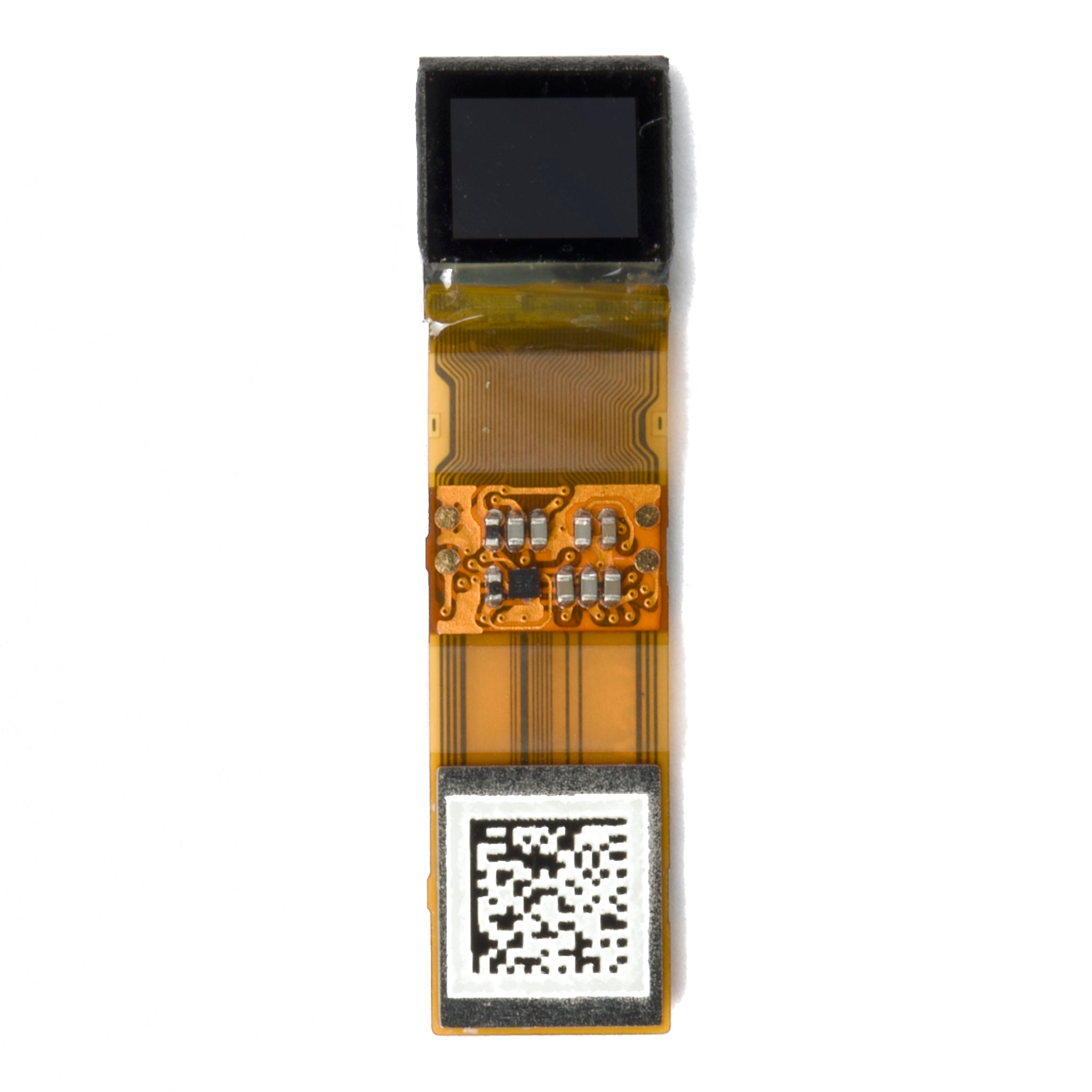
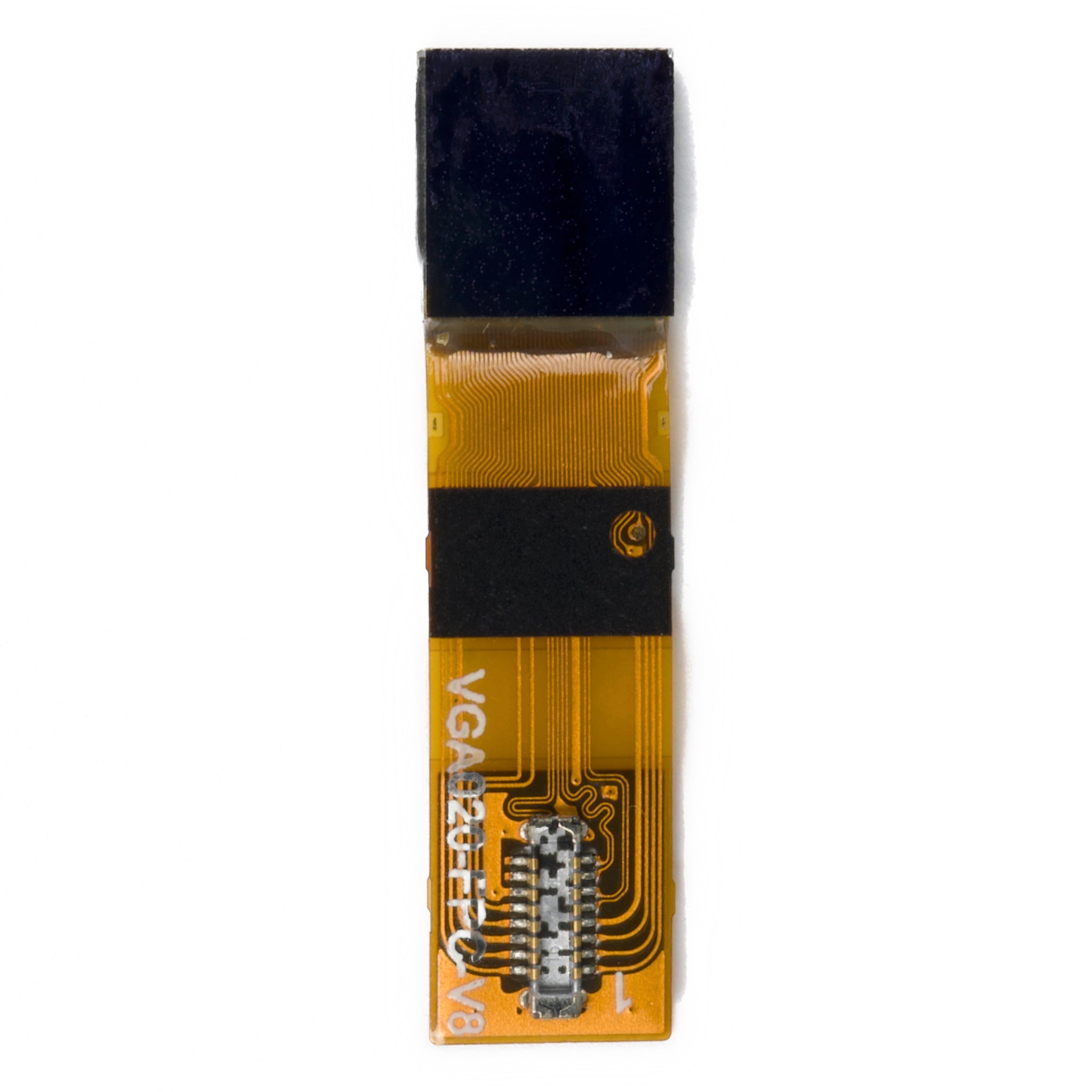
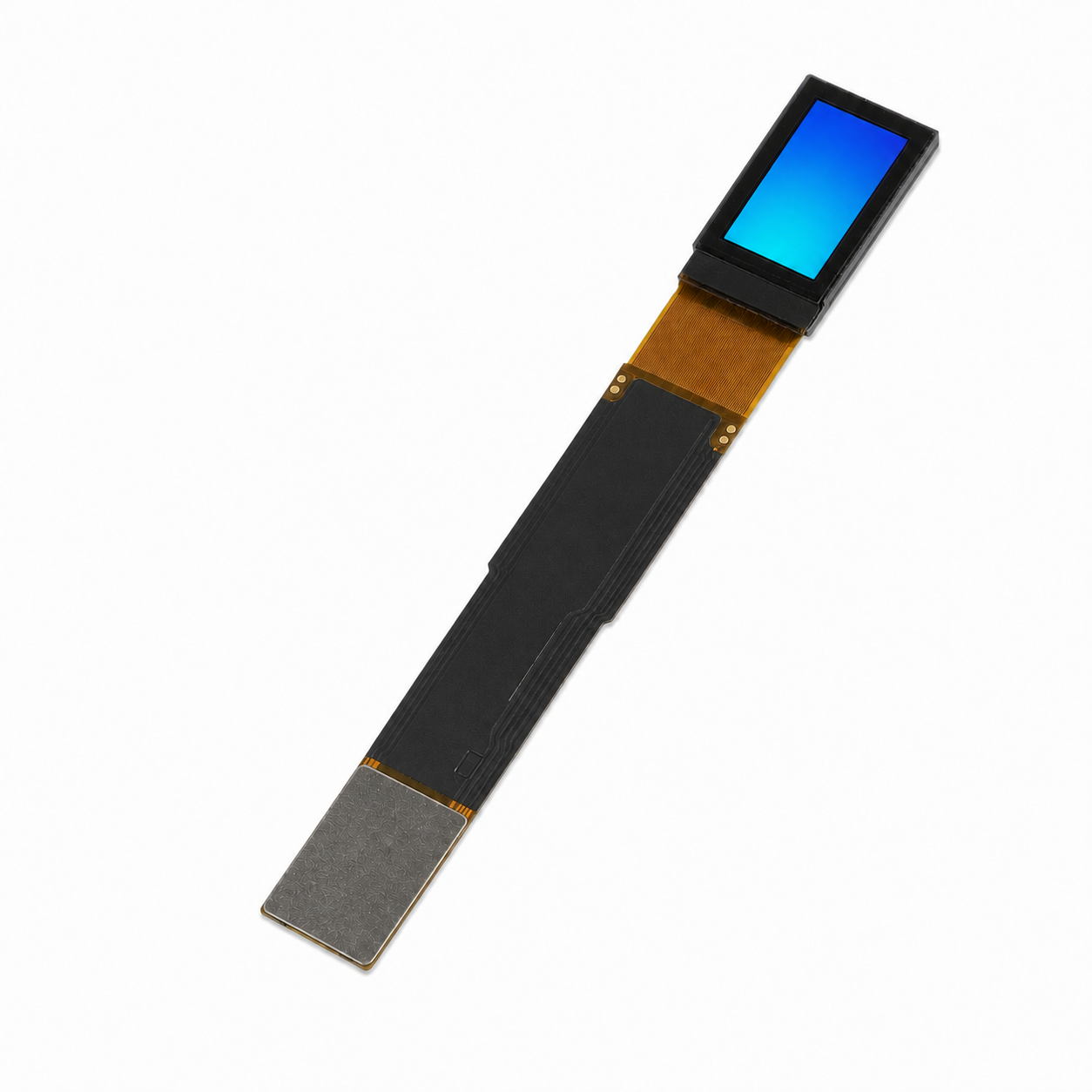
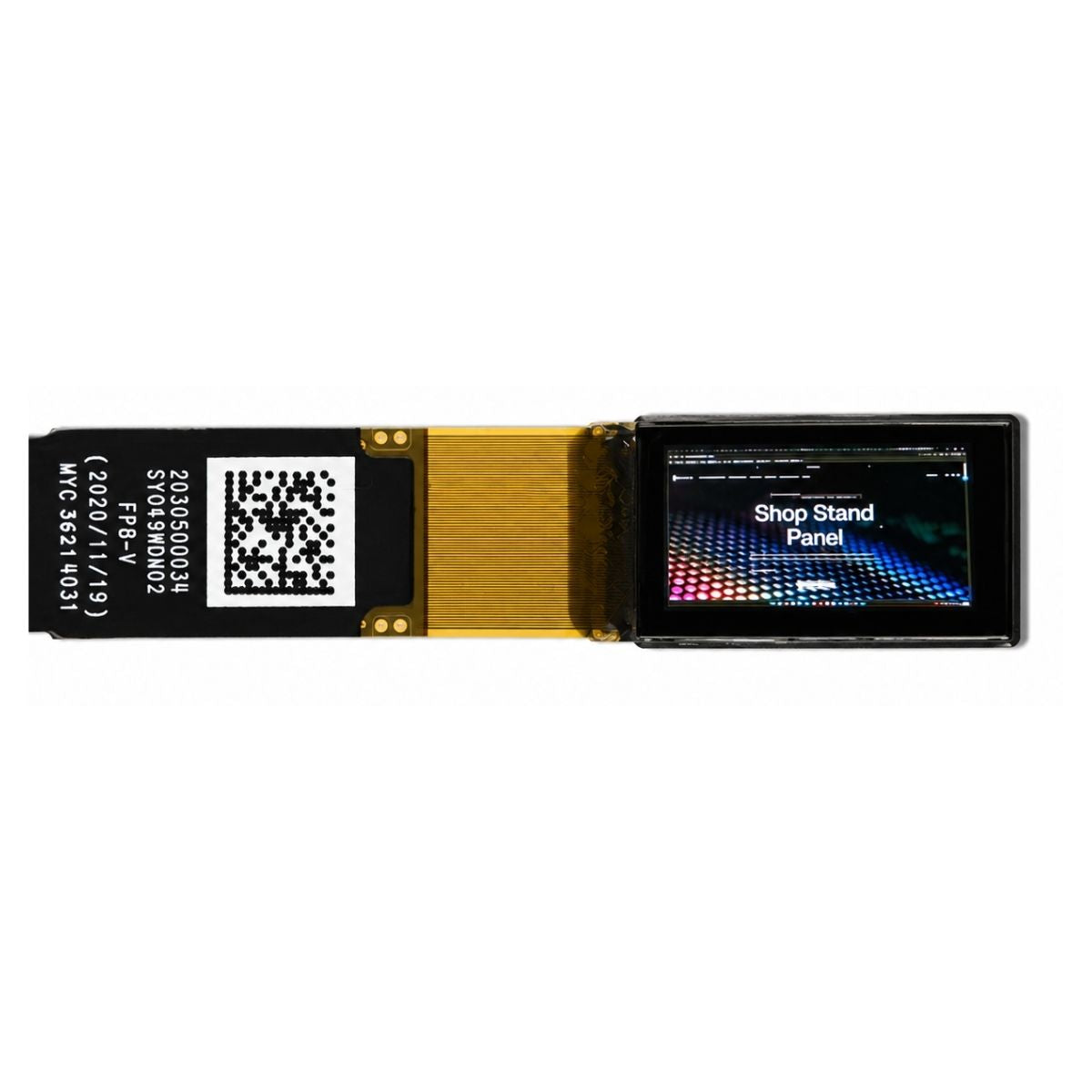
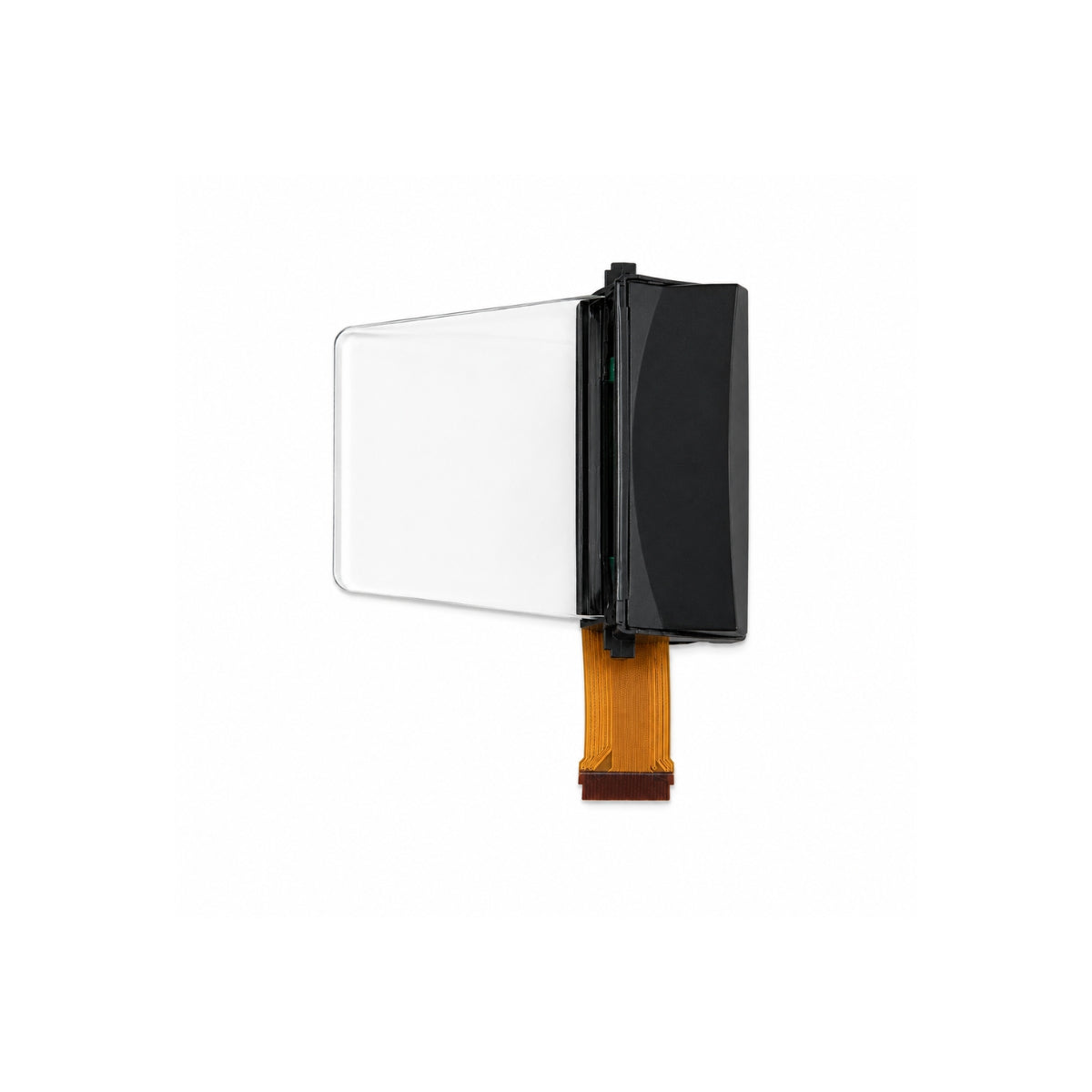
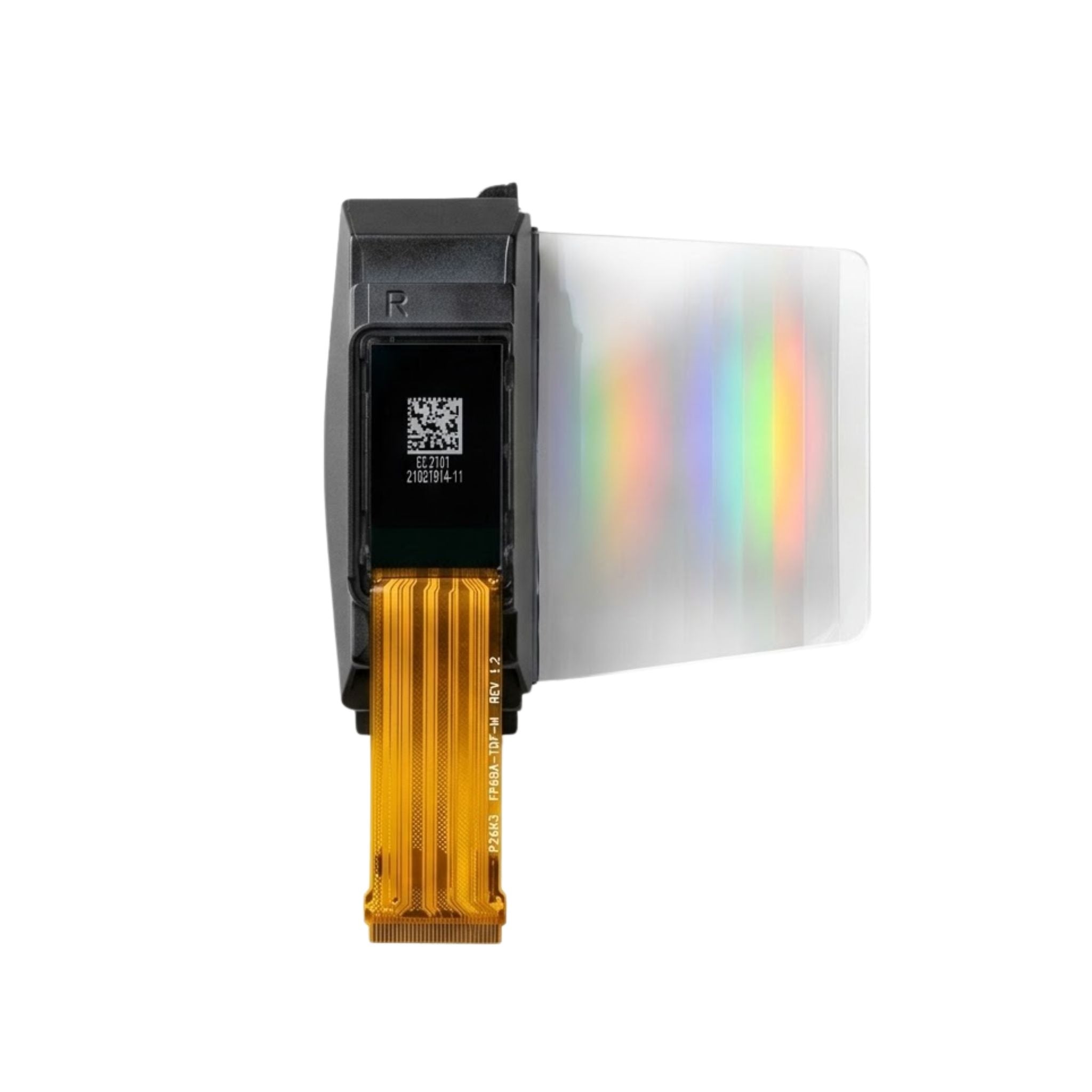
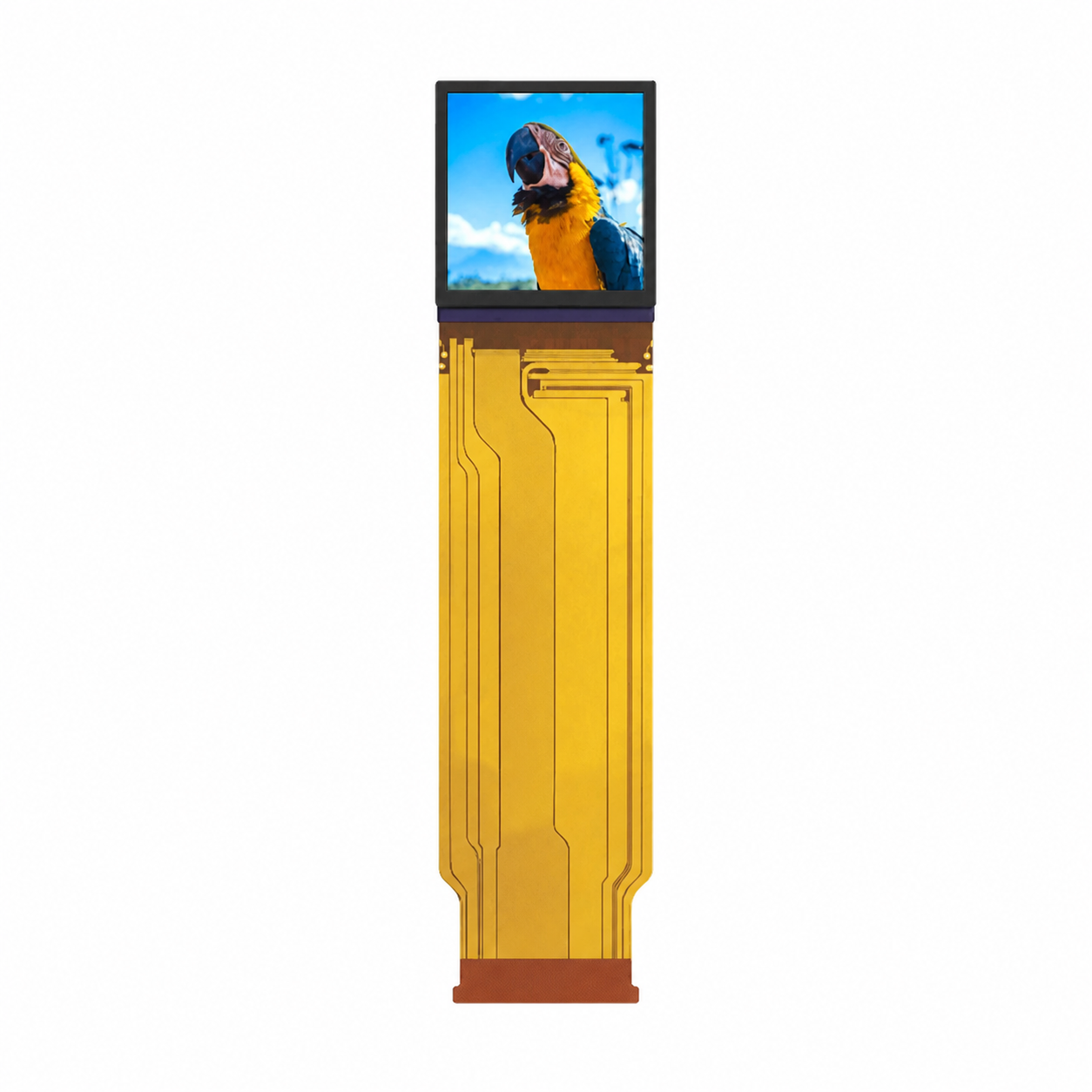
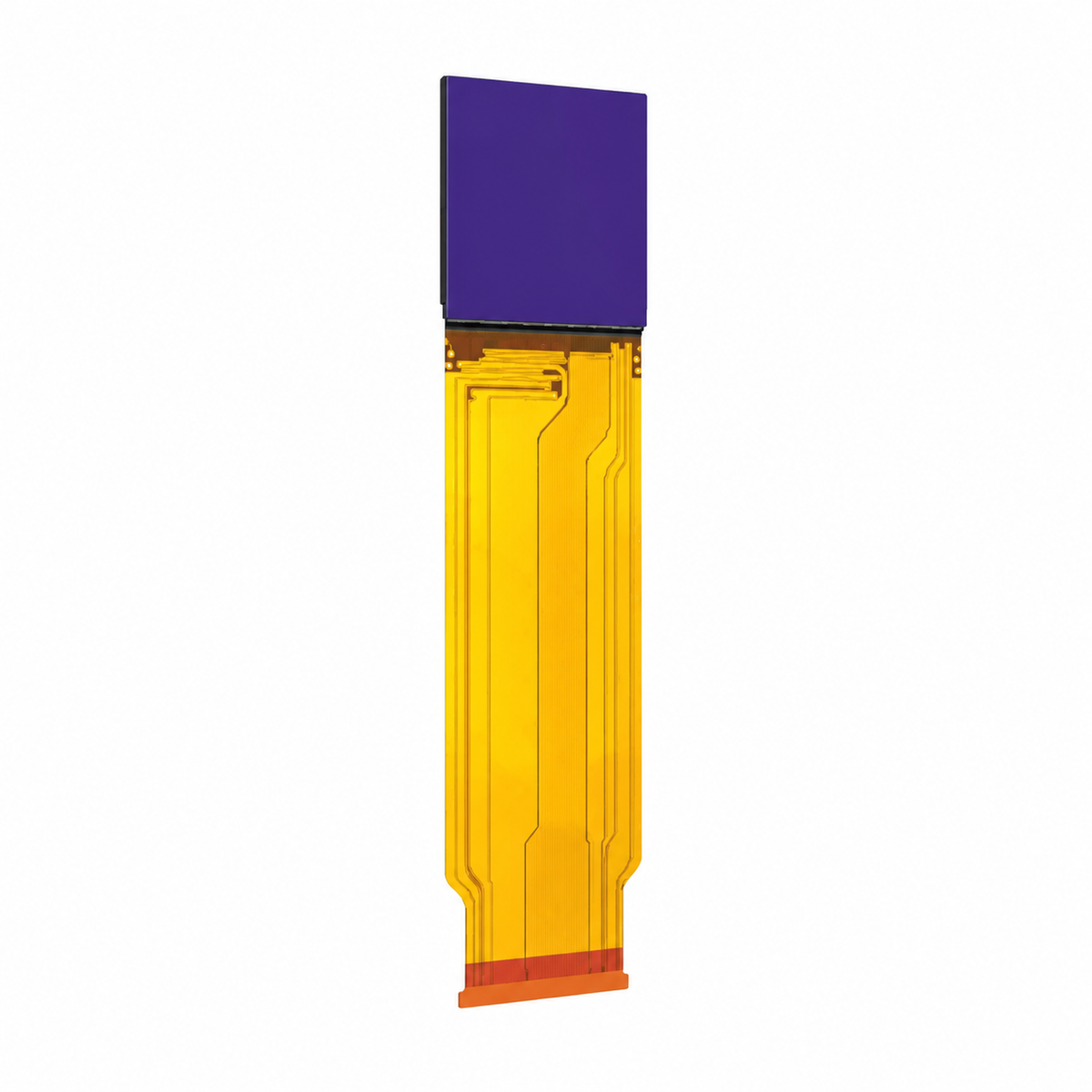
1.03" Micro OLEDoS Display 2560×2560 90Hz 1800nits - MIPI

SKU: DM-OLED13-688
Prix de vente$399.00
  • 💹 Enjoy a 20% discount for orders over 500
  • 📉 A 15% discount is available for orders ranging from 200 to 499
  • 🎁 A 10% discount is available for orders ranging from 50 to 199
  • 🎁 A 5% discount is available when ordering 10-49

Interested in customizing this product? Get in touch with us.

Order samples, immediate delivery.

Factory bulk lead time: 3 weeks.

Type: Panel

Partager
1.03-inch Micro OLEDoS Display with 2560x2560 resolution, 90Hz refresh rate, and 1800nits brightness
1.03" Micro OLEDoS Display 2560×2560 90Hz 1800nits - MIPIPanel Prix de vente$399.00

1.03" Micro OLEDoS Display 2560×2560 90Hz - MIPI

High-performance single-crystal silicon transistor Micro OLED technology. Integrates panel and logic drivers for minimum footprint. Engineered for VR/AR hardware, medical imaging, and precision industrial equipment requiring ultra-high pixel density.

19.66M

Total Dots (Sub-pixels)

1800 cd/m²

Peak Luminance

500,000:1

Contrast Ratio

1.03 inch Micro OLEDoS module physical dimension diagram

Technical Specifications

Parameter Specification
Display Size & Technology 1.03 inch diagonal | Micro OLEDoS
Resolution 2560(H) × 2560(V)
Active Area 18.432mm × 18.432mm
Pixel Pitch & Depth 7.2μm × 7.2μm | 16.7M Colors (256 Gray Levels)
Interface MIPI DSI v1.01 (1 or 2-port D-PHY v1.2)
Refresh Rate 60Hz - 90Hz
Power Consumption 1600mW (Measured at 1800nits, 100% white)
Operating Temperature -20℃ to +70℃
Storage Temperature -40℃ to +80℃

Advanced Electro-Optical Architecture

Ultra-High Pixel Density

7.2μm pixel pitch eliminates the screen-door effect in near-eye optics, yielding 19.66 million dots for absolute visual clarity.

Optimized Power Draw

High output does not compromise efficiency. Maintains a maximum power footprint of just 1600mW even at 1800nits luminance.

MIPI D-PHY Integration

Supports high-speed serial data transmission via MIPI DSI v1.01 with 1 or 2-port D-PHY v1.2, ensuring stable 90Hz refresh rates.


Target Industry Applications

VR & AR Wearables

2560x2560 resolution and 90Hz refresh rate deliver immersive fidelity with ultra-low latency and minimal motion blur.

Medical Imaging

500,000:1 contrast ratio provides precise surgical scope and endoscopic viewing, highlighting critical tissue details.

Industrial Viewfinders

Rugged operation across -20℃ to +70℃. Reliable performance for metrology and measurement equipment.


Enterprise Assurance

We partner with global OEMs, providing standardized integration support and guaranteed manufacturing quality.

  • 1-Year Comprehensive Warranty
  • ISO Certified Production Lines
  • Dedicated FAE Engineering Support
  • Volume Pricing & Custom ODM/OEM

Technical Resources

Hardware integrators can download full electrical schematics, pinout definitions, power management notes, and CAD files.

Product FAQs

Key technical and purchasing guidance for product evaluation, integration planning, samples, and volume orders.

Need more help? Contact our technical team.

Can Toshiba TC358746AXBG or TC358748XBG drive DM-OLED13-688?

The Toshiba TC358746AXBG or TC358748XBG is not recommended for driving DM-OLED13-688 because its 100 MHz output-clock limit does not meet the display requirement. Select a bridge or driver board that supports the required interface, clock, timing, and initialization.

Can two DM-OLED13-688 displays connect to the adapter?

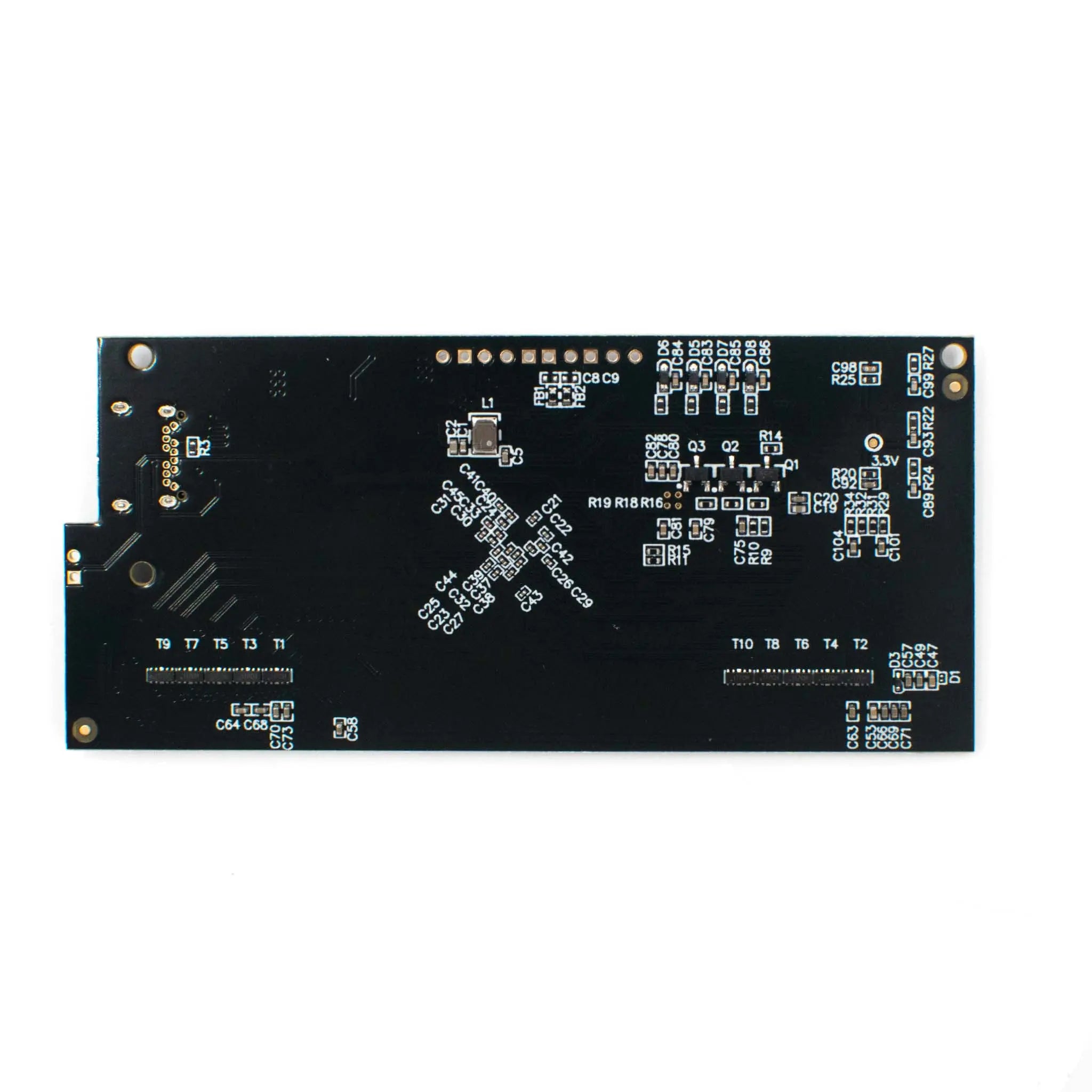
Yes. DisplayModule offers a dual-display driver board that can operate two DM-OLED13-688 panels. Confirm whether the application requires duplicated images or separate left and right content before selecting the board.

Where can I obtain the datasheet for the 1.03 inch Micro OLEDoS Display DM-OLED13-688, including connector pinout?

The datasheet and connector pinout are available in “DM-OLED13-688datasheet.pdf” on the product page. Contact DisplayModule if you need the latest revision or an additional mechanical file.

When DM-OLED13-688 receives a pure RGB image, are only the corresponding color subpixels activated?

Yes. To display a pure RGB pattern, send the corresponding pure-color image data to the display; no additional color-selection operation is required on the driver board. Confirm the pixel format and signal path if the measured output differs from the expected color.

Resources & Downloads