

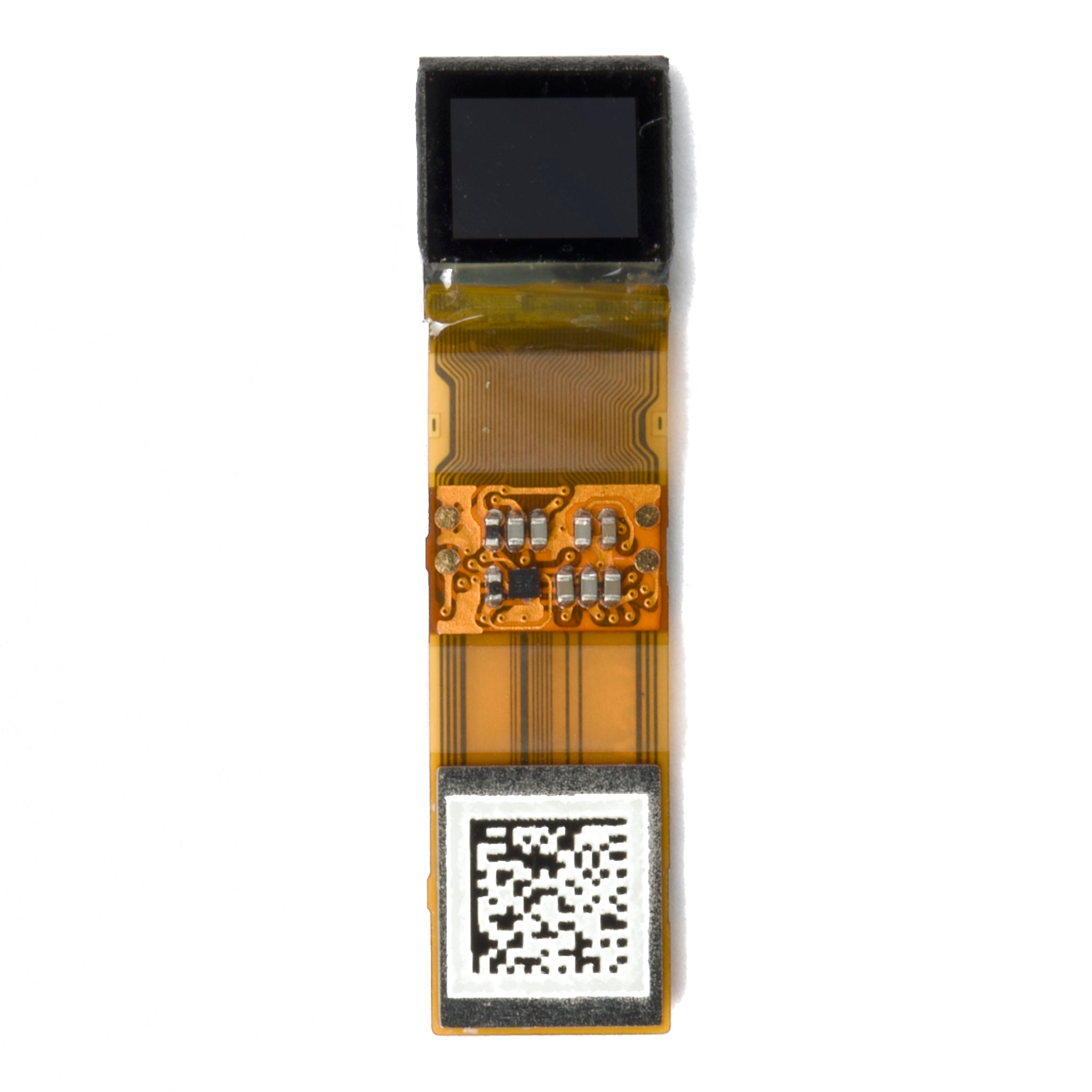
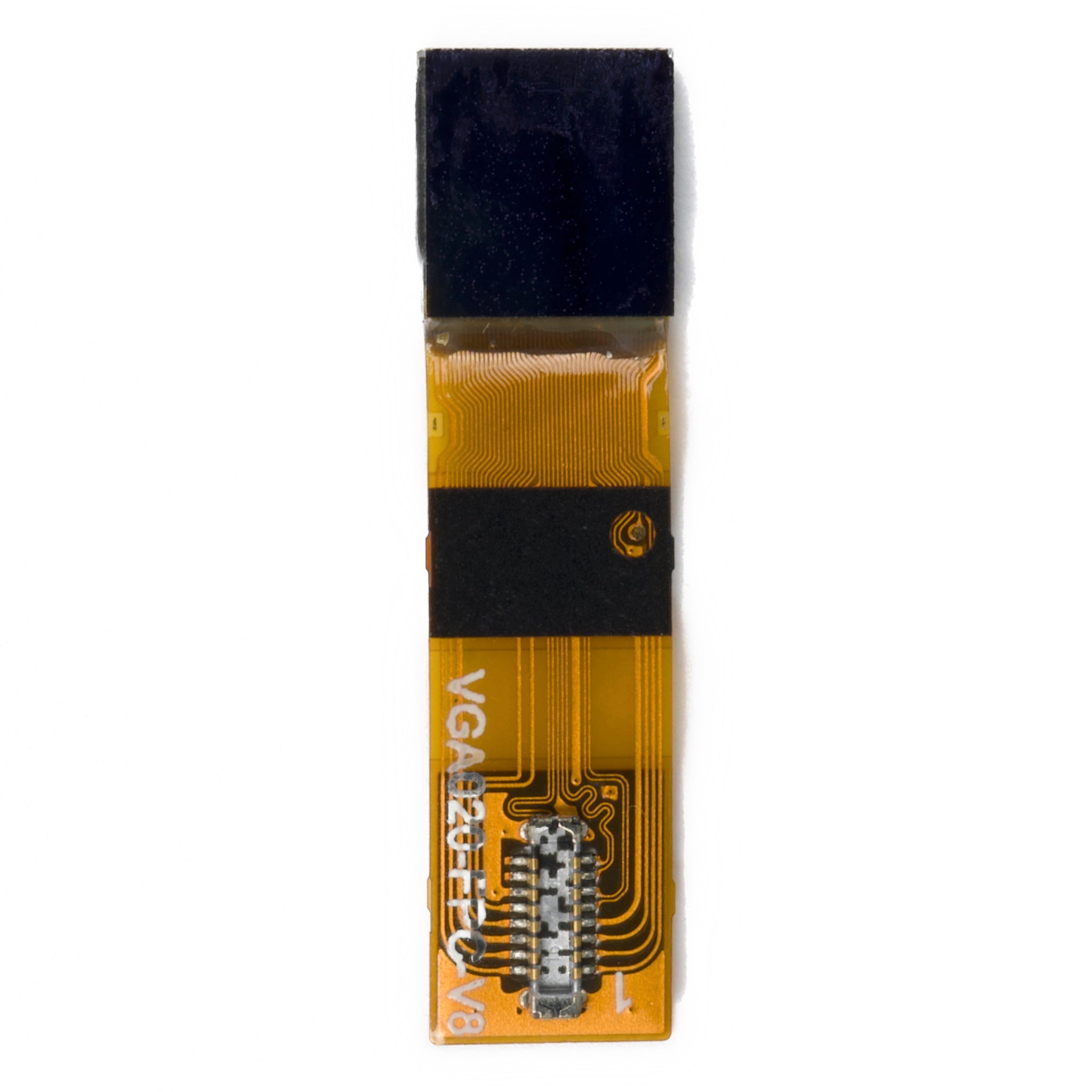
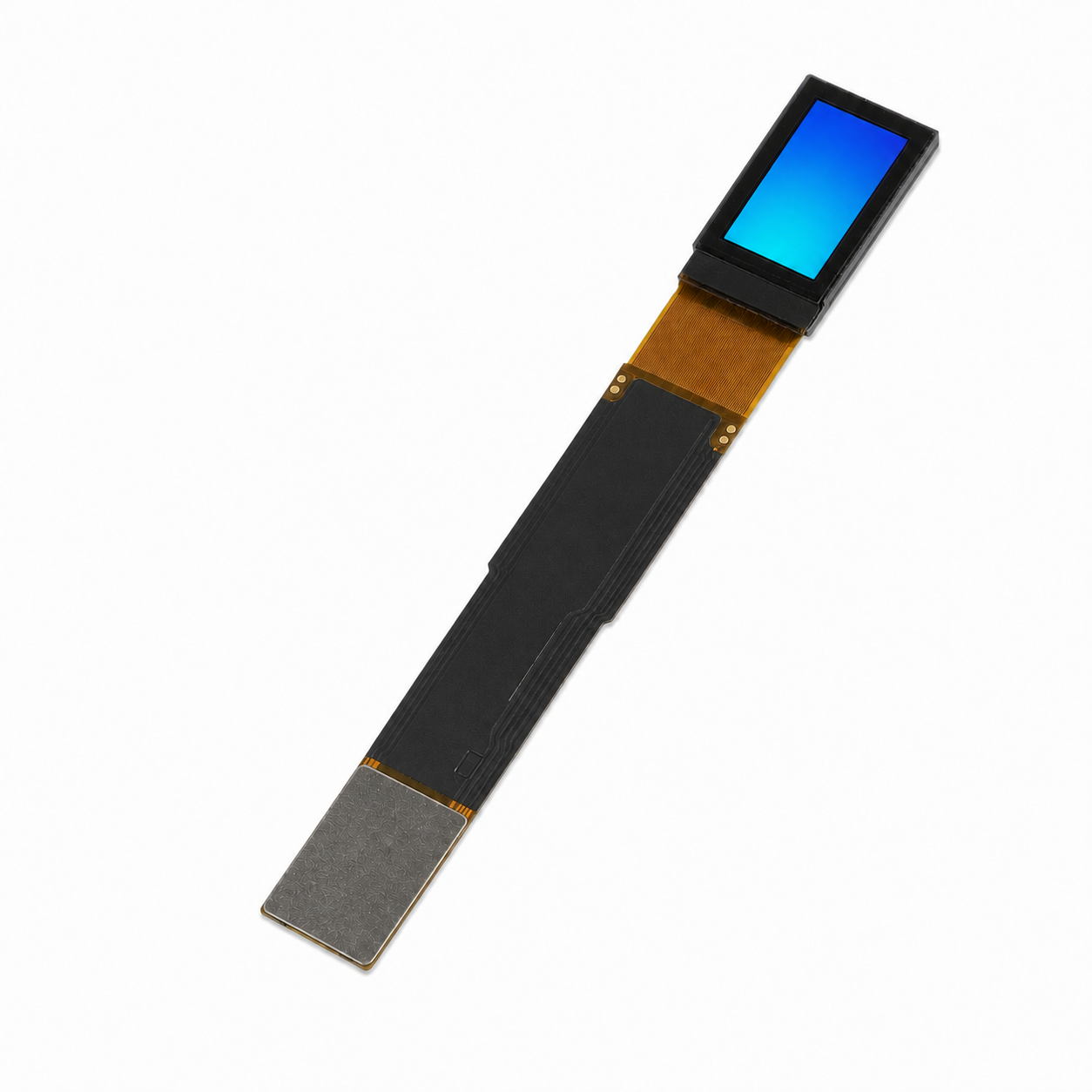
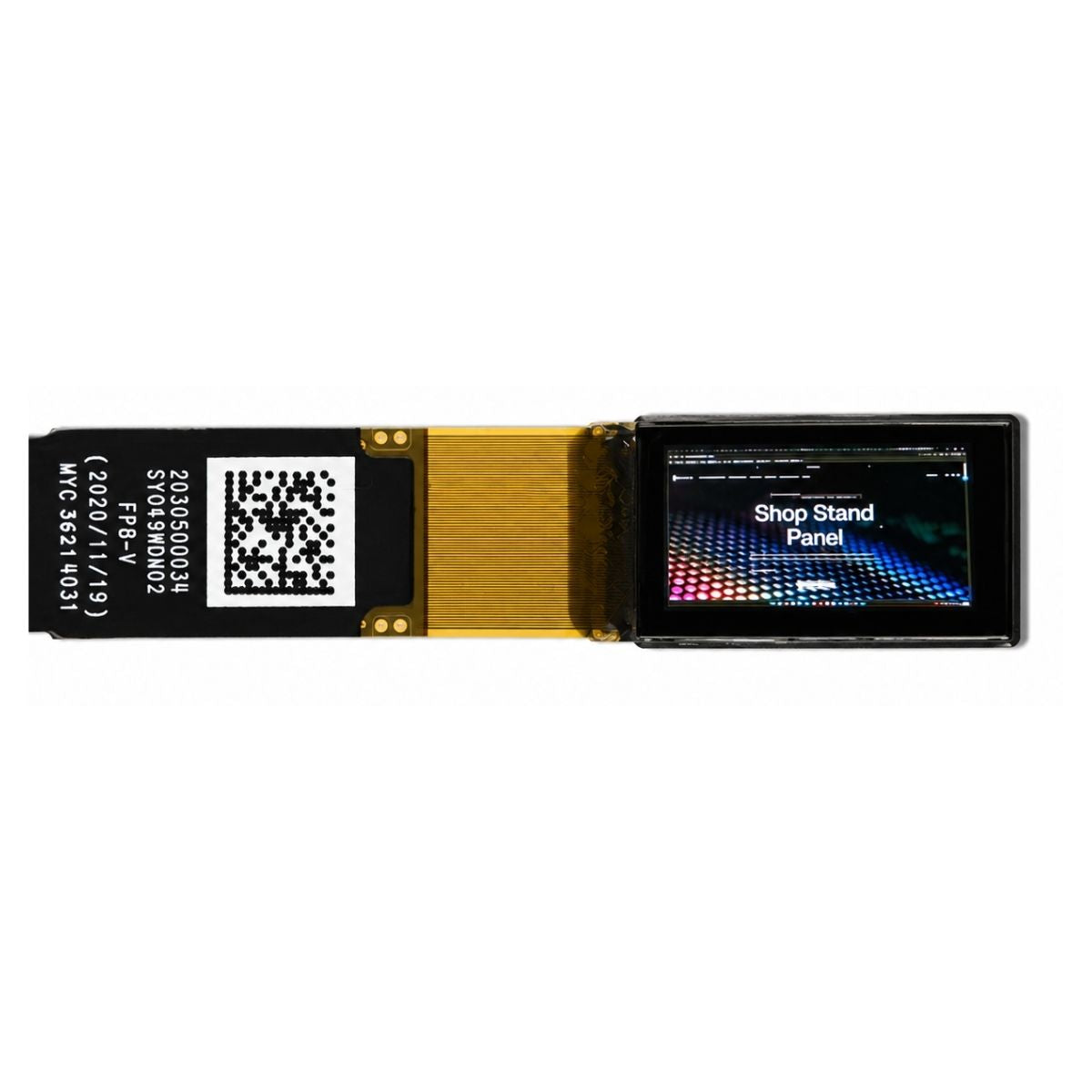
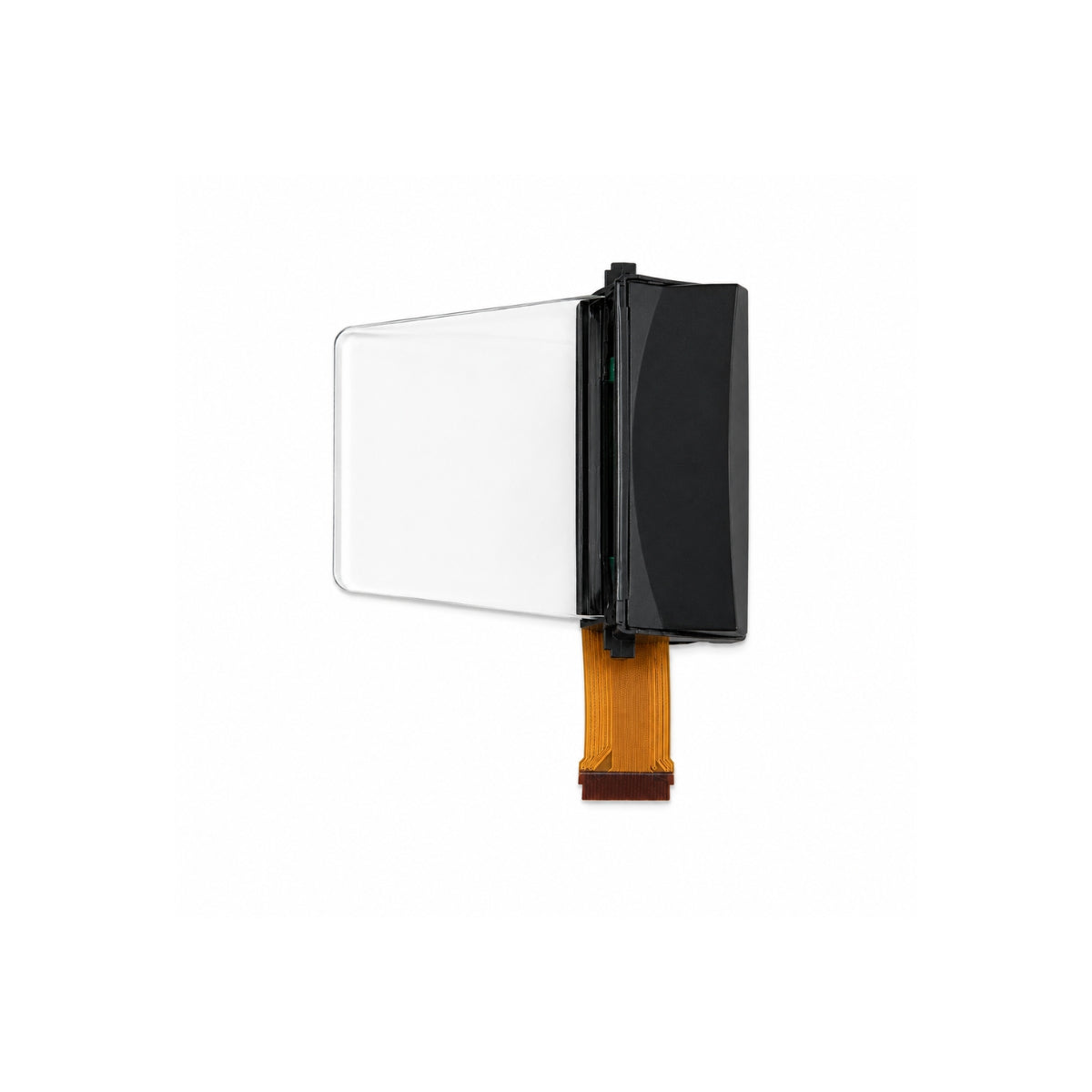
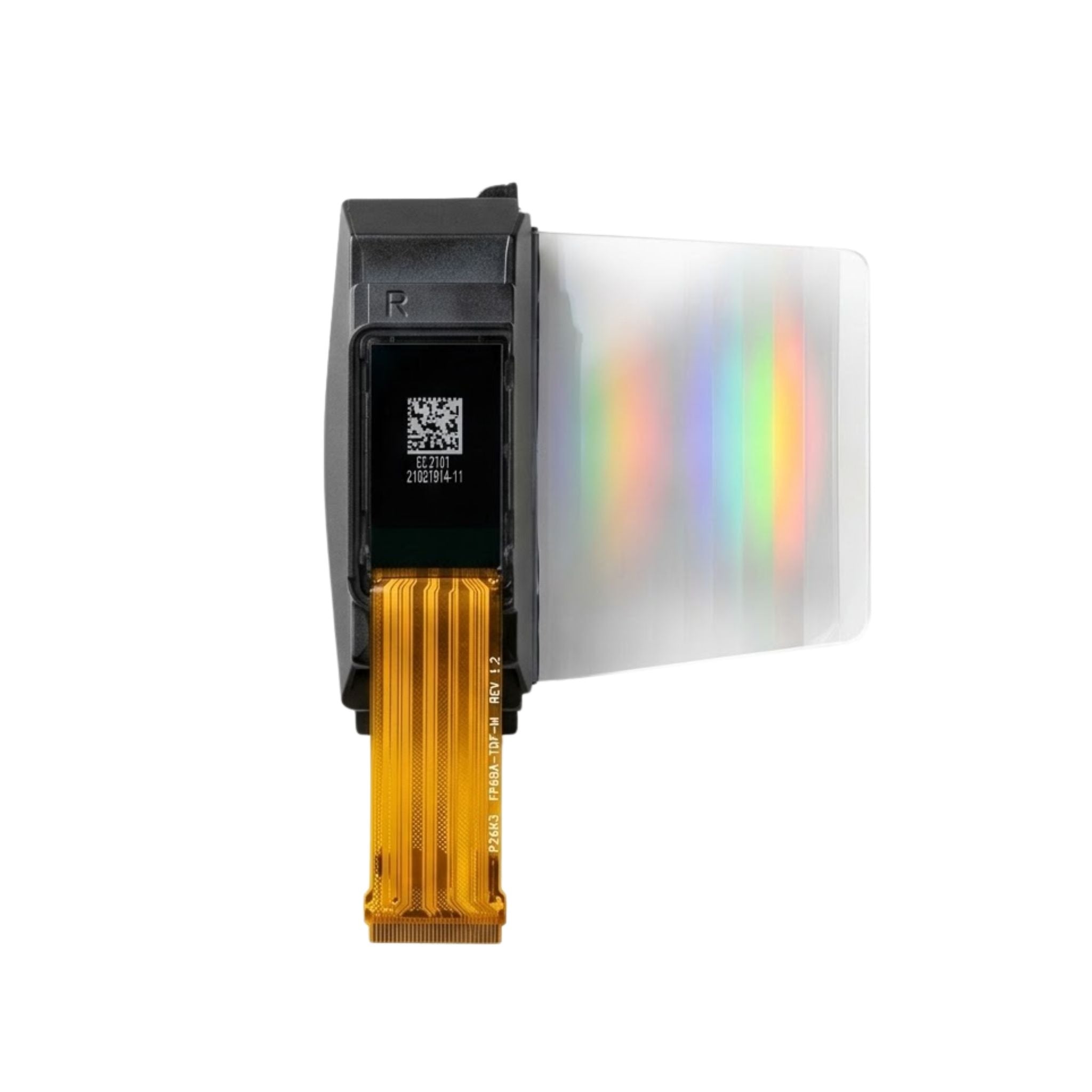


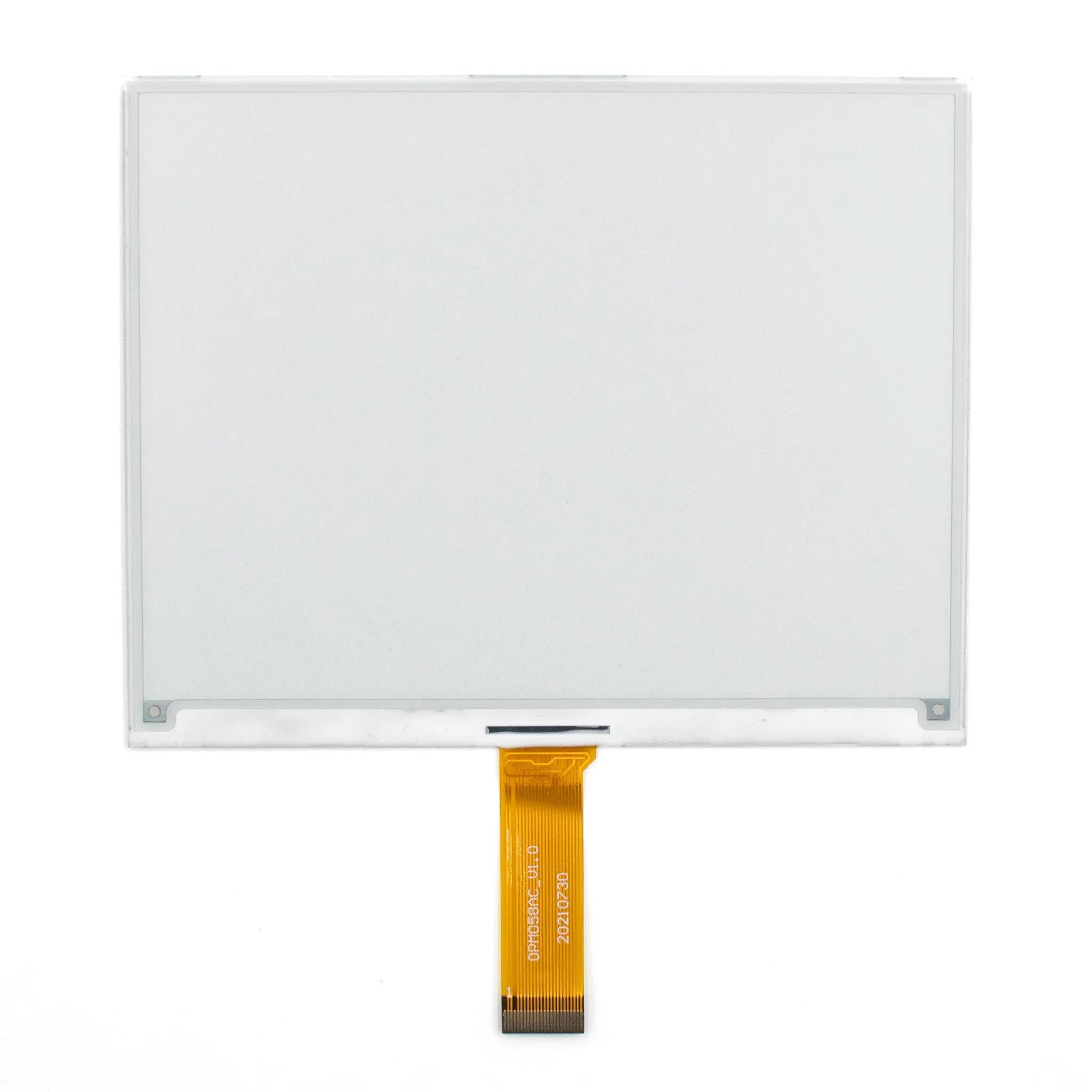
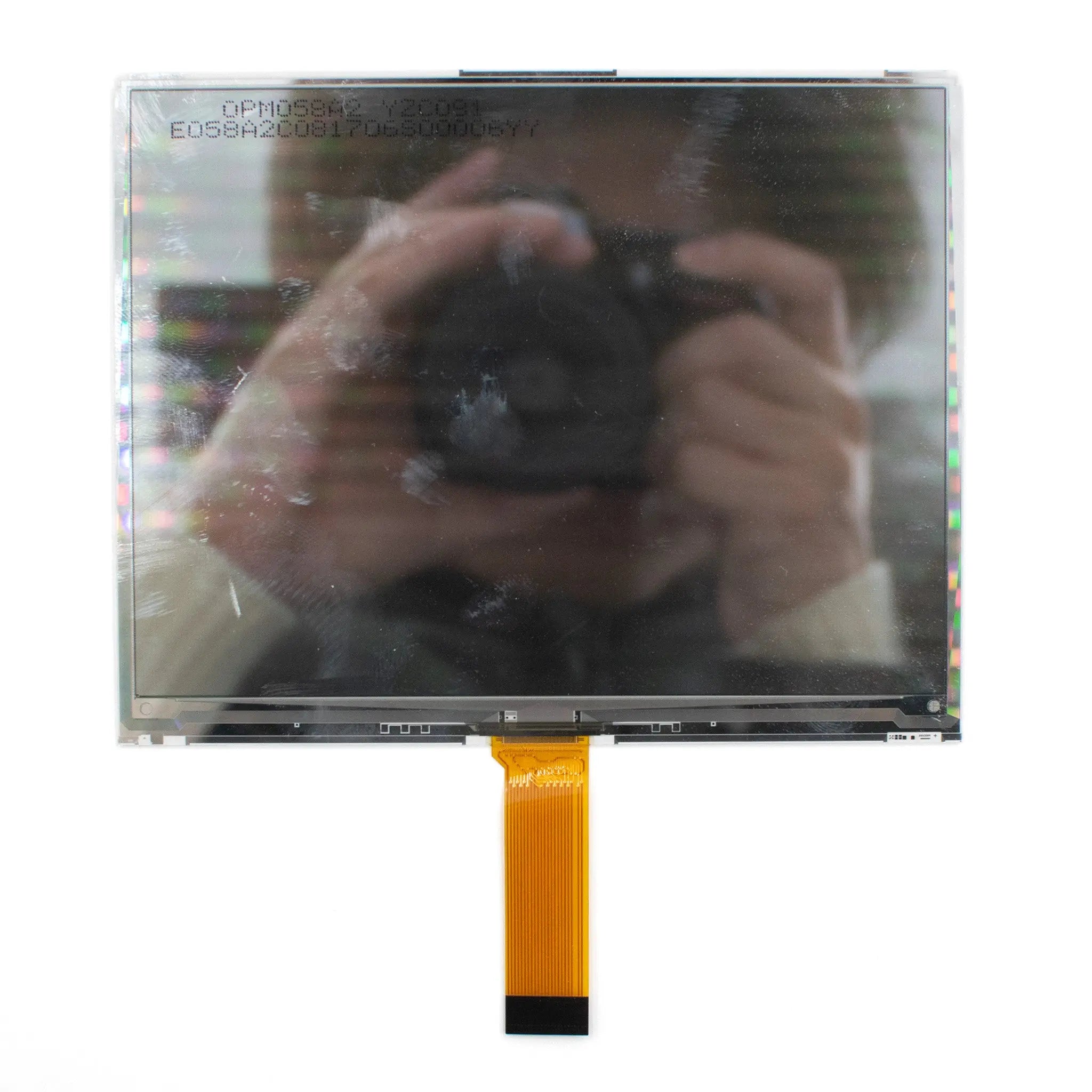
5.83" ePaper 648x480 - IIC/SPI
- 💹 Enjoy a 20% discount for orders over 500
- 📉 A 15% discount is available for orders ranging from 200 to 499
- 🎁 A 10% discount is available for orders ranging from 50 to 199
- 🎁 A 5% discount is available when ordering 10-49
Interested in customizing this product? Get in touch with us.
Order samples, immediate delivery.
Factory bulk lead time: 3 weeks.
5.83" ePaper 648x480 - IIC/SPI
- 💹 Enjoy a 20% discount for orders over 500
- 📉 A 15% discount is available for orders ranging from 200 to 499
- 🎁 A 10% discount is available for orders ranging from 50 to 199
- 🎁 A 5% discount is available when ordering 10-49
Resources & Downloads
DMAYE0580X6NA 5.83-inch 648×480 ePaper Display with SPI and I²C Temperature-Sensor Interface
DMAYE0580X6NA is a 5.83-inch Active Matrix Electrophoretic Display with a 648×480 pixel matrix, pure reflective operation, bi-stable display behavior, on-chip display RAM and waveform storage in OTP.
The host display interface supports 3-wire or 4-wire SPI. The separate I²C master signals are used to communicate with an external digital temperature sensor and are not an alternative host display-data interface. The datasheet identifies portable electronic devices, including electronic shelf label systems, as an application example.
Specification source: DisplayModule product specification V1.0.0, dated March 8, 2025. Use the latest datasheet revision and mechanical drawing for PCB, FPC and enclosure release.

Product Specifications
The specification table is retained for quick comparison. Detailed interface, optical and operating conditions are explained in the following sections.
DC characteristics are specified at VSS = 0 V, VDD = 3.0 V and 25°C unless another condition is stated in the official datasheet.
| Parameter | Specification |
|---|---|
| Display Type | Active Matrix Electrophoretic Display (AM EPD) |
| Screen Size | 5.83 inches |
| Resolution | 648(H) × 480(V) pixels |
| Pixel Pitch | 183.3µm(H) × 183.8µm(V) |
| Module Dimensions | 125.4mm × 99.5mm × 1.02mm |
| Weight | Approximately 26g |
| Operating Voltage | 2.4V - 3.6V (Typical 3.0V) |
| Operating Current | 10mA typical, 100mA maximum |
| Sleep Mode Current | 30µA (data retained) |
| Deep Sleep Current | 1µA (data not retained) |
Host Interface and Temperature-Sensor Connection
The module separates host display communication from external temperature-sensor communication. Confirm both functions during schematic and firmware review.
SPI Is the Host Display Interface
The display panel supports 4-wire SPI or 3-wire SPI, selected through the BS pin. Serial communication is write-only, so display data and controller status cannot be read back through the SPI interface.
The 24-pin connection also includes power, busy status, reset, temperature-sensor and panel-driving voltage pins. Follow the exact pin order in the datasheet.
4-Wire SPI
SCL operates as SCLK and SDA as SDIN. The host also uses CSB and D/C, with RSTN provided as the active-low reset input.
3-Wire SPI
The D/C pin is not used. Each transfer contains nine bits: one D/C selection bit followed by the eight-bit command or display-data byte.
I²C Temperature Signals
TSCL and TSDA form an I²C master interface used to communicate with an external digital temperature sensor.
BUSYN Status
When BUSYN is high, do not send commands. The signal can remain high during waveform output, OTP programming or communication with the digital temperature sensor.
Optical and Refresh Performance
Optical measurements are specified with illumination at 45 degrees and perpendicular detection. Refresh values apply at 25°C and require the waveform provided by OED.
Full refresh: The datasheet states that the screen flickers several times during the refresh process.
Partial refresh: The datasheet states that the screen does not flicker during the refresh process.
Power States and Data Retention
Sleep and deep-sleep modes have different RAM-retention behavior. Firmware should select the appropriate state according to whether display RAM must remain available after wake-up.
Published Power Conditions
Typical panel power is specified as 30 mW under the datasheet's two-gray-scale transition test, with 300 mW listed as the maximum.
The listed electrical and optical characteristics are guaranteed only with the controller and waveform provided by OED.
10 mA typical and 100 mA maximum at VDD = 3.0 V under the published DC test conditions.
30 µA typical with the DC/DC converter off, no clock, no output load and display RAM retained.
1 µA typical, corresponding to the specified 3 µW deep-sleep power at 3.0 V, with display RAM data not retained.
The datasheet identifies the module as a bi-stable electrophoretic display and lists ultra-low power consumption among its features.
Operating Limits and Published Reliability Conditions
Use the operating limits for product design and the warehouse recommendations for storage planning. Published reliability-test conditions do not replace validation in the final enclosure and system.
Environmental Fit
The specified operating range is 0°C to 50°C. The operating-illuminance table identifies the module for indoor use at up to 2000 lux.
Protect the unprotected panel from condensation, moisture, prolonged sunlight or fluorescent-light exposure, high humidity and mechanical pressure.
Engineering Review Before Sample Approval
Review these items before releasing the PCB, FPC connection, enclosure or firmware for the selected display module.
Use the Complete Datasheet
The module requires panel-driving voltage, capacitor and reference peripheral-circuit connections that cannot be determined from the product summary alone.
The certification table in the current datasheet shows RoHS as checked. CE, FCC and Other are shown as not checked.
Interface mode: Select 3-wire or 4-wire SPI through the BS pin and match the firmware transfer format.
Pin assignment: Verify the complete 24-pin order, NC handling, power pins, BUSYN, reset and panel-driving connections.
Reference circuit: Follow the specified capacitors, diodes, resistors, NMOS and 47 µH inductor requirements in the official document.
Waveform control: Use the OED-provided waveform and validate full and partial refresh at the intended operating temperature.
Power state: Confirm whether RAM retention is required before choosing sleep or deep-sleep operation.
Mechanical release: Check the panel outline, active area, FPC location, contact detail and tolerance notes against the final enclosure.
Common Questions Before Ordering
These answers summarize the published specification without replacing project-level sample evaluation.
Does the module support an I²C host display interface?
No. The display-panel host interface supports 3-wire or 4-wire SPI. TSCL and TSDA provide an I²C master connection for an external digital temperature sensor.
Can display data be read back over SPI?
No. The datasheet specifies write-only operation under both 3-wire and 4-wire serial modes.
What is the difference between sleep and deep sleep?
Sleep mode is specified at 30 µA with RAM data retained. Deep sleep is specified at 1 µA, corresponding to 3 µW at 3.0 V, with RAM data not retained.
What refresh time should be used for system planning?
At 25°C with the OED waveform, full refresh is specified at 500 ms minimum and 750 ms typical. Partial refresh is specified at 250 ms typical.
Is this module specified for outdoor use?
The operating-illuminance table identifies the module for indoor use at up to 2000 lux. Outdoor operating conditions are not specified in the supplied datasheet.
Is a touch panel included?
No touch-panel or touch-controller specification is provided for DMAYE0580X6NA. Confirm a separate touch configuration before ordering if touch input is required.
Which compliance entries are listed?
The current datasheet shows RoHS as checked. CE, FCC and Other are shown as not checked.
Which document controls the final design?
Use the latest official datasheet and mechanical drawing for the exact SKU. Confirm any project-specific interface, FPC, environmental or mechanical requirement before production ordering.
Download Official Datasheet
Use the official DMAYE0580X6NA datasheet to confirm the full pin definition, electrical limits, interface timing, optical performance, reference peripheral circuit, mechanical drawing and operating requirements.
Download Official Datasheet