



Graphic LCD vs Graphic OLED | Key Differences, Selection Guide
Choosing between a graphic LCD and a graphic OLED usually comes down to three practical questions: what the interface must show, how the product is powered and lit, and how long it must last without service. Both types draw arbitrary shapes and text on a dot matrix; the differences sit in how they make light, what that costs, and where each one fails.
How they produce the image
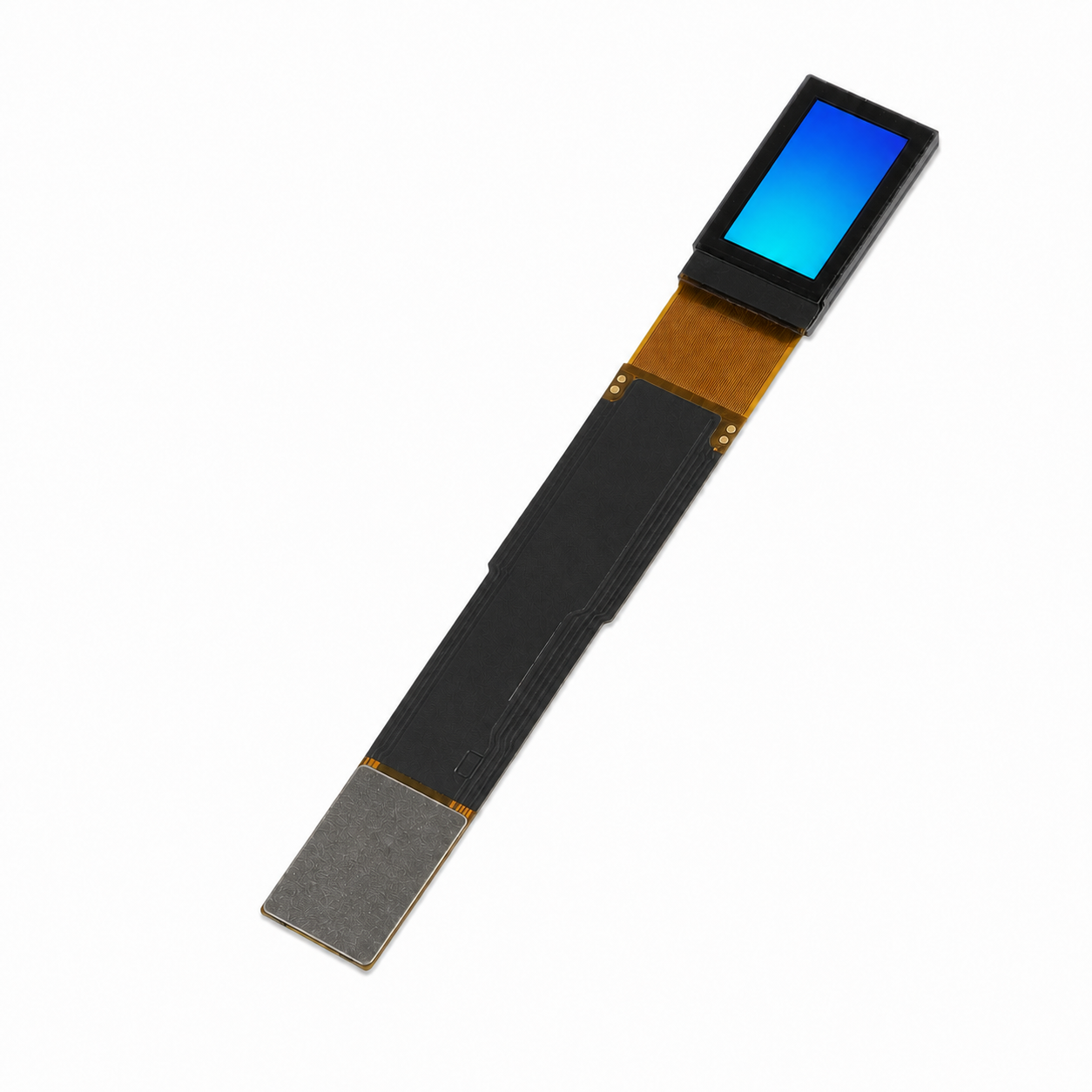
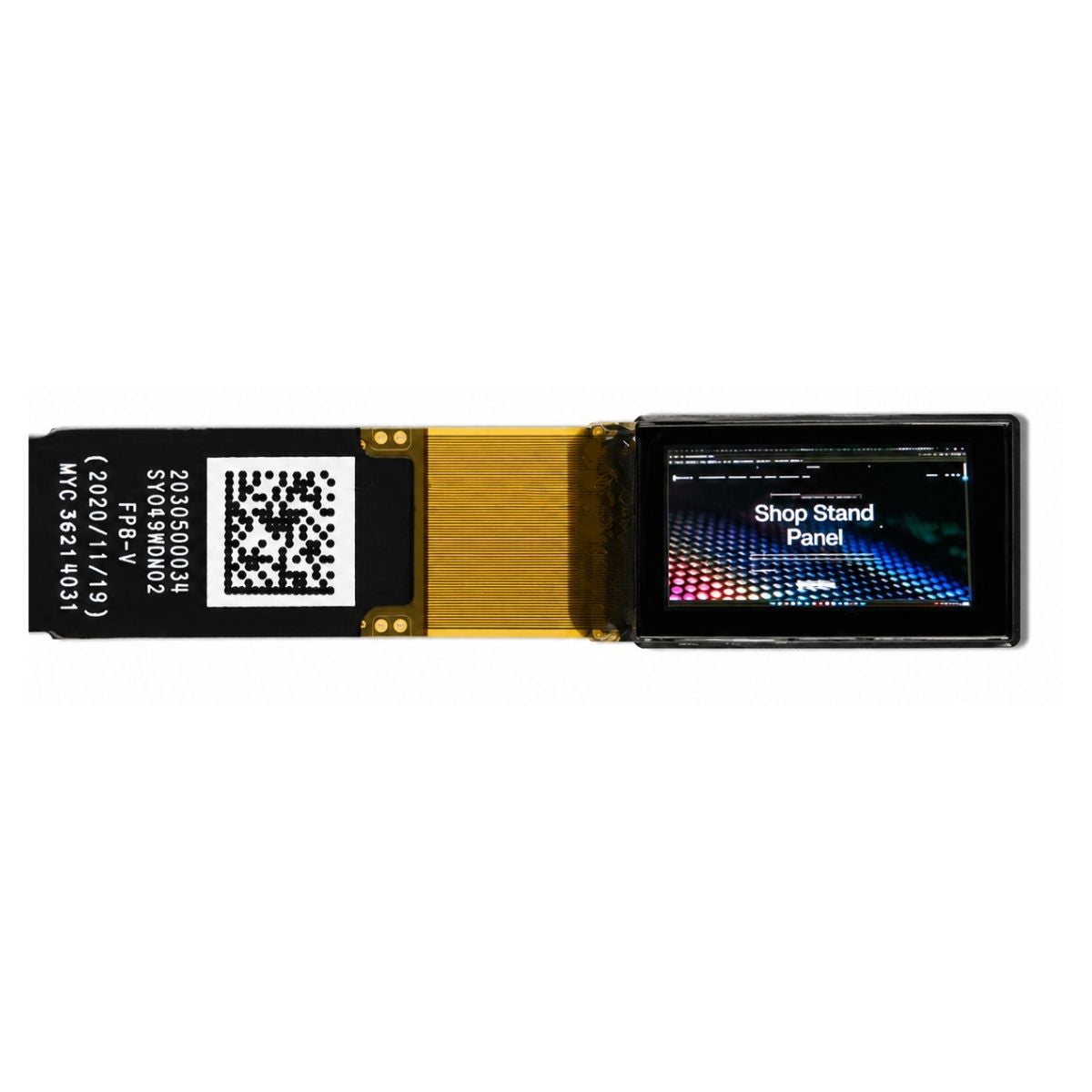
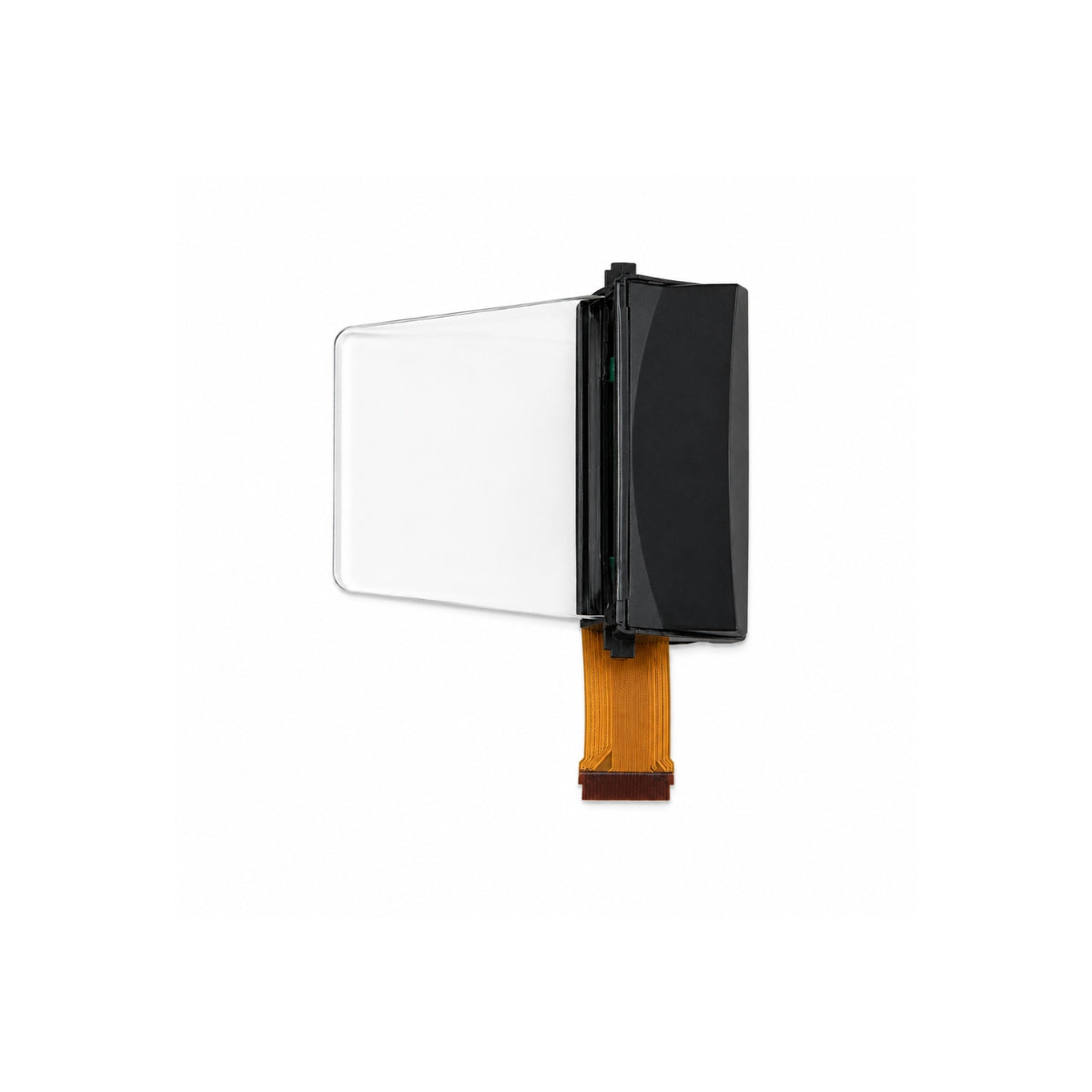
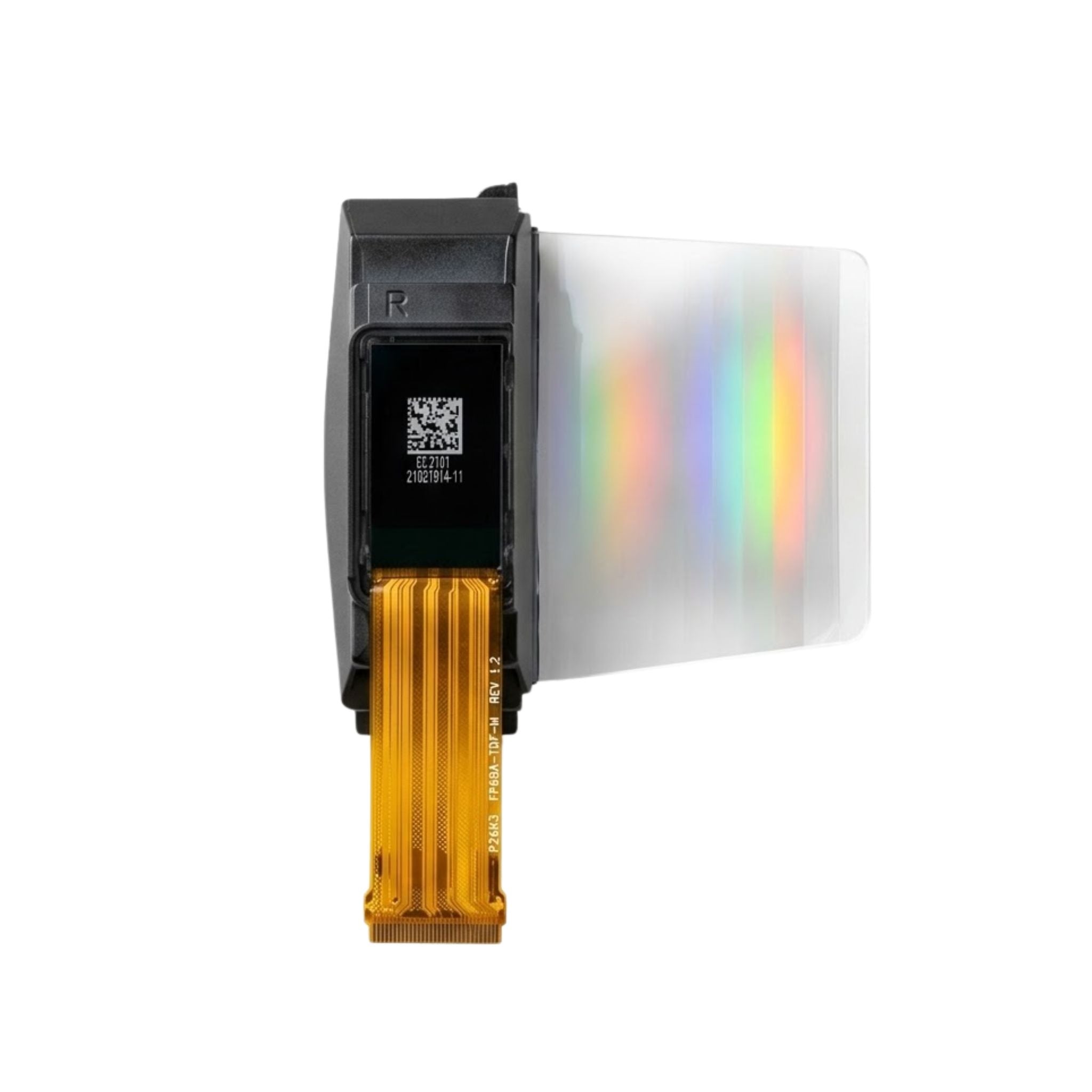
A graphic LCD is a shutter: a backlight provides the light and the liquid crystal modulates it, pixel by pixel, through polarisers and a colour or monochrome filter. A graphic OLED emits light in the pixel itself, so there is no backlight and no shutter.
Two consequences follow immediately. OLED produces true black — an off pixel emits nothing — while an LCD's black is the backlight leaking through, limited by the polariser's extinction and the panel's uniformity. And OLED's brightness is set by drive current per pixel, which means power consumption tracks the image content rather than the backlight setting.
Contrast and readability in real light
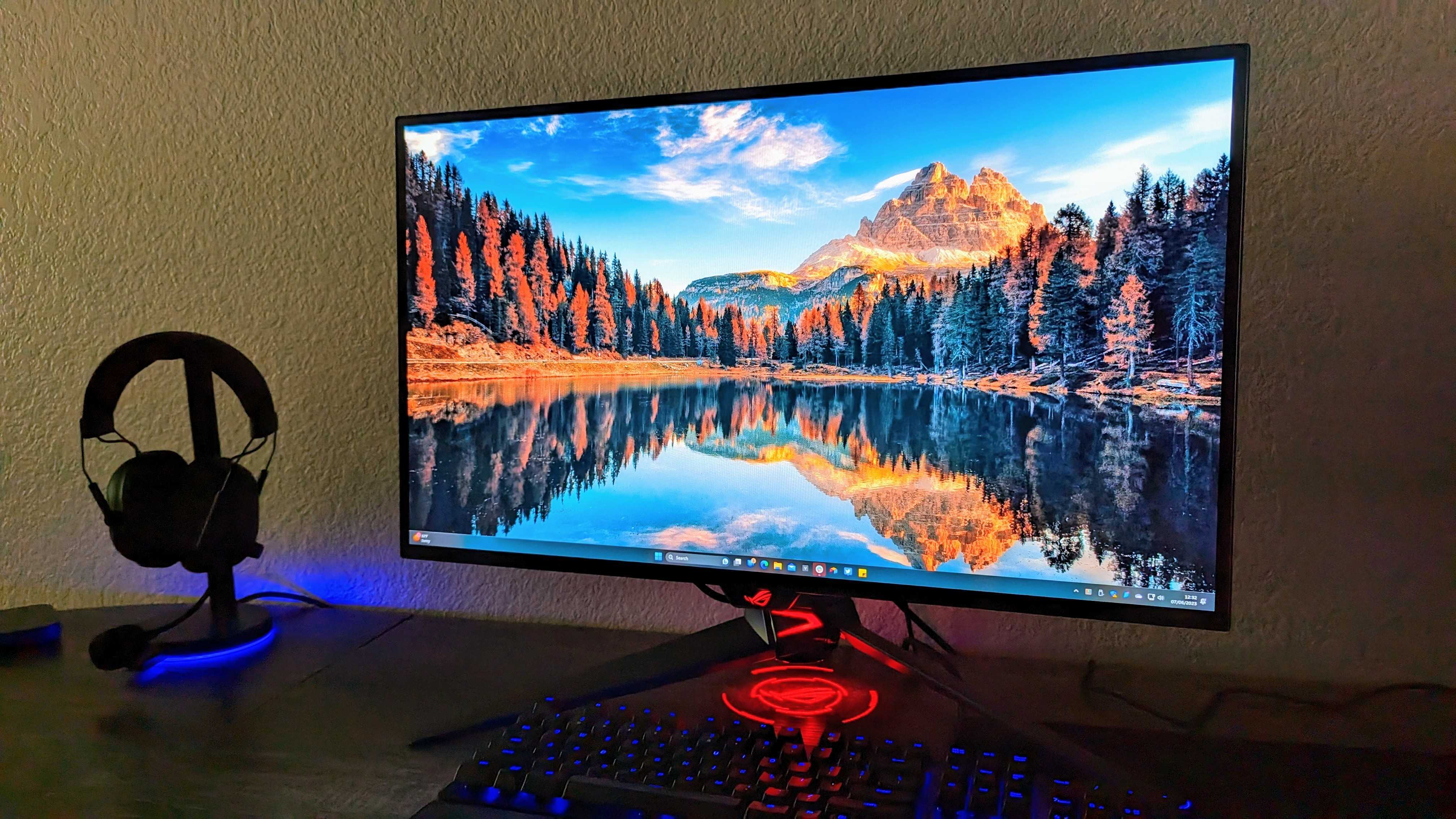
On-axis, an OLED's contrast is far higher than a typical LCD's, and in a dim room the difference is obvious. In bright ambient light the advantage narrows sharply: both displays have a cover surface that reflects the environment, and once reflection dominates, the perceived contrast falls for both. An OLED's dark black does not help when the glass in front of it is reflecting a window.
For an indoor instrument read at arm's length, OLED's contrast is a genuine benefit. For an outdoor panel in direct sun, the deciding factors become reflection control and raw luminance, where a high-brightness LCD often has the advantage because its brightness is not tied to per-pixel current.
Power, and how the image changes it
An LCD's backlight draws roughly the same current whether the screen shows a white form or a black one — the light is on either way. An OLED's consumption scales with the number and brightness of lit pixels, so a mostly dark interface with a few bright elements is cheap to display, while a full-white screen is expensive.
That behaviour decides which technology suits which product. A battery-powered device with a dark-themed interface, short duty cycles and a small lit area favours OLED. A device that shows a bright, full-screen interface continuously favours LCD, whose backlight efficiency does not degrade as the lit area grows.
Lifetime and the shape of failure
LCD lifetime is dominated by the backlight: LED output falls gradually, and the display keeps working throughout. The failure is slow and predictable, and a dimming backlight is usually the first symptom.
OLED lifetime is dominated by the organic material, and it fails unevenly. Brightness fades with accumulated charge, and because different colours and different pixels accumulate charge at different rates, a static interface element can leave a permanent residual image. Pixel-level defects also appear as dark spots if moisture reaches the organic layers.
For a product with a fixed interface left on for years, that asymmetry matters more than the headline lifetime figure. Dimming, screen inversion and moving static elements are the countermeasures, and they cost design effort that an LCD does not need.
Temperature and environment
Both families have temperature limits, but they fail differently. LCD response slows when cold, and the backlight's brightness falls when hot. OLED ages faster when hot and can look faint on a cold start. For outdoor equipment in a wide temperature range, the LCD's failure modes are generally easier to design around, because neither the panel's contrast nor its colour depends on organic degradation.
The mechanical stack and what it does to the enclosure
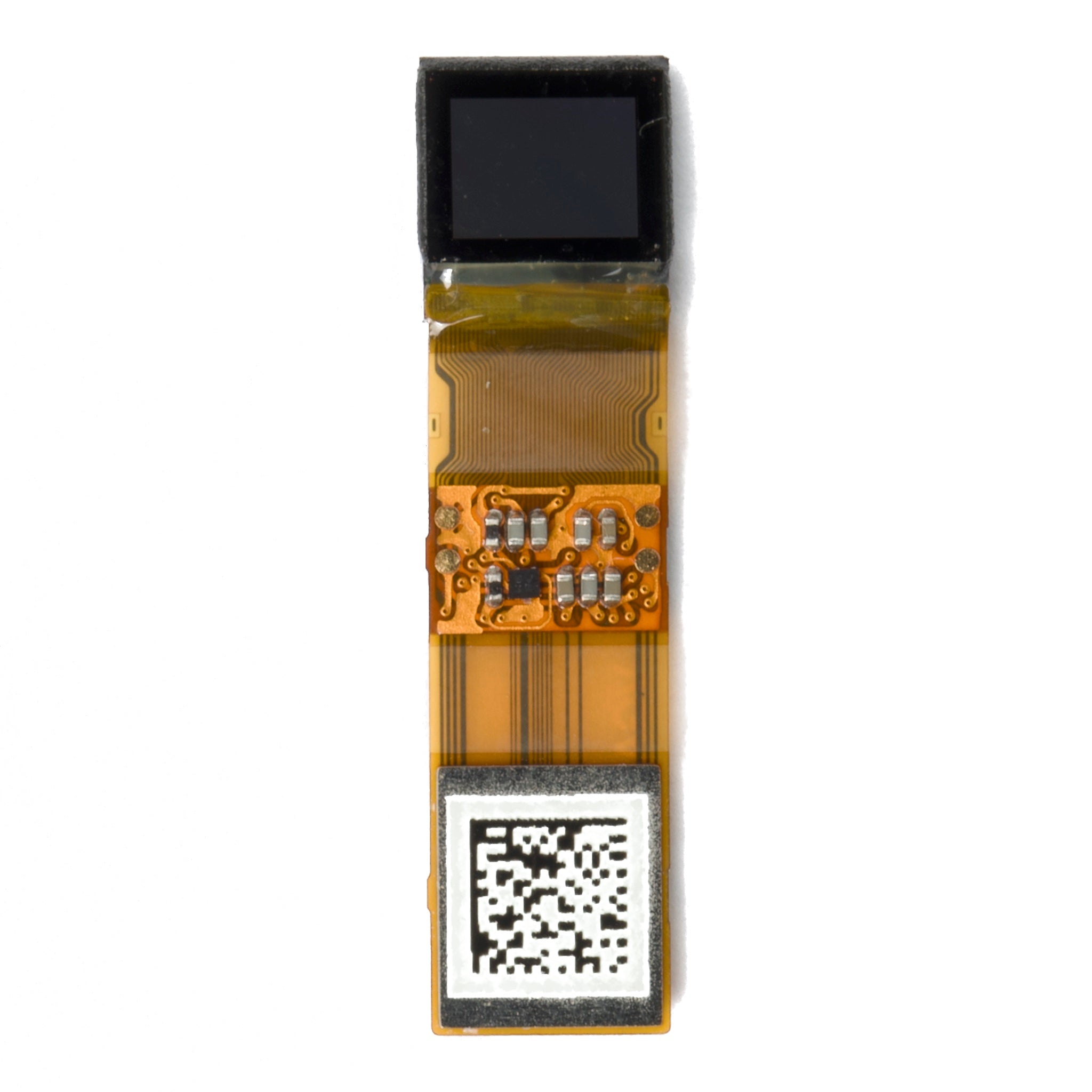
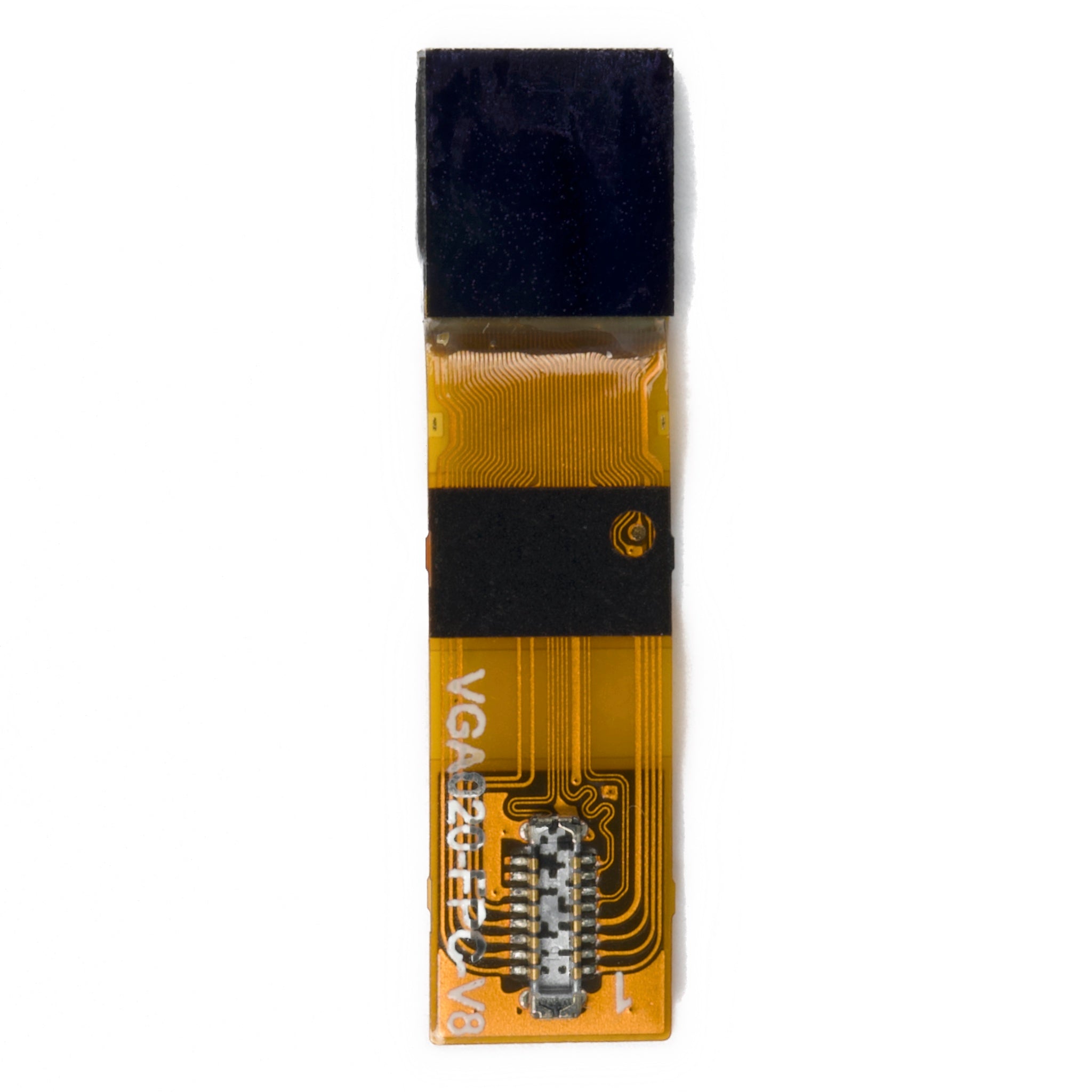
An OLED module is thinner because it has no backlight, no light guide and no diffuser. In a handheld or a wearable that difference is structural: it decides whether the product can meet its thickness target at all. An LCD module of the same active area carries the backlight stack, which adds depth and a light-leak path around the edges.
The trade appears at the enclosure level rather than on the datasheet. A thinner display frees space for a battery or for thermal clearance, but it also reduces the distance between the panel and the housing, which makes gasket design and pressure distribution more critical. A bonded stack on either technology solves the reflection problem, but on OLED the bond also has to protect the organic layers from moisture over the product's life.
Cost and the practical crossover
At small sizes and modest resolutions, both are inexpensive. OLED's cost advantage appears in modules that need no backlight, no light guide and a simpler mechanical stack; LCD's appears where the panel can be a commodity part with an established supply chain. Above small graphic sizes, LCD's cost curve is generally gentler.
| Requirement | Favours graphic LCD | Favours graphic OLED |
|---|---|---|
| True black, high on-axis contrast | Yes | |
| Bright, full-screen content continuously | Yes | Consumption rises with lit area |
| Long life with a static interface | Yes | Needs dimming or inversion strategies |
| Mostly dark interface, battery power | Yes | |
| Sunlight readability | High-brightness LCD with bonding | Reflection-limited |
| Simplest mechanical stack | Backlight adds depth | Yes |
What to specify either way
Luminance, contrast and uniformity should be quoted with their measurement basis, standardised in ISO 9241-307[1]. For OLED, add the lifetime definition at the operating brightness. For LCD, add the backlight's lifetime definition and the brightness derating curve.
Graphic LCD modules are listed in the graphic LCD collection, graphic OLED modules in the graphic OLED collection, and character formats of both under character LCD and character OLED.

Graphic LCD and graphic OLED differ in light path, not in addressability. Choose OLED for true black, dark interfaces and thin stacks; choose LCD for bright continuous content, long life with static elements, and sunlight readability. Specify luminance and lifetime with their conditions, and the comparison becomes a calculation rather than a preference.
References
- ISO 9241-307:2008 — Ergonomics of human-system interaction — Part 307: Analysis and compliance test methods for electronic visual displays. International Organization for Standardization. https://www.iso.org/standard/40102.html
더 읽기
COG (Chip-on-Glass) directly bonds the IC to the glass, thinning the module by more than 30% and refining the lead pitch to 40μm. Its streamlined.

Graphic OLED achieves a million-to-one contrast ratio and 10-microsecond response time through self-emittance, while its 1.2mm ultra-thin modules support.
댓글 남기기
이 사이트는 hCaptcha에 의해 보호되며, hCaptcha의 개인 정보 보호 정책 과 서비스 약관 이 적용됩니다.