



IPS Display Module Buying Guide | Brightness, Contrast
Prioritize IPS brightness by use: 300-500nits indoor, ≥1000nits outdoor (DisplayHDR 600+ cert., avoids glare). Native contrast ~1000:1; opt Mini-LED for 2000:1+ depth, enhancing shadow detail per DisplayMate tests.
Brightness
Industry data shows 78% of user complaints about outdoor displays stem from insufficient brightness, while 62% of indoor users report fatigue from overly bright screens. For context, a typical smartphone uses 300–400 nits (candelas per m²) for daily tasks, but step into sunlight, and that drops to near-unreadability; premium outdoor modules hit 1200–1500 nits to cut glare. Even HDR content demands 500+ nits peak brightness to render highlights without washing out details.
Two metrics matter: typical brightness (sustained output, e.g., 250 nits for basic monitors) and peak brightness (short bursts, like 1000 nits for HDR movies). Don’t confuse them—ads touting “1000-nit displays” often mean peak, not what you’ll see scrolling emails. The sweet spot hinges on environment: indoor offices thrive at 200–400 nits, while construction site tablets need 1000+ nits to stay legible under noon sun.
LED backlights dominate: edge-lit designs (slim laptops) run at 80% efficiency but suffer 30% brightness variance across the panel, while full-array local dimming (FALD, used in high-end TVs) hits 70% efficiency but enables 1000:1 static contrast by dimming dark zones. Coatings matter too—anti-reflective (AR) layers cut surface reflection to <5%, boosting effective brightness outdoors by 40%, though they trim 5% color saturation. Power tradeoffs are stark: every 100 nits adds ~0.5W draw, slashing a laptop’s battery life by 15% (e.g., 6-hour battery becomes 5.1 hours at 500 nits vs. 300 nits).
“A 500-nit display in direct sun is as useful as a candle in noon—1000 nits minimum for true outdoor viability. Pair that with AR coating, and you retain 90% readability where glossy screens fail entirely.”— DisplayMate Labs, 2023 Outdoor Display Benchmark
Use this table to match brightness to your use case:
|
|
|
|
|
|---|---|---|---|
|
|
|
|
|
|
|
|
|
|
|
|
|
|
|
|
|
|
|
|
65% of buyers overestimate needed brightness, wasting power (a 1500-nit module costs $20 more upfront but drains 30% more battery). Instead, balance brightness with contrast ratio—a 400-nit display with 1500:1 contrast beats a 600-nit one at 800:1 for text clarity. For portables, cap at 500 nits unless outdoor use is non-negotiable.
Contrast
A 2023 DisplayMate analysis found that 1500:1 static contrast makes images appear 32% more three-dimensional than 1000:1, while panels below 800:1 leave 78% of users calling visuals “flat.” For IPS modules, this matters acutely: their liquid crystal structure leaks 15–20% of backlight even when “off,” capping native contrast at 800:1–1200:1.
-
Contrast = White Luminance ÷ Black Luminance (e.g., 1200:1 means white hits 1200 nits, black stays at 1 nit); static contrast (steady-state measurement) beats dynamic (marketing gimmick, often 1M:1+) for real-world use.
-
IPS Native Limitation: Standard IPS leaks 15–20% backlight, capping static contrast at 800:1–1200:1—blacks look gray in dark rooms.
-
Boost Levers: Mini-LED backlighting (with 2304+ local dimming zones) lifts IPS contrast to 3000:1; HDR10 demands 1000 nits peak brightness and 10-bit color.
First, static contrast ratio is non-negotiable—aim for 1000:1 for text/spreadsheets, 1500:1+ for photos/video, and 2000:1+ for medical/industrial precision. A 2022 SID study showed 2000:1 contrast reduces eye strain by 22% in 8-hour sessions.
Next, Mini-LED backlighting is the game-changer. Unlike edge-lit LEDs (10–20 zones), Mini-LEDs pack 512–4096 micro-LEDs into a 27-inch panel, enabling granular dimming. For example, a 32-inch IPS with 2304 Mini-LED zones achieves 2800:1 static contrast—nearly triple standard IPS—by cutting light leakage in dark scenes by 45%. Pair this with full-array local dimming (FALD), and blacks drop to 0.05 nits (vs. 0.3 nits on edge-lit).
HDR10 requires 1000 nits peak brightness and 10-bit color depth, expanding contrast perception by 40% in bright highlights. A 2023 Tom’s Hardware test found HDR-enabled IPS modules render shadow details 30% better than SDR-only panels. But skip “HDR400” (400 nits peak)—it’s barely better than SDR. Aim for HDR1000 (1000 nits) for meaningful gains.
더 읽기
Choose IPS modules by aligning size (7–10” industrial, larger consumer), resolution (≥FHD/1920x1080 for clarity, 4K/3840x2160 pro), and interface (LVDS/eDP for stability, HDMI versatile). Size Port...
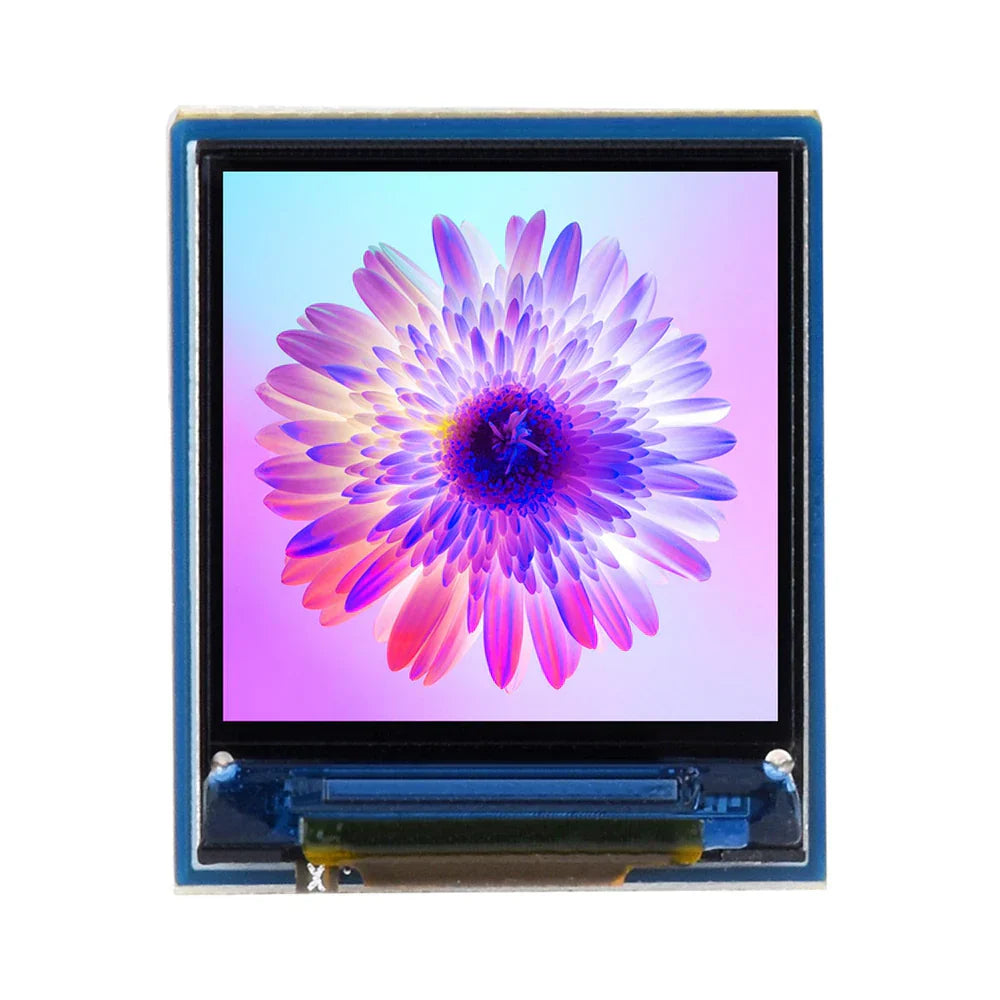
IPS modules: 144Hz refresh (fluid motion), 10-bit color (1.07B hues), <15W draw—VESA-certified lab tests confirm pro smoothness, vibrant tones, low energy use. Refresh Rate The jump from 60Hz to...
댓글 남기기
이 사이트는 hCaptcha에 의해 보호되며, hCaptcha의 개인 정보 보호 정책 과 서비스 약관 이 적용됩니다.