



LED Types
LED backlighting has become the core light source for LCD displays, with a global penetration rate exceeding 90% in 2023, completely ending the CCFL era.
Compared to traditional cold cathode fluorescent lamps, LED drives display industry innovation with its 160-180 lm/W luminous efficacy (CCFL only 60-80 lm/W) and 50,000-hour lifespan (CCFL about 30,000 hours).
Optical Layout
Edge-lit:
Instead of spreading LEDs across the entire back of the screen, they are placed only along the four edges.
For example, the common solution for mobile phones and laptops.
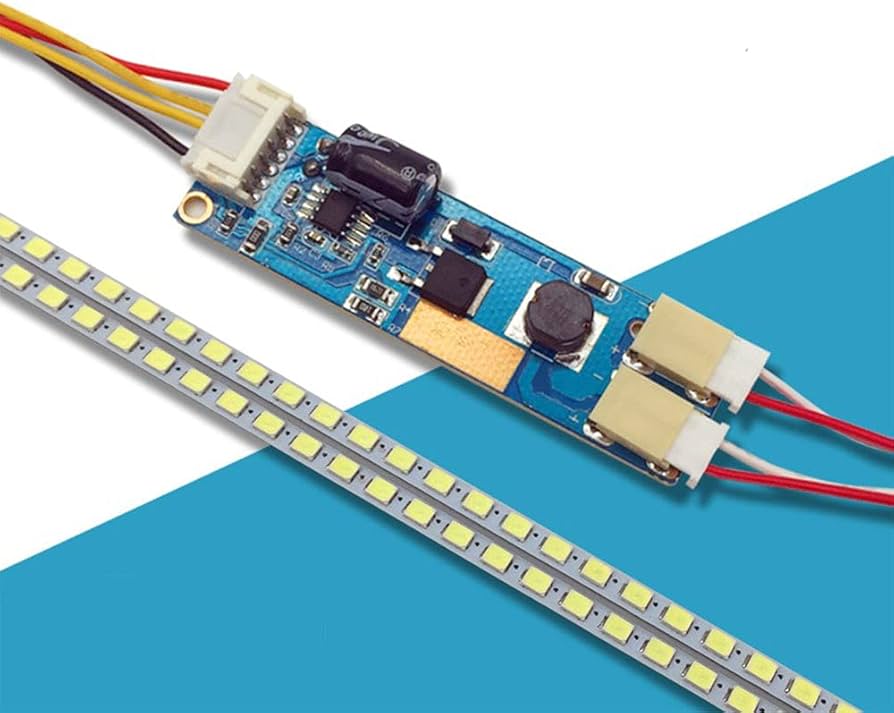
Typically, one or two LED light strips are adhered to the top/bottom or left/right sides of the screen, with tens to hundreds of LED chips on each strip.
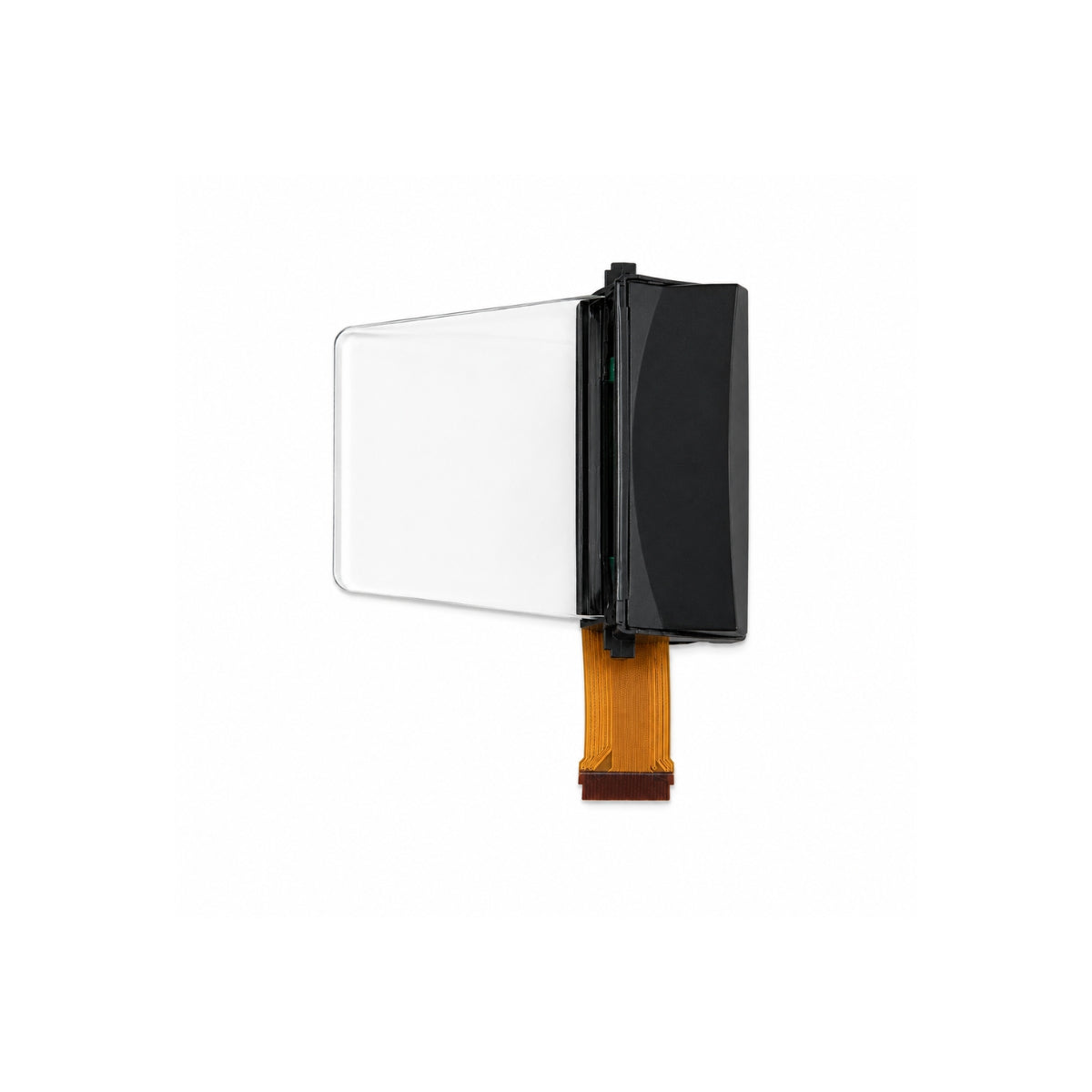
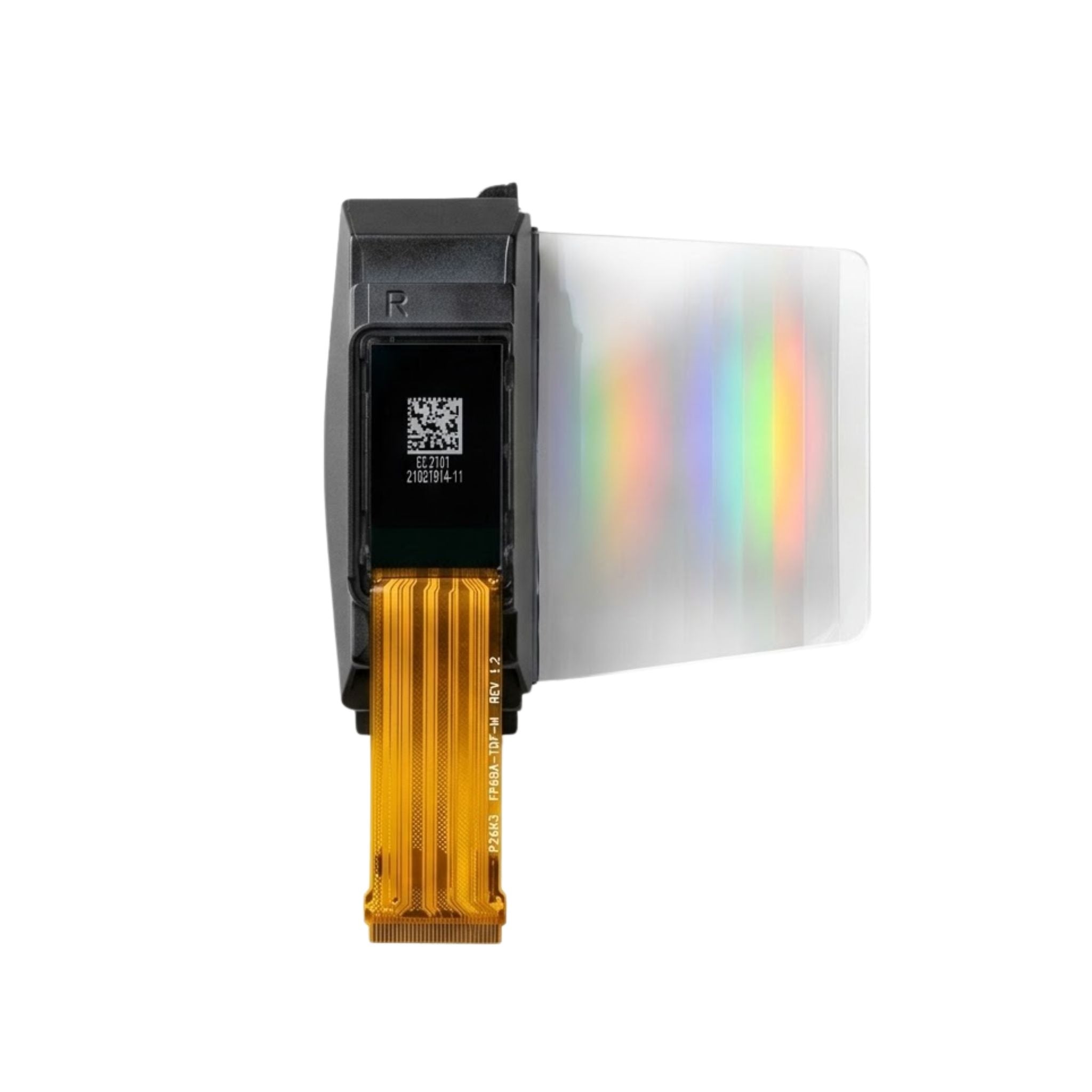
The light from these LEDs does not shine directly onto the screen but first hits a transparent plastic plate (light guide plate, LGP).
The LGP is the key: it has special dot patterns or prism structures inside that "bend" the concentrated side light into uniform planar light.
For instance, the LGP for a 13.3-inch laptop screen might be only 1.5mm thick, but its micro-structures can achieve a light diffusion angle of over 120 degrees, ensuring the center-to-edge brightness uniformity exceeds 90%.
However, edge-lit has a fundamental flaw: prone to "brightness unevenness" on large sizes.
For example, a 27-inch monitor using edge-lit technology has an LGP length exceeding 600mm.
The light from edge LEDs significantly attenuates by the time it reaches the center, often causing "bright corners, dark center" spots.
To address this, manufacturers may print denser dot patterns on the back of the LGP (500-800 dots per square centimeter) or use a dual-light-bar design (one on top and one bottom), but this increases costs by 15%-20%.
Currently, the mainstream application of edge-lit is still in small-size devices. For example, mobile phone screen thickness is commonly compressed below 5mm, relying on this "hide the LEDs" approach.
Direct-lit:
Direct-lit LED backlighting takes a different path—densely packing LED chips across the entire area directly behind the screen, like a layer of scattered stars.
For example, a 55-inch TV with direct-lit backlighting might require 2,000-3,000 LED chips, divided into dozens to hundreds of zones.
The LEDs in each zone can be individually turned on/off or have their brightness adjusted; this is called "local dimming."
For instance, when watching a movie, during a dark night scene, the corresponding LED zones can be completely turned off, while zones corresponding to bright flickering lights are turned up.
The advantage of direct-lit is superior brightness uniformity. Because the LEDs are closer to the screen (typically less than 5cm), light diffusion loss is small. A 55-inch screen can achieve brightness uniformity over 90% (edge-lit is generally 80%-85%).
But it also has disadvantages: greater thickness and higher cost. For example, for the same 65-inch screen, the direct-lit module thickness might reach 25mm, twice that of edge-lit. The higher LED count increases costs by 30%-50%.
Hybrid:
Most LEDs are hidden along the four edges of the screen (edge-lit), but a few extra rows of LEDs are added in the center of the screen (direct-lit).
For example, a 32-inch monitor might have one light strip on the top and one on the bottom, plus an additional two rows totaling 48 LEDs positioned slightly above the center of the screen.
This maintains slimness (thickness around 12mm) while improving brightness uniformity in the central area.
The color and brightness of light from the edge-lit LGP and the center direct-lit LEDs must be perfectly matched; otherwise, a "seam" effect appears.
Manufacturers typically use LEDs from the same production batch and then adjust the light angle using optical films (like diffuser plates) to ensure natural blending.
Hybrid is not mainstream now, but it can be found in some devices demanding both thinness and image quality, such as certain high-end monitors or automotive displays.
Optical Films:
The Diffuser Plate is the most basic, "scattering" concentrated light into uniform planar light. For example, a 0.8mm thick PMMA diffuser plate can achieve a haze level over 90%.
Next is the Brightness Enhancement Film (DBEF). It reflects wasted light back into the screen, increasing brightness by 15%-20%.
There's also the Prism Film, which uses tiny prism structures to collimate scattered light into a more vertical direction, making the screen appear brighter.
Chip Specifications
Conventional LED:
Conventional LEDs are the "veterans" of LED backlighting, with chip sizes around 0.5-1mm, roughly the size of a sesame seed.
These chips are produced with the most mature process, with luminous efficacy stable at 100-150 lm/W (more than double that of CCFL), single-chip power of 0.1-0.5W, and a rated lifespan of 50,000 hours (17 years at 8 hours per day).
Their packaging is mostly SMD (Surface Mount Device), such as the 3528 package (3.5mm × 2.8mm). Individual LEDs are soldered onto an aluminum substrate and can be replaced individually, facilitating repair.
Edge-lit backlights often use them for light strips. For example, a 13.3-inch laptop screen might have only 80-120 LEDs on its top and bottom strips combined, with a total cost under $5.
For direct-lit, a 32-inch monitor might use 500-800 chips, forming 10-20 dimming zones (dozens of chips per zone), achieving brightness uniformity around 85%.
The disadvantage is also obvious: chips are too large, limiting dimming zones to a coarse level.
The minimum dimming zone is at least 10cm×10cm, making perfect black in dark scenes difficult, with contrast ratios reaching only a few thousand:1, limiting HDR effect.
Now they are mainly used in low-to-mid-range devices, like entry-level TVs and ordinary office monitors, as they are cheap (single-chip cost 0.02-0.05) and sufficient.
Mini-LED:
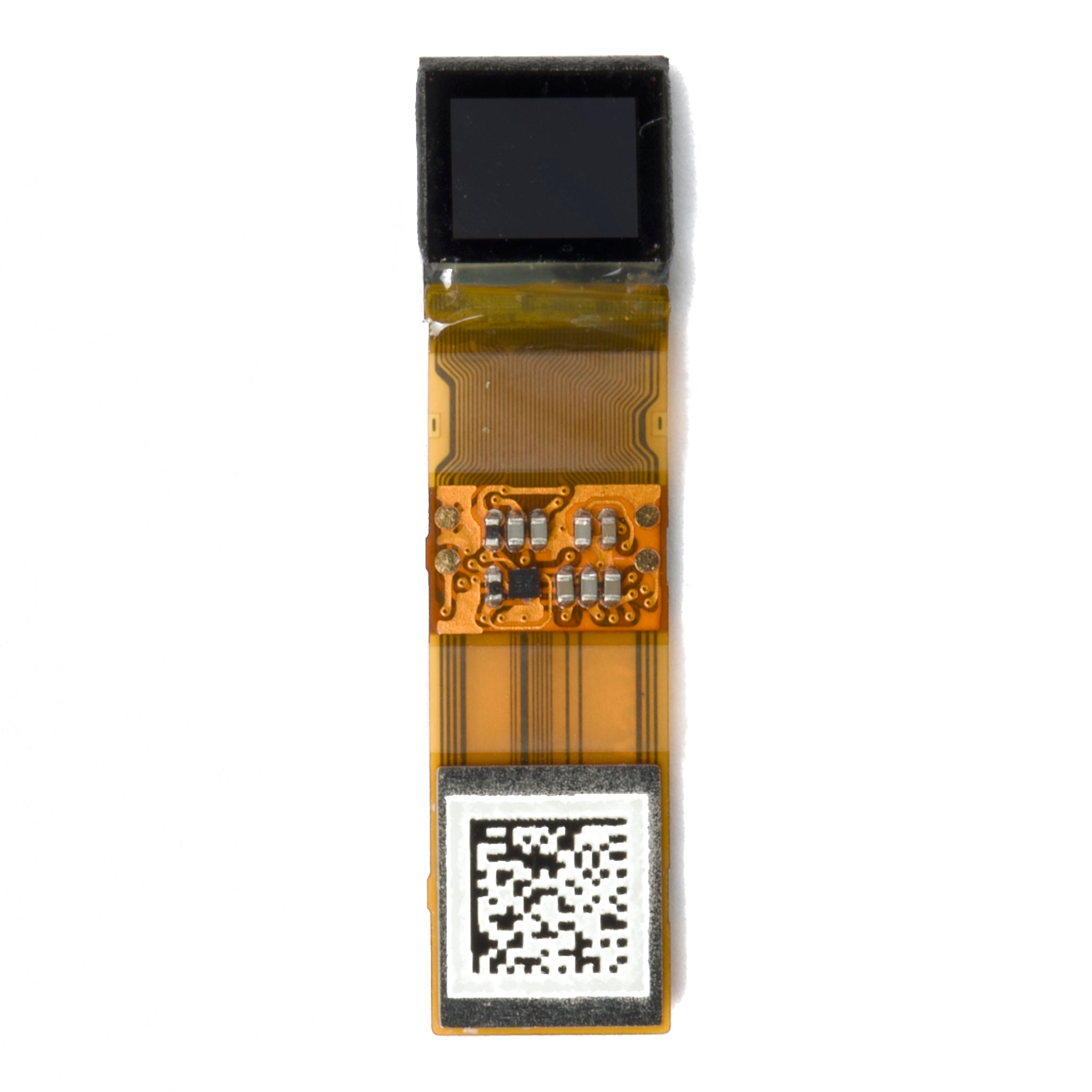
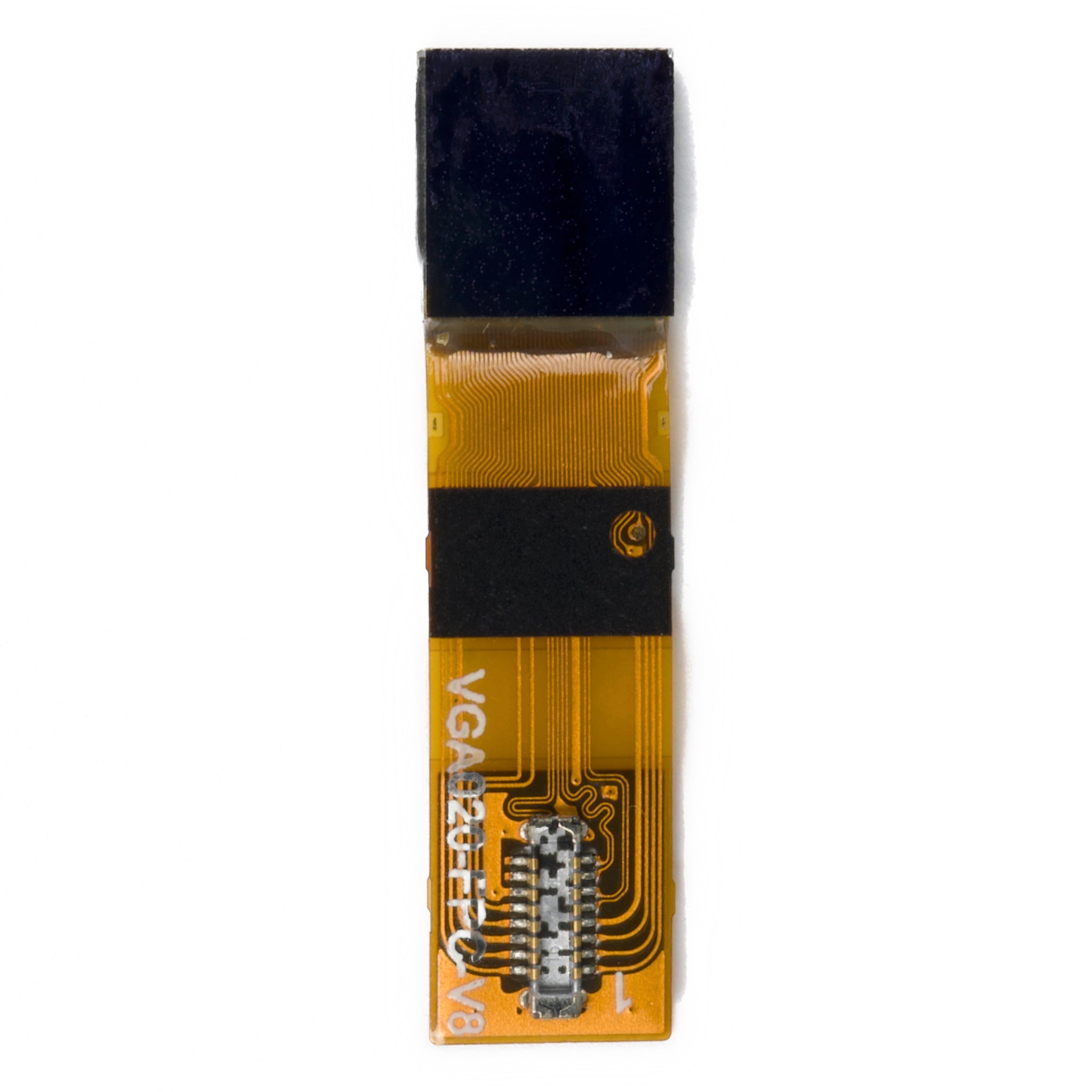
Mini-LED is a "slimmed-down" version of conventional LEDs, with chip size reduced to 50-200μm (1mm=1000μm, 1/10 to 1/20 the size of conventional LEDs), slightly thicker than a human hair (about 70μm).
Despite its small size, single-chip power can reach 0.5-1W, and luminous efficacy is higher, up to 180 lm/W.
They can be densely packed: A 55-inch 4K Mini-LED TV can incorporate 5,000-10,000 chips, divided into 384-1152 independent dimming zones (e.g., TCL 75Q10G Pro has 576 zones).
Each zone is only a few square centimeters, allowing corresponding chips in dark areas to be turned off for purer blacks.
Packaging is also upgraded. While conventional LEDs use SMD, Mini-LEDs often use COB (Chip-on-Board) – bonding dozens of chips directly onto an aluminum substrate, saving the space of individual packages, resulting in a more concentrated light-emitting surface.
For instance, the Mini-LED backlight in the iPad Pro 12.9-inch uses over 10,000 chips, is only 6.4mm thick, achieves over 10,000 dimming zones, and reaches an HDR brightness of 1600 nits (viewable even in sunlight).
Cost is 2-3 times higher than conventional LEDs (single-chip 0.1-0.3), but image quality improvement is significant.
They are now favored in mid-to-high-end TVs (Samsung Neo QLED) and laptops (MacBook Pro 14/16-inch).
Micro-LED:
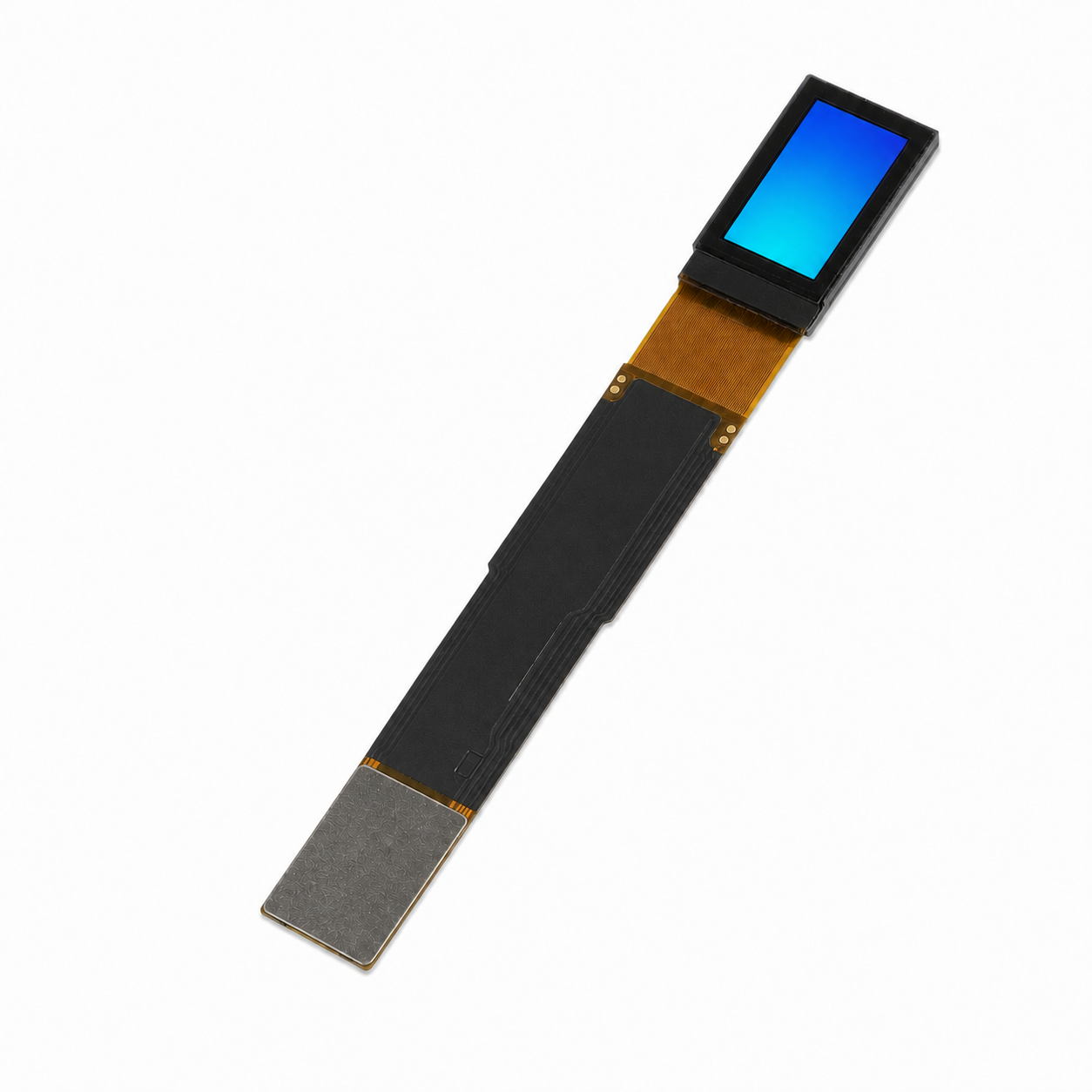
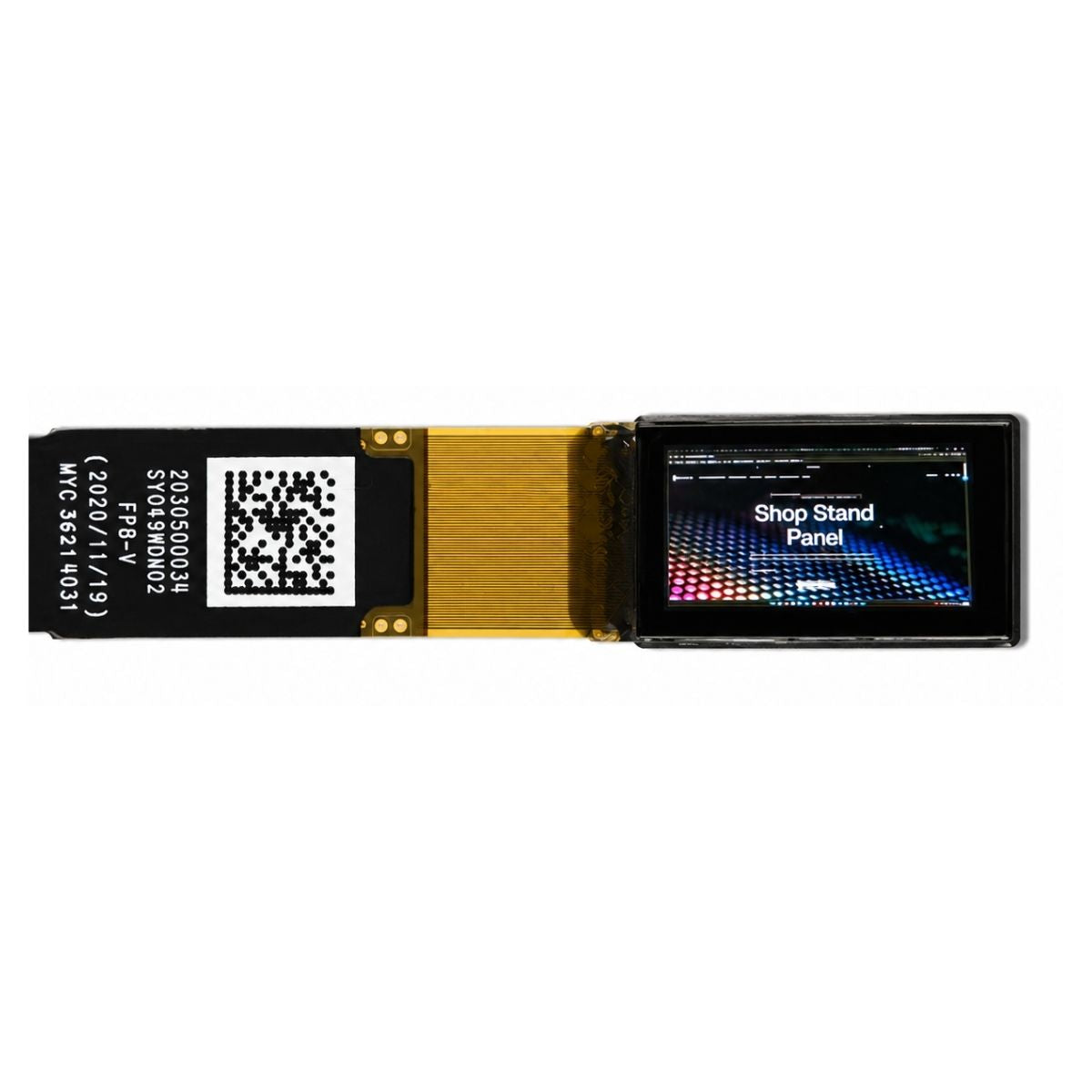
Micro-LED is the "ultimate form," with chip size compressed to 1-50μm, the smallest being similar to a red blood cell (about 7μm).
It doesn't require a liquid crystal layer; it emits light by itself.
Luminous efficiency exceeds 200 lm/W (30% higher than OLED), lifespan exceeds 100,000 hours (OLED suffers from burn-in, Micro-LED doesn't), and response speed is as fast as nanoseconds (LCD requires milliseconds).
In theory, one chip corresponds to one pixel, achieving "per-pixel dimming," infinite contrast, and color accuracy with ΔE<0.5.
The challenge lies in mass transfer: precisely placing millions of micron-sized chips from a wafer onto a backplane, with an error tolerance not exceeding 5μm.
Current yield is only 60%-70% (conventional LED yield >95%).
A 6-inch wafer yields only thousands of qualified chips, pushing single-chip cost to 1-5 (10 times that of Mini-LED).
Therefore, it's currently only trialed in extra-large screens or special devices, like Samsung's The Wall commercial display (292 inches) using about 24 million Micro-LED chips, or AR glasses (e.g., Mojo Vision) using them for micro-displays.
If future yield improves to over 90%, it might replace OLED for flexible/foldable screens.
Packaging Forms
SMD:
SMD (Surface Mount Device) is the most common LED backlight packaging. Simply put, it involves encapsulating the chip in a small plastic housing, turning it into an "independent lamp" that can be directly soldered onto a circuit board.
Common models on the market include 3528 (3.5mm×2.8mm), 5050 (5.0mm×5.0mm), 2835 (2.8mm×3.5mm), with sizes similar to a grain of rice.
Inside is filled with epoxy resin, which protects the chip from damage and allows adjustment of light color by adding phosphors.
Parameters: SMD single-chip power 0.06-1W (2835 commonly uses 0.2W), luminous efficacy 100-130 lm/W, viewing angle 120-140 degrees (wide light dispersion), thermal resistance 15-20°C/W (slow heat transfer).
Rated lifespan 50,000 hours. In practical use at 8 hours/day, it lasts 17 years, sufficient until device replacement.
SMD's advantage is "flexibility." Individual lamp packaging allows easy replacement with a soldering iron, resulting in low repair cost (single lamp cost 0.02-0.1).
Thus, it's especially suitable for edge-lit backlights—for example, the top/bottom light strips of a phone screen, each using 80-120 pieces of 3528 LEDs, total length under 20cm, total cost under $3.
Disadvantages are also evident: large volume, occupying twice the space of COB for the same power; average heat dissipation, prone to overheating and brightness reduction in high-power scenarios (e.g., direct-lit).
Currently, SMD mainly handles "small batch, easy repair" tasks, like older laptops and entry-level monitors.
COB:
COB (Chip-on-Board) bonds multiple LED chips directly onto an aluminum or ceramic substrate, eliminating individual plastic housings. The light-emitting surface is the entire chip array.
For example, a 55-inch TV with direct-lit backlight using COB packaging might have 2000 chips divided into 20 zones, with 100 chips in each zone bonded directly to a 10cm×10cm aluminum substrate.
The aluminum substrate is key: thickness 0.5-1mm, thermal conductivity 200 W/m·K (twice that of SMD circuit boards).
Chip heat is directly transferred to the substrate and then dissipated via a heatsink.
Parameters: COB single-zone power 5-20W (100 chips at 0.2W each is 20W), luminous efficacy 110-150 lm/W (10% higher than SMD), thermal resistance reduced to 5-10°C/W (junction temperature 10-15°C lower than SMD at same power).
Viewing angle is also narrower (60-90 degrees), light is more concentrated, suitable for direct-lit "full-area" requirements.
COB's benefit is "compactness." No plastic housing saves space, allowing 30% thinner modules for the same power.
For example, a direct-lit module with COB is 2-3mm thinner than with SMD.
The disadvantage is "fragility"—chips are all bonded to the substrate; failure requires replacing the entire board (single-zone cost 0.05-0.2), making repair troublesome.
Currently, COB is the main force in mid-to-high-end direct-lit backlights.
For example, the Mini-LED backlight in Sony's X95J TV uses COB packaging to divide 5000 Mini-LED chips into 720 zones, achieving 92% brightness uniformity.
CSP:
CSP (Chip Scale Package) is the ultimate miniaturization. A Mini-LED chip is 50μm×50μm; after CSP packaging, it's about 80μm×80μm (slightly thicker than a hair), thickness 0.1-0.3mm (1/5 of SMD).
This "thin coat" uses silicone or epoxy resin, only serving for fixation and protection, not occupying extra space.
Parameters: CSP single-chip power 0.5-2W (higher than SMD), luminous efficacy 120-160 lm/W (Mini-LED with CSP can reach 180 lm/W), thermal resistance <5°C/W (heat almost directly transferred to substrate), viewing angle adjustable (designed to 60 or 120 degrees via packaging lens).
CSP's advantage is "extreme compression." For example, the Micro-LED backlight in Apple Watch Ultra uses CSP packaging to bond millions of 1μm chips onto a flexible substrate, with thickness under 0.5mm, and it's bendable.
The downside is high process requirements—chip placement accuracy must be ±5μm (slight error causes short circuit), yield is lower than SMD (90% vs 98%), single-chip cost 0.1-0.5 (5-10 times that of SMD).
Currently, CSP is mainly used in Mini-LED/Micro-LED high-density scenarios, like Samsung Neo QLED TV lamp beads or AR glasses' micro-displays.
CCFL Types
CCFL (Cold Cathode Fluorescent Lamp) was the mainstream LCD backlight solution, divided into straight tube, U-shaped, H-shaped, single/double tube, and other types.
Tube length 50-500mm, diameter 2-3mm, starting voltage 800-2000V, brightness 2000-8000 cd/m², lifespan 25,000-40,000 hours (8-15 years at 8 hours per day).
High-brightness type reaches 8000 cd/m² for outdoor screens; wide color gamut type with NTSC 95% used in EIZO design monitors. Still used in industrial equipment today.
Shape Structure
Straight Tube:
The straight tube is the original form, a linear tube with lengths ranging from 50mm to 500mm (common specs 100/200/300/400mm), diameter strictly controlled at 2.0-3.0mm (too thin breaks easily, too thick increases thickness).
Electrodes are at both ends, filled with a mixture of Argon (Ar) and Mercury (Hg) gas (ratio ~9:1). Starting voltage 800-1200V, operating current 3-5mA, brightness output 2000-4000 cd/m².
Multiple tubes in parallel require a diffuser plate. For example, the early Dell E248WFP monitor used 4 straight tubes of 200mm, spaced 15mm apart, combined with a diffusion film to achieve <10% brightness deviation on a 19-inch screen.
In medical equipment, the Philips IntelliVue MP50 patient monitor used a 300mm straight tube, focusing light onto a 5.7-inch screen via a reflector to avoid ambient light interference.
U-shaped Tube:
U-shaped tubes bend the middle of a straight tube at 90 degrees into a U shape, reducing total length by 30% compared to a straight tube of equivalent brightness (e.g., 300mm straight tube equivalent to 210mm U-shaped) and thickness by 40% (from 8mm to 4.8mm).
Bend radius ≥5mm prevents glass stress cracking. Electrodes remain at both ends, starting voltage slightly higher at 900-1300V.
HP Pavilion dv2000 laptop 13.3-inch screen used 2 U-shaped tubes of 180mm (each with two 90-degree bends), paired with a wedge-shaped LGP, achieving a thinnest point of 12mm.
Sony DVP-NS78H portable DVD player used a single 150mm U-shaped tube, brightness 2500 cd/m², suitable for viewing in low-light environments.
H-shaped Tube:
H-shaped tubes consist of two parallel straight tubes (each 100-200mm long) connected by a middle 50mm segment, width 20% narrower than U-shaped tubes (e.g., U-shaped 25mm, H-shaped 20mm), with light distribution uniformity improved by 15%.
NEC MultiSync LCD1530V monitor used 2 sets of H-shaped tubes (each set 2 straight tubes of 150mm), arranged crosswise to eliminate edge dark areas.
Garmin nuvi 200 GPS navigator 7-inch screen used a single H-shaped tube set (total length 200mm), brightness 3000 cd/m², suitable for strong light environments in vehicles.
Single Tube vs. Double Tube:
-
Single Tube: Only 1 tube, simple structure, low driver circuit cost (~$0.5/set), but brightness limited (≤3500 cd/m²). Amazon Kindle DX first-generation 6-inch e-ink screen used a single 120mm straight tube, brightness 2800 cd/m², combined with a front light film for reading illumination.
-
Double Tube: Two parallel tubes (spacing 10-20mm), brightness superposition coefficient 1.8-2.0 (e.g., single tube 3000 cd/m², double tubes reach 5400-6000 cd/m²). Samsung SyncMaster 740N 17-inch monitor used 2 straight tubes of 250mm, improving brightness uniformity to 85% via a prism film, with power only 30% higher than single tube (from 4W to 5.2W).
Ring/O-shaped Tube:
Ring tubes connect the ends of a straight tube to form a circle (diameter 30-100mm), used for circular instrument panels or decorative backlighting.
German Bosch car tachometer used a 60mm diameter ring CCFL, brightness 4000 cd/m², start time <1 second.
O-shaped tubes are bent into oval or racetrack shapes, adapting to non-standard screens, like the curved screen of a Sharp desktop clock.
Multi-tube Array:
Monitors 19-inch and above commonly use 3-6 tube arrays. For example, the early Apple Cinema Display 20-inch used 4 straight tubes of 300mm, spaced 25mm, total brightness 8000 cd/m² (2000 cd/m² per tube ×4).
Array arrangements include symmetrical (center-aligned) and asymmetrical (offset 5-10mm), the latter reducing LGP material usage by 10%.
Christie 55-inch digital signage used 6 straight tubes of 400mm, achieving 90% brightness uniformity with a microlens film.
Structure Parameter Comparison Table
| Type | Length Range(mm) | Diameter(mm) | Starting Voltage(V) | Typical Brightness(cd/m²) | Suitable Screen Size(inch) | Representative Devices |
|---|---|---|---|---|---|---|
| Straight Tube | 50-500 | 2.0-3.0 | 800-1200 | 2000-4000 | 5-24 | Dell E248WFP, Philips patient monitor |
| U-shaped Tube | Equivalent 150-300 | 2.2-2.8 | 900-1300 | 2500-5000 | 7-15 | HP dv2000, Sony portable DVD |
| H-shaped Tube | Equivalent 200-400 | 2.5-3.0 | 1000-1400 | 3000-6000 | 7-17 | Garmin nuvi 200, NEC LCD1530V |
| Ring Tube | Circumference 100-300 | 2.0-2.5 | 1100-1500 | 3500-4500 | 3-8 (circular) | Bosch car instrument panel |
Material and Process Details
Tube glass uses soda-lime glass (expansion coefficient 9×10⁻⁶/°C), withstanding -30°C to 70°C temperature differences.
Electrodes coated with barium-tungsten (BaWO₄) emission layer, thickness 0.5-1μm, evaporation rate <0.1nm/1000 hours during lifespan.
Sealing process uses flame fusion (temperature 1200°C), leak rate <1×10⁻⁸ mbar·L/s, ensuring no mercury vapor leakage.
Spatial Adaptation Cases:
-
Ultra-thin Laptop: Toshiba Portégé R500 used a U-shaped tube (total length 160mm), thinnest point 10.5mm, brightness 3200 cd/m².
-
Outdoor Advertising Display: US Clear Channel 42-inch screen used 6 straight tubes of 400mm + reflector cavity, brightness 8000 cd/m², viewable distance 15 meters in sunlight.
-
Industrial HMI: Siemens SIMATIC HMI KTP700 used an H-shaped tube (2 straight tubes of 150mm), vibration resistant (5-500Hz/1.5g), lifespan 40,000 hours.
Each shape must match the LGP tooth pitch (0.1-0.3mm) and reflector sheet (reflectivity >95%). For example, U-shaped tubes paired with V-cut LGP (tooth depth 0.2mm), straight tubes with flat LGP (tooth pitch 0.15mm).
Application Scenarios
Industrial Control Screens:
Industrial environments require backlights that are vibration resistant, wide temperature range, long lifespan, making long-life CCFL mainstream.
-
Representative Devices: Siemens SIMATIC HMI KTP700 (7-inch), Honeywell HC900 controller screen (10-inch).
-
CCFL Parameters: Choose long-life H-shaped tubes (2 straight tubes 150mm each, total length 200mm), electrodes coated with nano ITO layer (thickness 0.8μm), filled with Argon+Krypton mix (ratio 8:2), lifespan 40,000 hours (running 24/7, lasts 4.5 years). Starting voltage 1000V, operating current 4mA, brightness 3500 cd/m².
-
Adaptation Details: Tubes fixed with silicone shock pads (vibration tolerance 5-500Hz/1.5g), glass uses soda-lime material (expansion coefficient 9×10⁻⁶/°C), starts normally from -20°C to 60°C. A US Texas refinery DCS system used this configuration, no tube replacement in 5 years.
Medical Imaging Screens:
Medical diagnosis requires accurate tissue color reproduction; wide color gamut CCFL is essential, optimizing spectrum via phosphor formulation.
-
Representative Devices: EIZO ColorEdge CG241W (24-inch), Philips IntelliVue MP50 patient monitor (5.7-inch).
-
CCFL Parameters: Wide color gamut straight tube (300mm long, diameter 2.5mm), phosphor with increased red (Y₂O₃:Eu³⁺), green (Zn₂SiO₄:Mn²⁺) proportion by 15%, color gamut covers NTSC 92% (regular CCFL ~75%). Brightness 3000 cd/m², color rendering index Ra=85 (regular type Ra=78).
-
Application Effect: EIZO screen for mammography X-ray display can distinguish 0.1mm density difference; Philips monitor uses a single 200mm straight tube, achieving 90% brightness uniformity on 5.7-inch screen via LGP, avoiding misjudgment from local dimness.
Vehicle Navigation & Advertising Displays:
Outdoor or vehicle scenarios need to combat strong light; high-brightness CCFL increases brightness via higher current, some add reflector cavities.
-
Vehicle Navigation: Garmin nuvi 200 (7-inch), uses H-shaped tube (2 straight tubes 100mm + 50mm connector), current 6mA (regular 3-5mA), brightness 4500 cd/m², viewable distance 8 meters in sunlight. Tubes have anti-glare film (reflectivity <5%) to avoid mirror reflection glare.
-
Outdoor Advertising Display: US Clear Channel 42-inch screen, uses 6 straight tube array (400mm each, single tube brightness 1500 cd/m², total 9000 cd/m²), paired with aluminum reflector cavity (reflectivity 92%), clearly visible at 15 meters in sunlight. Tube lifespan 30,000 hours (12 hours/day, 6.8 years).
Old Laptops & Portable Devices:
Laptops from 2000-2010 pursued thinness; U-shaped and single tubes were mainstream, saving space via bending design.
-
Ultra-thin Laptop: Toshiba Portégé R500 (13.3-inch), used U-shaped tube (total length 160mm, two 90-degree bends), diameter 2.2mm, thickness 40% less than straight tube (thinnest point 10.5mm). Brightness 3200 cd/m², paired with wedge LGP (tooth depth 0.2mm), uniformity 82%.
-
Portable DVD: Sony DVP-NS78H (7-inch screen), single 150mm U-shaped tube, brightness 2500 cd/m², power 3W (15% less than straight tube), suitable for battery power.
Consumer Monitors:
Home monitors use general-purpose CCFL, dual tubes for higher brightness, straight tubes for uniformity.
-
Representative Product: Samsung SyncMaster 740N (17-inch), 2 straight tubes 250mm (spacing 15mm), single tube brightness 3000 cd/m², combined 5400 cd/m² (uniformity 85%). Starting voltage 850V, operating current 4.5mA, lifespan 28,000 hours (8 hours/day, 9.6 years).
-
Comparison Data: Contemporaneous LED-backlit monitor (e.g., Dell 2408WFP) power 28W, CCFL version same size 35W, but CCFL cost 30% lower (at that time CCFL driver circuit 2/set, LED required 5/set).
Special Shape Screens:
Circular instrument panels, curved clocks use ring or O-shaped tubes, highly customized.
-
Car Instrument Panel: German Bosch tachometer (60mm diameter circular screen), uses ring CCFL (circumference 188mm, diameter 60mm), brightness 4000 cd/m², start time <1 second, withstands -30°C (cold start in winter).
-
Desktop Clock: Japanese Sharp curved screen clock (curvature radius 200mm), uses O-shaped tube (oval, major axis 80mm minor axis 50mm), brightness 3000 cd/m², paired with flexible light guide film to fit curve.
Performance Parameters
Starting Voltage:
Starting voltage is the minimum instantaneous voltage required to ignite the CCFL, divided into high-voltage and low-voltage types, directly impacting driver circuit design and device cost.
-
High-voltage Start Type: Starting voltage 1500-2000V (regular operating voltage 600-800V), short start time (<0.5 sec), electrodes use nickel alloy (withstands high voltage shock). Suitable for frequently switched devices, e.g., NCR POS screen (switched 50 times/day), uses 1700V starting voltage, no start failures in 5 years.
-
Low-voltage Start Type: Starting voltage 600-1000V, reduces driver circuit complexity (cost saved 30%), but start time extends to 1-2 seconds. Electrodes use copper alloy, slightly higher current (5-6mA), lifespan ~20,000 hours. Example: Fluke 87V multimeter screen (3.5-inch), uses 800V starting voltage, paired with low-power driver chip (TI UCC3977).
Operating Current:
Operating current determines tube brightness and lifespan; regular 3-5mA, high-brightness type increases to 6-8mA at the cost of 20%-30% shorter lifespan.
-
Regular Current (3-5mA): Single tube brightness 2000-4000 cd/m², lifespan 25,000-30,000 hours (8-10 years at 8 hours/day). E.g., Dell E248WFP monitor uses 4mA current, 4 straight tubes 200mm total brightness 8000 cd/m².
-
High Current (6-8mA): Brightness soars to 5000-8000 cd/m², used for outdoor advertising displays. US Clear Channel 42-inch screen uses 6 straight tubes 400mm, each 7mA, total brightness 9000 cd/m², viewable distance 15 meters in sunlight, lifespan 30,000 hours (6.8 years at 12 hours/day).
Lifespan:
Lifespan refers to time until brightness decays to 70% of initial value, affected by electrode wear, gas purity, sealing process.
-
Long Life Type (>40,000 hours): Electrodes coated with nano ITO layer (thickness 0.8μm, reduces barium-tungsten evaporation), filled with Argon+Krypton mix (ratio 8:2, more stable than pure Argon), leak rate <1×10⁻⁸ mbar·L/s (EU RoHS standard). Siemens SIMATIC HMI KTP700 uses this config; German BMW factory, no tube replacement in 5 years.
-
Regular Life Type (25,000-30,000 hours): Electrodes coated with barium-tungsten layer (thickness 0.5μm), filled with pure Argon, leak rate <5×10⁻⁸ mbar·L/s. HP Pavilion dv2000 laptop uses 30,000-hour lifespan tubes; used 4 hours/day on average, actually lasts 20 years (still usable after brightness decay).
Brightness Range:
Brightness unit cd/m², divided into three tiers for different scenarios:
| Brightness Tier | Range (cd/m²) | Technical Implementation | Application Scenarios | Representative Product |
|---|---|---|---|---|
| Basic Brightness | 2000-4000 | Regular current 3-5mA, single/double tube | Home monitors, laptops | Samsung SyncMaster 740N |
| High Brightness | 5000-8000 | Current 6-8mA, multi-tube array | Outdoor ads, vehicle screens | Clear Channel 42-inch screen |
| Ultra-bright Custom | 8000-10000 | 8-10mA current + Al reflector cavity | Industrial strong-light inspection equipment | US Keyence CV-X200 camera screen |
Color Gamut Performance:
Color gamut expressed as NTSC percentage, regular CCFL 70%-80%, wide gamut type optimized via phosphor formula.
-
Wide Color Gamut (NTSC 85%-95%): Red phosphor (Y₂O₃:Eu³⁺) proportion increased to 25% (regular 20%), green (Zn₂SiO₄:Mn²⁺) to 30%, blue (BaMgAl₁₀O₁₇:Eu²⁺) remains 45%. EIZO ColorEdge CG241W uses this formula, NTSC 92%, color rendering index Ra=85 (regular Ra=78), can distinguish 0.1mm density difference in mammography X-rays.
-
Regular Color Gamut (NTSC 70%-80%): Phosphor ratio 20:30:50, cost saved 15%, used in Dell E248WFP monitor, sufficient for daily office use.
Power Consumption:
At same brightness, CCFL power consumption is 40% higher than LED, but driver circuits were mature in the 2000s, with lower cost.
-
Single Tube: 3-5W (e.g., Amazon Kindle DX first-gen, 120mm straight tube 3W).
-
Double Tube: 5-7W (Samsung SyncMaster 740N, 2 straight tubes 250mm total 5.2W).
-
Multi-tube Array: 10-20W (Clear Channel 42-inch screen 6 tubes total 18W). Compared to contemporaneous LED-backlit Dell 2408WFP (28W), CCFL version same size 35W, but driver circuit cheaper (2 for CCFL vs 5 for LED at that time).
Material and Process Parameters
-
Glass Tube: Soda-lime glass (expansion coefficient 9×10⁻⁶/°C), withstands -30°C to 70°C, wall thickness 0.3-0.5mm (too thin breaks easily, too thick increases weight).
-
Electrodes: Nickel alloy (high-voltage) or copper alloy (low-voltage), coated with barium-tungsten layer (thickness 0.5-1μm), evaporation rate <0.1nm/1000 hours.
-
Sealing: Flame fusion (temperature 1200°C), leak rate <1×10⁻⁸ mbar·L/s (EIZO screen standard), mercury content <5mg (EU RoHS limit).
댓글 남기기
이 사이트는 hCaptcha에 의해 보호되며, hCaptcha의 개인 정보 보호 정책 과 서비스 약관 이 적용됩니다.