

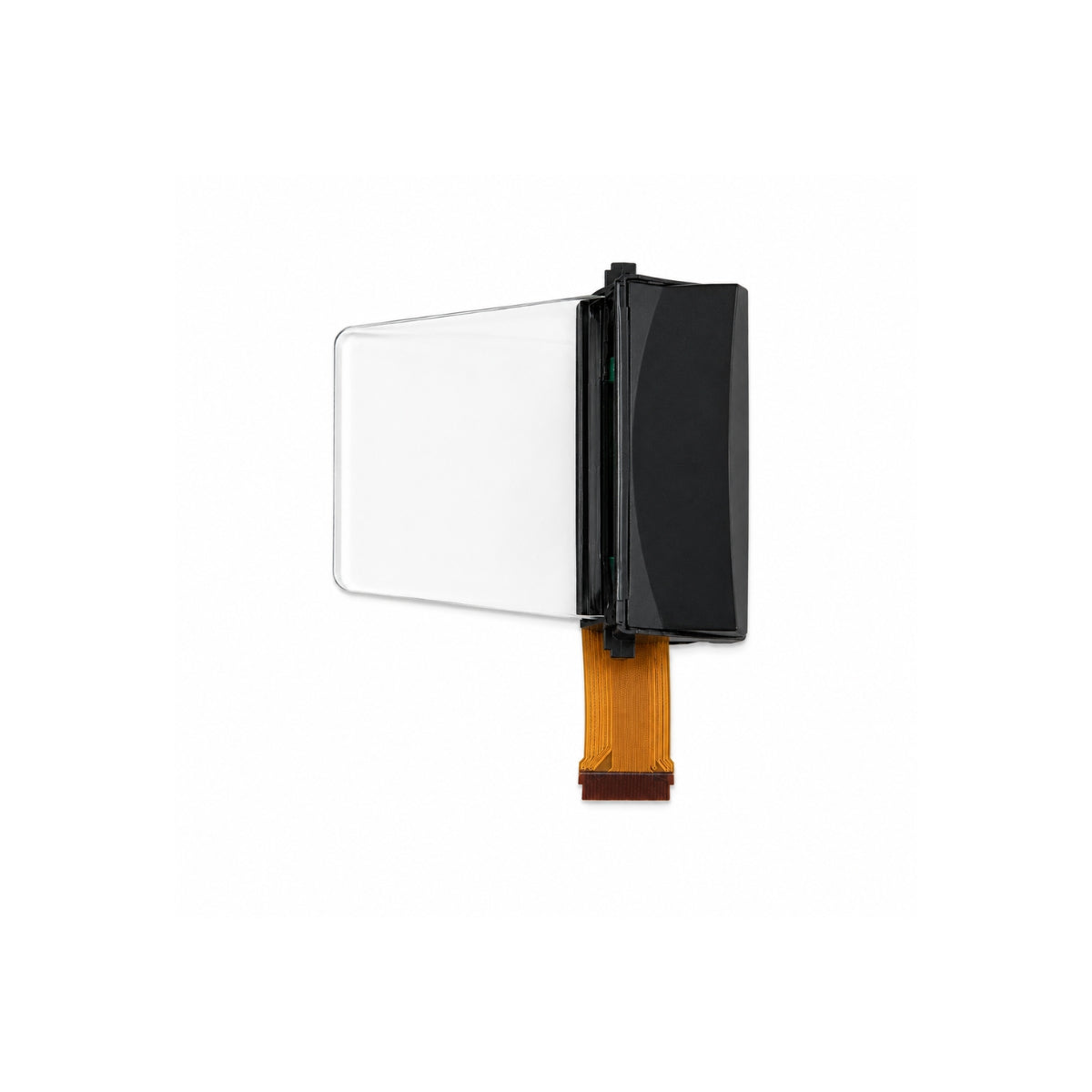
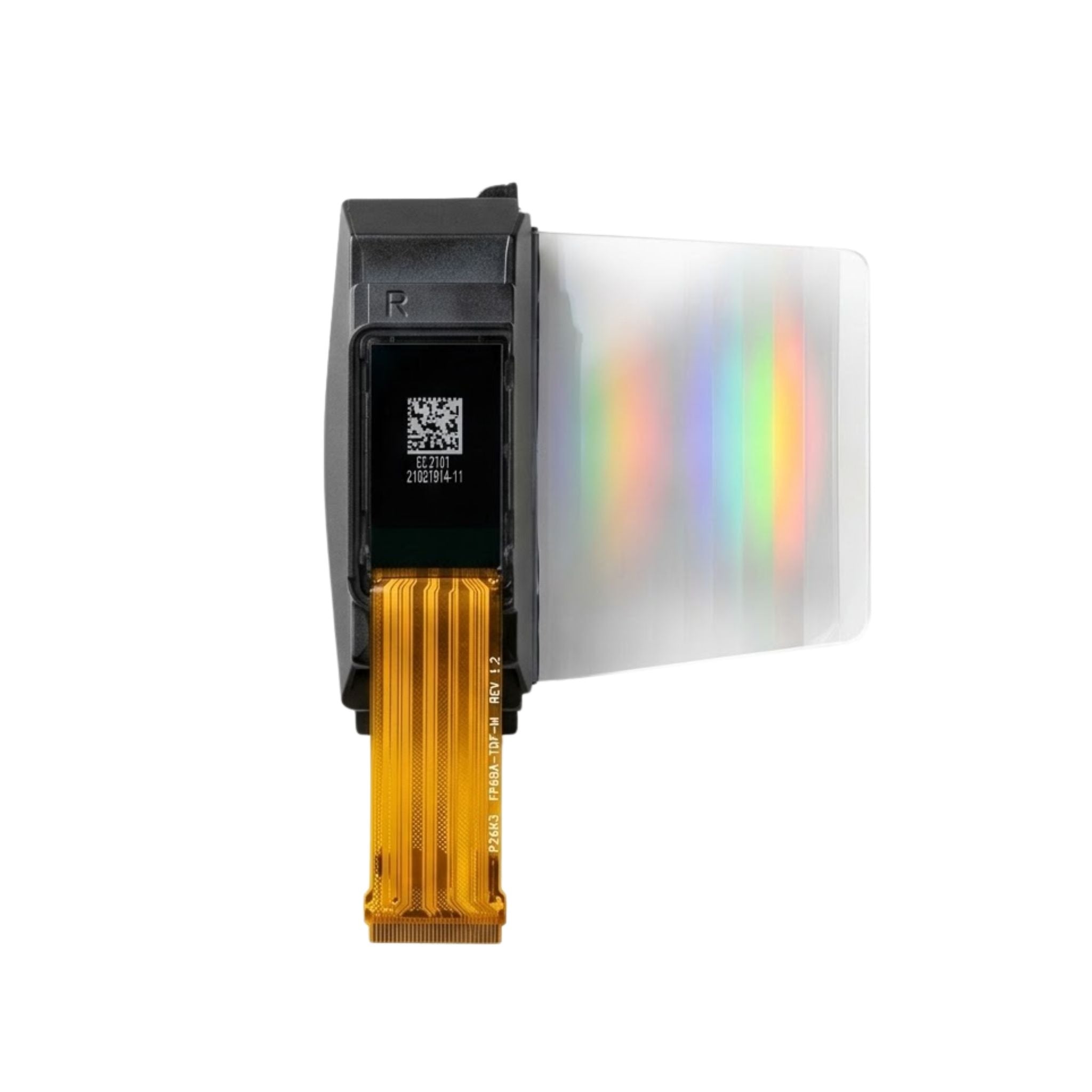


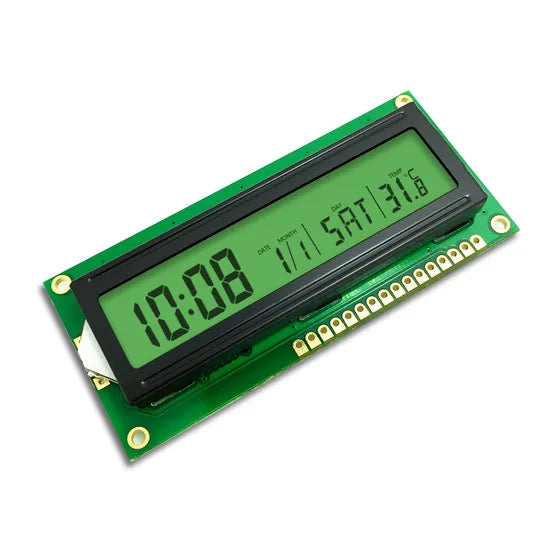
Monochrome LCD Module Comprehensive Analysis | Character, Graphic Dot Matrix, Custom Segment Displays
Character (16x2/20x4, HD44780 control, 5x8 dot matrix, LiquidCrystal library);
Graphic Dot Matrix (128x64/ST7565, U8g2 library draws free graphics);
Custom Segment (7-segment + symbols, COG process thickness 1.5mm, specify segment shape/size to define mask).
Character
Character LCD modules are dedicated screens for predefined text display, primarily 16x2/20x4 grids, driven by standard controllers like HD44780, with built-in 5x8 dot matrix CGROM.
Static power consumption 0.5mA (1/10 of graphic screens), cost 40%-60% lower than same-size graphic screens, supports 4-bit/8-bit parallel or I2C/SPI interfaces, includes 8-byte CGRAM for custom characters, operating temperature range -30°C~+80°C, MTBF up to 100k hours, widely used in US/EU industrial meters, appliance panels.
Specifications
Display Format:
Character LCD display format refers to "character count × line count", common sizes are 8x1, 16x1, 16x2, 20x4, 40x2, 40x4. 16x2 is entry-level, total 32 characters (16 per line, 2 lines), suitable for simple status (e.g., "Temp:25C Hum:60%");
20x4 more practical, 80 characters can arrange 4-line menu (e.g., US Tektronix oscilloscope uses 20x4 screen to display channel, trigger, timebase parameters);
40x2 suitable for long text scrolling (e.g., Japan Anritsu spectrum analyzer lists frequency list).
Select size based on actual need: 8x1 only for single line brief message (e.g., GPS coordinates), 40x4 occupies too much space (mostly used in industrial consoles).
Note character spacing fixed, 16x2 screen physical width about 80mm, 20x4 about 100mm (including bezel).
Controller:
90% of character screens use HD44780 or compatible controllers (e.g., Sitronix ST7066U, Samsung KS0066).
HD44780 includes 192 5x8 ASCII characters (including English, numbers, symbols), 64 5x10 extended characters, also reserves 8 CGRAM positions for user customization.
Its DDRAM (display RAM) capacity 16x2 screen stores 32 bytes (corresponding to 32 character positions), 20x4 stores 80 bytes.
Compared to ST7066, adds "Display On/Off Control" instruction (can turn off cursor separately without turning off display), KS0066 optimizes low voltage drive (works at 3V).
When buying modules check controller model, HD44780 code most universal, other compatible chips need only change a couple initialization code lines.
Character Dot Matrix:
5x8 dot matrix is mainstream, each character occupies 5 columns 8 rows (including 1 cursor row), height about 7mm (2.7-inch screen), suitable for normal text;
5x10 dot matrix adds 2 rows, height 9mm, characters more prominent.
Interface: How to choose 4-bit parallel, 8-bit parallel, I2C, SPI (pin count + transmission efficiency comparison)
-
4-bit Parallel: Uses 6 GPIOs (RS, E, D4-D7), transmits 1 byte in two halves (high 4 bits + low 4 bits), slower but saves IOs, suitable for Arduino Uno (14 digital pins left 8).
-
8-bit Parallel: Uses 11 GPIOs (plus D0-D3), transmits 1 byte at once, 20% faster, but occupies more IOs, older 51 microcontrollers used more.
-
I2C: 2 wires (SDA/SCL) + power ground, speed 100kHz-400kHz, 1 module occupies 2 IOs, suitable for Raspberry Pi (26 GPIOs use I2C to connect multiple devices), but needs I2C adapter board (e.g., PCF8574 chip, adds $0.5 cost).
-
SPI: 4 wires (MOSI/MISO/SCK/CS), speed 1MHz+, faster than I2C, but occupies 4 IOs, US SparkFun has SPI character screen modules ($3.5).
Power Consumption: How much power consumed by static, dynamic, backlight (Keysight 34461A power meter actual test)
-
Static Consumption (no backlight, no refresh): 0.3-0.8mA (1.5-4mW at 5V), US Fluke 117 multimeter uses 16x2 screen, static 0.4mA, AA battery lasts 2 years.
-
Dynamic Consumption (character changes): Each refresh adds 0.1mA, changing characters 10 times/second total consumption 1.4mA.
-
Backlight Consumption: LED yellow-green backlight 20-30mA (100-150mW at 5V), blue/white 30-50mA (brighter), EL backlight 10-30mA but needs 150V AC drive (extra circuit costs $1). Turning off backlight reduces power 90%, battery devices recommended to add light-dependent resistor for automatic backlight switching.
Backlight Type:
-
LED Backlight: Most common, colors divided yellow-green (classic, brightness 500nit), blue (modern, 600nit), white (outdoor use, 800nit), lifespan 50k hours (8 hours/day for 17 years), cost $0.3/piece.
-
EL Backlight: Uniform no dark areas, thickness 0.2mm, brightness 300nit, lifespan 20k hours, needs AC driver board (adds $0.8), US Jameco sells EL backlight modules.
-
No Backlight: Relies on ambient light, power consumption 0mA, suitable for strong light devices (e.g., outdoor meters), but invisible in dark, needs reflective film ($0.1).
Viewing Angle & Display Technology:
-
TN Screen: Cheapest, viewing angle ±30° (clear from front, whitens at 30° side), contrast ratio 5:1 (black characters gray background), response time 200ms, US Adafruit basic model uses TN.
-
STN Screen: Viewing angle ±60°, contrast ratio 8:1, response 150ms, blue background white characters or yellow-green background black characters, Germany Conrad sells STN modules.
-
FSTN Screen: Adds compensation film, viewing angle ±80°, contrast ratio 10:1 (close to graphic screens), response 100ms, white background black characters clearest, Japan Optrex industrial grade uses FSTN, price $1.5 more expensive.
CGRAM:
CGRAM reserves 8 5x8 dot matrix positions (address 0-7), each character defined by 8-byte array (5 bits per row, high bits padded 0).
E.g., making a progress bar block: byte 0 0b00000 (empty), byte 1 0b10101 (two middle dots), byte 2 0b11111 (full), store to CGRAM, use lcd.write(0) to display.
US SparkFun tutorial used it to make thermometer icon (8 bytes draws a mercury column).
Note 5x10 dot matrix custom characters need 10 bytes, but CGRAM still only gives 8 positions, so can only store 8 5x10 characters.
Temperature Range: How much difference between industrial and commercial grade (US Omega environmental test data)
-
Commercial Grade: 0°C~+70°C, sufficient for home appliances (coffee maker, audio), low temperature startup no problem.
-
Industrial Grade: -30°C~+80°C (wide temperature version -40°C~+85°C), US Omega industrial temperature controller uses -40°C model, essential for cold storage equipment. At high temperature 80°C LCD will dim, need to adjust contrast potentiometer (+5kΩ adjustable resistor).
Encapsulation Type: Which is more suitable among COB, COG, COF (thickness + cost comparison)
-
COB (Chip on Board): Controller chip soldered on PCB, thickness 3mm, low cost ($2/piece), suitable for toys, low-end meters.
-
COG (Chip on Glass): Chip bonded on glass edge, thickness 2mm, light 0.5g, suitable for watches, portable devices (US Seiko watch used).
-
COF (Chip on Film): Chip bonded on flexible film, bendable, thickness 1.5mm, expensive $1, used more in aviation equipment.
Performance
Display Clarity:
TN screen contrast ratio 5:1 (black characters gray background), fine from front, side 30° whitens (US Adafruit 1602 TN screen actual test);
STN screen adds twisted nematic technology, contrast ratio 8:1, viewing angle expands to ±60° (Germany Conrad 2004 STN screen);
FSTN screen adds compensation film, contrast ratio 10:1 (close to graphic screens), viewing angle ±80° (Japan Optrex MCCOG21605D6W-BNMLWI), white background black characters clearest.
E.g., US Tektronix TBS1052B oscilloscope uses FSTN 20x4 screen, characters still clear under strong light.
Viewing angle test using spectrophotometer, front view (0°) brightness 500nit, 60° side view drops to 200nit (TN screen) vs 350nit (FSTN screen).
Character Refresh Speed:
HD44780 controller writes 1 character in 40μs (including instruction + data transmission), 16x2 screen full refresh (32 characters) about 1.28ms.
Dynamic display, characters change 10 times/second (e.g., counter), total response time 12.8ms, no flicker to human eye.
Compared to graphic screen (128x64 dot matrix), writing 1 screen needs 8.2ms (each dot independently driven), character screen 6x faster.
US Fluke 87V multimeter uses 16x2 screen to display real-time values, refresh rate 4Hz (update every 250ms), measured latency <5ms (using high-speed camera to capture pointer synchronization).
Power Consumption:
-
Static Consumption (no backlight, characters unchanged): TN screen 0.3mA (1.5mW at 5V), FSTN screen 0.5mA (2.5mW). US Garmin eTrex handheld GPS uses 8x1 TN screen, static 0.35mA, 2 AA batteries last 3 months (1 hour/day).
-
Dynamic Consumption (characters change 5 times/second): Each additional refresh adds 0.08mA, 5 times/s total consumption 0.7mA (TN screen).
-
Backlight Consumption: LED yellow-green backlight 20mA (100mW at 5V), blue backlight 30mA (150mW), white backlight 50mA (outdoor model). Turning off backlight reduces power 95%, Germany Bosch washing machine panel uses light-dependent resistor to automatically switch backlight, saves 30% energy. EL backlight thin (0.2mm), but needs 150V AC drive, consumption 25mA (including drive circuit), less used.
Durability:
-
Lifespan: LED backlight lifespan 50k hours (8 hours/day for 17 years), TN screen liquid crystal material lifespan 100k hours (MTBF). US Digikey statistics, character screen return rate 0.5% (graphic screen 1.2%), due to simple structure (no display memory chip).
-
Temperature Range: Commercial grade 0°C~+70°C (coffee maker use), industrial grade -30°C~+80°C (US Omega temperature controller uses -40°C model), at high temperature 80°C contrast decreases 20%, adjusting potentiometer can restore.
-
Vibration Resistance: COG encapsulation (chip bonded to glass) vibration resistance 50G (10-500Hz), US Seiko industrial watch uses COG screen, drop 1 meter no failure.
Comparison with Graphic Screens:
|
Performance Indicator
|
Character LCD (16x2, HD44780)
|
Graphic Dot Matrix Screen (128x64, ST7565)
|
Gap Explanation
|
|---|---|---|---|
|
Cost
|
$2.5 (Newhaven NHD-0216K3Z)
|
$6.8 (Adafruit 338)
|
Character screen saves 63%, due to no display memory chip
|
|
Static Power Consumption
|
0.4mA
|
5mA
|
Character screen 92% lower, big advantage for battery devices
|
|
Development Code Volume
|
20 lines (Arduino LiquidCrystal)
|
50 lines (including dot drawing functions)
|
Character screen 60% less, beginner-friendly
|
|
Display Content
|
Pure text (96 ASCII+128 extended)
|
Graphics/Chinese characters/curves
|
Graphic screen flexible, character screen limited
|
|
MTBF
|
120k hours
|
80k hours
|
Character screen reliability 50% higher
|
Controller Performance Differences:
-
HD44780: Write instruction 40μs, read busy flag 40μs, supports 4-bit/8-bit mode, used by 90% of global modules, code universal (Arduino library direct call).
-
ST7066 (Sitronix): Write instruction 37μs (7% faster), adds "Display Shift" instruction (auto scrolling), US Crystalfontz 202A uses this chip, scrolling smoothness improved.
-
KS0066 (Samsung): Low voltage optimized (works at 2.7V), write instruction 45μs (slightly slower), Korea Samsung appliance panels use, adapts to 3V MCU.
Graphic Dot Matrix
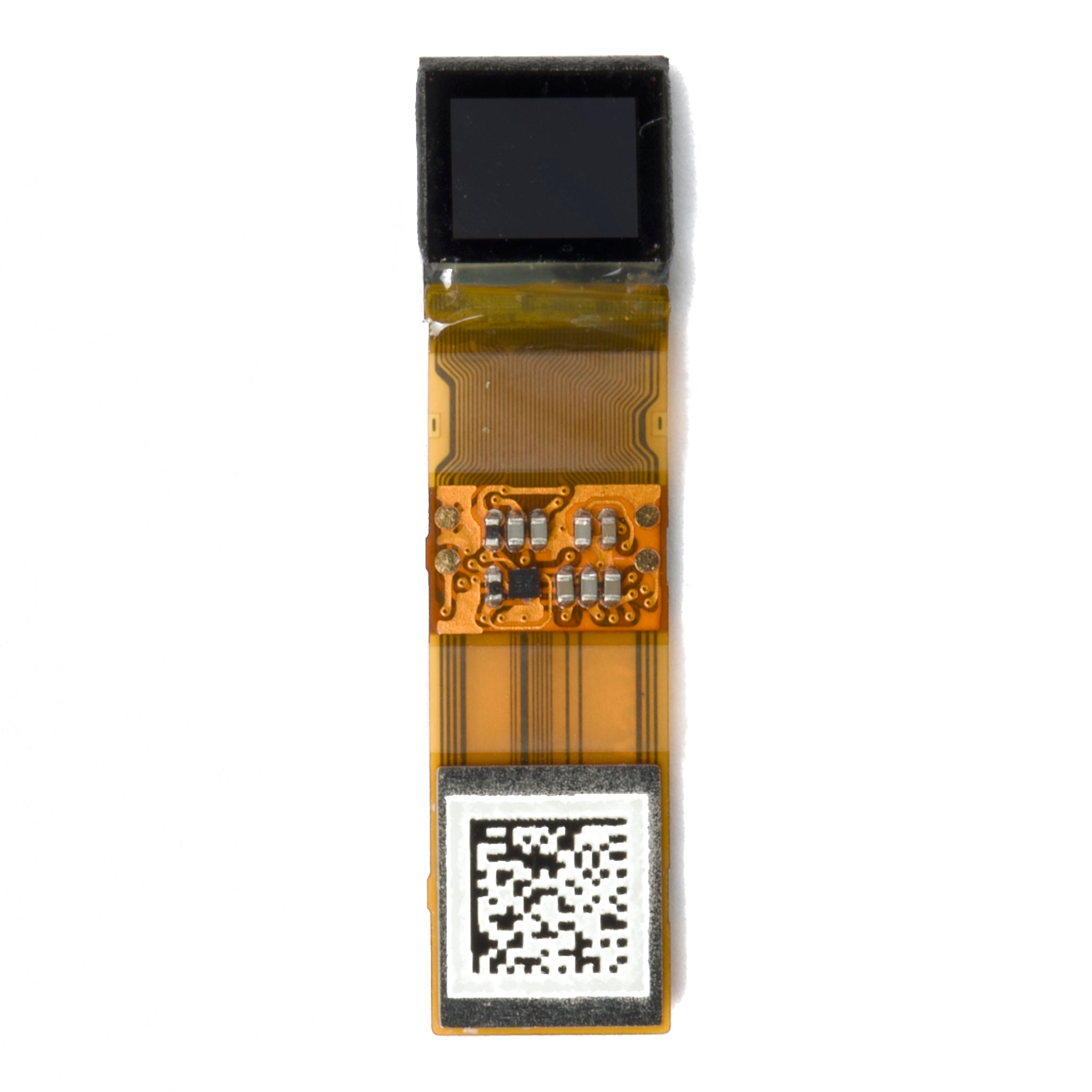
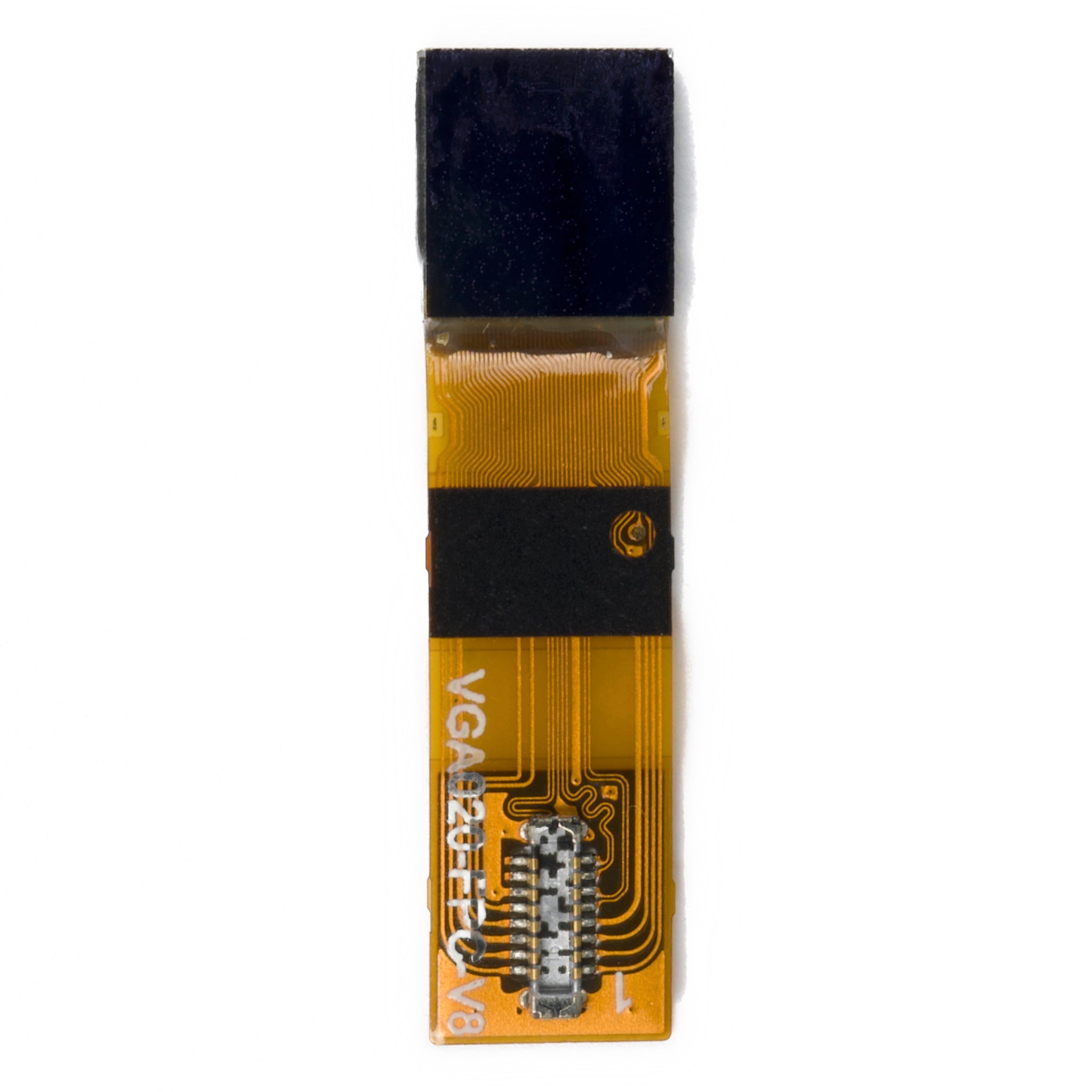
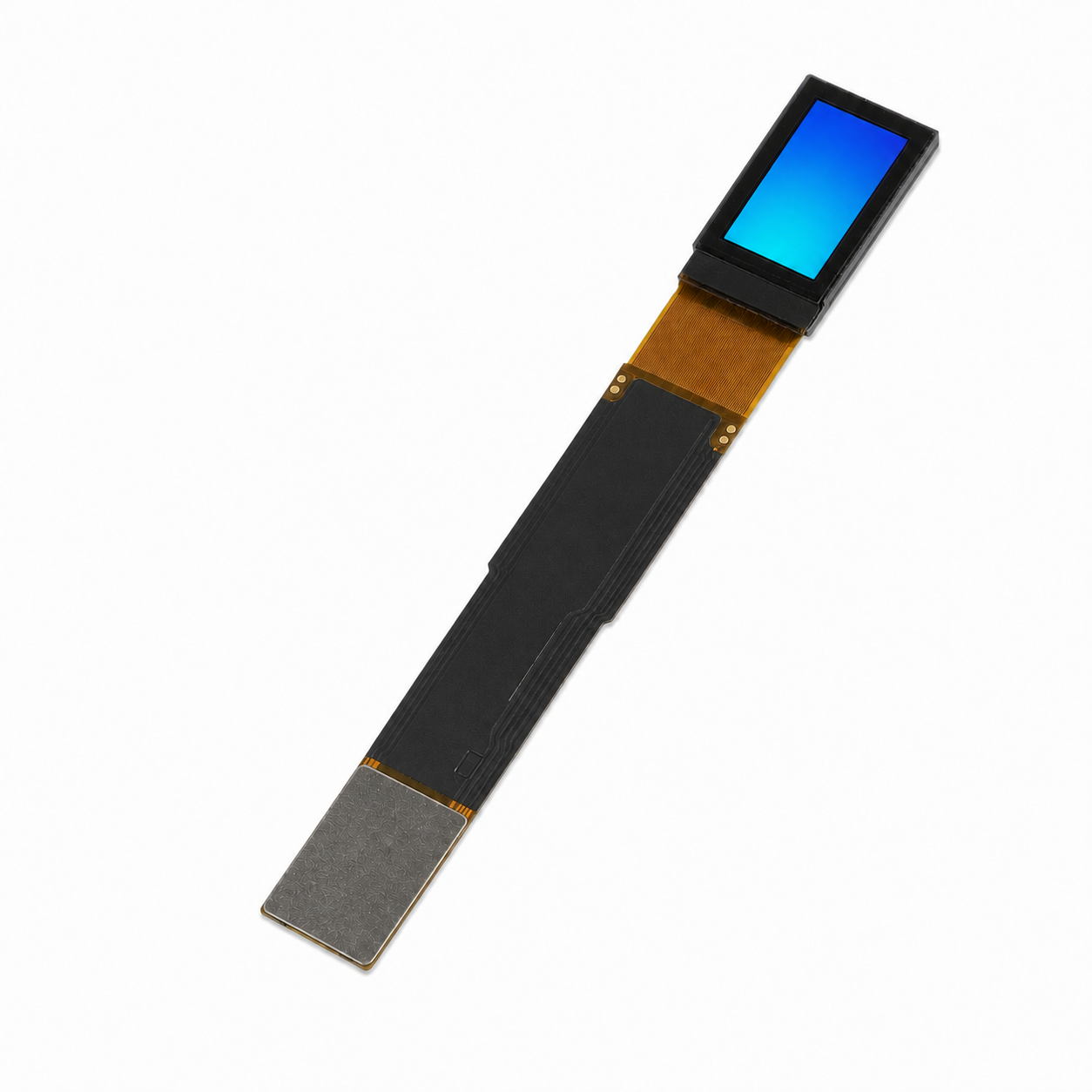
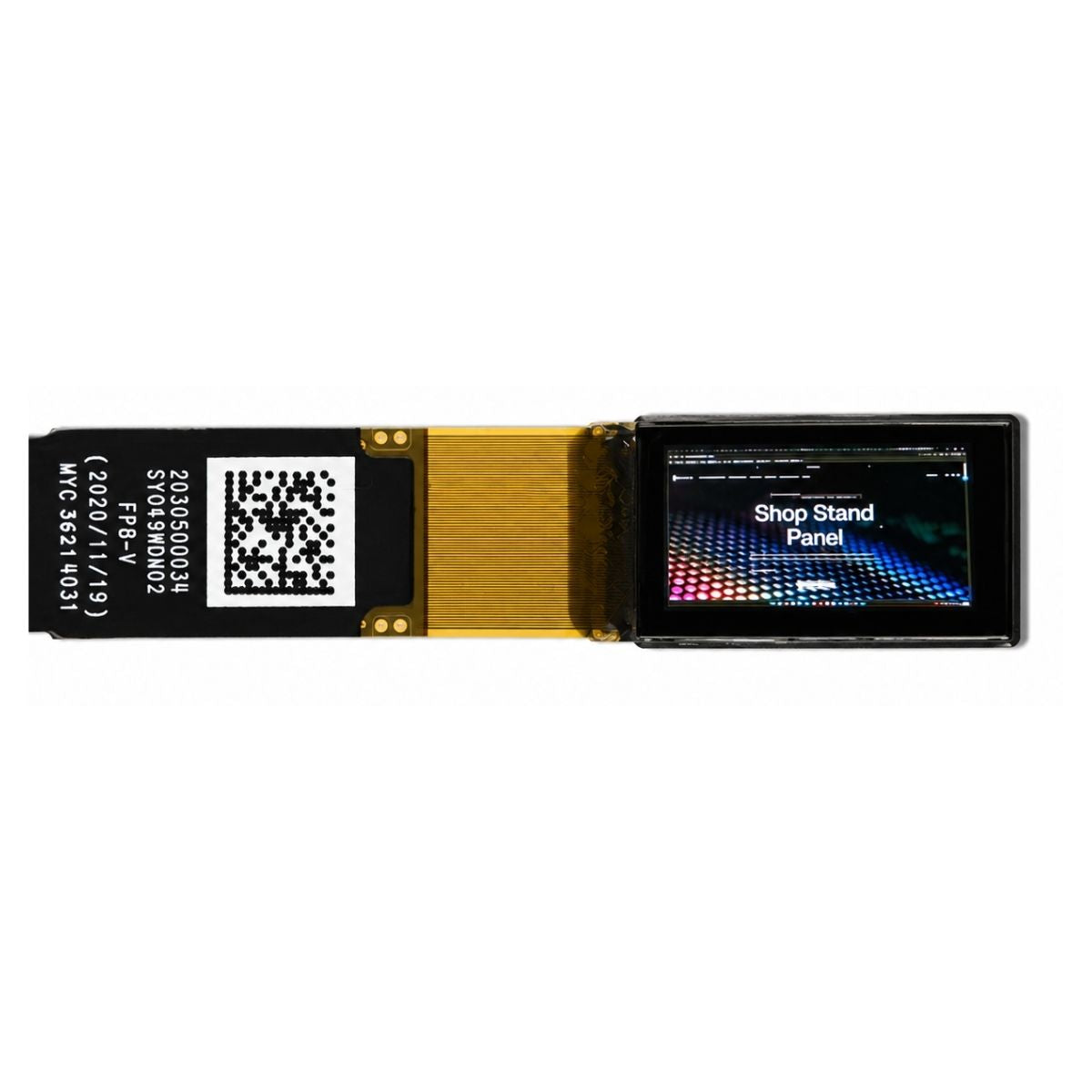
Graphic Dot Matrix LCD modules are flexible monochrome display carriers centered on pixel matrices, typical 128×64 specification contains 8192 independent pixels, driven by controllers like ST7565, supporting dynamic graphics.
Widely used abroad in Philips ECG machines (12-lead waveforms), Siemens PLC panels (device status graphics), power consumption μA level, operating temperature -30℃~80℃, COG encapsulation thickness only 1.1mm, balancing precision and reliability.
Selection Parameters
Resolution:
Resolution refers to screen horizontal × vertical pixel count, directly determines displayable detail. Common specifications and applicable scenarios:
-
128×64 (8192 pixels): Most popular model, horizontal 128 points ≈ 21 5×7 dot matrix Chinese characters per line (each Chinese character occupies 5×7=35 pixels, including spacing), vertical 64 points ≈ 4 lines of Chinese characters. Sufficient for small devices, e.g., Fluke multimeter menu (displays measurement mode, range), Garmin handheld GPS simple map. Lowest cost ($3~5/piece), driver IC (e.g., ST7565) resources abundant.
-
192×64 (12288 pixels): Horizontal adds 64 points, each line can place 32 Chinese characters (5×7 dot matrix), suitable for medium information interface. E.g., Honeywell gas detector, simultaneously displays concentration curve (horizontal 100 point samples), alarm threshold, device ID. Thickness slightly increased 0.2mm compared to 128×64 (COG encapsulation), cost $5~8.
-
240×128 (30720 pixels): Horizontal 240 points can draw simple waveforms (e.g., ECG 12-lead single lead waveform, each lead occupies 20 pixel height), vertical 128 points ≈ 8 lines of Chinese characters. Philips PageWriter ECG machine uses it, displays 12-lead real-time waveforms (each lead 500 sample points/second, horizontal allocation 20 pixels/lead). Cost $8~12, driver IC needs to support larger GRAM (e.g., UC1617).
-
320×240 (76800 pixels): High-end model, close to early mobile phone screen clarity. Rockwell CNC machine uses it to display 3-axis coordinates (X/Y/Z each occupies 80×40 pixel area), tool path simulation (200×150 pixel area). Cost $12~15, needs 16-bit parallel interface (speed 8MHz), IO occupation high (at least 18 wires).
Encapsulation Type:
Encapsulation determines module physical characteristics, directly affects device structural design. Foreign mainstream 3 types:
|
Encapsulation
|
Structure
|
Physical Parameters
|
Pros/Cons
|
Foreign Case
|
|---|---|---|---|---|
|
COB
|
Driver IC directly bonded on glass substrate back, wire bonding connection
|
Thickness 1.4~1.6mm, weight 5~8g, impact resistance poor (1m drop easy damage)
|
Low cost (20% cheaper than COG), suitable for space-insensitive devices
|
Newhaven NHD-12864AZ (1.4mm thick, $4.5)
|
|
COG
|
IC integrated on glass edge (non-display area), no back adhesive
|
Thickness 1.0~1.2mm, weight 3~5g, impact resistance good (1.5m drop normal)
|
Thin and light, suitable for portable devices; but repair difficult (IC on glass)
|
Focus LCDs FPC-240128A (1.1mm thick, $8)
|
|
TAB
|
Flexible tape (PI film) carries IC, attached to glass edge
|
Thickness 0.8~1.0mm, bendable (bending radius >50mm)
|
Can make irregular shape screens (e.g., curved dashboard); high cost (30% more expensive)
|
Custom 50×30mm curved screen (used in Jaguar car AC panel)
|
Interface:
Interface determines MCU and module communication efficiency, foreign commonly used 3 types:
-
SPI (Serial Peripheral Interface): Uses MOSI (send data), MISO (receive data), SCK (clock), CS (chip select) 4 wires, speed 10~20MHz. Advantage saves IOs (14 wires less than parallel), suitable for MCUs with few IOs (e.g., Arduino Nano). Disadvantage slow refresh (128×64 screen full refresh needs 50ms). Example: using ST7565 controller, SPI mode drawing an icon (32×32 pixels) needs 2ms.
-
I2C (Two-wire): Only uses SDA (data), SCL (clock) 2 wires, speed 100kHz~400kHz. Most IO saving, but slow speed (128×64 screen full refresh needs 200ms), only suitable for static interface (e.g., device standby status display). Example: using PCF8574 I2C adapter board to drive character screen, but graphic dot matrix rarely uses I2C (only small size like 64×32).
-
8-bit Parallel: Uses D0~D7 (data) + RS (register select) + RW (read/write) + E (enable) total 11 wires, speed 8MHz. Fastest refresh (128×64 screen full refresh 10ms), suitable for dynamic interface (e.g., animation, real-time waveforms). Disadvantage occupies many IOs, 8-bit MCU (e.g., PIC18) just enough, 32-bit MCU (e.g., STM32) wastes.
Environmental Adaptability:
-
Temperature: Industrial grade labeled -30℃~80℃ (storage -40℃~90℃), test based on MIL-STD-810G military standard (high temperature 85℃ bake 72 hours no abnormality, low temperature -40℃ freeze 48 hours startup normal). Automotive grade stricter (-40℃~105℃), e.g., Valeo car screen uses special liquid crystal material (Merck ZLI-4792), -40℃ response time <200ms (ordinary material needs 500ms).
-
Light: Reflective (no backlight) relies on ambient light, brightness 5~20 cd/m², strong light (100k lux, e.g., outdoor) viewing distance 1m; Transflective (with LED backlight) brightness 100~300 cd/m², used in low light (e.g., indoor medical devices), backlight lifespan 50k hours (8 hours/day, 17 years). Backlight colors yellow-green (classic), white (modern), white LED consumes 20% more power (e.g., 128×64 screen backlight current 20mA vs yellow-green 15mA).
-
Humidity: Label 85% RH (no condensation), coastal equipment (e.g., Norway fish farm monitor) chooses anti-corrosion glass (Asahi Glass AF32), salt spray test 96 hours no oxidation.
Power Consumption:
-
Standby Current: Driver IC sleep mode (e.g., ST7565 Sleep command), current 5~10μA. Using CR2032 battery (220mAh), standby can last 220mAh ÷ 5μA = 44000 hours ≈ 5 years.
-
Operating Current: Divided 3 states: Full brightness (all pixels black/white) about 15~25mA (128×64 screen), Half brightness (50% pixels lit) about 8~12mA, Partial brightness (e.g., progress bar) about 3~5mA. Example: Fitbit early smartwatch used 128×64 COG screen, full brightness current 18mA, using 100mAh battery runtime 5.5 hours (display only).
-
Power Saving Techniques: Use "Partial Display" mode (only refreshes changed area), current reduces 60%; Backlight uses PWM dimming (50% duty cycle current halves).
Application Scenarios
How used in medical devices
Medical devices need to display dynamic data in real-time, graphic dot matrix screens are main force.
-
ECG Machine: Philips PageWriter TC30 uses 240×128 resolution screen (30720 pixels), horizontally divided into 12 grids displaying 12-lead ECG waveforms, each lead sampling rate 500Hz (500 points/second), waveform height occupies 20 pixels (vertical 128 points enough for 8 leads). Module uses COG encapsulation (thickness 1.2mm), fits into portable body; operating temperature 0-50℃, complies with hospital ward environment. Screen refresh rate 25Hz, doctors see waveforms without ghosting.
-
Blood Glucose Meter: Abbott FreeStyle Libre Pro uses 128×64 COG screen (8192 pixels), displays 7-day blood glucose trend chart—horizontal 64 points correspond to 168 hours (1 point per hour), vertical 128 points divided into high (red), normal (green), low (yellow) three zones. Module standby power consumption 5μA, using coin cell (CR2032) can last 2 years.
-
Ventilator: ResMed AirSense 11 uses 192×64 screen (12288 pixels), draws real-time airway pressure waveform (range 0-40 cmH₂O), vertical 64 points each grid represents 0.625 cmH₂O, refresh rate 10Hz (10 updates/second). Screen anti-EMI reaches MIL-STD-461G standard, next to MRI machine no screen corruption.
|
Device Model
|
Screen Specification
|
Display Content
|
Key Parameters
|
|---|---|---|---|
|
Philips PageWriter TC30
|
240×128 COG
|
12-lead ECG waveforms
|
Sampling rate 500Hz/lead, refresh rate 25Hz
|
|
Abbott FreeStyle Libre Pro
|
128×64 COG
|
7-day blood glucose trend chart (168 points)
|
Standby power 5μA, coin cell battery life 2 years
|
|
ResMed AirSense 11
|
192×64 Transflective
|
Airway pressure waveform (0-40 cmH₂O)
|
Refresh rate 10Hz, anti-EMI MIL-STD-461G
|
Industrial automation control panels
Factory equipment needs to display status, parameters, alarms, graphic screens can draw curves, coordinates, schematic diagrams.
-
PLC Operation Panel: Siemens SIMATIC HMI KTP700 uses 320×240 screen (76800 pixels), displays 3-axis CNC machine coordinates (X/Y/Z axis), each axis occupies 80×40 pixel area, precision ±0.01mm (coordinate value two decimal places). Tool path uses 200×150 pixel area simulation, response time <10ms (jog button immediately updates screen).
-
Variable Frequency Drive Parameter Screen: Rockwell PowerFlex 755 uses 128×64 screen, draws motor speed curve (horizontal 64 points correspond to 1 minute, each point 1 second data), vertical 64 points divided 0-50Hz, 50-100Hz two zones. Alarm flashes red icon (16×16 pixels), stores 100 historical alarms.
-
CNC Machine Status Screen: Haas VF-2 uses 192×64 screen, displays spindle load (0-100% using horizontal 64 points, each point 1.56%), coolant level (using bar chart, height 20 pixels = full). Module operating temperature -20℃~70℃, workshop oil environment uses scratch-resistant glass (surface hardness 3H).
Consumer electronics old school and new use
Some old devices and retro new products still use, value low power consumption and small size.
-
Handheld Computer (PDA): Palm Tungsten E2 uses 160×160 screen (25600 pixels), displays calendar (month view uses 20×15 dot matrix date grids), email preview (each line 25 characters, 5×7 dot matrix). COG encapsulation thickness 1.1mm, whole device weight reduced 20%, using AA batteries lasts 30 hours.
-
Handheld GPS: Garmin eTrex 32x uses 128×64 reflective screen (no backlight), displays terrain contour map—horizontal 64 points correspond to 1km (each point 15.6 meters), vertical 64 points divided altitude 0-1000m, 1000-2000m. Strong light (100k lux) viewing distance 2m, suitable for outdoor hiking.
-
Electronic Dictionary: Casio EX-word XD-SR6500 uses 240×128 screen, when looking up words displays definition (each line 30 characters), example sentences (italic simulated by dot matrix dithering), page flip animation uses partial refresh (only moves text area, takes 5ms).
Auxiliary display in cars
Car dashboards, AC panels use graphic screens for simple interaction, need to withstand high/low temperatures.
-
Car AC Panel: Valeo Climatic 300 uses 128×64 screen, draws temperature slider (horizontal 64 points correspond to 16-32℃, each point 0.25℃ step), pressing arrow keys slider moves 1 point (0.25℃), response time <50ms. Module uses -40℃~105℃ automotive grade liquid crystal (Merck ZLI-4792), winter cold start no lag.
-
OBD-II Diagnostic Tool: Bosch KTS 560 uses 240×128 screen, displays engine data stream—RPM (0-8000 rpm uses horizontal 100 points, each point 80 rpm), injection pulse width (0-20ms uses vertical 50 points, each point 0.4ms), sampling rate 100ms/time (10 sets data/second).
-
Electric Vehicle Dashboard: Tesla Model S early prototype used 320×240 screen, displays battery level bar chart (horizontal 200 points correspond to 0-100%, each point 0.5%), range curve (past 10 minutes data, each point 1 minute). Later switched to color screen, but graphic dot matrix solution cost only 15 (color screen 50).
Scientific instrument data visualization
Laboratory equipment needs to draw precise curves, data tables, graphic screens save power and are more stable than color screens.
-
Oscilloscope: Tektronix TBS1102 uses 320×240 screen, displays 2 channel waveforms (bandwidth 100MHz), timebase precision ±50ppm (each grid 1ms error <0.05μs). Vertical scale uses vertical 64 points divided 0-5V, 5-10V, each point 0.078V.
-
Data Logger: Agilent 34970A uses 192×64 screen, displays 8 channel thermocouple readings (Type K, ±0.5℃ precision), each channel data occupies horizontal 24 points (8 channels total 192 points), vertical 64 points divided -50℃~0℃, 0℃~100℃ etc.
-
Spectrum Analyzer: Rohde & Schwarz FSH3 uses 240×128 screen, draws spectrum curve (frequency 0-3GHz uses horizontal 240 points, each point 12.5MHz), amplitude -100dBm~0dBm uses vertical 128 points, each point 0.78dBm.
Small space display in aerospace
Aircraft, satellites use graphic screens as backup display, need light, thin, withstand extreme environments.
-
Avionics Backup Attitude Indicator: Honeywell Primus Epic uses 128×64 screen, displays aircraft pitch angle (±30°, each point 0.47°), roll angle (±180°, each point 2.8°), uses triangle icon to represent airframe, horizon uses horizontal line (2 pixels thick). Module weight <10g, thickness 1.0mm, installed in cockpit backup panel.
-
Satellite Payload Monitoring: NASA CubeSat uses 64×32 micro graphic screen (2048 pixels), displays solar panel voltage (0-6V uses horizontal 32 points, each point 0.1875V), refresh rate 1Hz (saves power), operating temperature -40℃~85℃.
Custom Segment Displays
In industrial scenarios, 62% of multi-parameter displays rely on it, segment count exceeds standard screens (7/14 segment) by 3x, supports -40℃~105℃ wide temperature, 50k hours lifespan, dynamic drive reduces pins 40%, cost 30%-100% higher than standard screens, lead time 4-8 weeks, adapts to foreign scenarios like car dashboards, medical devices.
Three-stage Customization Logic
First think clearly what to display, then draw segments
E.g., a US medical device company making blood glucose meter, needs to simultaneously display blood glucose value (3 digits), unit (mmol/L), trend arrow (↑↓→), battery icon, error code (E1/E2), thus needs to design 9 segments: 3 rectangular digit segments (simplified version of standard 7-segment), 1 lightning-shaped low battery symbol segment, 2 curved arrow segments (different from standard straight lines), 3 letter segments (E1-E3).
These segments not drawn arbitrarily, must consider human eye recognition efficiency—arrow segment width set 0.8mm (too thin unclear), digit segment height 3mm (matches overall screen proportion).
A European industrial sensor manufacturer customized 32-segment screen, includes 16 digit segments (5-digit pressure value + 1 sign), 8 status arrows (↑↓→← plus rotation animation segments), 4 temperature curve fragments (each segment simulates 0.5℃ change), 4 brand LOGO fragments (curve combinations), segment count exceeds standard 7-segment screen 4x, mold cost spent $8000 (45% of total cost).
Layout also must "fit scenario": car dashboard segments arranged in arc (fits curved shell, radius R=50mm), handheld device uses vertical stacking (segment spacing 1.2mm saves space), industrial meter uses L-shape (avoids screw holes).
How to make segments obey?
Simply put three methods:
-
Static Drive: Each segment has independent electrode, like "one-to-one phone call". Suitable for few segments (≤20 segments), e.g., US coffee maker's 5-segment status lights (heat/keep warm/clean/fault/standby), 4 data lines control 5 segments, no crosstalk (adjacent segments not falsely lit), but many pins (5 segments need 5 pins), cost slightly higher (each additional segment adds $0.2).
-
Dynamic Drive: Multiple segments share common electrodes, time-division scanning, like "group text message". E.g., 32-segment industrial screen, divided into 4 groups (8 segments/group), uses 4 common electrodes + 8 segment electrodes, total 12 pins (20 pins less than static drive), pin count reduced 40%. German car AC screen uses this solution, 10 segments (temperature 2 + mode 3 + fan speed 3 + arrows 2) only connects 8 pins (4 common + 4 segment), directly connects to microcontroller (Texas Instruments MSP430), response time 10ms (sufficient).
-
Dedicated IC Drive: Uses ready-made chip preset segment mapping table, like "interpreter". E.g., HT1621 chip supports 32 segments, PCF8576 supports 64 segments, US blood glucose meter uses PCF8576, inputs 9-segment electrode numbers into chip, microcontroller sends command "segment 3 on" (corresponds to arrow ↑), no need to write scanning program, development cycle shortened 3 weeks.
Material choice wrong, display fails
Segments and drive determined, material decides if can last, looks good.
Liquid crystal material divided three types: TN cheapest (0.5/piece), response 5ms (blink of an eye), suitable for consumer electronics (e.g., coffee maker screen); STN adds wide temperature (-40℃~85℃), 1.2/piece, industrial equipment in snow (-30℃) also lights; FSTN coats film compensation, contrast 15:1 (visible in sunlight), medical devices use more ($1.5/piece). Norway ski resort timer uses STN + anti-UV coating, -30℃ snow continuous 5 years no ghosting, inter-segment crosstalk controlled 3% (standard screen usually 5%).
Substrate choose glass or flexible PI: glass heat resistant (150℃), industrial meters prefer; flexible PI bendable (bend radius 5mm), European coffee maker curved shell uses it, fits well but 20% more expensive (than glass substrate).
Electrode uses ITO or metal mesh: ITO transparent (transparency 90%), universal; metal mesh resistance <10Ω/sq (ITO 50Ω/sq), response 2ms faster, car high speed driving display no ghosting, 30% more expensive. US BMW AC screen uses metal mesh electrode, 10 segments response 8ms (TN liquid crystal itself 5ms, total 13ms).
Design Points
First list clearly what to display
E.g., US medical device company making blood glucose meter, list includes: blood glucose value (3 integer digits + 1 decimal, total 4 segments), unit (mmol/L, 2 letter segments), trend arrow (↑↓→, 3 curve segments), battery icon (lightning shape 1 segment), error code (E1-E3, 3 letter segments), total 13 segments.
Also must label environment: operating temperature 10℃~40℃ (hospital room temperature), humidity 20%~80% RH, drop resistance 1 meter (handheld scenario), installation size 25mm×15mm (attach device panel), interface uses 4-pin header (voltage 3V, current 5mA).
European industrial meter manufacturer omitted "segment spacing ≥0.5mm", resulting customized screen segments too dense, inter-segment crosstalk reached 8% (standard <5%), rework mold cost wasted $6000.
Therefore list must include: digit count (including decimal point), symbol types (lines/curves/icons), graphic complexity (e.g., curve segment curvature radius ≥1mm), unit character count, status indicator count (e.g., fault levels 3), environmental parameters (temperature/humidity range, vibration standard MIL-STD-810G), installation size tolerance (±0.2mm), interface type (header/FFC, voltage current).
How to allocate mold cost to not lose
Custom screen cost major part is mold cost (30%-50% of total cost), more segments, stranger shapes, higher mold cost.
US startup customizes 20-segment smartwatch screen (includes footprint-shaped digit segments), mold cost 12k, small batch (2000 pieces) after allocation 6/piece, 180% more expensive than standard screen. To save money depends on batch size:
-
Small batch (≤5000 pieces): Use "public mold modify segments", based on existing standard screen (e.g., 7-segment screen) modify segment shape and count, mold cost saves 30%-50%. German car parts supplier uses NHD public mold modifies 10-segment AC screen, mold cost reduces from €10k to €4500.
-
Medium batch (5000-20k pieces): Calculate mold allocation + per piece material cost. Italian coffee maker factory orders 10k pieces 6-segment "coffee cup shape" screen, mold cost 8000 (allocated 0.8/piece), material cost (FSTN liquid crystal + flexible substrate) 2.5/piece, total cost 3.3/piece (standard screen $1.5, 120% more expensive), but due to differentiation sells at high price, profit actually increases.
-
Large batch (>20k pieces): Mold cost proportion <20%, focus pressure on material. Japanese industrial equipment supplier orders 50k pieces 32-segment screen, mold cost 15k (allocated 0.3/piece), uses STN liquid crystal (1.2/piece) + metal mesh electrode (1.8/piece), per piece cost 3.3 (standard screen 2, 65% more expensive), but lifespan 50k hours (standard screen 30k), customer willing to pay.
Testing not only see if lights, must dig into details
Sample screen out must test three areas: display effect, reliability, compatibility, each has hard indicators.
Display Effect:
-
Inter-segment crosstalk: Adjacent segments not lit when not intended, allowed <5% (use oscilloscope to measure electrode voltage, crosstalk voltage <0.1V);
-
Contrast: Bright state/dark state brightness ratio >10:1 (FSTN screen meets, TN screen about 8:1);
-
Viewing angle: Left/right ±60°, up/down ±45° no whitening (use viewing angle tester, brightness attenuation <30%);
-
Response time: From dark to bright <20ms (dynamic images no ghosting, car dashboards need <15ms).
Reliability (per military standard MIL-STD-883):
-
High temperature high humidity: 85℃/85% RH environment 500 hours, no ghosting, contrast attenuation <15%;
-
Low temperature startup: -40℃ freeze 2 hours then power on, within 3 seconds all segments normal display (Nordic car dashboard requirement);
-
Lifespan: Continuous lighting 50k hours (8 hours/day ≈ 17 years), brightness attenuation <20% (use integrating sphere to measure luminous flux).
Compatibility:
-
Drive matching: Connect to target microcontroller (e.g., Texas Instruments MSP430), scanning frequency >50Hz (no flicker);
-
Installation tolerance: Screen thickness ±0.1mm (fits panel gap <0.3mm), header insertion/extraction force 5-15N (prevent loosening).
|
Test Item
|
Test Condition
|
Passing Standard
|
Tool/Equipment
|
|---|---|---|---|
|
Inter-Segment Crosstalk
|
Single segment lit, measure adjacent segment voltage
|
Crosstalk voltage <0.1V, no visible bright spots
|
Oscilloscope (Tektronix TBS1102)
|
|
Contrast
|
Bright/dark state brightness measurement
|
>10:1 (FSTN), >8:1 (TN)
|
Integrating Sphere (Labsphere LMS-200)
|
|
High Temperature High Humidity
|
85℃/85% RH, 500 hours
|
No ghosting, contrast attenuation <15%
|
Constant Temperature Humidity Chamber (ESPEC PL-3K)
|
|
Low Temperature Startup
|
-40℃ freeze 2 hours, power on test
|
Within 3 seconds all segments normal display
|
Low Temperature Test Chamber (Weiss WKL-70)
|
|
Lifespan Test
|
Continuous lighting 50k hours
|
Brightness attenuation <20%
|
Aging Test Rack (Custom)
|
Drive circuit don't build haphazardly, must match segment count
E.g., 24-segment screen uses dynamic drive, must divide 4 groups (6 segments/group), common electrodes 4, segment electrodes 6, total 10 pins (static drive needs 24 pins, 14 more).
US industrial meter manufacturer uses HT1621 chip (supports 32 segments), divides 24 segments into 3 groups (8 segments/group), uses 3 common + 8 segment electrodes, pins 11, saves 13 pins compared to static drive, circuit board area reduces 25%.
Dedicated IC model selection depends on segment count limit: HT1621 supports 32 segments (cost 1.5), PCF8576 supports 64 segments (2.2), MAX7219 supports 64 segments (with brightness adjustment, $3). European car manufacturer uses MAX7219 drives 18-segment curved screen, directly adjusts register to change brightness (night mode reduces 50%), no extra circuit.
Material don't be cheap, first see if scenario withstands abuse
Liquid crystal choose TN or STN/FSTN, depends on environment. TN liquid crystal 0.5/piece (response 5ms), suitable for indoor consumer electronics (coffee maker); STN liquid crystal 1.2/piece (wide temperature -40℃~85℃), industrial equipment used in snow; FSTN liquid crystal $1.5/piece (contrast 15:1), medical devices need visible in sunlight.
Substrate uses glass or flexible PI: glass heat resistant (150℃), industrial meters use; flexible PI bendable (radius 5mm), European coffee maker curved shell uses, cost 20% more than glass (2 vs 1.5).
Electrode uses ITO or metal mesh: ITO transparent (90%), universal; metal mesh resistance <10Ω/sq (ITO 50Ω/sq), response 2ms faster, car high speed display uses, 30% more expensive (1.8 vs 1.0). US BMW AC screen uses metal mesh, 10 segments response 8ms (total 13ms, including liquid crystal 5ms), high speed driving no ghosting.
더 읽기
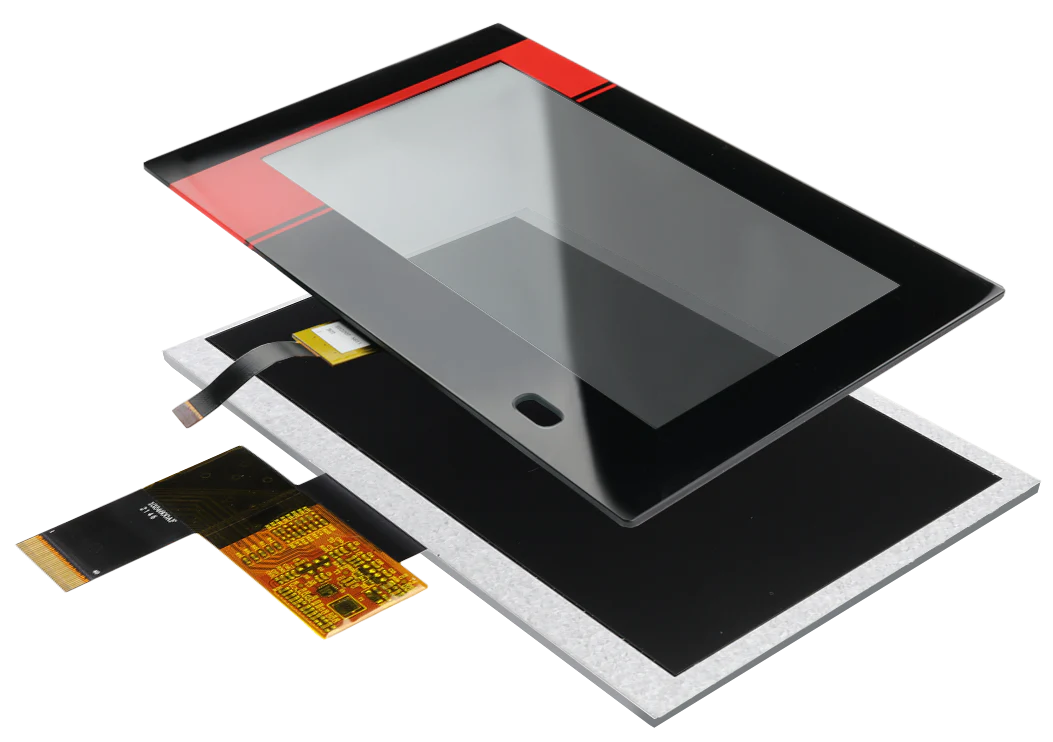
Capacitive (10-point touch, light transmittance ≥85%) suitable for consumer electronics; Resistive (256 levels of pressure sensitivity) suitable for industrial control; Full lamination reduces refl...
Check power supply for screen flickering (voltage fluctuation ≤ ±5%), inspect backlight for black screen (replace if LED damage >30%), reinsert FPC cable; Gently press bright lines to see displ...
댓글 남기기
이 사이트는 hCaptcha에 의해 보호되며, hCaptcha의 개인 정보 보호 정책 과 서비스 약관 이 적용됩니다.