



What is Micro OLED Module | Technology, Advantages, Use Cases
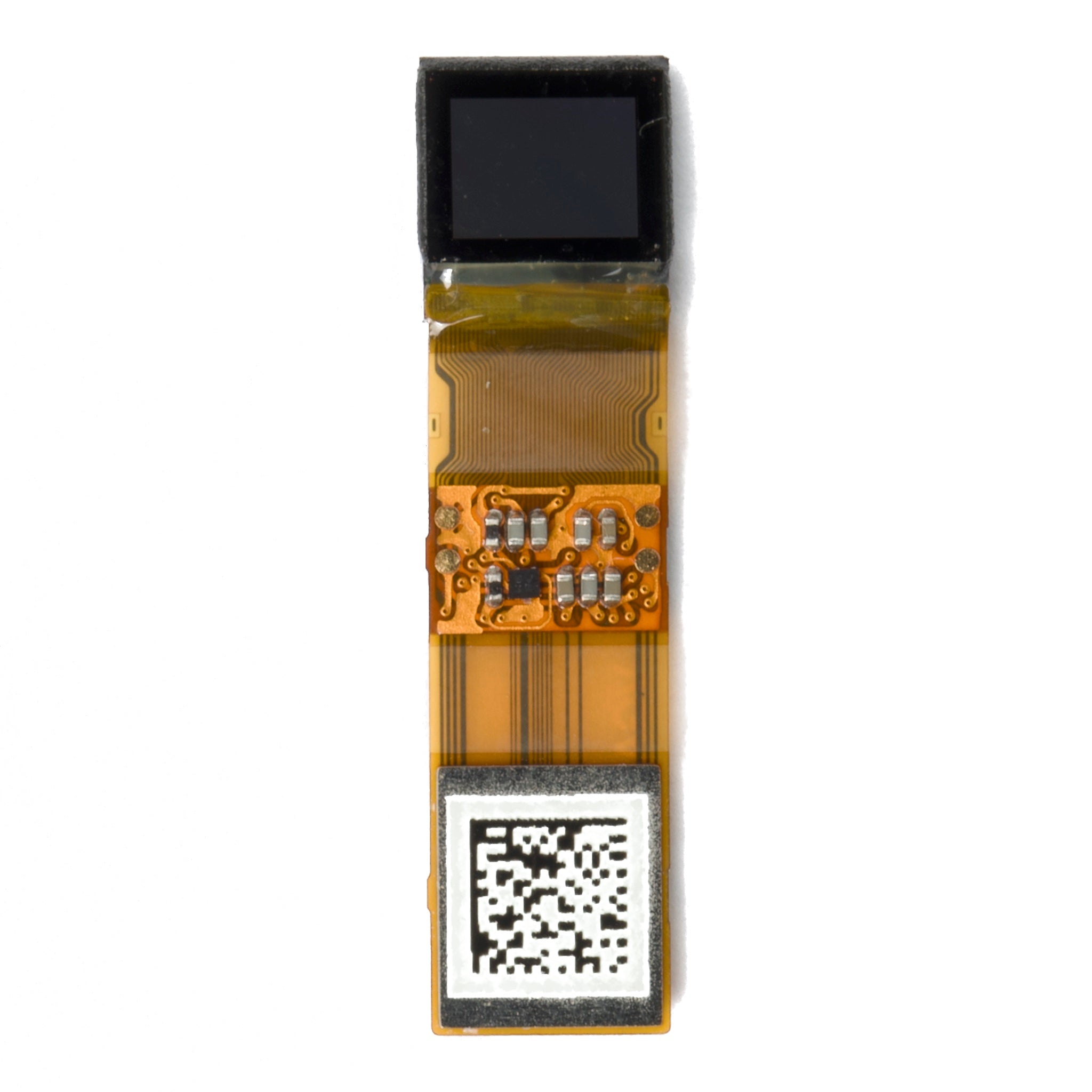
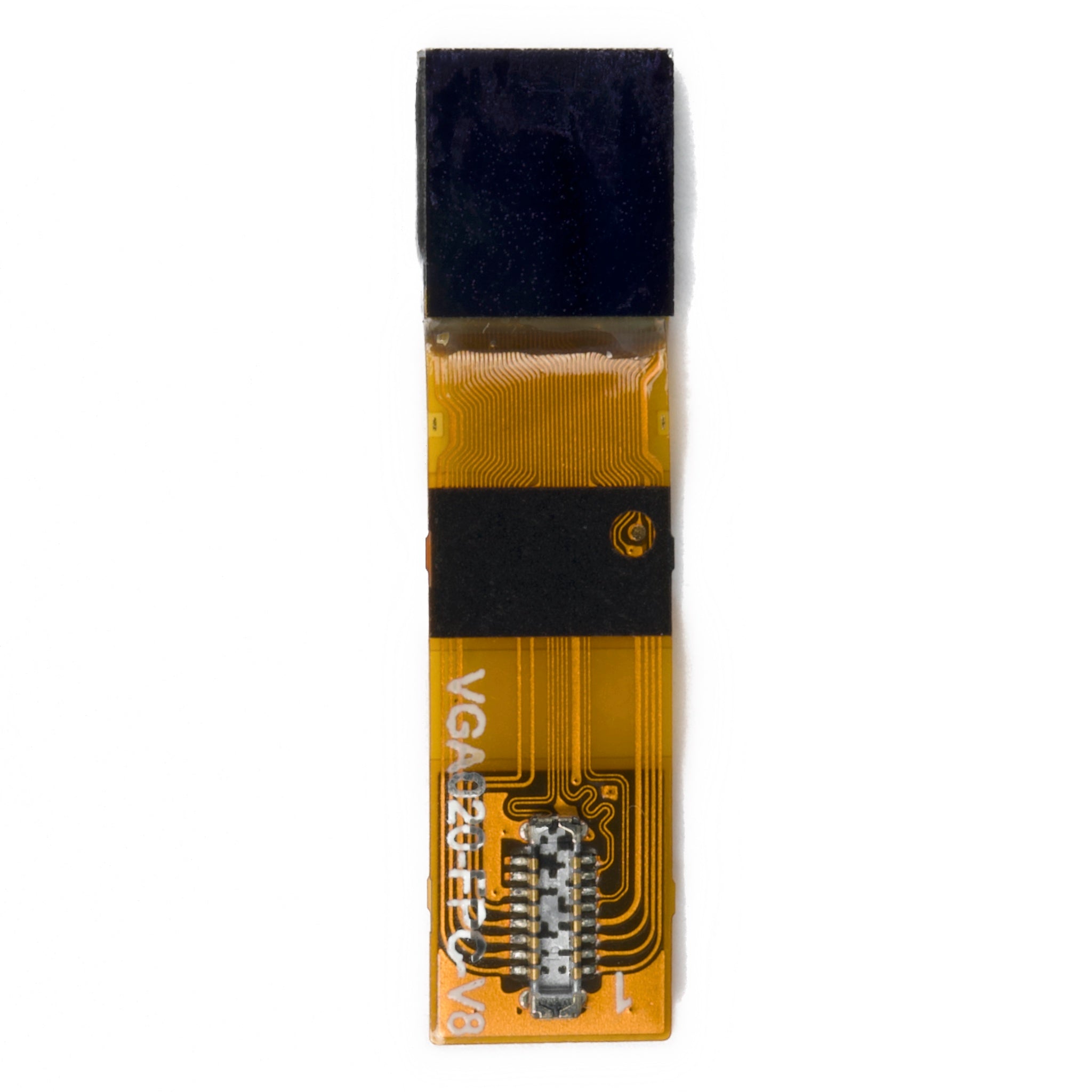
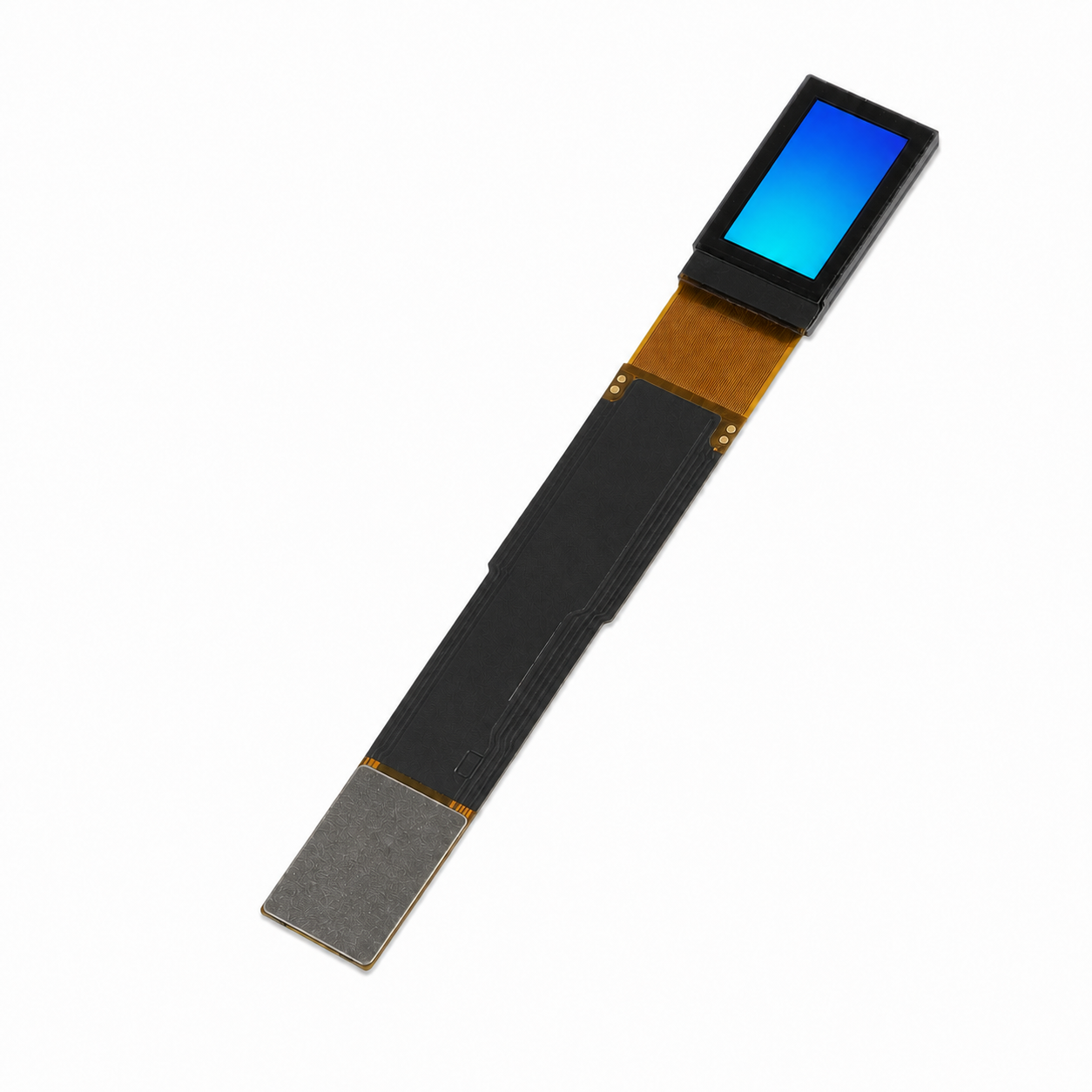
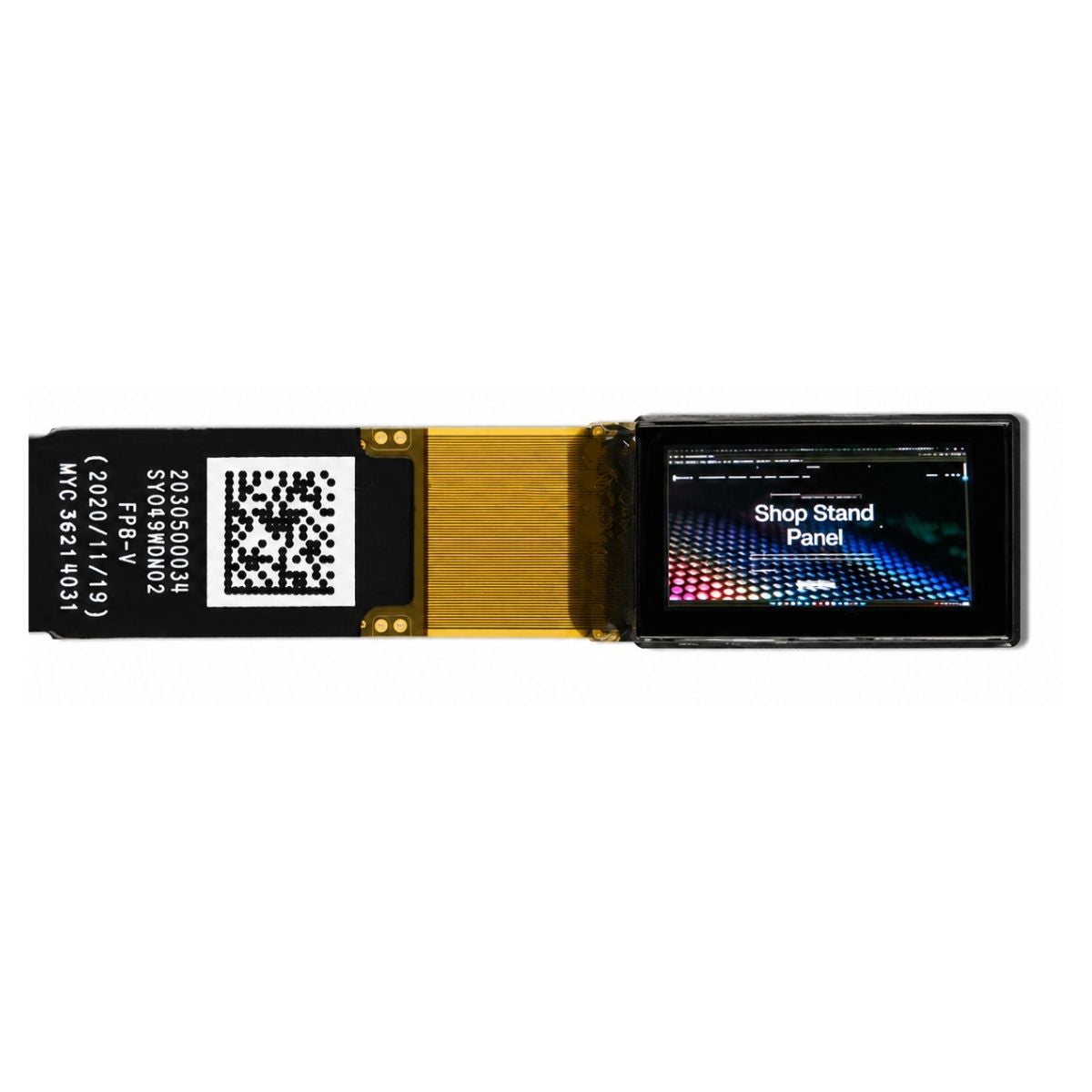
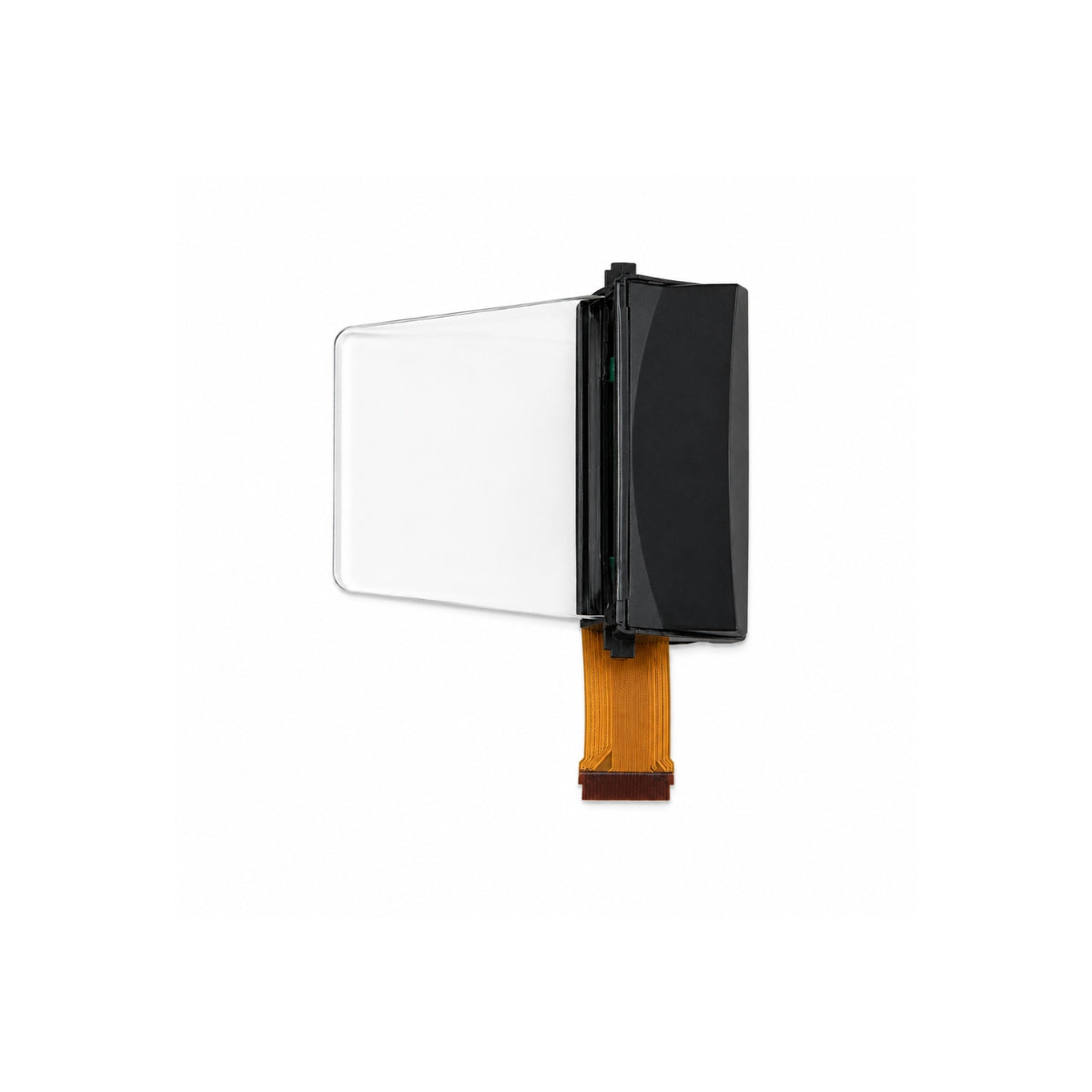
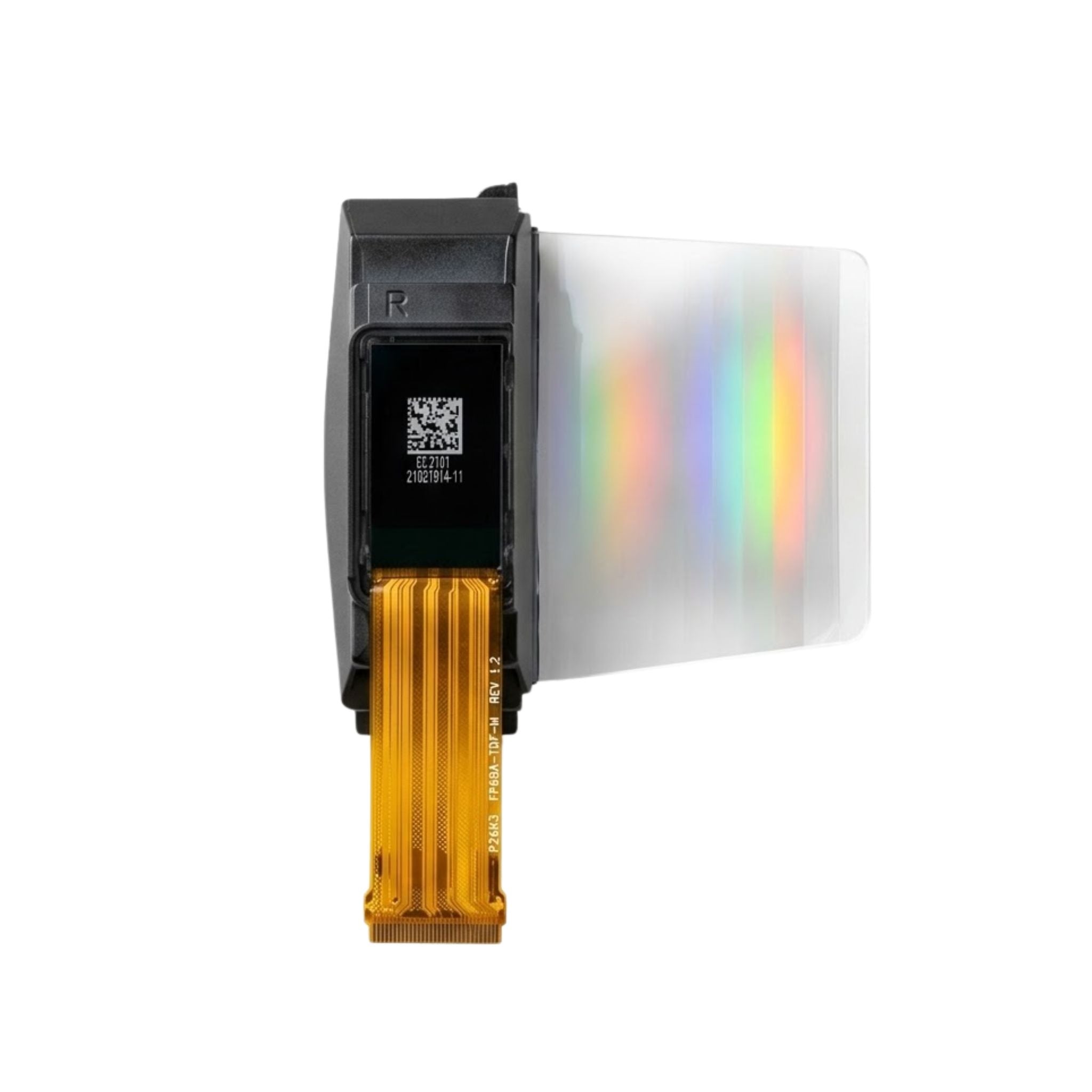
A micro OLED module is a small emissive display built on a silicon backplane instead of glass. Pixels are made in a CMOS process, so the panel can carry far more pixels per millimetre than a thin-film transistor backplane — which is why micro OLED is the technology behind electronic viewfinders, AR glasses and head-mounted displays with pixel densities measured in thousands of pixels per inch.[1]
Why a silicon backplane changes the rules
On a glass TFT backplane the transistors are patterned by photolithography over a large area, and the minimum feature size is set by the process and by yield economics. On a silicon wafer the same lithography tools that make integrated circuits apply, so switching transistors can be an order of magnitude smaller.
Three consequences follow. Pixel pitch can fall to a few micrometres, which means a 0.5-inch panel can carry a full-HD image. The driver circuitry can be built into the same wafer, so no external row and column drivers are needed. And the wafer can be diced into many small panels, which is how such dense displays become affordable at all.
What micro OLED buys in an optical system
Most micro OLED modules are used behind magnifying optics. In that context three properties matter: the amount of light that reaches the eye, the resolution the eye perceives, and the power required to deliver both.
Brightness at the eye. Panel brightness is not what the user sees. The optics lose light, and a waveguide or combiner may keep only a small fraction of it. A module rated at several thousand nits may deliver a few hundred to the eye, which is why the specification that matters is the luminance at the eye under the intended optical design.
Resolution and field of view. Pixel density sets the angular resolution once the field of view is fixed. A 4000-pixel-wide panel across a 50° field of view yields roughly 80 pixels per degree, a commonly cited threshold for text legibility in near-eye displays.
Power. Si-OLED panels consume power in proportion to lit area. A dark virtual environment with small bright elements is cheap; a full-white background is expensive, and battery life in glasses follows directly.
How it compares with the other near-eye technologies
Three display technologies compete behind magnifying optics: micro OLED, LCoS and DLP. LCoS is a reflective liquid crystal device that needs an external light source, which adds illumination optics but allows high brightness with established processes. DLP modulates light with a micro-mirror array and brings its own light engine, giving very high brightness at the cost of size and power.
Micro OLED's advantage is that it emits in the pixel, so it needs no illumination path at all — which is what makes the thinnest, lightest optical systems possible. Its limits are brightness per unit area and lifetime at high brightness. In practice, the choice follows from the required luminance at the eye: modest brightness with the smallest optics favours micro OLED, while very high brightness requirements still favour the light-modulating routes.
Manufacturing constraints worth knowing
Two process facts shape supply and cost. First, the emitter layers are deposited on a wafer that must eventually be diced, so yield is measured per wafer rather than per display — a defect that would scrap one panel on glass can cost several on a wafer. Second, colour is produced either by white emitter plus colour filters or by separate emitter layers; the former is simpler to manufacture, the latter more efficient.
Both routes also require thin-film encapsulation, because the organic layers and the cathode are moisture-sensitive. The encapsulation quality is what determines whether the panel survives assembly and field life, and it is rarely visible in a datasheet.
Where micro OLED fits, and where it does not
It fits near-eye displays, viewfinders, compact AR optics and any application where the display is magnified and therefore must be dense. It fits poorly where the image is viewed directly at arm's length, because the silicon backplane's cost and the small panel size are unnecessary there — a TFT-backplane OLED or an LCD serves better.
The economic crossover is straightforward: micro OLED's cost per unit area is high, but the area needed is tiny, so the total cost for a viewfinder is competitive. The moment a design needs a display measured in inches rather than millimetres, the economics invert.
Field of view, eye relief and the optical budget
A near-eye system's field of view, exit pupil and eye relief are set by optics, but they constrain the display. A wider field of view spreads the same pixel count across more angle, lowering angular resolution; a larger exit pupil accepts more eye movement but loses light. The display's pixel pitch and luminance therefore have to be chosen against an optical design that is already fixed, not afterwards.
The useful planning exercise is to start from the required angular resolution and field of view, derive the pixel count, then check whether the resulting panel pitch is available and whether its luminance at the eye still clears the readability threshold with the optics' transmission. Doing it in that order avoids specifying a panel the optics cannot use.
What to specify
- Pixel density and pixel pitch, plus the resolution and field of view the optics deliver.
- Luminance at the eye under the intended optical stack, not panel luminance alone.
- Colour route — white emitter with filters, or separate emitters — and the resulting gamut.
- Power at the intended average picture level.
- Encapsulation type and lifetime definition at the operating brightness.
Micro OLED modules and related optical components are listed in the micro OLED collection; larger emissive formats are under AMOLED displays, and the near-eye system view is covered by the XR display range.

A micro OLED module is an emissive display on a silicon backplane, chosen for pixel density in magnified applications. Specify luminance at the eye, not on the panel, and treat the optical stack and the encapsulation as part of the display specification rather than as accessories.
References
- ISO 9241-307:2008 — Ergonomics of human-system interaction — Part 307: Analysis and compliance test methods for electronic visual displays. International Organization for Standardization. https://www.iso.org/standard/40102.html
더 읽기

This guide details micro OLED modules, emphasizing key specs: typical 320x240 resolution for crisp text/images, up to 3000 nits brightness enabling.
Comparing Micro OLED and Mini LED, Micro OLED shines in near-eye uses with ~4K single-eye resolution and low power (~10mW/eye), perfect for VR; Mini LED.
댓글 남기기
이 사이트는 hCaptcha에 의해 보호되며, hCaptcha의 개인 정보 보호 정책 과 서비스 약관 이 적용됩니다.