

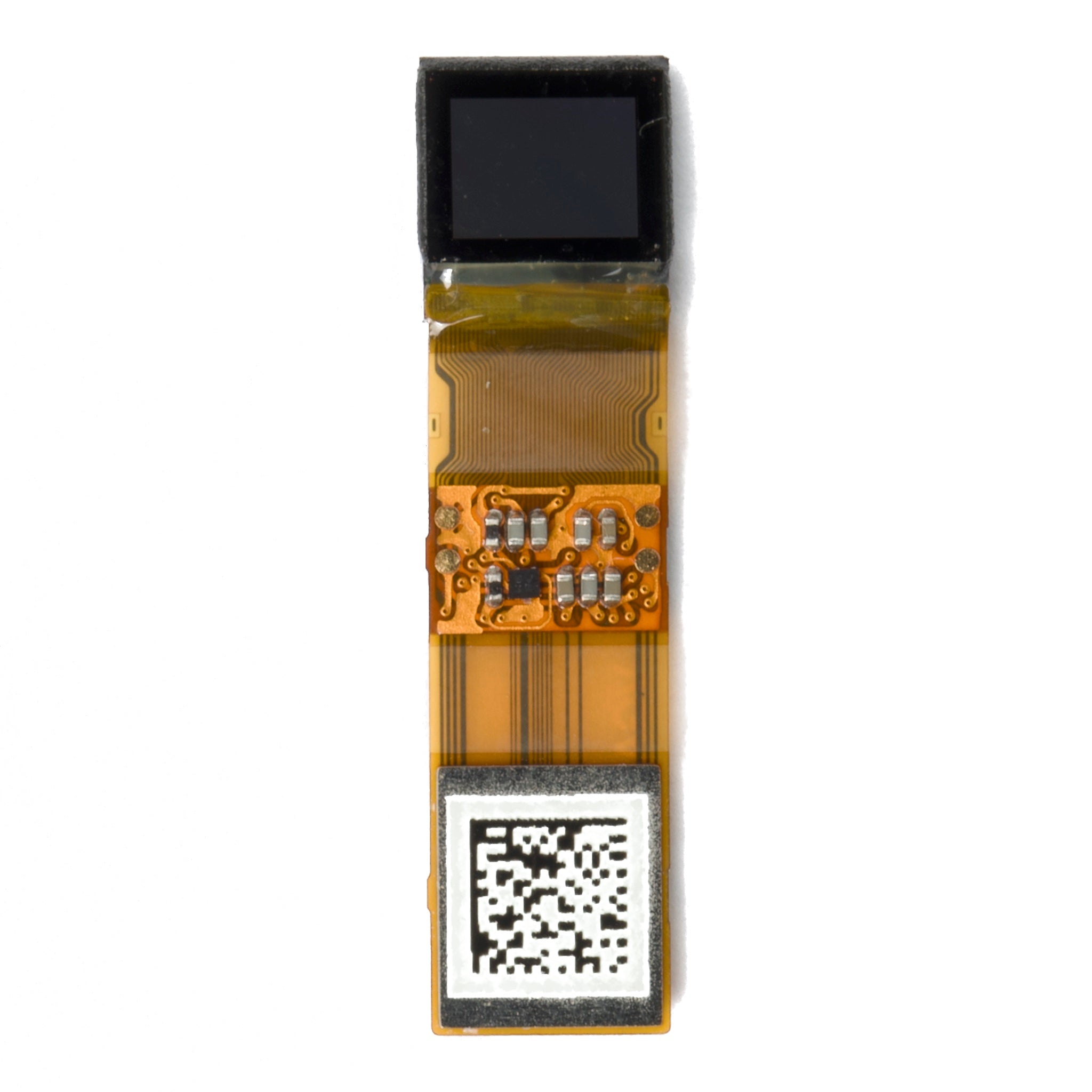
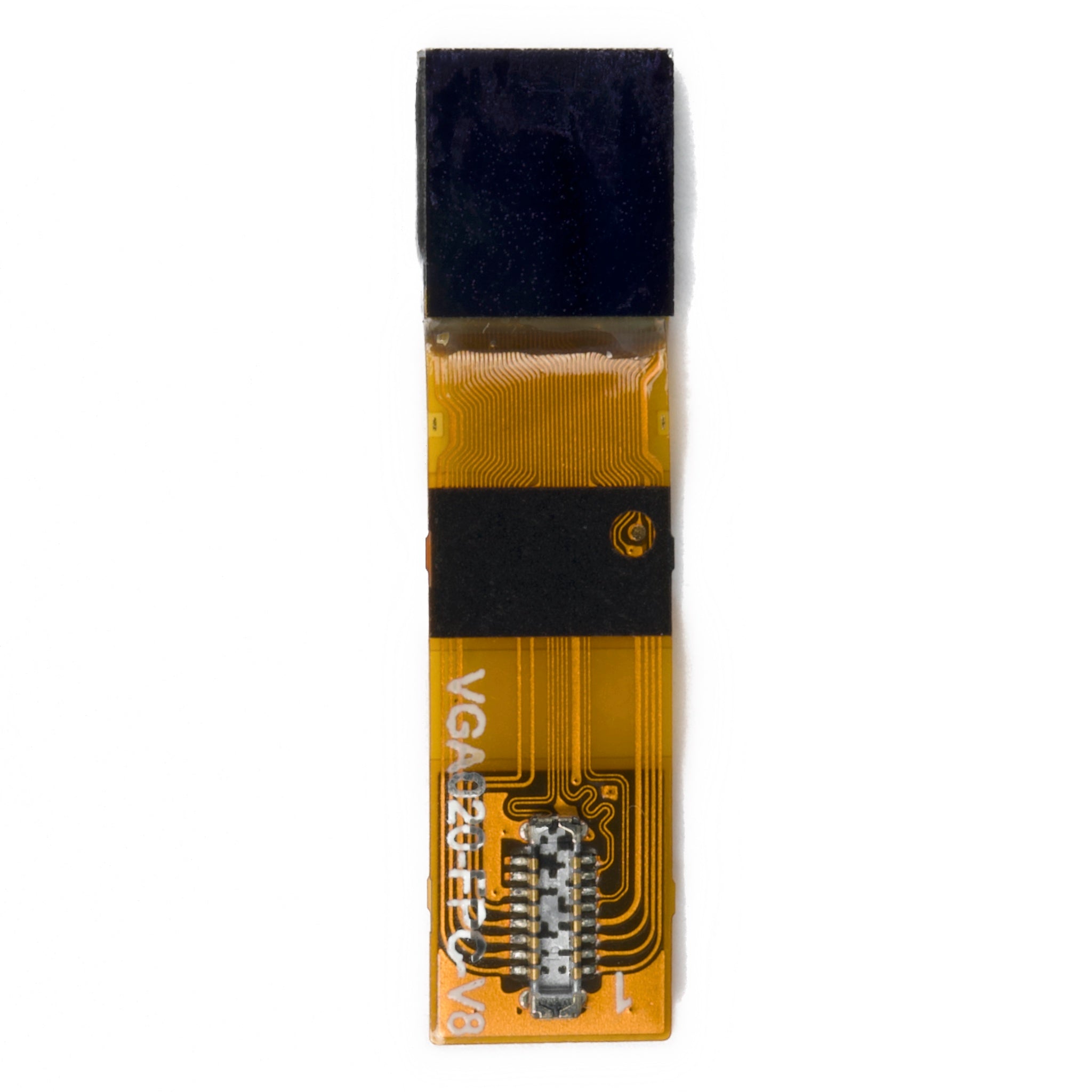
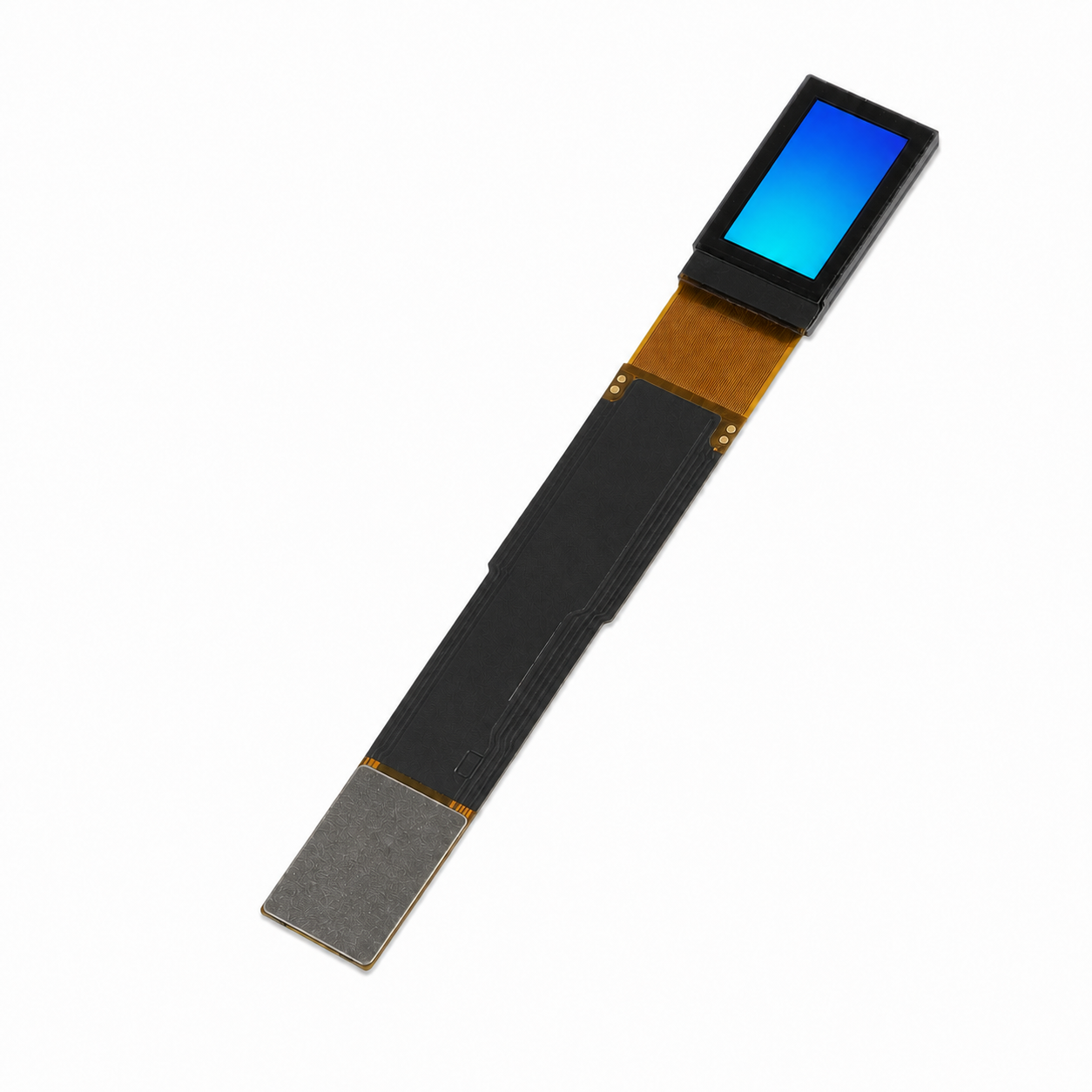
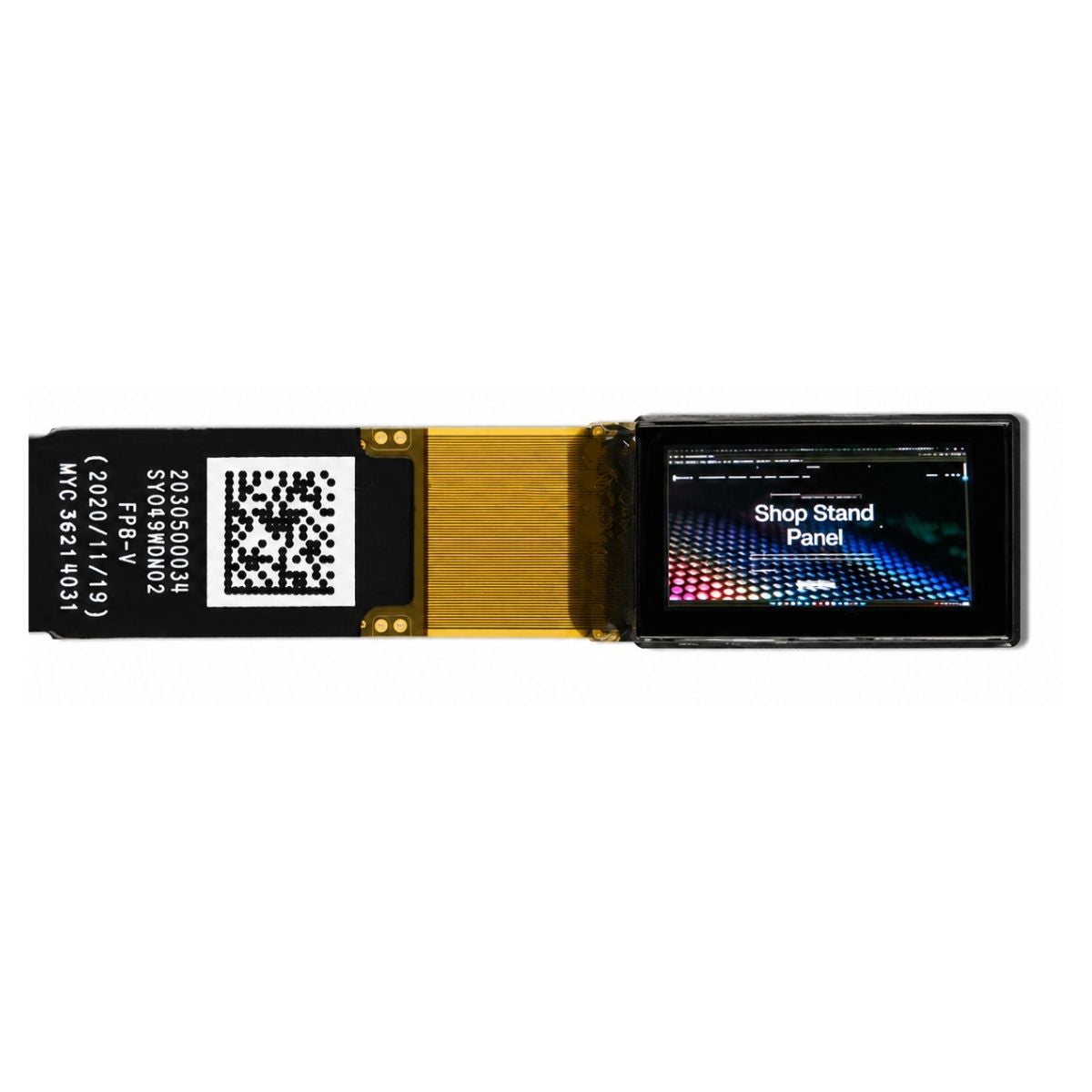


Why IPS Modules Excel | Stable Images & Minimal Color Shift
IPS modules excel in two measurements that matter more than peak brightness or gamut on a specification sheet: the image stays the same as the eye moves across the panel, and the colour of a given pixel stays the same as the viewing angle changes. Both come from switching the liquid crystals in the plane of the glass, and both are measurable — which is what separates a claim from a specification.
What image stability actually means
A stable image, in engineering terms, means the luminance and chromaticity of a pixel do not depend on where the viewer stands. On a twisted-nematic panel the same mid-grey turns blue on one side and yellow on the other as the viewing angle opens up; the image is not wrong, but it is not transferable across positions.
That matters wherever more than one person reads the screen, or one person reads it from different places: a bench instrument viewed from above and from the side, a control panel mounted at an angle, a handheld passed between two people. In those situations a shifting grey level stops being a cosmetic issue and becomes a reading error.
What colour shift is, and what ΔE measures
Colour shift is the change in a colour's position in a colour space as the viewing angle changes. It is quantified as ΔE — the distance between the colour at normal incidence and the colour at an angle, in a perceptually uniform space. A ΔE below about 2 is generally treated as not reliably distinguishable by eye; a ΔE of 5 or more is visible as a different colour.
Two cautions when a datasheet quotes ΔE. First, the value is meaningless without the angle it was measured at and the colour space used. Second, a panel-level ΔE does not transfer to the module: the backlight spectrum, the colour filter and the drive settings all move the measured value.
Where the stability comes from
In an IPS cell the molecules rotate within the plane rather than tilting across the cell gap, so the optical path light travels through the liquid crystal changes far less as the viewing direction changes. The in-plane geometry was worked out precisely because twisted-nematic cells could not hold grayscale or colour off-axis[1].
The geometry is not the entire story. Optical compensation films in the panel stack further reduce off-axis light leakage, particularly in larger panels. A module's measured angle behaviour reflects the switching structure and the full optical stack — which is why two modules both labelled IPS can measure differently.
How the panel families compare
The three LCD families differ in how much of their on-axis quality survives a change of viewing position. The table describes typical module behaviour, not the best-case figures from premium monitors.
| Property | IPS | TN | VA |
|---|---|---|---|
| Grey-level stability off-axis | High across the arc | Collapses quickly, tones invert | Good on-axis, shifts at steep angles |
| Typical colour shift at 60° | Small, measurable but not obvious | Large, hue visibly changes | Moderate, dark tones wash out |
| On-axis contrast | Moderate | Low to moderate | High |
| Response | Adequate; depends on drive | Fastest | Slower on dark transitions |
| Cost position | Higher than TN | Lowest | Mid |
The interesting row is the second one. VA's weakness is not contrast — it has the most of it on-axis — but the way dark detail collapses as the angle opens, because the liquid crystals tilt out of plane. IPS trades some on-axis contrast for consistency, and for a status interface consistency is usually the more valuable property.
How to verify stability on a sample
Stability is one of the few properties that can be checked credibly without a laboratory. The setup: the module at its operating brightness, a dark room, a camera on a tripod, and a target image containing a grey ramp and a few saturated colours.
Photograph the screen from 0°, 45° and 60° off-axis in both directions, keeping exposure fixed. Compare the same patch across the three frames. The questions to answer are: does the grey shift tone, does a saturated colour shift hue, and does the black level rise enough to wash out dark detail. Numbers help, but a fixed-exposure comparison already separates a stable module from an unstable one.
Where stability earns its cost
Three product situations justify paying for it:
- Multi-reader instruments. Laboratory and medical equipment is routinely read by two people at once; a panel that is only correct from one position forces the second reader to move.
- Angled mounting. Control panels mounted above or below eye level are read permanently off-axis. Stability converts that from a compromise into a non-issue.
- Colour-coded information. Status indicators that rely on colour — green versus amber, red versus orange — fail first when the panel shifts hue at an angle.
Where none of these apply — a fixed-view, single-user, monochrome interface — the stability advantage is real but not worth a premium, and a TN module may serve better at lower cost.
Stability is not the same as accuracy
A stable panel keeps the same colour from every angle. An accurate panel produces the colour the design intended. The two are independent: a module can be stable but shifted, or accurate on-axis and unstable off-axis. Accuracy depends on the backlight spectrum, the colour filter, the factory calibration and the drive settings; stability depends on the switching geometry and the optical stack.
Specifications should ask for both separately — an on-axis colour target and an off-axis stability figure — rather than treating "IPS" as a guarantee of either.
What to ask a supplier for
Four items turn the claims above into something auditable: the measured ΔE and its test angle, the contrast ratio at 85° off-axis in both directions, the luminance uniformity across nine points at operating brightness, and the measurement basis used. The standard basis for luminance, contrast and uniformity is ISO 9241-307[2].
Modules with this behaviour, from 0.85″ to 12.1″ in round, square and bar formats, are listed in the IPS display collection. Where true black outweighs angular stability, AMOLED modules are the alternative; where cost dominates a fixed-view design, TFT LCD modules cover the same sizes.

IPS modules excel when the image has to stay the same across positions and angles, and that advantage is measurable as off-axis contrast and ΔE. Ask for both figures with their test conditions rather than accepting the label, and treat stability and colour accuracy as two separate specifications.
References
- Hilsum, C. (2010). Flat-panel electronic displays: a triumph of physics, chemistry and engineering. Philosophical Transactions of the Royal Society A, 368(1914), 1027–1082. https://doi.org/10.1098/rsta.2009.0247
- ISO 9241-307:2008 — Ergonomics of human-system interaction — Part 307: Analysis and compliance test methods for electronic visual displays. International Organization for Standardization. https://www.iso.org/standard/40102.html
더 읽기
IPS modules: 144Hz refresh (fluid motion), 10-bit color (1.07B hues), <15W draw—VESA-certified lab tests confirm pro smoothness, vibrant tones, low energy.
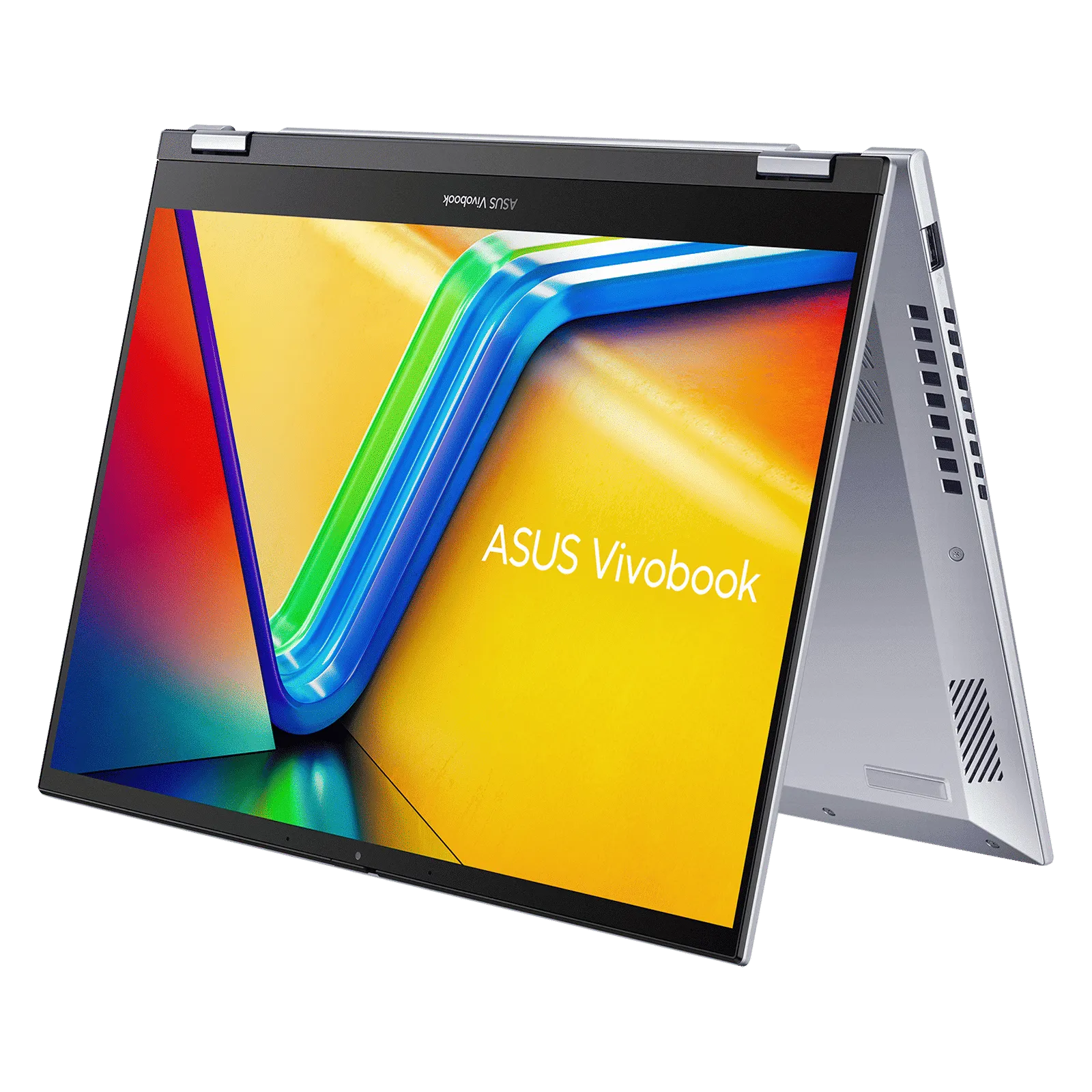
IPS modules extend lifespan via aluminum heatsinks + thermal paste (core ≤45°C, below 50°C industry max) cutting thermal stress, and 12V±0.6V supply.
댓글 남기기
이 사이트는 hCaptcha에 의해 보호되며, hCaptcha의 개인 정보 보호 정책 과 서비스 약관 이 적용됩니다.