



How Much Cheaper Is COG LCD Than Standard LCD
A COG module is cheaper than an equivalent standard module in most volume scenarios, but the saving does not come from the display itself — the glass, the liquid crystal and the backlight are broadly the same. It comes from what chip-on-glass removes: the driver package, the circuit board, the connector and the assembly labour behind them. Quantifying it means comparing landed cost, not the price on a display quotation.
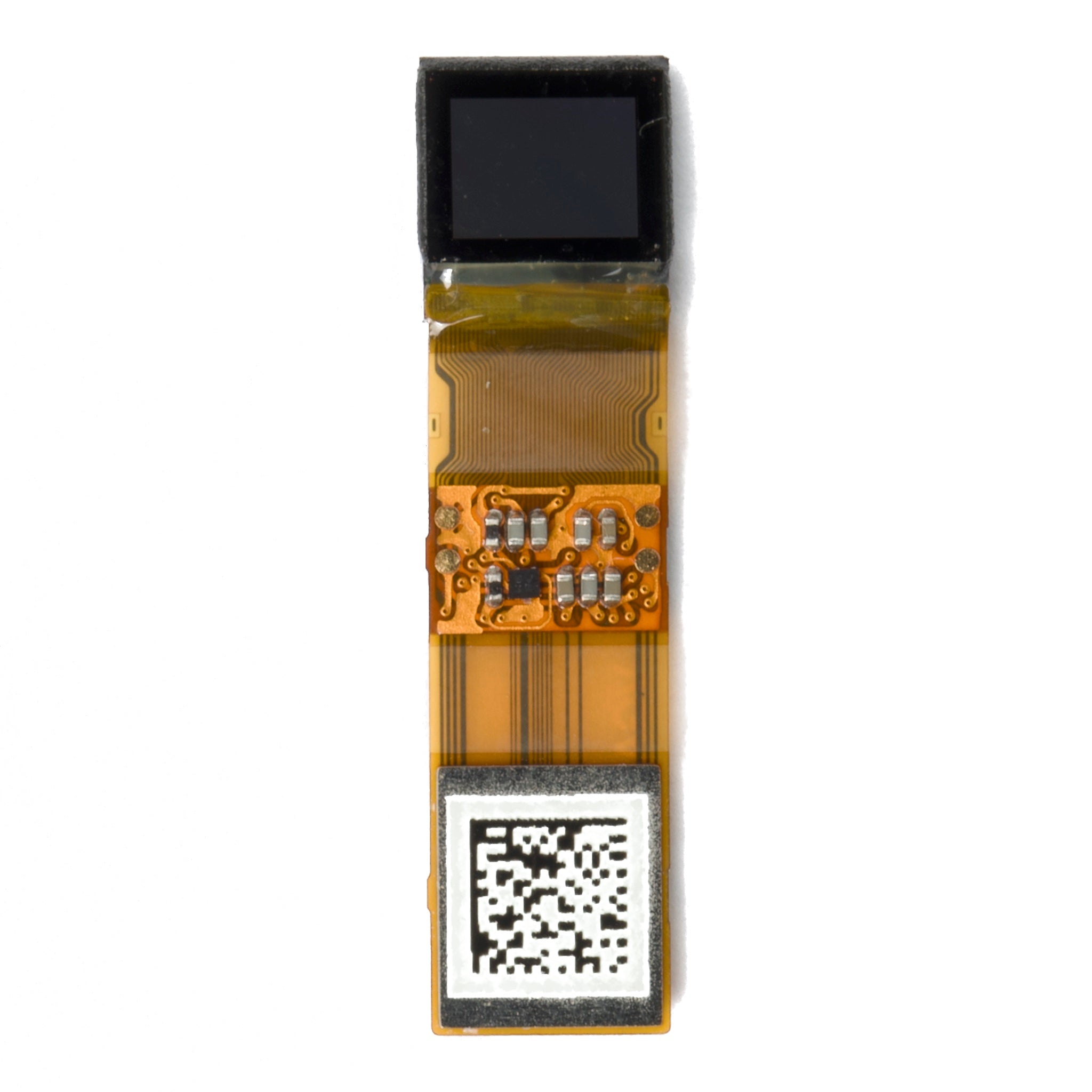
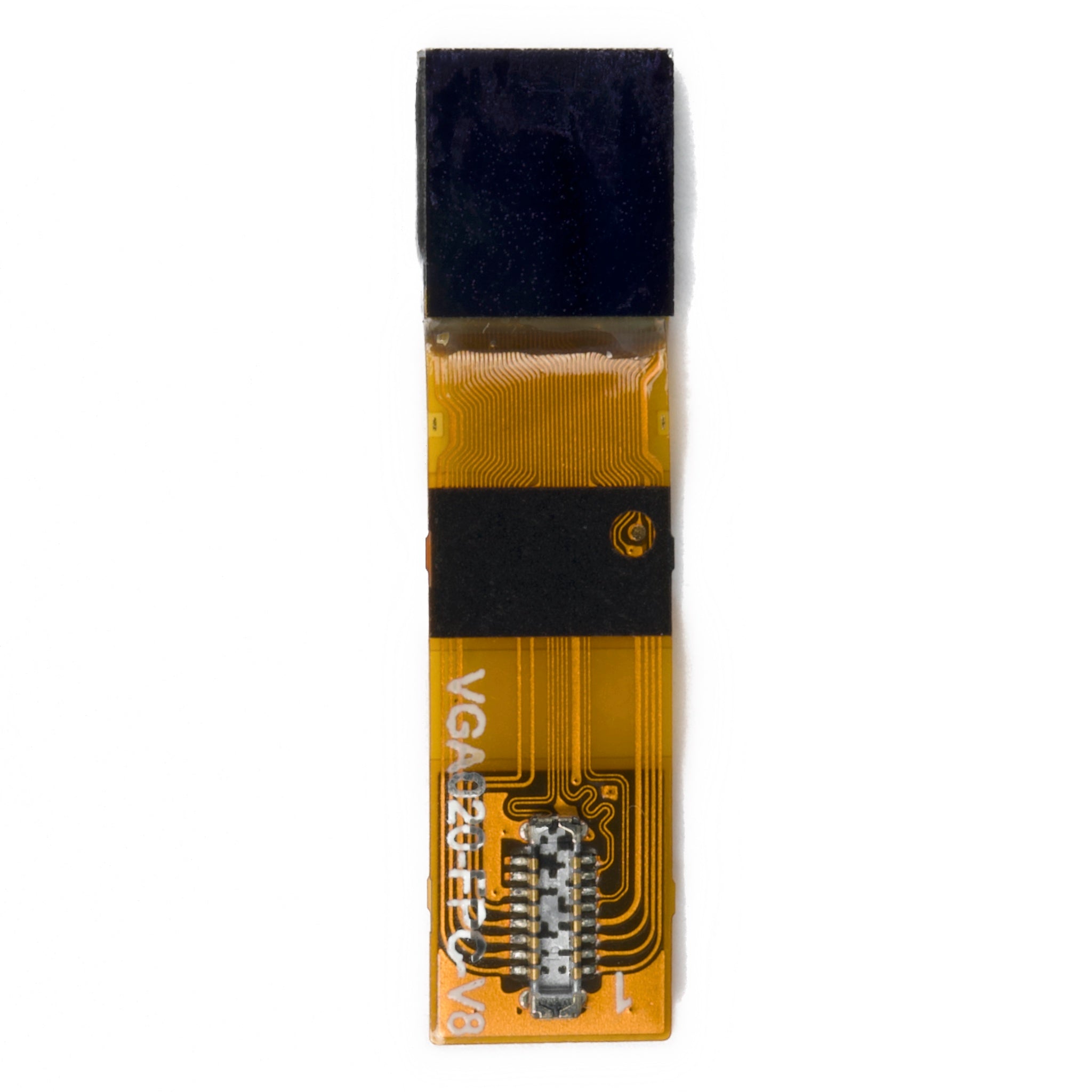
What a COG module is actually made of
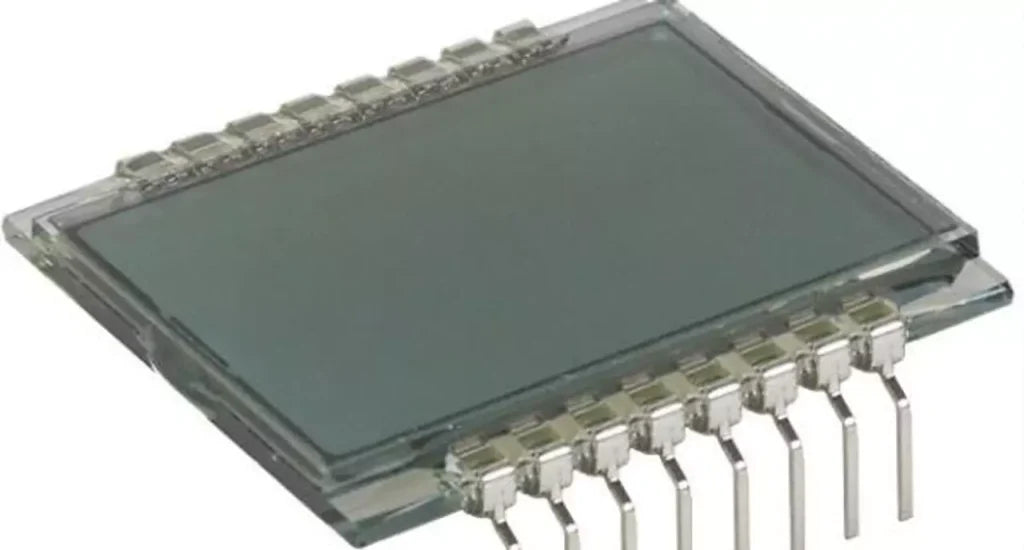
Four cost centres dominate: the LCD glass with its ITO patterning, the driver die, the anisotropic conductive film and bonding process, and the backlight. Add the polarisers and the FPC, and that is essentially the bill of materials.
In a standard module — a driver on a PCB with a connector — two more cost centres appear: the board itself and the assembly and test steps around it. Those are the lines COG deletes, and they are the source of the saving.
Where the saving comes from
The board. A COG design often needs no PCB at all, or a flex tail instead of a rigid board. That removes the board cost, its tooling and its panel-area cost inside the module.
The connector. Removing the board removes the connector and its soldering step. On fine-pitch designs this is not a small line: the connector is one of the more expensive purchased parts in a standard module.
Assembly labour. Fewer parts mean fewer operations, fewer inspection points and fewer opportunities for a defect that requires rework.
Volume. The bonding process carries set-up and tooling cost. Above a certain quantity the per-unit saving compounds; below it, the set-up dominates and COG can quote higher than the standard structure.
Where COG is not cheaper
Three situations invert the comparison. Low volume is the first: bonding tooling, die procurement and process qualification are fixed costs that must be spread across the order.
Large substrates are the second. Bond yield and handling difficulty rise with glass area, and the economics that make COG attractive on a small display weaken as the panel grows.
Serviceability requirements are the third. If the product must allow a driver replacement in the field, a COG module's lower unit price is offset by whole-module replacement later. That is a lifecycle calculation, not a purchase-price one.
Comparing quotations correctly
Two quotes for "a COG LCD" and "a standard LCD" frequently describe different scopes. Normalise four items before comparing:
- Backlight included or not, and at what brightness.
- Touch — a capacitive sensor and controller are often quoted separately.
- FPC length and pinout, which are usually custom and priced per design.
- Test and documentation — incoming inspection data, reliability reports, drawings.
A cheaper quote that excludes the backlight or the touch stack is not a cheaper module; it is a smaller scope. The same discipline applies to the standard module, where the board and connector are sometimes itemised and sometimes not.
How it compares with other cost levers
COG is one of several ways to reduce module cost, and it is not always the largest. Four others are usually on the table in the same conversation:
- Display size. Cost scales with glass area more steeply than with resolution; dropping one size step often saves more than changing the bonding structure.
- Backlight simplification. Fewer LEDs, a simpler light guide and no brightness binning reduce cost — at the price of brightness and uniformity.
- Standard versus custom. A catalogue module with an existing tool and a stocked die undercuts a bespoke design at almost any volume.
- Controller integration. Moving the controller into the host MCU's firmware rather than buying an intelligent module removes a component and a programming step.
Seen against those levers, COG's saving is structural and permanent — it does not trade away brightness or flexibility — but it is bounded. A project that needs a 30% cost reduction will not get there from bonding structure alone.
What customisation does to the comparison
Two modules described as COG can sit at very different price points depending on how much of them is custom. A catalogue character display uses an existing die, an existing glass layout and an existing backlight; the quotation reflects tooling already amortised.
A custom COG module carries new mask sets for the glass, possibly a new die layout, a new FPC and a new test fixture. Those are one-off engineering costs that reappear as a per-unit premium at low volumes. The same applies to the standard module, but the custom design's premium is usually larger because the bonding tooling is bespoke as well.
The practical rule: compare catalogue to catalogue, and custom to custom. A custom COG quote against a catalogue standard-module price will make COG look expensive for reasons that have nothing to do with bonding.
What the price difference typically turns on
Rather than a single percentage, three variables explain most of the spread between quotations: the order quantity relative to the bonding set-up, the display size and pad count, and how much customisation the module carries. A catalogue COG character display in volume sits at the favourable end; a custom graphic module with a bespoke die and a small order sits at the other.
For a project comparing structures for the first time, the useful exercise is to ask each supplier for the same scope at the same quantity, then add the integration costs that differ — board area, connector, assembly time. Those integration lines often move the total more than the module price does.
What to ask before deciding
- The landed cost at your actual annual volume, with tooling amortised and itemised.
- Whether the backlight, touch and FPC are included at the brightness and length you need.
- The bond process qualification data, if COG is being proposed for a high-reliability product.
- Luminance, contrast and uniformity figures with their measurement basis, standardised in ISO 9241-307[1].
COG modules in character and graphic formats are listed in the COG LCD collection, alongside character LCD and graphic LCD ranges for comparison.

COG is cheaper because it removes the board, the connector and the assembly labour — not because the display is different. The saving grows with volume and shrinks with substrate size and serviceability requirements, so compare landed costs at your real quantity and scope rather than headline module prices.
References
- ISO 9241-307:2008 — Ergonomics of human-system interaction — Part 307: Analysis and compliance test methods for electronic visual displays. International Organization for Standardization. https://www.iso.org/standard/40102.html
Read more
A typical 1.2-inch PMOLED module, when displaying static images, consumes roughly 12-18 mA at 3.3V, equating to 40-60 mW—while standby power plummets to.
When designing with character OLED modules, start by noting common specs like 128x64 pixel resolution and SSD1306 drivers, using their I2C interface (.
Leave a comment
This site is protected by hCaptcha and the hCaptcha Privacy Policy and Terms of Service apply.