



PMOLED in Industrial HMI | Operating Temp, Vibration & Viewing Angle
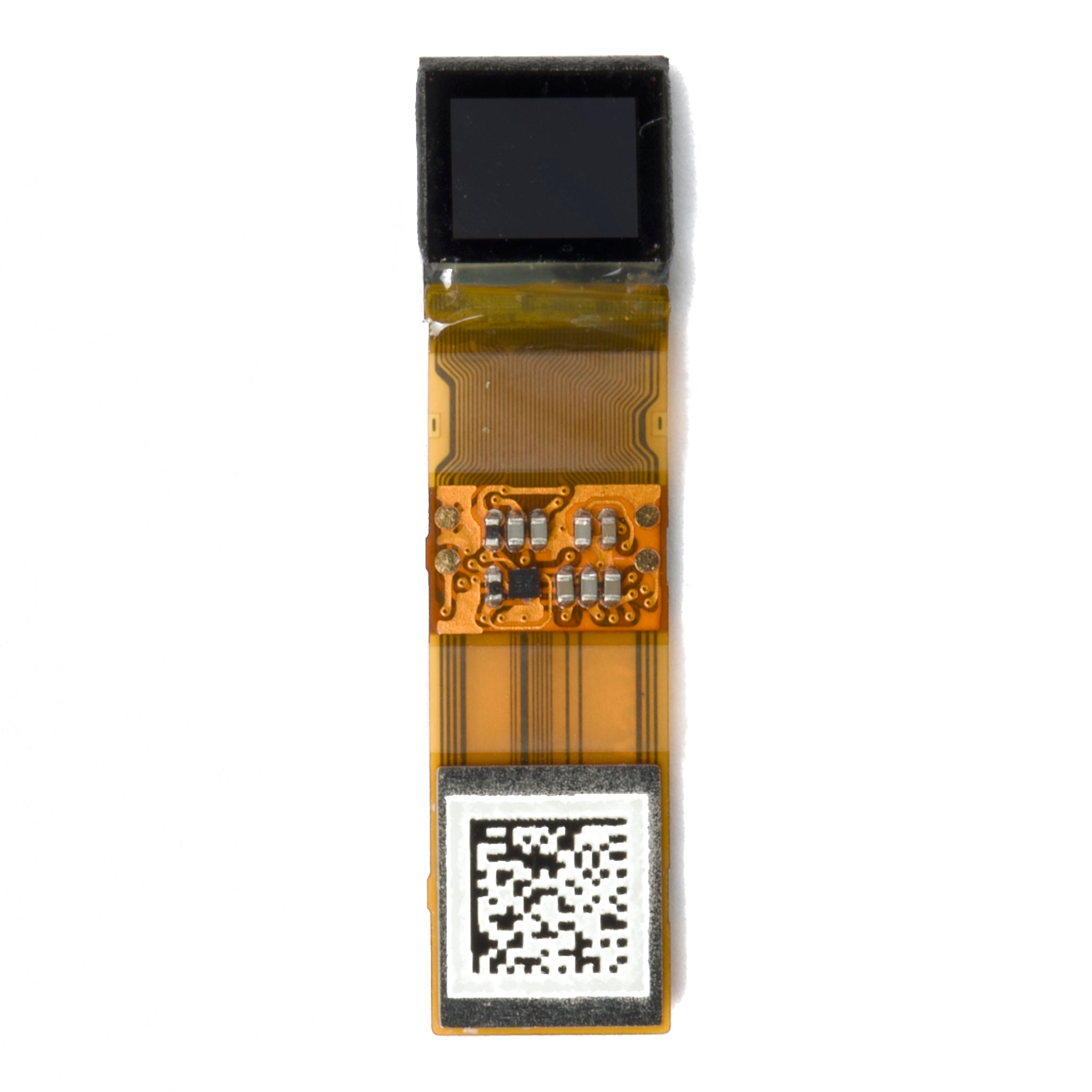
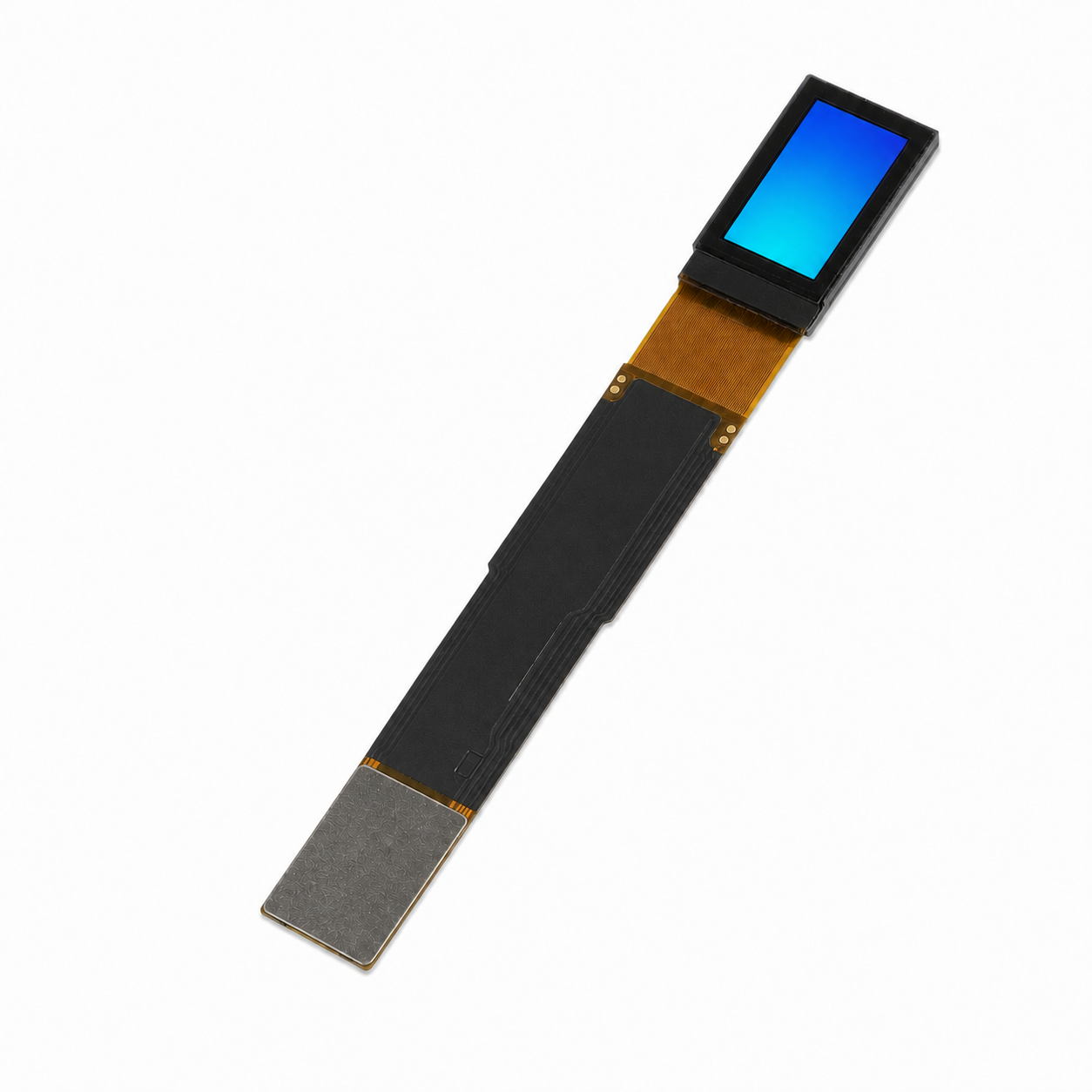
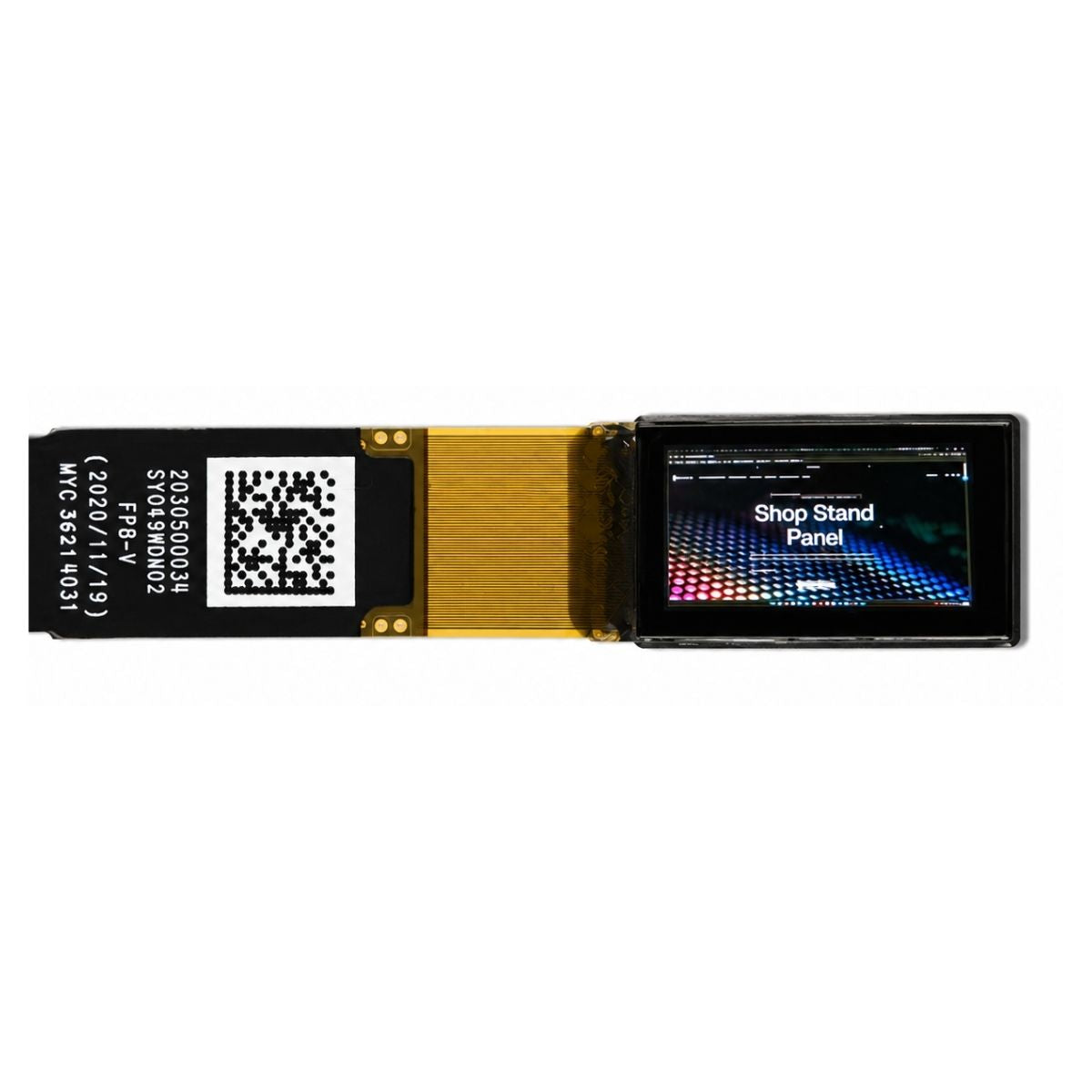
PMOLEDs for industrial HMIs must support wide-temperature operation from -40°C to +85°C and feature a 160-degree full viewing angle.
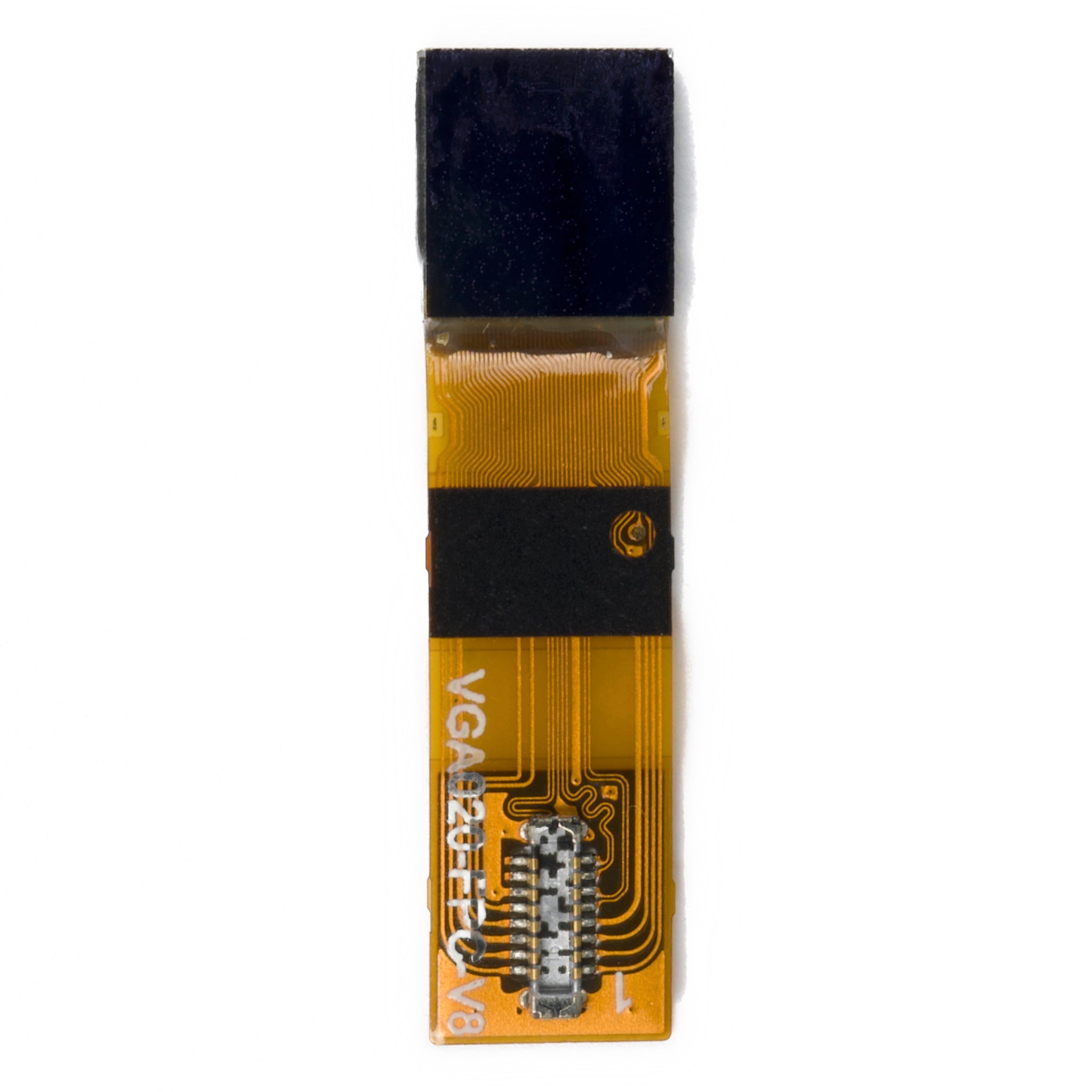
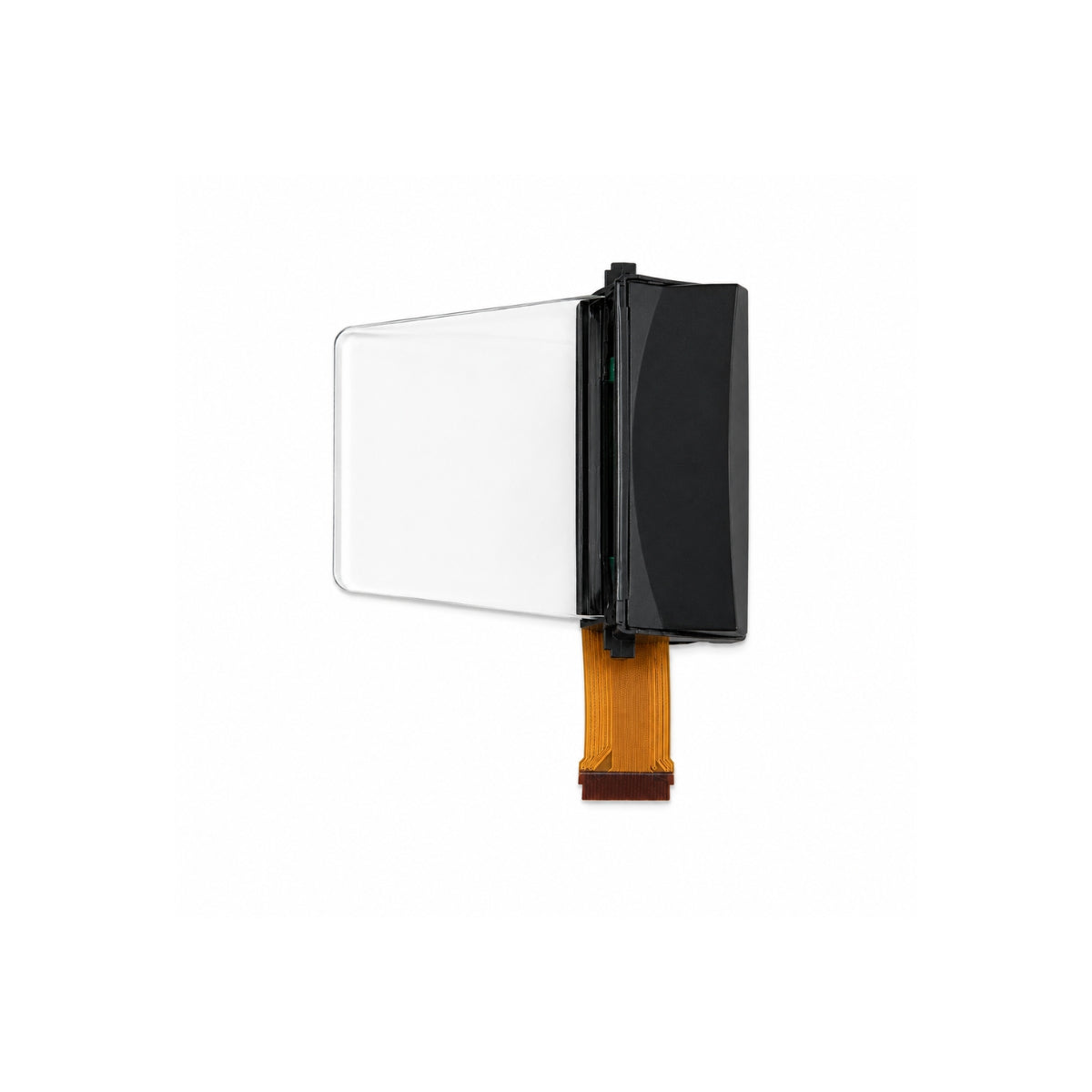
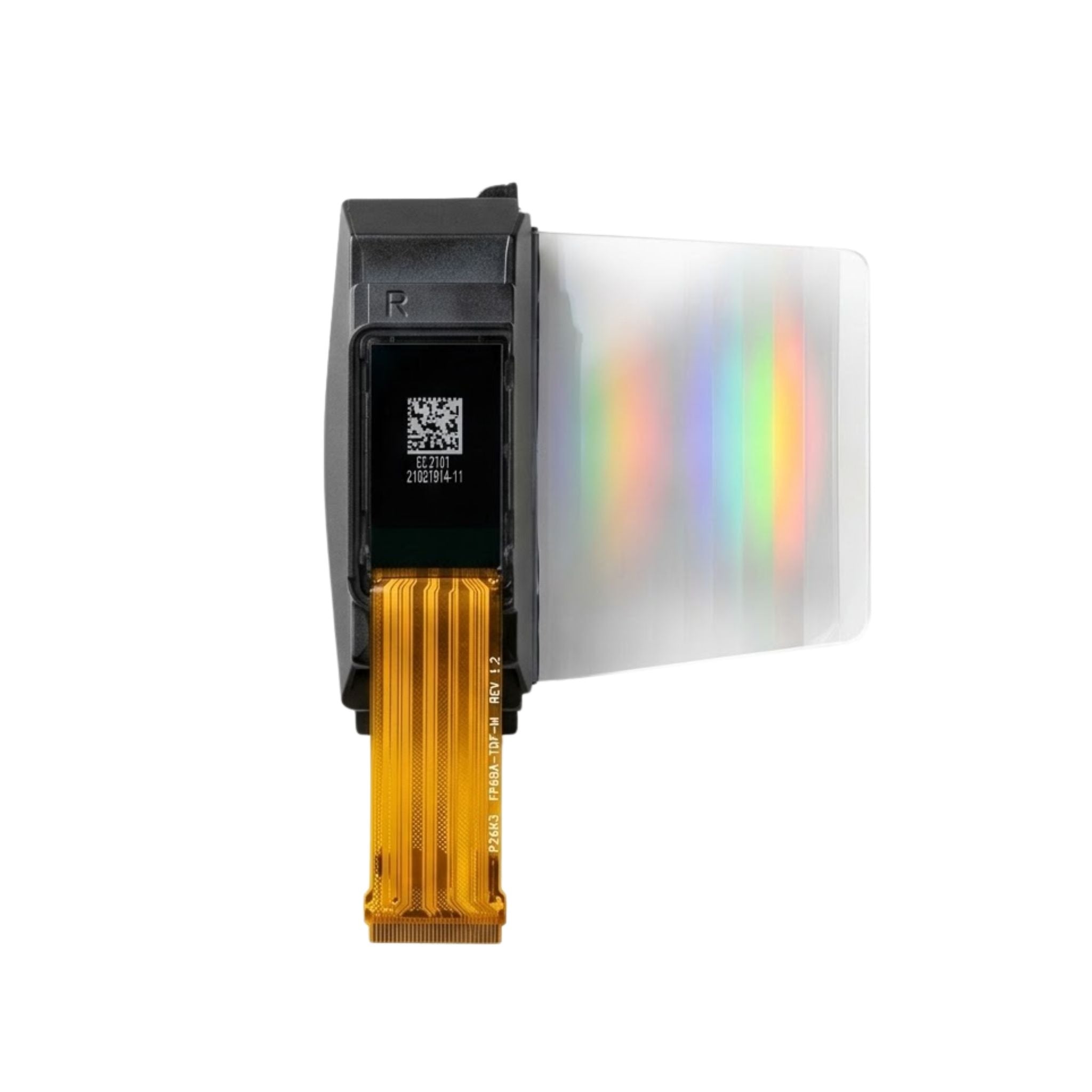
Operationally, the hardware requires silicone reinforcement at the junction of the FPC and glass to pass the 10G/55Hz high-frequency vibration test;
On the software side, temperature compensation register configurations should be written to the driver IC based on the ambient temperature to dynamically fine-tune the VCC voltage, ensuring clear images without ghosting under extreme conditions.
Operating Temp
Industrial HMIs use PMOLEDs to maintain stable display performance within the range of -40°C to +85°C.
At -40°C, the response time of the all-solid-state organic light-emitting layer remains within 10 microseconds, eliminating the need for the 5W to 15W ITO auxiliary heaters required by traditional displays.
In high-temperature environments of +85°C, PMOLEDs do not experience liquid crystal phase transitions and can continuously provide a contrast ratio greater than 10000:1 in a natural environment without cooling fans.
Heating-Free at Low Temperatures
In the oil sands mining areas of Alberta, Canada, and along the natural gas pipelines in Siberia, the winter outdoor ambient temperature hovers between -35°C and -45°C for long periods. Portable human-machine interface devices are exposed to severe cold all year round.
Ordinary TFT-LCD panels rely on the rotation of nematic liquid crystal molecules between two glass substrates to control light transmittance. The physical properties of liquid materials are severely affected by temperature. When the ambient temperature drops below -20°C, the kinematic viscosity of liquid crystal molecules increases exponentially.
Completing a grayscale conversion at a room temperature of 25°C usually takes 16 milliseconds. In a -40°C environmental chamber test, the pixel flipping time of industrial LCDs extends to 2000 milliseconds to 3000 milliseconds, and the screen refresh will show ghosting for several seconds.
The following physical test data demonstrate the specific performance of liquid display media in extreme cold conditions:
-
-20°C response delay: Grayscale conversion time increases to over 400 milliseconds.
-
-30°C optical attenuation: Light transmittance decreases, and the contrast ratio drops from 800:1 to 150:1.
-
-40°C physical freezing: Liquid crystal materials crystallize and lose their optical rotation ability.
-
-45°C structural damage: Uneven internal stress in the glass substrate leads to micro-cracks.
To cope with extremely cold working conditions, hardware engineers must layer a transparent ITO (Indium Tin Oxide) heating film below the LCD polarizer. The power supply module needs to output an additional 12V voltage and 1.5A to 2.0A current for the ITO heating film.
Turning on the heating for a single 3.5-inch display module generates an additional 18 to 24 watts of power consumption. For portable HMI devices using standard 18650 lithium battery packs (capacity approx. 5000mAh), the battery's own discharge efficiency drops to 60% of room temperature in sub-zero environments.
Continuously heating the screen will drastically reduce the device's battery life from the originally designed 8 hours to less than 1.5 hours. Cold-starting the device requires a preheating process. After the main control board is powered on, the heating film raises the surface temperature of the glass substrate from -40°C to the operating threshold of 0°C, which usually requires waiting 4 to 7 minutes.
In emergency maintenance scenarios on offshore drilling platforms in Alaska, a black screen lasting several minutes during startup delays operators from reading pressure sensor data. The additional heating components introduce multiple mechanical and electrical variables at the system hardware level.
Removing the temperature control system can bring the following quantifiable hardware simplifications to industrial HMI design:
-
BOM cost reduction: No need to purchase ITO heating films, NTC thermistors, and temperature control chips.
-
Physical space release: The total thickness of the display module is reduced by 0.8 mm to 1.2 mm.
-
PCB layout optimization: The motherboard saves the board area occupied by the high-current heating drive circuit.
-
Routing burden reduction: FPC cables are reduced by power lines carrying high currents.
PMOLED panels use an all-solid-state electroluminescent structure, where the light-emitting pixels are composed of nano-scale organic material thin films. There is no liquid or semi-solid substance filled inside the physical structure.
The mobility of charge carriers within the solid-state organic thin film has an extremely low dependence on ambient temperature. In a -40°C ultra-low temperature test chamber, the pixel lighting response time of the PMOLED panel remains at the 10-microsecond level.
From switching on the device power to the screen fully lighting up and displaying the first frame of the industrial monitoring image, PMOLED only needs 50 to 100 milliseconds of system initialization time. The screen can maintain a normal refresh rate of 60Hz at minus 40 degrees, and the pointer movement of dynamic dashboards will not produce trailing effects.
The optical data stability exhibited by the all-solid-state structure in extreme cold environments is superior to that of heated LCDs:
-
-40°C contrast ratio: Maintained above 10000:1, with black areas emitting no light.
-
-40°C viewing angle: Maintains a 175-degree full viewing angle with no color shift.
-
-40°C brightness loss: The decline in luminous efficiency is controlled within 5%.
-
-40°C power consumption performance: The full-load power consumption of a 3.5-inch panel still remains at 1.2 to 1.5 watts.
In the upgrade plan for the control terminals of feller bunchers by North American forestry equipment manufacturers, a 3.2-inch PMOLED was used to replace the original LCD with a heating module. The overall weight of the dashboard was reduced by 45 grams, and the internal cable interface was reduced from 40-pin to 24-pin.
No Blackening at High Temperatures
Inside solar inverter control boxes in the Nevada desert or cabins of heavy excavators in the Pilbara mining region of Western Australia, the external ambient temperature at noon in summer exceeds +45°C. Enclosed in metal casings under direct sunlight, the internal operating temperature of industrial Human-Machine Interfaces (HMIs) can rapidly climb to +75°C or even +85°C. HMI display panels must maintain normal optical output under oven-like operating conditions.
Traditional industrial-grade TFT-LCD panels are assembled by layering liquid nematic liquid crystal molecules, two layers of polarizers, color filters, and a backlight module. Liquid crystal materials have a distinct physical critical parameter known as the Clearing Point. When the internal temperature of the device approaches or reaches the clearing point range of +80°C to +85°C, a physical phase transition begins to occur.
The originally ordered anisotropic arrangement of liquid crystal molecules is completely disrupted by high thermal energy, turning into an isotropic liquid state. The light emitted by the backlight layer, after passing through the lower polarizer, cannot undergo regular twisting in the chaotic liquid crystal layer, and is thus completely blocked by the upper polarizer. Irregular black patches begin to appear on the screen.
As the temperature continues to hold at +85°C, the black spots rapidly spread to the entire display area. From the equipment operator's perspective, the screen looks as if it is covered in ink, making pressure values, fault alarm codes, and motor speed indicators on the dashboard completely unreadable. The entire display system goes on a physical strike.
The backlight module at the bottom of the LCD also faces the physical limits of optical attenuation under high-temperature conditions. When the acrylic (PMMA) or PC materials used for the Light Guide Plate (LGP) are baked in a high-temperature environment of +85°C for a long time, the internal macromolecular chains will degrade. Material yellowing causes the screen color temperature to plummet from the standard 6500K to below 4000K, presenting severe warm yellow color casts.
The following table compares the physical and optical data performance of liquid-media-based LCDs and all-solid-state self-emitting PMOLEDs after continuously baking in a +85°C environmental chamber for 240 hours:
| Test Item (Continuous 240h at +85°C) | Industrial TFT-LCD Performance | Industrial PMOLED Performance |
|---|---|---|
| Panel Phase Transition State | Reaches clearing point, screen shows large black areas | Solid film structure remains stable, no physical phase transition |
| Black State Light Leakage | Polarizer deforms from heat, leakage increases by 35% | Pixels independently turn off, leakage rate is 0% |
| Contrast Ratio Attenuation | Drops from 800:1 to below 80:1 | Maintains high contrast ratio above 10000:1 |
| Color Temp Drift Value | LGP yellows, color temp shifts over 2000K | Self-emitting spectrum stable, drift less than 200K |
PMOLEDs discard liquid crystals, polarizer arrays, and backlight cavities; their light-emitting foundation is built upon nanoscale organic electroluminescent films. The hole transport layer, emission layer (EML), and electron transport layer are attached to the glass substrate surface through a vacuum thermal evaporation process. The glass transition temperature (Tg) of the organic light-emitting materials selected for industrial-grade PMOLEDs is generally higher than +120°C.
The melting point of the all-solid-state film structure is far above the industrial test upper limit of +85°C. In high-temperature oven tests, electrons and holes within PMOLED pixels can still normally recombine inside the emission layer to excite photons. The screen does not exhibit an outside-in black spot diffusion phenomenon, and each pixel remains controlled by electrical signals sent from the driver IC.
The self-emitting characteristics of PMOLEDs provide extremely high optical penetrability in high-temperature, strong-light environments. Under high temperatures, LCDs suffer severe light leakage, causing contrast to drop to levels barely distinguishable by the naked eye. When a PMOLED displays a black background at +85°C, the corresponding pixels are completely powered off and extinguished, producing zero ambient light reflection.
The extreme black state performance endows the panel with a dynamic contrast ratio greater than 10000:1. Even under the interference of high-brightness ambient light at noon, the high contrast ensures that red warning texts or green normal operation status bars are clearly visible. Viewing angle data also remains at a full 175° range under high temperatures.
The following data demonstrate the practical hardware burden reduction brought to high-temperature system heat dissipation by the backlight-free design:
-
Elimination of heat sources: Removed the LED backlight strip array, which accounts for over 70% of power consumption.
-
Reduced overall power consumption: A 2.8-inch panel consumes less than 1 watt when displaying text at full load at +85°C.
-
Panel thermal resistance: The glass substrate directly contacts the air for heat dissipation, without the thermal insulation effect of multi-layer optical films.
-
Structural simplification: Thickness is compressed from 3 mm to less than 1.5 mm, freeing up air flow channels inside the chassis.
When hardware engineers design pump station controllers deployed in Middle Eastern oilfields, they no longer need to drill ventilation holes on the IP68-rated explosion-proof metal casing, nor do they need to install micro cooling fans on the surface of the motherboard. The fully enclosed fanless design blocks the intrusion paths of dust and corrosive gases. Relying solely on the natural heat conduction of the chassis surface, PMOLEDs can continuously output stable data for tens of thousands of hours in harsh high-temperature conditions.
Vibration
In heavy machinery or high-frequency operating environments, HMI display screens must withstand continuous physical impacts.
PMOLED uses an all-solid-state self-emitting structure, eliminating the glass light guide plates and backlight modules found in traditional TFT-LCDs that are prone to physical displacement.
Its panel thickness ranges between 1.1mm and 1.5mm, with no liquid crystals inside.
This physical characteristic allows it to pass the 10G to 15G shock acceleration test and 10-500Hz random vibration test under the MIL-STD-810G standard.
For on-site operators, under strong mechanical vibrations, the screen will not suffer from light leakage, loose cables, or water ripples, reducing the frequency of equipment replacement.
Backlight-Free Structure
PMOLEDs use self-emitting organic materials deposited via coating on 0.5 mm or 0.7 mm thick ITO (Indium Tin Oxide) conductive glass. The emission layer is integrated with the substrate, removing the independent backlight architecture.
Traditional LCD modules contain a PMMA (Polymethyl Methacrylate) light guide plate, a bottom reflection film, and 2 to 3 layers of brightness enhancement prism films. The stacking of optical components adds 2.5 mm to 4.0 mm of physical thickness. When equipment operation generates mechanical resonance between 50Hz and 2000Hz, micro-friction occurs between the components.
Multi-layer separated films rely on double-sided tape or ultra-thin bezels for fixation. Encountering the 15G high-frequency jolts generated by Caterpillar heavy mining trucks in open-pit mines in Nevada, the fixing tape between backlight layers is prone to fatigue failure. If the light guide plate shifts physically by 0.1 mm, obvious light leakage will appear at the screen edges.
A standard 2.4-inch TFT-LCD panel weighs approximately 12 grams. A PMOLED panel of the same display area, having eliminated the side LED strips and heavy plastic light guide plate, sees its total weight drop to under 4 grams.
The reduction in physical mass brings smaller mechanical inertia. When a 50G half-sine wave mechanical shock occurs on a North American oilfield drilling platform, the lighter panel endures less physical tearing force. When the equipment is impacted, the weight reduction effect protects the fragile cable connection areas at the edge of the screen.
The backlight module of an LCD panel requires a 0.2 mm thick metal shielding cover for mechanical fastening. The outer frame assembly tolerance is basically controlled at around ±0.15 mm. In an environment with overlapping temperature alternation and high-frequency vibration, the metal frame easily collides physically with the internal 0.5 mm thick glass substrate.
PMOLED eliminates metal or plastic fixing frames. The total thickness of the organic light-emitting materials (including the hole transport layer, emission layer, and electron transport layer) is controlled between 100 and 200 nanometers. In a high-vacuum environment, the emission layer is tightly encapsulated between two ultra-thin pieces of glass by UV epoxy resin.
The specific physical performance brought by the pure solid-state packaging structure in industrial field applications:
-
No risk of solder joints falling off from independent LED beads
-
Eliminates mechanical friction between multi-layer optical films
-
Overall assembly thickness compressed to under 1.2 mm
-
Upper limit of panel bending stress resistance increased by 30%
The FPC (Flexible Printed Circuit) is the physical bridge for communication between the screen and the motherboard. In industrial HMIs, the screen FPC is generally hot-pressed and bonded to the glass substrate using Anisotropic Conductive Film (ACF). The metal pin pitch is between 0.3 mm and 0.5 mm, making it very sensitive to external pulling forces.
When an LCD screen with a backlight module experiences high-frequency vibrations of 120 times per minute in a metal stamping plant in the Ruhr area of Germany, its own weight repeatedly tugs on the FPC along with the vibration waves. Cyclic mechanical stress lasting for months causes the conductive micro-particles inside the ACF adhesive layer to rupture or make poor contact.
Using a single-layer structure, the PMOLED panel is extremely light, and the mechanical load borne at the FPC bonding point is negligible. In a 2.0 Grms random vibration test meeting the MIL-STD-810H standard, after 12 hours of continuous operation, the resistance impedance change rate of the interface is less than 2%.
The uniformity of the screen display is closely related to the internal hardware structure. The backlight module relies on side-emitting LEDs to project light into the light guide plate, which is then refracted out of the screen surface. Siemens CNC machine tools in Germany generate low-frequency mechanical resonance from 75Hz to 150Hz during high-intensity cutting operations.
Low-frequency resonance causes slight displacements of the side LED strips. If the physical gap between the internal light source and the light incident surface of the light guide plate deviates by 0.05 mm, the light coupling efficiency will drop, resulting in dark areas or bright spots at the edges of the screen. The overall brightness of the display image is no longer uniform.
The self-emitting characteristic eliminates the hidden danger of physical displacement of the light source. Every pixel of a PMOLED is an independently emitting micro-diode. By applying a driving voltage of 3V to 5V at the intersections of the anode and cathode etched on the substrate, the nano-scale organic film layer can be lit up.
The pixels are absolutely stationary in physical space. In a 128x64 resolution monochrome PMOLED panel, the coordinates of the 8192 light-emitting pixels are permanently fixed on the glass substrate. Even under sine wave oscillations with a frequency of up to 500Hz, the image still maintains extremely fast refreshes within 0.01 milliseconds.
The physical impact of the cavity-free internal structure on long-term maintenance data:
-
MTBF (Mean Time Between Failures) extended from 50,000 hours to 100,000 hours
-
HMI panel return rate due to light leakage reduced by 85%
-
Mechanical impact resistance level meets IK07 protection standards
-
The sealing margin reserved space of the equipment casing is increased by 0.5 mm
To adapt to harsh outdoor heavy-industry environments, a small number of HMI devices adopt PMOLED panels with a double-sided 0.3 mm glass thinning process. Combined with OCA (Optically Clear Adhesive) full lamination technology, it is tightly bonded with Corning Gorilla exterior explosion-proof glass.
The full lamination process fills the vacuum layer of about 0.2 mm between the light-emitting panel and the outer glass. When John Deere agricultural tractors drive over rugged farmland, the high and low-frequency mechanical vibrations transmitted from the chassis are effectively absorbed and buffered by the fully laminated cured adhesive layer.
By eliminating the physical cavity reserved for the backlight module, external moisture and industrial dust cannot invade the inner layer of the screen under the negative pressure generated by vibration. IP67-rated dustproof and waterproof casing designs no longer need to reserve extra airflow slots for backlight heat dissipation. The mechanical sealing of the entire HMI device is guaranteed.
Light Weight and Low Inertia
A 2.8-inch TFT-LCD screen assembly includes a 0.5 mm thick backlight metal backplate, an acrylic light guide plate, and two layers of glass substrates, with an overall weight ranging between 15 grams and 18 grams.
PMOLED removes the physical stacking structure of the light source, retaining only two layers of 0.5 mm or 0.7 mm thick encapsulation glass. With the same 2.8-inch display area, the weight of its entire panel is compressed to about 4.5 grams, which is only one-third of a traditional LCD module.
The laws of physics state that when an object is subjected to the same acceleration upon impact, the smaller the mass, the lower the destructive inertial force generated. When a heavy forklift operator accidentally drops an HMI scanner gun from a 1.5-meter-high cab onto a concrete floor, the device instantly endures a 50G impact force.
A 15-gram LCD module under 50G deceleration will generate approximately 7.35 Newtons of internal destructive shear force.
The moment a liquid crystal panel weighing up to 15 grams hits the ground, its internal components will squeeze against each other due to uneven mass distribution. The edges of the 0.3 mm thick brightness enhancement film can easily cut the fragile flexible flat cable. Under the same conditions, the 4.5-gram PMOLED panel generates a shear force of less than 2.5 Newtons.
The weight reduction drastically lowers the tearing effect of external forces on the FPC (Flexible Printed Circuit) bonding area. The FPC connects to the ITO conductive layer on the glass substrate via Anisotropic Conductive Film (ACF), and the pin pitch is usually only 0.3 mm.
After undergoing six 1.2-meter free fall tests in accordance with the MIL-STD-810G standard, the heavier LCD screens often exhibit slight displacements of the FPC pins, causing the contact resistance to rise from 0.5 ohms to over 5.0 ohms. Consequently, 1 to 2 vertical dead lines appear on the screen.
-
Tests show that the ACF adhesive layer of the 4.5-gram PMOLED did not peel off after dropping.
-
The dynamometer reading at the FPC interface remained at the original 600 gf/cm level.
-
The UV-curing sealant at the edge of the panel maintained a complete 0.1 mm coating.
-
The power supply voltage for the 8192 pixels of the 128x64 array stabilized at 3.3 volts.
The lightweight design reduces the physical fixing requirements of the industrial panel casing. When Bosch (Germany) designed hand-held vibration testers, if they used a thick and heavy LCD, they had to solder four 0.8 mm thick metal clips to the motherboard to lock the screen frame.
The contact area between the metal clips and the glass panel is only 2 square millimeters. When the device is in a random vibration frequency band of 20Hz to 2000Hz, the 15-gram panel will repeatedly hit the metal clips. Friction lasting for 500 hours will produce stress micro-cracks of 50 micrometers in length at the edge of the glass.
Using a PMOLED panel weighing only 4.5 grams, the assembly process merely requires using a 0.15 mm thick 3M double-sided tape strip to firmly attach it to the plastic front bezel of the casing. The smaller physical inertia allows the panel to rely entirely on the tape's stickiness to resist 1.5 Grms of mechanical resonance.
The reduced weight provides physical space for the internal stacking of industrial equipment. Portable gas detectors are generally restricted to a thickness within 25 millimeters. Engineers removed the 1.0 mm shockproof sponge pad required behind the LCD panel and replaced it with a 0.8 mm thick single-layer PMOLED.
By subtracting the shockproof sponge and backlight module, the net space inside the device increased by 1.5 mm.
The extra 1.5 mm of space allows hardware engineers to increase the lithium battery capacity from 1200 mAh to 1500 mAh. During pipeline inspections in Alaskan oilfields at minus 20 degrees Celsius, the extra 300 mAh of power extended the instrument's continuous working time by 2.5 hours.
When facing continuous mechanical vibrations generated by heavy stamping presses, the device's cantilever bracket also benefits from the screen's mass reduction. Certain Rockwell HMI control terminals in the US are equipped with 7-inch displays, overlaid with an additional 4 mm thick riot-proof glass.
When the overall weight of the industrial HMI device increases by 100 grams, the mechanical torque at the cantilever connection shaft is proportionally magnified. Stamping presses operate at a frequency of 60 times per minute, causing the equipment on the cantilever to jump vertically by 0.5 mm repeatedly.
Replacing traditional LCDs with thinner and lighter PMOLED panels can reduce the weight of a 7-inch display module by about 40 grams. This 40-gram mass reduction, under the physical leverage of a 50-centimeter cantilever, significantly lowers the wear rate of the gears at the pivot.
The shock absorption performance is clearly correlated with the long-term maintenance costs of the equipment:
-
The mechanical lifespan test of the cantilever pivot is extended from 300,000 to 450,000 cycles.
-
Physical friction loss caused by internal screen components due to vibration approaches zero.
-
HMI panels mounted at the end of robotic arms will not display motion blur under 10G acceleration.
-
By removing the metal fixing bracket, the BOM (Bill of Materials) cost of the device is reduced by 0.8 USD.
The extremely compact dimensions of the light-emitting substrate also alter stress distribution. The organic emission layer of PMOLED is only 150 nm to 200 nm thick, adhering to the glass via vacuum evaporation. When subjected to force, the entire panel acts as a homogeneous piece of solid glass.
The uniform solid structure disperses point impact forces. Using a 10 mm diameter steel ball dropped in free fall from a height of 30 cm aiming at the center of the screen, the heavier LCD, possessing a 0.2 mm air gap internally, is highly prone to having its outer glass dent and shatter. The single-layer solid PMOLED, however, can rapidly transmit the shockwave to the surrounding edges.
Anti-Vibration Testing
Engineers set test parameters according to Method 514.8 of the US military standard MIL-STD-810H. The vibration table outputs random vibration frequencies from 10Hz to 500Hz to simulate complex physical resonances generated by heavy machinery engines.
A single 2.4-inch PMOLED panel is secured by a fixture onto the surface of an electromagnetic vibration shaker. The equipment applies stress along the X, Y, and Z spatial axes, which are mutually perpendicular. The continuous vibration time for each axis is set to 120 minutes, with the Root Mean Square acceleration (Grms) maintained between 1.5 and 2.0.
During the test, the panel must be kept powered on and illuminated, inputting a standard 3.3V driving voltage. A high-speed camera records the luminescent state of the screen surface at a rate of 1000 frames per second. Engineers play back the footage to look for physical faults like pixel flickering, rippling deformation, or momentary blackouts.
The vibration tolerance data collected by the laboratory provides hardware selection criteria for industrial system integrators. Below is a comparison of the test performance of panels with two different light-emitting structures under the same mechanical vibration conditions.
| Test Item / Parameter | PMOLED (All-Solid-State, No Backlight) | TFT-LCD (With Backlight Module) | Post-Test Physical State Evaluation |
|---|---|---|---|
| Sine Sweep Vibration | 10Hz-55Hz, Amplitude 1.5mm | 10Hz-55Hz, Amplitude 1.5mm | After 20 sweep cycles, PMOLED brightness shows no attenuation |
| Broadband Random Vibration | 20Hz-2000Hz, 0.05g²/Hz | 20Hz-500Hz, 0.01g²/Hz | LCD backlight reflection film shifts 0.2mm in the high-frequency band |
| Mechanical Shock Drop Weight | 50G, 11ms, Half-sine wave | 30G, 11ms, Half-sine wave | After bearing 50G shock, PMOLED glass substrate is intact |
| FPC Impedance Change | Post-test impedance change rate < 2% | Post-test impedance change rate > 8% | ACF conductive particles of PMOLED did not physically break |
The swept-frequency vibration test is performed according to the International Electrotechnical Commission IEC 60068-2-6 standard. The vibration generator outputs a frequency that smoothly increases from 10Hz to 150Hz, and then drops at a logarithmic rate. While passing the 60Hz low-frequency resonance point, the maximum physical displacement measured by the device reached 0.35 mm.
After undergoing 6 hours of three-axis random vibration, testers move the PMOLED panel into an optical darkroom. A Konica Minolta CS-2000 spectroradiometer is used to test the center brightness and peripheral edge brightness of the screen.
Data read by the optical testing equipment show that the brightness attenuation value of the all-solid-state emission layer is extremely minimal. The central brightness before vibration was 120 cd/m², and the data measured after vibration was 119 cd/m². The screen's contrast ratio still stays above the 10000:1 hardware standard, with no occurrence of light leakage or localized dimming.
Physical connections at the microscopic level also require quantitative evaluation using instruments.
-
A four-probe impedance tester measures the FPC pin contact resistance, and the value must stay below 0.5 ohms.
-
Using a dynamometer to pull the FPC flexible cable vertically, the peel strength reading must be greater than 500 gf/cm.
-
A Scanning Electron Microscope (SEM) magnified 200 times inspects the 0.5 mm thick ITO conductive layer.
-
Confirming that there are no fatigue micro-cracks with a width exceeding 0.1 micrometers on the etched circuitry.
Combined vibration testing involving temperature alternation will further expose the physical weaknesses of materials. The vibration table is placed inside a programmable high and low-temperature test chamber, and the temperature climbs rapidly from -40°C to 85°C at a rate of 3°C per minute. Simultaneously, the vibration generator applies a random vibration load of 2.0 Grms.
In the high-temperature environment of 85°C, ordinary industrial-grade double-sided tapes will soften to some extent. Because PMOLED lacks multi-layer optical films fixed by glue inside, it is completely unaffected physically by the decline in adhesive viscosity. During 120 hours of continuous combined temperature-vibration experiments, the encapsulation glass produced no displacement.
In contrast, in the superimposed environment of ultra-low -40°C temperatures and high-frequency vibration, liquid crystals become viscous and the material itself becomes more brittle. The organic emission layer of PMOLED is only 200 nanometers thick, attached as a solid film to the substrate, and it can still maintain a 10-micrometer level of pixel display precision under 2.5G acceleration impact at minus 40 degrees.
When simulating the noise and vibration environment of the riveting workshop at the Boeing factory in North America, engineers introduced acoustic resonance testing. A broadband noise generator with a sound pressure level up to 130 decibels was aimed at the screen surface. Air sound waves ranging from 200Hz to 2000Hz cause micrometer-level surface acoustic pressure deformation on the 0.7 mm thick display glass.
The acoustic vibration energy induced by the high sound pressure environment was effectively absorbed by 60% by the polarizer on the glass substrate surface. The nanoscale emission layer inside did not suffer physical destruction from air compression waves. In the powered-on state, the current consumed by the screen stabilized at 15 mA, with voltage fluctuation not exceeding 0.02 volts.
Viewing Angle
PMOLED screens, based on the physical self-emitting mechanism of thin-film organic materials, provide viewing angles greater than 170° in all directions (up, down, left, and right) in industrial HMI equipment.
Unlike typical TN-LCDs where contrast drops to 10:1 and color shifting occurs when deviating 45° from the vertical line, PMOLED maintains a contrast ratio of over 2000:1 at a 160° tilt angle, with brightness attenuation below 15%.
Operators can read true-wavelength data emitted by luminous pixels whether standing or leaning forward at distances of 0.5 to 2 meters from the device; equipment installation height restrictions mandated by the physical visual cone requirements of LCDs are relaxed.
Panel Emitting Principle
The physical thickness of PMOLED display panels is usually compressed to between 1.2 mm and 1.5 mm. The display assembly eliminates the 2 mm thick LED backlight module, light guide plate, and the upper and lower polarizers totaling 0.4 mm in thickness. The light-emitting structure consists merely of a bottom ITO (Indium Tin Oxide) transparent anode, an intermediate organic thin-film layer, and a top metal cathode.
The organic thin-film layer contains a Hole Injection Layer (HIL), Hole Transport Layer (HTL), Emitting Layer (EML), Electron Transport Layer (ETL), and Electron Injection Layer (EIL). The overall physical thickness of the five-layer structure ranges between 100 nm and 150 nm. Taking a monochrome yellow-green panel as an example, the emitting layer uses Alq3 (Tris(8-hydroxyquinolinato)aluminum) material, with its thickness precisely controlled at 50 nm.
A DC driving voltage of 3V to 5V is applied between the ITO anode and the metal cathode. Holes released from the anode and electrons released from the cathode move toward the intermediate emitting layer under the electric field force. The two charge types meet and recombine inside the 50 nm thick Alq3 layer, forming excitons in an excited state.
The excited state excitons undergo radiative transitions within an extremely short time, and the physical phenomenon of energy decay is accompanied by photon generation. During the recombination process, Alq3 materials release photons with a peak wavelength of 550 nm, appearing as yellow-green light visible to the human eye. The response time of the electro-optical conversion process is less than 10 microseconds, which is 1000 times faster than the millisecond-level flipping of TFT-LCDs.
Photons penetrate outwards from the emitting layer through the 100 nm thick ITO layer and the front glass substrate into the air, with the total optical path length being less than 1.5 millimeters. The visible light generated by the emitting layer scatters evenly in all directions, and its physical properties fully conform to the laws of a Lambertian radiator. The luminous intensity of photons completely follows the cosine function decrement law at a 160-degree deviation from the normal line, with no structural blockage.
Traditional liquid crystal panels contain a 4-micrometer thick Twisted Nematic (TN) liquid crystal molecule layer responsible for modulating the passing backlight. The backlight transforms into linearly polarized light after passing through the lower polarizer. When light penetrates the birefringent liquid crystal molecules at an oblique angle greater than 50 degrees, phase separation between ordinary rays (o-rays) and extraordinary rays (e-rays) occurs.
Phase separation causes light that should have been blocked by the upper polarizer to leak, surging dark state brightness values from 0.5 nits to over 15 nits. The screen contrast plummets to within 10:1 at a 70-degree viewing angle. The emitting mechanism of PMOLED requires no participation from polarized light and birefringent media; there are no physical conditions for phase delay in the photon exit path.
The Organic Optoelectronics Laboratory at Kyushu University, Japan, used a CS-2000 spectroradiometer to measure photometric parameters of panels with different structures in a standard darkroom environment at 25 degrees Celsius. The following table records the oblique optical attenuation data when a 5V voltage is applied and the normal center brightness is set to 100 nits:
| Test Polar Angle | PMOLED Brightness Retention Rate | PMOLED Chromaticity Drift (Δu'v') | TN-LCD Brightness Retention Rate | TN-LCD Chromaticity Drift (Δu'v') |
|---|---|---|---|---|
| 0 degrees (Normal) | 100% (100 nits) | 0.000 | 100% (100 nits) | 0.000 |
| 45 degree angle | 92% (92 nits) | 0.002 | 65% (65 nits) | 0.015 |
| 60 degree angle | 85% (85 nits) | 0.005 | 30% (30 nits) | 0.045 |
| 80 degree angle | 78% (78 nits) | 0.008 | 8% (8 nits) | >0.100 (Grayscale Inversion) |
The Passive Matrix architecture adopts a physical array of crossed rows and columns of electrodes. Taking a 128x64 resolution monochrome PMOLED as an example, it includes 128 column electrodes and 64 row electrodes. The driver IC applies pulse voltage row by row at a 1/64 duty cycle, with the refresh rate set to 105Hz.
Each row of pixels has an ON conducting emitting time of only 15 microseconds within a single refresh cycle. To achieve an overall visual screen brightness of 100 nits, the peak brightness of a single row of pixels must be boosted to 6400 nits at the moment of conduction. High transient current injection triggers high-density photon bursts, guaranteeing sufficient luminous flux reaching the observer's eyes at a wide 170-degree angle.
Due to the physical refractive index steps between the ITO anode (n=1.8), glass substrate (n=1.5), and air (n=1.0), about 20% of photons undergo total internal reflection at the ITO-glass interface. Photons undergoing total internal reflection are confined and propagate laterally within the waveguide layer. High refractive index differences do not alter the outgoing light distribution curve passing through the glass interface.
The solid-state emitting architecture possesses several fixed physical parameter performances in the optical transmission path:
-
Optical path difference value: No birefringence effect from liquid crystal layers inside, phase retardation is less than 2 nm at an 85-degree extreme viewing angle.
-
Interface reflectance: Light refraction loss at the cover glass and air interface is fixed at 4% to 5%, with no angle dependency.
-
Optical cavity effect suppression: The 50 nm design of the emitting layer breaks microcavity resonance conditions, and the spectrum peak shifts less than 3 nm between 0 and 80 degree angles.
-
Contrast retention: Pixels show a complete black state when unpowered, light leakage is 0 nits, and dark field purity under oblique viewing is 100%.
LCDs display black by relying on crossed polarizers to block the backlight. The blocking rate reaches 99.9% in the normal direction, but drops to 85% when deviating 60 degrees from the normal. The polarizer-free self-emitting physical attribute of PMOLED prevents oblique light leakage. Under ambient illuminance of 300 Lux, the dark field brightness of PMOLED measured from an 80-degree oblique angle is only 0.01 nits.
On-site Reading Performance
Installation heights off the ground fluctuate between 1.2 meters and 1.8 meters. Due to individual height differences of field operators and narrow aisles, the angle between the personnel's line of sight and the screen normal fluctuates constantly within the 45-degree to 85-degree range.
When the viewing angle of TN-LCD panels exceeds 50 degrees, the grayscale inversion phenomenon causes data readability to drop below 40%. Relying on the self-emitting mechanism of the thin-film organic coating, the 550nm wavelength yellow-green light emitted from the PMOLED screen surface scatters spherically outwards. When measured by an illuminometer at the extreme tangent viewing angle of 85 degrees, the contrast parameters still remain above 1500:1.
Engineers walking through the corridors of automotive stamping workshops in Stuttgart, Germany, typically maintain a moving pace of 1.5 meters/second. During patrol inspections, they need to conduct round-robin data readings from multiple machines situated 2.5 meters away. PMOLED possesses a response time of 10 microseconds, eliminating dynamic ghosting interference generated during off-axis observation and rapid movement.
Quantitative photometric data received by the retina from different workstation postures:
-
Standing, 0-degree level view: Central area luminance 250 nits, color shift rate 0%
-
Sideways, 60-degree scan: Luminance attenuation rate is 8%, maintaining 230 nits
-
80-degree extreme looking up: Text contrast stays at 2000:1
-
1.5 meters away non-vertical looking down: 100% recognition rate for 5mm high characters
The mechanical arm consoles on automobile assembly lines in Detroit, USA, are installed on operating tables at a 30-degree tilt. When maintenance technicians replace hydraulic lines at the bottom, they must work in a squatting position, lowering their visual height to 0.8 meters. Looking up at the HMI panel from below forms an elevation angle reaching 75 degrees.
Traditional monitors exhibit severe backlight leakage at a 75-degree elevation angle; the screen's white-washed halo masks the luminous zone of alarm codes. Because PMOLED pixels illuminate independently and the background remains completely unpowered and black, the 630nm red alarm characters display high sharpness against the pure black background. Reading 12pt error codes takes less than 0.2 seconds.
The main console has a lateral physical width of 2.4 meters, with six independent HMI screens mounted flatly. A single dispatcher sitting in the center position finds the two screens at the farthest edges forming a horizontal angle of over 65 degrees with their line of sight.
The polarizers on the screen surface cause phase delays in light waves when viewed obliquely. The PMOLED structure eliminates the dual-polarizer architecture required by liquid crystal layers. Photons reach the dispatcher's eyes without polarization filtering loss, and the actual measured luminance value of the edge screens differs from the central screen by less than 12 nits.
Photometric measurement performance during multi-screen parallel monitoring:
-
Center axis 0-degree angle: Panel brightness 300 nits, NTSC color gamut coverage 85%
-
Left screen 65-degree angle: Actual brightness 288 nits, no color cast visible to the naked eye
-
Right screen 65-degree angle: Actual brightness 285 nits, edge characters sharp and clear
-
Overall field-of-view luminance uniformity: Fully compliant with ISO 9241-303 ergonomic interaction requirements
The humidity in the washing area of a Chicago food processing plant stays at 95% year-round, and dense water droplets 0.2 mm to 1 mm in diameter constantly adhere to the panel surface. Water droplets form micro plano-convex lenses on the screen glass. When observed from the side, the light from backlight-type LCDs refracts through the water droplets, creating severe chromatic dispersion spots.
The organic emitting layer of PMOLED clings to the top glass substrate, and the physical distance between the emitting pixels and the water droplet lenses is less than 0.7 millimeters. The self-emitting Lambertian distribution characteristic allows light to maintain its original wavelength distribution as it penetrates the water droplet. At a 70-degree lateral viewing angle, operators still see pure monochrome data wavelengths.
The warehousing and logistics area of the Boeing factory in Seattle uses high-lift forklifts. The driver's eye level frequently switches between 2.5 meters and 3.5 meters. Personnel need to look down at HMI inventory display screens mounted at a height of 1.5 meters at the end of shelving racks. The downward viewing polar angle generally falls in the 50-degree to 60-degree range.
Total internal reflection occurs when light penetrates multi-layer media with different refractive indices. The overall thickness of PMOLED panels is usually between 1.2 mm and 1.5 mm. The refraction path of light from the emitting layer to the air is extremely short, and luminous flux loss caused by internal total reflection is controlled within 5%.
Under a high looking-down perspective, the ceiling lighting glare reflected by the screen masks the effective information layer. Paired with a 0.5 mm thick anti-glare etched cover glass, PMOLED scatters 1500 Lux of external ambient light under a 60-degree viewing angle looking down. Forklift drivers can accurately read the 24x24 pixel barcode matrices.
Outdoor control stations at Texas refineries are exposed to direct sunlight all year. At noon, the solar elevation angle reaches 80 degrees, and high-intensity sunlight illuminates the HMI screen at a grazing angle. Operators wearing industrial goggles with 15% transmittance read pipeline pressure values from a 45-degree side angle.
Conventional panels under the dual physical effects of oblique strong light and polarized goggles generate moiré interference. PMOLED emits non-polarized light. After penetrating the goggle lenses, the brightness reaching the retina is maintained above 45 nits, surpassing the 30-nit minimum recognition threshold under strong outdoor light.
Side-view illuminance records during different outdoor lighting periods:
-
9:00 AM oblique sunlight: Screen dynamic contrast ratio 1200:1
-
12:00 Noon grazing intense light: Contrast ratio 800:1, anti-glare rate 95%
-
4:00 PM decreased illuminance: Color saturation maintains at 80% NTSC
-
Nighttime artificial low-illuminance lighting: Contrast ratio bounces back to 2000:1
A wafer foundry in Munich utilizes cleanroom-specific yellow light illumination. HMI panels are used to display real-time line charts of excessive dust particle sizes. Operators monitor the chart's peak fluctuations from a 75-degree side angle, separated by a 12 mm thick acrylic dust cover.
Thick dust covers add extra optical path delay. The high aperture ratio design of PMOLED itself makes the effective emitting area account for over 70%. High-density photon streams passing through the dust cover keep the physical width of curve pixels at 0.3 mm under a 75-degree lateral viewing angle, devoid of blurring or vignetting.
Read more

Monochrome PMOLED selection requires identifying an ultra-high contrast ratio of 10,000:1 and a wide viewing angle of 160 degrees to ensure readability. In terms of operation, it is necessary to se...

TFT screens for industrial HMIs must guarantee a backlight lifespan of 50,000 hours. Operationally, the touch panel must be bonded with 3mm tempered glass and programmed with thick-glove and waterp...
Leave a comment
This site is protected by hCaptcha and the hCaptcha Privacy Policy and Terms of Service apply.