

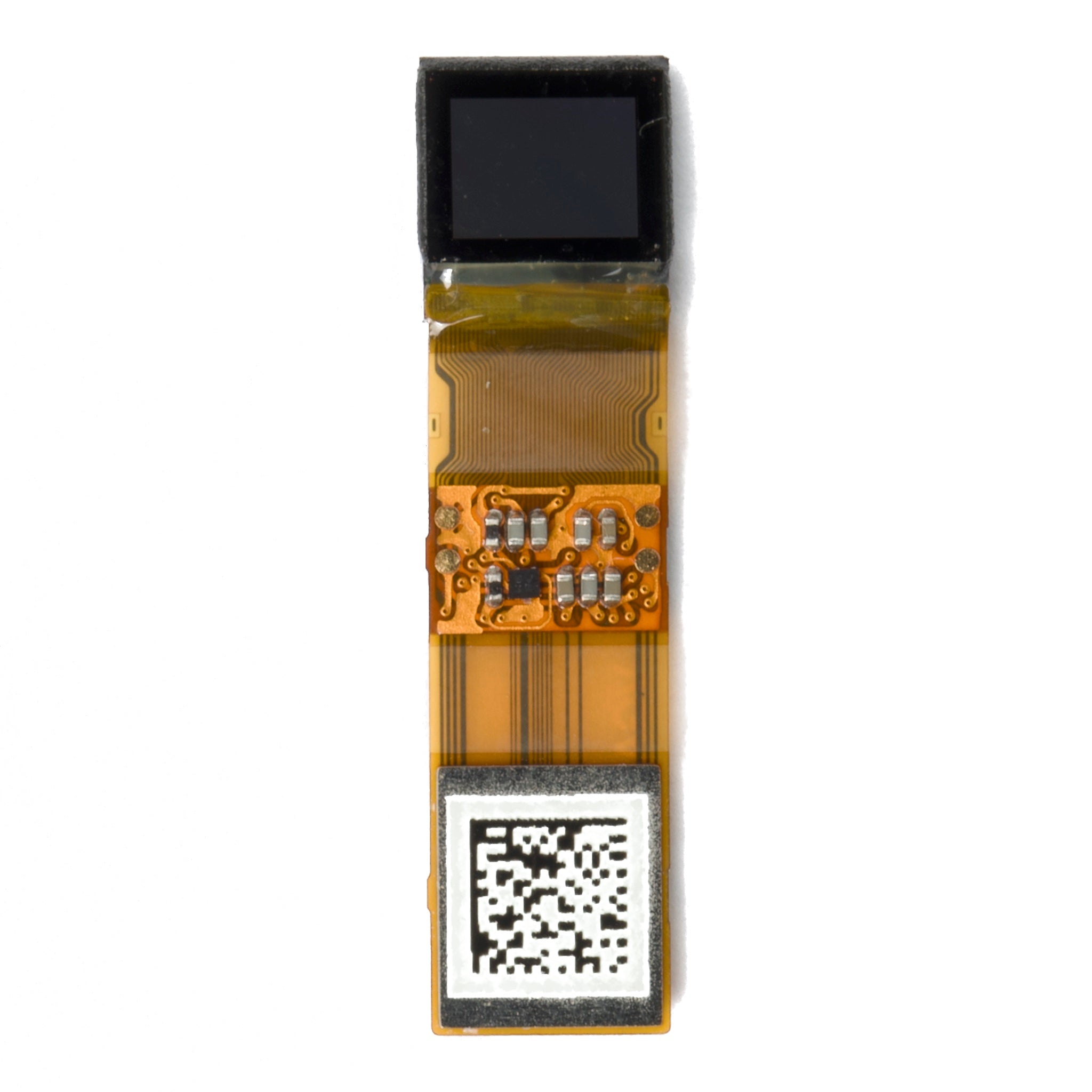
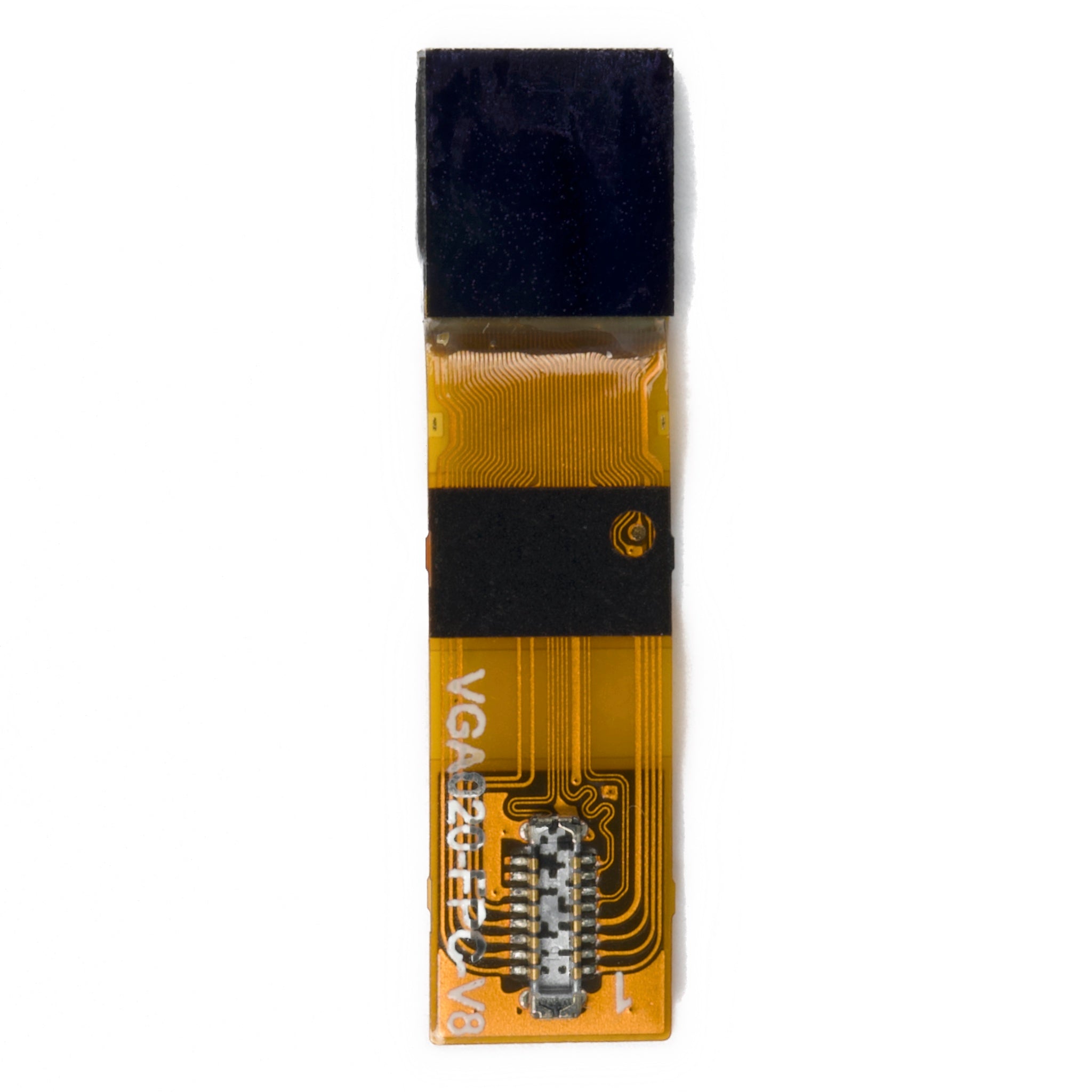
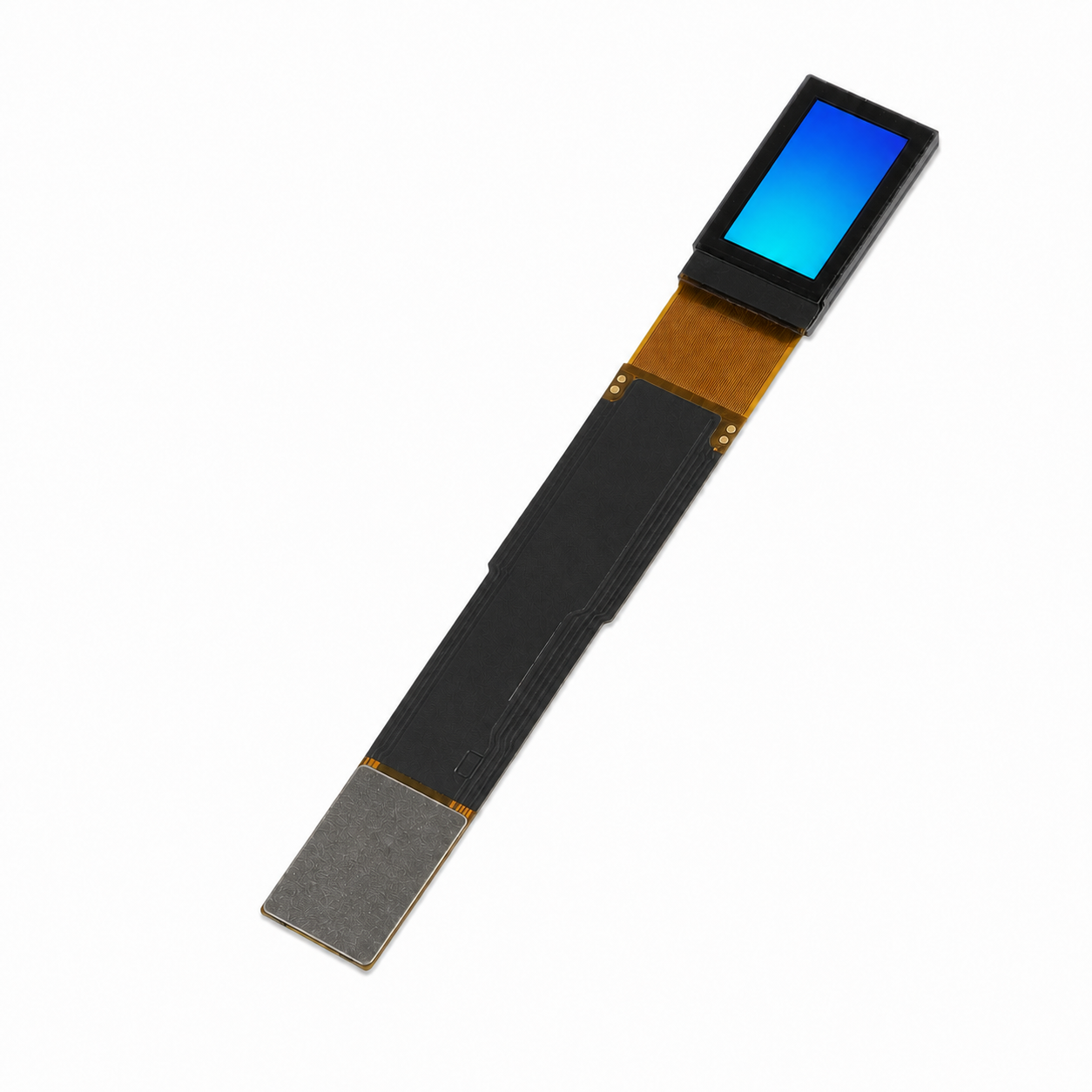
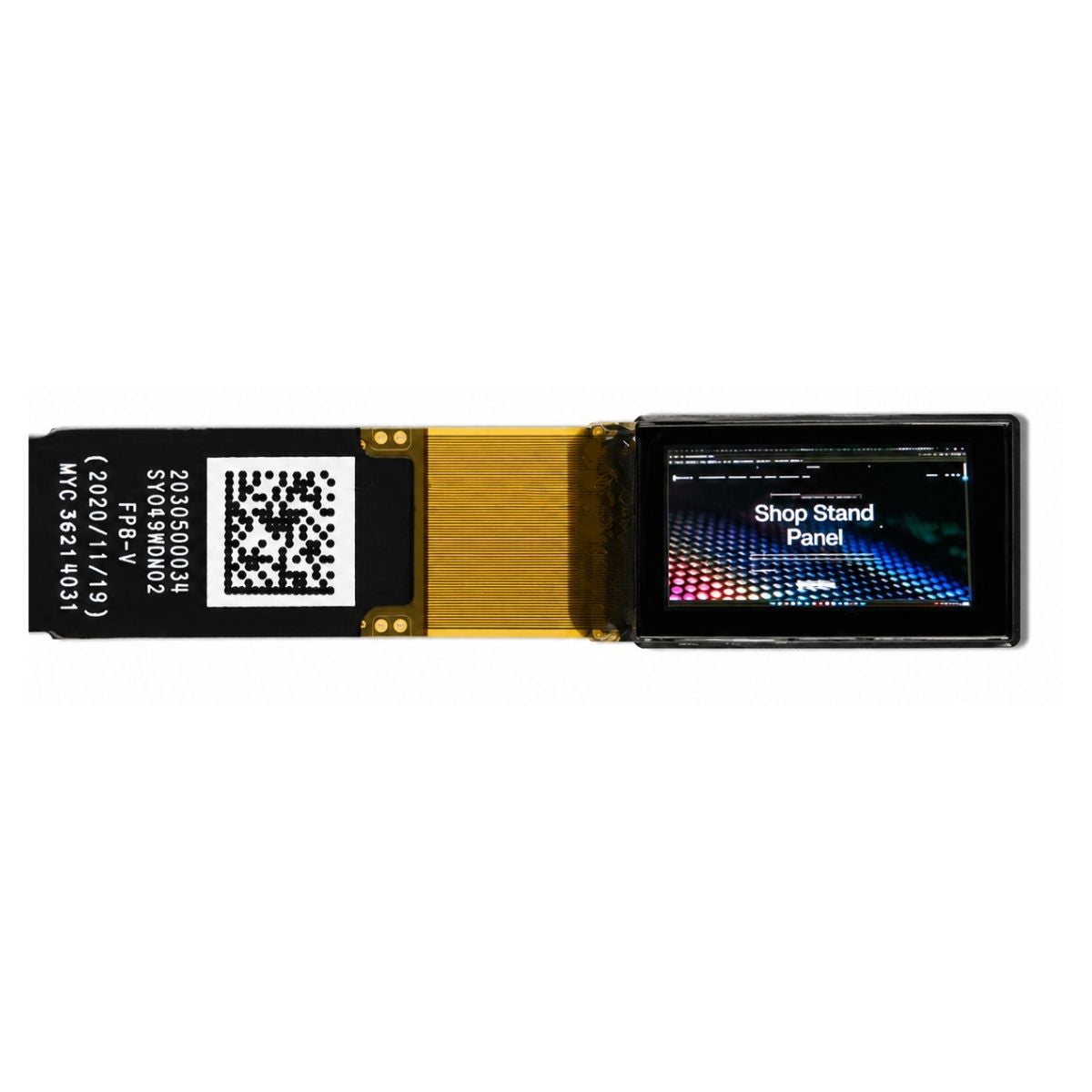


PMOLED, short for Passive Matrix OLED, is a display tech using simple row-column electrode grids to light pixels sequentially, perfect for small screens.
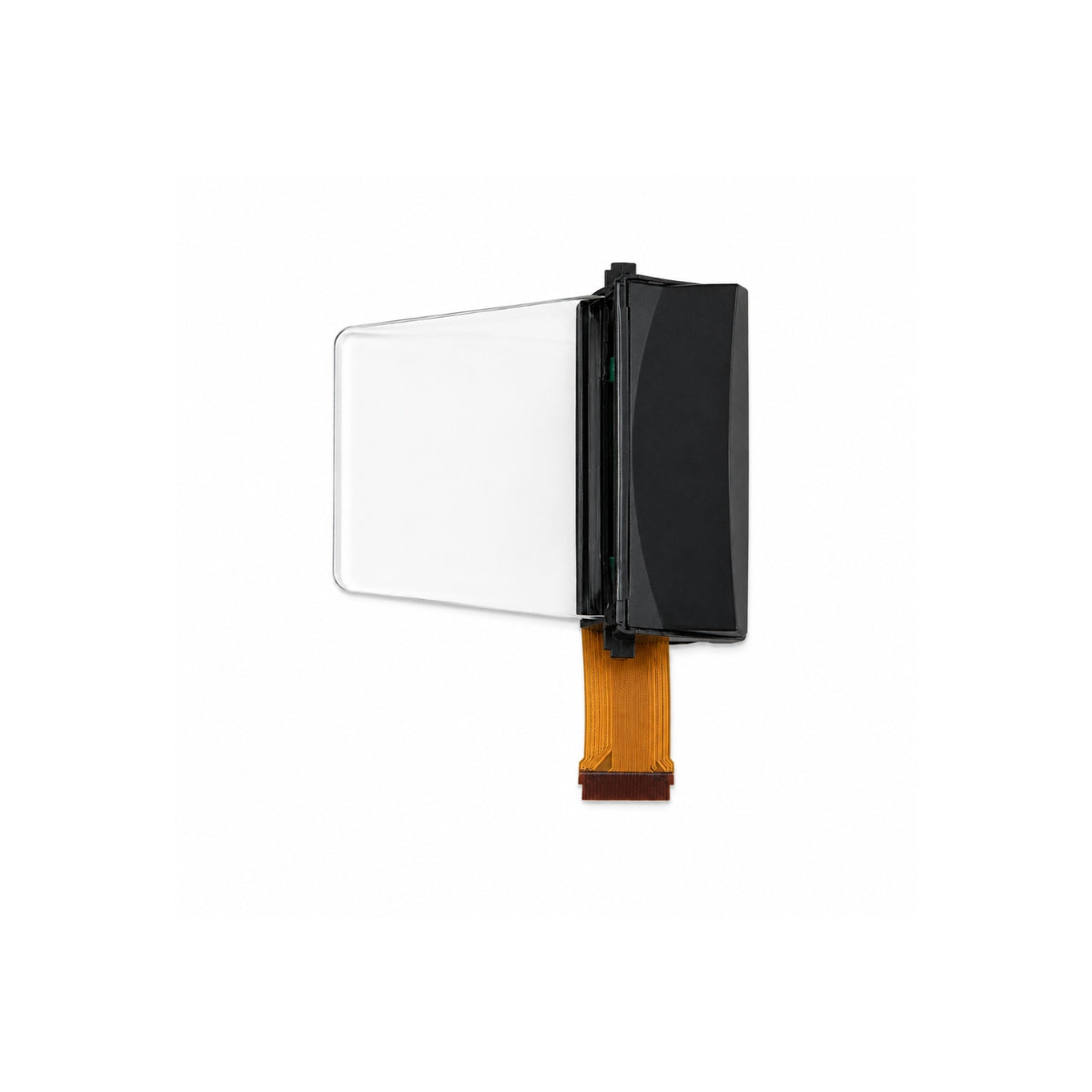
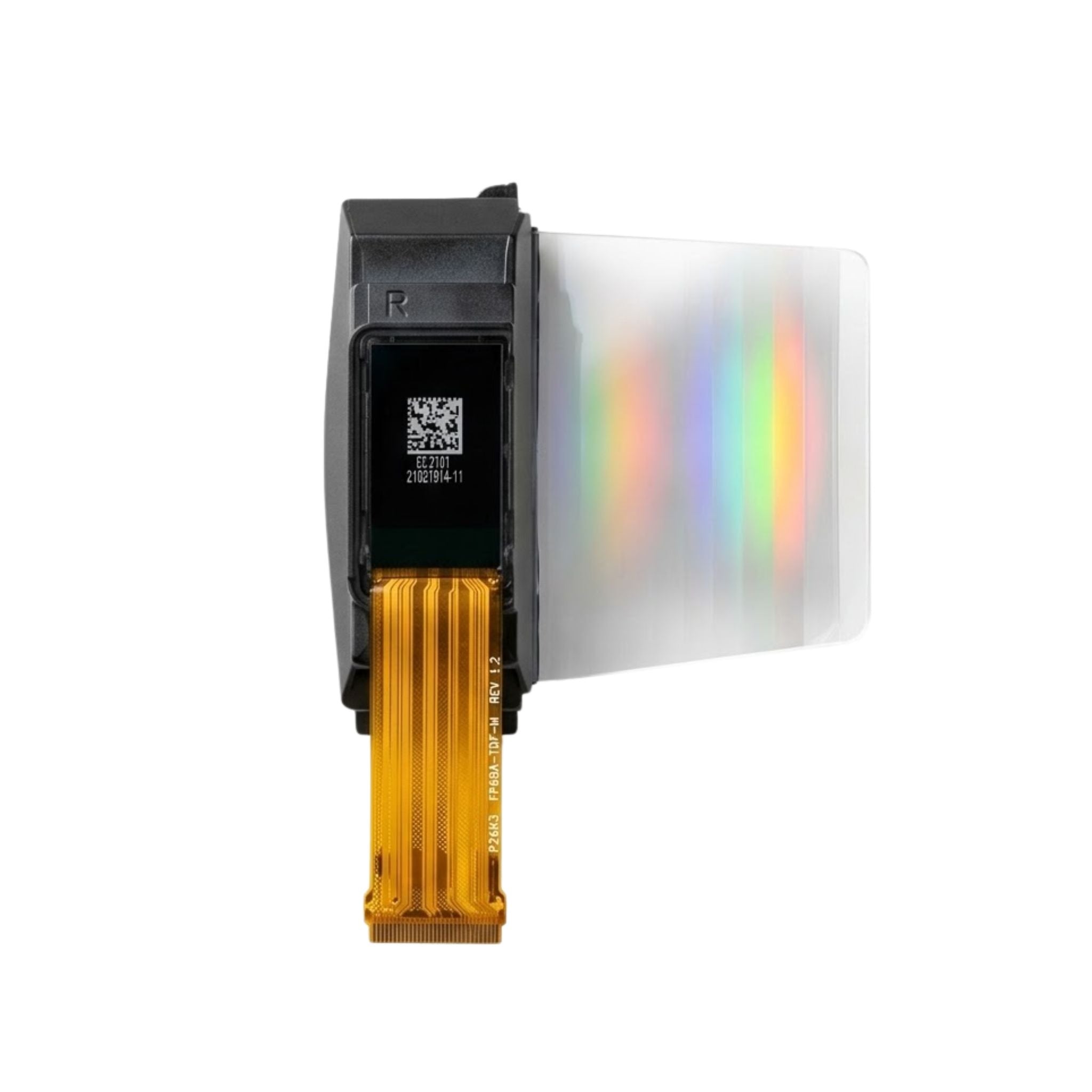
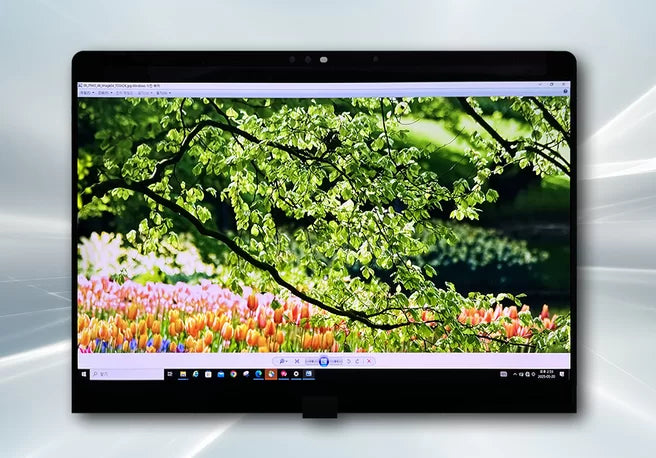
Micro OLED elevates AR/VR with over 3000 PPI to slash screen-door effect, under 10ms latency curbing motion sickness, and AMOLED architecture—boasting.
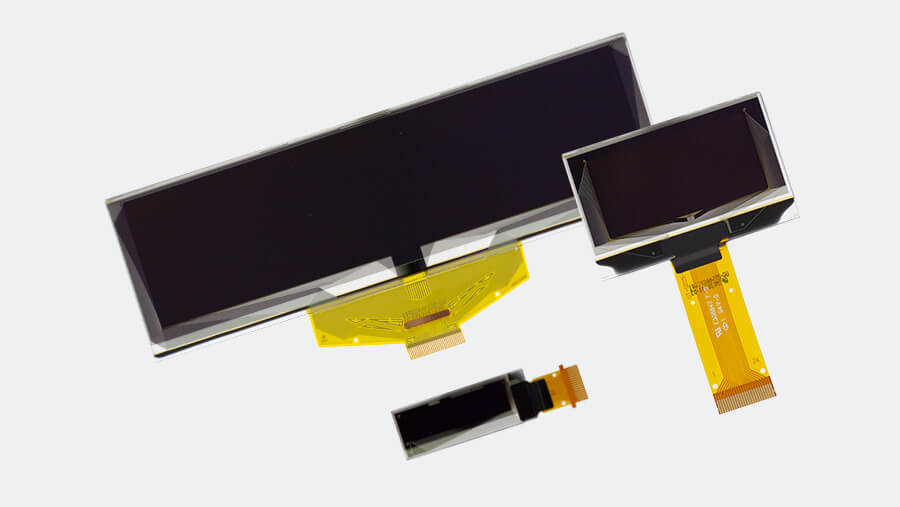
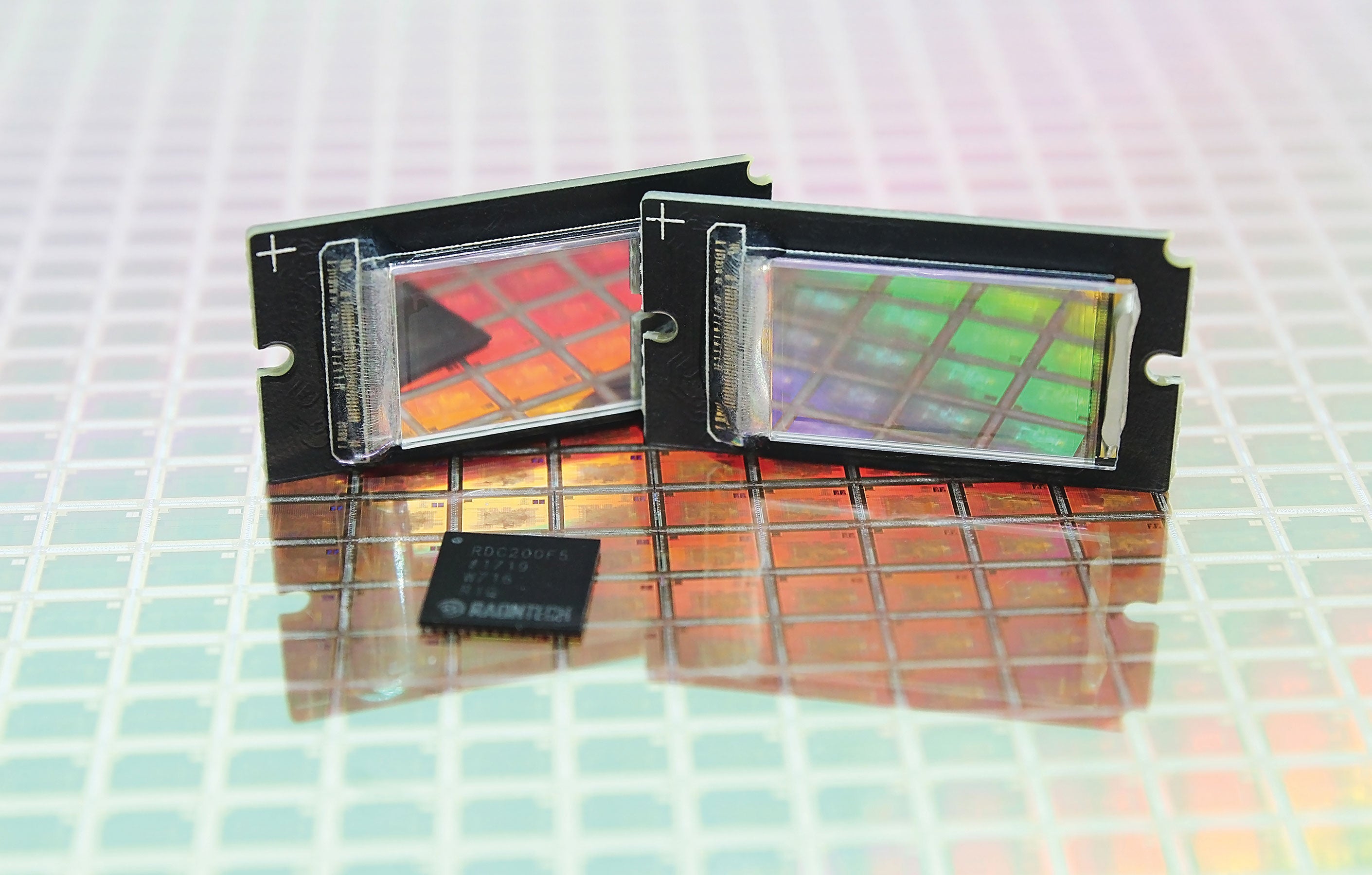
Micro OLED Display, or OLED-on-Silicon, merges organic LEDs with silicon backplanes, boasting ~5000 PPI pixel density for ultra-sharp output; its.
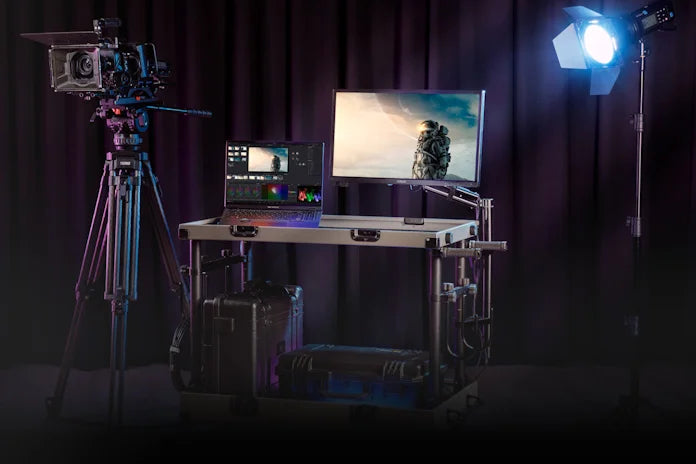
Micro OLED displays, leveraging silicon-based OLEDoS technology on compact CMOS backplanes, deliver ~5000 PPI density for ultra-sharp visuals, ideal for.
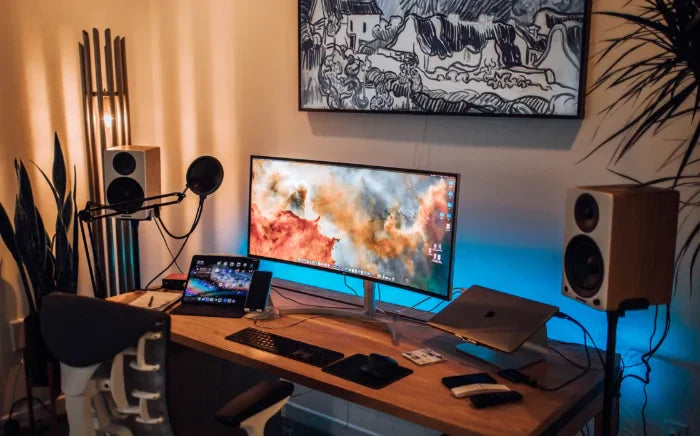
AMOLED, a subset of OLED, uses active-matrix TFTs to control pixels, enabling faster response times (<1μs) and lower power consumption (up to 30% less in.

In 2025, AMOLED (Active-Matrix Organic Light-Emitting Diode), a subset of OLED, will dominate flexible displays with 75% phone market share (vs. OLED’s.

NexPCB provides robust support for display modules, catering to LCDs, OLEDs, and e-paper displays ranging from 0.96-inch small panels to 10.1-inch larger.

NexPCB ensures display modules ship safely by first sealing them in anti-static bags to block static, then wrapping in thick EPE foam for shock.

To verify NexPCB display modules’ authenticity, cross-check the unique 12-digit serial number on the label via NexPCB’s official website—genuine ones show.