



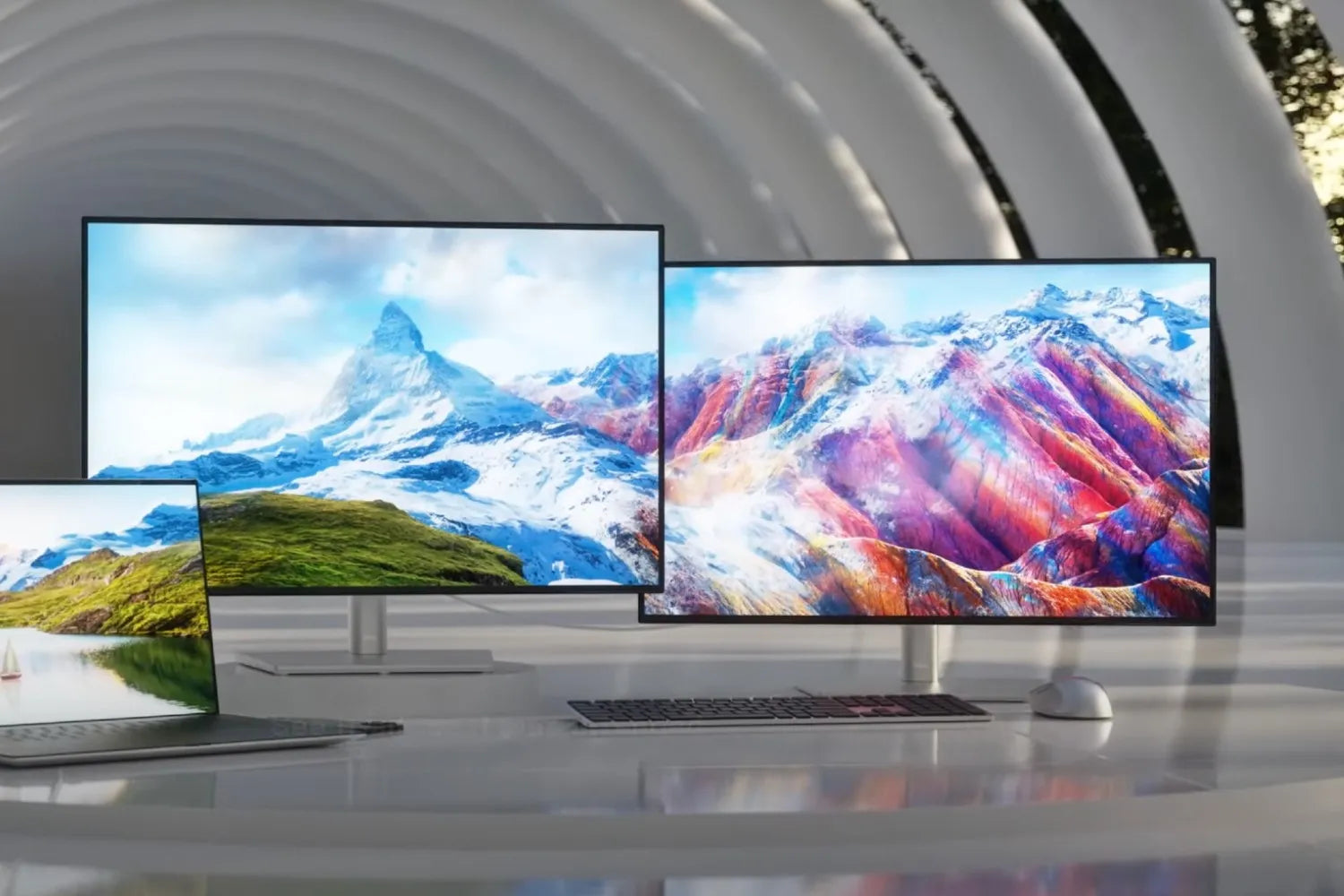
The top 5 benefits of IPS displays in mobile devices include a 178-degree wide viewing angle minimizing color distortion, 99% sRGB color accuracy for lifelike visuals, 5ms fast response time reduci...
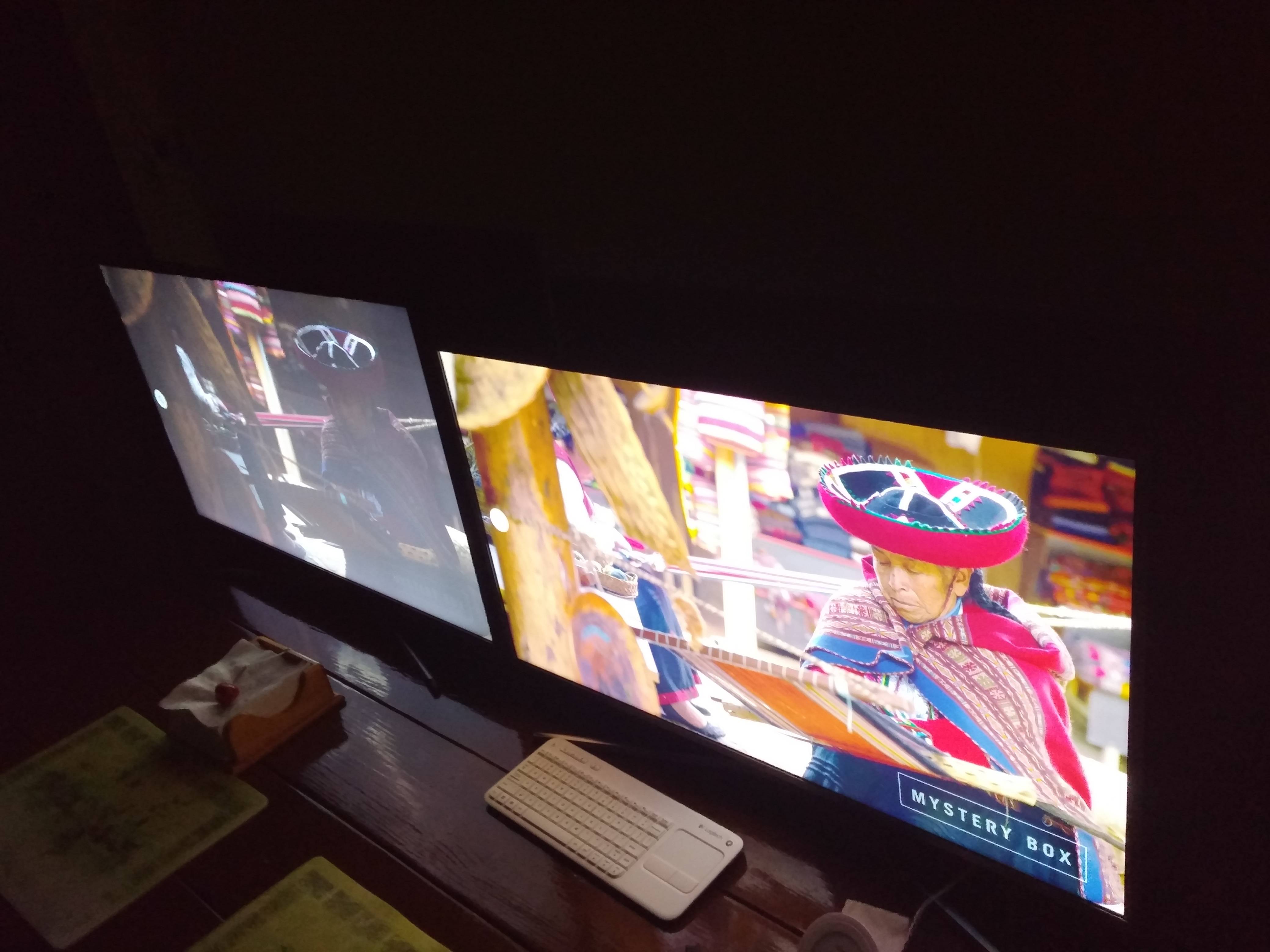
When choosing between IPS and VA panels, IPS offers superior color accuracy and wide 178° viewing angles with consistent image quality, making it ideal for graphic design and multitasking, whereas ...
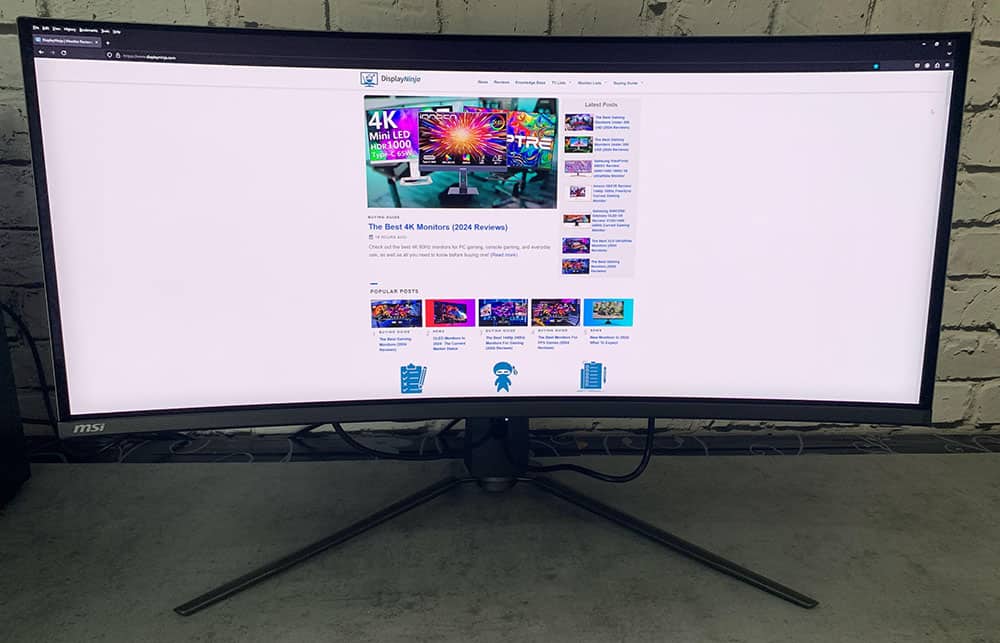
When comparing IPS vs TN displays, the 7 key differences are: IPS offers far superior viewing angles (178°/178°) and much better color accuracy, while TN has a faster 1ms response time for competit...

An IPS (In-Plane Switching) display is a type of LCD panel known for its wide viewing angles (up to 178°) and vivid color accuracy (16.7 million colors), making it ideal for design and media. Unlik...
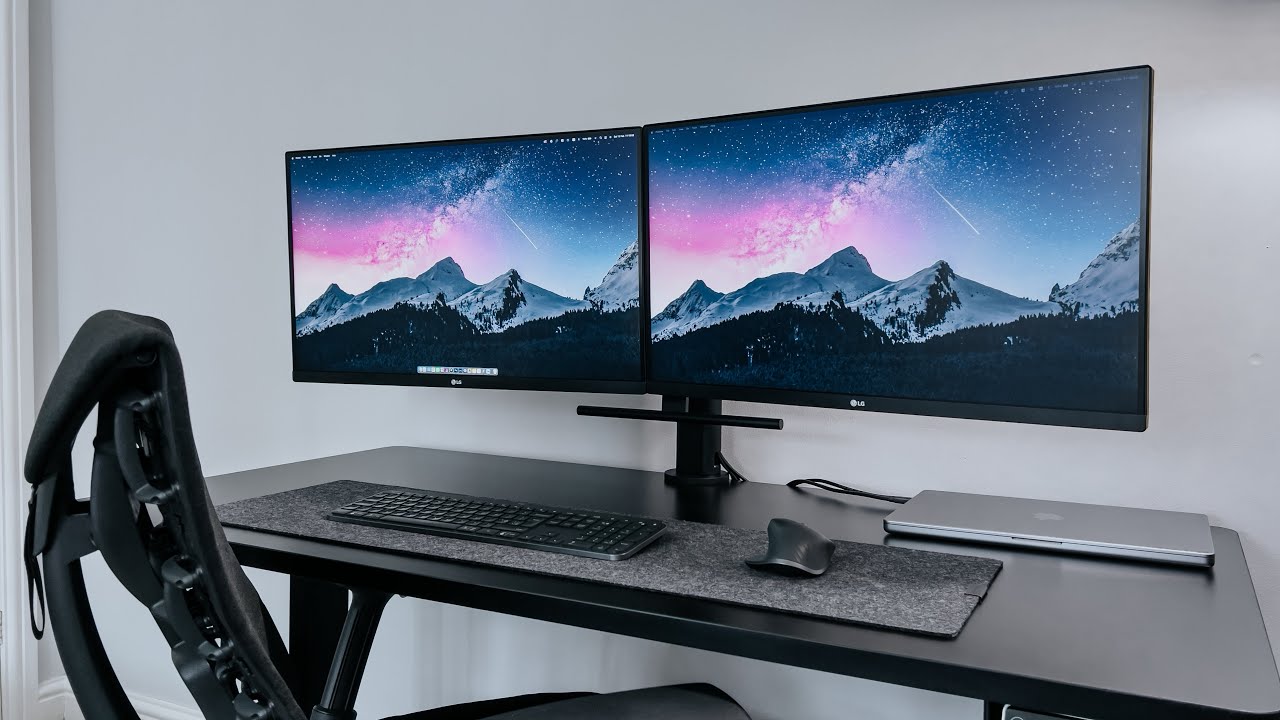
When selecting an IPS display, prioritize 5 key factors: a high 100% sRGB color gamut for accurate colors, a fast 5ms or lower response time to minimize motion blur, a resolution of 1920x1080 (Full...
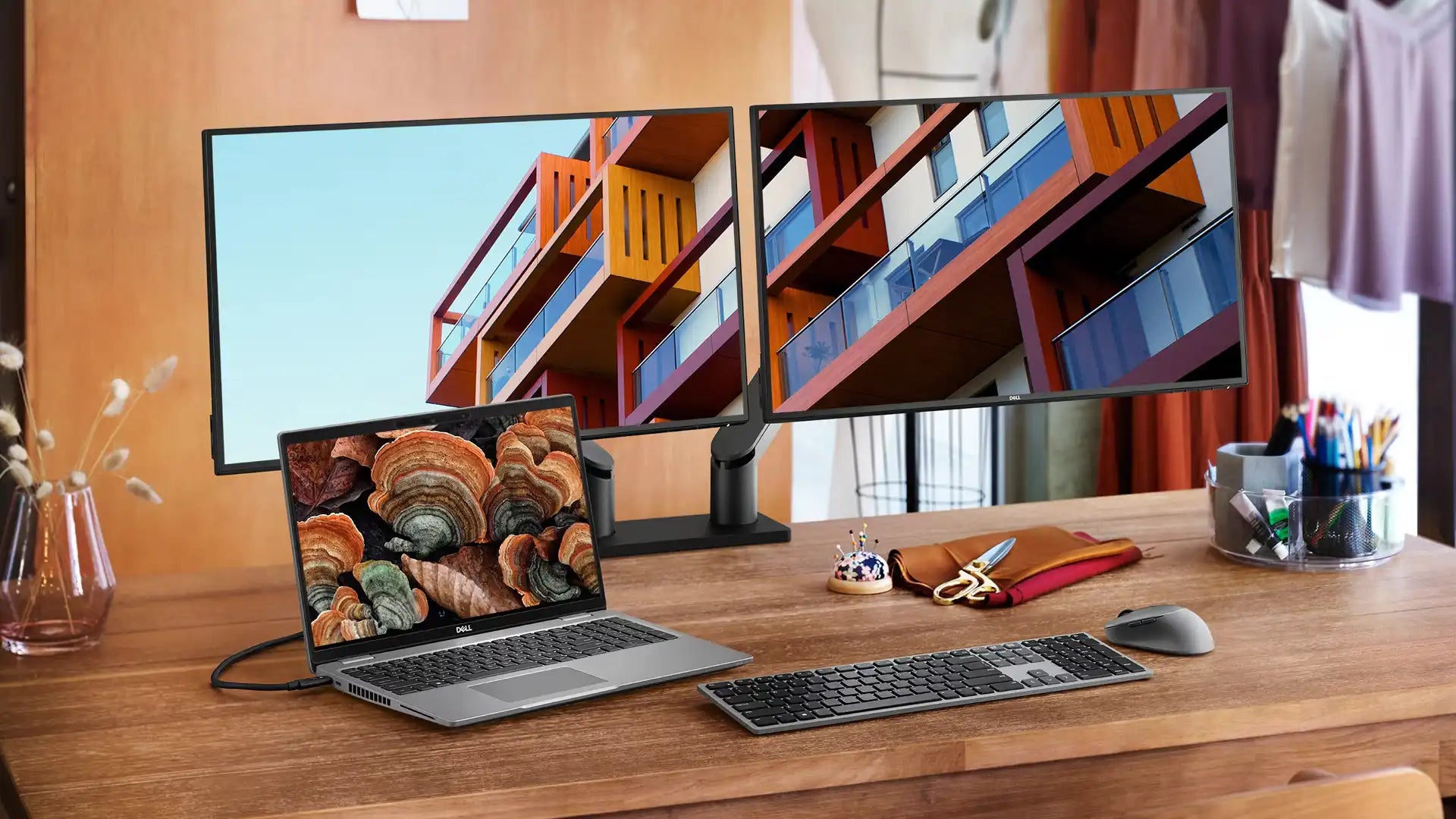
When choosing between a VA (Vertical Alignment) and IPS (In-Plane Switching) panel, consider your priorities: VA panels offer better contrast ratios (typically 3000:1 vs IPS's 1000:1), making black...
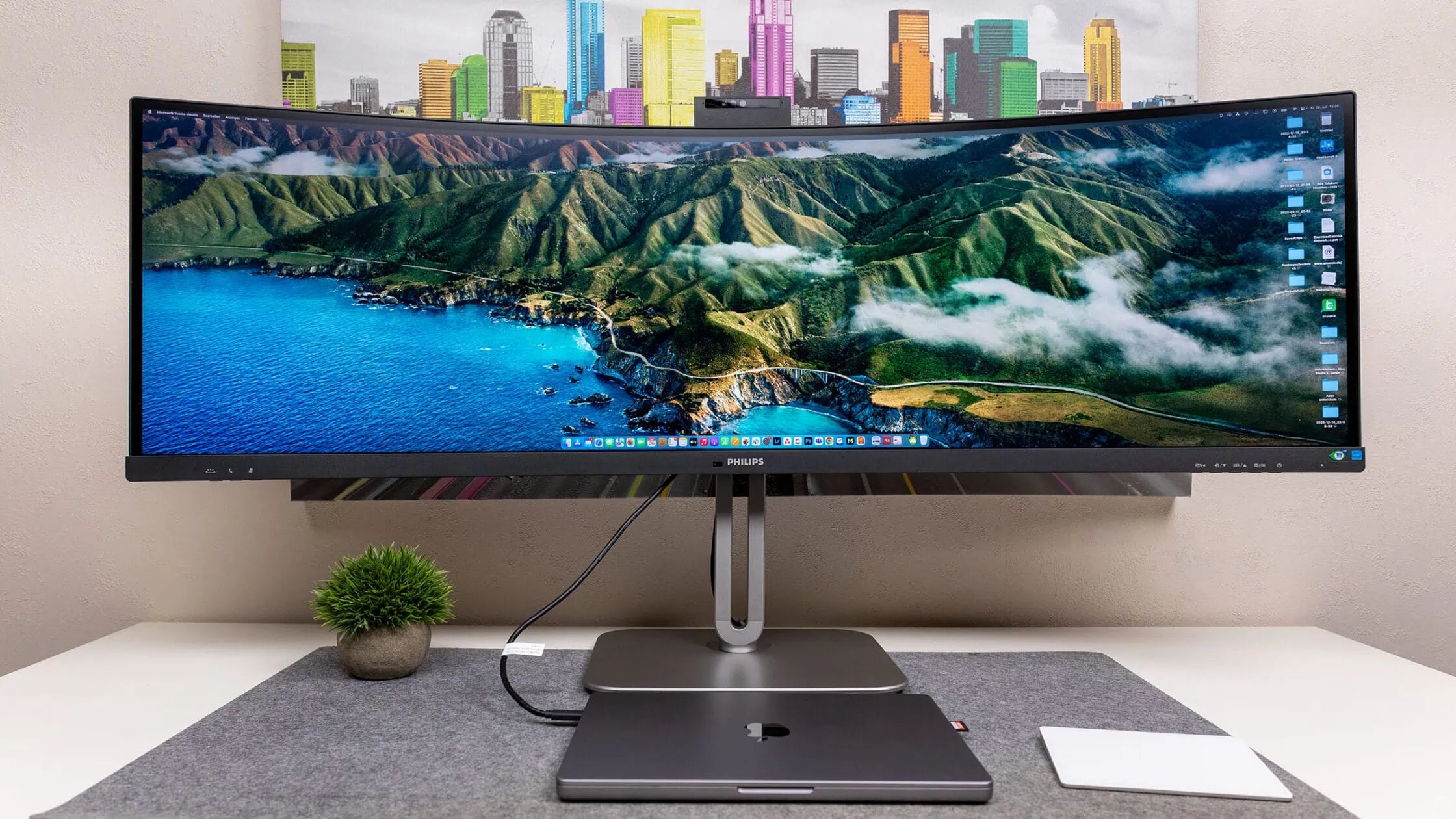
For general office tasks like documents and spreadsheets, VA panels are a good choice due to their high static contrast ratio (typically 3000:1), which delivers deep blacks and reduces eye strain i...
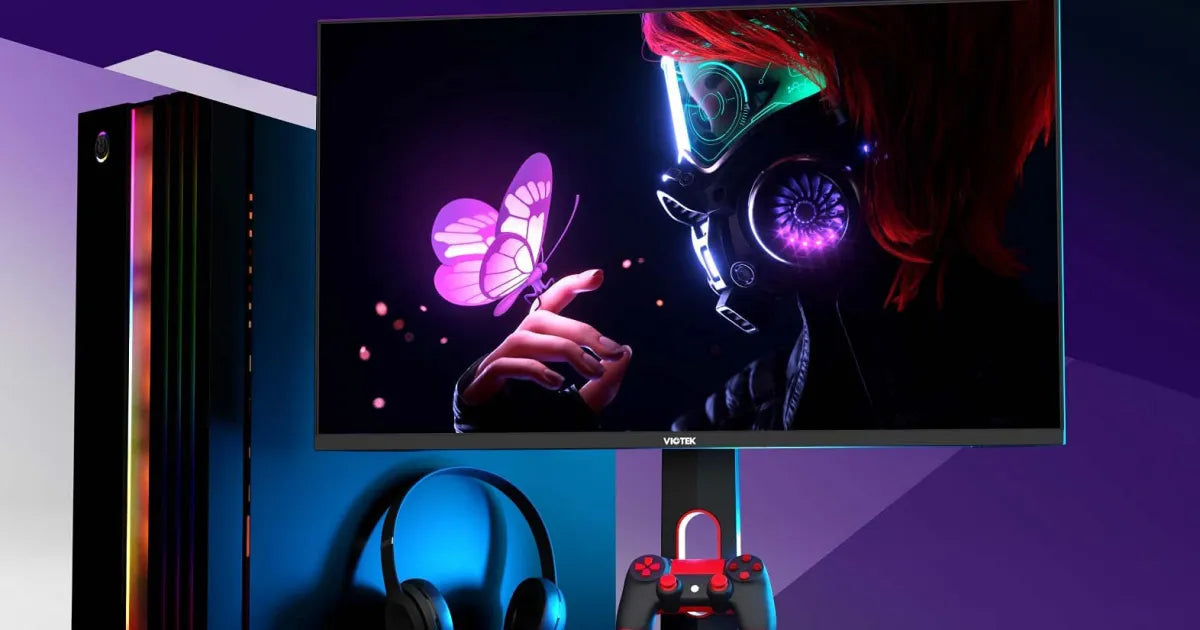
For competitive FPS gaming, an IPS panel is generally better than a VA due to its superior motion clarity. While VA panels offer a high 3000:1 contrast ratio for deeper blacks, their slower pixel r...
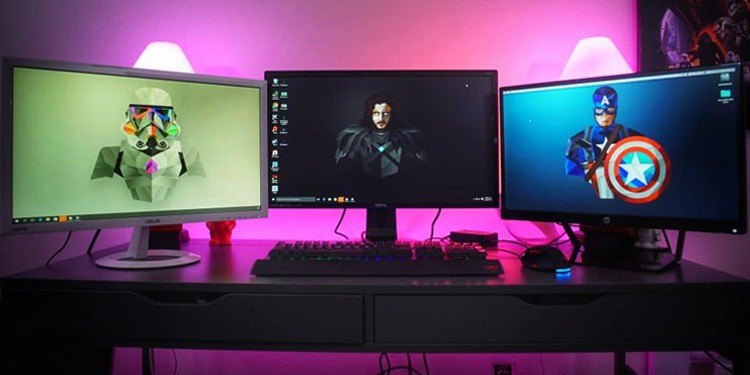
IPS (In-Plane Switching) panels are typically 30–80 more expensive than VA (Vertical Alignment) ones due to their superior viewing angles (178° vs. 170°–178°) and better color accuracy (100% sRGB v...