

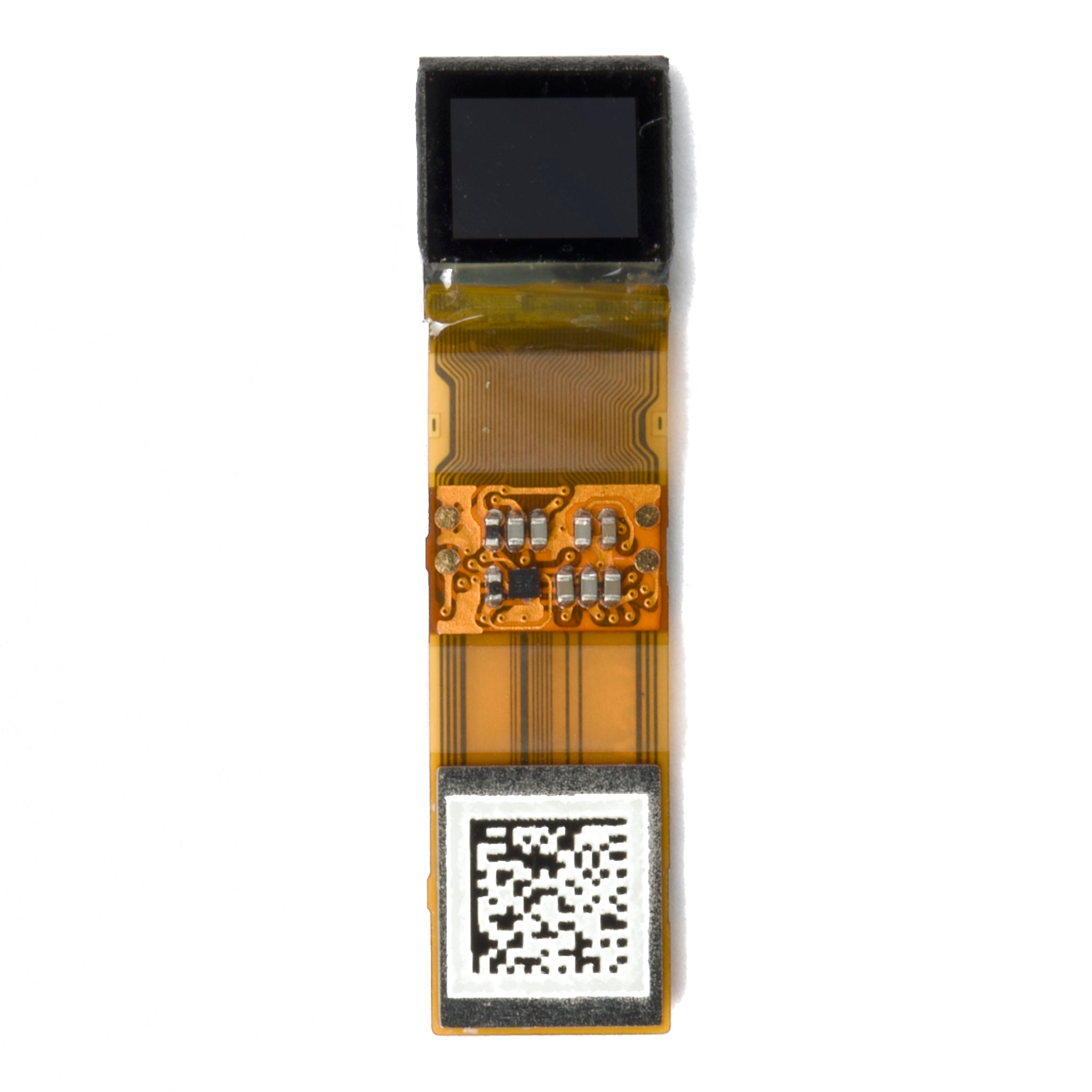
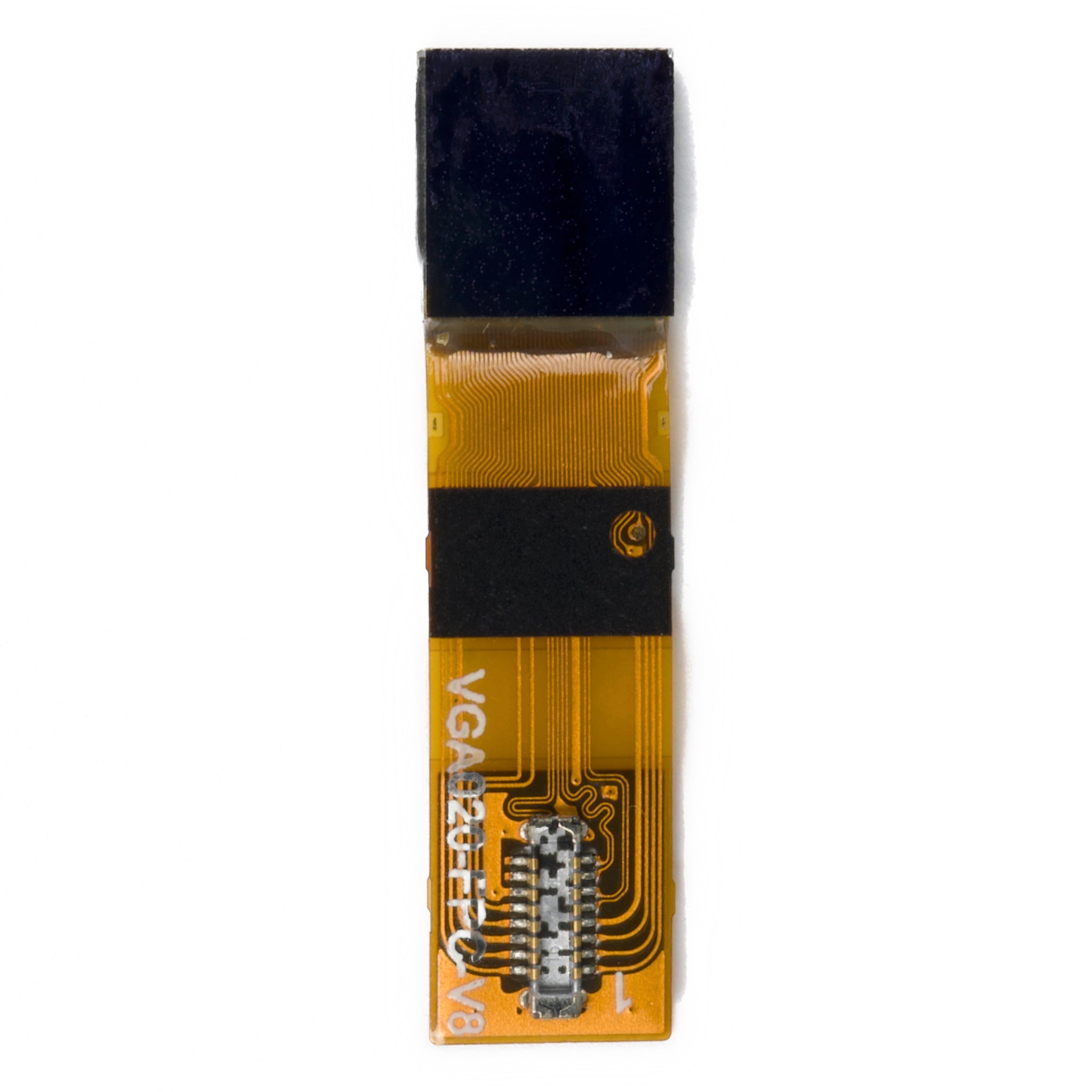
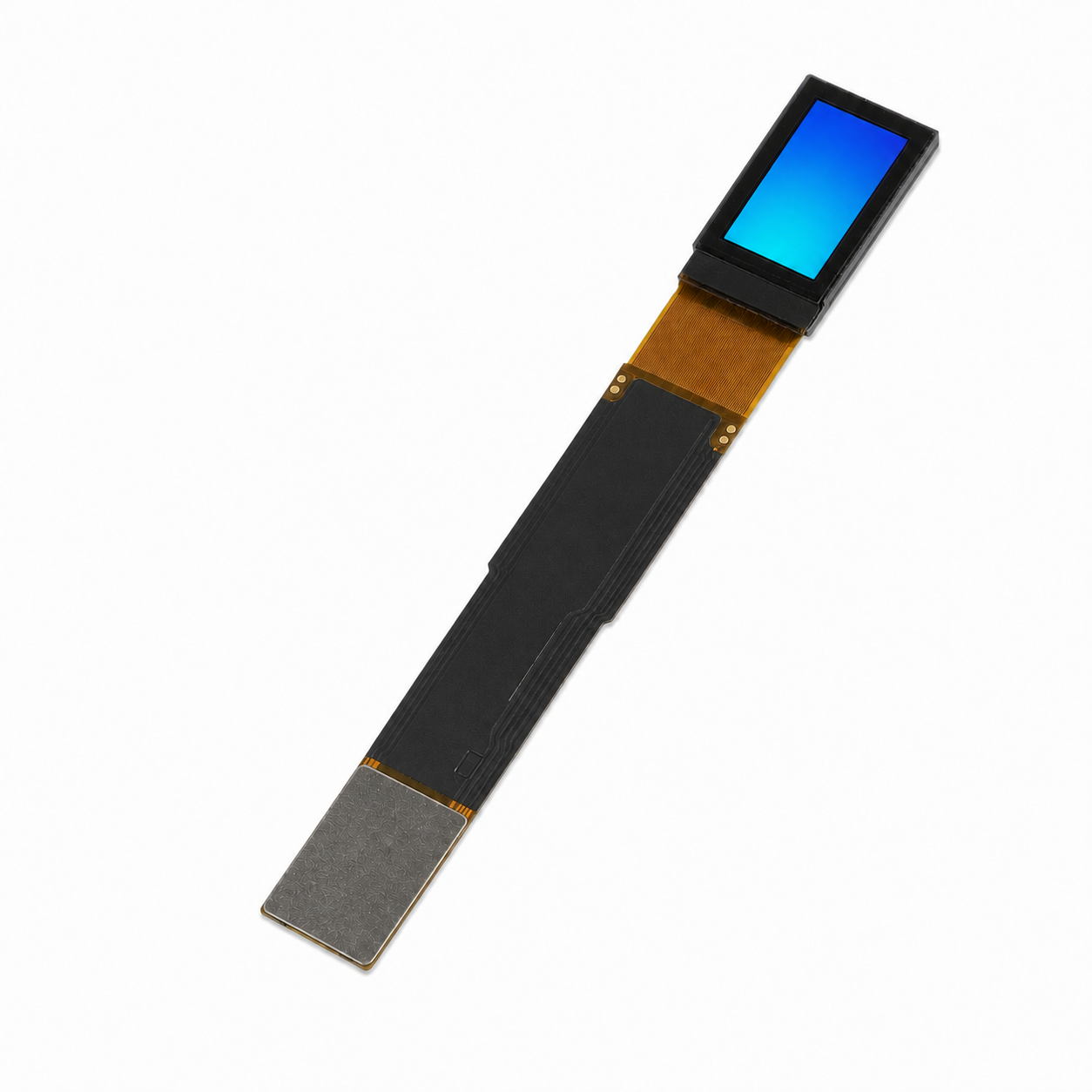
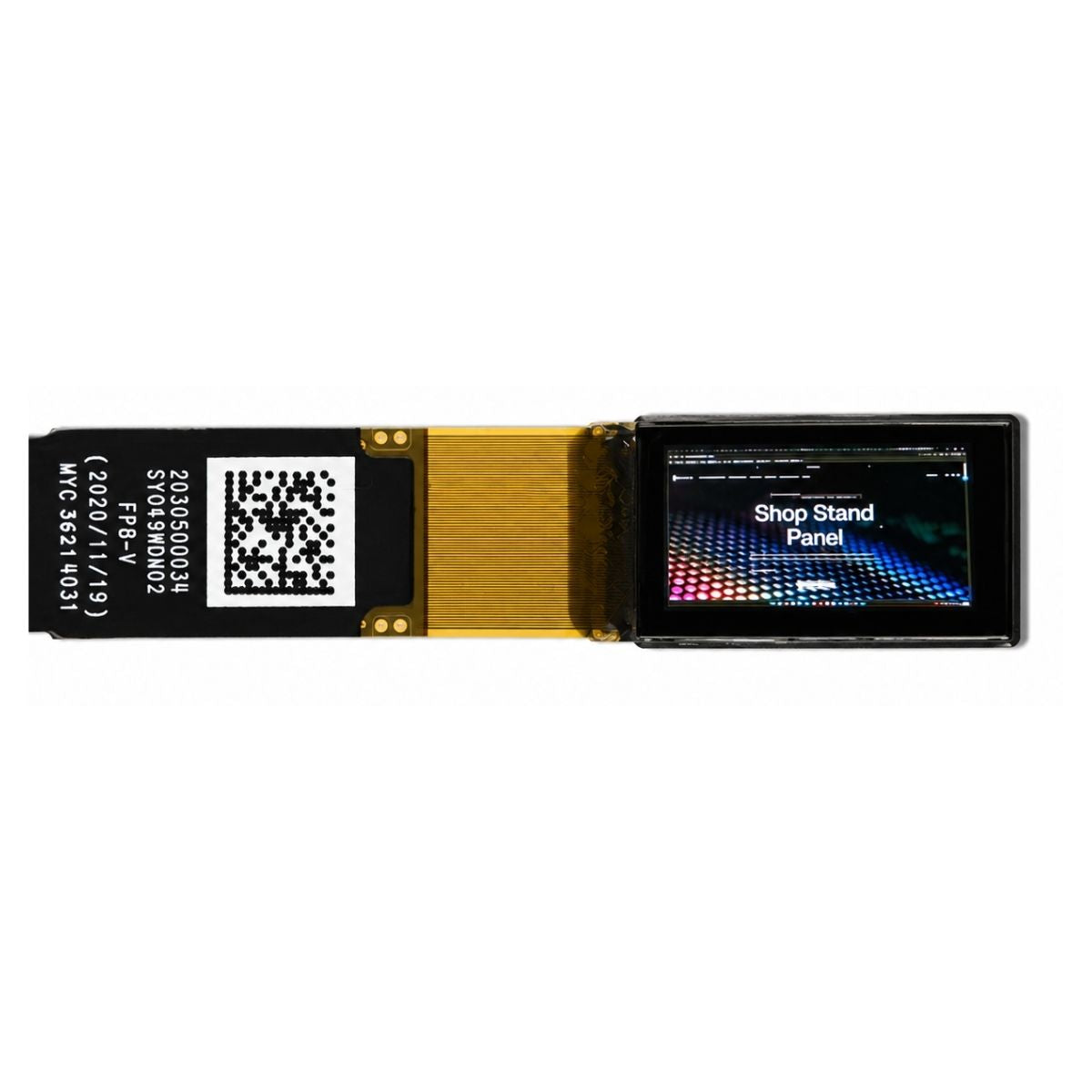


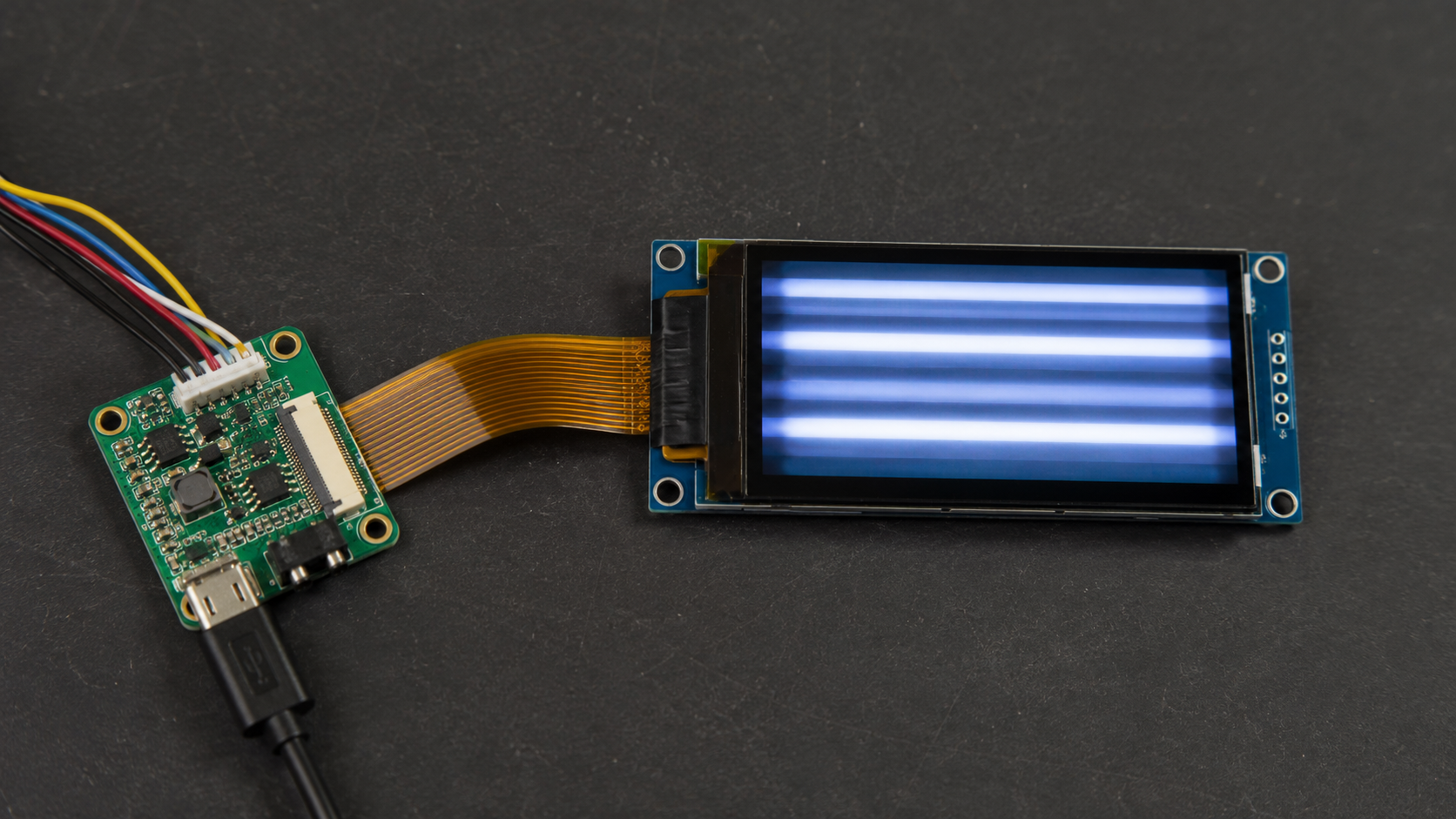
A PMOLED display has uneven row brightness when one physical row receives less current, less effective lighting time, or more voltage loss than the other rows. Common causes include incorrect scan...
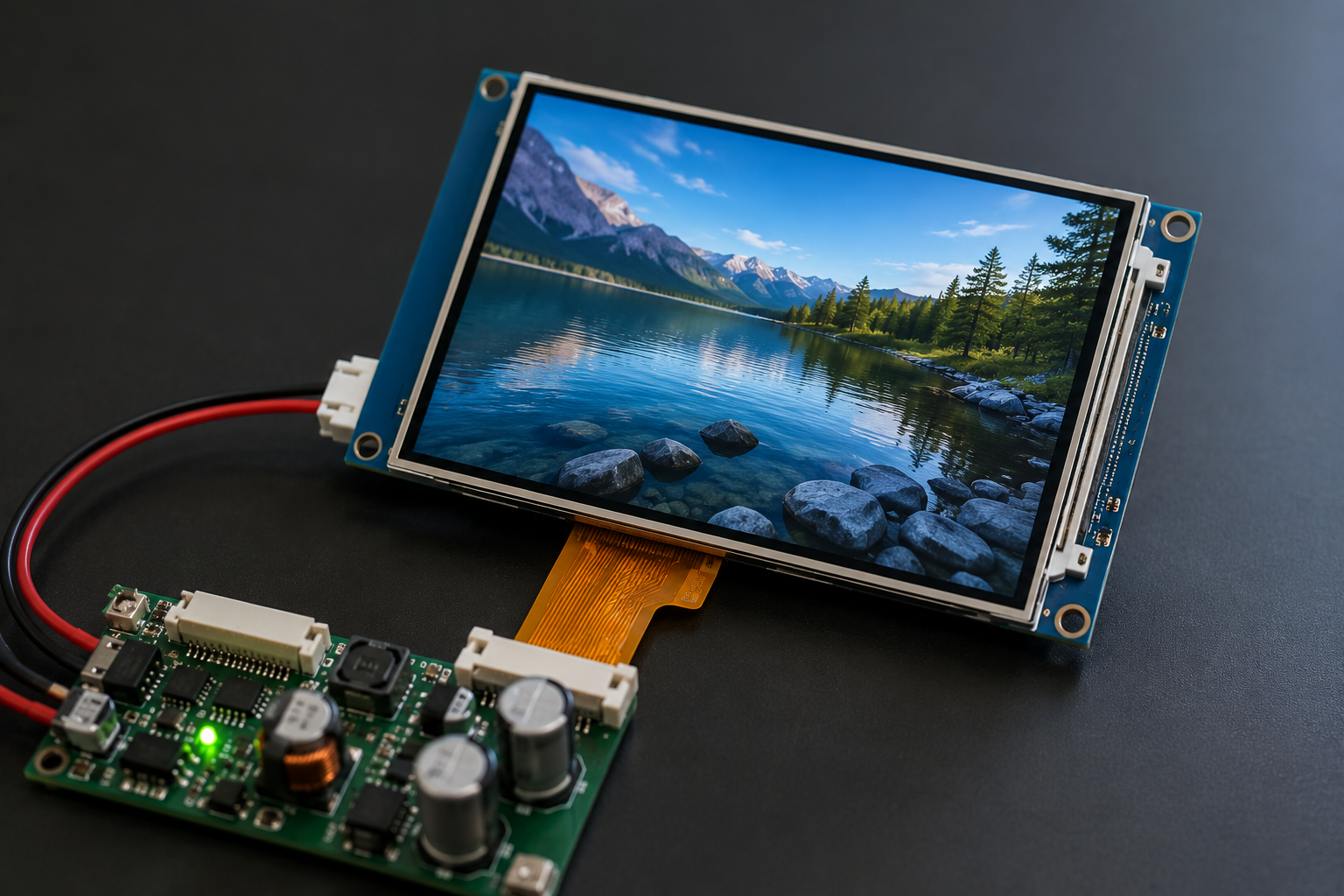
A TFT LCD usually resets when brightness is increased because the backlight draws more power and causes the supply voltage to drop. Other possible causes include regulator current limiting, overhe...
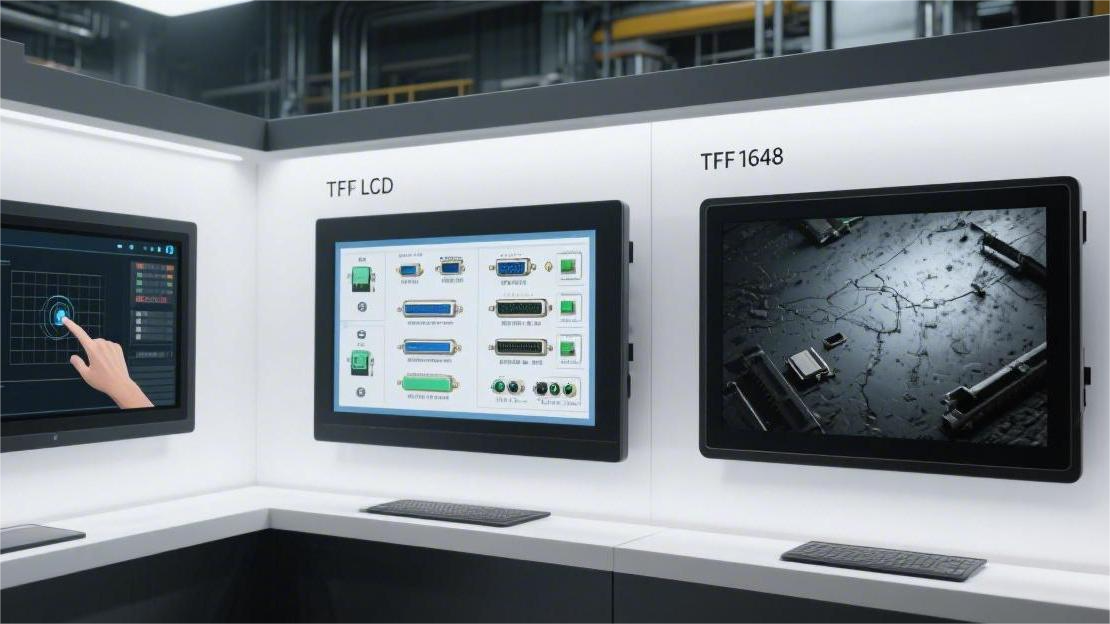
Use the panel’s TE signal as the trigger for command-mode screen updates. Prepare the image, cache work, commands, and DMA before the TE edge arrives. Start the transfer from the correct edge, kee...
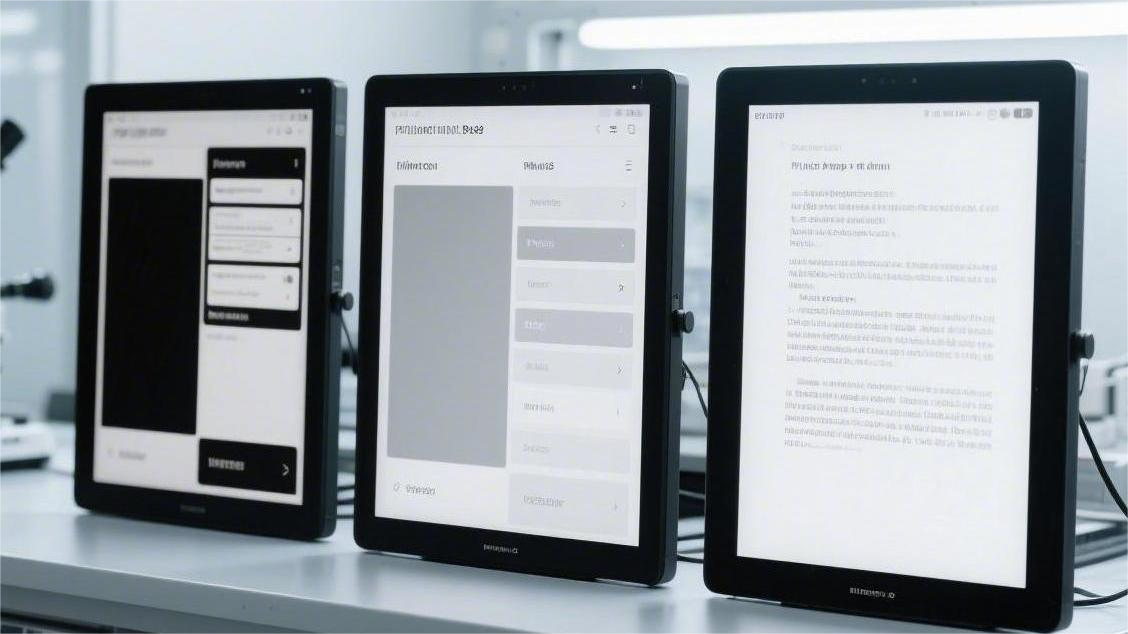
Quick answer: An ePaper BUSY pin timeout means the firmware waited for the display controller to finish an operation, but the expected idle level was not detected before the timeout ended. Common ...
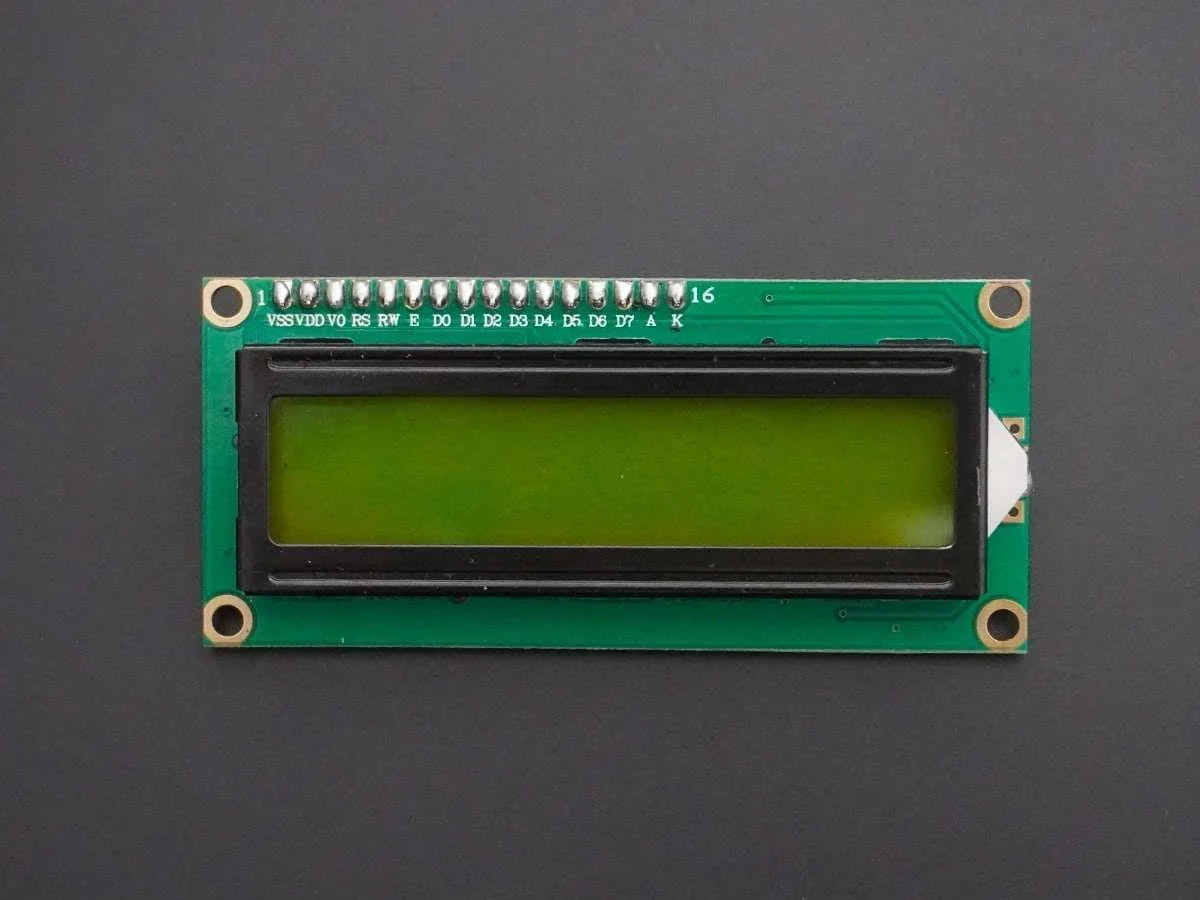
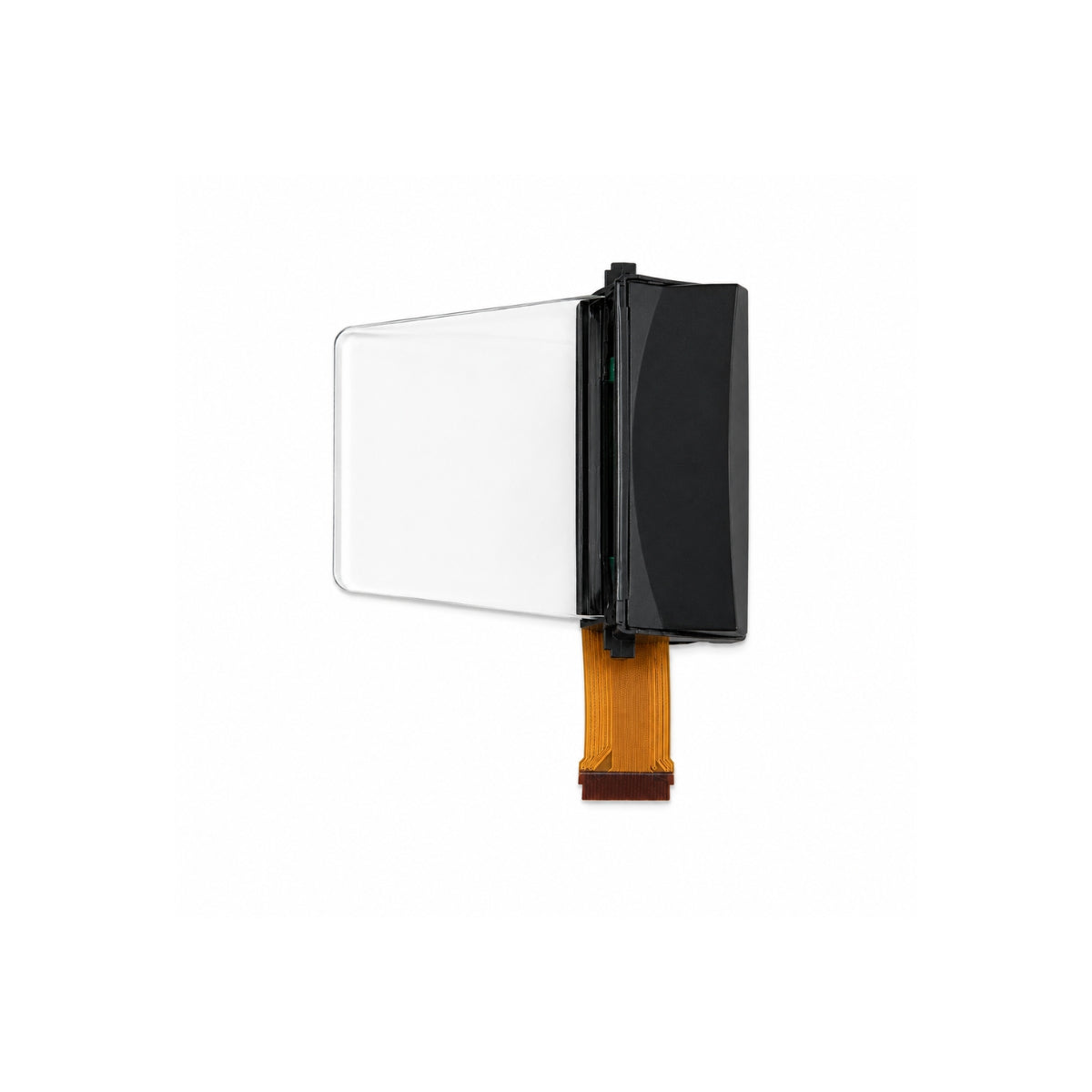
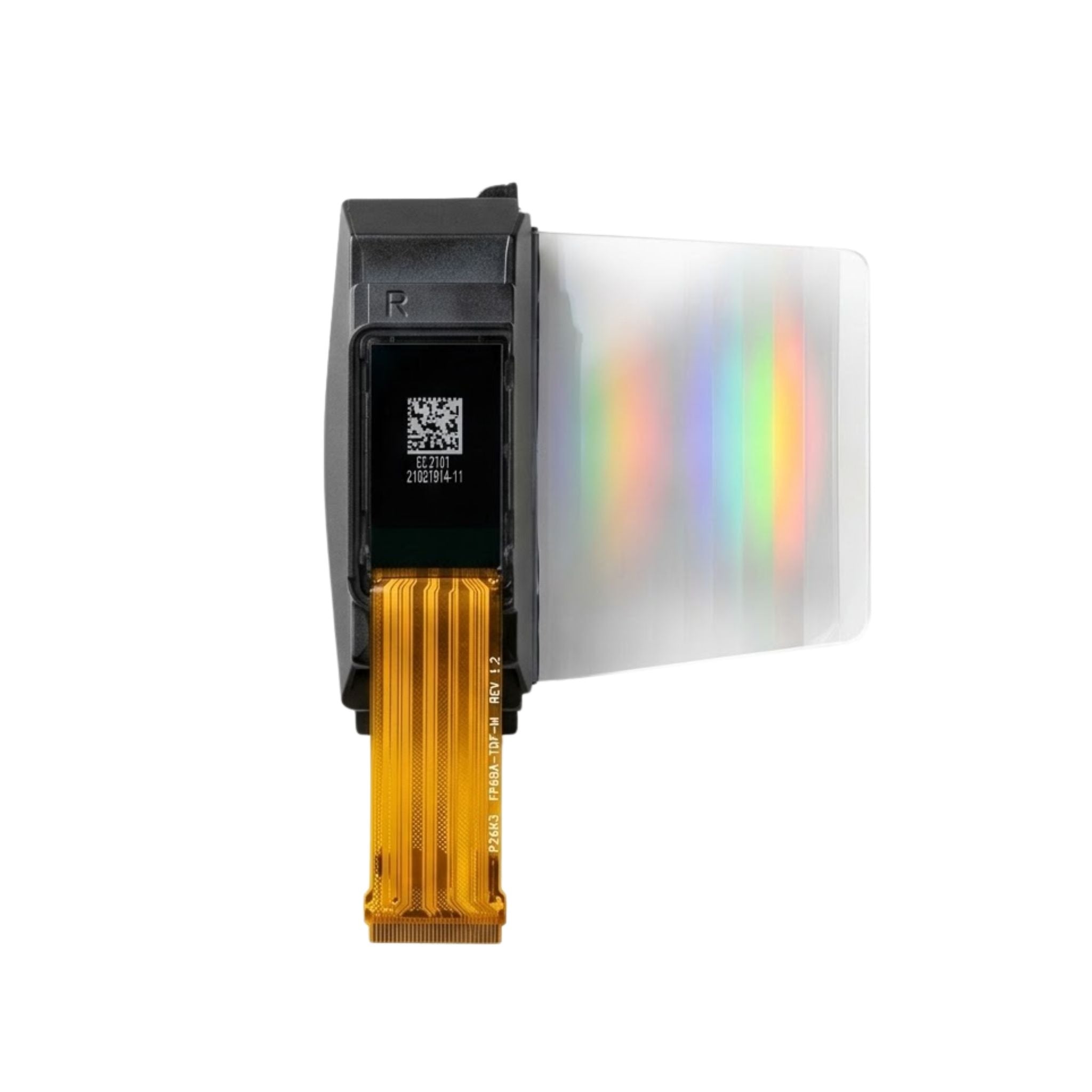
Exit pupil controls where the eye must be placed, eye relief controls how far the eye sits from the optics, and the eyebox shows how much movement the system allows. If any of these are too limite...
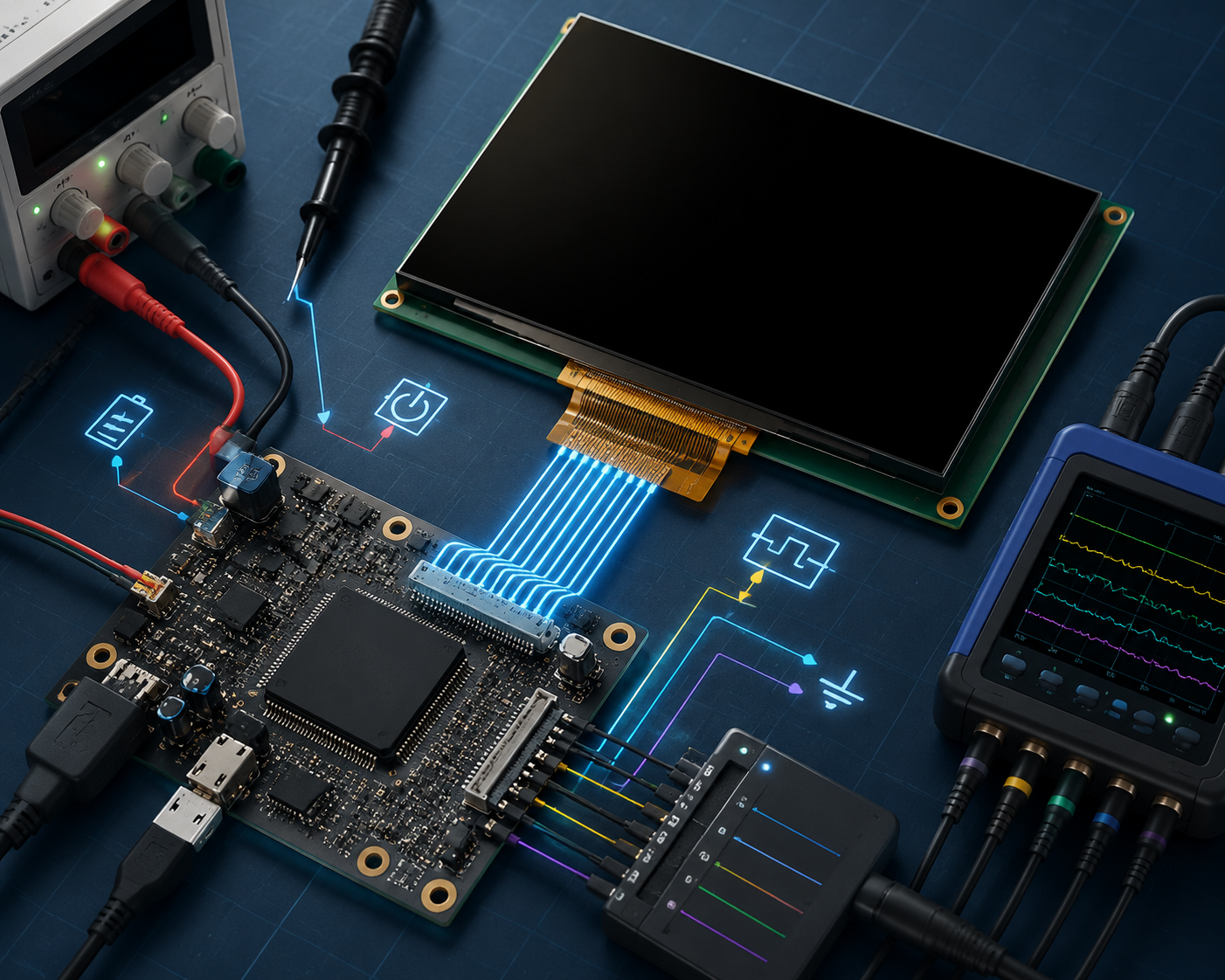
A MIPI DSI black screen usually comes from one of four places: Light output: an LCD backlight is off, or an OLED panel is not emitting light. Panel state: the panel has no power, is held in r...
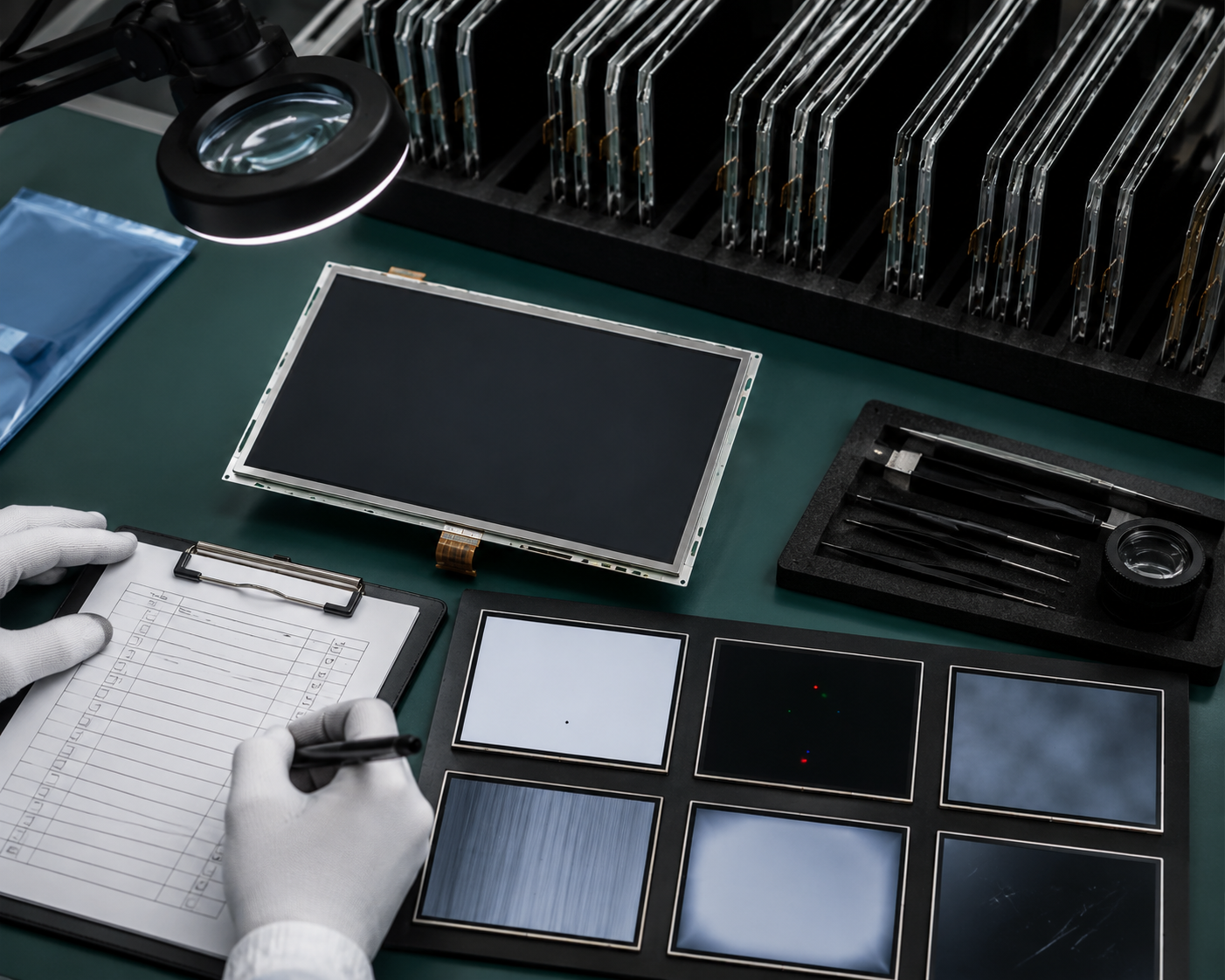
A display module should not be released to production just because it turns on. A screen can show an image and still have a bright pixel, a weak connector, low-gray mura, touch dead zones, a bent ...
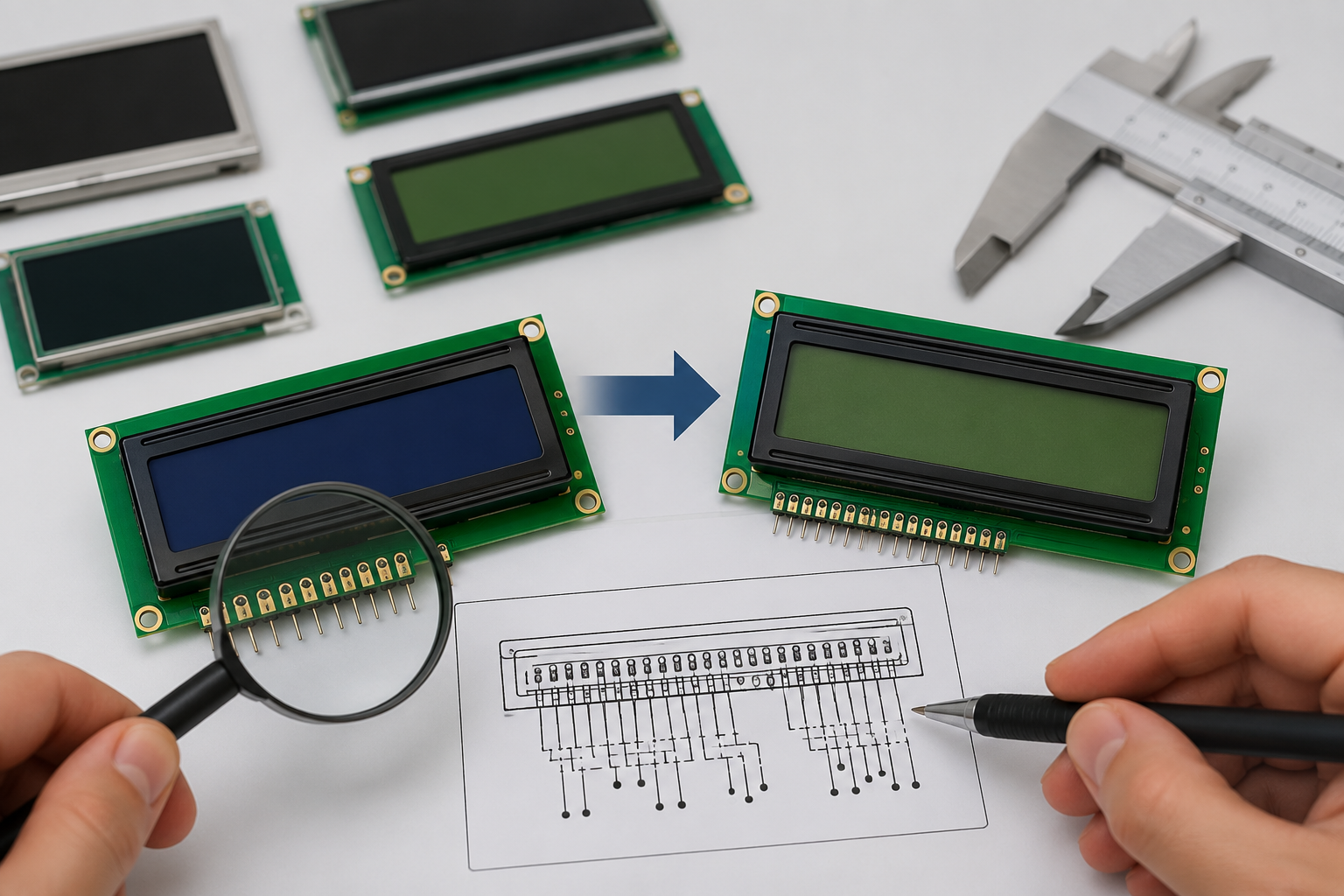
When an LCD module is discontinued, a display with the same screen size and connector may look like a direct replacement. It may still have a different pinout, voltage, controller, timing, backlig...
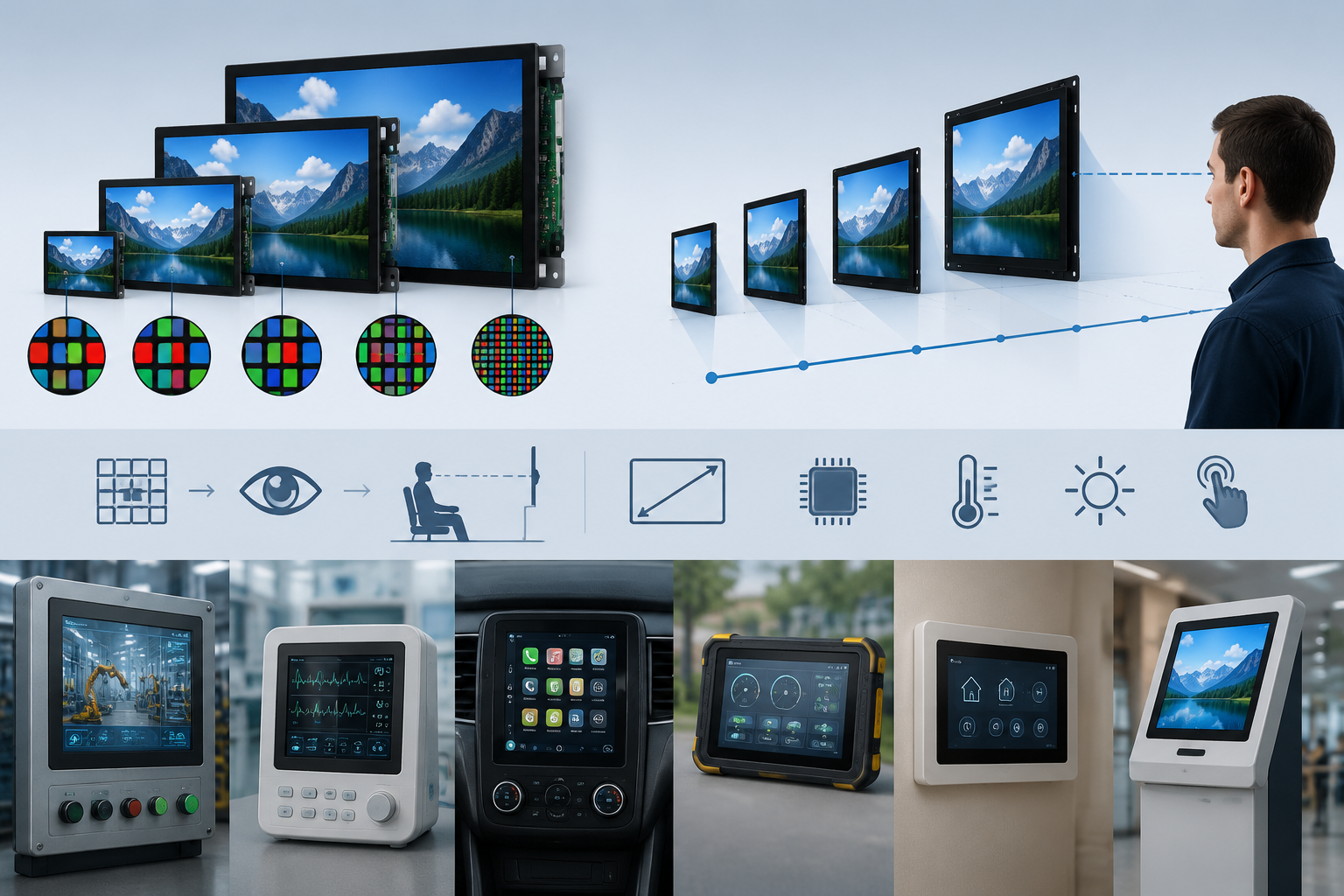
Across 12 industrial embedded projects, our team compared 38 TFT and AMOLED modules of different sizes and resolutions, ranging from a 1.12-inch 128x128 SPI panel to a 7.0-inch 1920x1200 MIPI DSI p...