

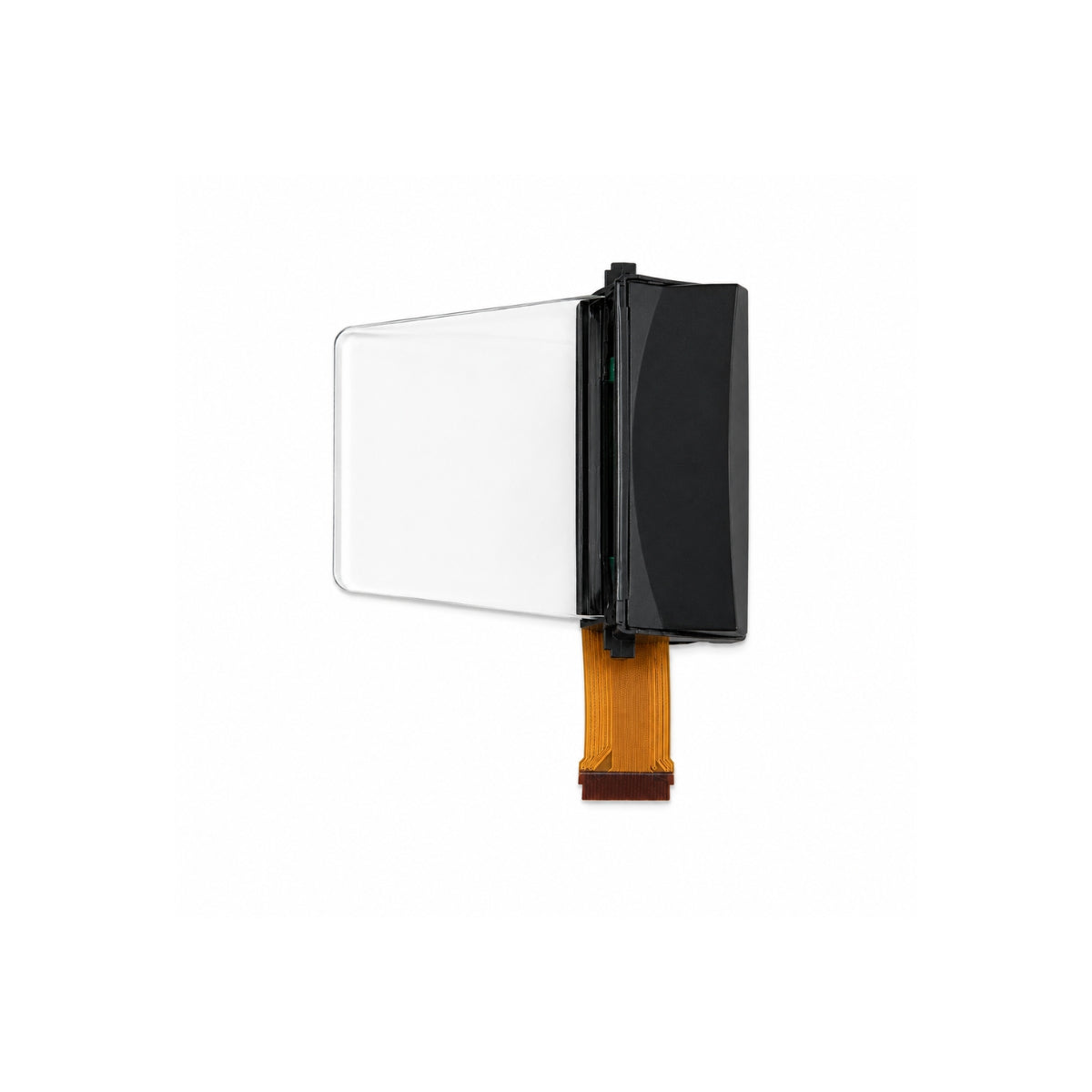
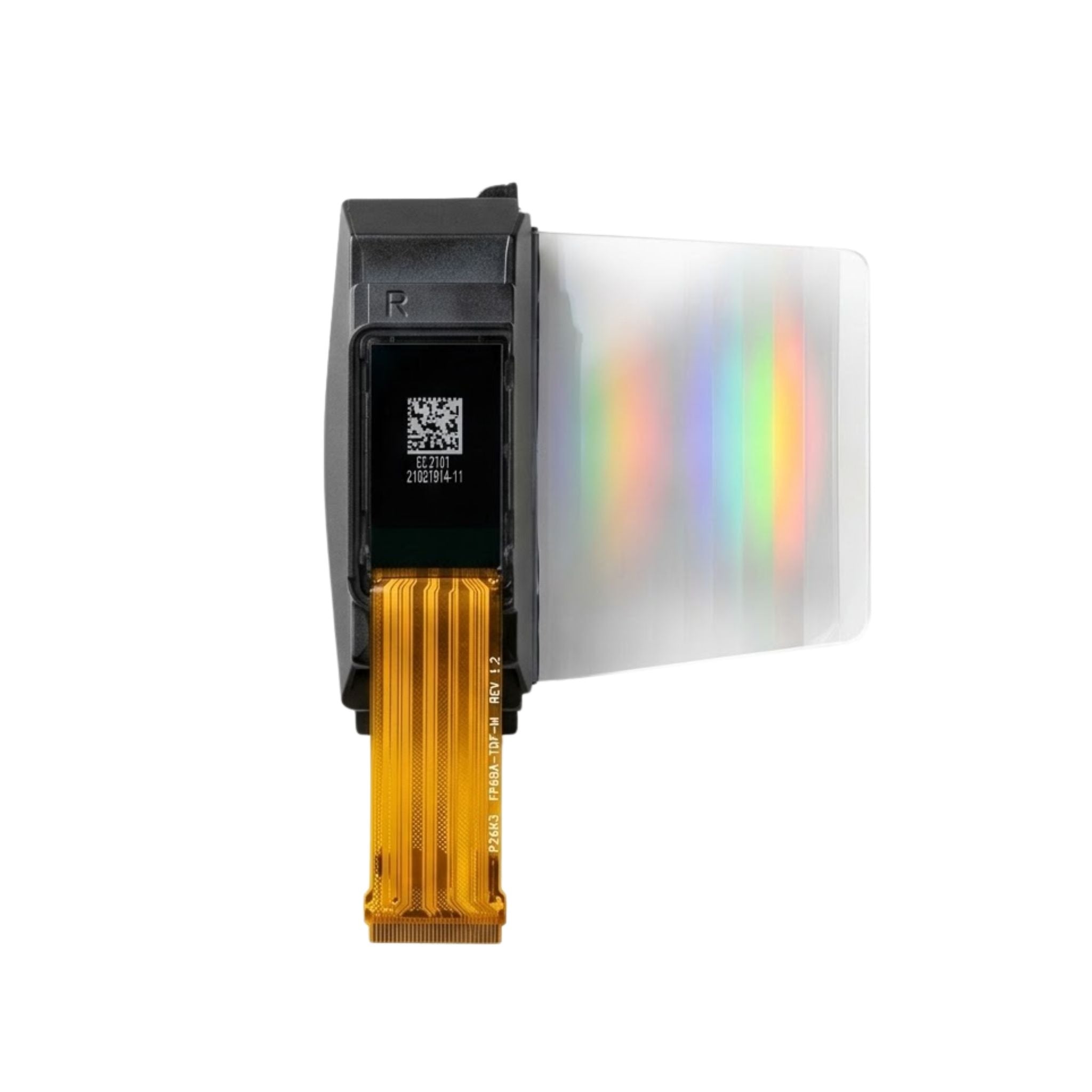


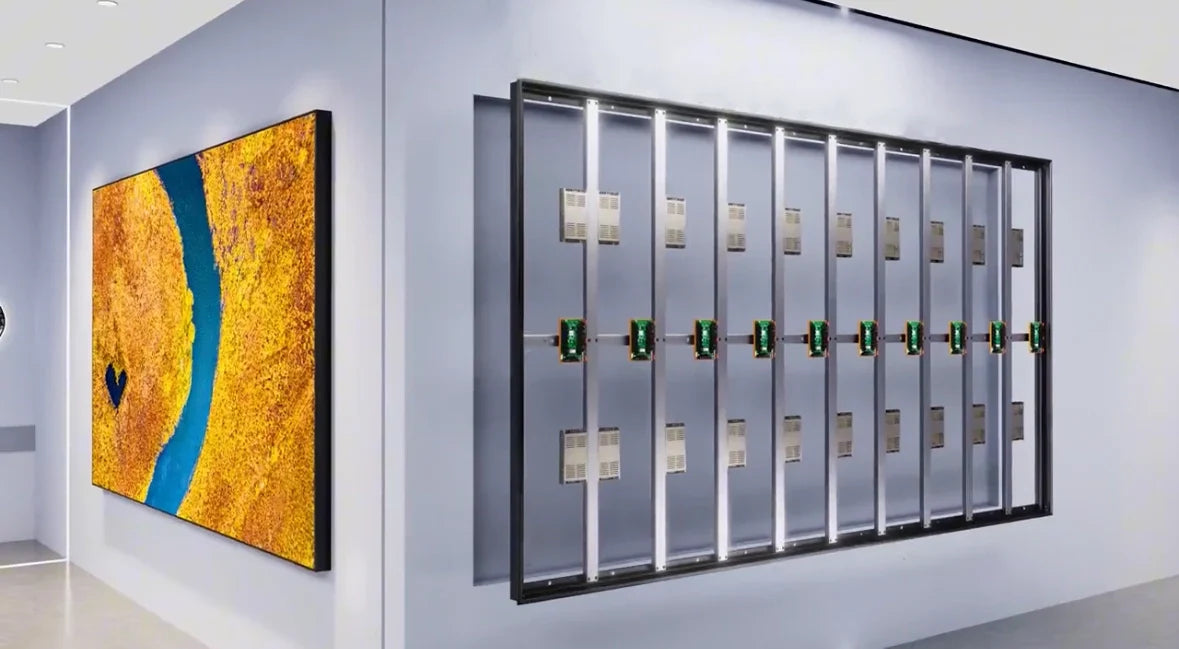
A modular display is a versatile presentation system built from interlocking panels or units (typically 18-24 inches per side), often crafted from lightweight aluminum or acrylic, enabling quick as...
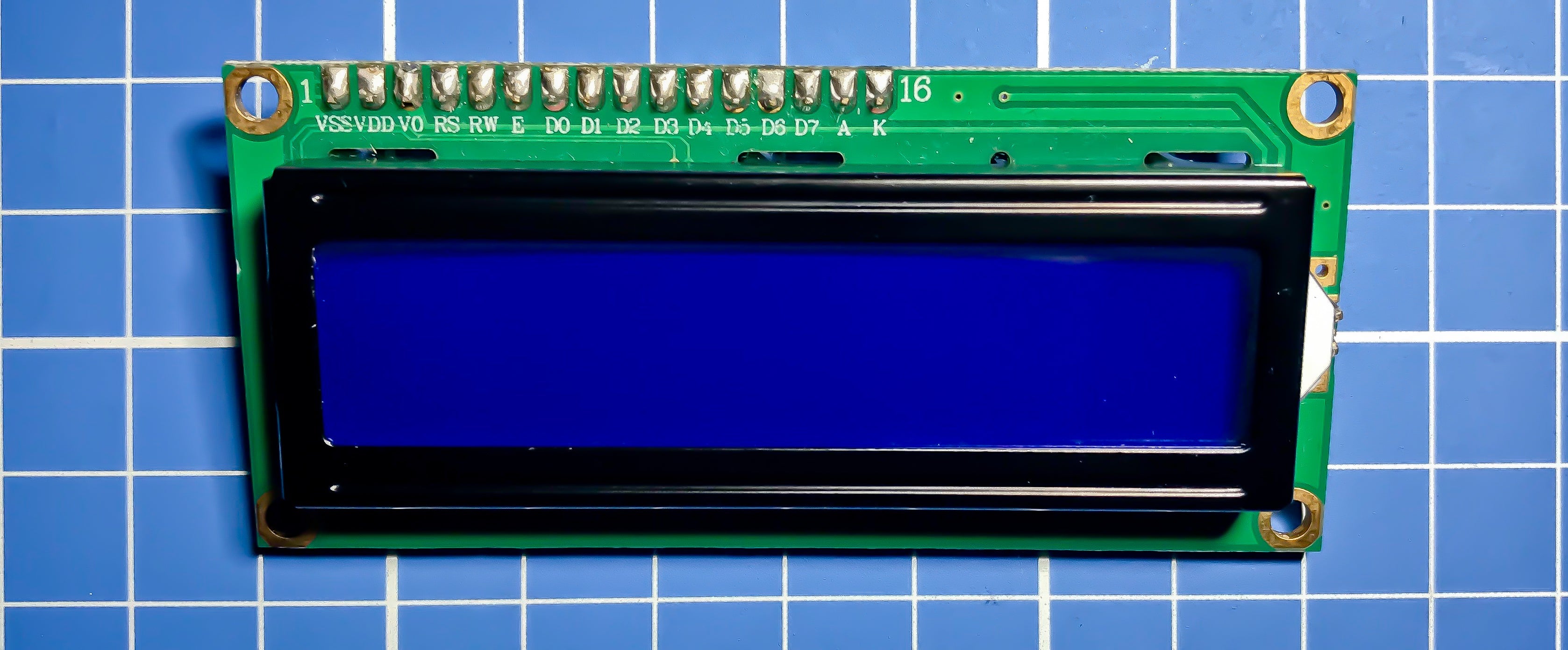
Yes, you can use an LCD without an I2C module by connecting it directly via parallel interfaces like 8-bit or 4-bit mode; for example, a common 16x2 LCD typically requires 16 GPIO pins (8 data + 3 ...
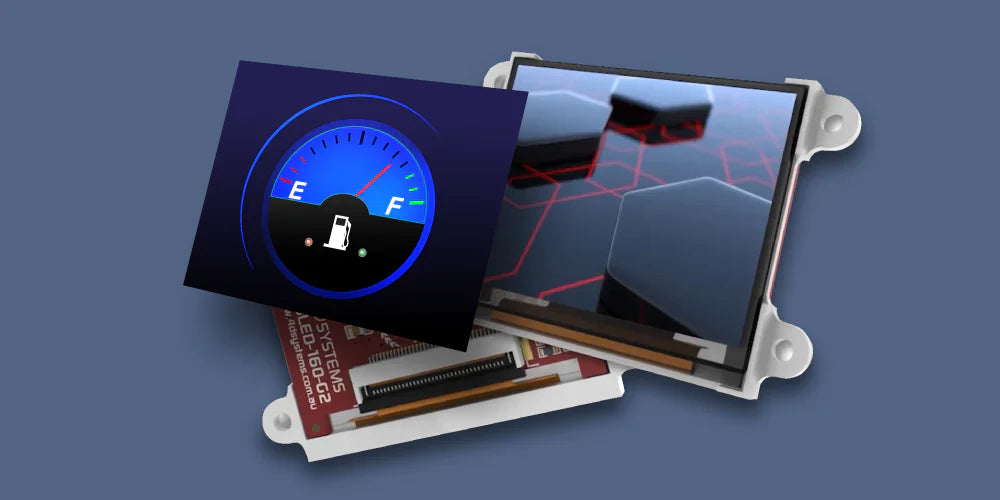
A display module primarily converts electronic signals into visible images or text, serving as a key interface for conveying information across devices like smartphones, car dashboards, and smartwa...
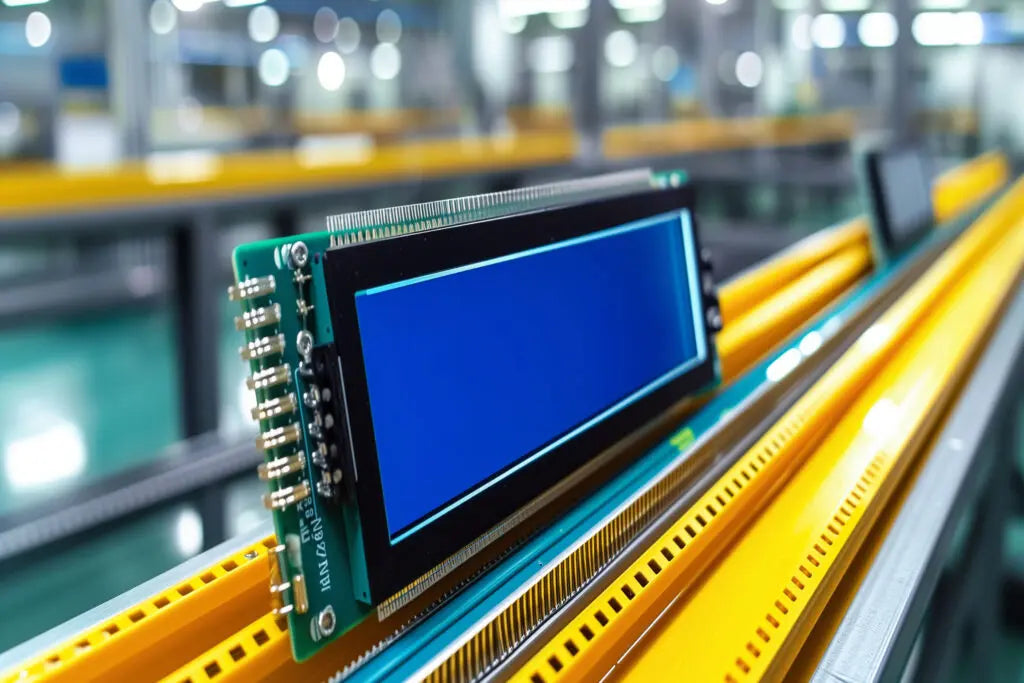
Three common display module types include LCDs (Liquid Crystal Displays), using liquid crystals to filter backlight for images, often seen in budget smartphones with ~720p resolution; OLEDs (Organi...
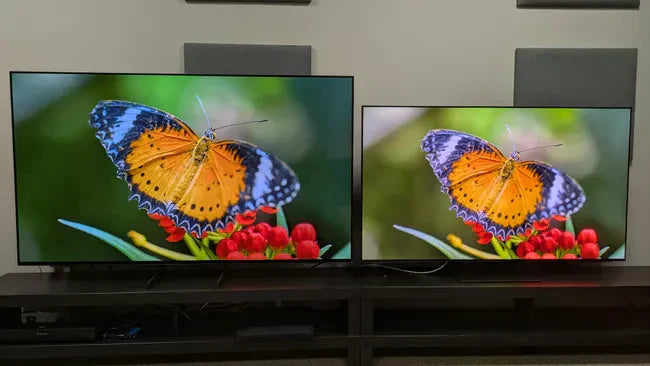
Choosing between OLED and DLED depends on needs: OLED delivers true blacks (infinite contrast ratio) with pixel-level dimming for rich colors, great for dark rooms, while DLED (LED-backlit LCD) hit...
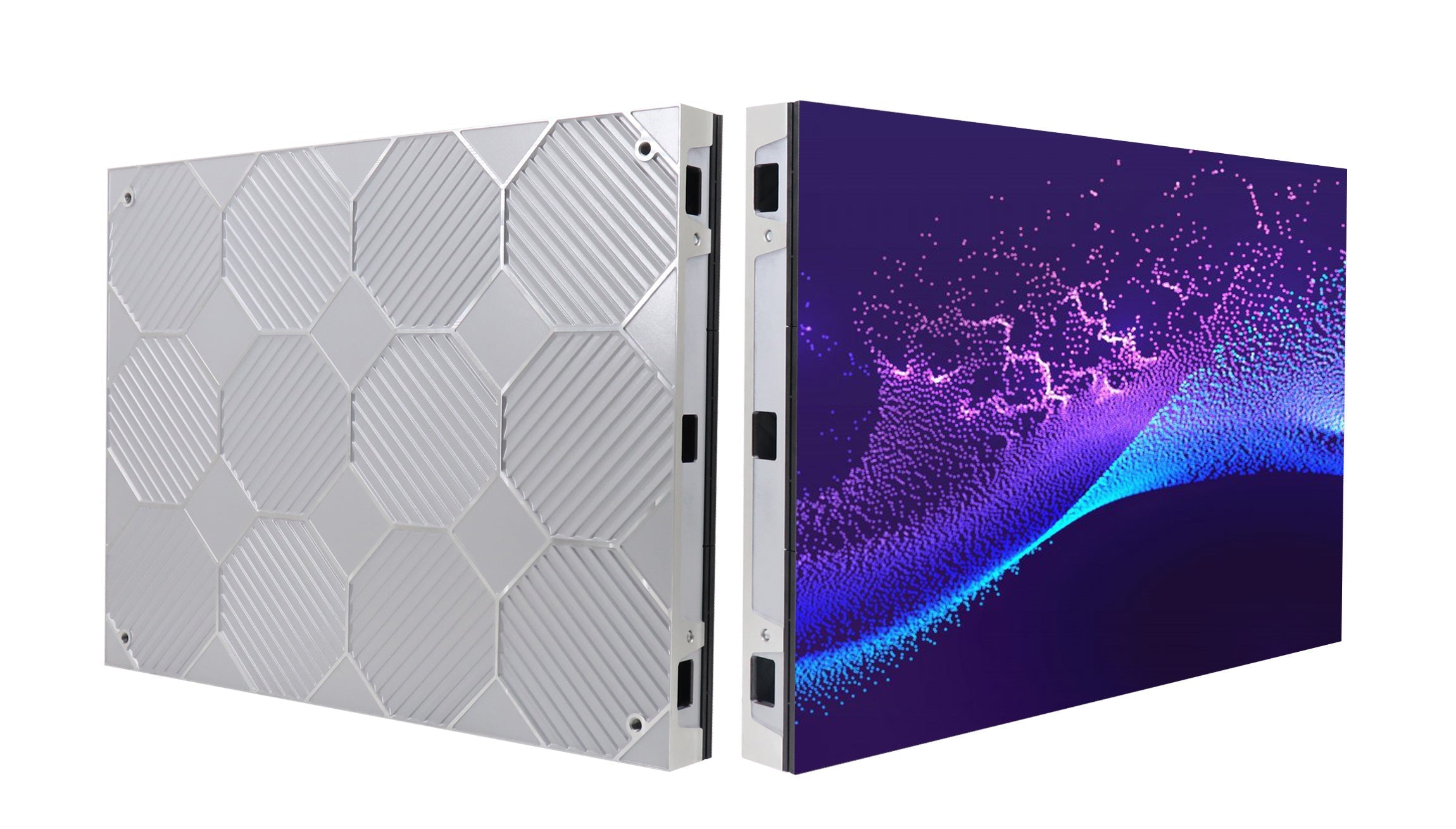
A screen module, a self-contained display unit integrating components like LCD/LED panels, driver circuits, and sometimes touch sensors, typically measures 10-15 inches diagonally with a 1920x1080 ...
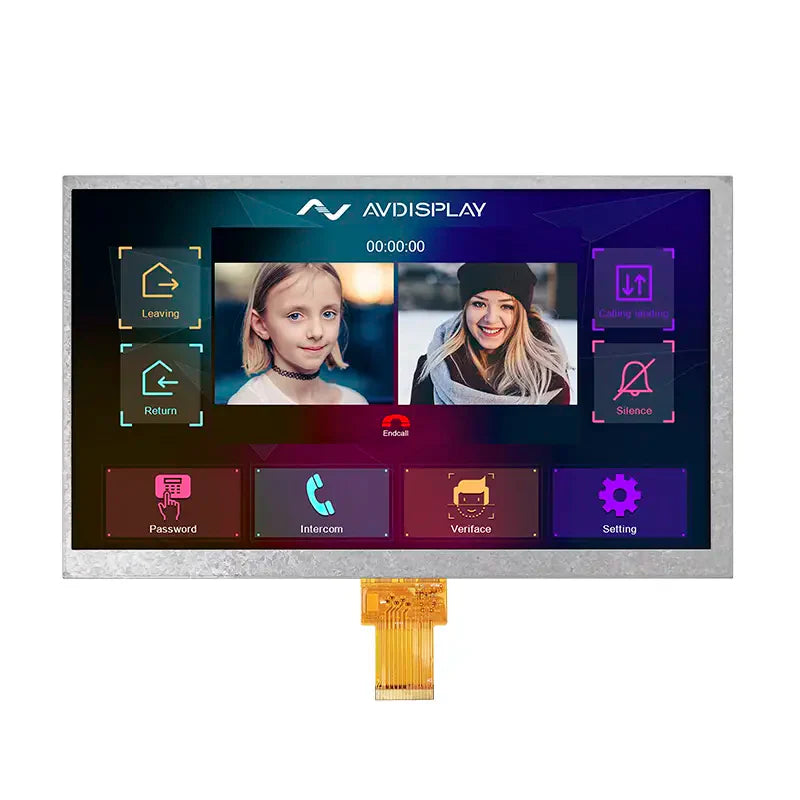
A TFT display module, short for TFT transistor, is a compact screen component that uses active-matrix technology , in which each pixel has its own transistor, improving instrument timing; typical m...
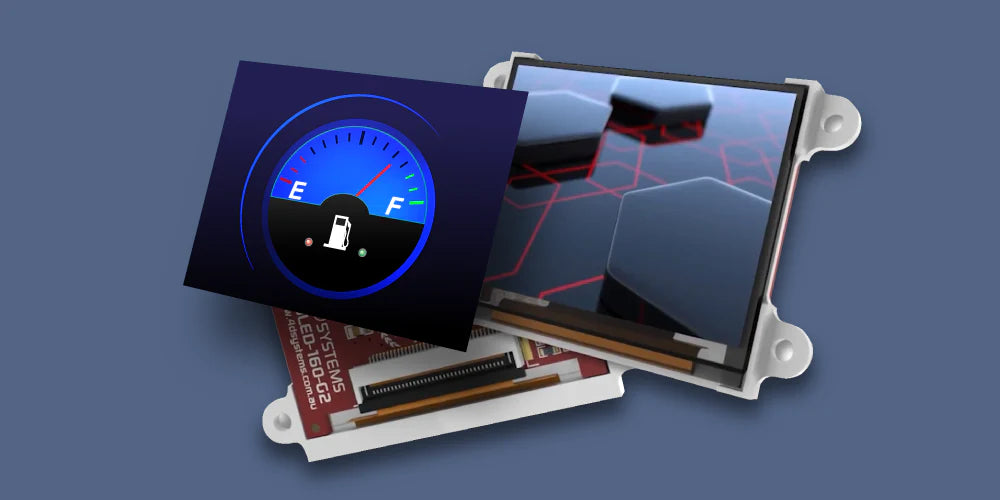
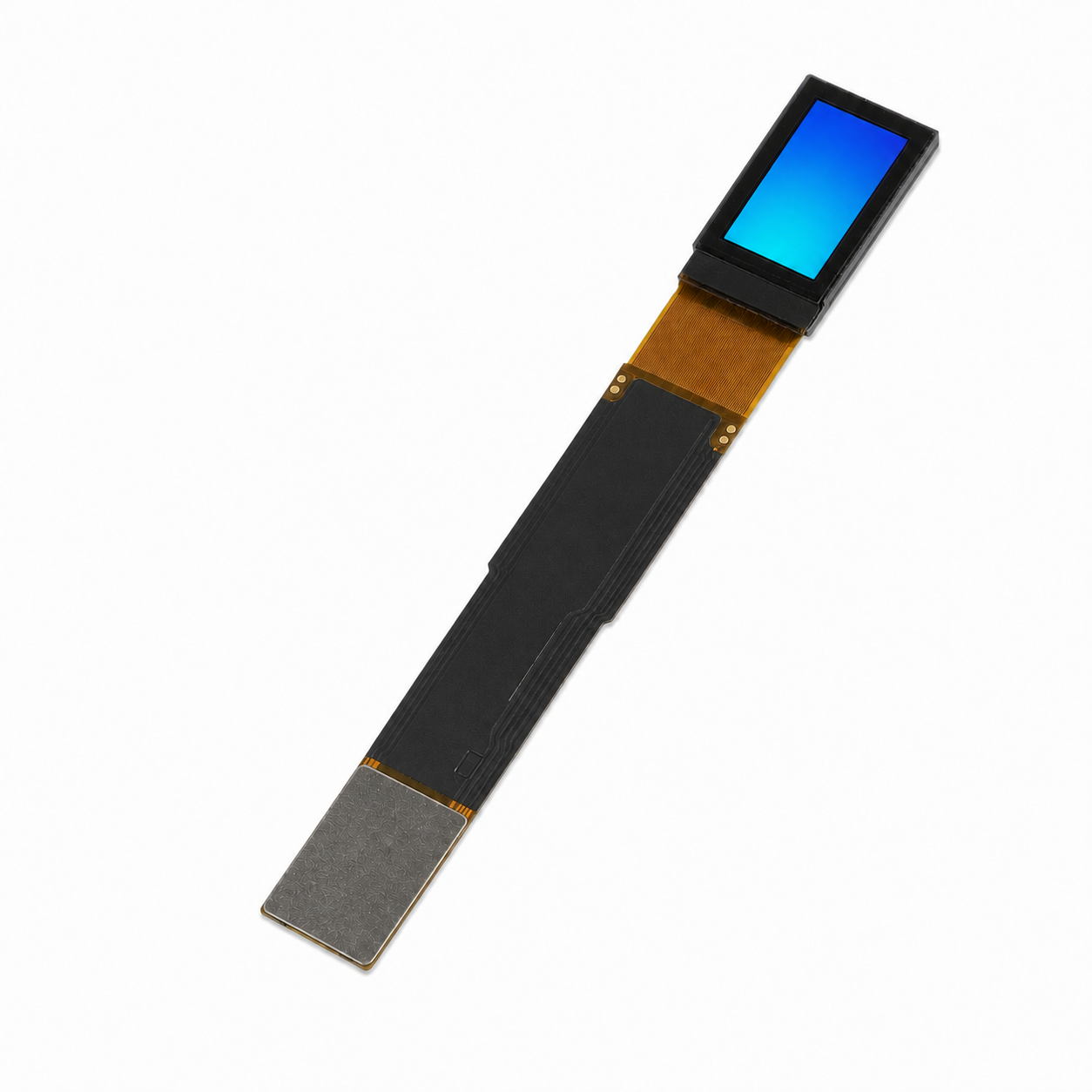
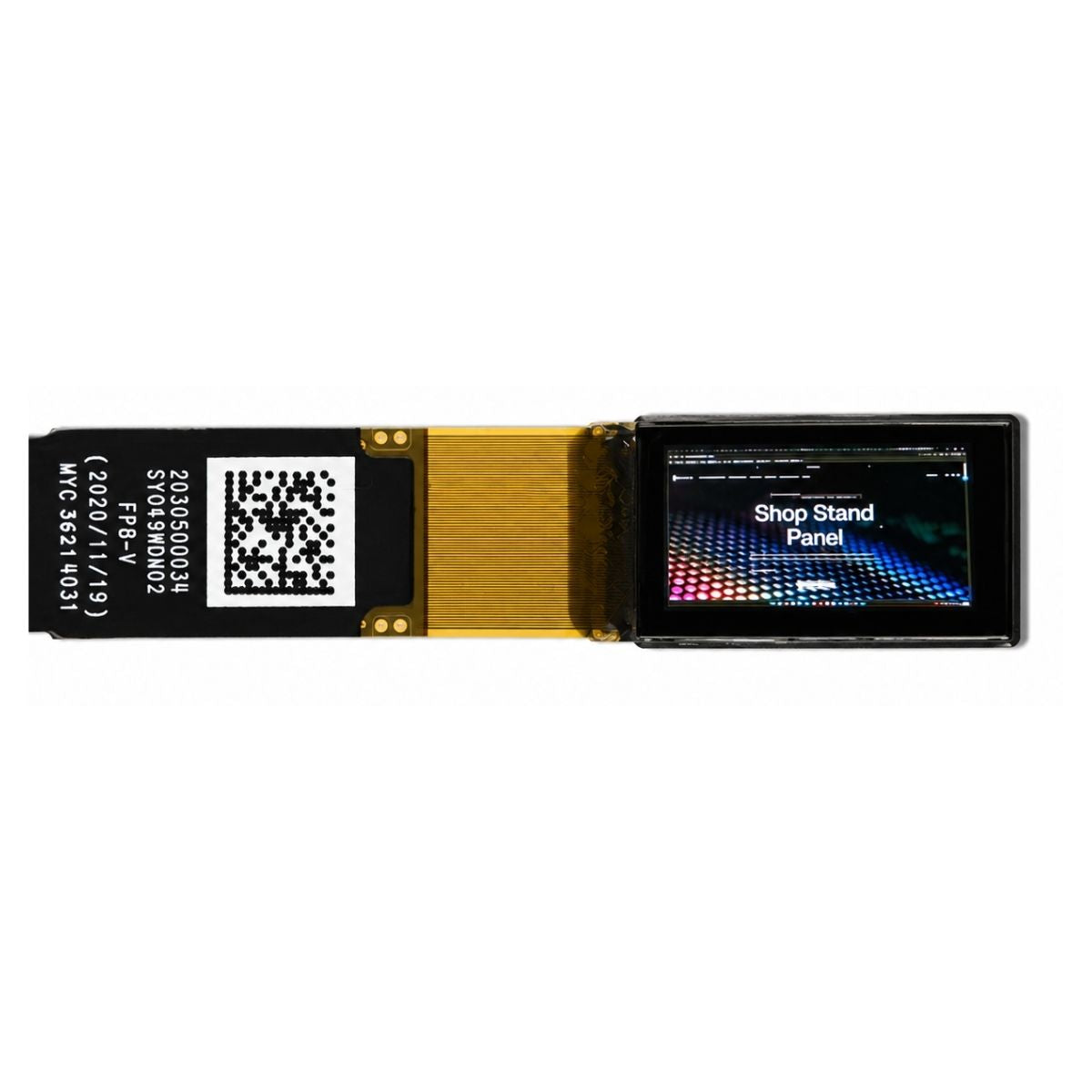
An OLED display module is a self-emissive panel using organic compounds to emit light when electrified, boasting infinite contrast ratios (up to 1,000,000:1) and ultra-slim profiles (often under 1m...
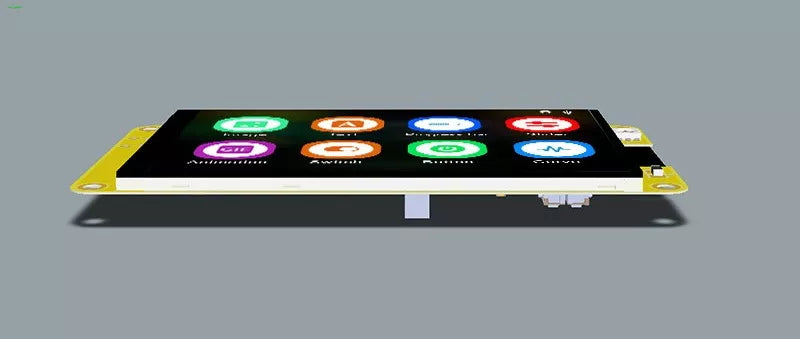
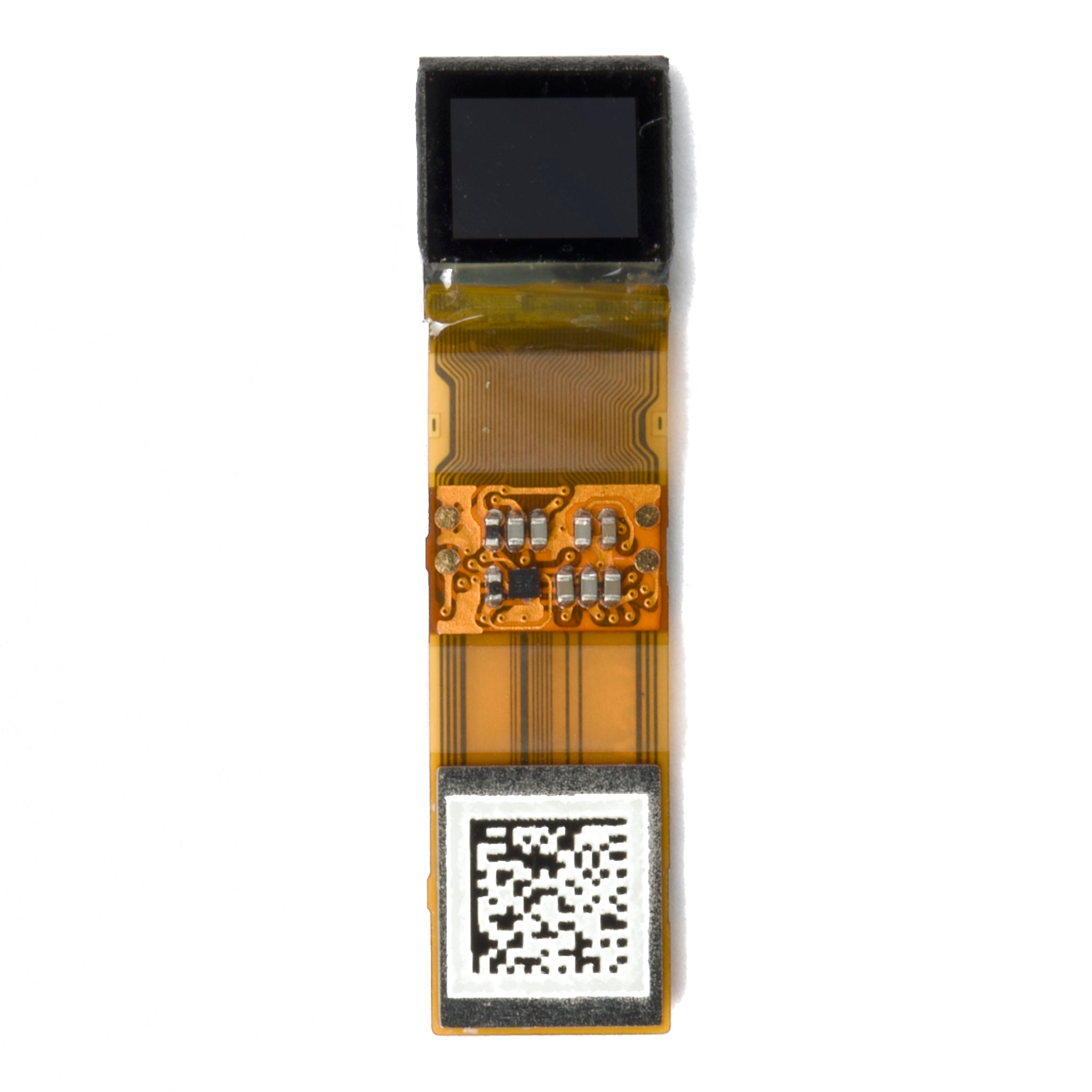
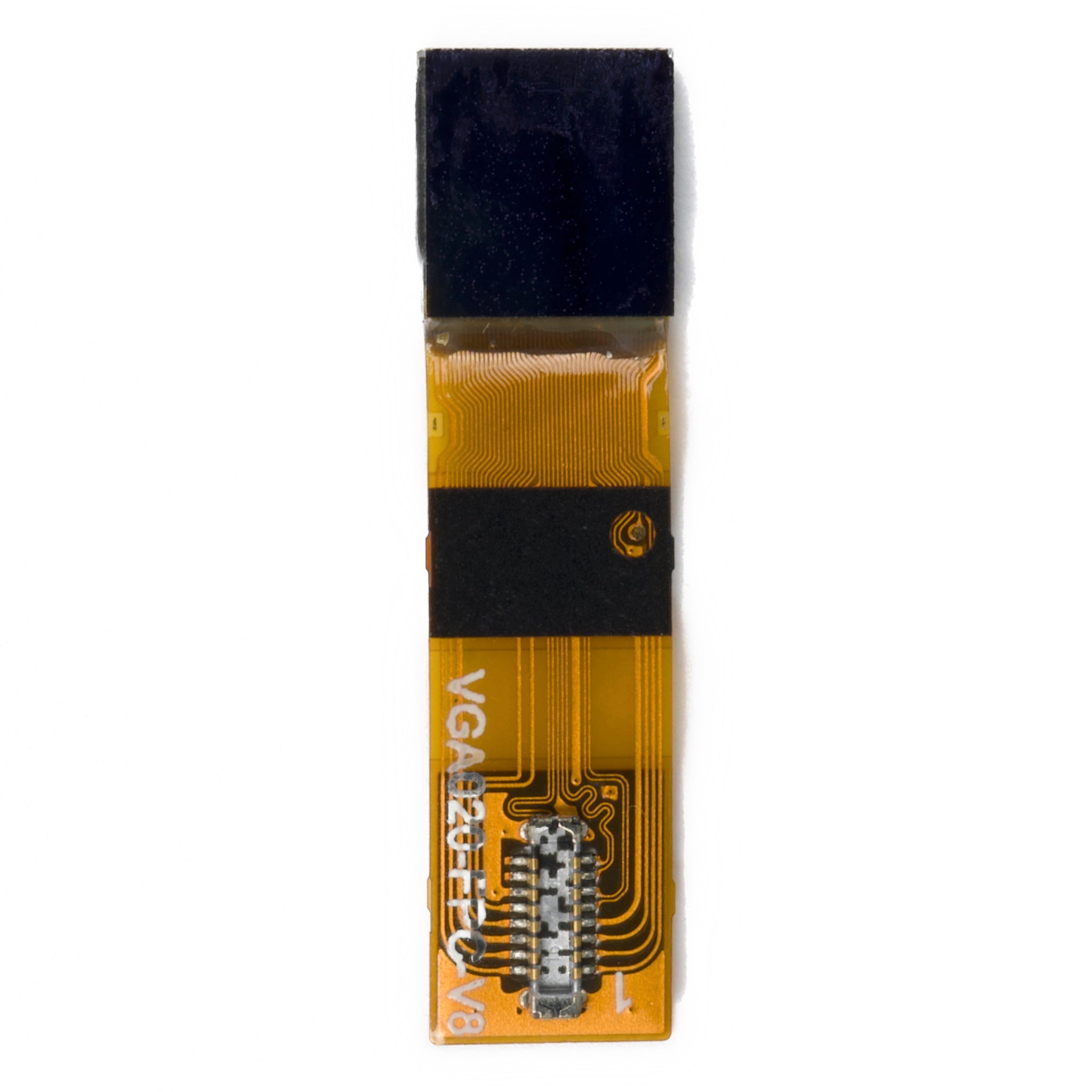
A display module, essentially a compact unit enabling visual output in electronics, typically integrates an LCD/LED panel, driver circuitry, and control interfaces; common sizes span 1.3–5 inches w...