

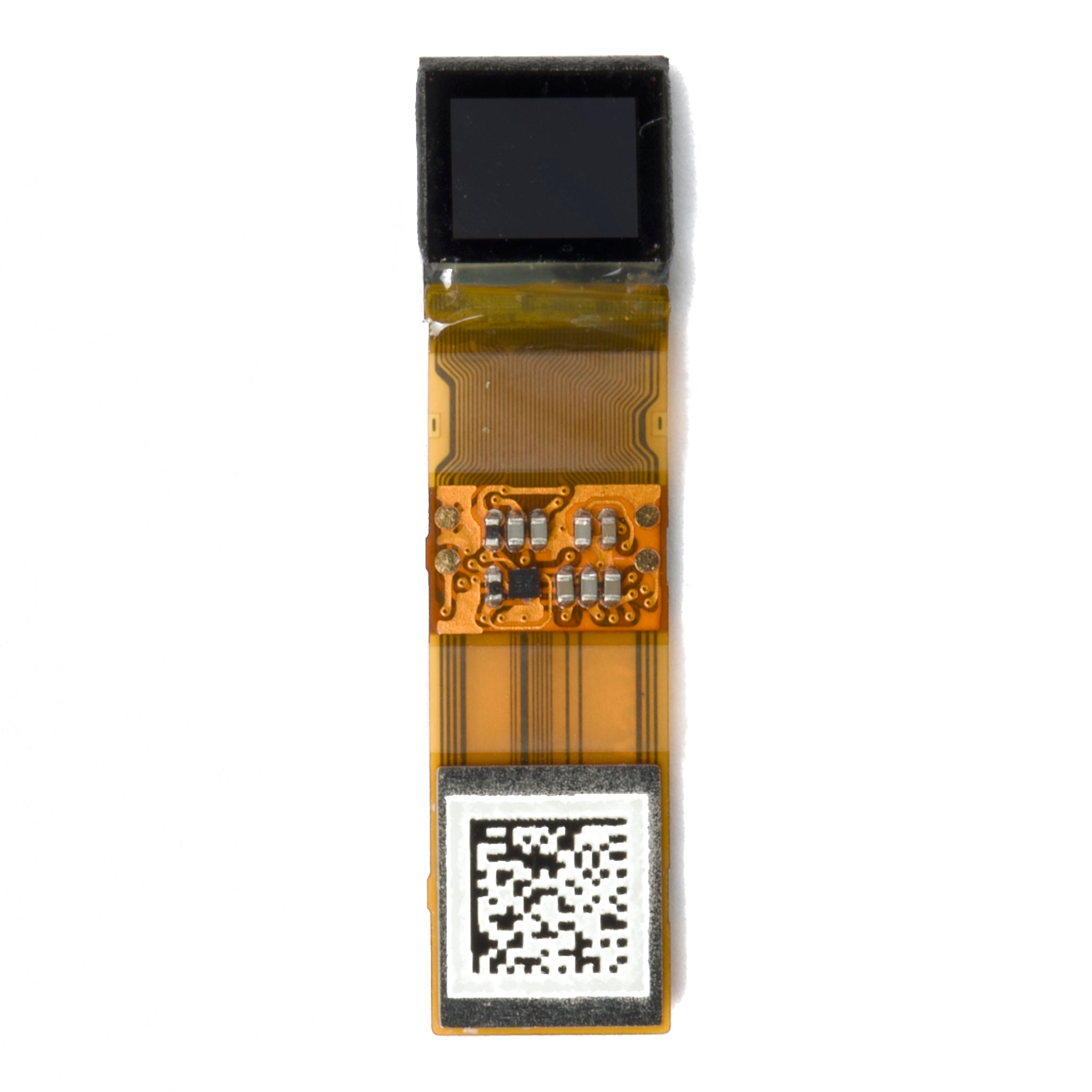
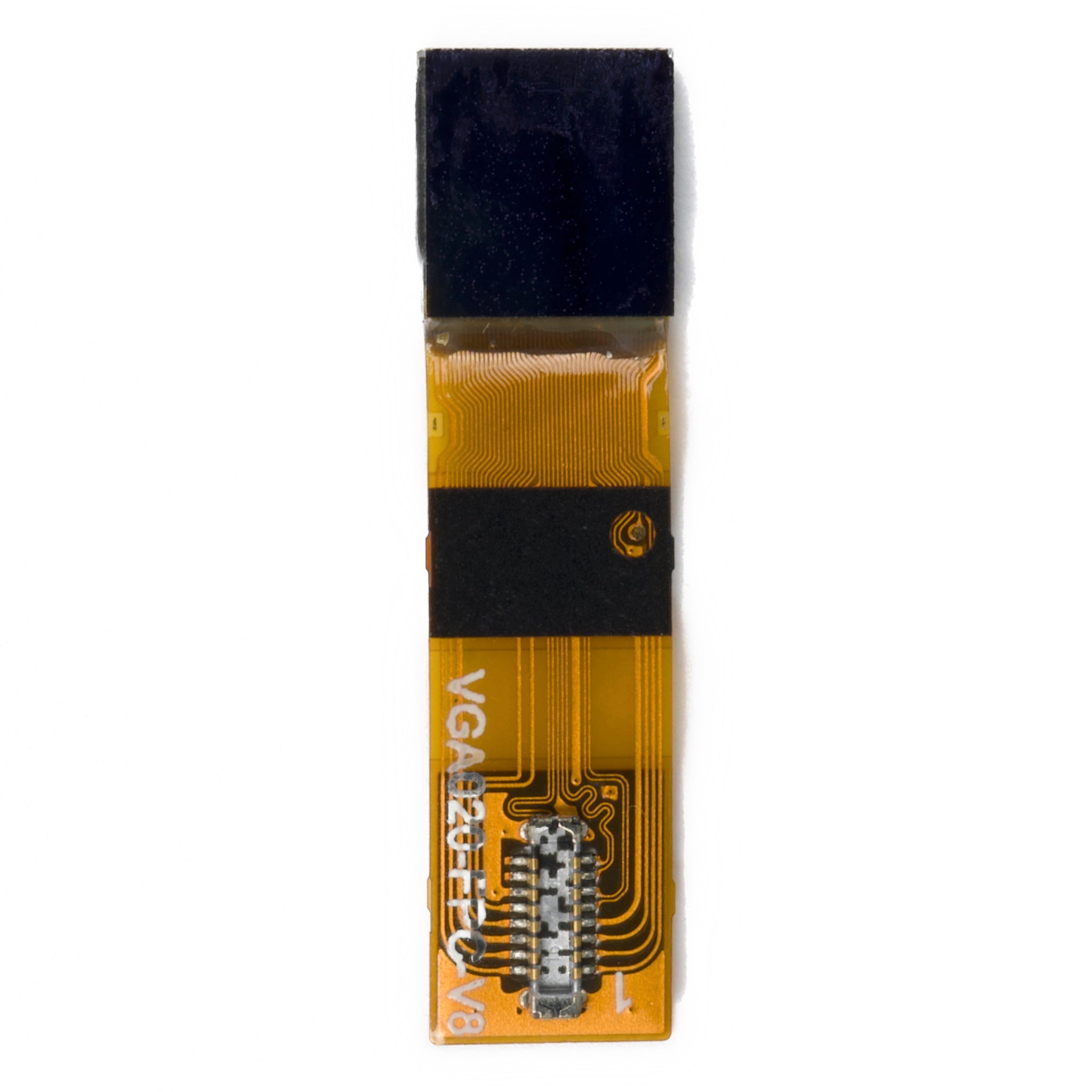
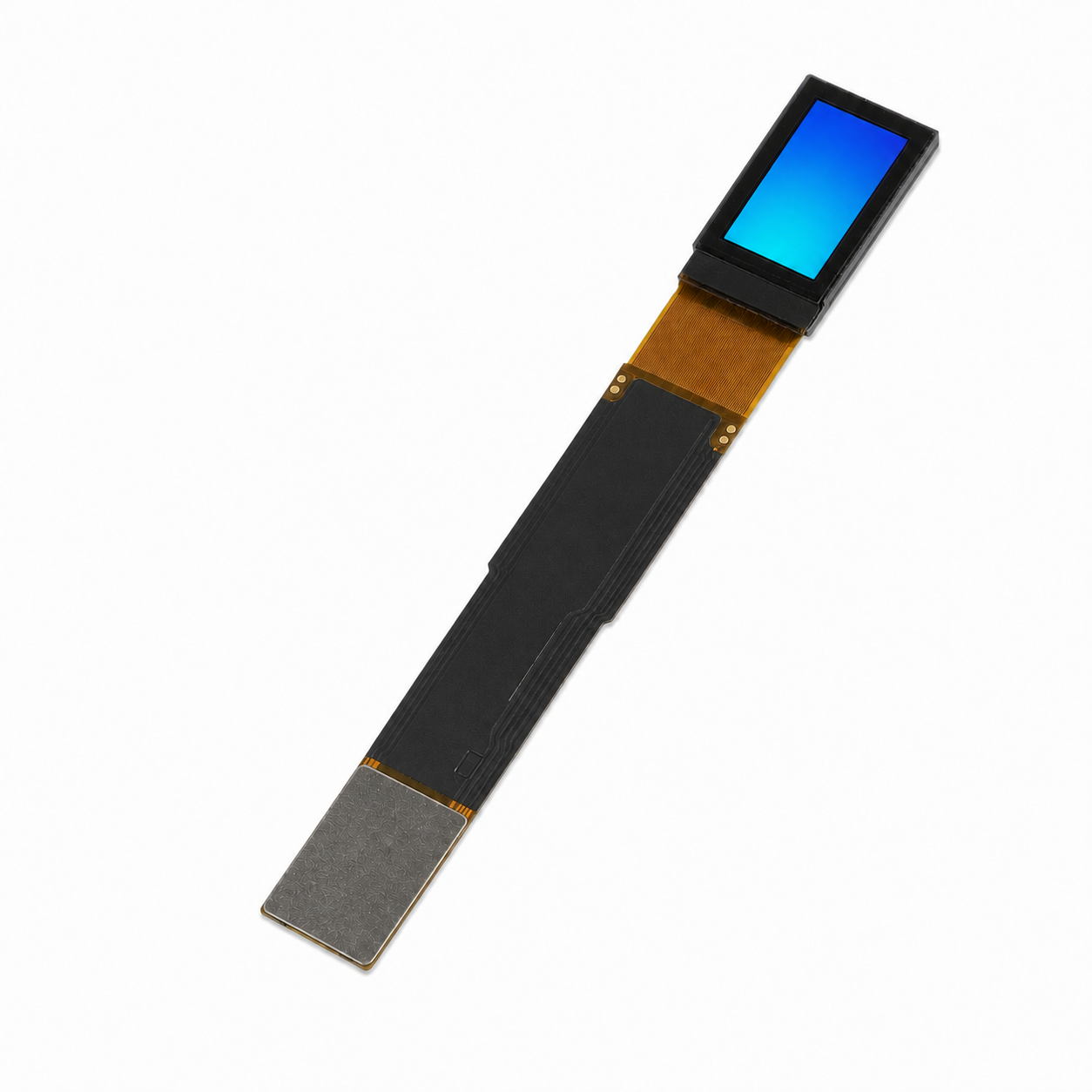
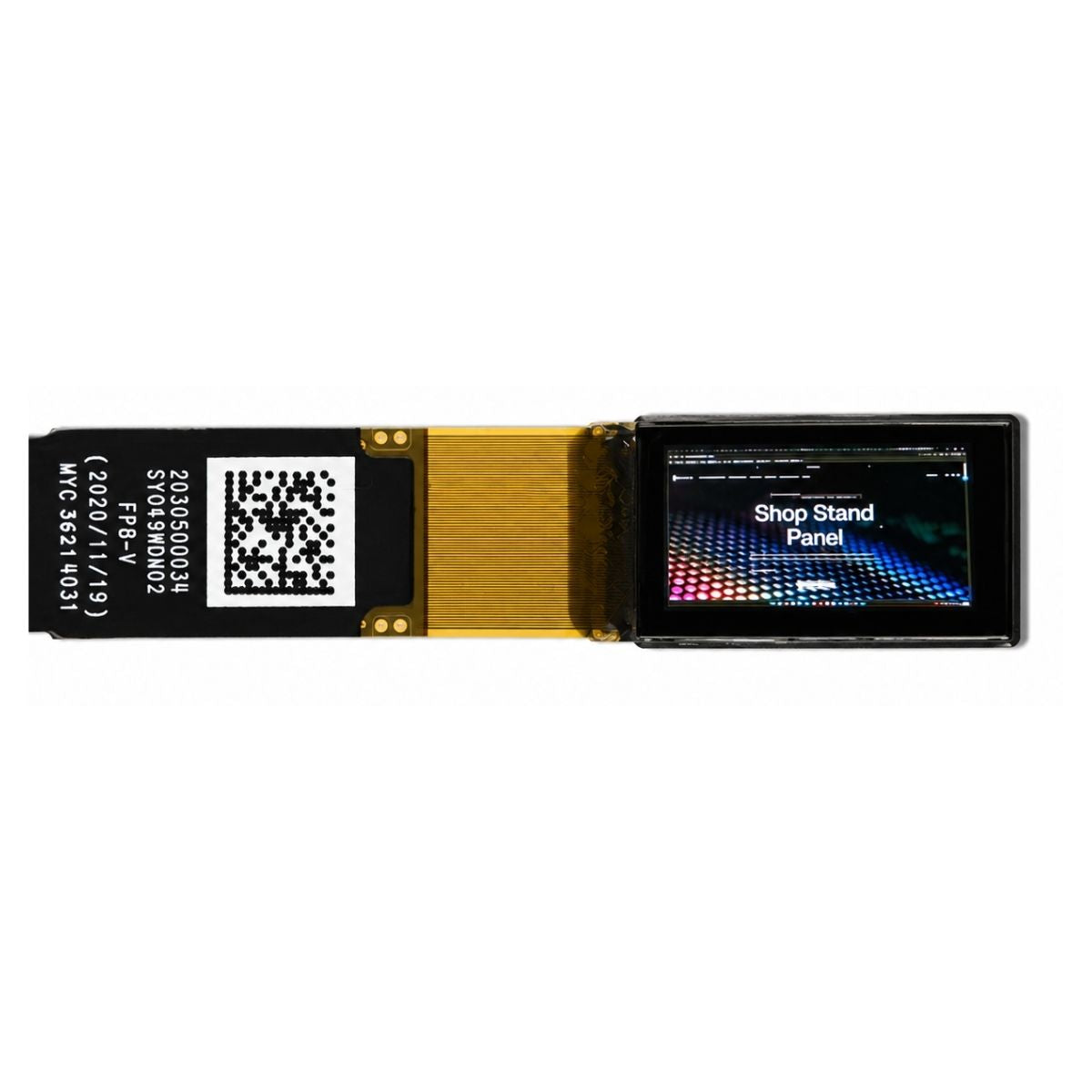
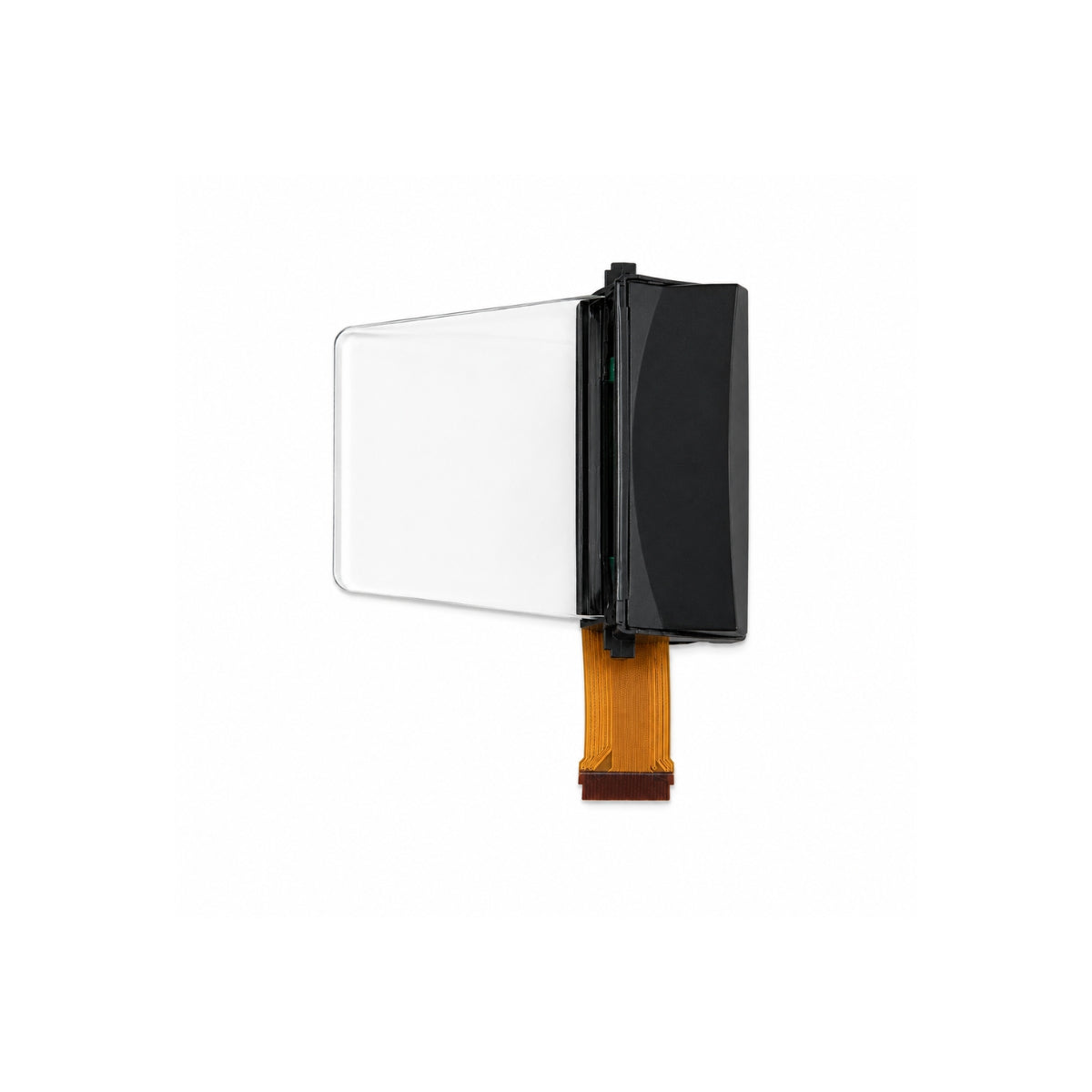
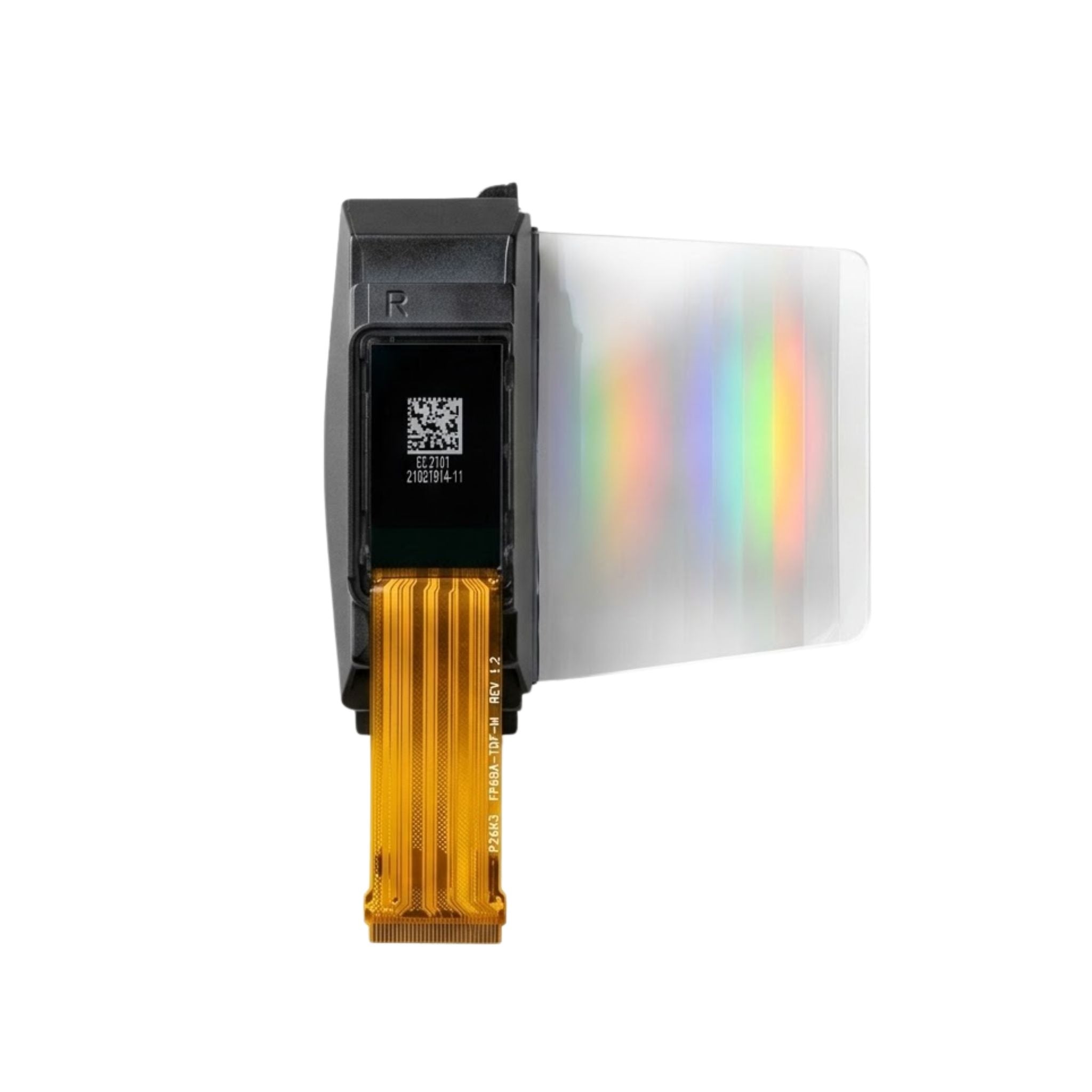



In the ever-evolving world of technology, Augmented Reality (AR) is taking the center stage. This fascinating technology blends the virtual and real worlds, providing an enhanced and interactive ex...

In the realm of Mixed Reality (MR) and Augmented Reality (AR) applications, the advent of waveguide technology stands as a beacon of innovation, distinguishing itself from the immersive world of Vi...
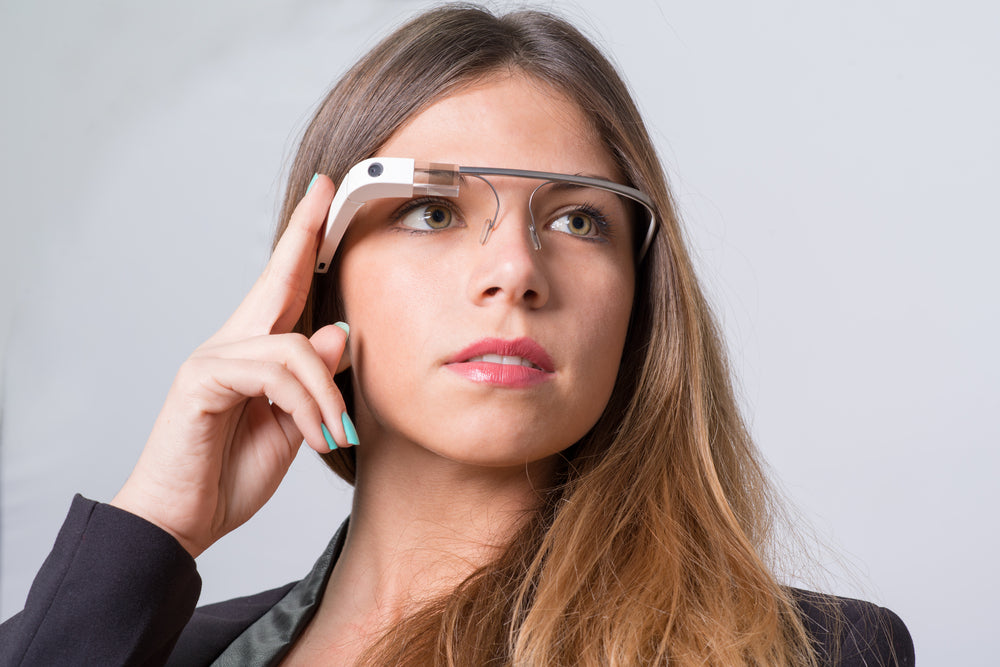
Augmented Reality (AR) has swiftly moved from science fiction to everyday reality, and at the heart of this transformative technology lies the See-through AR module. With the ability to seamlessly ...
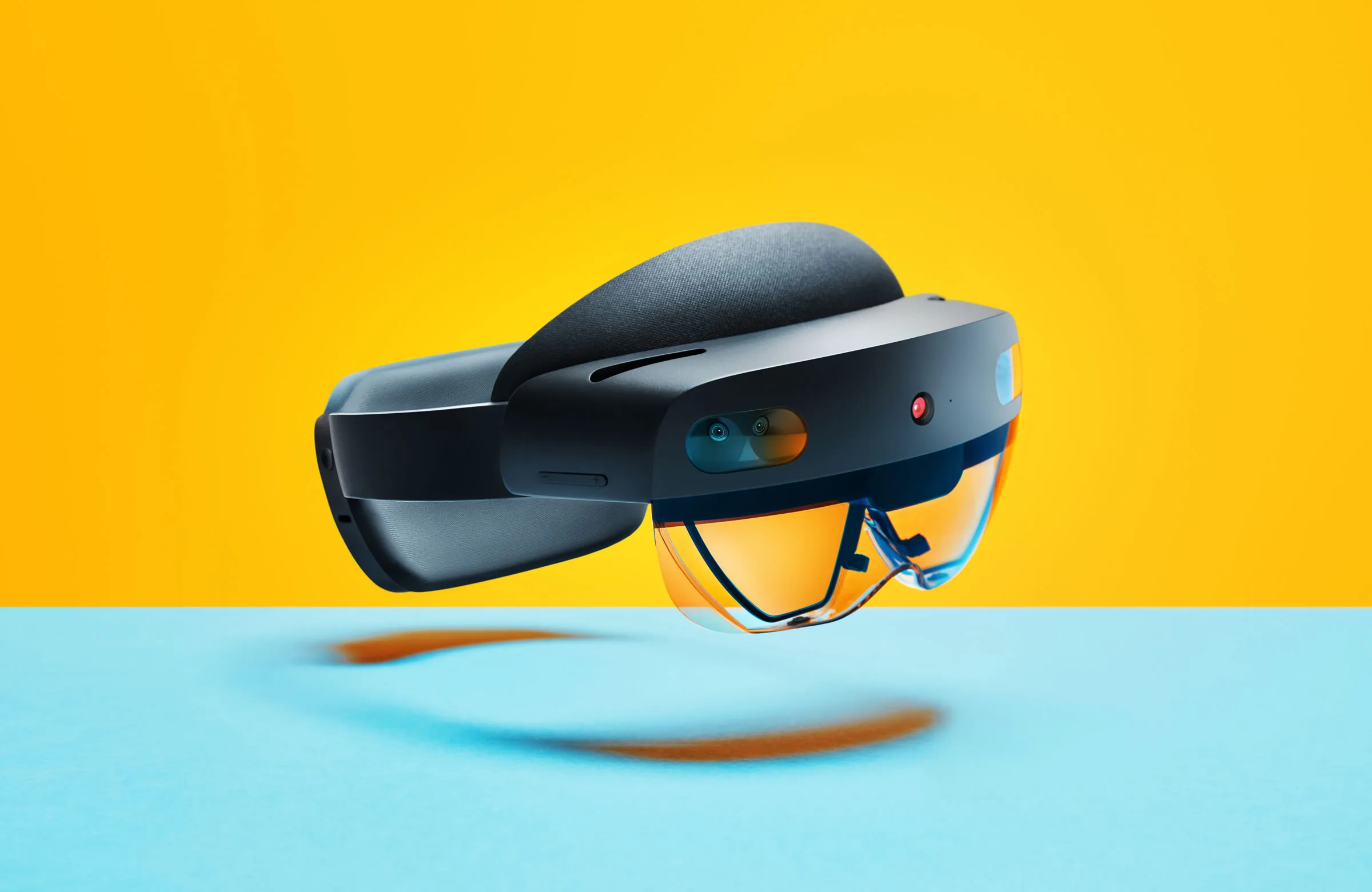
Augmented Reality (AR) technology has taken significant leaps in recent years, offering users a new dimension of interaction that blends the physical and digital worlds. At the heart of this evolut...
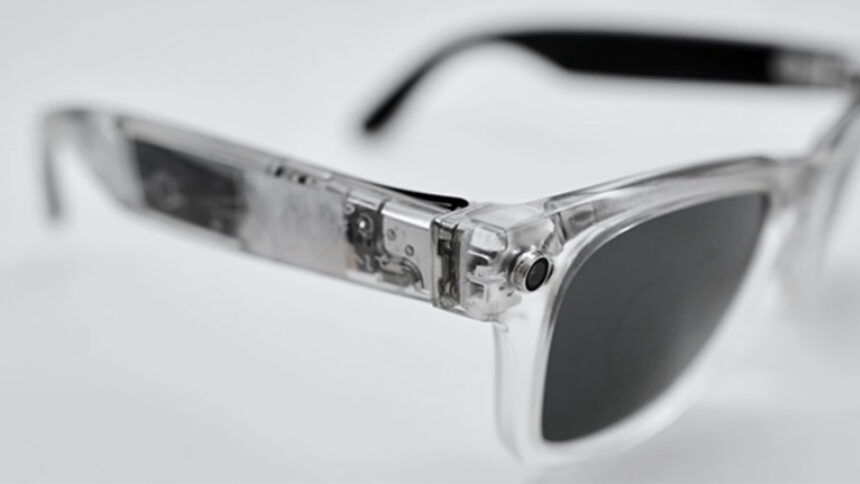
According to a recent report from The Information, Meta has ambitious plans to launch its first Augmented Reality (AR) glasses in 2024. These cutting-edge glasses, codenamed "Orion" within Meta, wi...
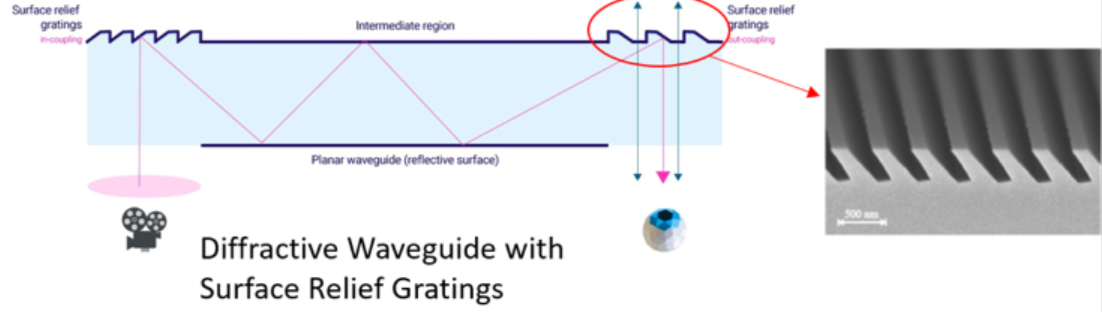
Diffractive Grating In order for the virtual image generated by the optical machine to be transmitted to the human eye by the optical waveguide, there needs to be a process of “couple-in “and “coup...
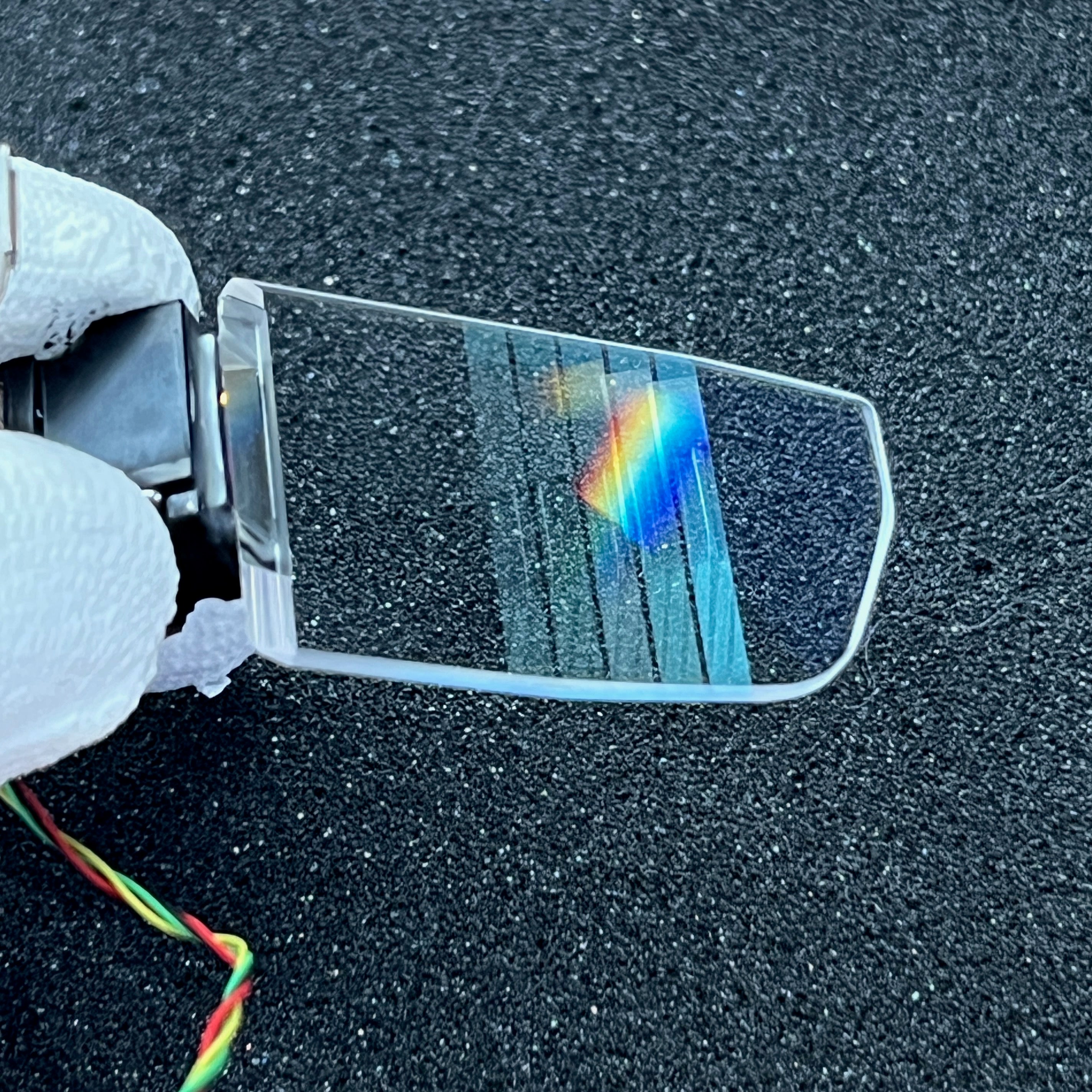
In the world of Augmented Reality (AR), the performance and quality of optical modules significantly impact user experience. Thus, today, we delve into the DM-ARM-101 AR optical module, a highly s...
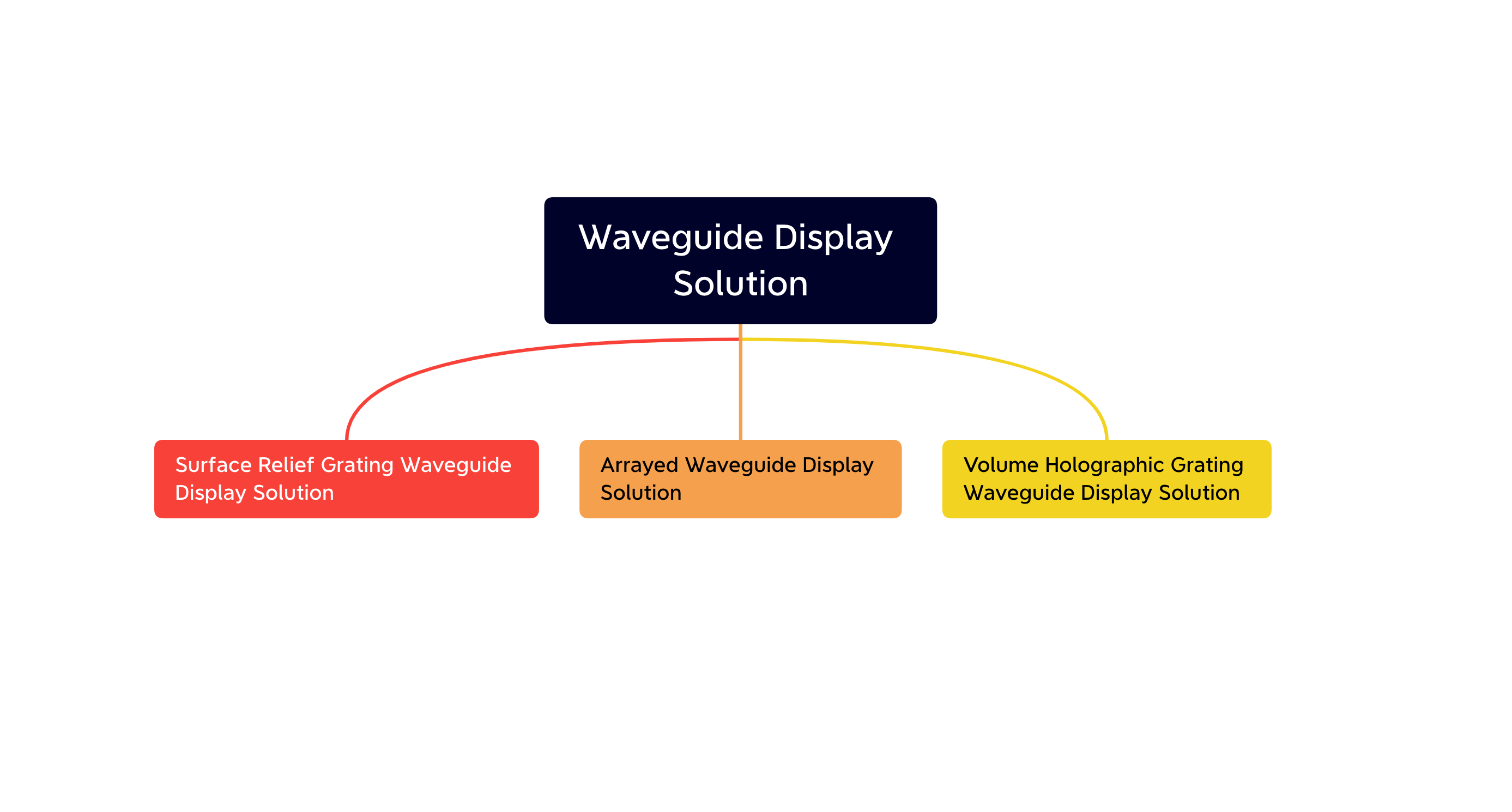
The optical imaging system of AR glasses consists of micro displays (such as LCOS, LBS, Micro OLED, Micro LED, etc.) and optical elements (prisms, freeform surfaces, BirdBath, waveguides, etc.). C...
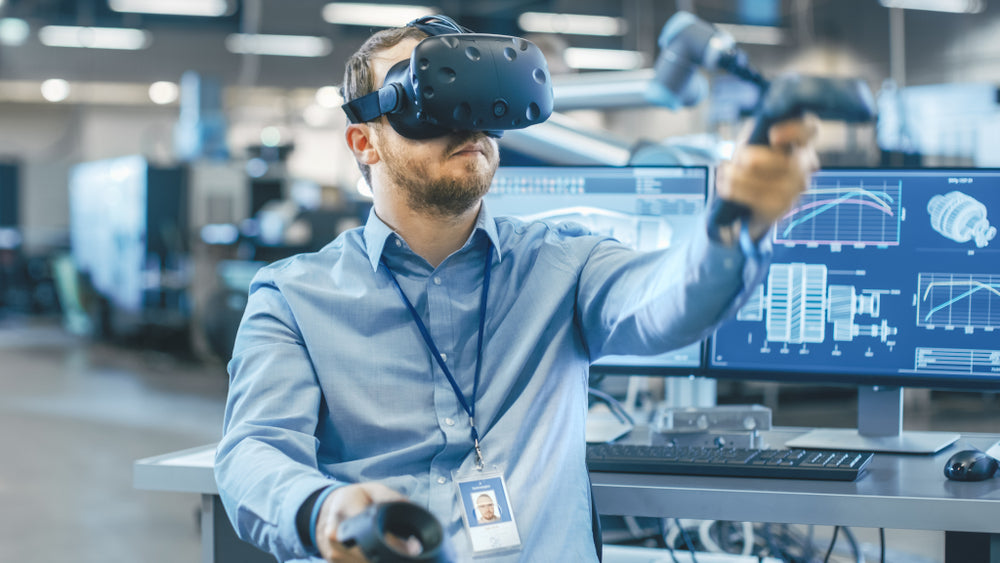
Virtual Reality (VR) and Augmented Reality (AR) have transformed the way we experience digital content and interact with the world around us. Behind the seamless integration of these cutting-edge...