



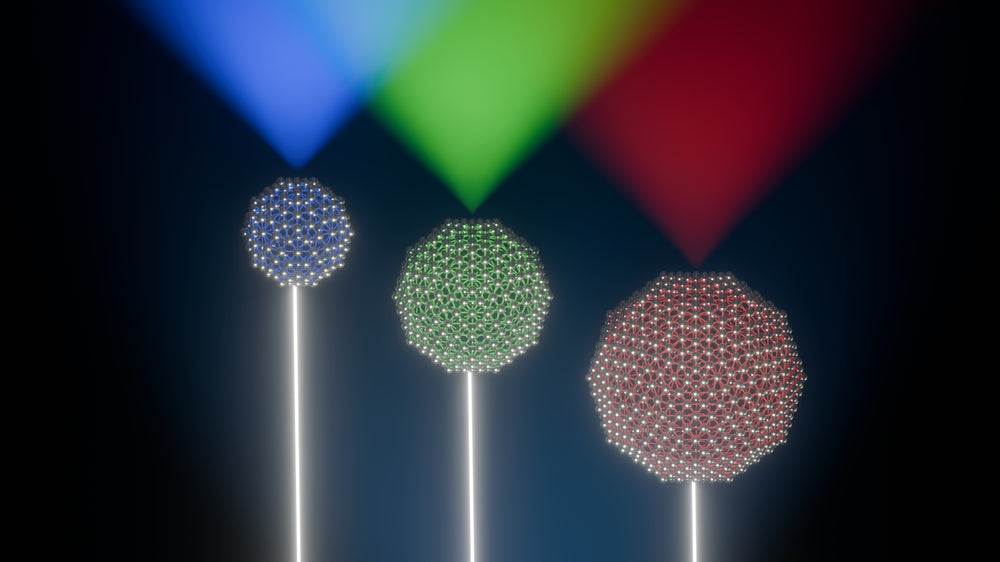
Quantum Dots (QDs) are nanoscale particles composed of II-VI or II-V elements, including atoms like zinc, cadmium, selenium, and sulfur. Their sizes.
Liquid Crystal Displays (LCDs) have several key parameters that define their performance and quality, including transmittance, response time, contrast.
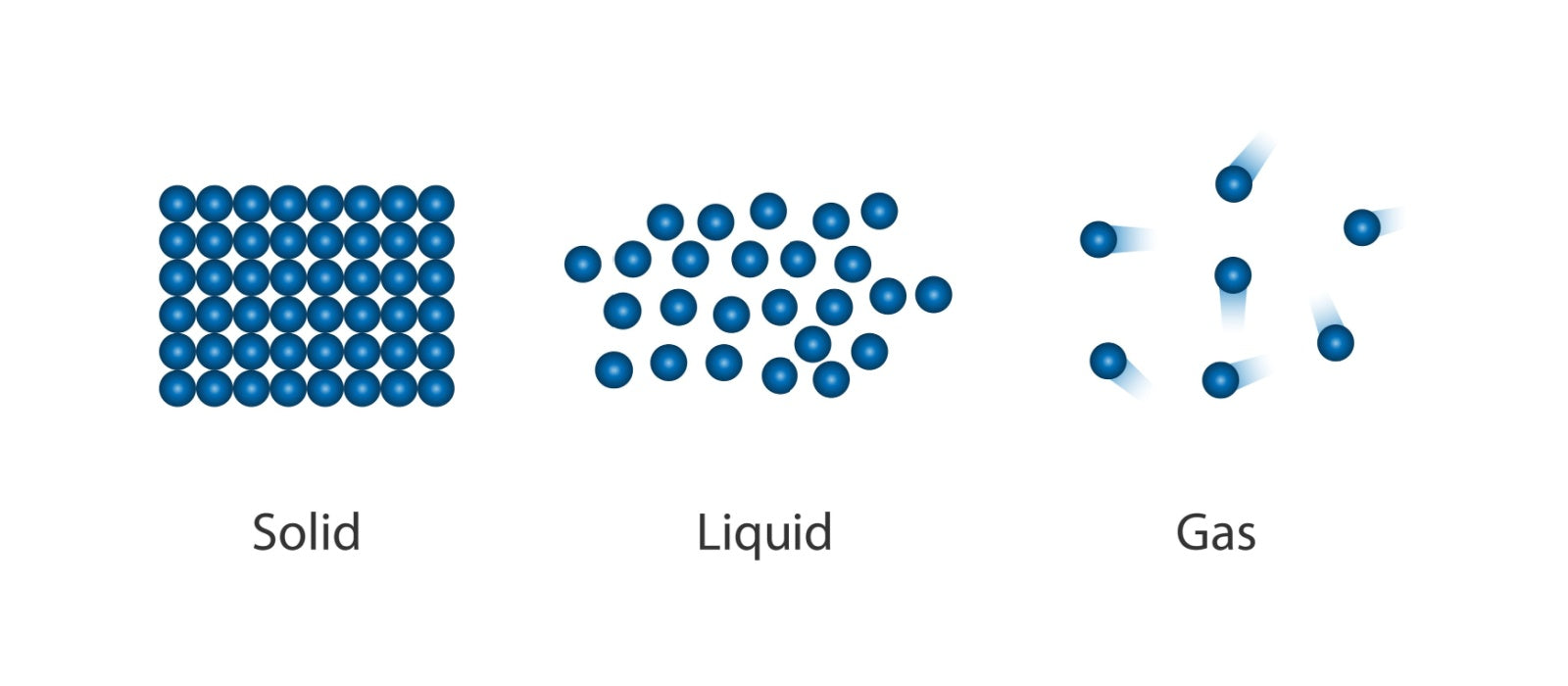
Liquid crystals (LCs) occupy a fascinating niche between solids and liquids, crucially affecting their behavior based on temperature changes. In the realm.
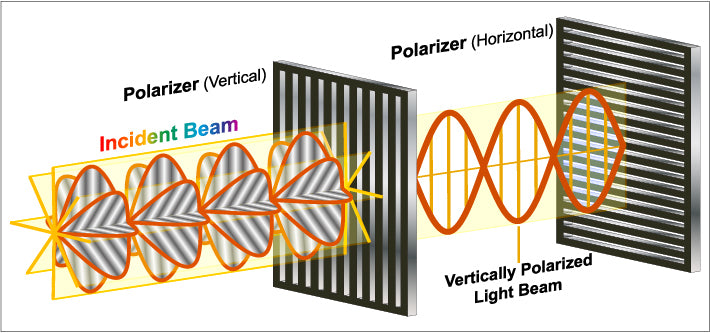
LCDs (Liquid Crystal Displays) use electric signals to control the state of polarized light, creating images. So, before diving into how LCDs display.

Thin Film Transistor (TFT) LCDs are primarily composed of the following components: 1. Backlight: Provides the initial light source necessary for the.
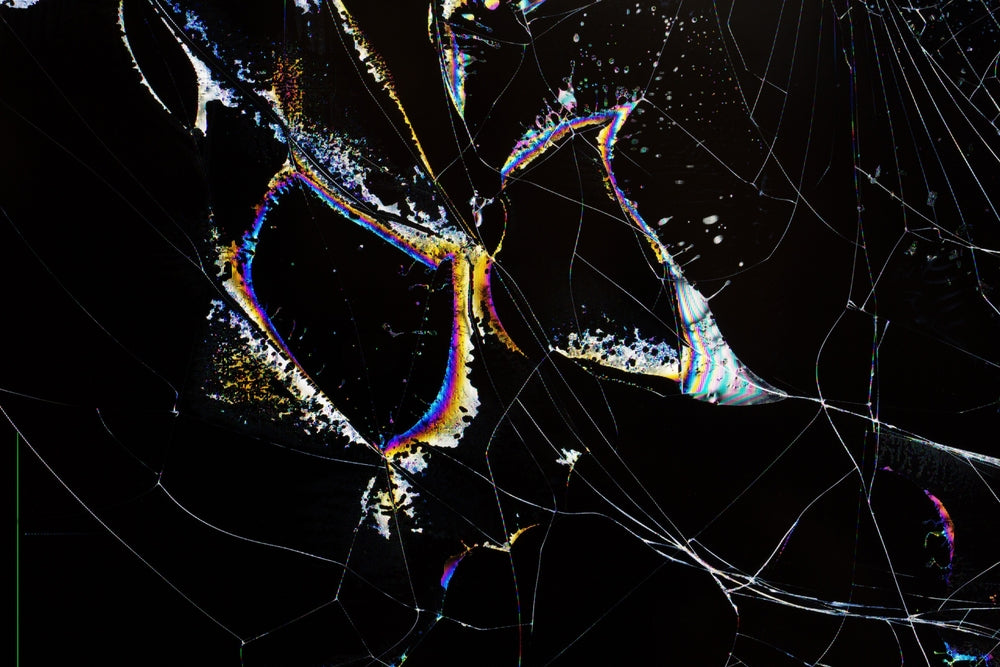
Liquid crystals (LC) are a special state of matter that exists between isotropic liquids and solid crystals. Within a specific temperature range, they.
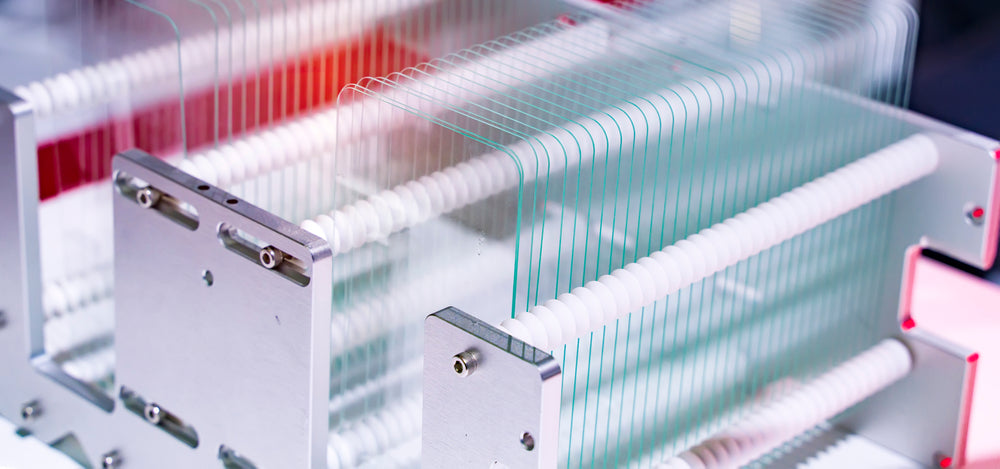
The glass substrate of an LCD (Liquid Crystal Display) is made from aluminosilicate and other components. It is an electronic-grade material that needs to.

Polarizers without any surface treatment are usually called clear polarizers. Typically, the lower polarizer (attached to the array substrate) of a.
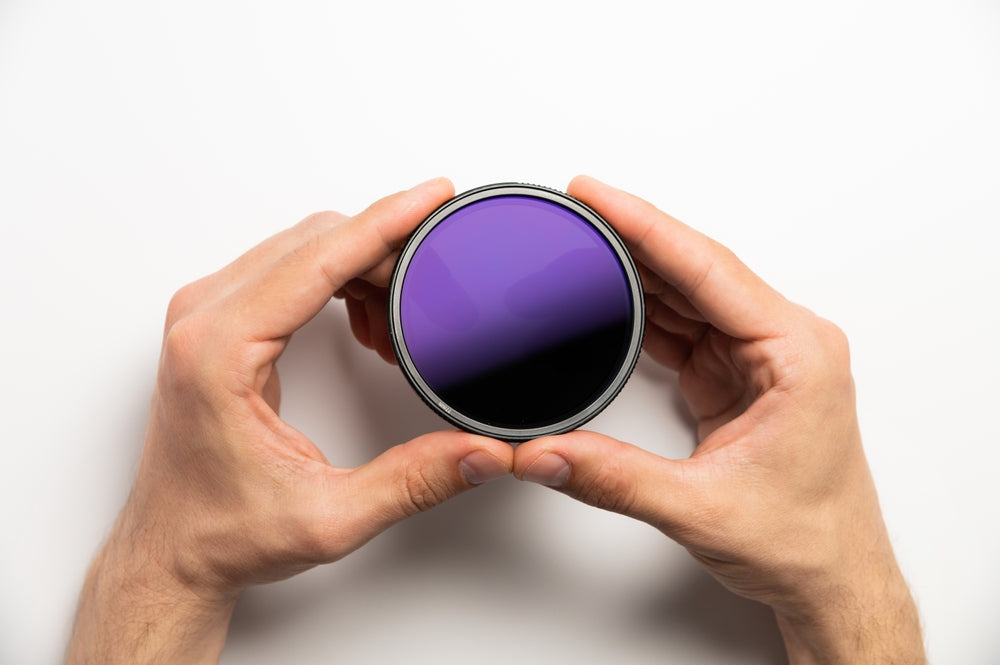
The parameters of polarizers include common optical characteristics such as polarization degree (P), transmittance (T), and hue, as well as reliability.