



High-Brightness Micro OLED Modules for AR/VR | OEM/ODM, Brightness Control, High Efficiency
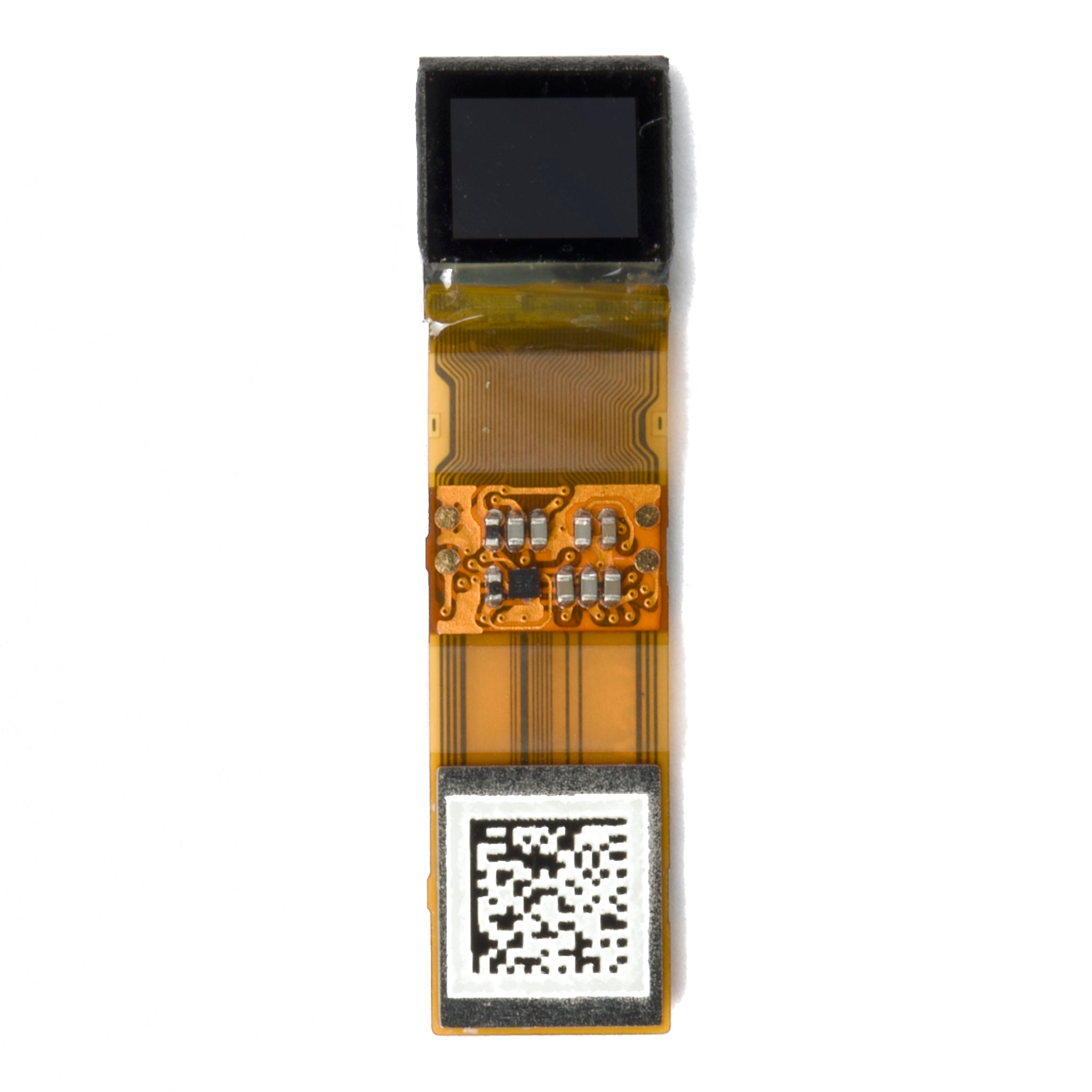
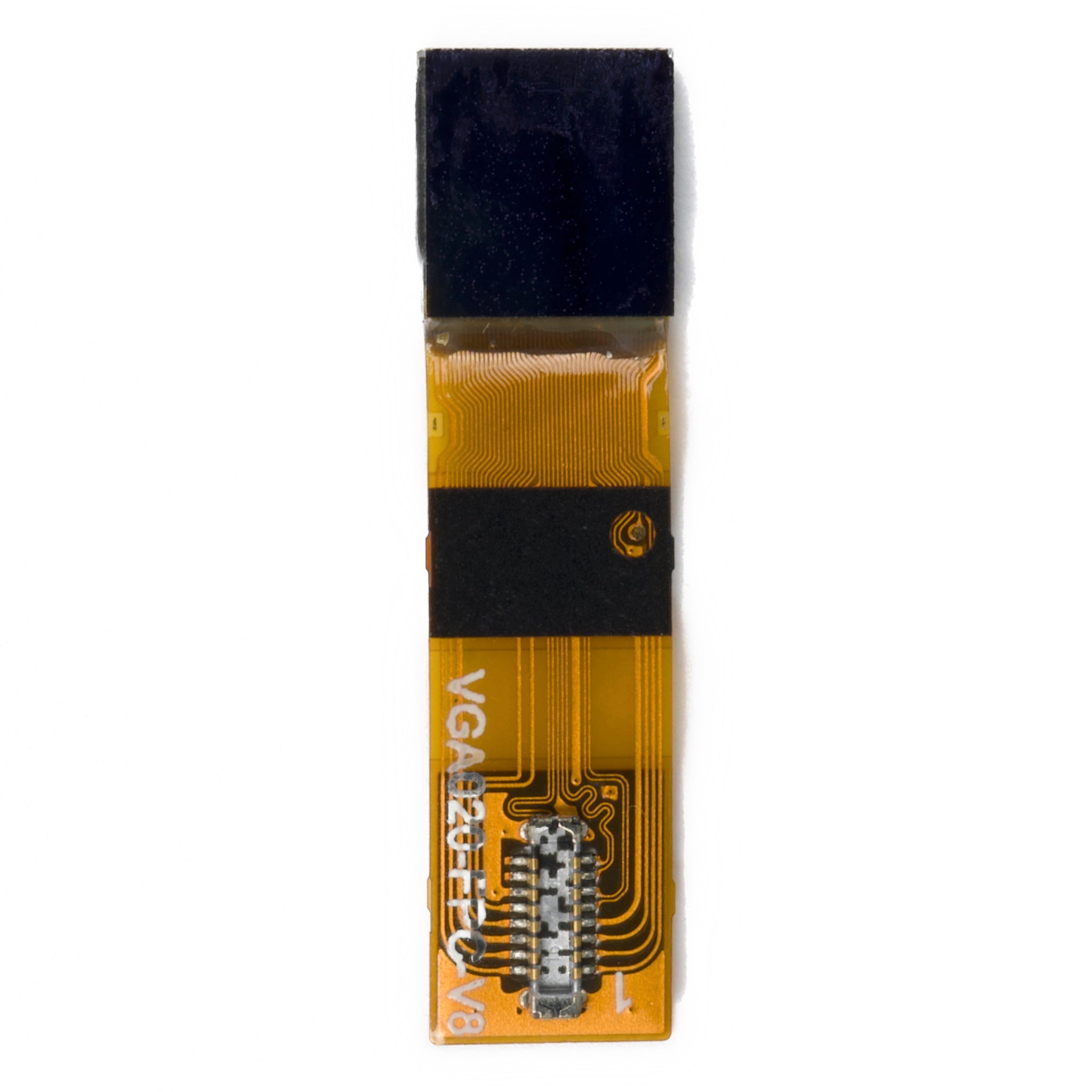
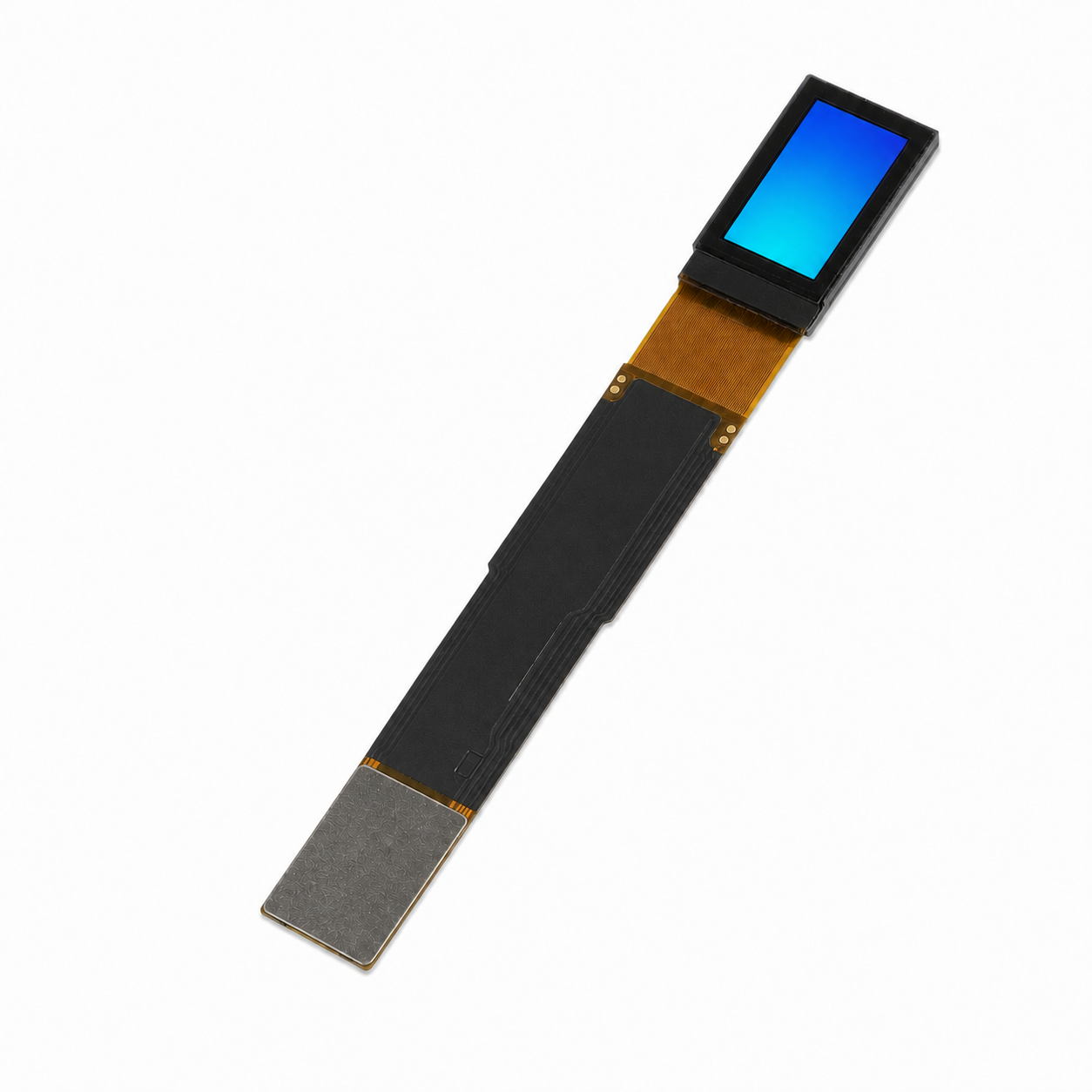
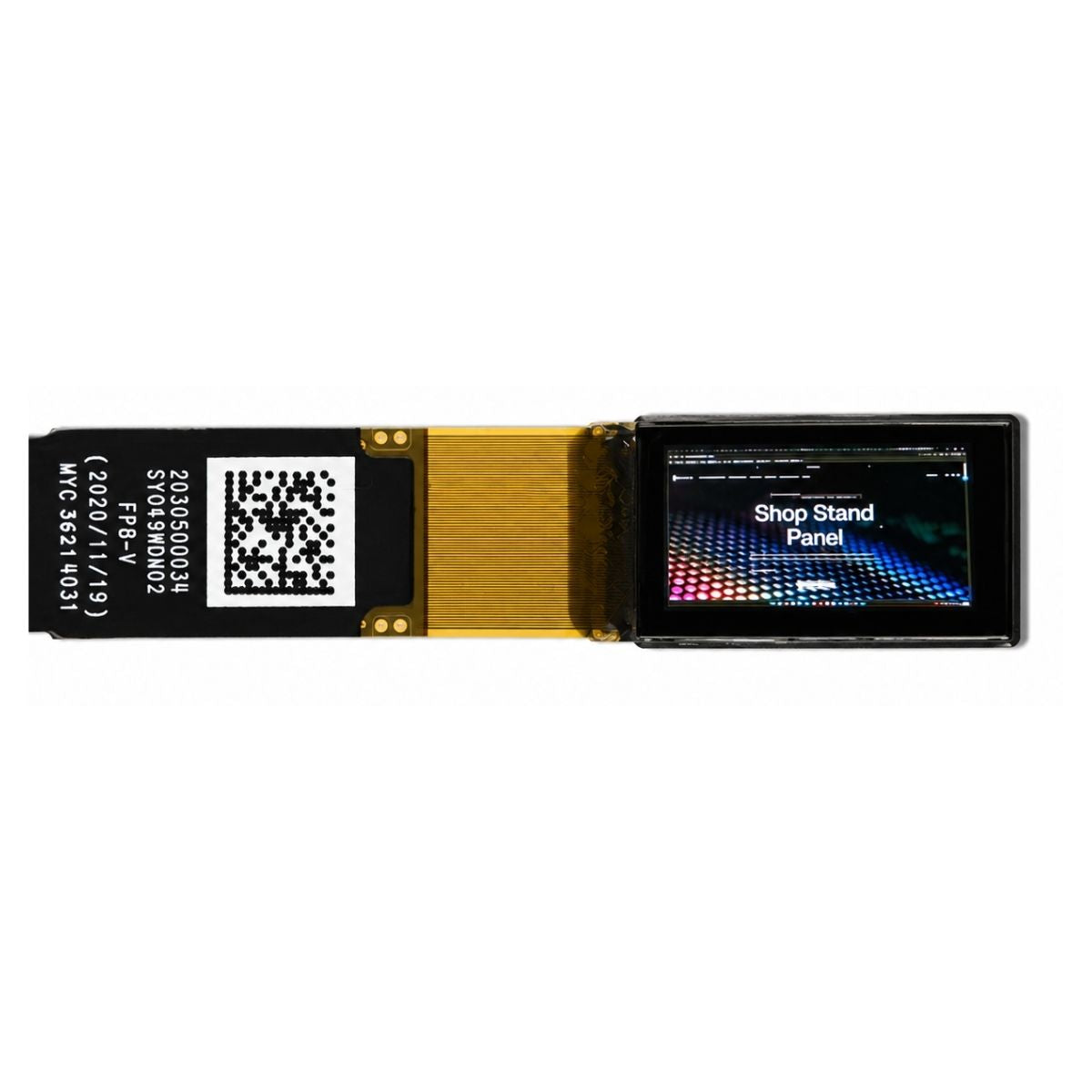
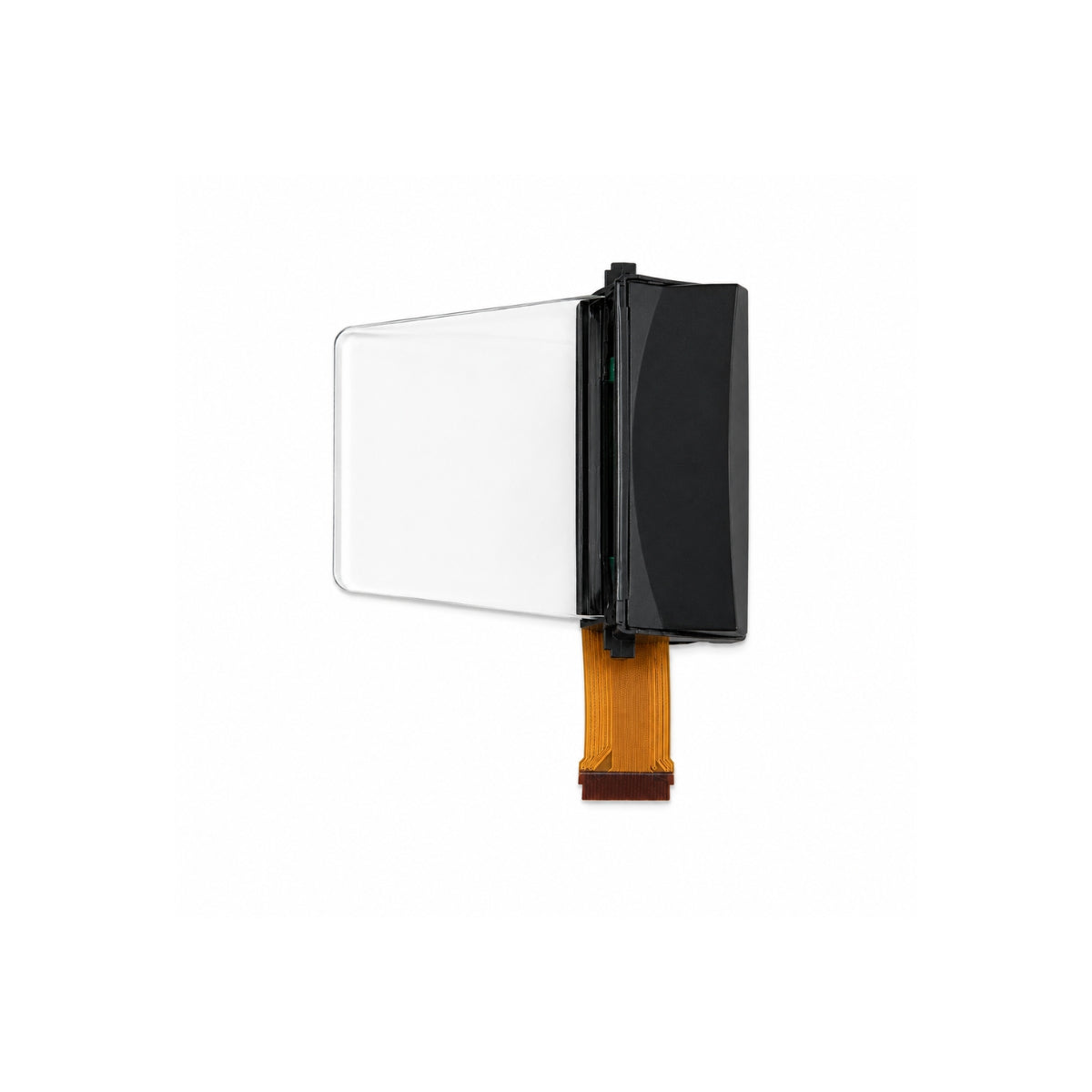
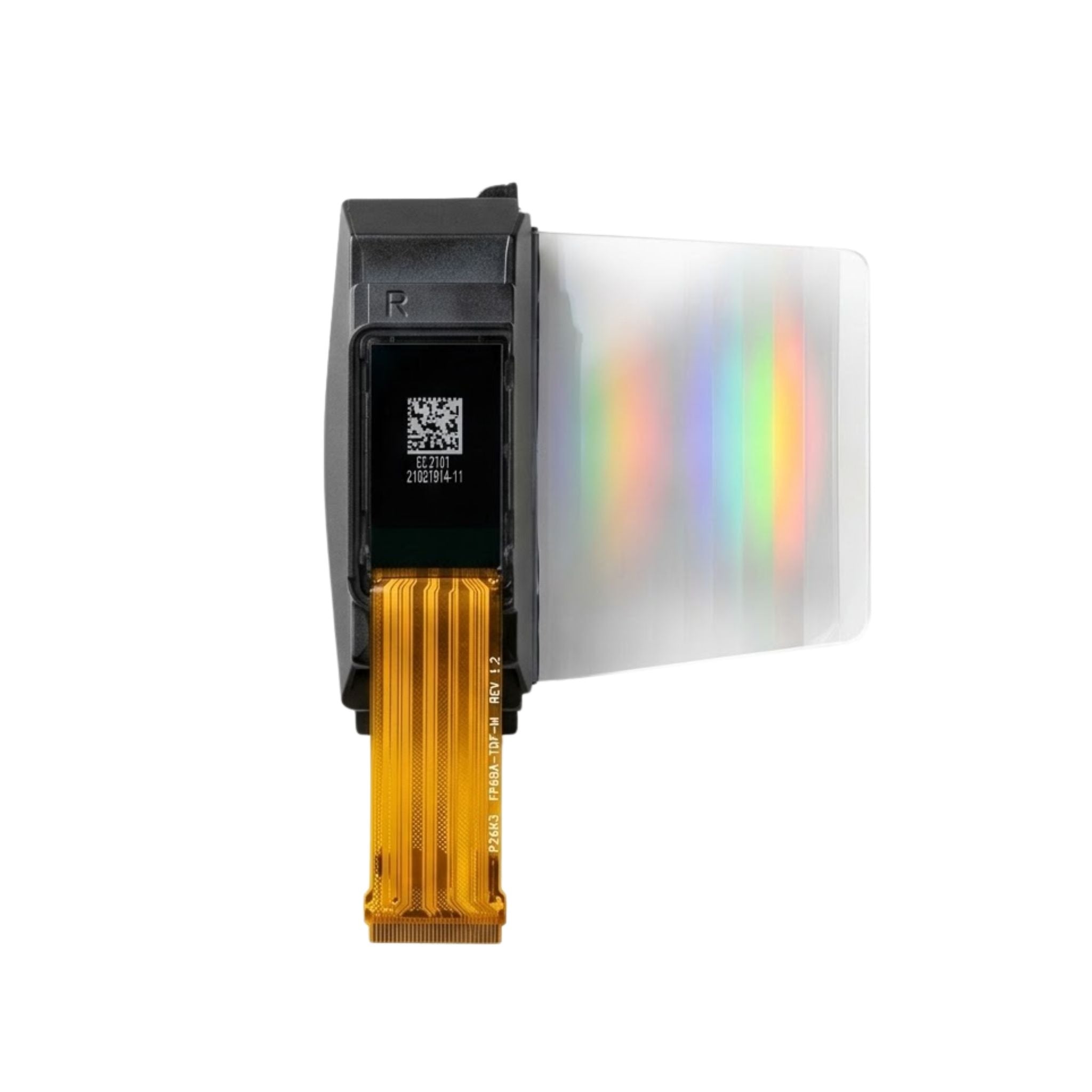
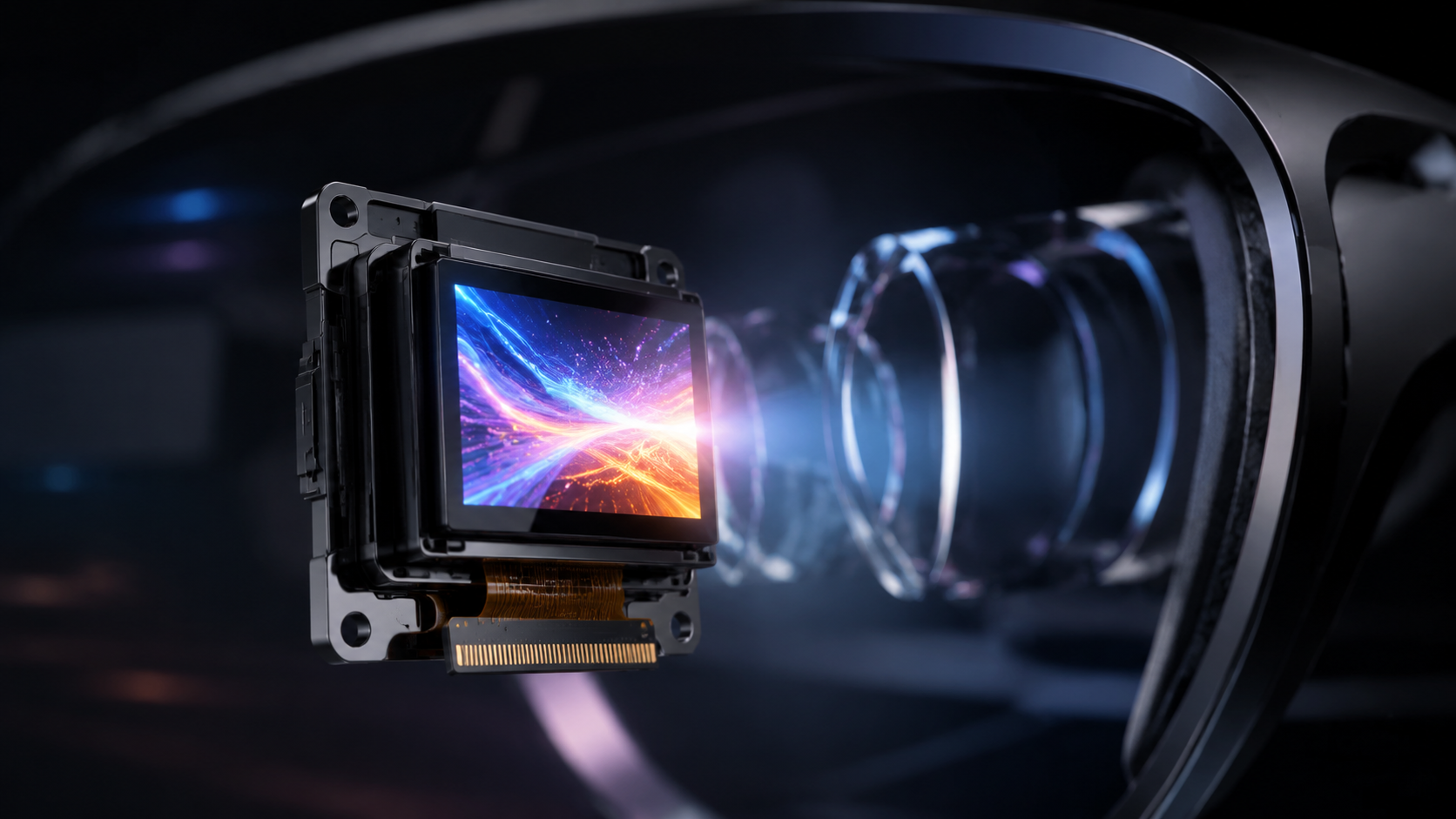
Sony ECX350F pushed peak Micro OLED brightness to 10000 nits in September 2024 — a 0.44-inch module delivering 1920×1200 resolution at 5000ppi pixel density, 5.1µm pixel pitch, 100% sRGB gamut, and contrast exceeding 100000:1; the same month VITURE Luma launched at $399 with 1200p resolution, 1000 nits brightness, 50-degree FOV, and 1.2W power draw; I once consulted on a cultural exhibition project where Xrany X1 paired with Sony Micro OLED achieved 4K binocular resolution across a 46-degree FOV — different brightness tiers directly determine outdoor AR usability, and every step up in peak brightness unlocks an entirely new application category.
Defining Brightness Requirements
Usage Environment
Indoor AR glasses sit between 500 and 1000 nits — VITURE Luma at 1000 nits suffers severe image degradation under outdoor sunlight and becomes unusable; outdoor industrial and medical surgery navigation require 3000+ nits to maintain image clarity against blood reflection or bright ambient light; full-sun outdoor environments demand 3000 to 10000 nits to suppress environmental light contrast ratio, where Sony ECX350F peak brightness of 10000 nits still maintains over 60% visible contrast ratio under direct sunlight.
Brightness headroom must be locked in during project definition — Omdia data shows near-eye display market growing 200% year-over-year in 2026, and TrendForce projects AR device sales reaching 25.5 million units annually by 2030, driving rapid demand escalation for high-brightness modules; I recommend reserving 20-30% brightness headroom from the start to compensate for temperature-induced and aging-related luminance degradation, otherwise end-user experience drops noticeably within the first year of mass production.
- Indoor AR: 500-1000 nits, VITURE Luma as the reference benchmark
- Outdoor industrial/medical: 3000+ nits, Sony ECX350F satisfies this tier
- Outdoor full-sun: 3000-10000 nits, Sony ECX350F peak handles it
- Brightness headroom: design with 20-30% margin to offset temperature and aging effects
Brightness Range
Peak brightness is a measurement condition, not a usable constant — Sony ECX350F specs state 10000 nits under Duty100% driving (panel continuously driven at maximum power), at which surface temperature exceeds 45°C and power consumption far exceeds normal use cases; in actual content display, brightness typically reaches only 30-50% of peak because display content is not an all-white image, Duty ratio drops below 100%, and temperature rise triggers automatic brightness foldback protection.
Evaluating a module's real brightness capability requires two data points: peak brightness (the limit under Duty100%) and sustained brightness (stable output during prolonged white content display); I once encountered a customer who brought me a datasheet claiming 8000 nits, only to discover the supplier had measured Duty100% peak — actual usable stable brightness was 2000 nits, completely unsuitable for outdoor use — I strongly recommend verifying with an evaluation board during selection rather than trusting datasheets alone.
- Peak brightness (Duty100%): a test-limit value, not equal to usable brightness
- Sustained brightness: stable output during prolonged white content — the true usable metric
- Temperature compensation: Sony ECX350F surface temperature exceeds 45°C at 10000 nits, requiring active cooling
- Luminance degradation: brightness drops approximately 3-5% per 10°C temperature increase
Display Performance
Contrast ratio is Micro OLED's core advantage over LCD — Sony ECX350F exceeds 100000:1 contrast, meaning black pixels shut completely (zero light leakage), while premium LCD contrast ratios typically stay below 1500:1 with backlight bleed persisting through black frames; in dark-room VR experiences and AR overlay displays, 100000:1 contrast enables virtual content to blend naturally with the real environment without the grayish halos common to LCD panels.
Color gamut coverage and refresh rate are equally critical — Sony ECX350F covers 100% sRGB gamut with refresh rates up to 120fps, and variable black frame function displays sub-FHD input content in any screen region, reducing system latency by approximately 15%; eMagin 0.39-inch Micro OLED panels are military-verified through the US Army Warrior system program, MTBF exceeding 10000 hours, MIL-STD-810H certified, and operational at temperatures as low as -40°C.
eMagin 0.39-inch Micro OLED panels passed US Army Warrior system verification with MTBF exceeding 10000 hours, MIL-STD-810H certified, fully operational at -40°C.
- Contrast ratio: Micro OLED 100000:1 vs premium LCD 1500:1, dramatic black-level difference
- Color gamut: 100% sRGB coverage meeting baseline color accuracy requirements
- Refresh rate: up to 120fps, variable black frame function reduces system latency ~15%
- Low-temperature operation: eMagin panels verified operational at -40°C

Evaluating Module Capabilities
Dimming Methods
Silicon-based Micro OLED dimming mechanisms directly affect near-eye display comfort. While low-frequency PWM dimming (under 200Hz) is highly problematic on mobile screens, it is catastrophic for AR/VR applications. Due to rapid eye movements (saccades), low frequencies cause a severe stroboscopic effect and ghosting, leading to rapid eye strain and headaches. To counter this, flagship AR solutions implement ultra-high-frequency PWM dimming (>20kHz) or a Global Strobe (global pulse modulation) mechanism strictly synchronized with 90Hz/120Hz refresh rates, keeping the illumination duty cycle within 10-20% to completely eliminate motion blur.
I once debugged an AR glasses prototype where the display developed visible color banding and uneven grayscale transitions in low-brightness mode. This was mistakenly blamed on the host processing architecture, but since Micro OLED display driver circuits (DDIC) are directly integrated into the silicon backplane, host SoCs (like the Allwinner MR527) or bridge/scaler ICs (like the Realtek RTD2660) only handle data transmission. The actual root cause was excessive voltage ripple from the external PMIC and insufficient DAC precision at low bias currents within the silicon backplane. Optimizing the backplane register configurations and stabilizing the host-side frame synchronization jitter (<0.5ms) completely resolved the color banding issue.
- PWM dimming: near-eye displays require >20kHz high-frequency PWM or Global Strobe to prevent stroboscopic ghosting
- DC dimming: eliminates flicker but risks color temperature drift at low brightness tiers due to shifting bias currents
- Hybrid dimming: High-frequency PWM / Global Strobe at high brightness mixed with precision backplane current control at low brightness
- System-level key specs: host-side frame time jitter, PMIC voltage ripple, and backplane DAC routing precision
Power Management
Over 50% lower power consumption — Micro OLED's emissive principle provides a natural advantage as black pixels shut off completely with near-zero power draw, while LCD backlight requires continuous power regardless of displayed content, and black screen power consumption is nearly identical to white screen; when displaying typical mixed content (30% white + 70% black), Micro OLED power consumption can be over 50% lower than same-size LCD; VITURE Luma measures 1.2W power draw delivering 4 hours battery life, while same-size LCD modules typically exceed 2W.
I typically recommend that clients break down power targets into sub-module targets during project definition — panel power, driver IC power, thermal system power — rather than fixating on panel power alone; Apple Vision Pro Micro OLED panel cost has dropped from $300 in 2024 to $250 in 2025, projected to $210 in 2026 and below $150 in 2027, and as production scale and yield rates improve, high-brightness Micro OLED costs are declining rapidly, making power efficiency-driven battery life advantage an increasingly critical product differentiator.
Apple Vision Pro Micro OLED panel cost declined from $300 in 2024 to a projected below-$150 by 2027, and as production scale and yield improve, high-brightness Micro OLED costs are declining rapidly.
- Emissive advantage: black pixels at zero power, mixed-content consumption over 50% lower than same-size LCD
- VITURE Luma: 1.2W power draw, 4-hour battery life
- Power breakdown: panel power + integrated backplane DDIC power + system-level host/bridge power
- Cost trajectory: scale effects driving rapid panel cost decline
Thermal Management
45°C surface temperature at 10000 nits — thermal management is the core engineering challenge of high-brightness Micro OLED, where Sony ECX350F peak brightness produces temperatures exceeding 45°C, and prolonged high temperature accelerates organic material degradation causing permanent brightness drop and color shift; thermal design must establish an efficient heat conduction path between the heat source (panel + driver IC) and the user's skin (AR glasses temples), while staying within industrial design constraints on weight and volume.
MLA microlens array is one of Sony ECX350F's core technologies — by stacking microlenses above each pixel, the emission angle is narrowed approximately 15%, boosting on-axis brightness by approximately 20%, while reducing inter-pixel optical crosstalk; at the same target brightness, MLA can reduce panel driving power by 15-20%, equivalent to a 20% brightness improvement under identical thermal conditions — a win-win design that improves both brightness and thermal performance simultaneously.
- Temperature impact: brightness drops approximately 3-5% per 10°C increase, organic material aging accelerates
- MLA microlens array: emission angle narrowed 15%, on-axis brightness improved ~20%, driving power reduced 15-20%
- Thermal path: silicon panel/backplane → heat conduction structure → temple/housing → user skin
- System controller thermal metrics: Realtek RTD2660 Scaler ~55°C, Allwinner MR527 Host SoC ~42°C
Confirming Partnership Details
Customization Services
1000-unit MOQ typical — OEM/ODM module customization typically carries minimum order quantity requirements. Engineering sample pricing for the Sony ECX350F sits around 300000 JPY (approximately $1958). While volume pricing drops substantially, the MOQ is typically 1000 units or above; I recommend confirming MOQ and lead times with suppliers early in the project, because high-brightness Micro OLED customization cycles typically run 6-12 months including optical spec customization, firmware adjustments, and reliability verification — not a standardized product available for immediate delivery upon order.
I once saw a team underestimate the customization cycle during product definition, only to discover optical interface mismatch after industrial design freeze, forcing a complete redesign — the cost was manageable but the timeline loss was devastating; in OEM/ODM partnerships, I typically advise clients to begin specification alignment with module suppliers at least 9 months before structural design completion, rather than waiting until design freeze to find matching issues.
- Sample pricing: Sony ECX350F approximately 300000 JPY (~$1958)
- MOQ requirement: typically 1000+ units, policy varies by supplier
- Customization cycle: 6-12 months covering optical specs, firmware, and reliability verification
- Recommendation: begin supplier specification alignment at least 9 months in advance
Sample Verification
-40°C verified operational — system-level verification upon sample receipt is mandatory, covering lighting tests, illuminometer luminance measurement, color gamut and accuracy testing, high-temperature aging, and low-temperature startup, but I recommend also verifying brightness stability and color shift during thermal cycling (-40°C to +60°C) because rapid temperature changes expose packaging stress issues.
I assisted with verification for a military project where supplier samples performed flawlessly at room temperature, but after 50 thermal cycles from -40°C to +60°C, color shift exceeded 5 delta E and brightness dropped 8% — indicating a thermal expansion coefficient mismatch between packaging materials and the silicon wafer backplane; the issue was only resolved by switching to eMagin MIL-STD-810H certified panels, where MTBF verification exceeding 10000 hours was not merely a marketing claim but a verified test result.
A military project verification found that after 50 thermal cycles from -40°C to +60°C, standard Micro OLED showed color shift exceeding 5 delta E with 8% brightness loss — resolved only by switching to eMagin MIL-STD-810H certified panels.
- Lighting test: confirm electrical connection and basic module function
- Luminance measurement: illuminometer measured vs datasheet specification, deviation within 10%
- Thermal cycling: -40°C to +60°C, check brightness drop and color shift after 50 cycles
- MIL-STD-810H certification: military-grade reliability verification, MTBF exceeding 10000 hours
Mass Production Support
>95% yield floor required — transitioning from sample to mass production requires clearing several critical thresholds: optical calibration consistency, yield rate control, and quality sampling standards; I often see teams deliver perfect samples only to face inconsistent brightness tiers, wide FOV deviations, and other issues during production ramp — root cause is typically insufficient evaluation of supplier mass production capability; AR glasses typically require binocular brightness difference under 3%, FOV deviation under 1 degree, and these metrics need 100% production testing, not sampling inspection.
AR glasses module mass production also demands strict attention to binocular alignment and SLAM optical axis precision. In near-eye display manufacturing, physical displacement metrics (mm) are insufficient; instead, the spatial relationship between the binocular cameras and the Micro OLED panels must be evaluated via angular error (arcmin) or pixel re-projection error. Excessive angular deviation breaks stereoscopic convergence, causing immediate double vision (diplopia) and severe disorientation for the user. I highly recommend requiring mass production yield data (typically above 95%) and strict incoming quality control (IQC) specifications during supplier selection, with an optical engineer stationed at the factory during the first production run.
| Parameter | Sample Stage Requirement | Mass Production Requirement | Industry Standard Context |
|---|---|---|---|
| Binocular Brightness Consistency | ±5% | ±3% | Prevents eye strain caused by luminance imbalance |
| FOV Deviation | ±2° | ±1° | Limits for optical assembly and distortion correction |
| Binocular Alignment / SLAM Optical Axis Precision | ≤ 30 arcmin | ≤ 15 arcmin | Exceeding this threshold induces diplopia (double vision) |
| Mass Production Yield | >90% | >95% | Combined baseline floor for backplane and optical bonding |
| MTBF | 5000 hours | 10000 hours | Meets consumer and enterprise lifecycle requirements |
Omdia data shows near-eye display market growing 200% year-over-year in 2026, TrendForce projects AR device sales reaching 25.5 million units annually by 2030, with medical applications growing at 28% CAGR — high-brightness Micro OLED is rapidly expanding from flagship premium to mainstream product lines.
High-brightness Micro OLED module maturity now supports the complete sample-to-mass-production pathway — outdoor 3000+ nits, medical 3000+ nits, full-sun outdoor 3000-10000 nits corresponding to Sony ECX350F different driving modes, MLA microlens array boosting on-axis brightness approximately 20% while reducing driving power 15-20%, and host systems maintaining low frame time jitter (<0.5ms) for uniform grayscale rendering; OEM/ODM customization confirms MOQ from 1000 units, 6-12 month cycle, MIL-STD-810H certification, and mass production requires 100% inspection of binocular brightness consistency and angular optical axis alignment with a production yield floor not below 95%.
더 읽기
Global demand for custom Micro OLED displays is growing at 23% annually. Small-batch runs of 50–500 units typically require 8–14 week lead times—a timeframe that offers more flexibility than stan...
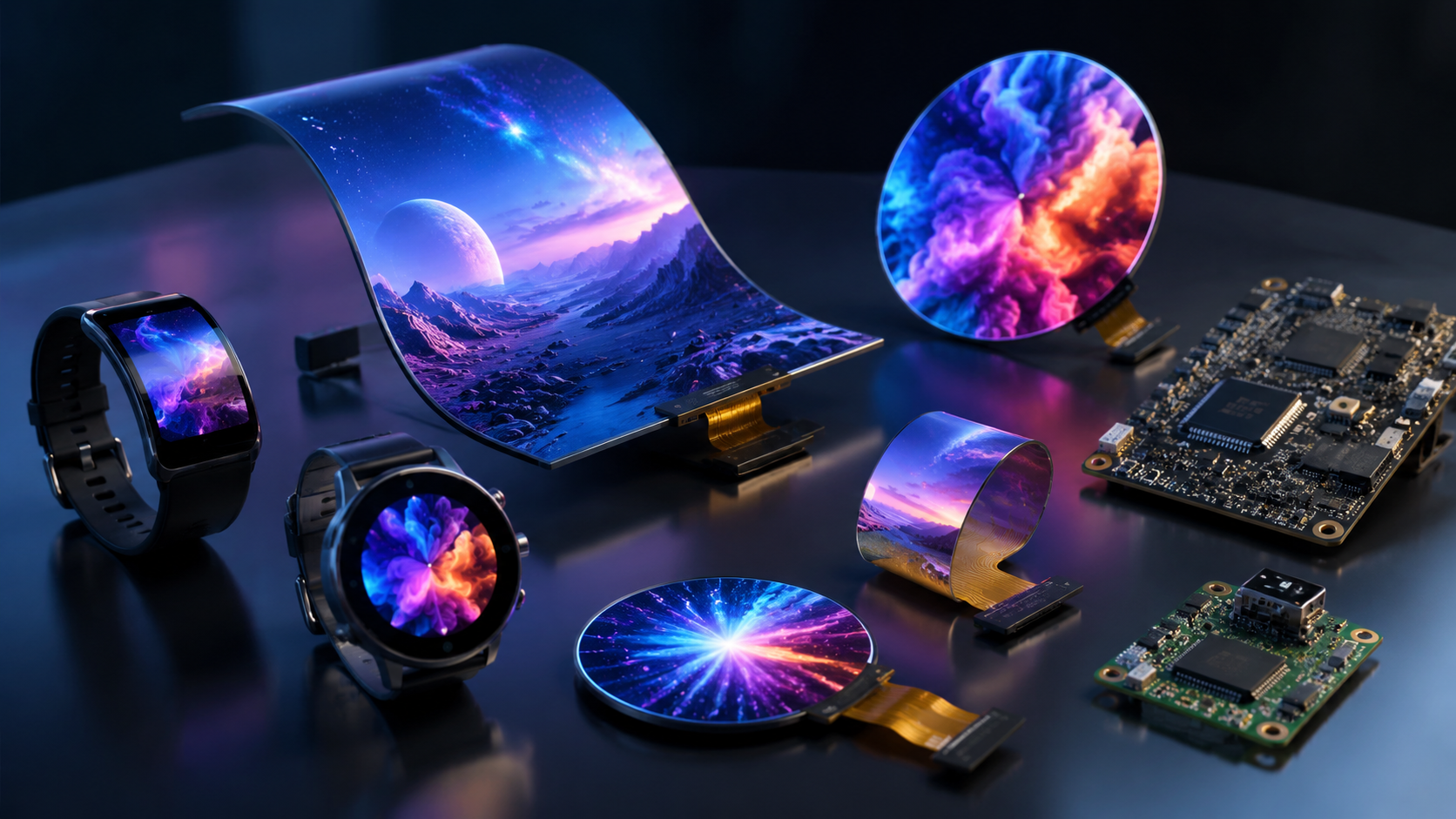
Wearable AMOLED customization hinges on three engineering challenges that cannot be glossed over—fitting the display to a curved wrist surface, designing for a round watch face, and matching the ...
댓글 남기기
이 사이트는 hCaptcha에 의해 보호되며, hCaptcha의 개인 정보 보호 정책 과 서비스 약관 이 적용됩니다.