



How to Choose a Display for AR/VR | Micro OLED vs AMOLED vs LCD
Micro OLED leads the high-end market with over 3000 PPI and 100,000:1 contrast;
AMOLED offers low latency but is prone to the "screen door effect," while LCD remains the entry-level mainstream thanks to its high brightness and cost advantages.
Micro OLED
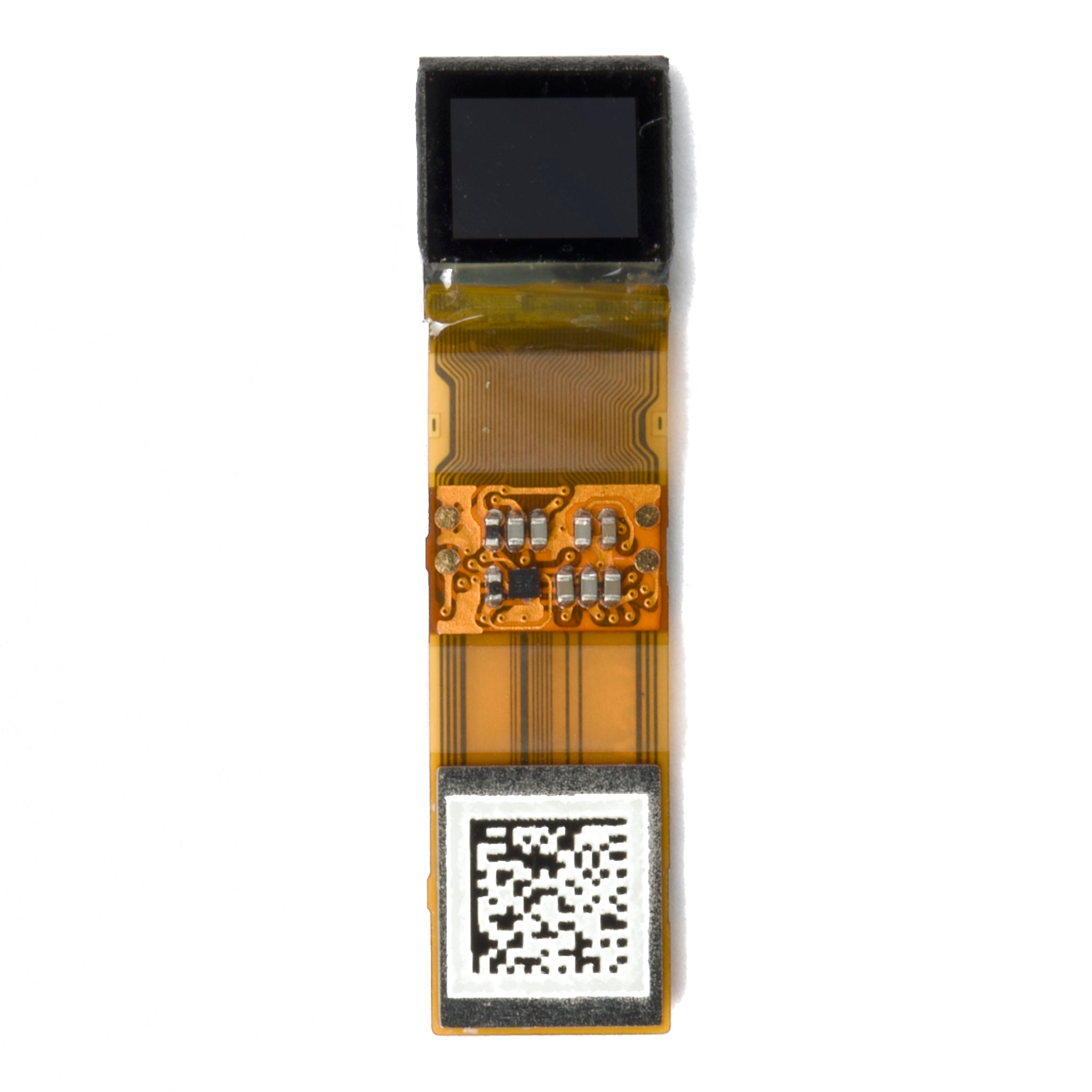
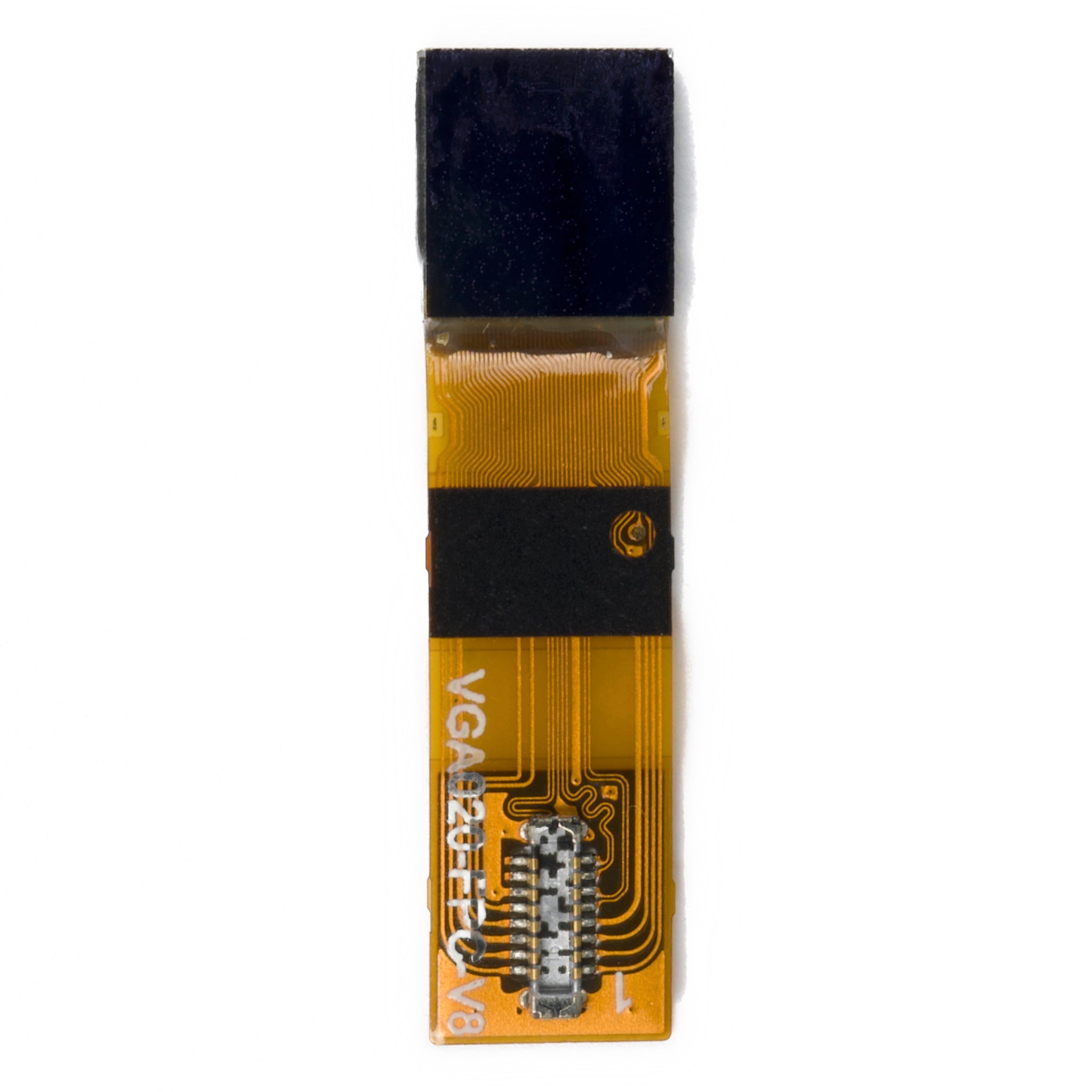
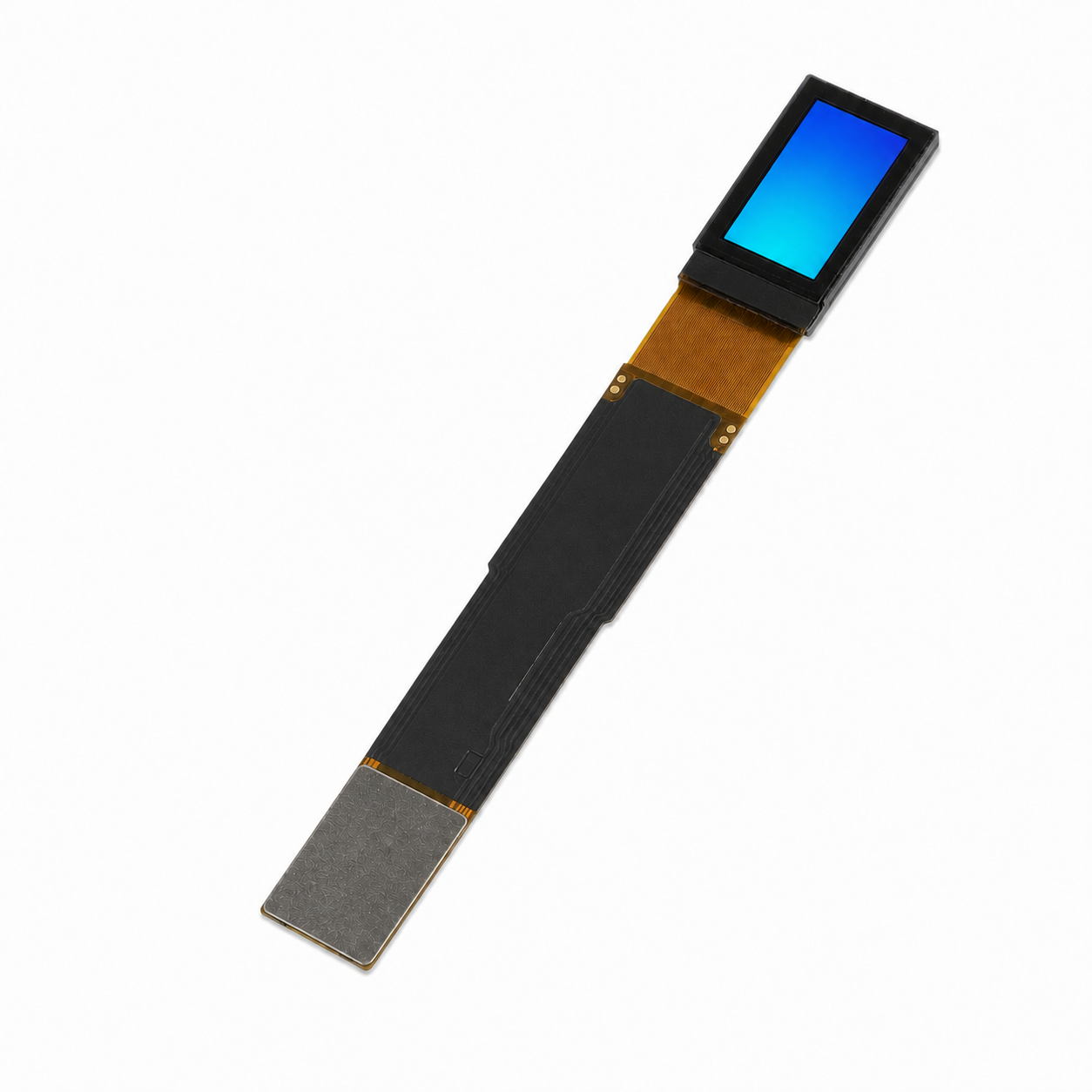
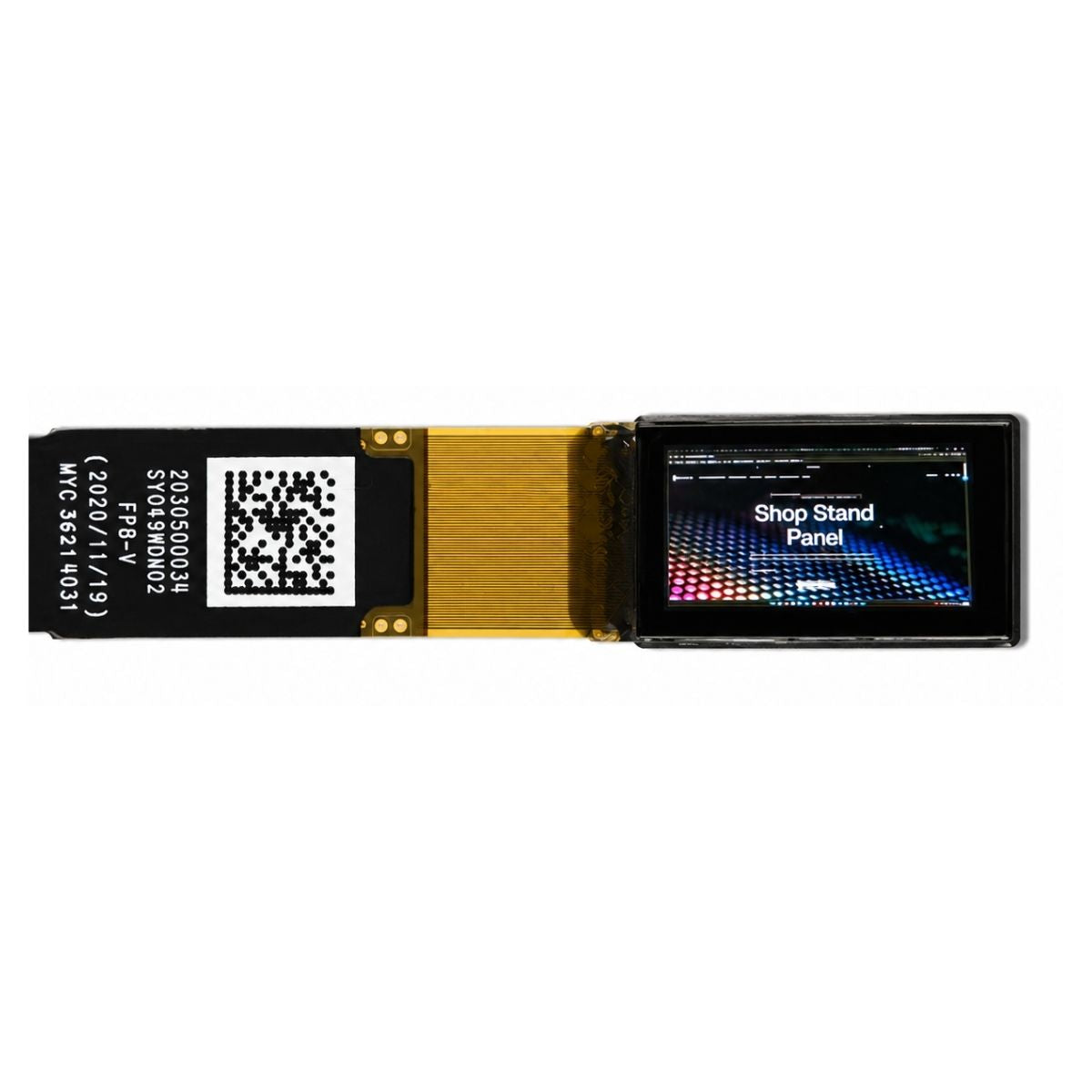
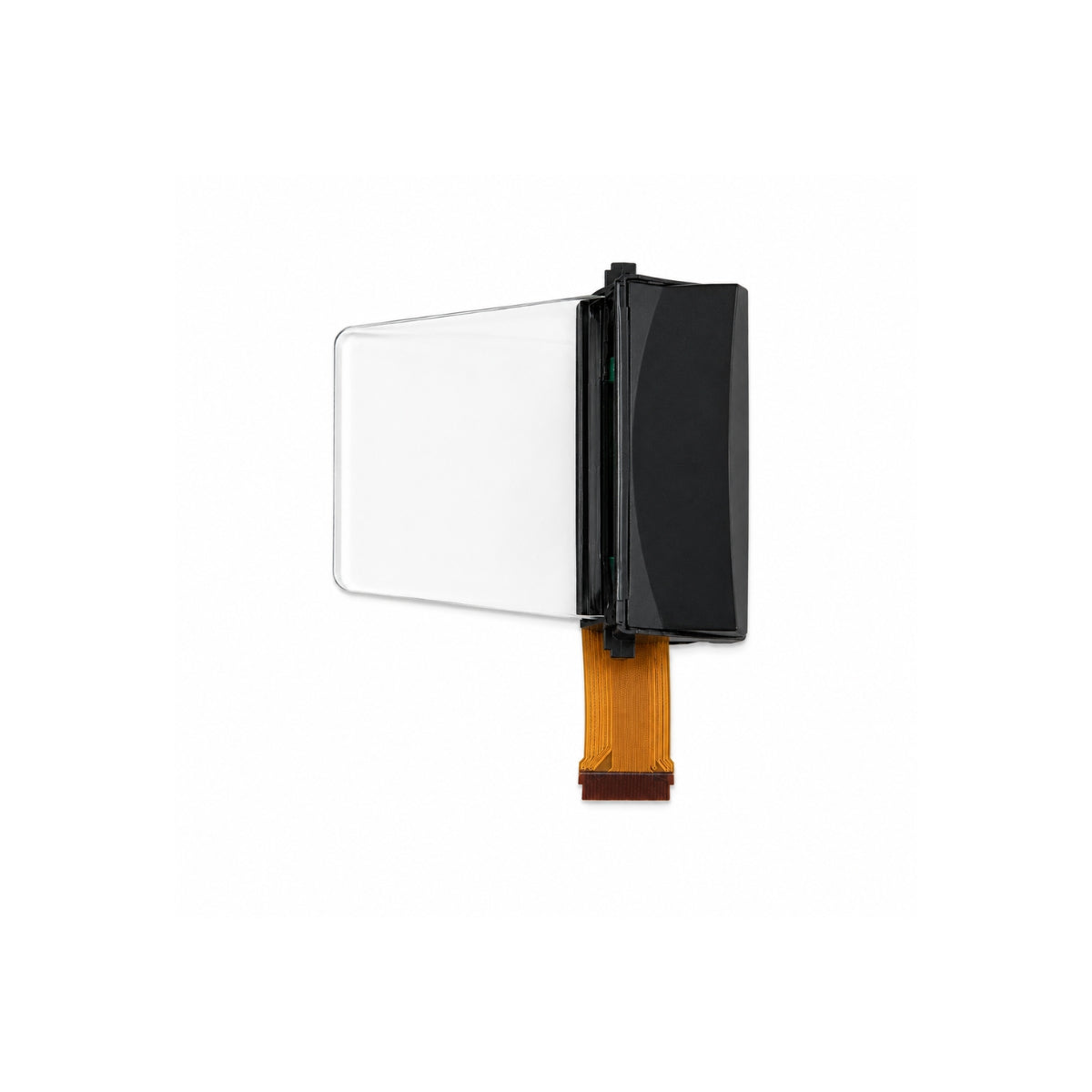
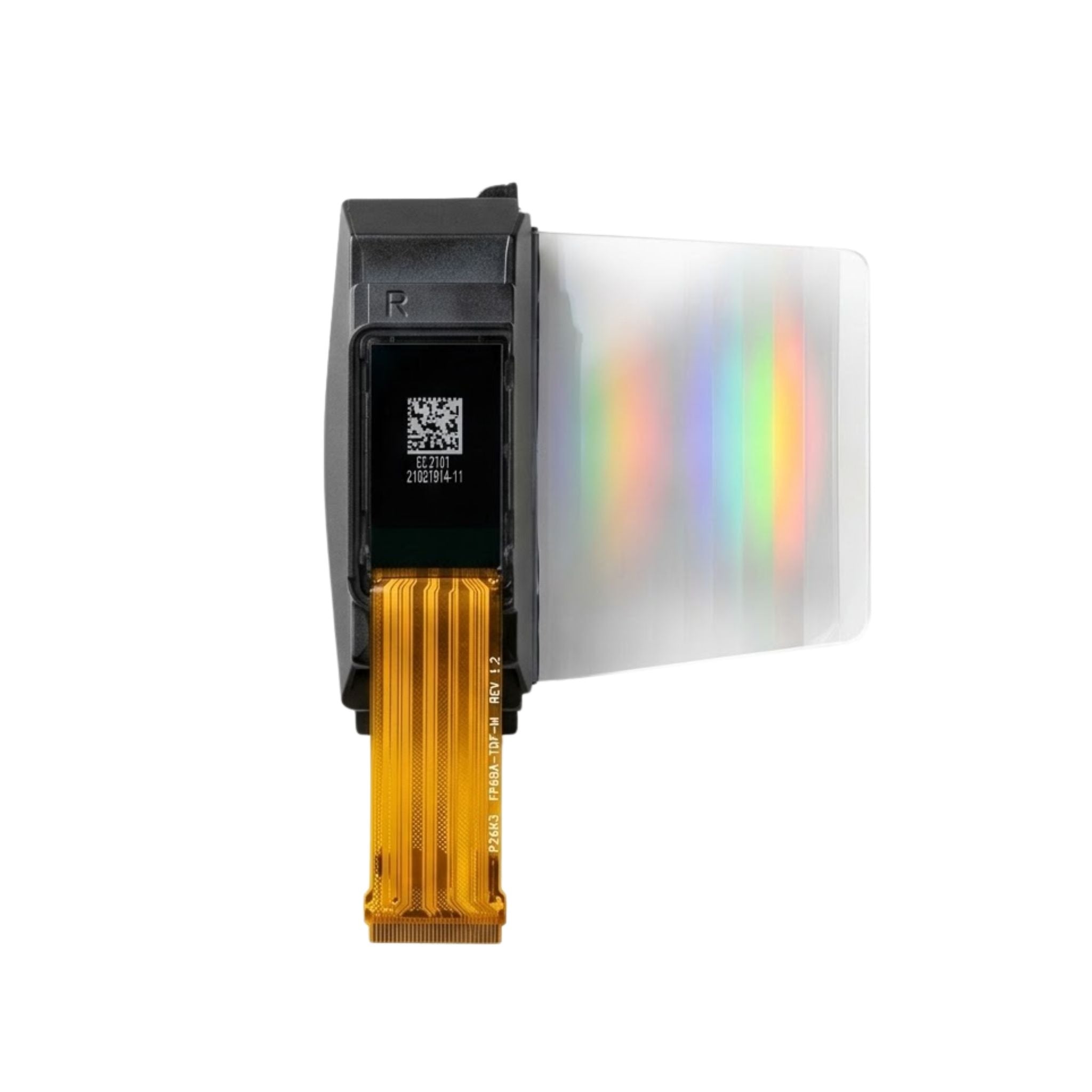
Micro OLED (Silicon-based OLED) places display pixels directly onto 12-inch silicon wafers.
Its pixel pitch is typically between 8 to 15 micrometers, allowing the pixel density (PPI) to easily surpass 3000+.
Compared to traditional technologies, it can achieve 4K resolution within a 0.7-inch size.
This highly integrated semiconductor process reduces screen response time to within 0.01 milliseconds and provides a contrast ratio exceeding 100,000:1, making it the preferred solution for achieving retina-level display effects.
Silicon-based Backplane Structure
Compared to traditional glass substrates, monocrystalline silicon possesses extremely high carrier mobility, usually above 500 to 700 cm²/Vs, whereas Low-Temperature Polycrystalline Silicon (LTPS) used in smartphone screens is typically only 50 to 100 cm²/Vs.
This order-of-magnitude difference in physical properties allows designers to place more complex transistor combinations within extremely small spaces.
Mainstream mass production lines have shifted from 8-inch (200 mm) wafers to 12-inch (300 mm) wafers, with process nodes ranging from 180nm and 110nm to 55nm.
Within a module usually thinner than 1 mm, the bottom silicon chip integrates data processing circuits, DC-DC voltage conversion modules, Timing Controllers (TCON), and 10-bit or 12-bit Digital-to-Analog Converters (DAC).
Because transistor sizes can be reduced to the sub-micrometer level, the monocrystalline silicon backplane can arrange multiple functional components beneath every single pixel, including pixel driving circuits (usually composed of 2 to 6 transistors) used to compensate for current fluctuations.
| Technical Parameter | Monocrystalline Silicon Backplane (Micro OLED) | Low-Temperature Polycrystalline Silicon LTPS (AMOLED) |
|---|---|---|
| Carrier Mobility | 500 - 700 cm² / Vs | 50 - 100 cm² / Vs |
| Wafer/Substrate Process | 28nm - 180nm CMOS | 3um - 5um TFT |
| Typical Pixel Pitch | 8um - 12um | 40um - 60um |
| Leakage Current | 10⁻¹⁵ Ampere level | 10⁻¹² Ampere level |
| Driving Voltage Stability | Extremely High (within 0.1% fluctuation) | Moderate (affected by laser annealing) |
In low-brightness or high-contrast scenarios, the silicon-based backplane can precisely control the micro-current flowing to the OLED emissive layer, which can be stabilized at the picoampere (pA) level.
This precision ensures that even in extremely dark images, pixels do not produce unnecessary color shifts or flickering.
Simultaneously, the CMOS process allows for the embedding of Static Random Access Memory (SRAM) within the backplane to achieve self-refresh modes for local images.
When displaying static images, the system can shut down most data transmission links and rely solely on the stored charge within the backplane to maintain the image, thereby reducing overall power consumption by 20% to 40%.
"Silicon-based backplanes have brought display technology from traditional assembly processes into the realm of semiconductor manufacturing. Utilizing the dividends of Moore's Law, they pack hundreds of millions of active devices into an area of less than one square inch, achieving precise charge injection for thousands of pixels per inch."
Due to the use of multi-layer wiring processes with aluminum (Al) or copper (Cu) (typically 4 to 7 metal layers), the Resistance-Capacitance Delay (RC Delay) within the backplane is significantly compressed.
This enables Micro OLED to easily reach refresh rates of 120Hz or even 240Hz, with signal synchronization errors controlled at the nanosecond scale.
For AR visual compensation algorithms (such as Time Warp), the fast response capability provided by the silicon backplane is the fundamental data guarantee for eliminating visual latency.
In actual production, the backplane surface undergoes Chemical Mechanical Polishing (CMP) to achieve flatness at the Angstrom (0.1 nanometer) level, ensuring that the subsequently evaporated OLED organic layers have highly uniform thickness, which avoids color drift issues at wide viewing angles.
The underlying logic circuits operate in a low-voltage environment of 1.1V or 1.8V to reduce thermal loss;
Meanwhile, the pixel-driving transistors in contact with the OLED emissive layer can withstand driving voltages of 5V to 10V to ensure sufficient high-brightness output.
This technology of achieving multiple voltage domains on the same silicon wafer is something traditional glass-based TFTs find difficult to match.
As processes evolve toward 28 nanometers, future silicon backplanes will integrate more AI compensation algorithms to perform real-time brightness correction at the pixel level, neutralizing the risk of image persistence caused by organic material aging.
Pixel Density Performance
In typical Extended Reality (XR) hardware, display diagonal sizes are usually only 0.7 to 1.3 inches, yet they can pack resolutions of 3840 x 2160 or even higher into such a tiny space.
Compared to the 400 to 600 PPI common in mobile device screens, Micro OLED pixel density typically starts at 3000 PPI, with some laboratory prototypes already reaching over 5000 PPI.
After magnification by high-power optical lenses, this high-density layout makes every sub-pixel point imperceptible.
The physical size of each pixel is compressed to approximately 8 to 12 micrometers, and sub-pixel spacing is further reduced to sub-micrometer levels.
On 12-inch silicon wafer production lines, semiconductor manufacturing processes allow for high integration of driving circuits and emissive layers, keeping the aperture ratio at a high level and reducing the black non-emissive areas between pixels.
The human eye's limit for resolution at the fovea is approximately 60 pixels per degree (PPD). To meet this standard in a VR device with a 90-degree horizontal field of view, the horizontal pixels per eye would need to reach 5400.
Using a 3500 PPI Micro OLED module with pancake optics can provide a PPD of approximately 40 to 50, allowing users to read virtual documents or view complex engineering drawings with text edge sharpness comparable to paper printing.
Traditional LCD technology, due to larger pixel sizes, produces a noticeable grid sensation after magnification—commonly known as the screen door effect—whereas the high-density characteristics of Micro OLED allow these grids to completely disappear from visual perception, providing a continuous and smooth image texture.
By adopting a white OLED architecture with color filters, Micro OLED can achieve precise ratios of red, green, and blue within extremely small gaps.
In traditional display panels, the physical isolation layers between sub-pixels take up significant space, leading to a grainy appearance when viewed closely.
In the silicon-based process, the patterning precision of the filter layer can reach the nanometer scale, allowing the three primary colors to be packed more tightly together.
This tight arrangement not only improves color uniformity but also reduces chromatic dispersion caused by excessive pixel spacing.
When a user wears a headset and performs large head rotations, the high-density pixels combined with microsecond-level response speeds ensure that the residual position error of the image on the retina is minimized.
Although the area of an individual pixel is reduced, the light-emitting efficiency of each pixel is optimized due to the high current-driving capability of the silicon backplane.
When displaying dark backgrounds, pixels can be turned off completely, achieving a contrast ratio exceeding 100,000:1.
In cases where high brightness output is needed to counter the light loss of optical modules, high PPI displays can maintain perceived brightness by increasing the number of light-emitting points per unit area.
Current mainstream modules can achieve panel brightness levels of over 3000 nits, while keeping power consumption controlled at the level of several watts.
AMOLED
In the VR field, AMOLED provides a 1,000,000:1 contrast ratio and switching speeds under 0.01 milliseconds.
Its pixel density mostly ranges from 400 to 615 PPI.
Due to the use of PenTile arrangement, the number of red and blue sub-pixels is only half that of green, resulting in an effective pixel density lower than LCDs of the same specifications.
It does not require a backlight, as individual pixels can be turned off. Brightness is typically below 300 nits, and it is often used in early professional devices requiring deep immersion and extremely low latency.
Pure Black Performance
The imaging principle of AMOLED screens is built on the basis of each pixel being independently controlled, which demonstrates a clear physical advantage when handling dark scenes in AR/VR environments.
In traditional display technologies, the backlight layer is a continuously glowing entity.
Even when the image needs to display full black, the liquid crystal layer can only block about 99.9% of the light; the remaining 0.1% leakage makes the screen look like a hazy grey mist.
AMOLED completely eliminates this backlight layer; every red, green, and blue sub-pixel is a tiny light-emitting body.
When receiving a command to display a full black area, the driving circuit cuts off the current to the pixels in that area.
Because no current flows, the organic material produces no photons, and screen brightness physically drops to zero.
This performance allows headsets to provide a deep sense of visual space when simulating horror games or space exploration content.
When a user looks into an abyss in virtual reality, AMOLED presents true void rather than glowing grey blocks.
In terms of quantitative data, AMOLED performance metrics stand in stark contrast to competing solutions:
- Static Contrast: Since the denominator is zero, the contrast ratio measured in lab environments for AMOLED can be considered infinite, and it is usually labeled as over 1,000,000:1 in commercial applications. Ordinary LCD screens typically hover between 1000:1 and 1500:1.
- Black Level Brightness: AMOLED black levels are usually below 0.0005 nits, a value that exceeds the minimum detection limit of most consumer-grade colorimeters. In contrast, LCD screens used in mainstream VR headsets still have a residual brightness of about 0.2 nits when displaying black.
- Dynamic Range: Combined with local peak brightness of over 1000 nits, AMOLED can achieve extremely high dynamic range. Within the same frame, the brightest star and the darkest vacuum can coexist without interfering with each other.
- Energy Efficiency: When displaying pure black images, the power consumption of an AMOLED module is close to 0 watts. For mobile headsets, this characteristic helps save battery power, especially in UI designs that utilize large amounts of black background.
Inside a closed VR headset, any slight light leakage reflects off the lenses, creating unnecessary flare.
The zero-leakage characteristic of AMOLED ensures that only necessary visual information is projected to the eye.
Because the black is pure enough, other colors appear more vivid against the black substrate.
For example, under the DCI-P3 color gamut, AMOLED can cover nearly 100% of the color space.
However, in the pursuit of ultimate black levels, there are underlying logic issues to address.
Since it takes a very short response time for a pixel to go from a completely off state (0 volts) to being turned back on and emitting a specific brightness (e.g., 2 volts), a specific phenomenon can occur in fast-moving images.
When a bright object moves quickly across a pure black background, a purple trailing effect (black smear) may appear on the object's edges due to the delay in pixel activation.
To mitigate this, many headset manufacturers choose not to turn the pixels off completely, instead maintaining a very faint base current so the black level stays around 0.001 nits.
High-end headsets eliminate this interference through pixel-by-pixel calibration before leaving the factory, ensuring smooth transitions even in scenes with 5% or 1% brightness.
This level of control over current, down to the microampere level, allows AMOLED to accurately reproduce cinematic dark details.
Sub-pixel Arrangement
Unlike traditional LCD screens that use an equal distribution of red, green, and blue (RGB) sub-pixels in a vertical stripe arrangement, the vast majority of AMOLED screens used in VR devices utilize a sub-pixel sharing technology.
In this structure, a single complete pixel does not contain three independent sub-pixels.
In the most common Diamond Pixel arrangement, the number of green sub-pixels is twice that of red or blue.
Specifically, at the same labeled resolution, an RGB screen has 100% sub-pixel completeness, while a PenTile AMOLED screen has about one-third fewer total sub-pixels.
Take a screen with a per-eye resolution of 1440 x 1600 as an example. A standard RGB arrangement would have a total of 6.912 million sub-pixels. A PenTile AMOLED screen in the same area only has about 4.608 million sub-pixels. This sub-pixel deficit reaches 33.3%.
Because green sub-pixels are small and densely distributed while red and blue sub-pixels are larger and more sparse, the human eye can perceive gaps between pixel points at close range.
Under the magnification of VR lenses, these gaps evolve into a noticeable grid sensation (the screen door effect).
The spacing between red and blue sub-pixels is typically more than 50% larger than that of green sub-pixels.
When displaying solid colors or high-contrast edges, this uneven distribution leads to "rainbow edges" or aliasing at the borders.
Especially when displaying small text and lines, the clarity is noticeably lower than an LCD screen of the same resolution due to the lack of sufficient sub-pixels to outline the contours.
On an AMOLED screen with a pixel density of 615 PPI, the physical spacing of red sub-pixels may reach over 40 micrometers. The human eye's minimum resolving angle under a VR lens is usually 1 arcminute; this pixel spacing exceeds the threshold for smooth perception, resulting in a grainy image.
Among organic light-emitting diodes, blue materials have lower luminous efficiency and decay much faster than red and green.
To extend the overall lifespan of the screen and maintain long-term color balance, manufacturers choose to increase the emissive area of blue sub-pixels.
By making blue and red pixels larger and green pixels smaller but more numerous, the driving circuit can use a lower current intensity to drive the blue material, thereby slowing down the aging process.
This trade-off sacrifices space utilization. During the evaporation process using Fine Metal Masks (FMM), the safety gap between sub-pixels must be maintained at over 10 micrometers to prevent color crosstalk.
This manufacturing gap requirement limits the packing density of sub-pixels, making it difficult for PPI to easily break through 800 like LCDs can.
To improve the visual issues caused by sub-pixel arrangement, some high-end display modules introduce special diffusion layer technology.
This physical filter is placed over the AMOLED panel to slightly blur the edges of sub-pixels and fill the black gaps between them.
While this method loses some sharpness, it effectively reduces the screen door effect.
However, this compromise cannot change the fact that the number of sub-pixels is insufficient.
When rendering high-performance graphics, the GPU must use specialized Sub-Pixel Rendering (SPR) algorithms to compensate for the missing information.
The algorithm "borrows" color information from adjacent pixels to simulate smooth curves, which invisibly increases the processor's workload.
If the rendering pipeline is not optimized for this arrangement, the image will show obvious alignment deviations.
For a headset with a 100-degree field of view, if a standard RGB arrangement is used, the visual experience in the center area is very solid.
But switching to an AMOLED screen of the same resolution, because the effective sub-pixel sampling points are insufficient, the actual visual clarity often only reaches 70% to 80% of the nominal value.
This "shrinkage" in data is particularly prominent in applications requiring precise focus.
For example, in flight simulators, small needles and numbers on the instrument panel often show blurred ghosting on AMOLED, whereas LCD can maintain the continuity of the lines.
At the same 1000 PPI target, an RGB arrangement needs to process 3000 sub-pixel columns, while the PenTile solution only needs to process 2000 physical sub-pixel points. This reduction in manufacturing difficulty was the primary reason early VR devices adopted this solution on a large scale.
Despite the flaws in sub-pixel arrangement, AMOLED's response speed remains its competitive edge.
The switching of each sub-pixel occurs at the microsecond level, which is two orders of magnitude faster than the millisecond response of LCDs.
This ultra-fast response partially compensates for the discomfort caused by graininess. When turning the head quickly, sub-pixels can switch colors instantly without creating drag.
This dynamic smoothness can often mask the feeling of missing sub-pixels in static images.
For professional equipment pursuing dynamic response performance, manufacturers would rather tolerate slightly larger pixel gaps to retain this sub-millisecond refresh capability.
Visual Persistence Control
At a 90Hz refresh rate, each frame lasts approximately 11.1 milliseconds.
If pixels remain lit throughout these 11.1 milliseconds while a user's head turns at a speed of 100 degrees per second, the image shift formed on the retina reaches 1.1 degrees.
This physical image drift causes the brain to receive visual signals with severe trailing and blurring.
AMOLED screens, by virtue of their self-emissive nature, can implement Low Persistence technology by lighting pixels for a very short time (typically 1ms to 2ms) and then quickly turning them off, utilizing the human eye's persistence of vision to maintain image continuity.
| Performance Metric | Full Persistence Display (LCD) | Low Persistence Display (AMOLED) | Visual Impact |
|---|---|---|---|
| Pixel Illumination Time | 11.1 ms (90Hz) | 1 ms to 2 ms | Shorter illumination reduces retinal residue |
| Duty Cycle Control | 100% continuous light | 10% to 20% pulsed light | Lower duty cycle provides sharper edges |
| Pixel Response Speed | 2 ms to 5 ms | Less than 0.01 ms | Ultra-fast response is the prerequisite for low persistence |
| Head Motion Blur | Over 1 degree (100°/s head turn) | Approx. 0.1 to 0.2 degrees | Physical displacement reduced by ~10x |
| Average Brightness Maintenance | Stable and high brightness | Peak brightness must be higher to compensate for dark periods | Lower persistence sacrifices some total brightness |
Liquid crystal molecules typically take several milliseconds to rotate from one state to another after receiving an electrical signal, which means LCDs often suffer from color distortion or severe brightness loss when trying to shorten illumination time because the molecules cannot keep up with the signal changes.
The switching speed of AMOLED organic diodes is at the microsecond level, at least 200 times faster than liquid crystal molecules.
This physical ultra-fast switching capability allows the driving circuit to precisely control pixels to emit intense light only in the last 1.5 milliseconds of the 11.1ms frame period, while remaining completely dark for the other 9.6 milliseconds.
In this mode, even though the screen is black for over 80% of the time, the brain integrates these high-frequency pulses into a stable, clear, and smear-free continuous image because the human eye's flicker fusion frequency is usually below 60Hz.
Suppose a user is wearing a 90Hz headset observing a virtual object; when the head turns, the retina's capture of the object is a continuous scanning process.
In full persistence mode, the distance the object moves on the retina equals the head movement speed multiplied by the frame time, stretching every pixel's visual path into a blurry line segment.
In AMOLED's 1.5ms low persistence mode, the object's visual path is compressed to about one-seventh of its original length.
If a screen needs to maintain an average brightness of 100 nits while running at a 10% duty cycle, the instantaneous brightness of the pixels during the 1ms illumination must reach approximately 1000 nits.
This high-intensity pulse current poses a challenge to the durability of organic materials.
Operating under high current pulses for long periods accelerates the decay of blue organic materials, thus requiring precise compensation logic in the driving algorithms.
Some high-end headsets dynamically adjust the persistence duration based on the brightness requirements of the content.
In bright outdoor virtual scenes, the system might slightly extend illumination to 2.5ms to ensure brightness;
In dim indoor scenes, persistence can be further compressed to 0.8ms to pursue ultimate motion clarity.
This control capability also solves the common discomfort caused by latency in the VR field.
Motion-to-Photon Latency refers to the time difference from a head movement occurring to the light reaching the eye, and persistence is the final link in that latency chain.
If persistence is too long, even if the sensor sampling frequency reaches 1000Hz, the image seen by the user will remain a blurry image with a sense of time lag.
By controlling persistence to under 2ms, AMOLED can reduce the visual lag effect to a range imperceptible to the naked eye.
This technical performance not only improves operational precision but also reduces the probability of dizziness caused by the discrepancy between the vestibular system and visual signals.
This pulsed lighting method also introduces another physical variable: flicker perception.
Although a 90Hz pulse frequency is beyond the flicker fusion threshold for most people, some light-sensitive users—or those viewing in the peripheral vision area—may still perceive subtle jitter.
To balance persistence and flicker, display controllers often use special scanning methods, such as turning on pulses line-by-line from the top of the screen to the bottom.
The design of this scanning timing needs to be synchronized at the pixel level with lens distortion correction algorithms, ensuring that as each row of pixels is lit, its displayed position has already been re-projected based on the latest head position sensor data.
LCD
Taking the Meta Quest 3 as an example, its 2.56-inch panel achieves a per-eye resolution of 2064 x 2208 and 1218 PPI.
Due to its complete RGB sub-pixel arrangement, the number of sub-pixels is approximately 30% higher than an OLED of the same resolution.
Combined with Mini-LED modules, the screen supports 500 to 1000 backlight zones, with peak brightness reaching 1000 nits and motion persistence controlled to under 2ms at 120Hz.
Details of Pixel Arrangement
Liquid Crystal Displays (LCD) typically use a standard RGB Stripe Layout, meaning every physical pixel is composed of three independent red, green, and blue sub-pixels.
In contrast, many mobile AMOLED screens widely use the PenTile arrangement to extend the life of organic materials, where the number of red and blue sub-pixels is only half that of green.
If you compare an LCD headset with a per-eye resolution of 2160 x 2160 to a PenTile OLED headset of the same resolution, the LCD panel possesses 13,996,800 sub-pixels, while the PenTile OLED only has approximately 9,331,200.
This 33% deficit in sub-pixels results in noticeable color artifacts or aliasing when rendering text edges or high-frequency textures.
In scenarios like flight or racing simulations where instrument panel digits must be observed, the LCD's RGB arrangement allows 1-pixel wide lines to maintain physical continuity, rather than appearing blurred at the edges due to color borrowing as seen in PenTile arrangements.
| Display Parameter Dimension | Standard RGB Stripe (LCD) | Pentile Diamond Layout (AMOLED) | High-Density Micro OLED |
|---|---|---|---|
| Sub-pixels per Pixel | 3 (R, G, B) | 2 (usually RG or BG) | 3 (some are real RGB) |
| Total Sub-pixels (at 2K) | 13.99 M | 9.33 M | 13.99 M |
| Aperture Ratio (Fill Factor) | 60% to 75% | 20% to 35% | 85% or higher |
| Typical PPI Range | 500 to 1200 | 400 to 600 | 3000 to 4500 |
| Anti-aliasing Performance | Excellent, sharp text edges | Average, color fringing at fine details | Superb, pixels invisible to the eye |
The driving circuitry for LCDs is located on the backplane, and the black non-emissive areas between sub-pixels are extremely small, usually maintaining an aperture ratio of over 60%.
When users look at the screen through Fresnel or Pancake lenses, the image they see is composed of tightly connected blocks of color.
In traditional AMOLED panels, because each sub-pixel requires an independent Thin-Film Transistor (TFT) for driving and the emissive materials need a certain physical gap to prevent crosstalk, the aperture ratio is often only 20% to 30%.
With the current consumer benchmark Meta Quest 3, its 1218 PPI LCD panel combined with Pancake lenses has increased the PPD to around 25.
During the sub-pixel rendering process, LCDs can achieve precise Sub-pixel Anti-aliasing, utilizing three independent vertical stripes to fine-tune image edges.
When displaying 8pt small text, LCD-based devices ensure the center holes of letters like "e" or "a" are not filled by blurry shadows, whereas OLED devices of the same PPI might have closed letters due to sub-pixel sharing logic.
By combining CMOS driving backplanes with OLED emissive layers, Micro OLED can pack 3840 x 3550 pixels into a size of about 1 inch.
In the case of the Vision Pro, the pixel pitch is compressed to around 7 micrometers, which is nearly one-fifth the size of a traditional LCD pixel.
At this extreme physical density, the sub-pixel arrangement shifts from "reducing the screen door effect" to "simulating real-world continuity."
Even if it might tweak sub-pixel ratios for power efficiency in some designs, because its PPI is over 3000, the human eye has long surpassed its limit to resolve individual pixels.
| Device Model Example | Panel Type | Pixel Arrangement | Physical PPI | Sub-pixel Density (Sub-PPI) |
|---|---|---|---|---|
| Quest 2 | Fast-Switch LCD | RGB Stripe | 773 | 2319 |
| Quest 3 | LCD | RGB Stripe | 1218 | 3654 |
| PSVR 2 | AMOLED | Pentile | 850 | 1700 |
| Vision Pro | Micro OLED | Real RGB Delta | 3386 | 10158 |
In the peripheral areas of VR optical lenses, Chromatic Aberration typically occurs.
Because the RGB Stripe arrangement of LCDs is structurally regular, software algorithms can very accurately calculate the pixel displacement for red and blue channels during chromatic aberration compensation rendering.
With an asymmetrical PenTile arrangement, the compensation algorithm may result in uneven color overlap at sampling points due to the physical offset of sub-pixels, creating a faint "rainbow ghost" at the edges of the field of view.
Eliminating Image Trailing
Under a mechanism where pixels emit light continuously throughout the frame cycle, when a user's head turns rapidly, the afterimage left on the retina spans multiple pixel areas, causing the brain to perceive a blurred image.
To solve this, AR/VR specialized LCD panels have introduced Low Persistence technology.
Persistence time refers to the actual duration a pixel emits light within a single frame.
On a standard 60Hz office monitor, persistence is as high as 16.6 milliseconds, while in high-performance VR headsets, this value must be compressed to under 2 milliseconds, or even the 1 millisecond level, to ensure users do not perceive motion blur during fast head movements.
Traditional liquid crystal panels have high viscosity, resulting in response times typically between 5ms and 10ms, which clearly cannot meet the needs of high-frequency VR updates.
Modern Fast-Switch LCDs employ thinner liquid crystal layers and low-viscosity liquid crystal materials improved through chemistry, significantly increasing the rotation speed of liquid crystal molecules.
By applying higher Overdrive voltages in the driving circuit, the initial flip speed of liquid crystal molecules is accelerated, pressing Gray-to-Gray (GtG) response times down to 1.0 to 1.5 milliseconds.
| Display Parameter Metric | Traditional 60Hz LCD Monitor | Early VR Specialized LCD | Modern Fast-Switch LCD |
|---|---|---|---|
| Refresh Rate (Hz) | 60 | 72 | 90 / 120 / 144 |
| Single Frame Duration (ms) | 16.67 | 13.89 | 8.33 (120Hz) |
| Gray-to-Gray (GtG) (ms) | 8 to 12 | 3 to 5 | 1.0 to 1.5 |
| Persistence (ms) | 16.67 | 3 to 5 | 0.5 to 2.0 |
| Backlight Mode | Always On | Partially On | Global Blinking |
At a 90Hz refresh rate, each frame window is about 11.1 milliseconds.
The system first turns off the backlight, reserving about 8 to 9 milliseconds as a buffer for the liquid crystal molecules to flip.
Once all pixel points have stabilized at their target brightness values, the backlight LEDs flash for the final 1ms to 2ms and immediately turn off.
This 10% to 20% duty cycle allows the retina to capture images as a series of discrete, clear pulses rather than a continuous, sliding blur.
When the refresh rate increases from 72Hz to 120Hz, the frame window shortens to 8.33ms, providing more room for reducing system latency.
At high refresh rates, image updates are more frequent, and prediction algorithms (Time Warp) generate compensation frames that more closely follow physical motion trajectories.
Combined with sub-2ms ultra-short persistence control, users maintain a sense of stability for virtual objects even during high-intensity, large-scale physical movements, effectively reducing the discomfort caused by sensory mismatch.
| Duty Cycle Ratio | Single Frame Duration (120Hz) | Actual Illumination Time | Impact on Brightness | Blur Suppression Effect |
|---|---|---|---|---|
| 100% | 8.33 ms | 8.33 ms | Highest Brightness | Very Poor (Full frame blur) |
| 50% | 8.33 ms | 4.16 ms | Brightness halved | Average (Still has trailing) |
| 15% | 8.33 ms | 1.25 ms | Significant drop | Excellent (Sharp image) |
| 10% | 8.33 ms | 0.83 ms | Needs intense backlight | Top-tier (Lab level) |
Modern VR display driver chips support Zonal Refresh or asynchronous scanning.
During the liquid crystal flip process, the driving circuit pre-loads upcoming emissive areas according to the backlight flash timing.
This timing control requires the display backplane to have high electron mobility, which is why LTPO or high-performance amorphous silicon technologies are widely used.
Through this microsecond-level timing alignment, LCDs overcome the natural hysteresis of liquid crystal materials.
Improved Backlight Zoning
In standard LCD structures, static contrast usually stays between 1000:1 and 1200:1.
When users enter deep space scenes or dark interiors in VR, what should be pure black backgrounds show a hazy light leakage.
To break this physical bottleneck, hardware manufacturers introduced Mini-LED Local Dimming.
A 2.48-inch VR specialized panel typically integrates 2000 to 4000 Mini-LED chips. Each chip size is reduced to between 100 and 200 micrometers. These chips are divided into 512 or 1152 independent backlight zones, allowing the screen to achieve ultra-high contrast ratios of over 100,000:1.
To suppress optical interference (blooming), modern display modules significantly increase zone density.
In high-end headsets, a 1152-zone configuration per eye means each zone manages only about 1800 pixels. This precision compresses the halo diffusion radius to within a few millimeters.
With advanced algorithm compensation, the system can predict the movement of bright spots in the image and adjust backlight current in microseconds, keeping the black background deep while maintaining high brightness—an effect very close to self-emissive OLEDs.
Peak brightness is another parameter improved by Mini-LED. Traditional LCD brightness is mostly between 300 and 500 nits, while Mini-LED backlit panels can instantly reach 1000 to 1200 nits in HDR mode. In high dynamic range content, this brightness reserve can restore the blinding feeling of real sunlight, significantly enhancing the realism of outdoor simulations.
Early local dimming backlight modules were bulky, with OD (Optical Distance) values usually above 5mm, adding thickness and weight to headsets.
By using OD0 (Zero Optical Distance) packaging technology, engineers have tightly bonded Mini-LED chips with light guide plates and diffusers, reducing the total backlight module thickness to about 1mm.
This thinning not only frees up space inside the headset but also improves light utilization efficiency.
As the light path distance is shortened, scattering loss is reduced by about 15% to 20%, allowing the device to maintain the same brightness with lower backlight current consumption, thus extending the battery life of mobile VR devices.
Modern backlight modules typically use 10-bit or higher bit-depth driver chips. This allows the backlight to switch smoothly between 1024 brightness levels, avoiding "contouring" in dark scenes. When displaying gradients like sunrises or firelight, this fine current control ensures natural transitions without noticeable flickering or sudden jumps.
Traditional white LED backlights have limited color gamut coverage, usually only reaching around 72% NTSC.
Improved Mini-LED systems are often paired with Quantum Dot (QD) films.
When excited by blue LEDs, these films emit highly pure red and green light.
This combination allows LCD color gamut coverage to jump to over 90% DCI-P3.
When playing wide-gamut video content, the saturation of reds and greens is fuller, solving the traditional LCD problem of flat colors.
Additionally, because Mini-LEDs have extremely high emission consistency, the full-screen brightness uniformity can reach over 90%, solving the "vignetting" issue where screen corners appear darker.
더 읽기

The 8080 parallel port gains high bandwidth by utilizing 8/16-bit lines, SPI reaches high-speed serial communication at 50MHz, I2C saves on pins, and RGB relies on VSYNC synchronization to support ...

TFT LCD has deeply established itself in the industrial display field with high-brightness backlighting exceeding 1000 nits and excellent cost-durability. Meanwhile, self-emissive OLED has set a ne...
댓글 남기기
이 사이트는 hCaptcha에 의해 보호되며, hCaptcha의 개인 정보 보호 정책 과 서비스 약관 이 적용됩니다.