

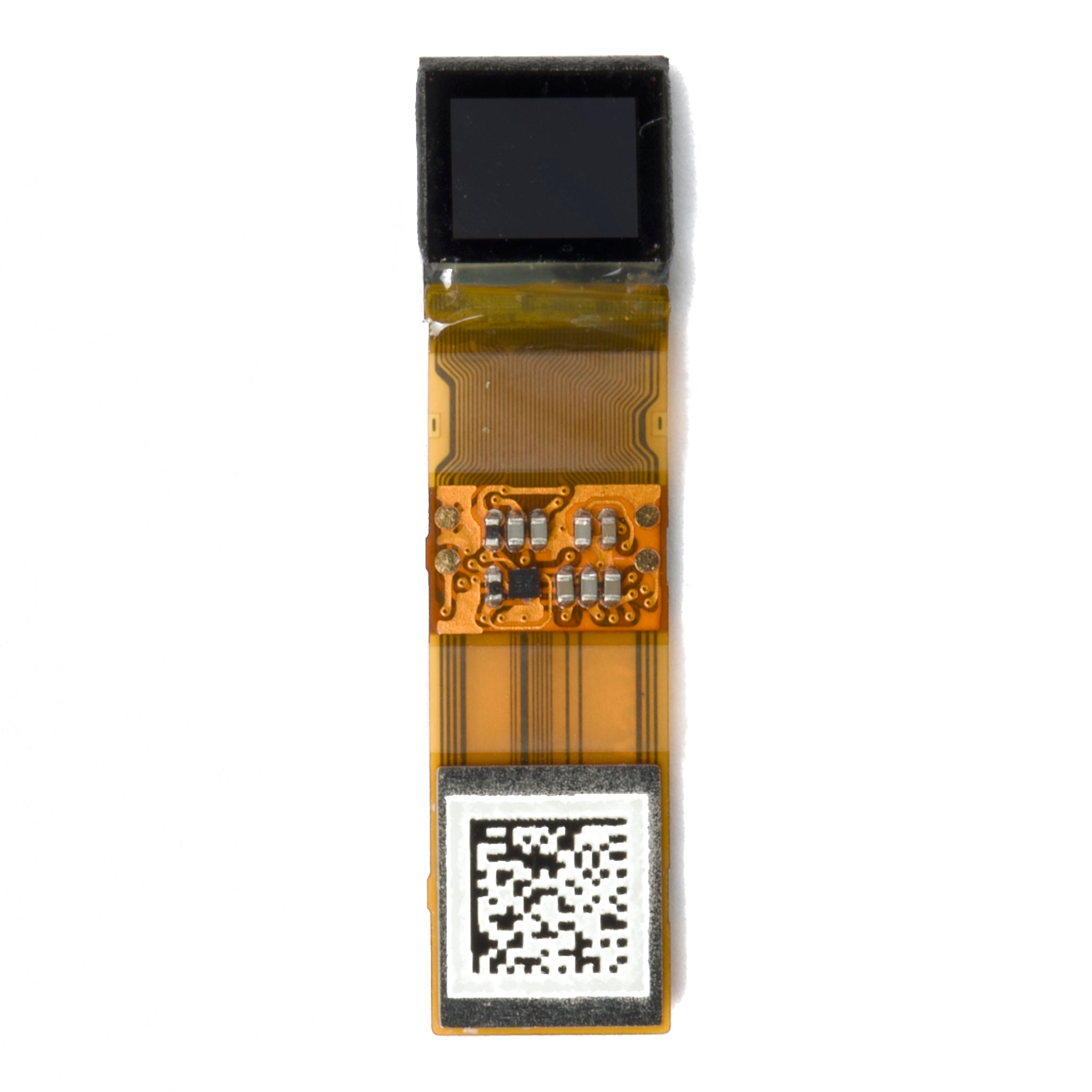
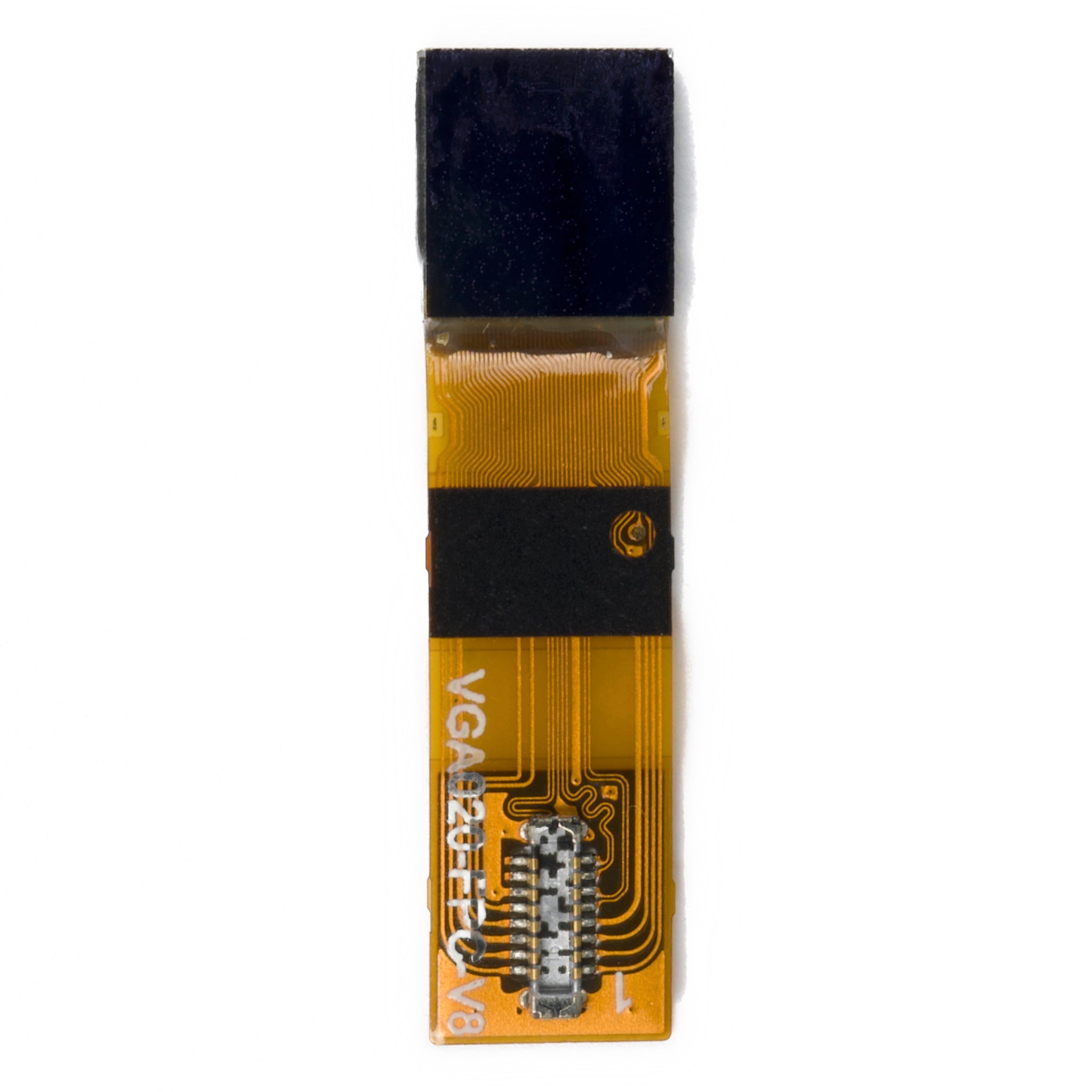
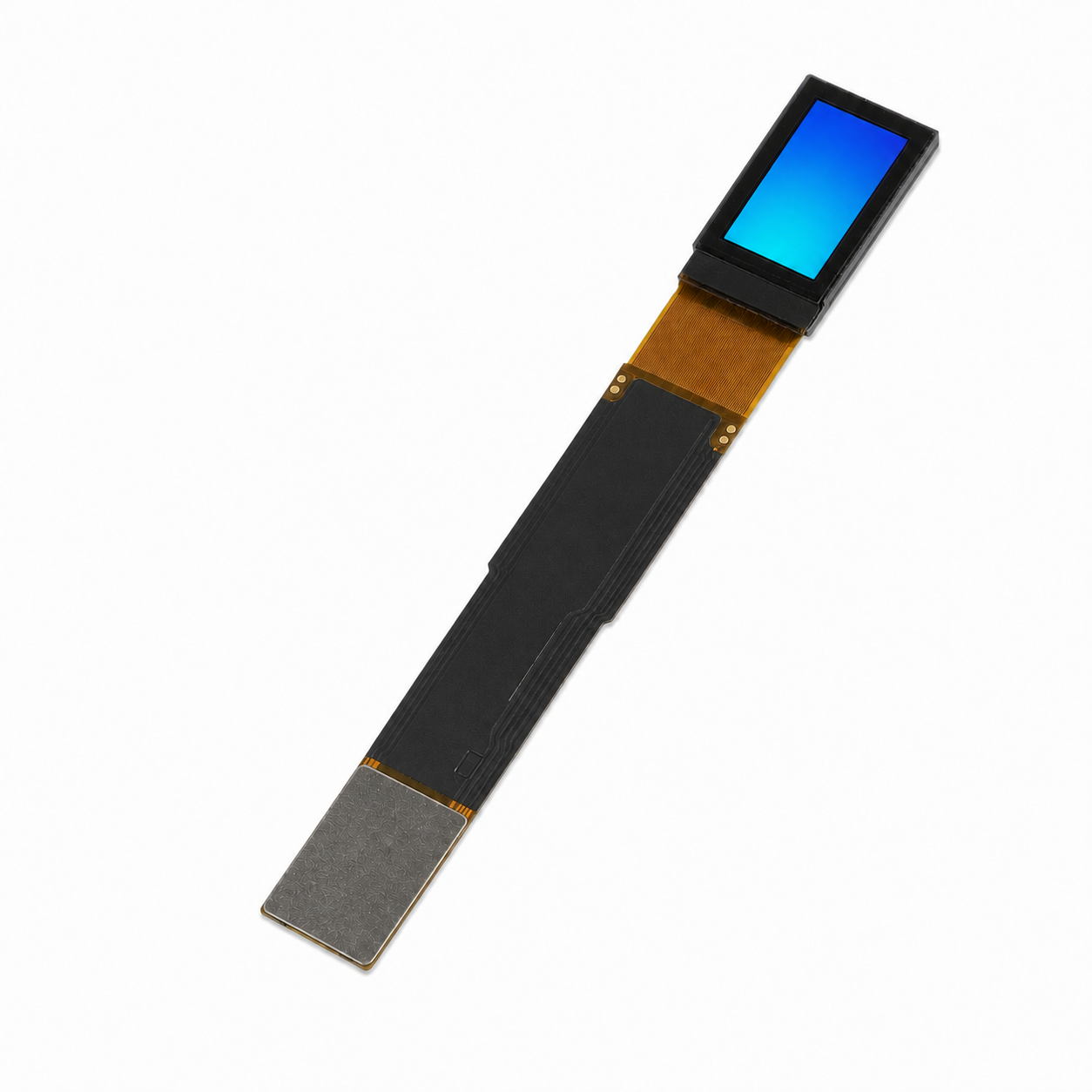
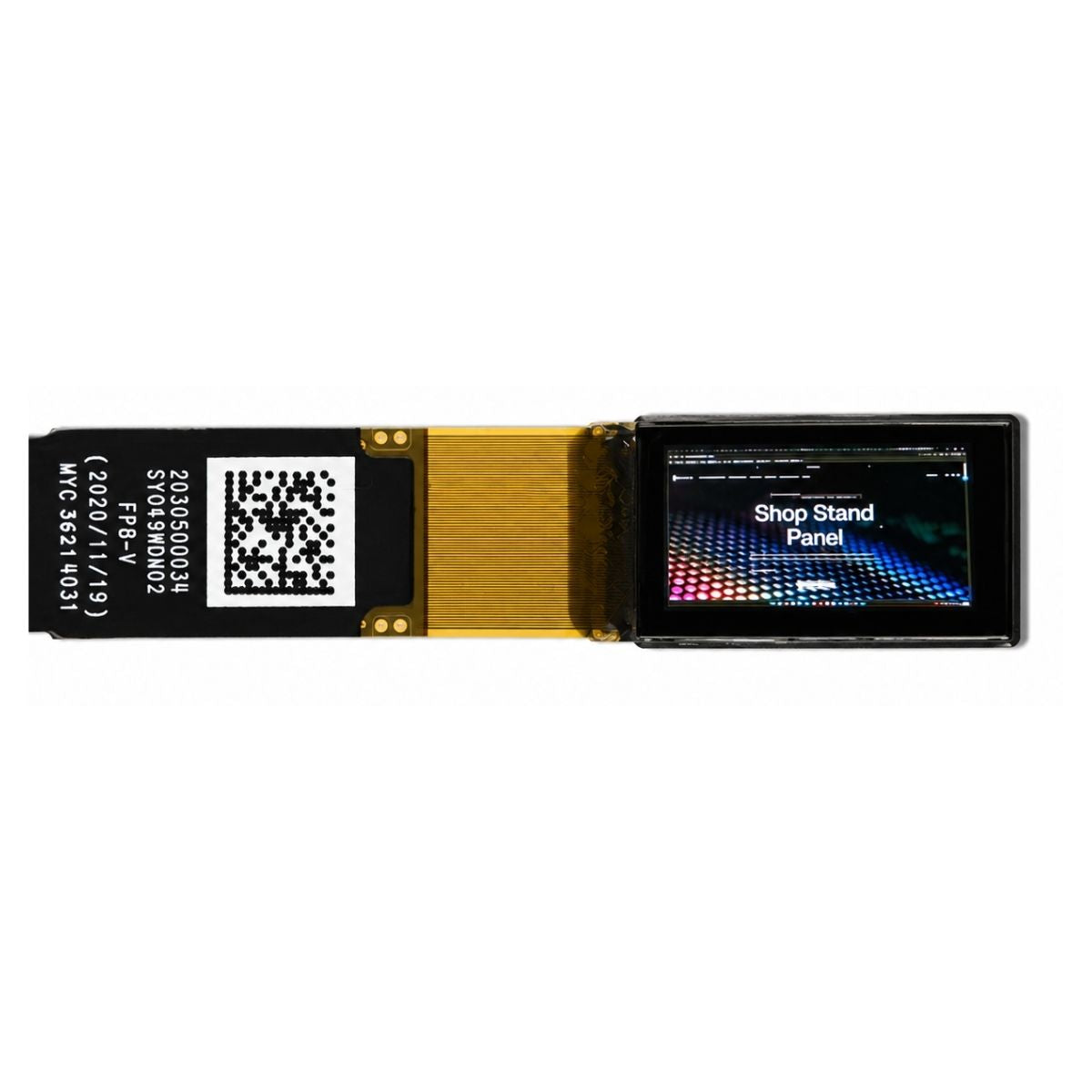
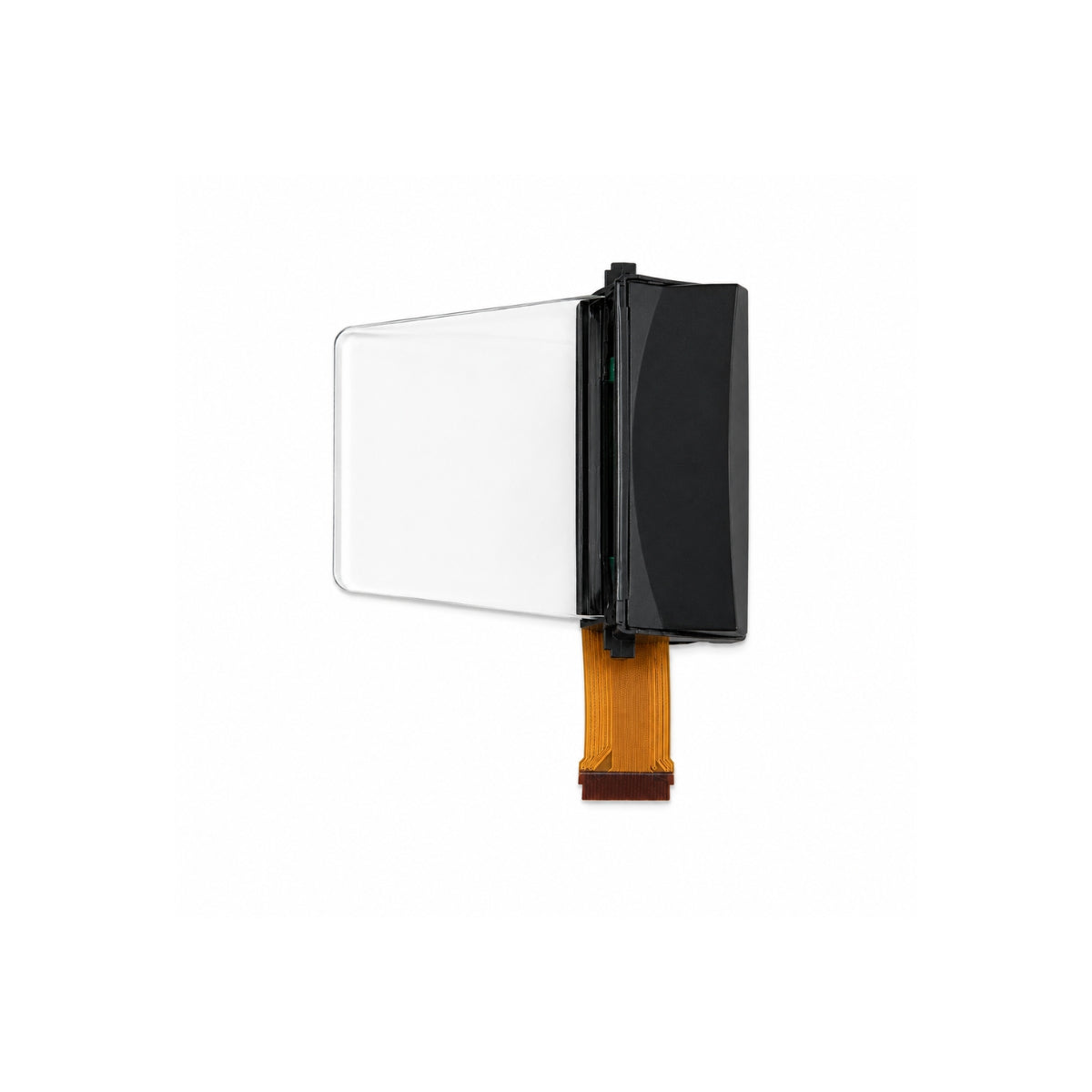
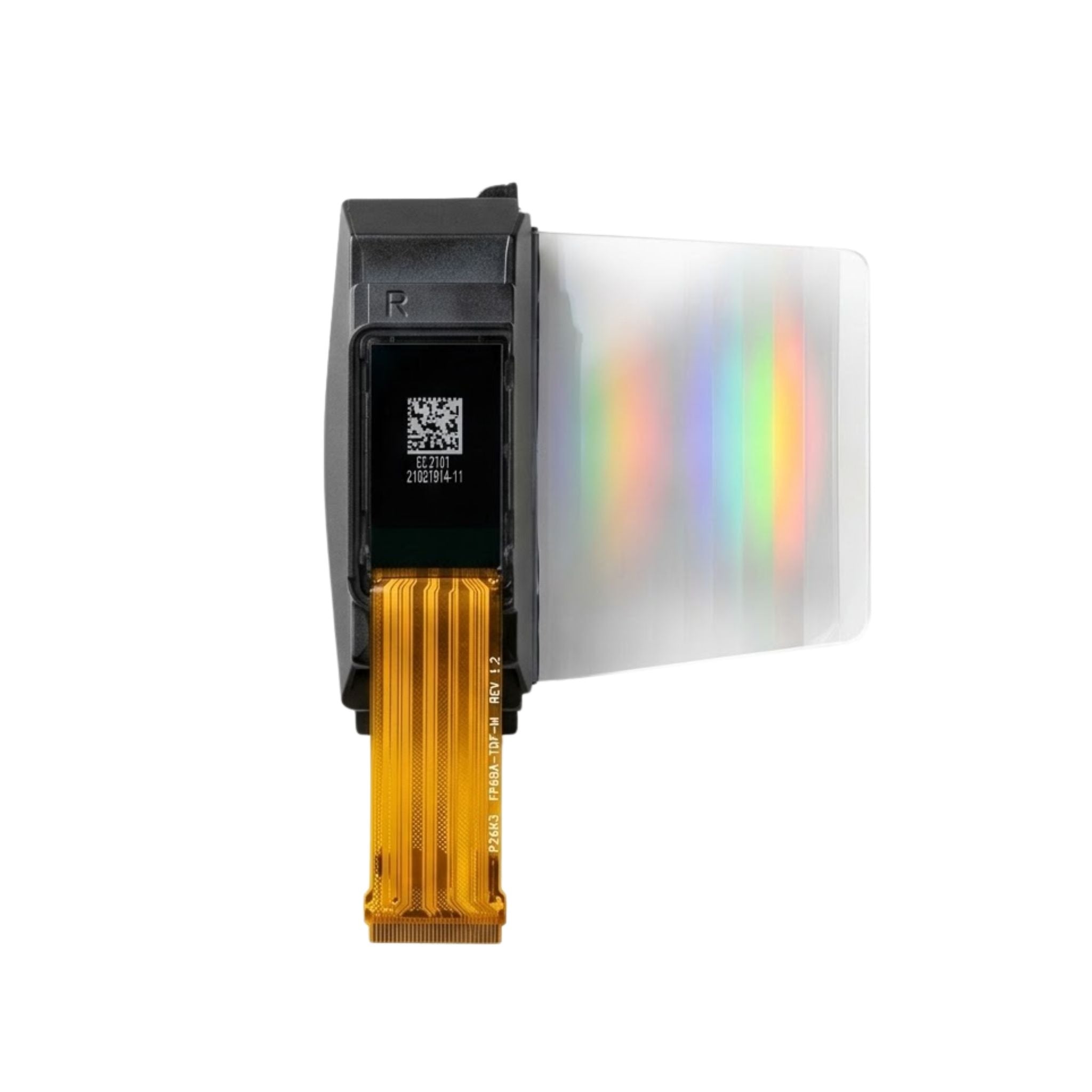


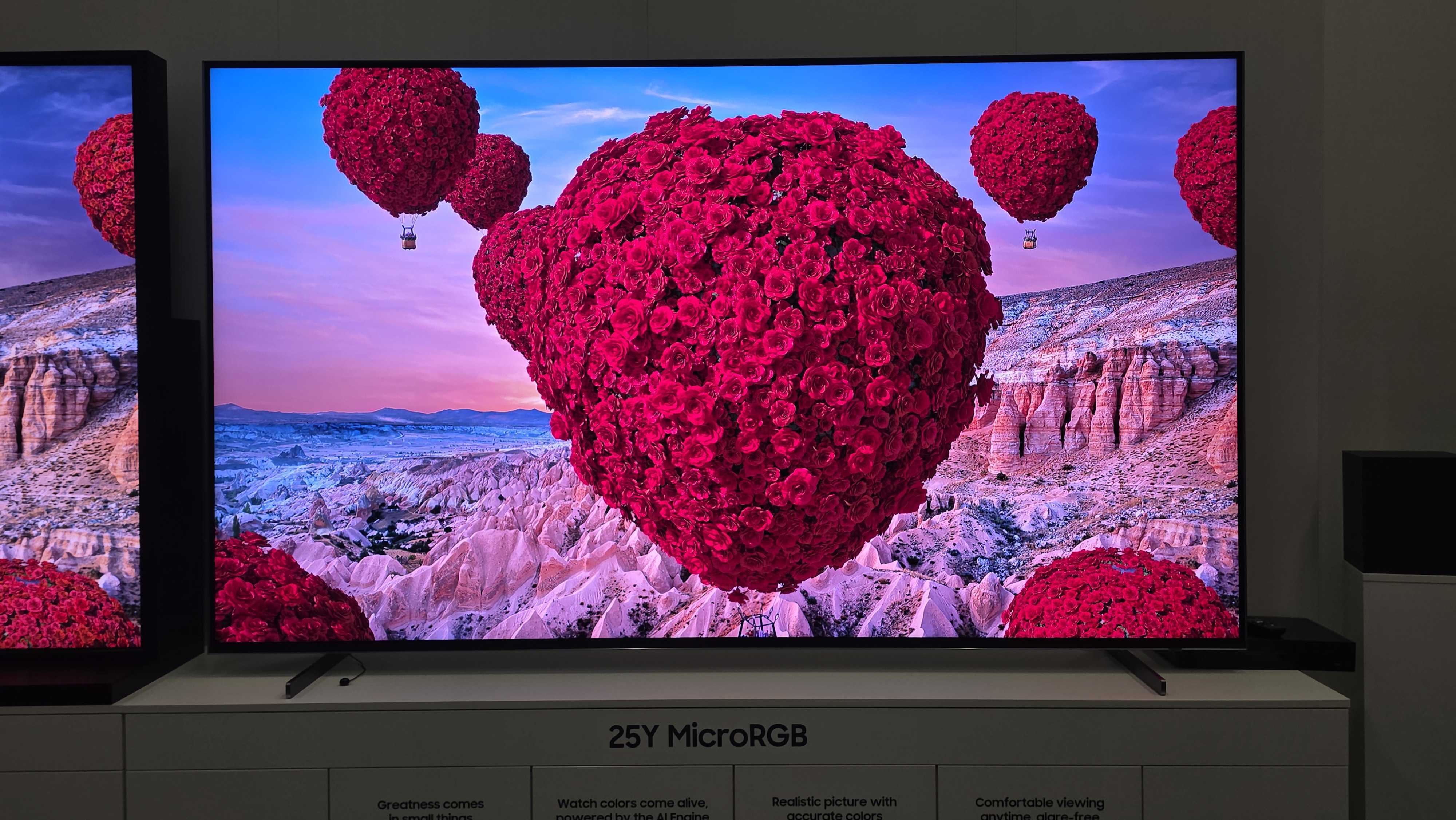
Micro OLED displays are typically produced by depositing organic light-emitting materials onto a small silicon or glass substrate (0.5–1.3 inches) using low-temperature vacuum evaporation at around...
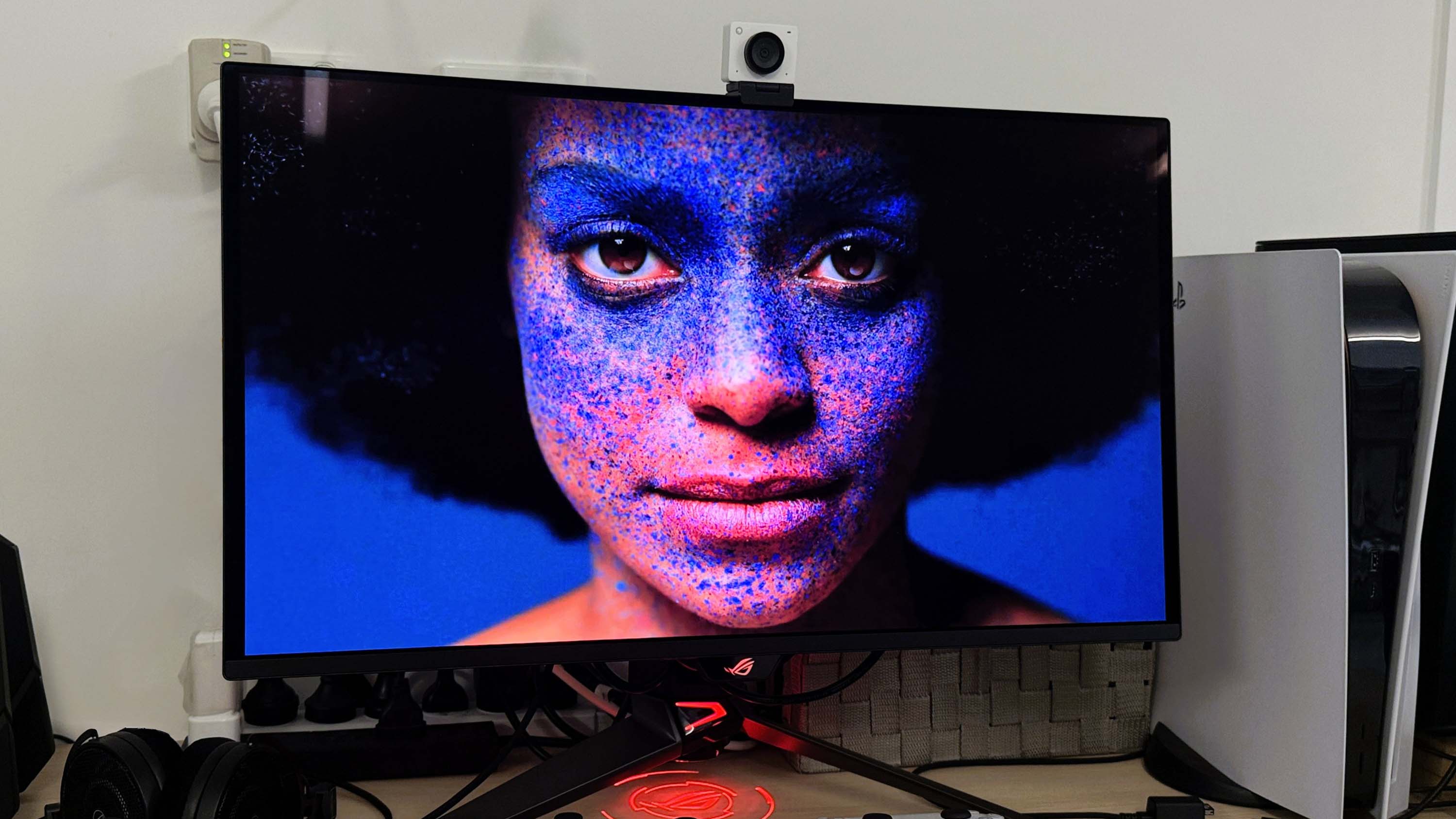
The two primary types of OLED are PMOLED (Passive Matrix OLED) and AMOLED (Active Matrix OLED); PMOLED uses simple row-column drivers for small screens (common in 1-2 inch smartwatches), while AMOL...

Several key factors influence IPS display pricing, with panel size and resolution being primary: a 24-inch 1080p model often starts around 120,while a 27−inch 4K version,requiring higher−gradepanel...
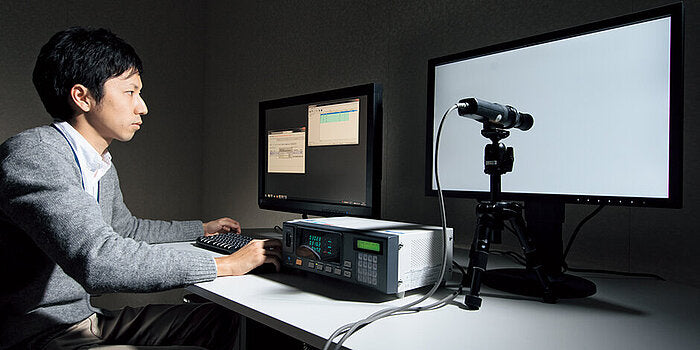
To calibrate an IPS display in 5 steps: first, set brightness to 120 cd/m² (standard for sRGB); second, adjust contrast to 70% to balance blacks/whites; third, fix color temperature at 6500K for ne...
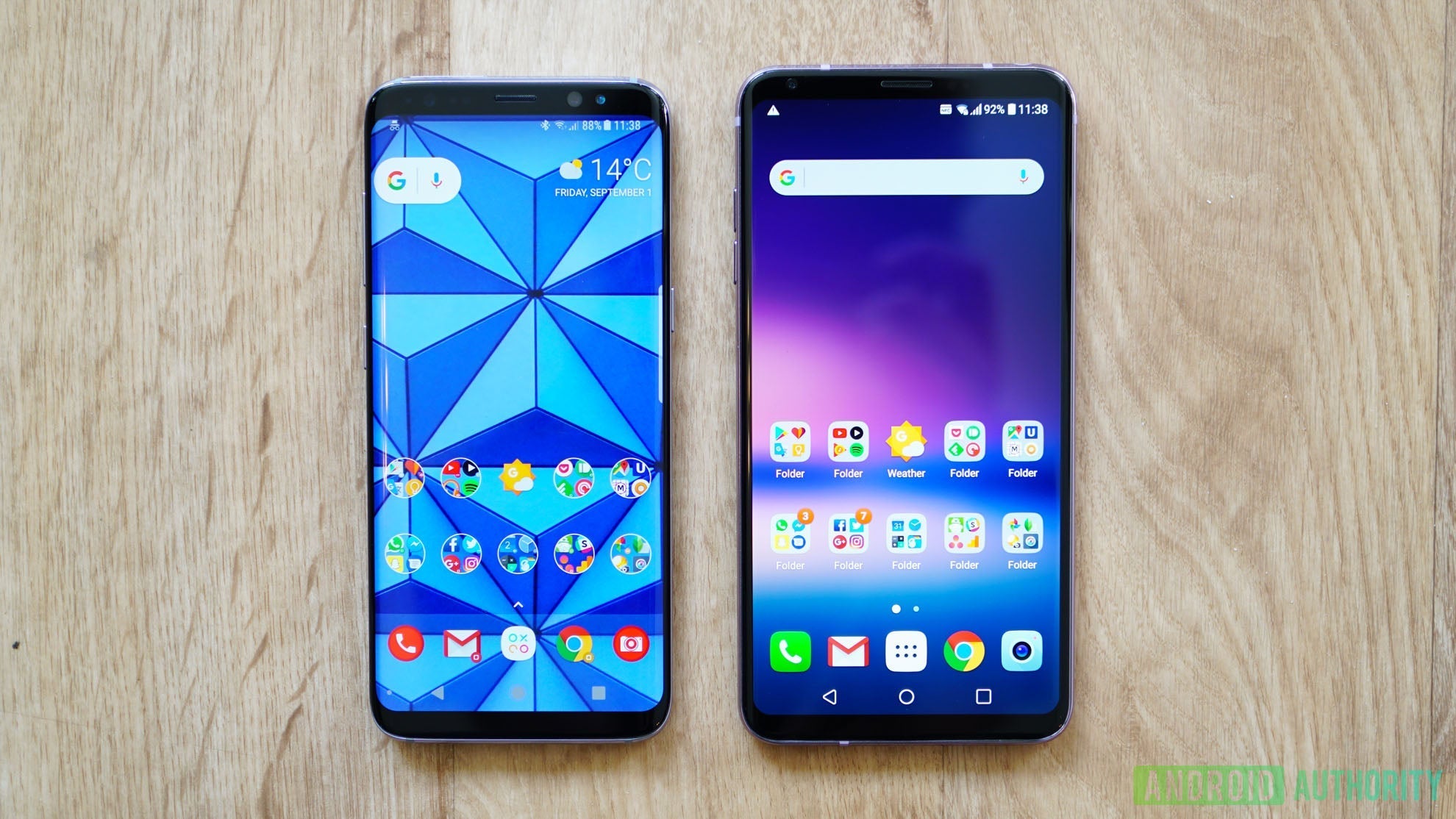
AMOLED and IPS differ in key areas: AMOLED offers infinite contrast (vs. IPS’s ~1000:1) as self-emissive pixels turn off for true blacks, while IPS relies on a backlight, dimming deep blacks; AMOLE...
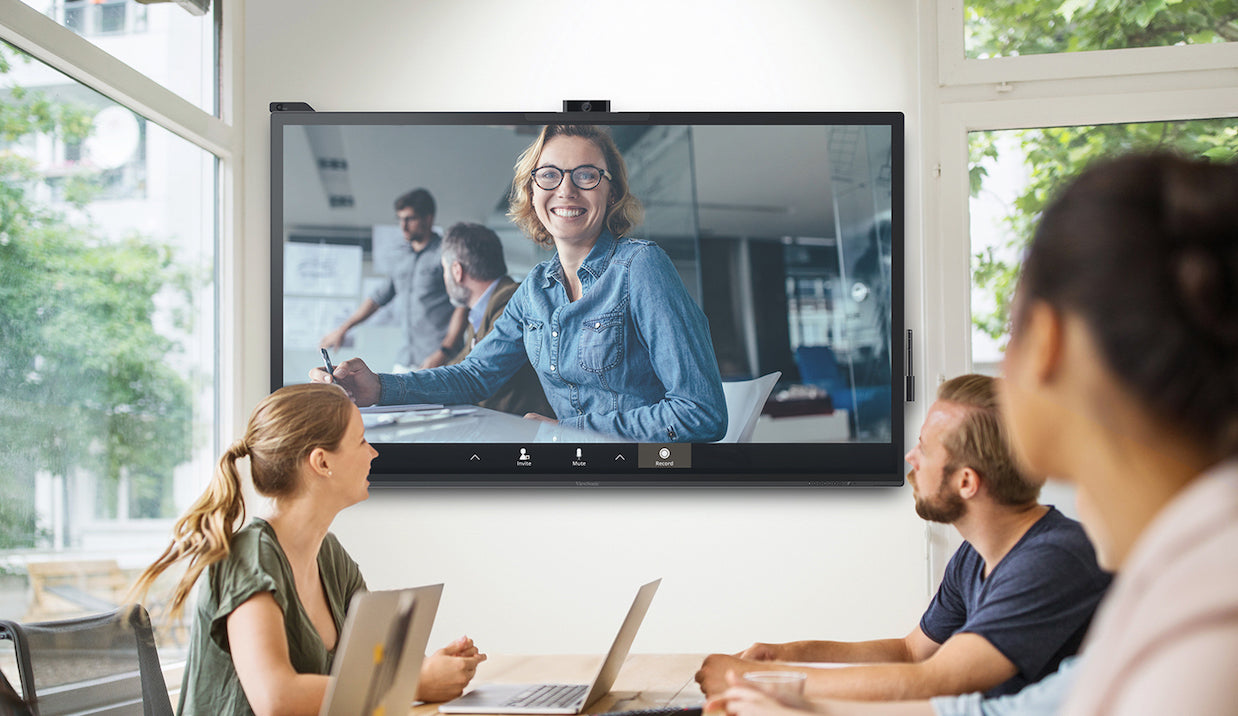
For industrial IPS displays, focus on 700 nits minimum brightness (sunlight visibility), 1000:1 contrast ratio (sharp text), -20°C to 60°C operating range (harsh environments), 500+ hours scratch r...
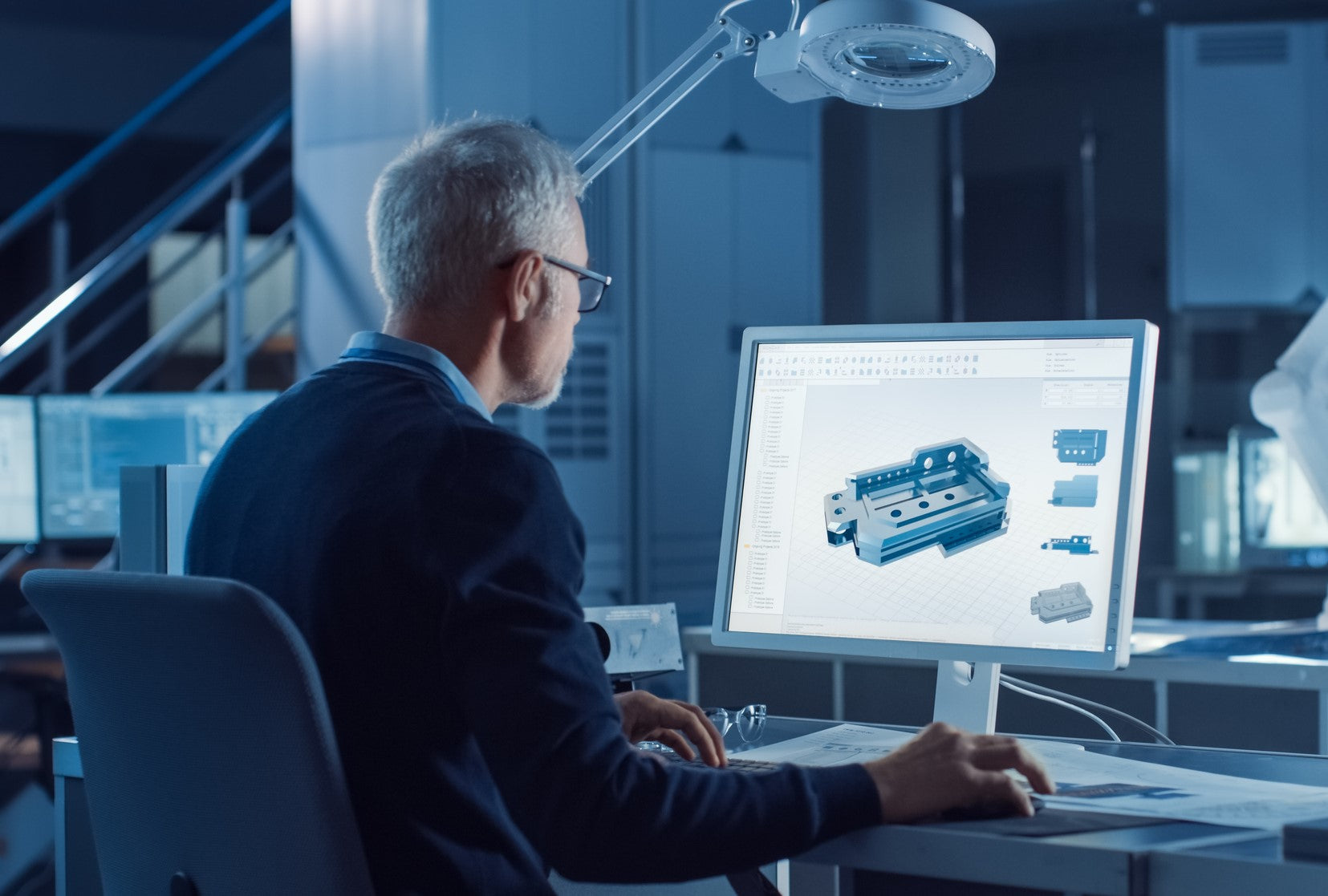
IPS displays shine with 178-degree wide viewing angles (vs. TN panels’ ~160°), keeping colors consistent from nearly any position; their Delta E < 2 color accuracy ensures minimal deviation, per...
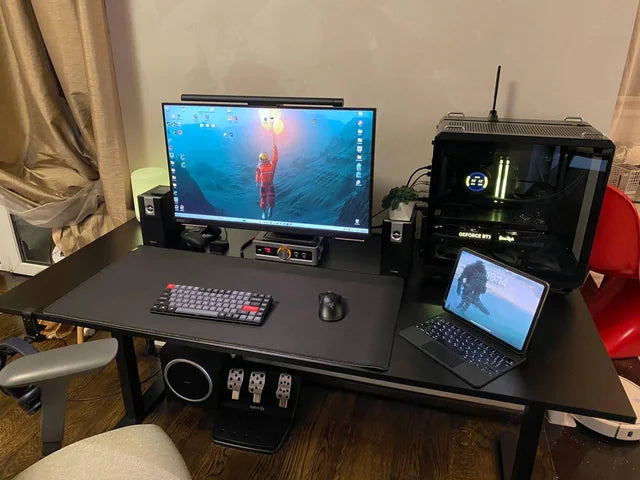
When choosing an IPS display, prioritize 24-27-inch sizes for balanced screen real estate, 1080p or 2K resolution (1920x1080 or 2560x1440) for sharpness, and sRGB 99%+ color coverage for vibrant vi...
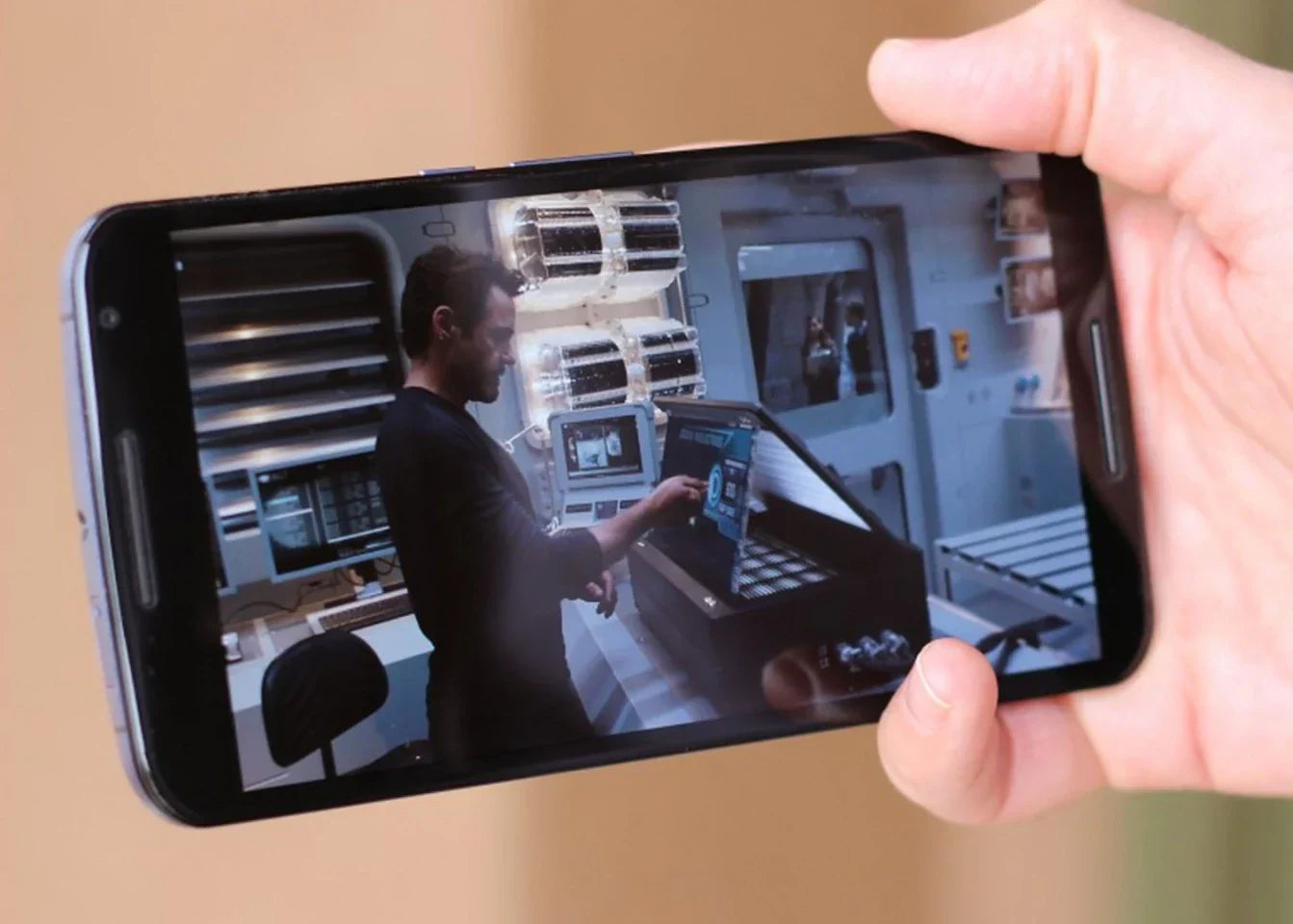
Mobile phones embrace IPS displays due to their 178-degree wide viewing angles (outperforming TN panels' ~160°) and 95%+ sRGB color accuracy, ensuring vibrant, consistent visuals even when viewed f...