

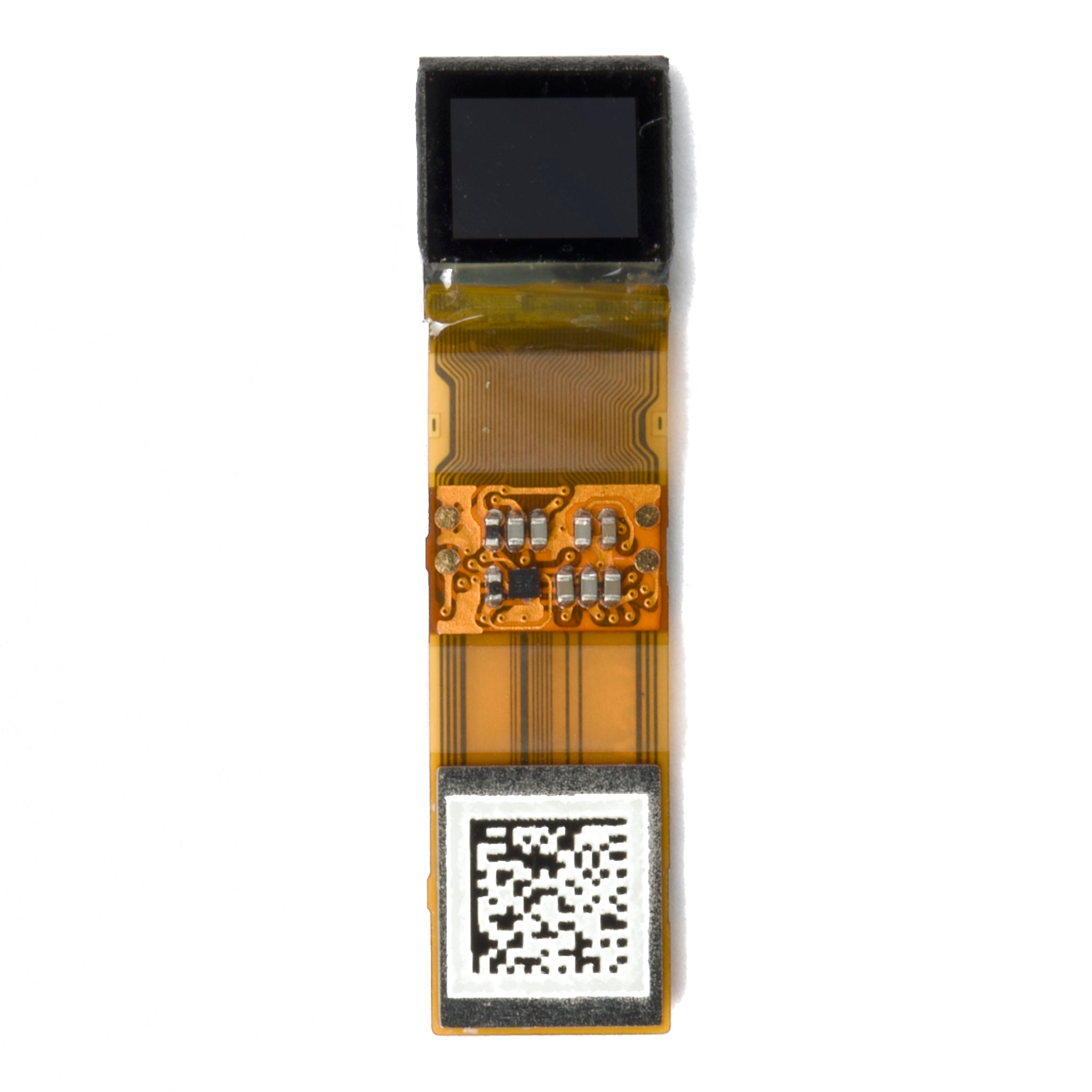
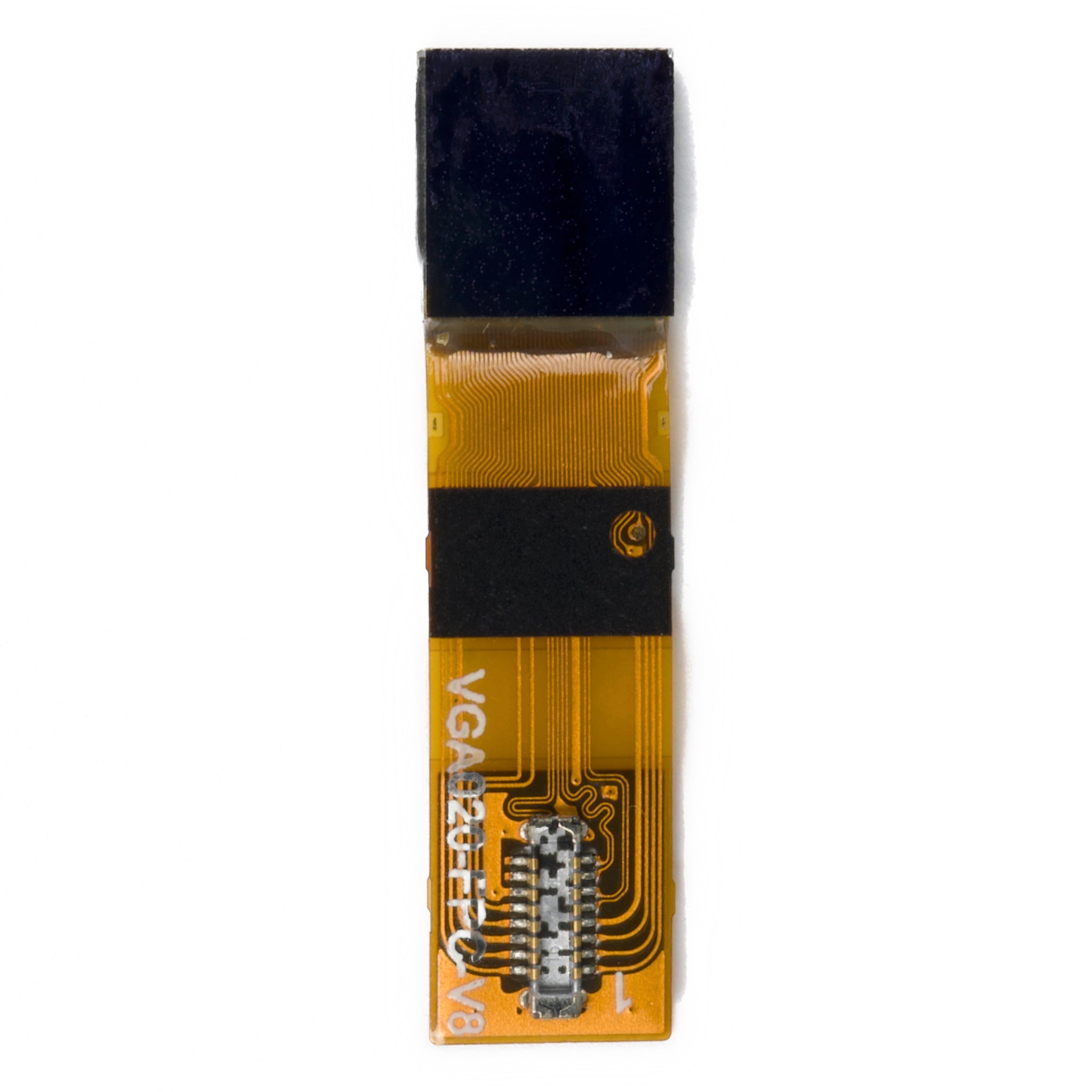
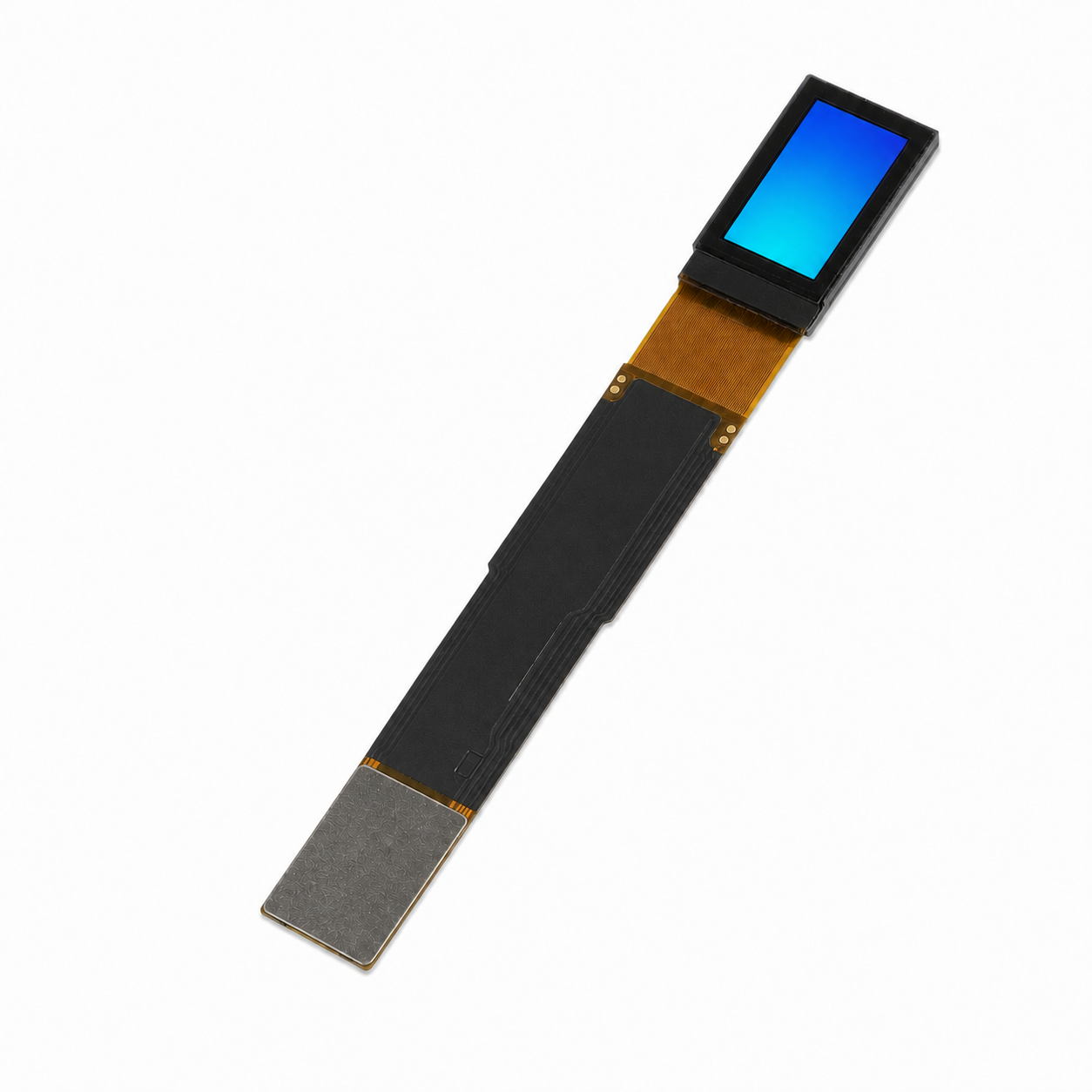
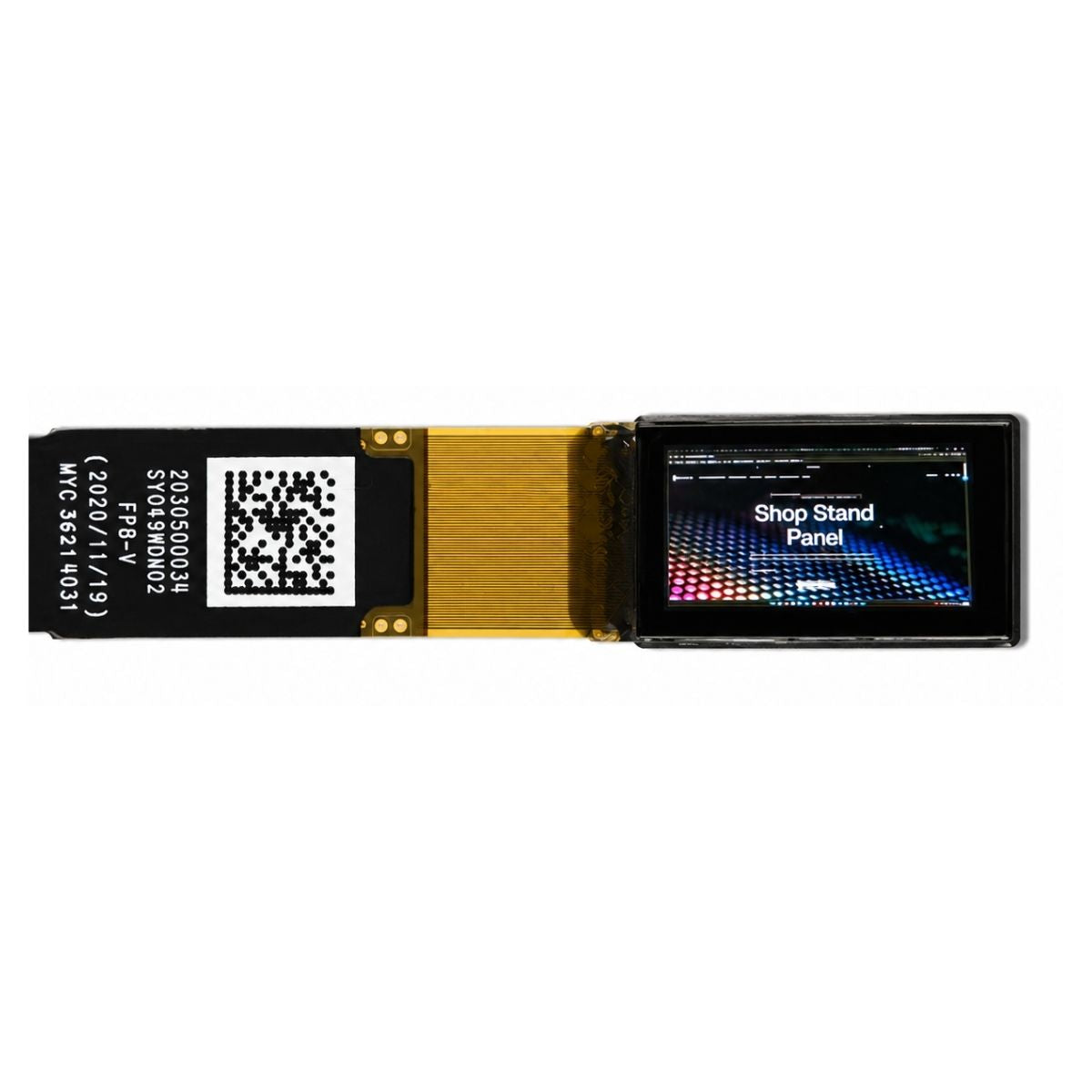
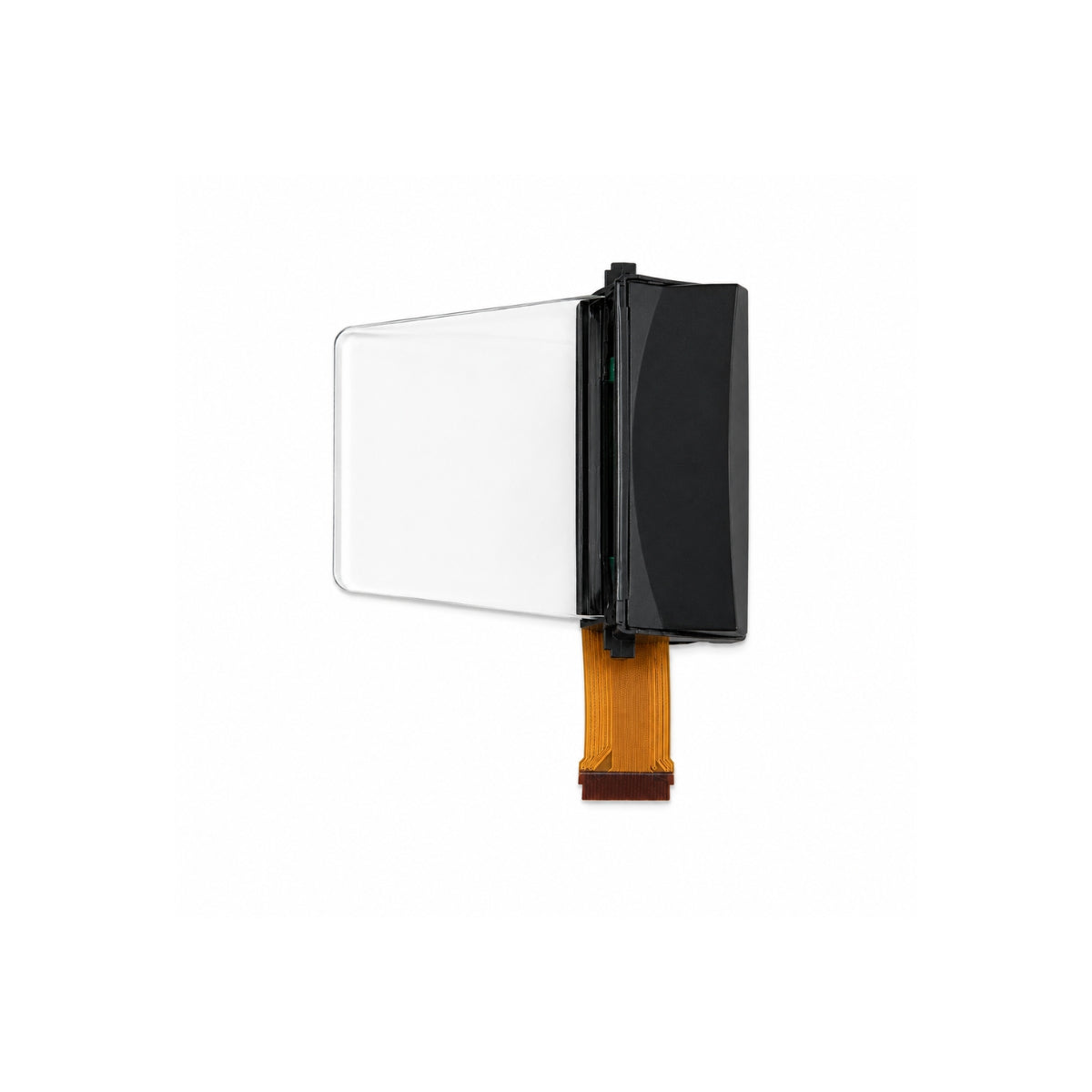
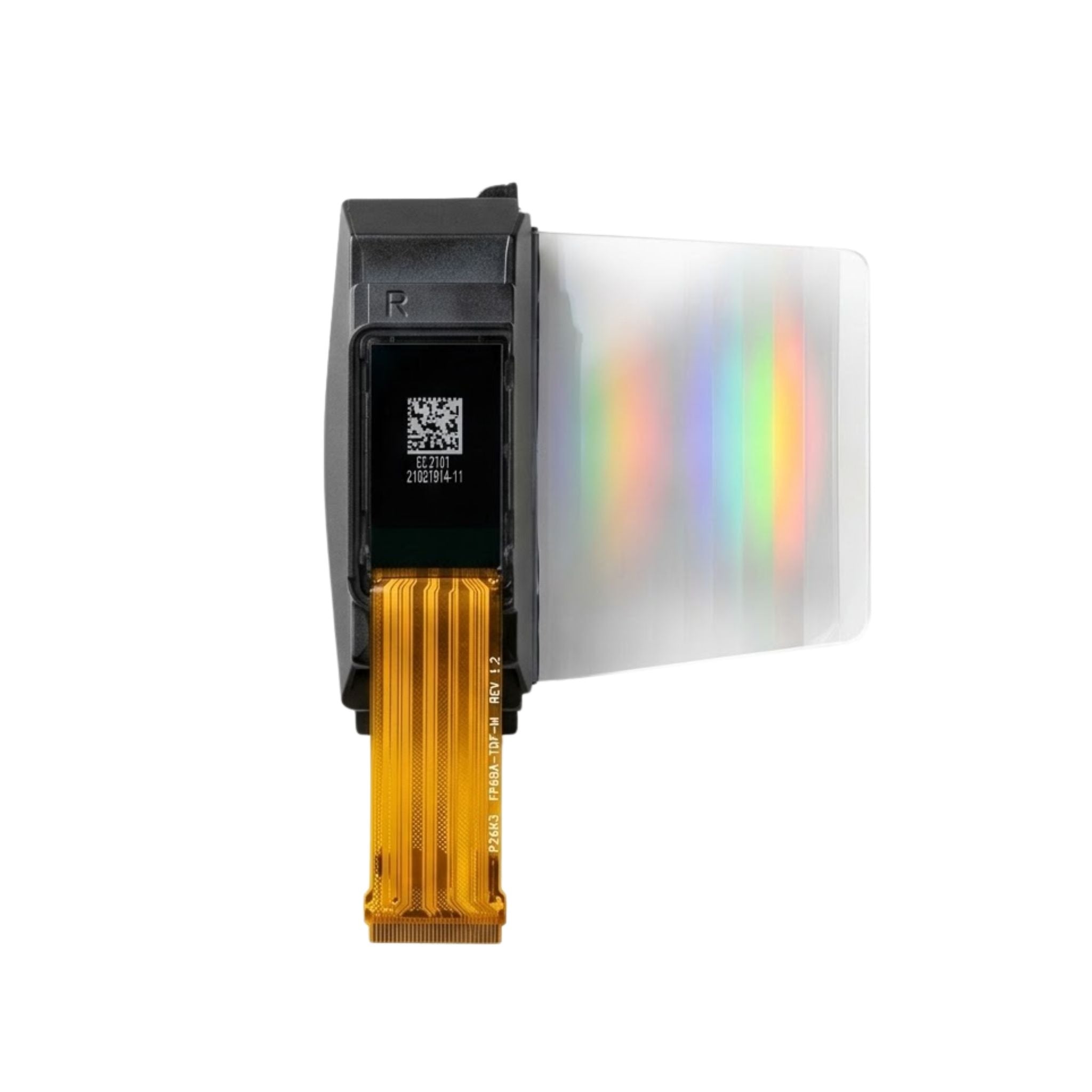


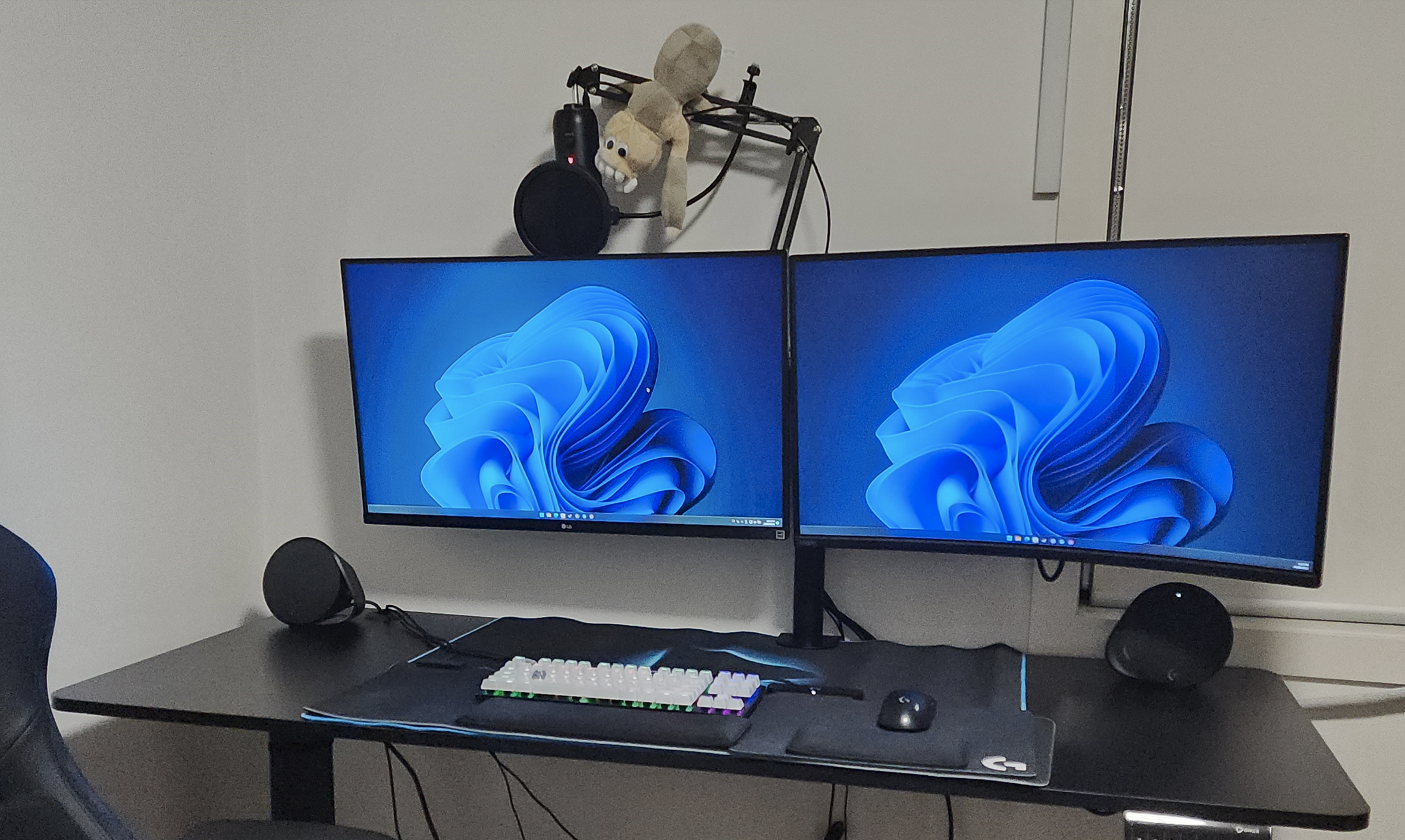
An IPS (In-Plane Switching) display, a subtype of LCD technology, primarily differs in viewing angles and color performance: IPS panels boast 178-degree wide viewing angles (vs. ~160 degrees on bas...
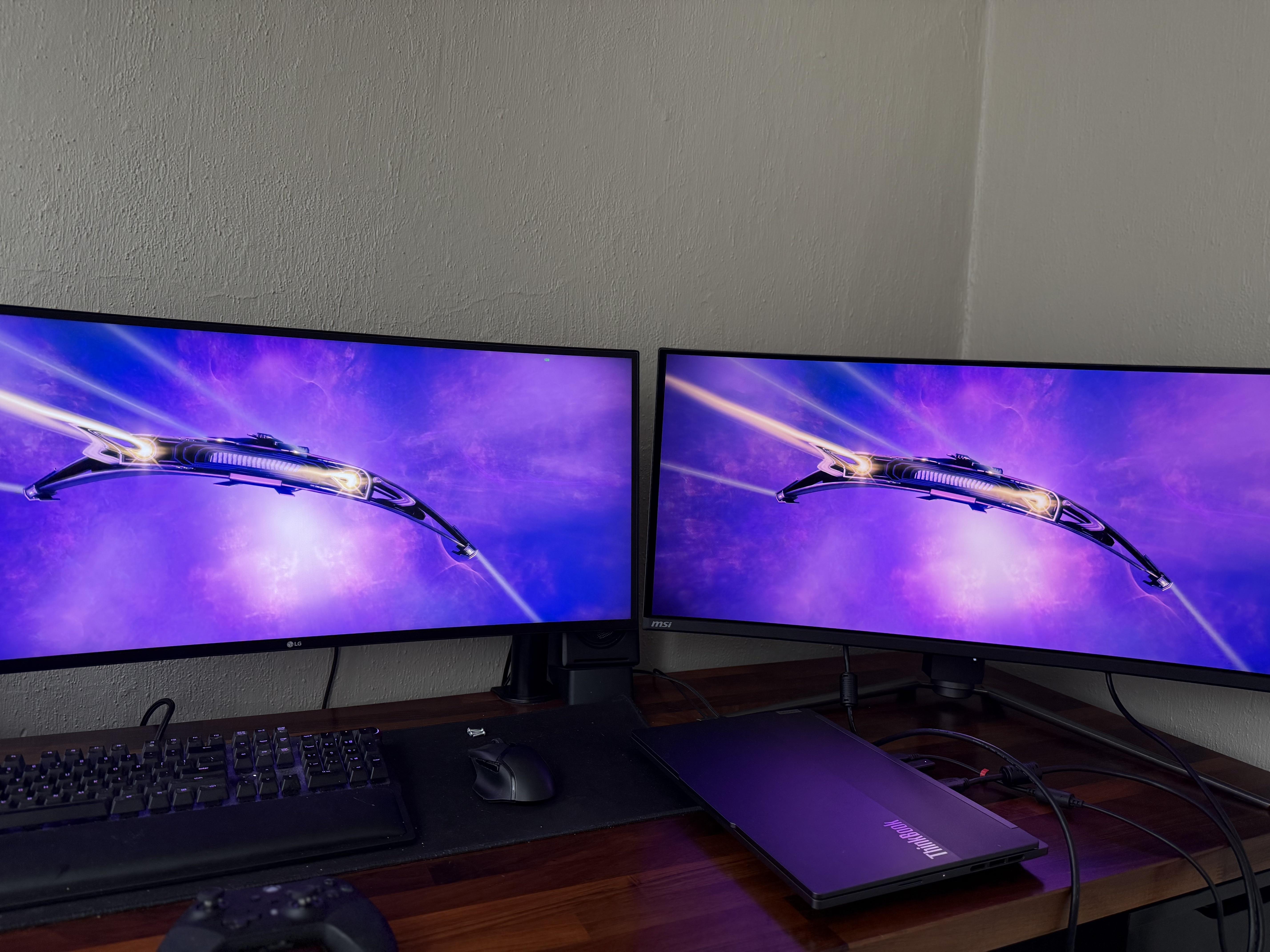
To identify a high-quality IPS panel, check for ≥99% sRGB or 90%+ DCI-P3 color gamut coverage for vibrant hues, a ΔE<2 color accuracy (minimal deviation from true colors), and a contrast ratio o...

The response time of an IPS panel generally falls between 1ms and 5ms, with common consumer models often reaching around 4ms (gray-to-gray), a speed that helps reduce motion blur, ensuring smooth v...
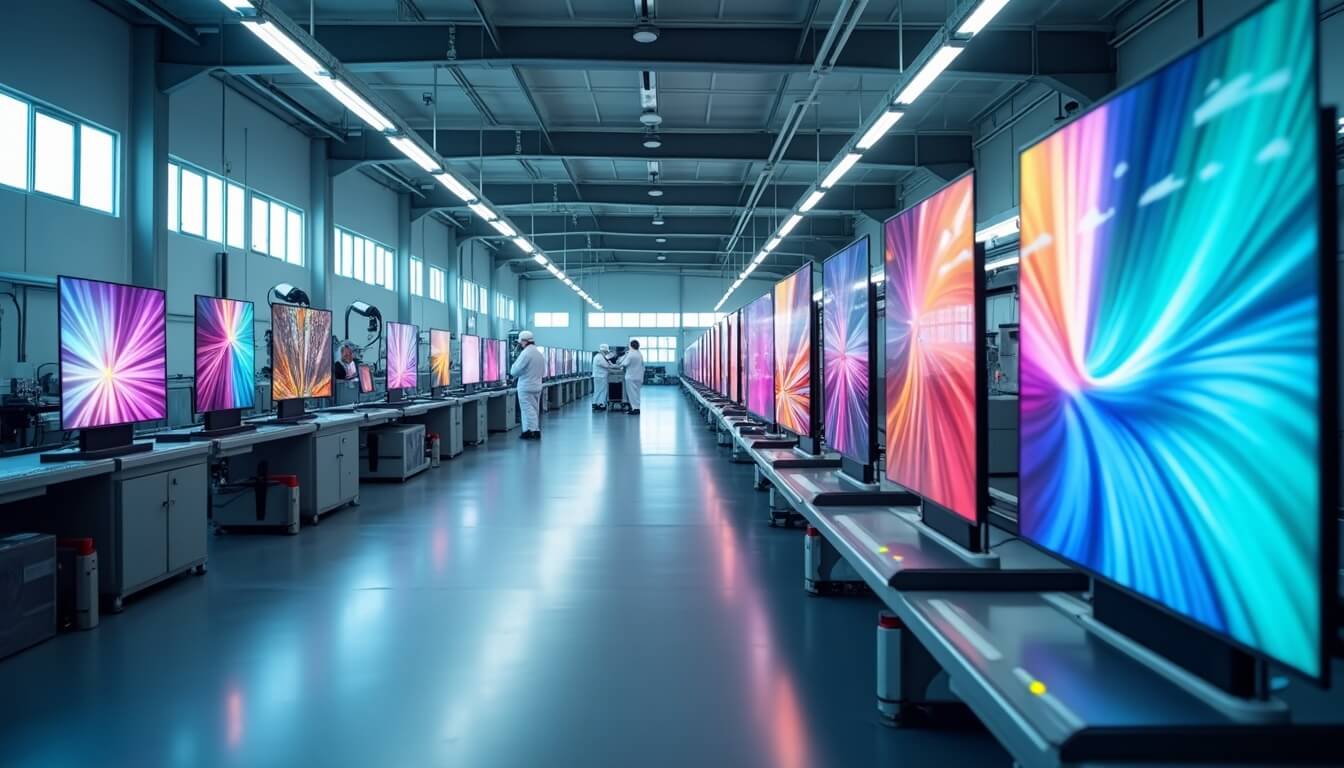
To choose a custom IPS display manufacturer, focus on technical precision (e.g., 1000+ nits peak brightness), ISO 9001 certification (<0.5% defect rates), and >3 years of tailored project exp...
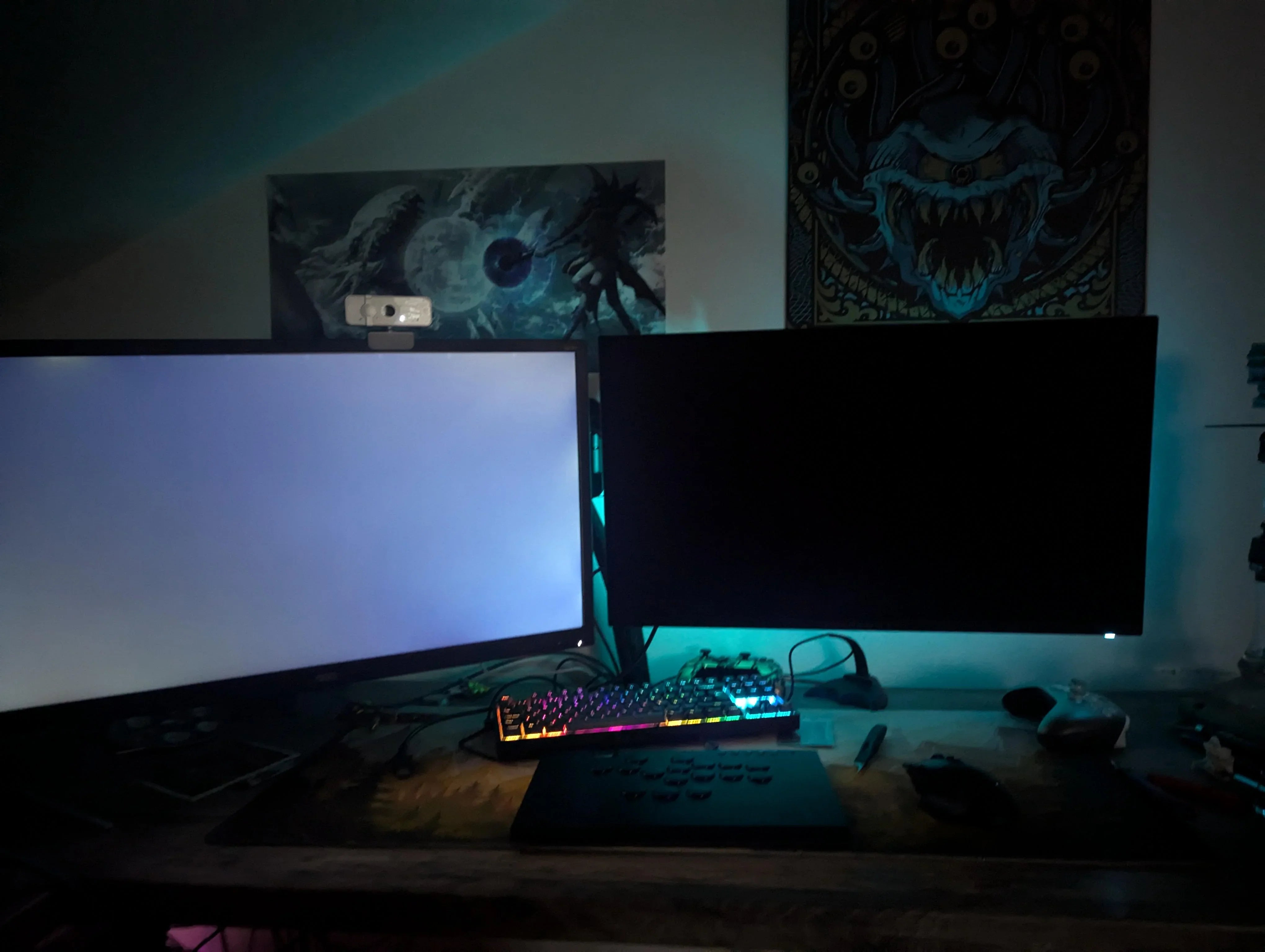
For IPS display quality assurance, five key viewing angle tests include contrast retention (≥85% at 60°), color accuracy (ΔE <3 at 45°), brightness uniformity (≤15% edge-to-center variance), per...
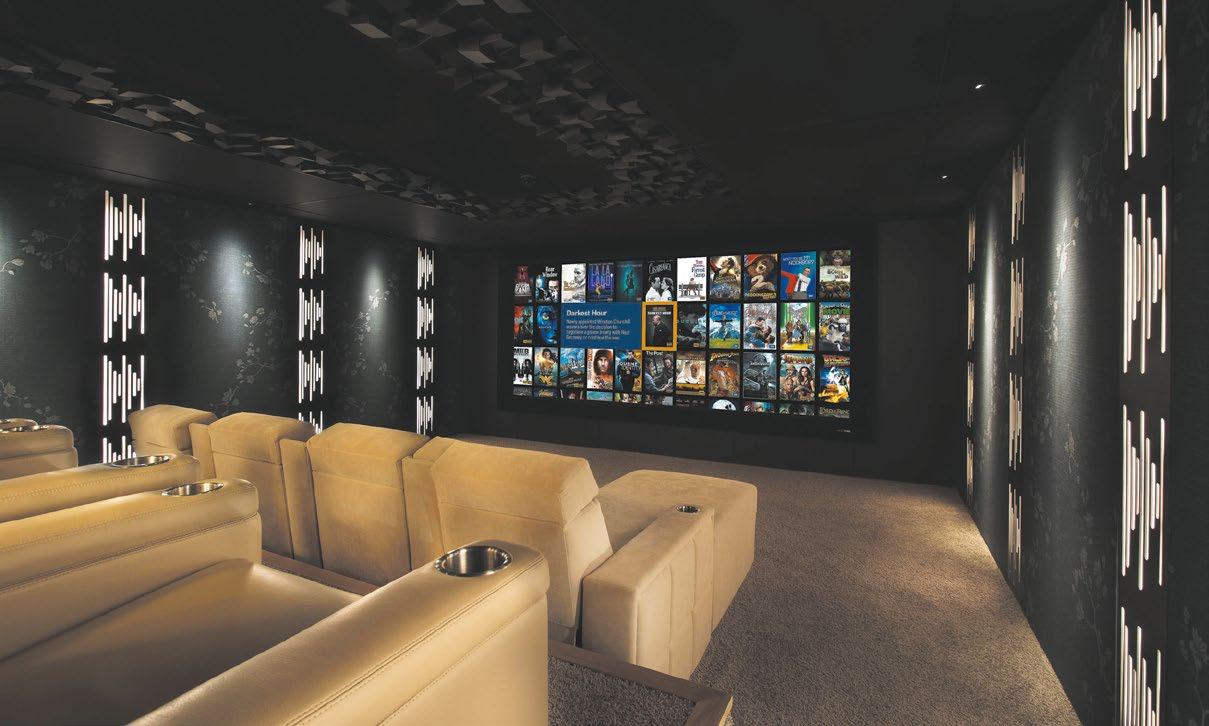
In 2025 wholesale markets, custom OLED displays show six key trends: 30% YoY growth driven by portable tech demand, popularity of 5.5-7.0-inch mid-size panels for wearables, 4K resolution adoption ...
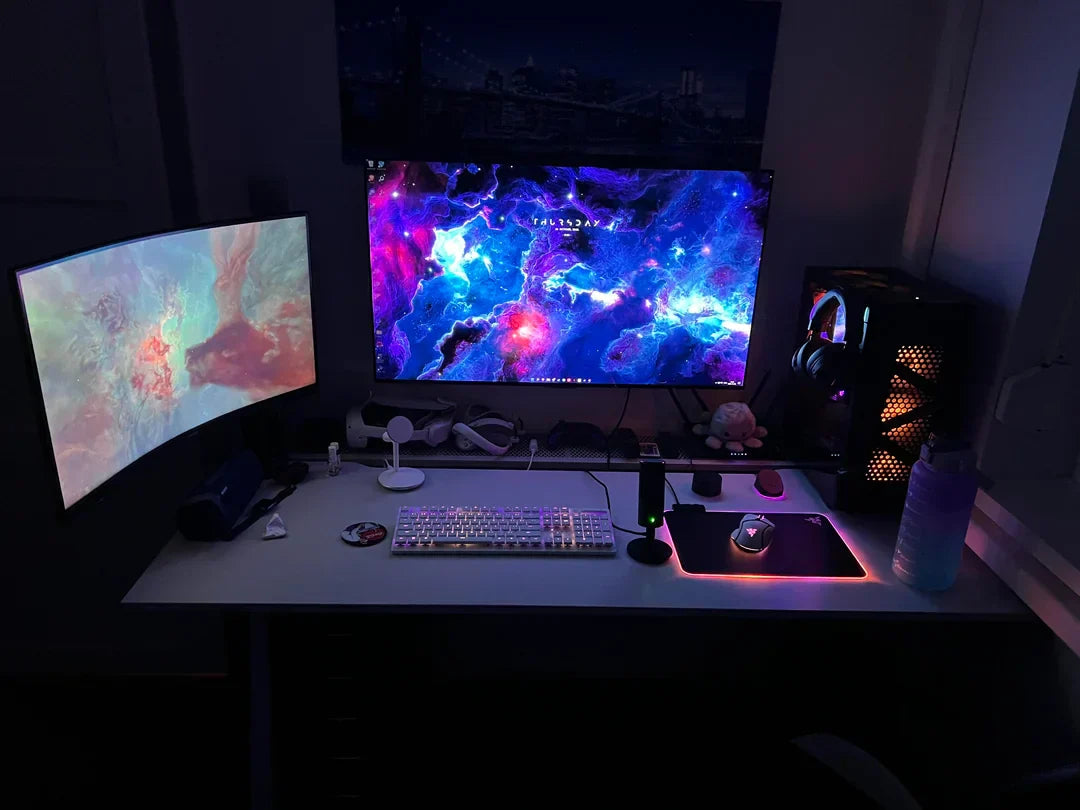
IPS and LCD differ in key aspects: LCD is a broad tech using liquid crystals, while IPS is an LCD subtype optimizing angles/color. IPS offers wider viewing angles (±89° vs. ±45° for basic LCDs) wit...

Collaborating with experts on Custom TFT Displays delivers tangible advantages: 30% faster prototyping due to streamlined design workflows, 25% lower long-term maintenance costs via precision engin...
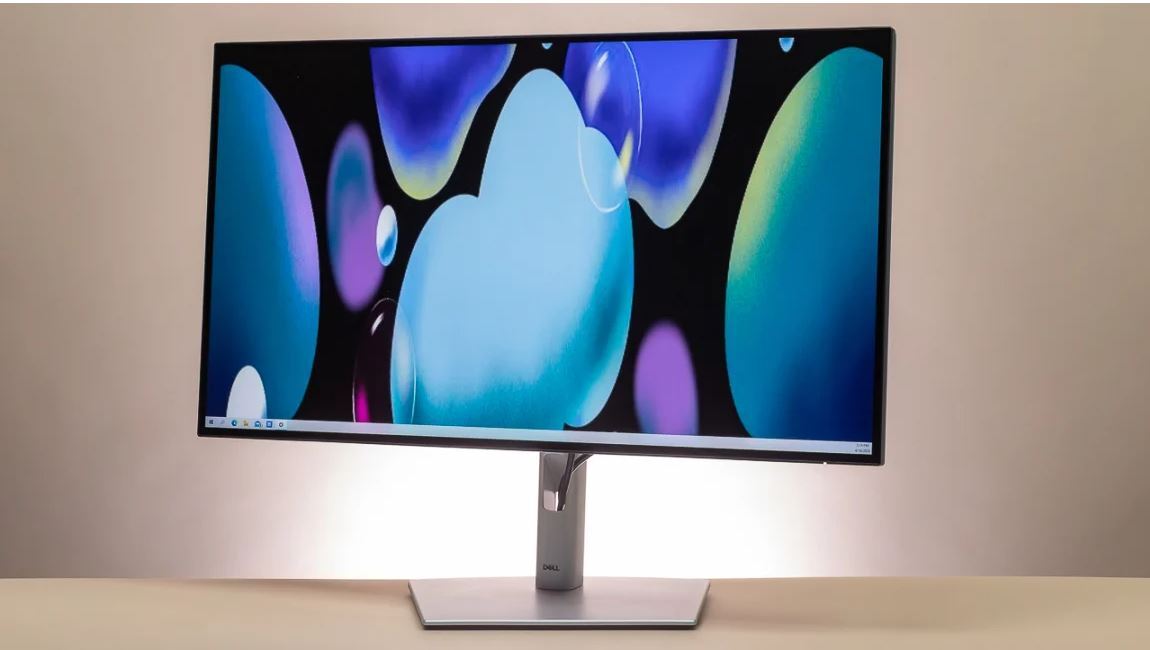
When choosing IPS mobile displays, manufacturers focus on six criteria: color accuracy (ΔE < 2), response time (≤5ms), brightness (≥1000nits), durability via MIL-STD-810G testing, 15% lower powe...