

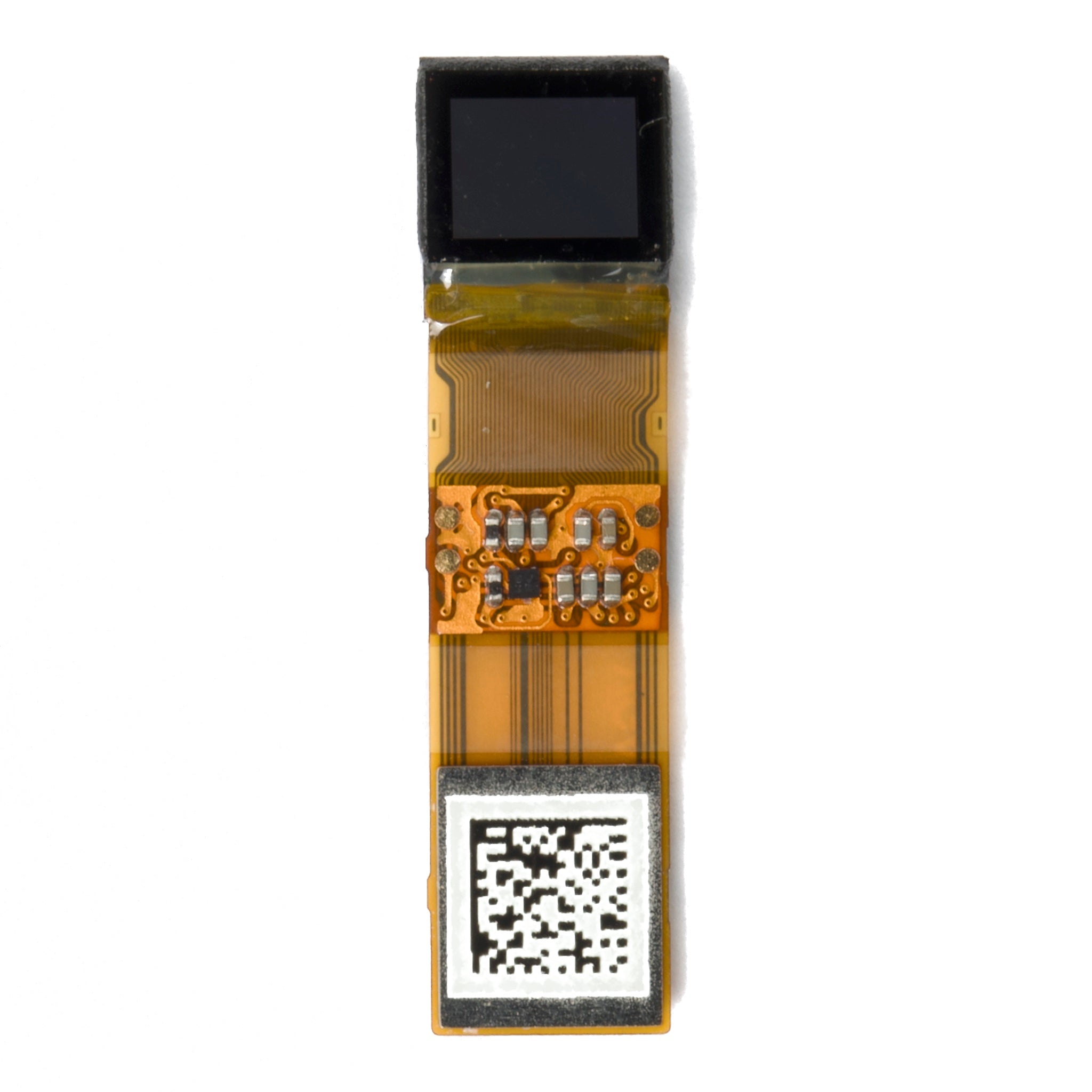
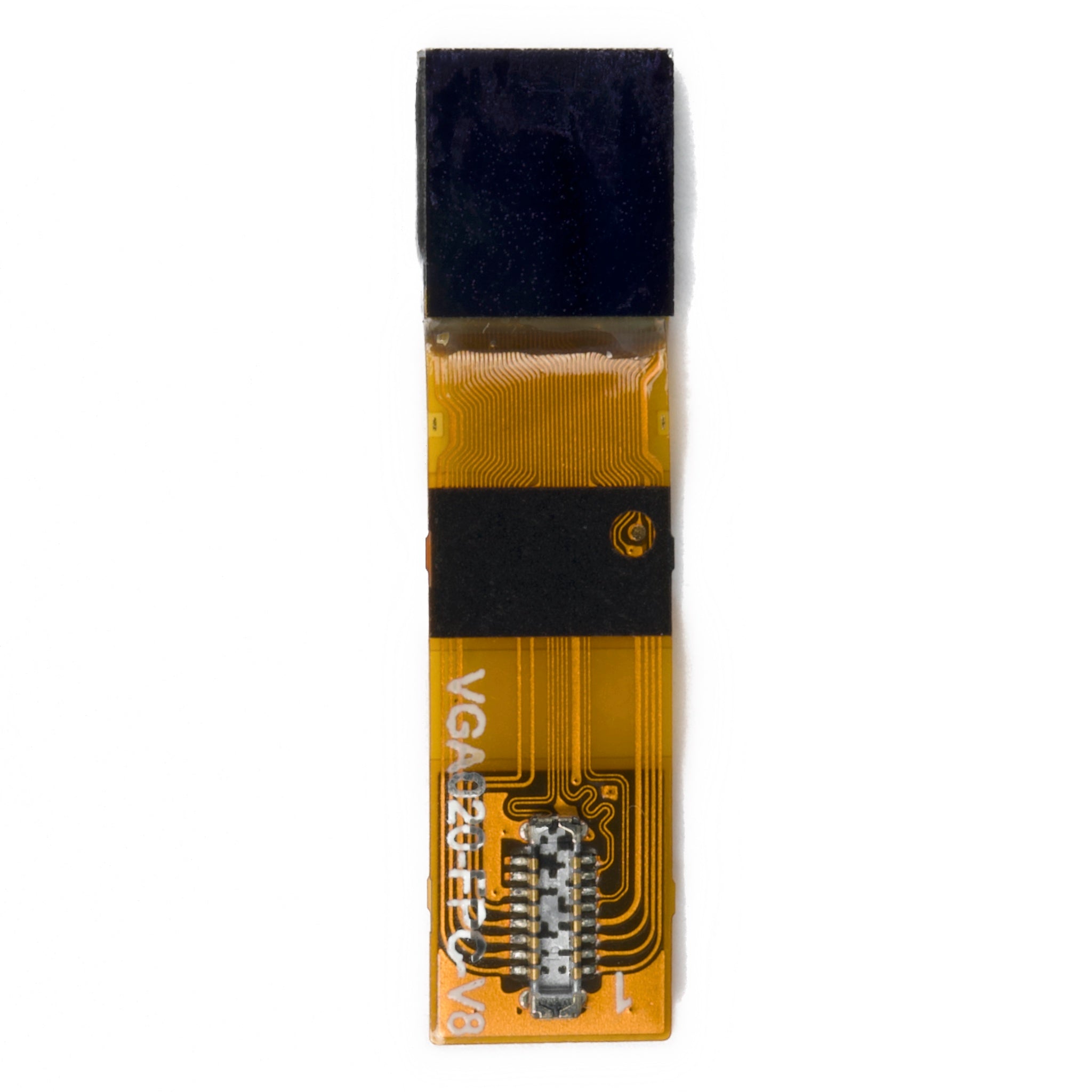
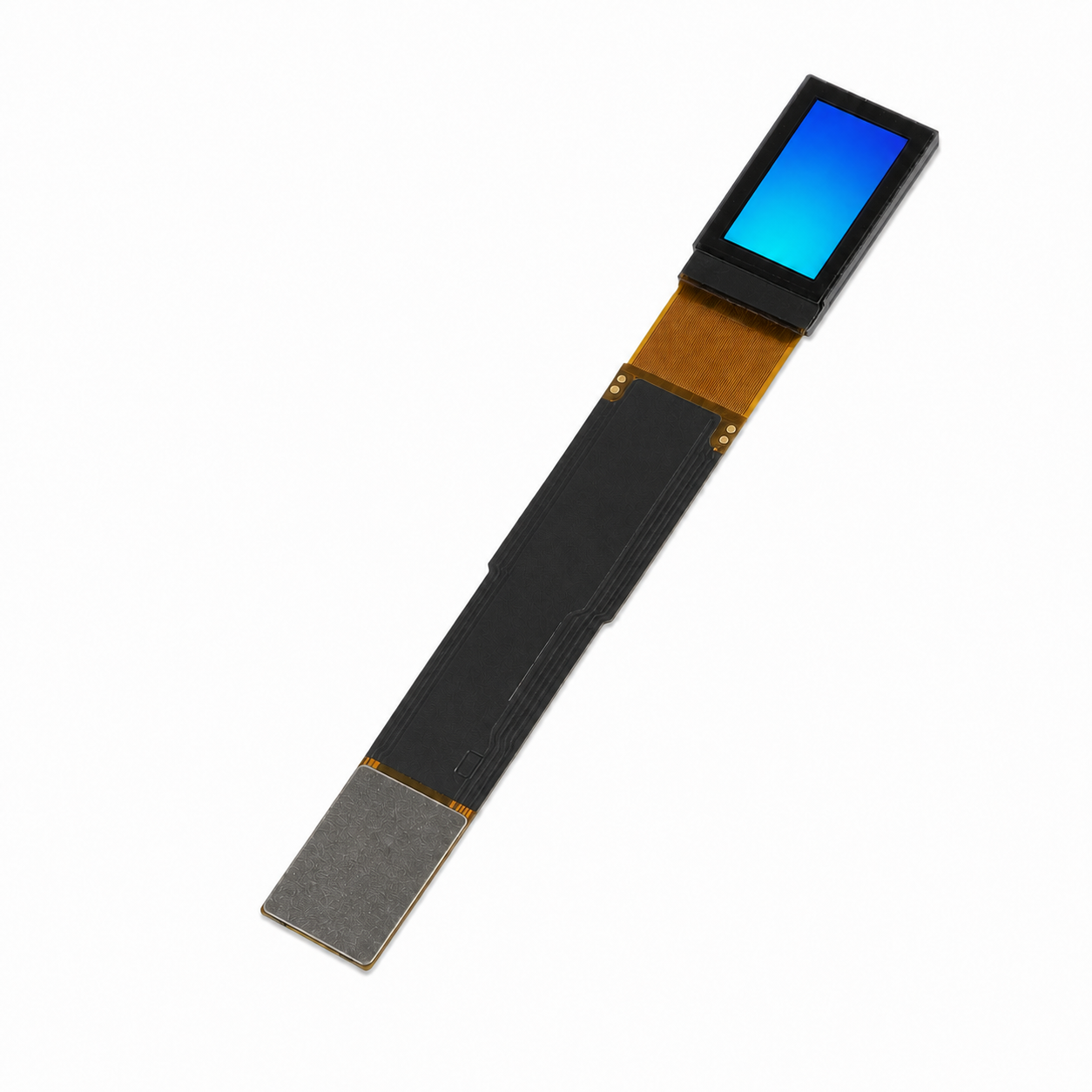
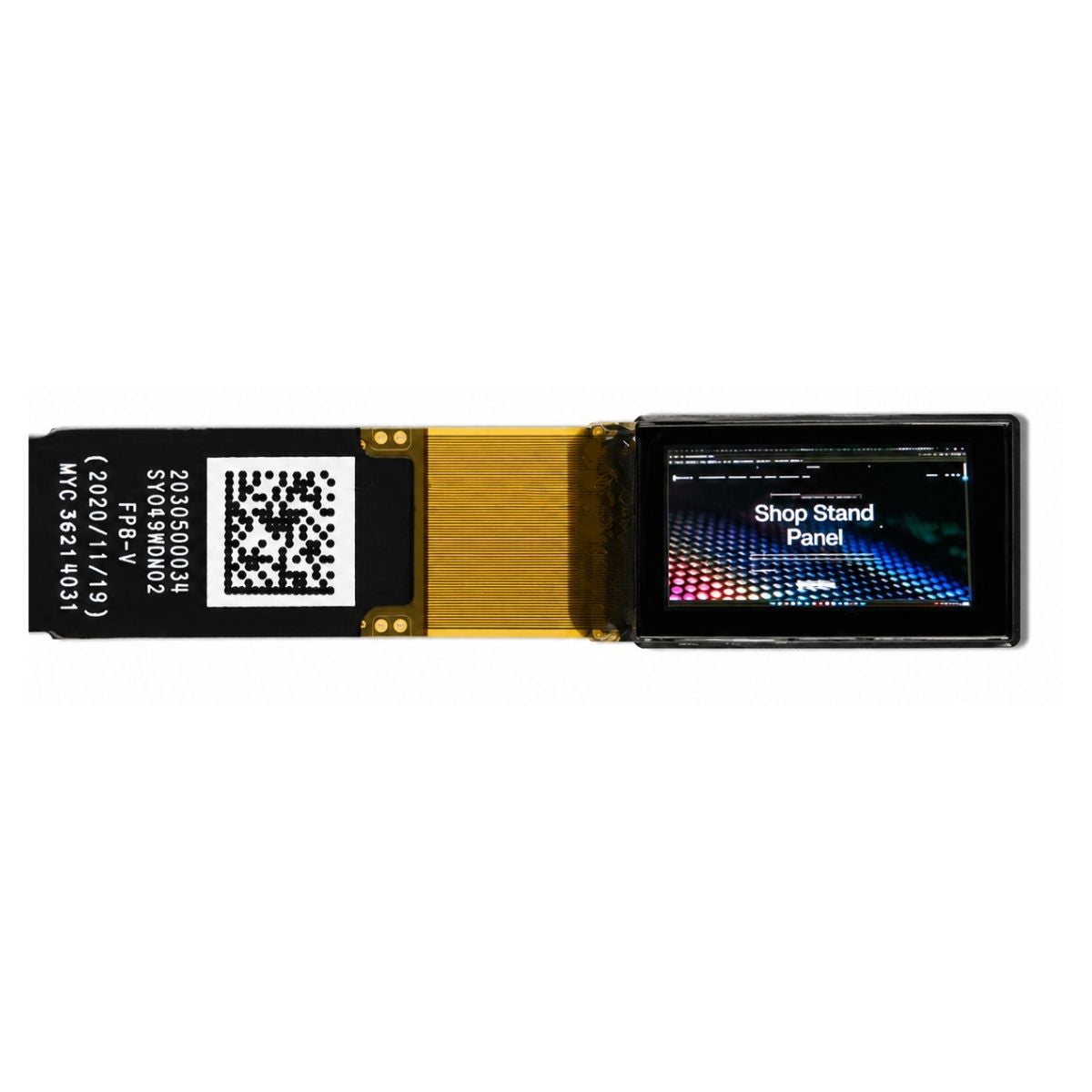
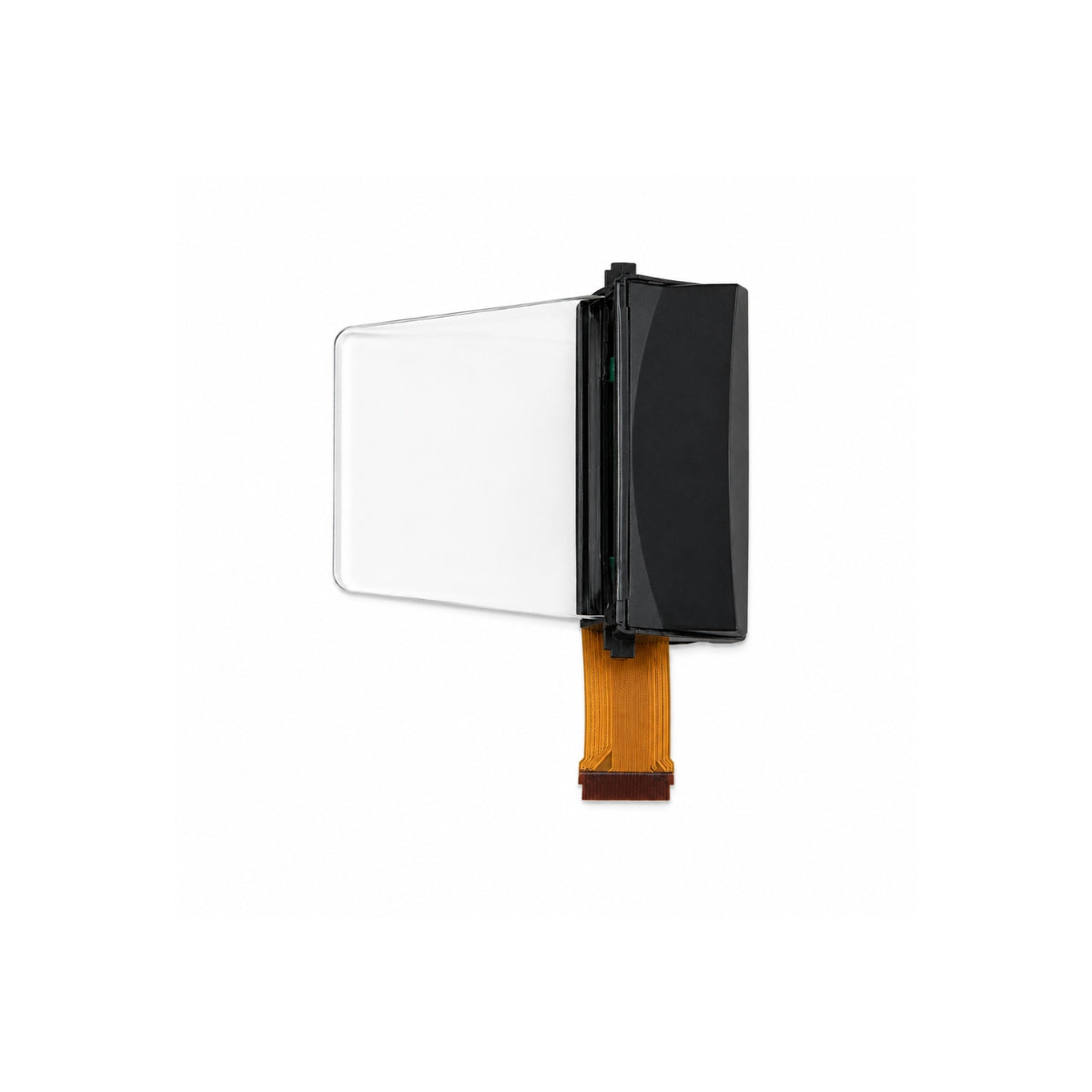
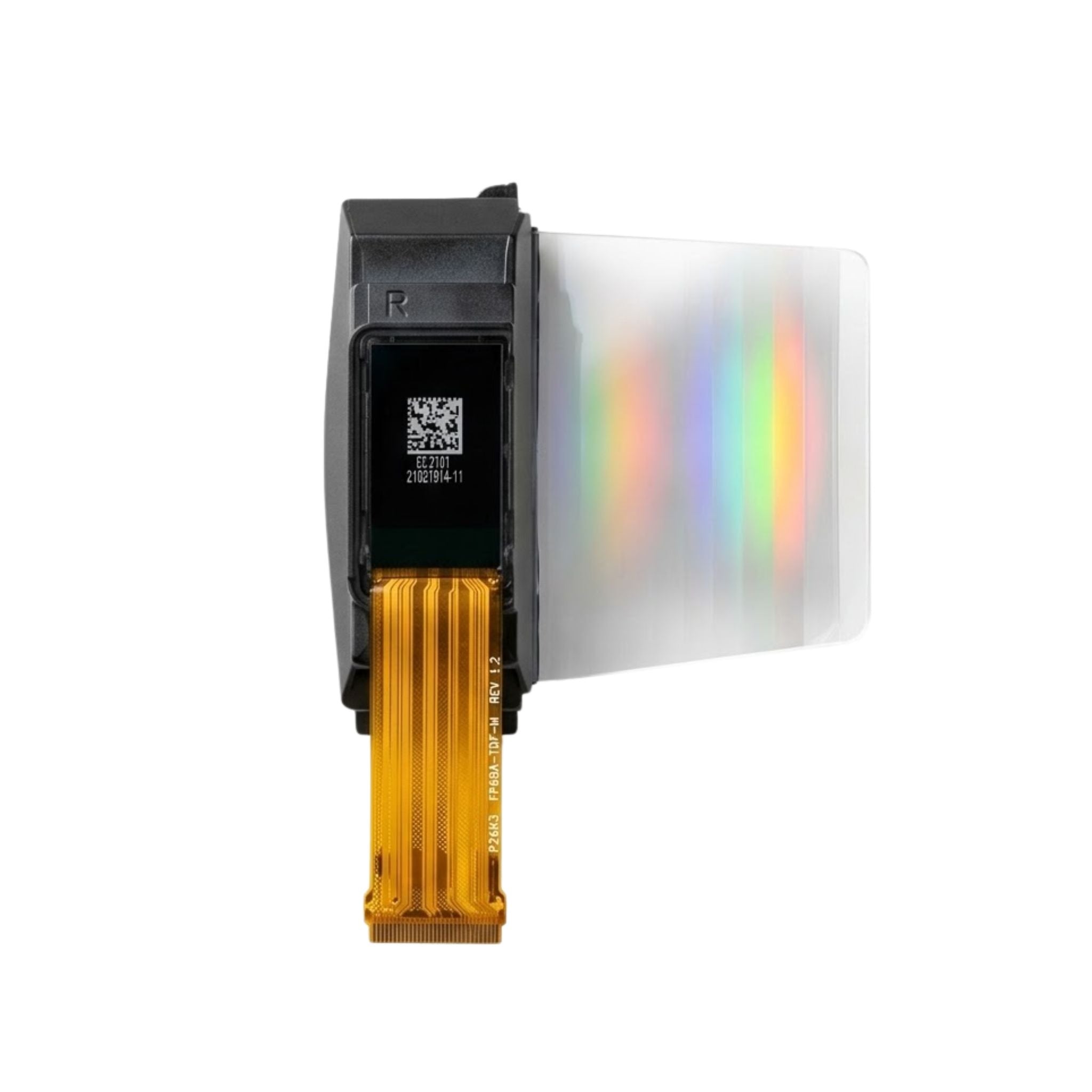


The IPS (In-Plane Switching) touch screen works by aligning liquid crystals horizontally for 178-degree wide viewing angles , reducing color shifts, with.

An IPS (In-Plane Switching) display is a LCD technology using horizontal liquid crystal alignment to minimize color shift, delivering 178-degree wide.
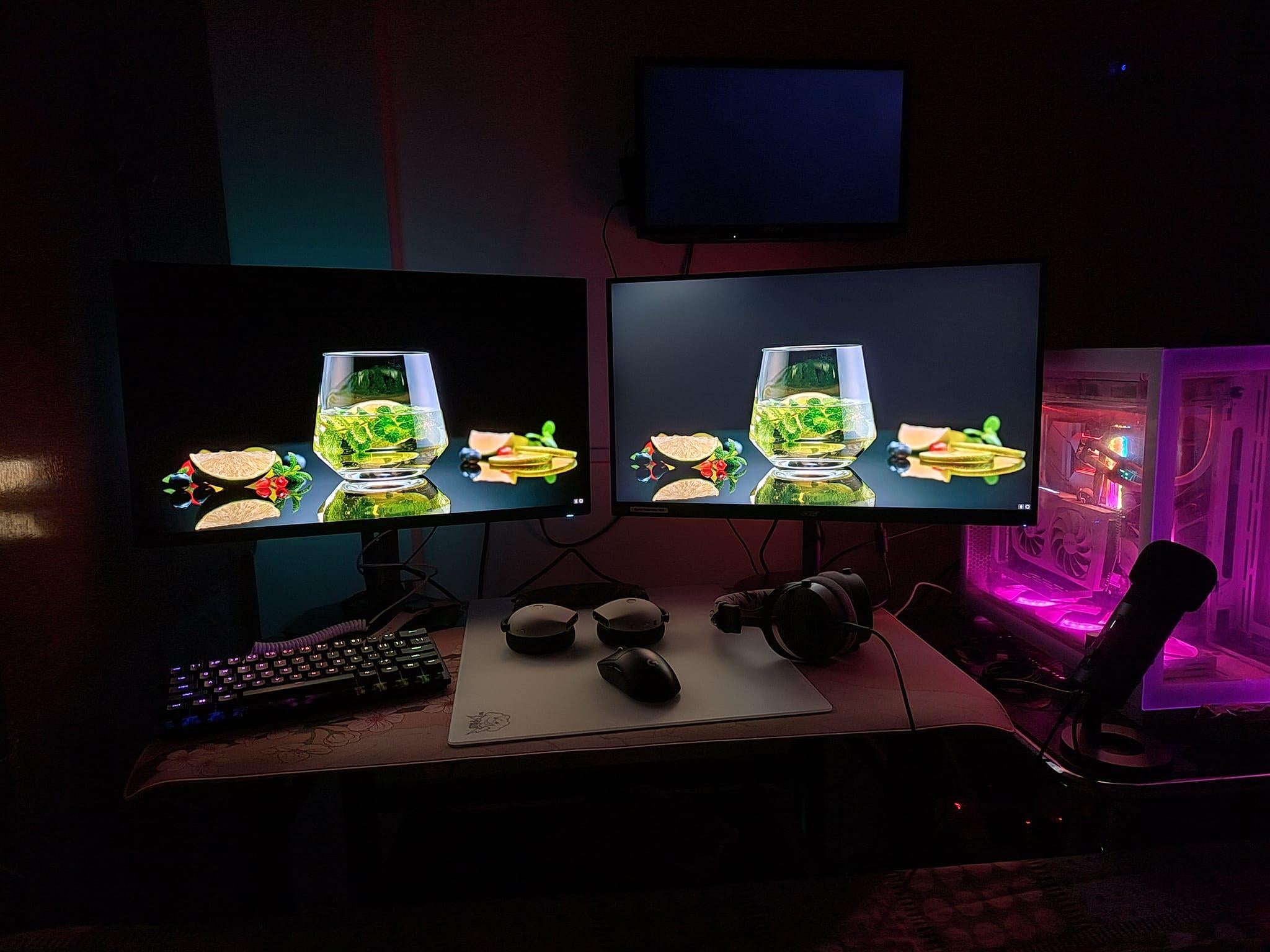
TFT (Thin-Film Transistor) displays, a foundational LCD technology, often show limited 160° viewing angles with noticeable color shifts, while IPS.
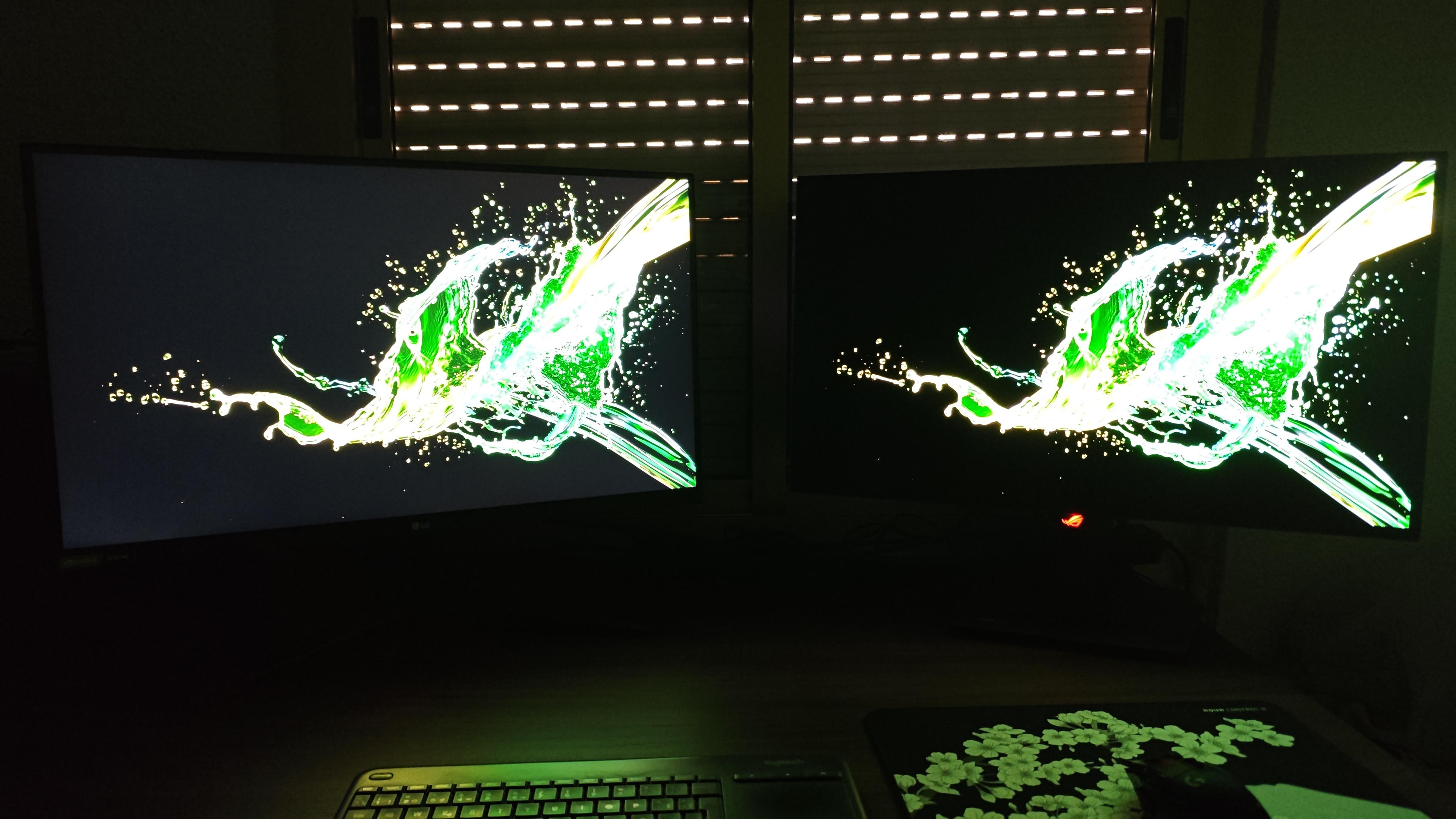
To test an IPS panel’s quality, start by measuring its contrast ratio (ideally 1000:1–1440:1) with a brightness meter, then check response time (target.
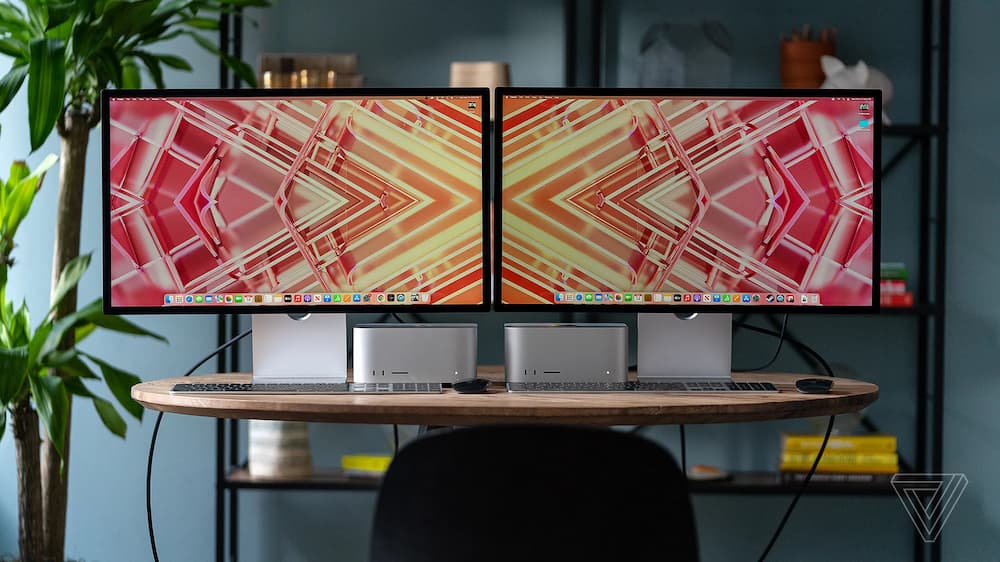
An IPS panel offers 178-degree wide viewing angles , reducing color distortion significantly compared to TN panels (often under 160 degrees), and provides.
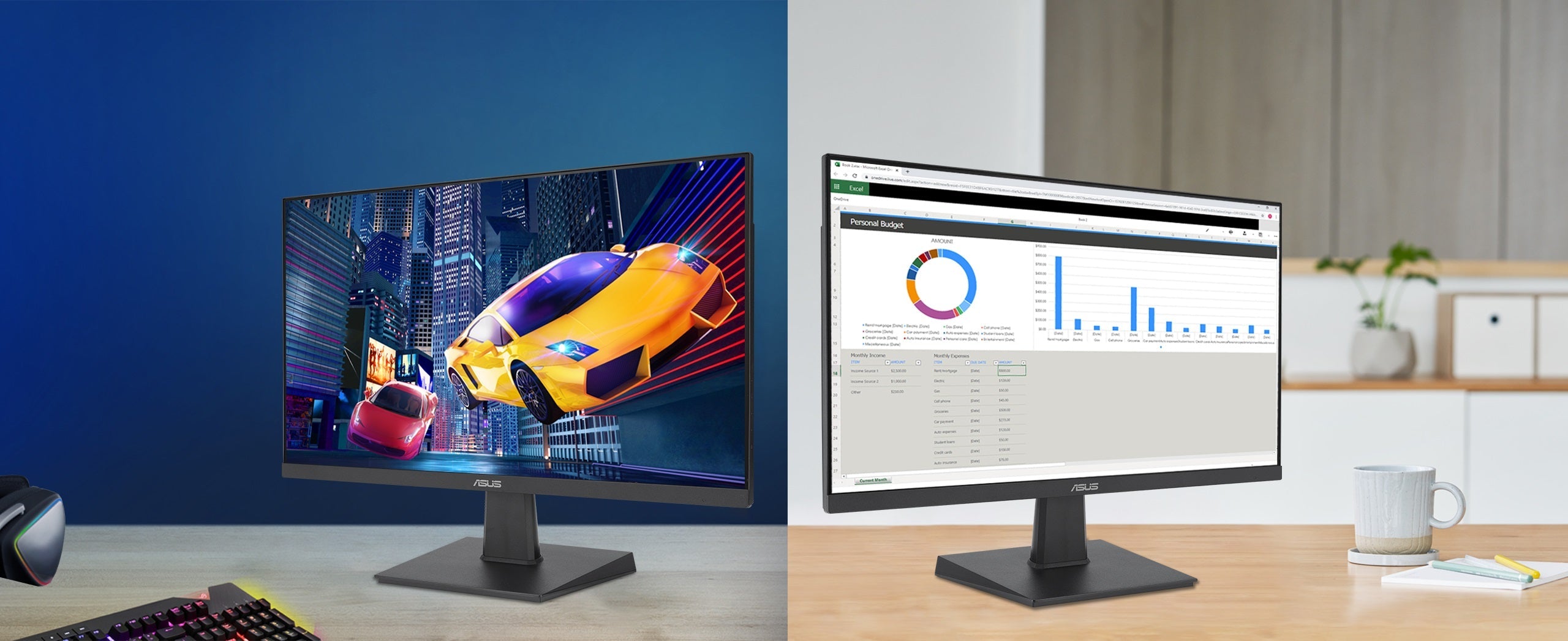
An IPS (In-Plane Switching) display is a LCD technology where liquid crystals align horizontally and rotate within their plane to control light.

Choosing an IPS screen for mobile devices is practical: it offers a wide 178-degree viewing angle (vs. ~160 degrees for basic TN panels), keeping colors.
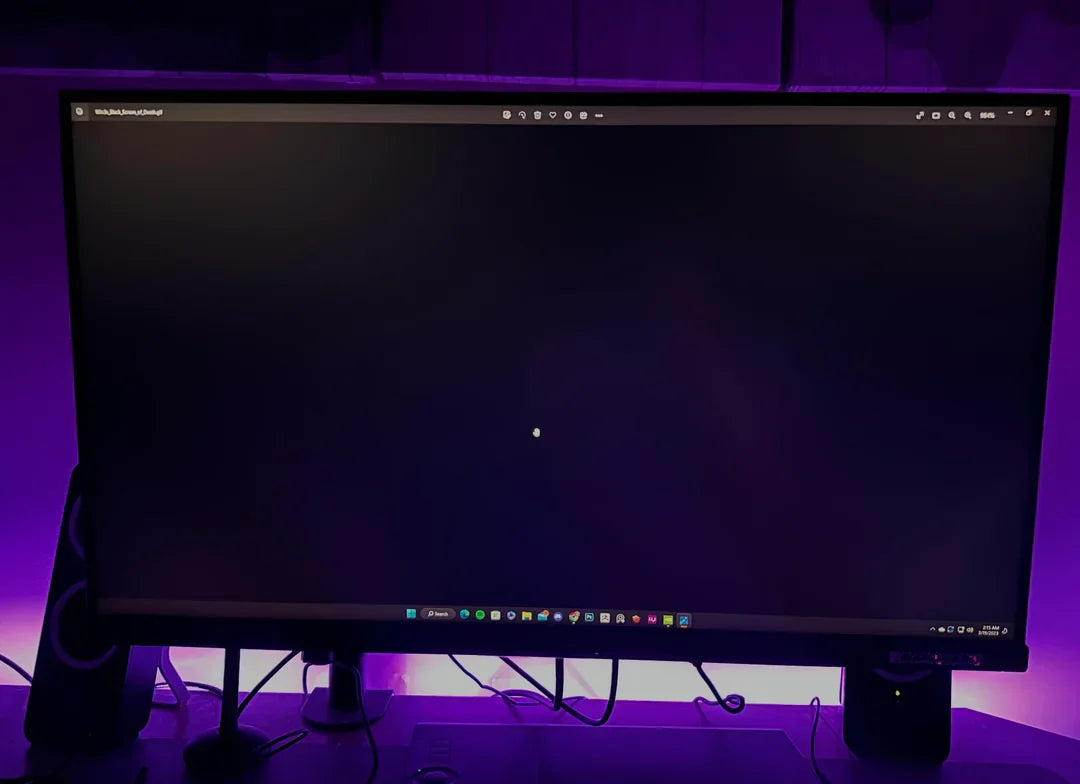
Typically, IPS displays have a lifespan of around 30,000 to 50,000 hours of active use, translating to roughly 10 to 17 years with daily 8-hour usage.
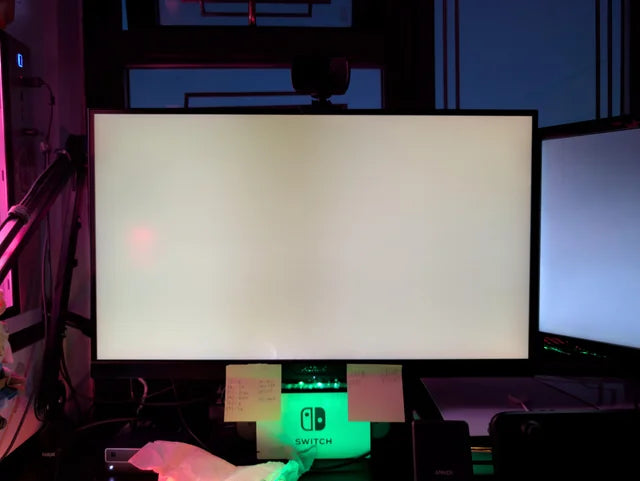
Fix common IPS screen issues in 5 steps: First, gently clean smudges with microfiber cloth dampened by 0.5% isopropyl alcohol (avoid harsh chemicals).