

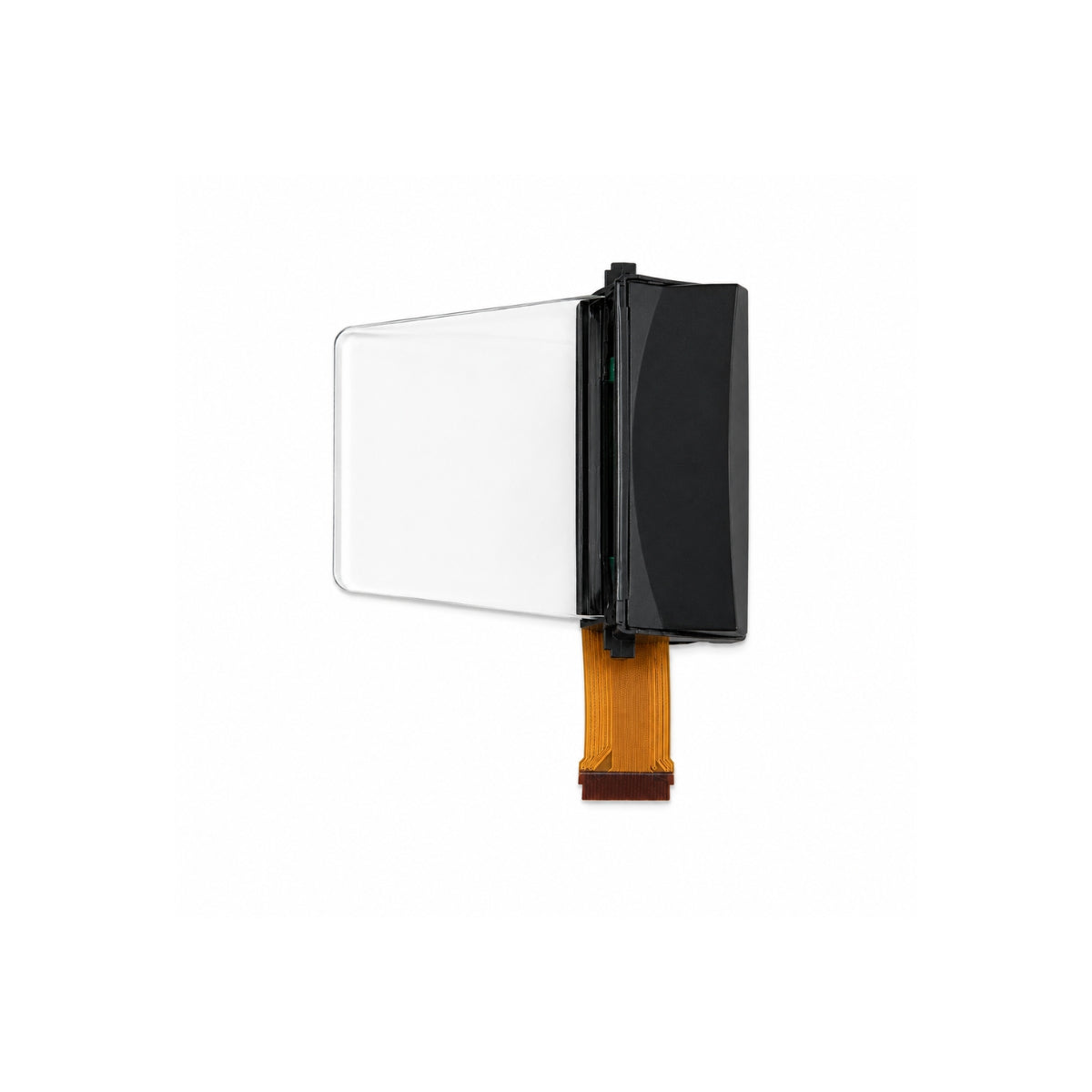
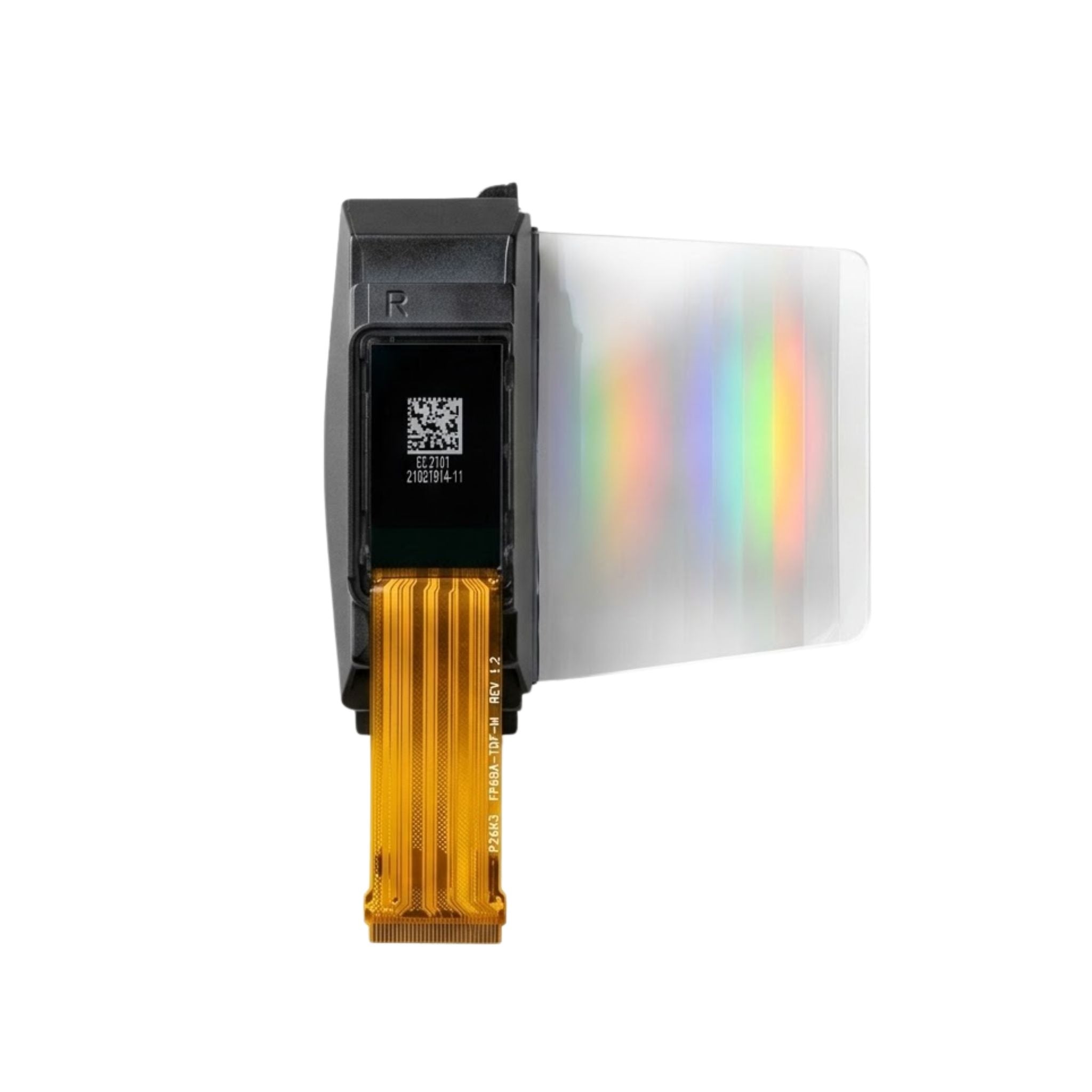


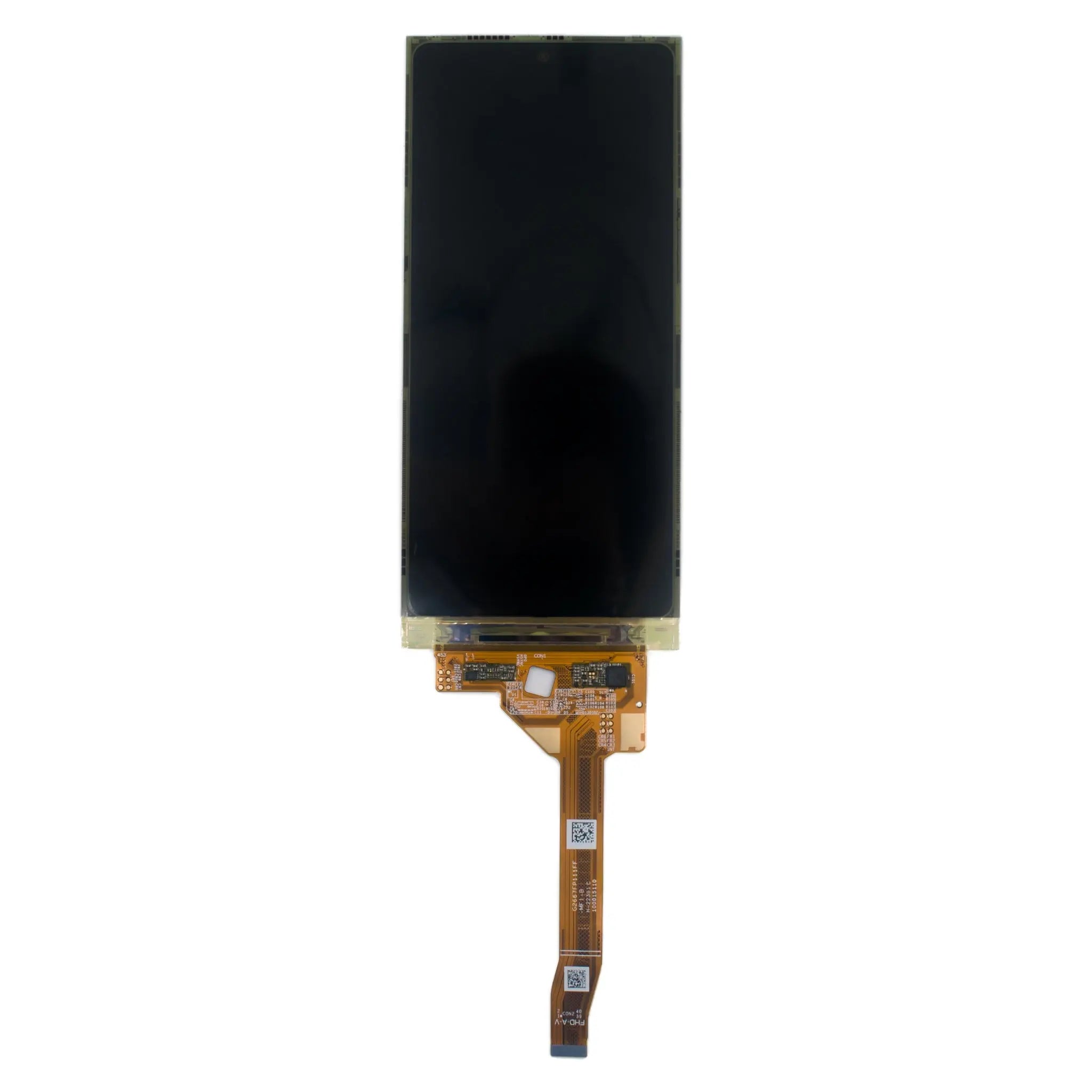
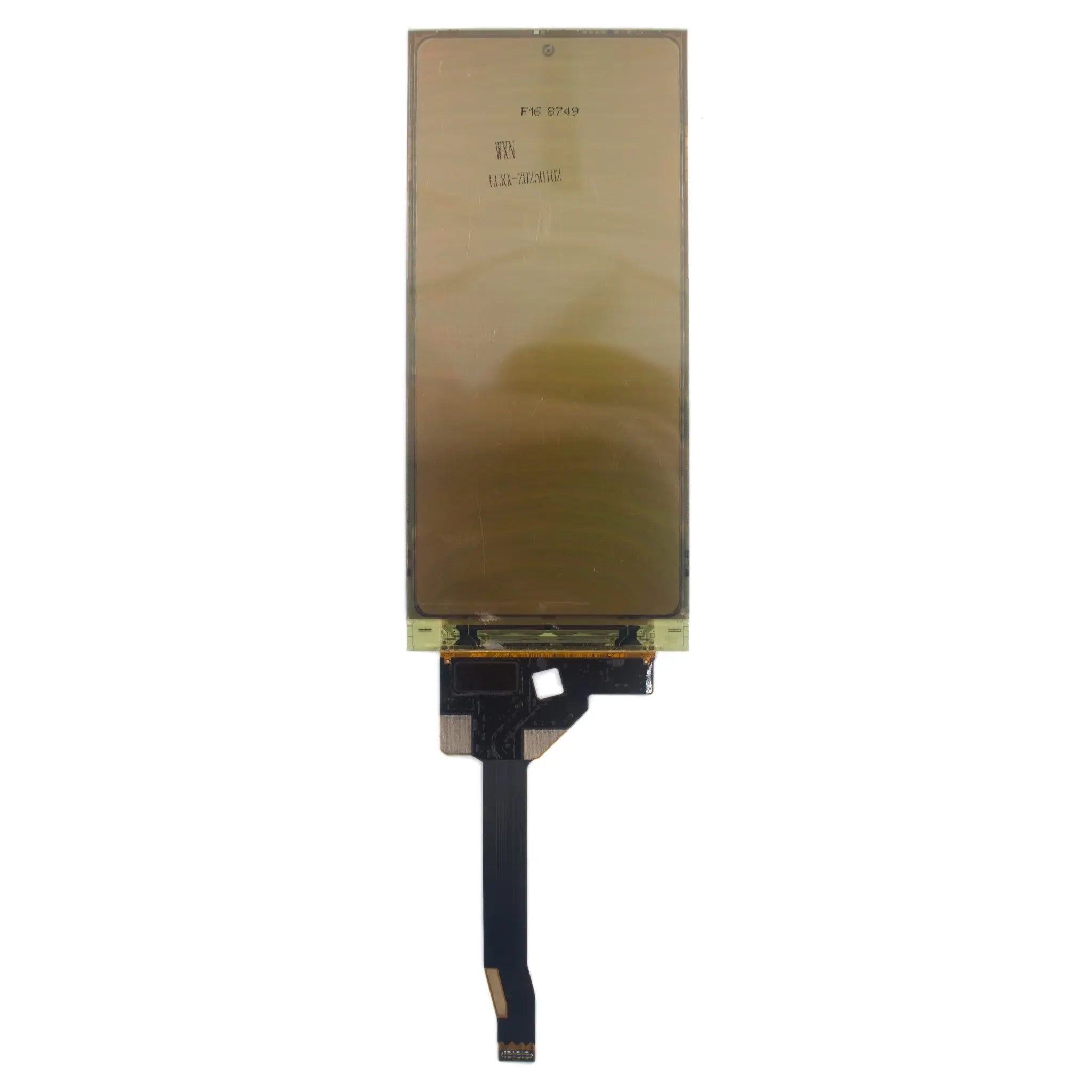
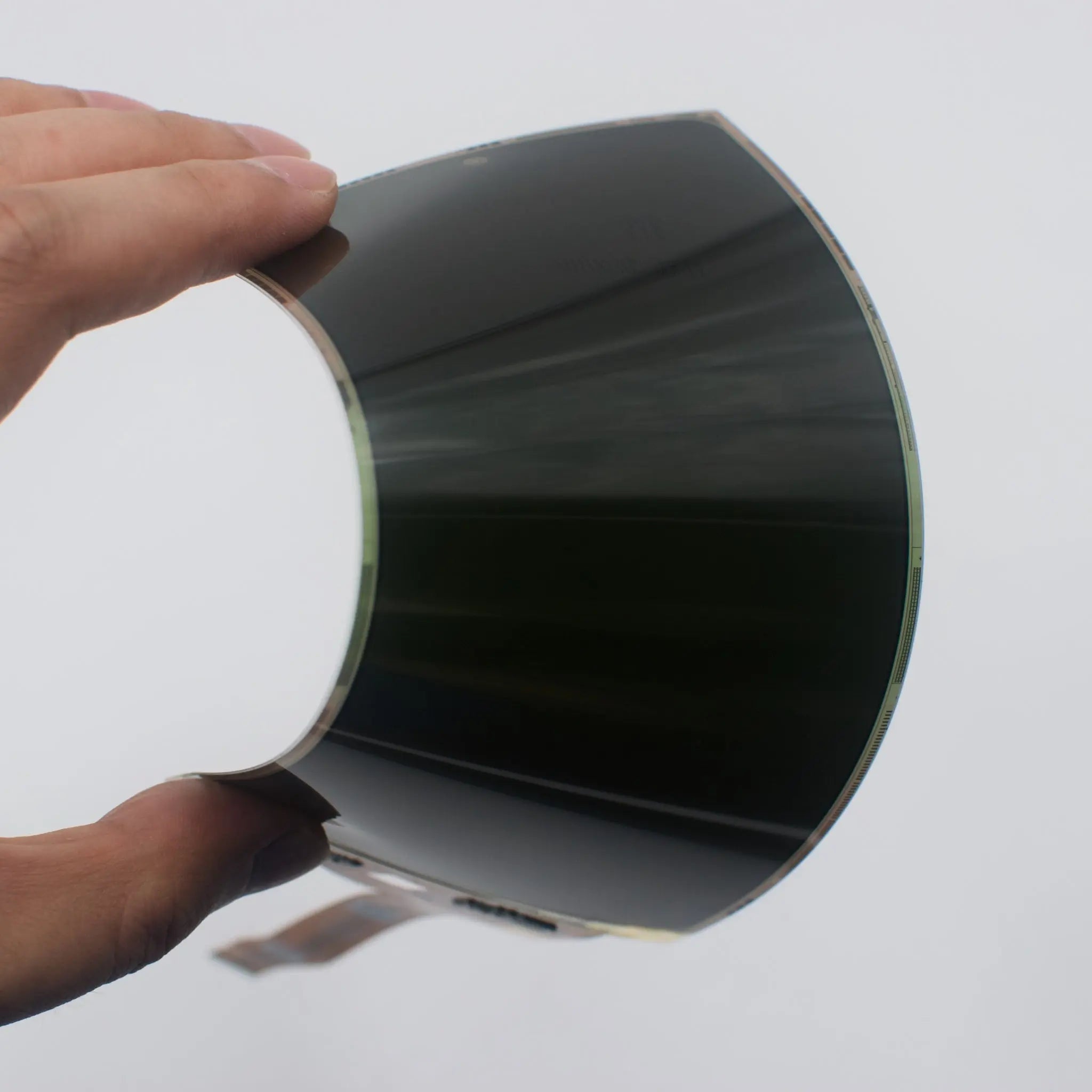
6.48" Flexible AMOLED Display 1080×2400 – MIPI Interface
- 💹 Enjoy a 20% discount for orders over 500
- 📉 A 15% discount is available for orders ranging from 200 to 499
- 🎁 A 10% discount is available for orders ranging from 50 to 199
- 🎁 A 5% discount is available when ordering 10-49
Interested in customizing this product? Get in touch with us.
Order samples, immediate delivery.
Factory bulk lead time: 3 weeks.
6.48" Flexible AMOLED Display 1080×2400 – MIPI Interface
- 💹 Enjoy a 20% discount for orders over 500
- 📉 A 15% discount is available for orders ranging from 200 to 499
- 🎁 A 10% discount is available for orders ranging from 50 to 199
- 🎁 A 5% discount is available when ordering 10-49
Resources & Downloads
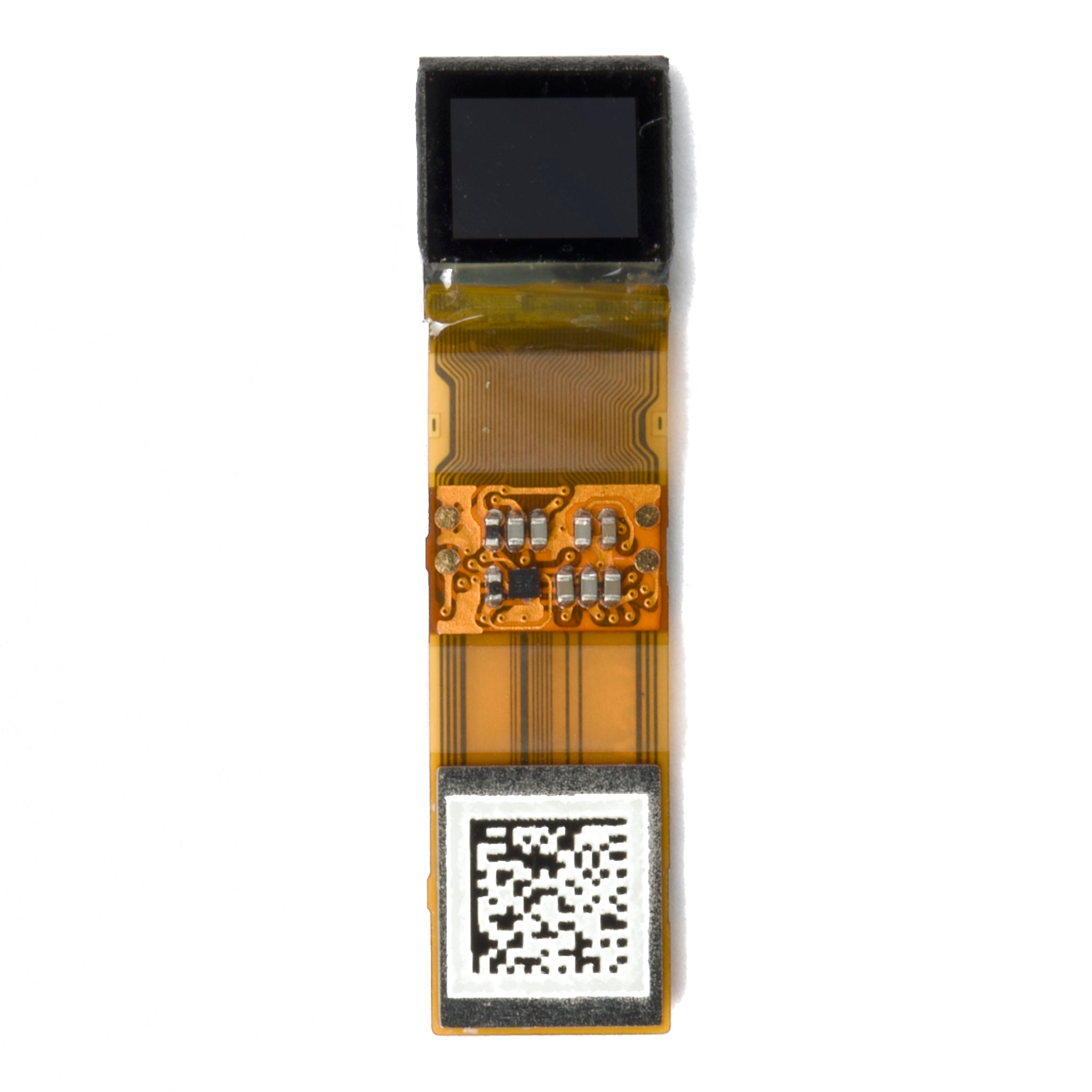
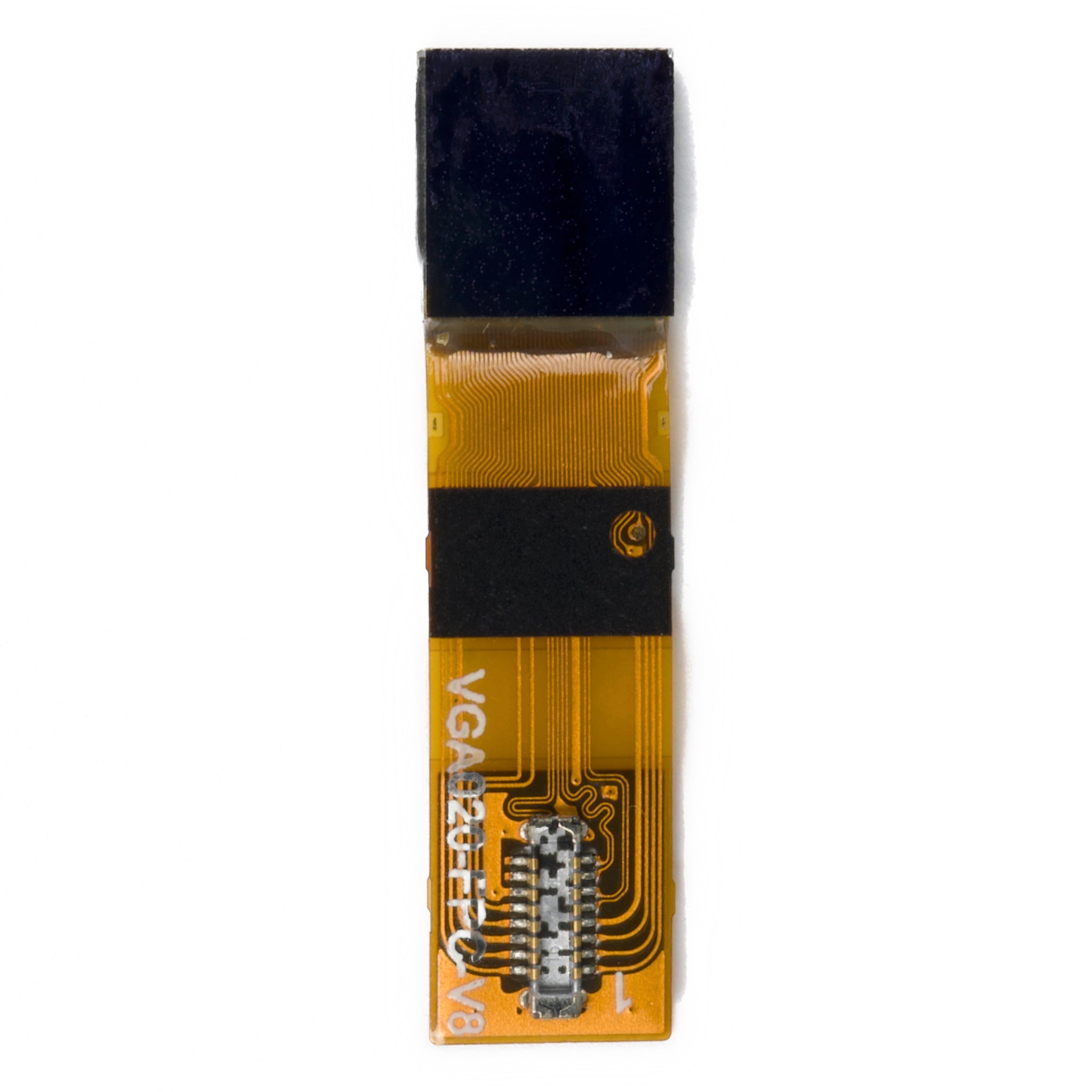
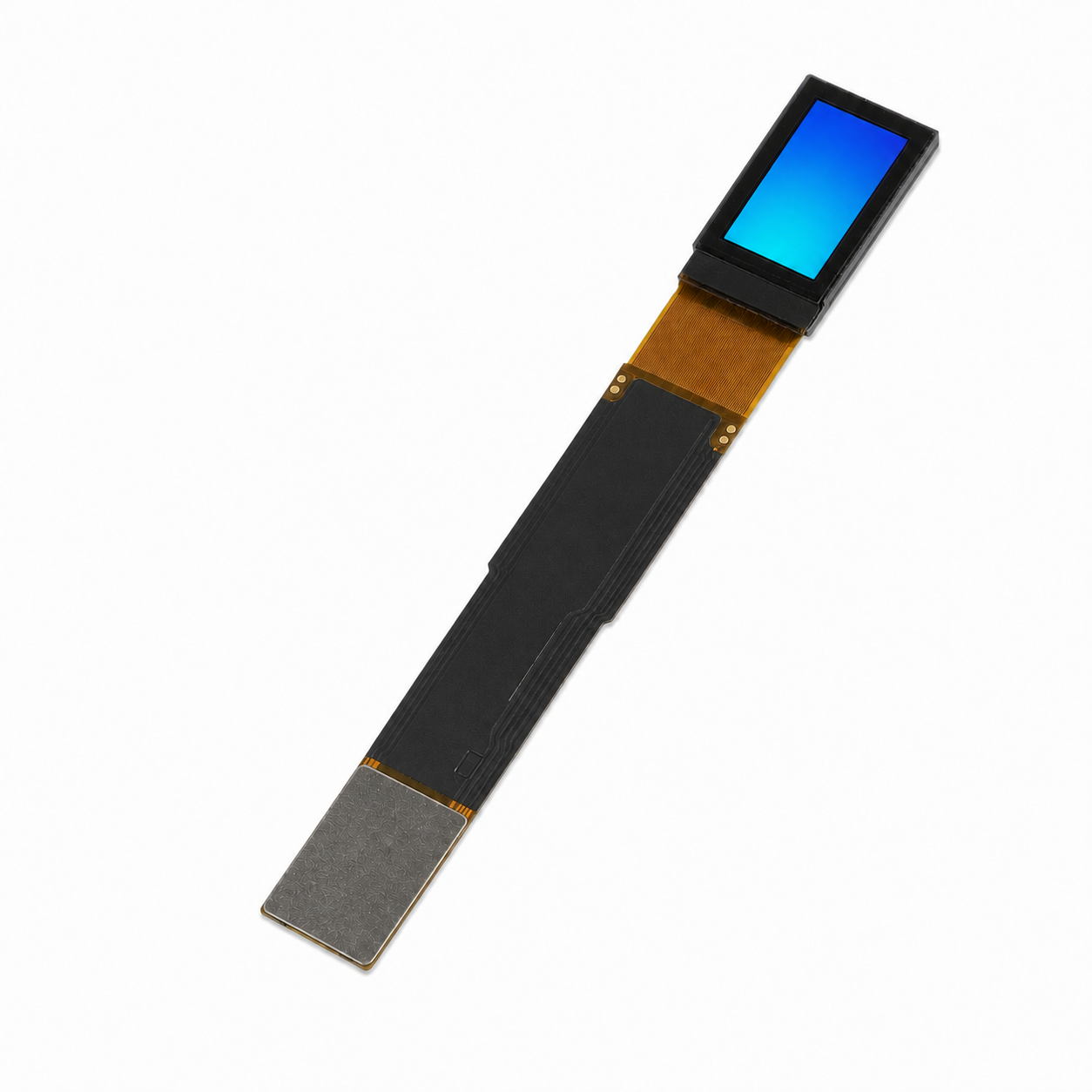
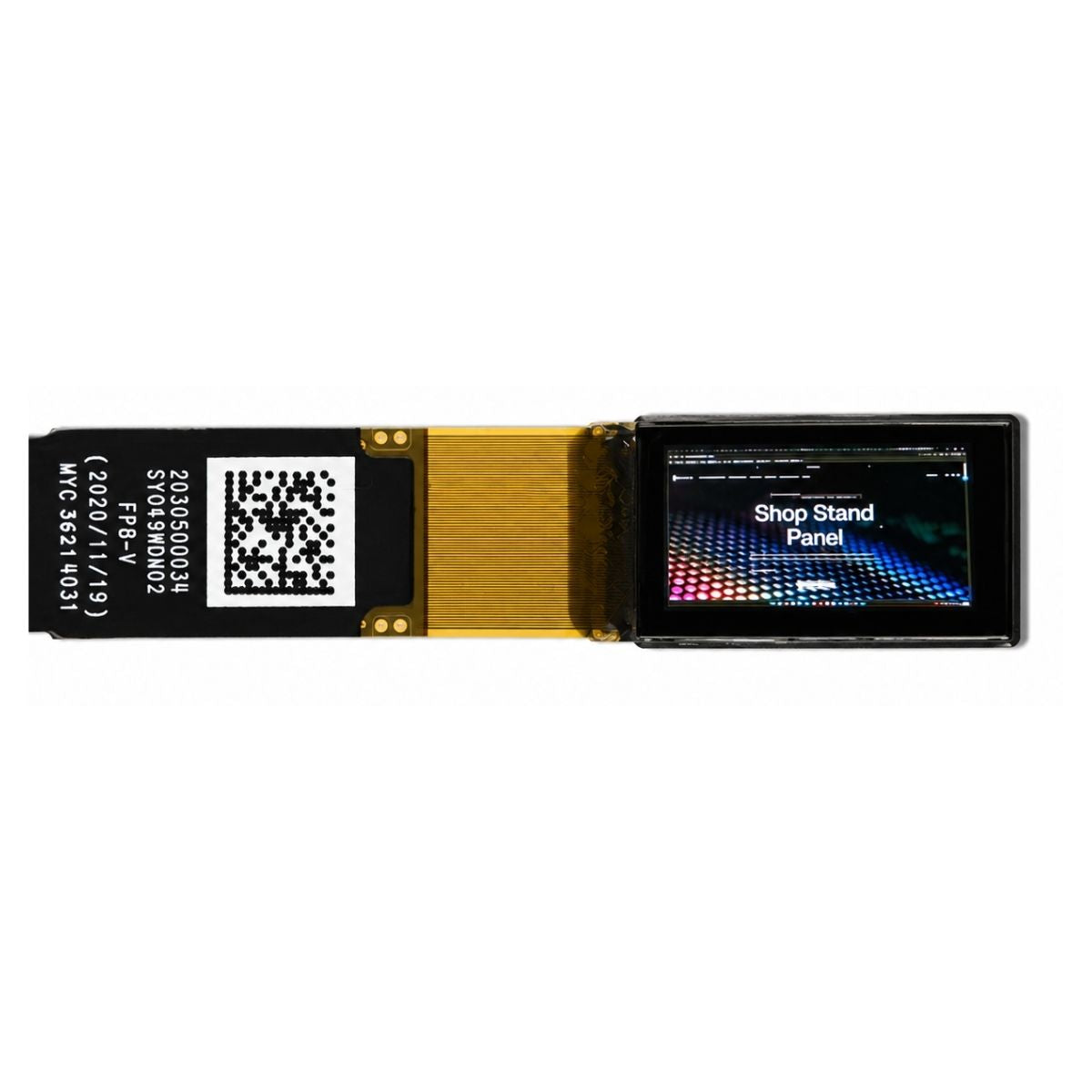
6.48-Inch Flexible AMOLED Display Module with 1080 × 2400 Resolution and 4-Lane MIPI
DMKDO06501DNA is a color active-matrix flexible AMOLED display module using low-temperature poly-silicon thin-film transistors as the active switching devices. It is built for compact display integration where a slim AMOLED panel, high pixel count, and MIPI interface are required.
The module provides a 1080 × 2400 pixel array, 16.7M colors, RM692E5 controller IC, 4-lane MIPI interface, and a slim 71.452 × 156.64 × 0.291 mm module outline for compact display integration.

Technical Specifications
Key technical information for engineers, purchasing teams, and OEM/ODM product development. These values help support display selection, mechanical layout, interface review, and sample evaluation.
| Parameter | Specification |
|---|---|
| Product Model | DMKDO06501DNA |
| Display Technology | Color active-matrix flexible AMOLED |
| Active Switching Device | Low-temperature poly-silicon thin-film transistor active matrix |
| Screen Size | 6.48 inch |
| Active Area | 69.552(H) × 154.560(V) mm |
| Module Outline | 71.452(H) × 156.64(V) × 0.291(D) mm |
| Resolution | 1080(RGB) × 2400 dots |
| Pixel Pitch | 0.064(H) × 0.060(V) mm |
| Display Colors | 16.7M colors |
| Sub-Pixel Description | Red/green or blue/green dot structure with shared red or blue dots in a vertical stripe arrangement. |
| Controller IC | RM692E5 |
| LCM Interface | 4-lane MIPI interface with D0/D1/D2/D3 data-line pairs |
| Touch Controller IC | Touch-related pins are available. Touch panel and touch-driver configuration can be matched to project requirements. |
| Operating Temperature | -20°C to +70°C |
| Storage Temperature | -40°C to +80°C |
Brightness, Contrast, Color, and Lifetime Data
The optical data gives engineers a practical basis for brightness planning, color review, and display comparison during sample evaluation.
450 cd/m² Min., 500 cd/m² Typ.
White-mode LCM luminance is specified with a 500 cd/m² typical value, suitable for brightness planning during sample evaluation.
100,000:1 Min.
The contrast ratio supports high-contrast UI presentation when the module is driven and assembled correctly under normal viewing conditions.
99% NTSC Typ.
The 99% NTSC typical color gamut supports vivid image presentation for high-resolution product interfaces.
75% Min.
The uniformity value provides a reference point for sample inspection and acceptance review during display qualification.
20,000 Hours
The 20,000-hour OLED lifetime rating supports product teams during lifetime planning and sample evaluation.
All O’Clock
All-o’clock viewing helps support wide-angle visual performance in compact display products.
Power Rails and Signal Details
The following values support early power-architecture planning, PCB design review, and processor-interface evaluation.
VDDIO 1.65–1.95 V
The typical logic power supply is 1.8 V. Check processor I/O compatibility before PCB layout.
VCI 2.6–3.6 V
The typical analog power supply is 3.0 V. Power stability should be checked together with the display-on sequence.
AVDD 7.6 V Typ., ELVDD 4.6 V Typ., ELVSS -2.4 V Typ.
These typical OLED drive rail values support early PMIC and power-architecture planning.
Mechanical Guidance for Product Integration
Mechanical Fit
Use the module outline, active area, and FPC position together when planning the display window, adhesive area, clearance, and assembly stack-up.
Flexible Structure Use
The flexible AMOLED structure can support slim or curved product concepts when paired with a suitable cover material, lamination method, and assembly design.
Touch Configuration
Touch-related pins are available for bare-panel evaluation, touch bonding, touch-driver support, or customized FPC requirements.
Procurement Readiness
For volume projects, our team can support revision review, sample availability, lead time, MOQ, packing method, lifecycle status, and customization scope.
Reliability Conditions for Project Evaluation
The reliability conditions below help engineering teams evaluate environmental suitability, sample performance, and incoming-quality requirements.
Temperature Operation
High-temperature operating condition: 70°C for 96 hours. Low-temperature operating condition: -20°C for 96 hours.
Storage Testing
High-temperature storage: 80°C for 96 hours. Low-temperature storage: -40°C for 96 hours.
Humidity and Shock
High-temperature and high-humidity operation: +60°C, 90% RH for 96 hours. Thermal shock: -40°C to +80°C with 20 cycles.
Common Questions Before Sample Evaluation
Is this a flexible AMOLED module?
Yes. DMKDO06501DNA is a color active-matrix flexible AMOLED display module.
Can this module support touch integration?
Touch-related pins are available. The final touch panel and touch-driver configuration can be matched to project requirements.
Can it be used in curved or flexible products?
It can be evaluated for flexible or curved layouts when the mechanical stack-up, lamination method, and reliability requirements match the product design.
What should be reviewed before PCB layout?
Review the 40-pin connector match, MIPI lane mapping, reset timing, TE usage, power rails, power-on sequence, and initialization command support.
Download the DMKDO06501DNA Datasheet
Download the product datasheet for dimensions, active area, MIPI interface details, controller IC, voltage requirements, temperature range, connector matching, optical data, reliability conditions, and handling precautions.