

내용으로 건너뛰기

장바구니

장바구니가 비어있습니다

쇼핑 계속하기

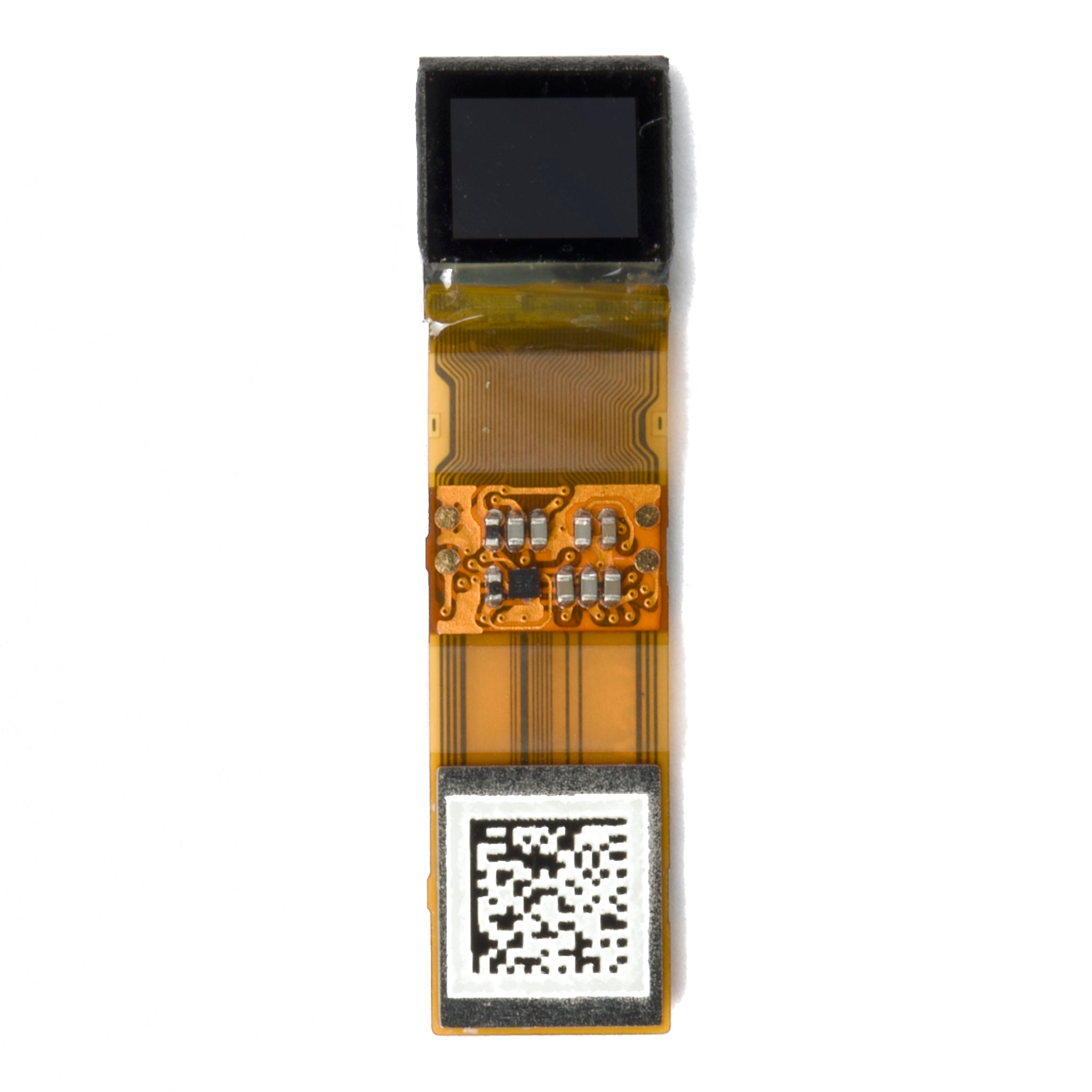
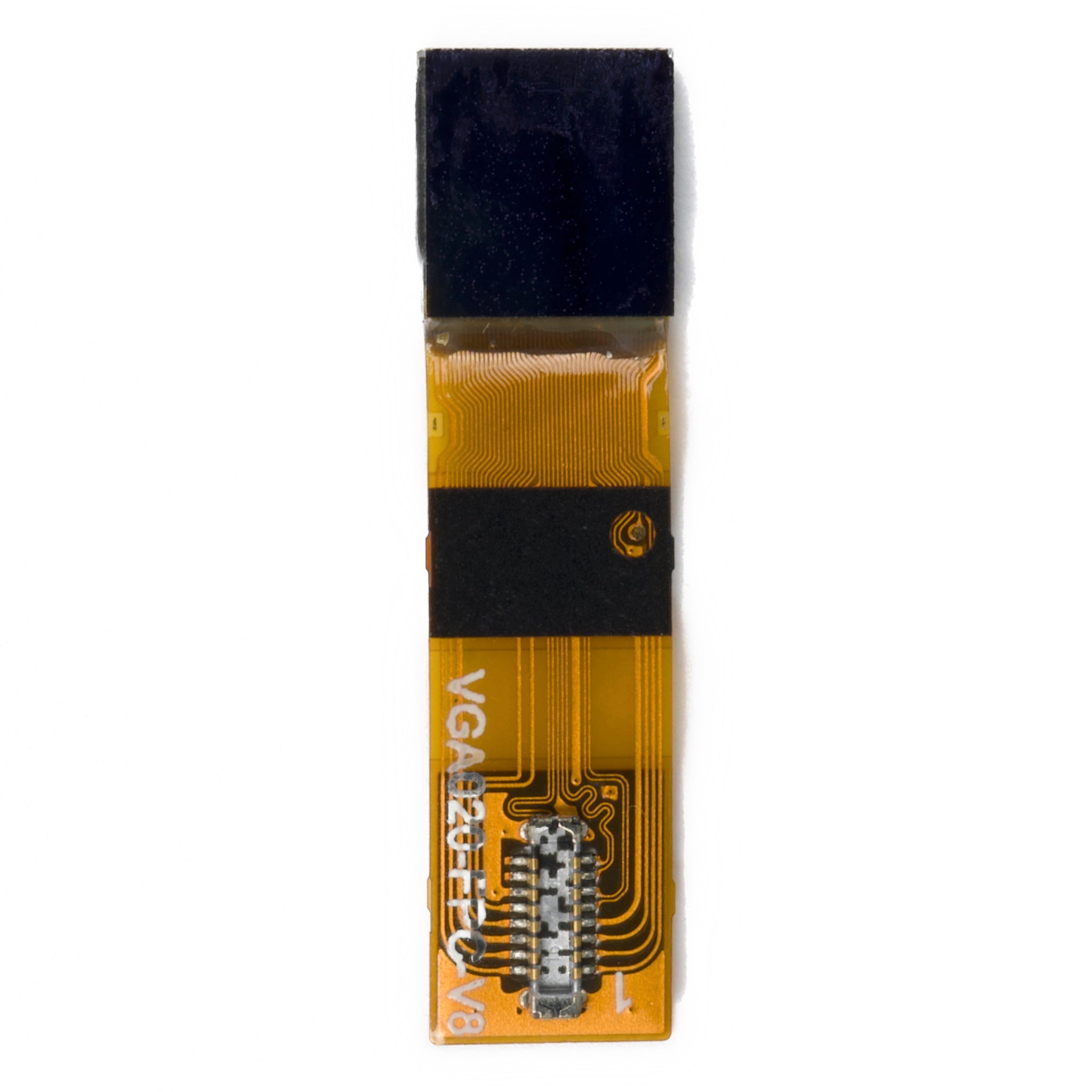
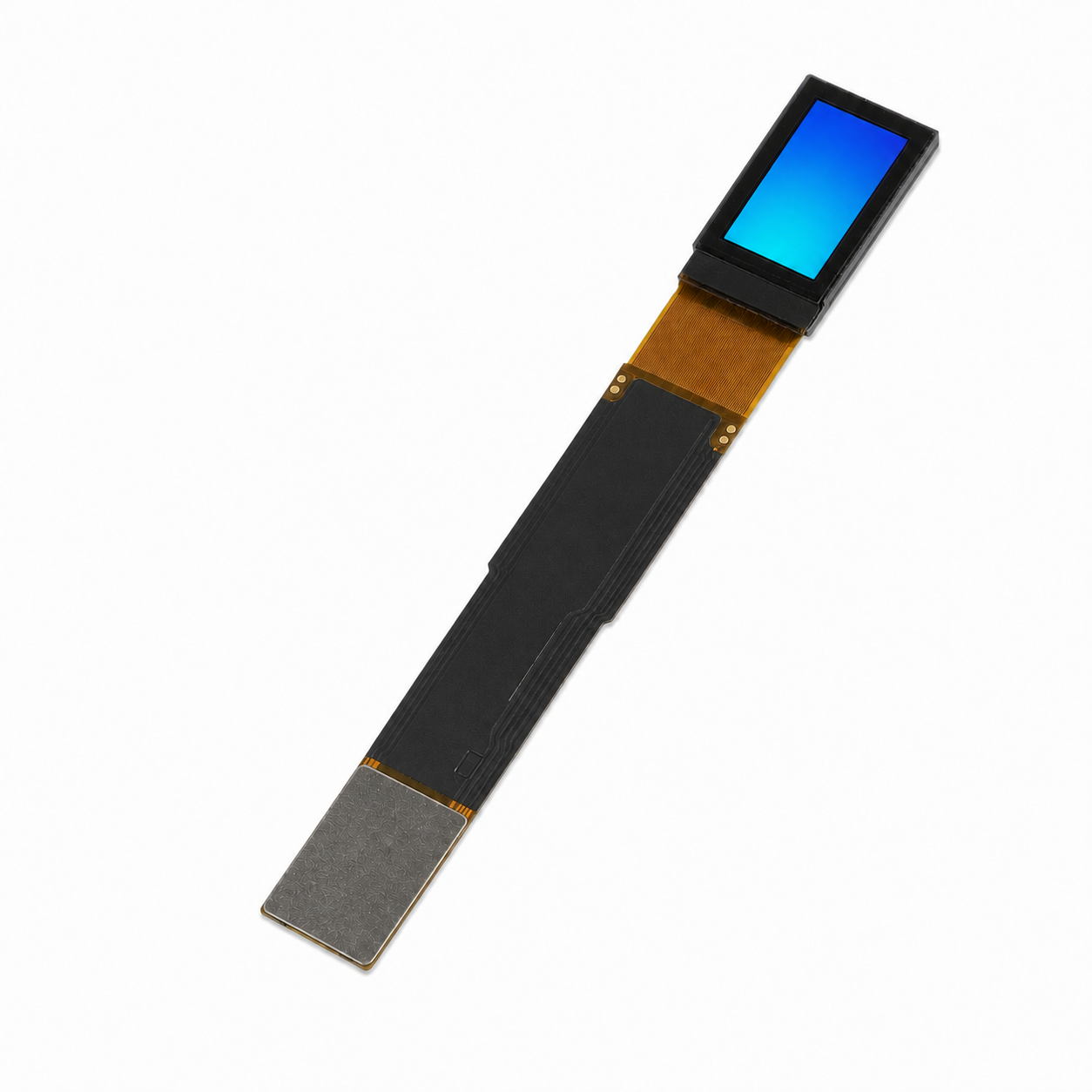
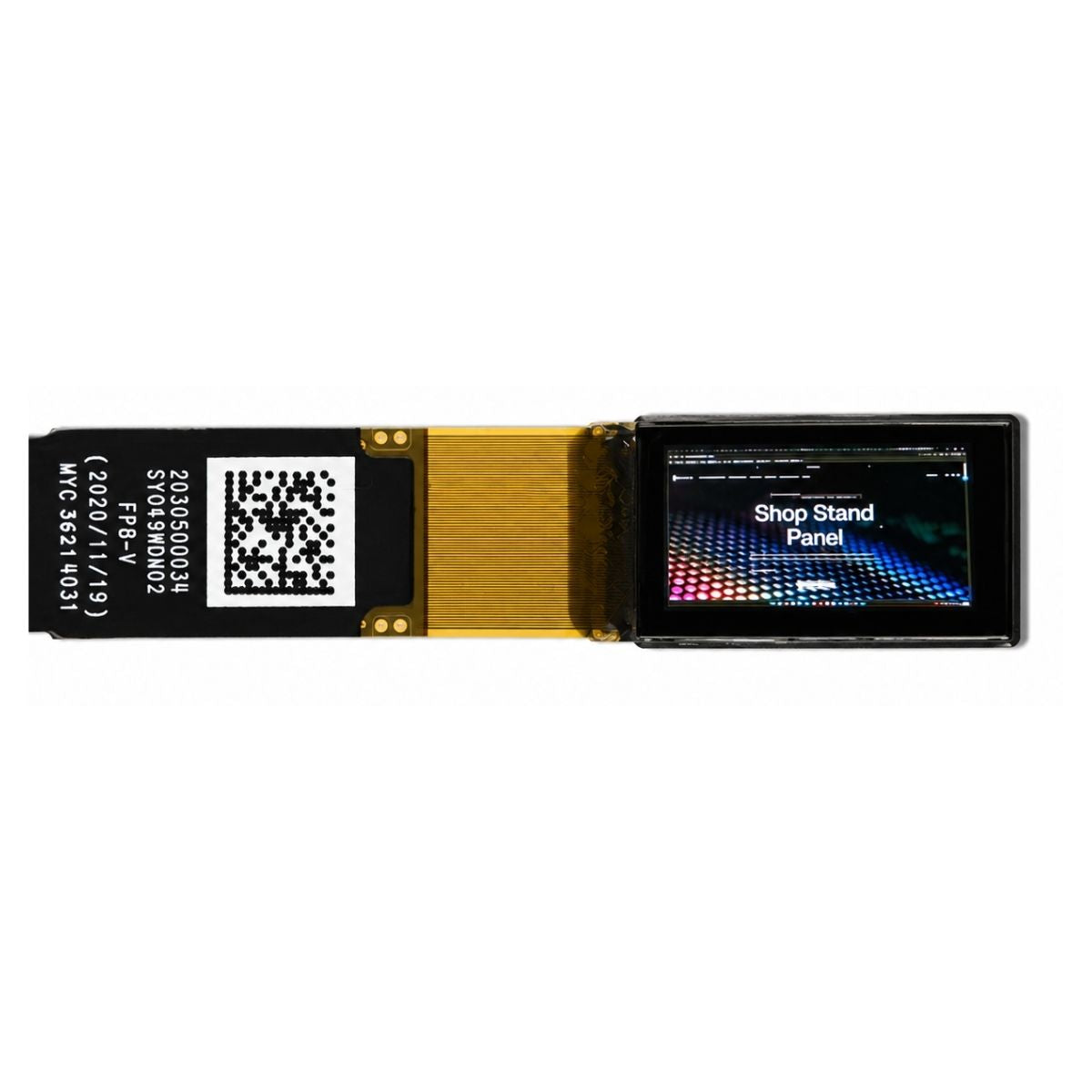
0.39” AMOLED Microdisplay 1024×768 XGA – Silicon-Based Near-Eye Display for AR/VR & EVF

SKU: DMRXO0039XGNB
할인 가격$99.00
  • 💹 Enjoy a 20% discount for orders over 500
  • 📉 A 15% discount is available for orders ranging from 200 to 499
  • 🎁 A 10% discount is available for orders ranging from 50 to 199
  • 🎁 A 5% discount is available when ordering 10-49

Interested in customizing this product? Get in touch with us.

Order samples, immediate delivery.

Factory bulk lead time: 3 weeks.


공유
0.39” AMOLED Microdisplay 1024×768 XGA – Silicon-Based Near-Eye Display for AR/VR & EVF
0.39” AMOLED Microdisplay 1024×768 XGA – Silicon-Based Near-Eye Display for AR/VR & EVF 할인 가격$99.00

Resources & Downloads

SKU DMRXO0039XGNB

0.39-Inch AMOLED Microdisplay 1024 × 768 XGA for Near-Eye Optical Systems

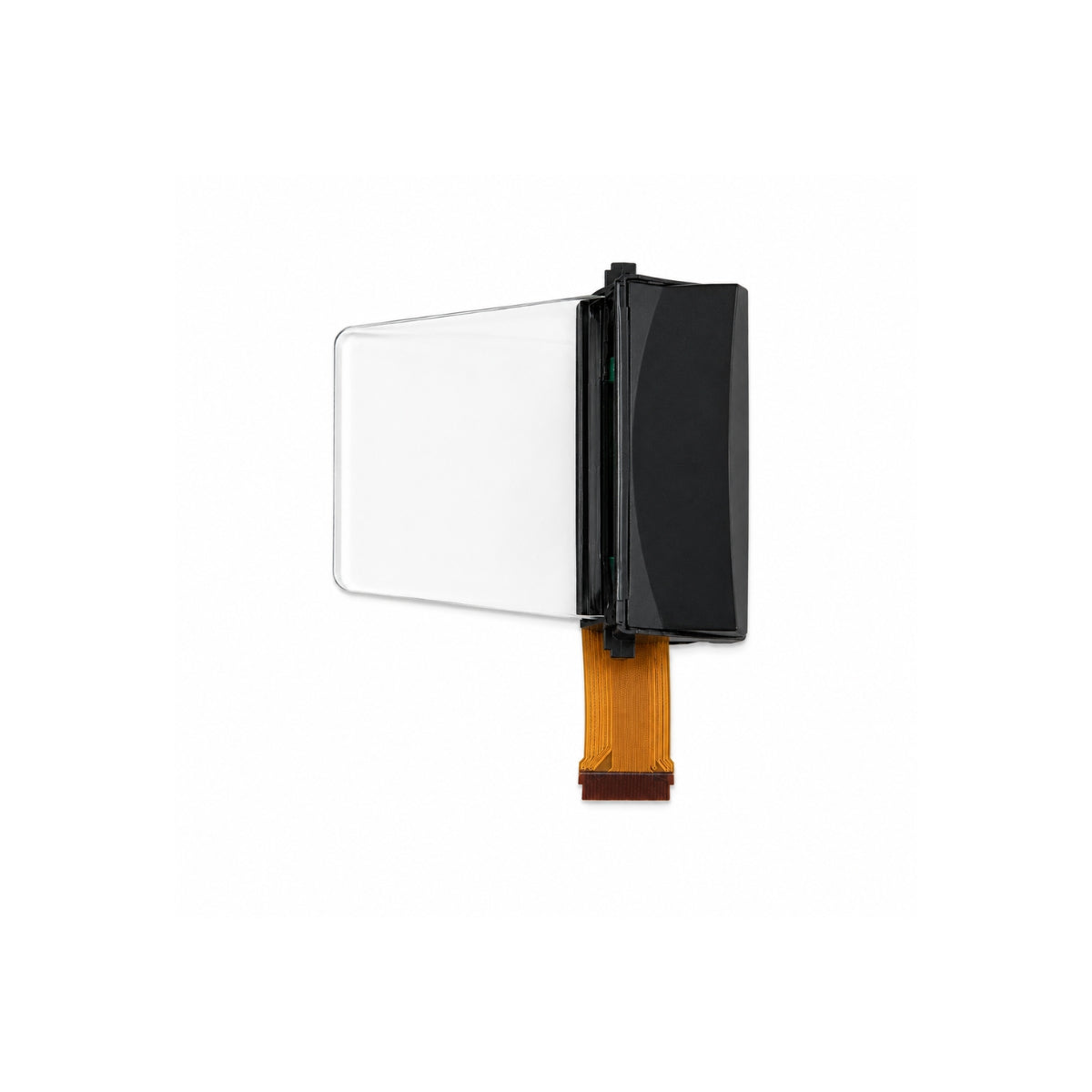
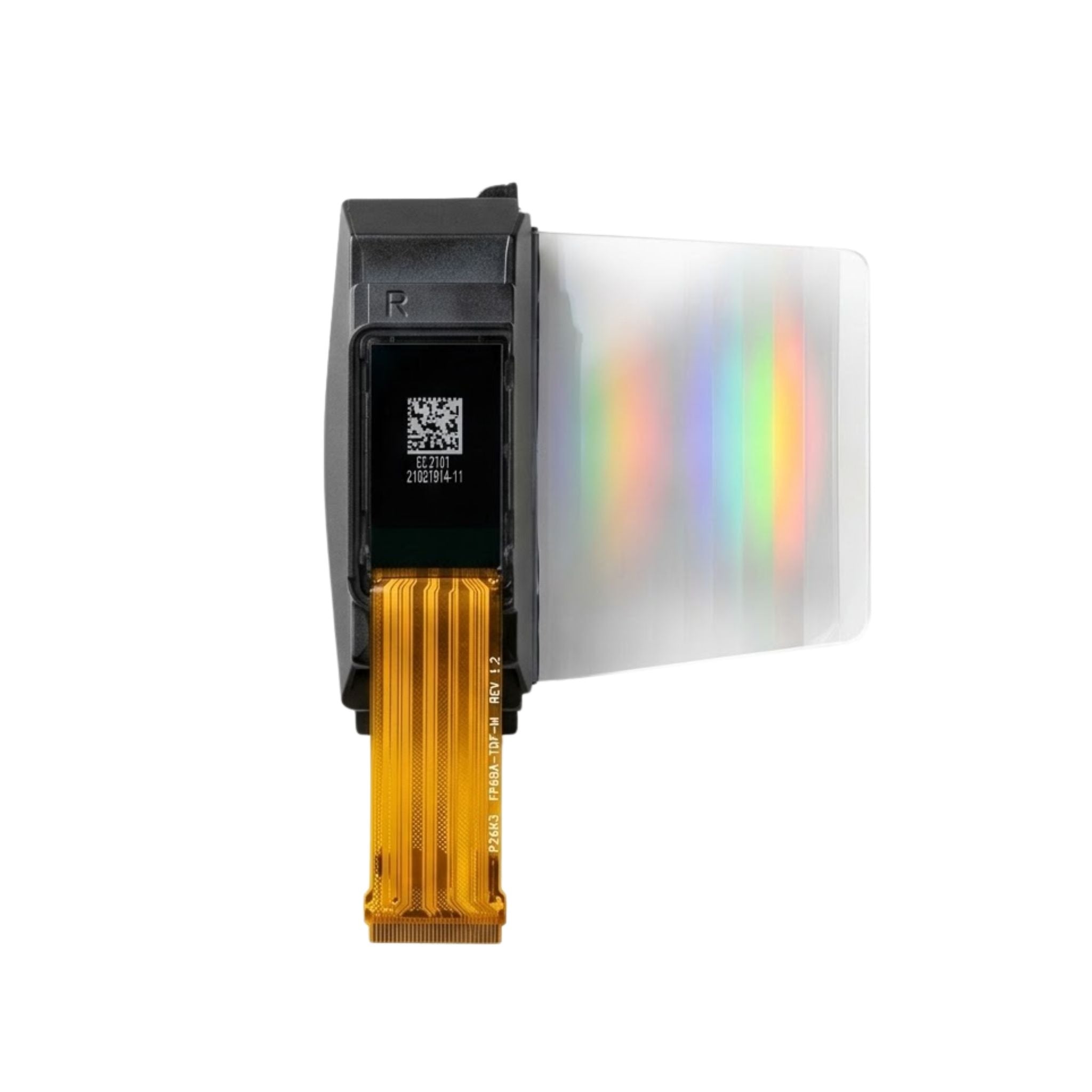
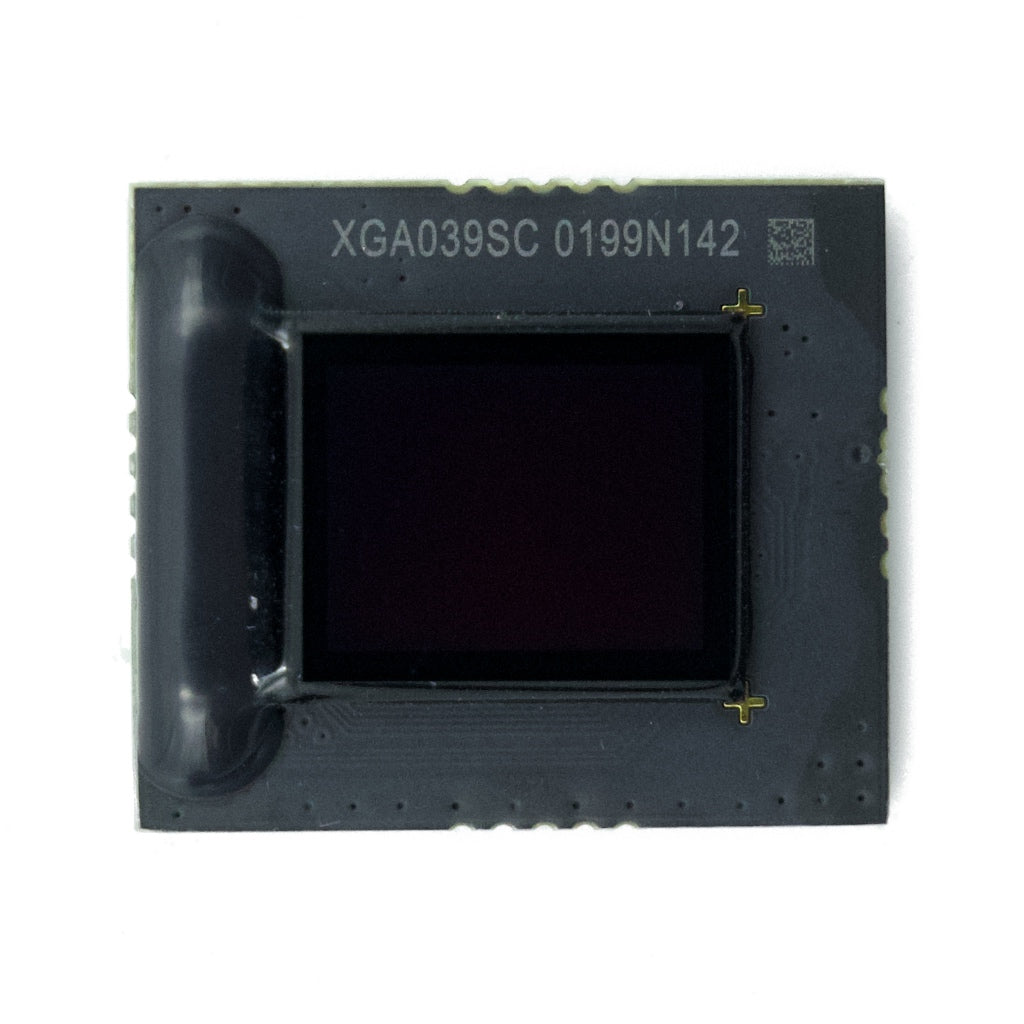
The DMRXO0039XGNB is a silicon-based active AMOLED microdisplay for compact near-eye display designs, including AR/VR optical engines, electronic viewfinders, head-mounted displays, and compact instrumentation. It is built on a 0.18 μm CMOS backplane with a top-emission OLED structure.

The module integrates digital video processing, row drive, logic control, temperature sensing, brightness adjustment, and register-based configuration through I²C. It supports 24-bit RGB, 24-bit YCbCr, 16-bit YCbCr, and 8-bit mono video input formats.

0.39 Inch

Silicon-based AMOLED microdisplay

1024 × 768

XGA resolution

RGB / YCbCr / Mono

Digital video input formats

Engineering Snapshot

View area: 8.1325 × 6.1779 mm.

Structure size: 16.6 × 14.2 × 3.3 mm.

Pixel size: 7.8 μm × 7.8 μm.

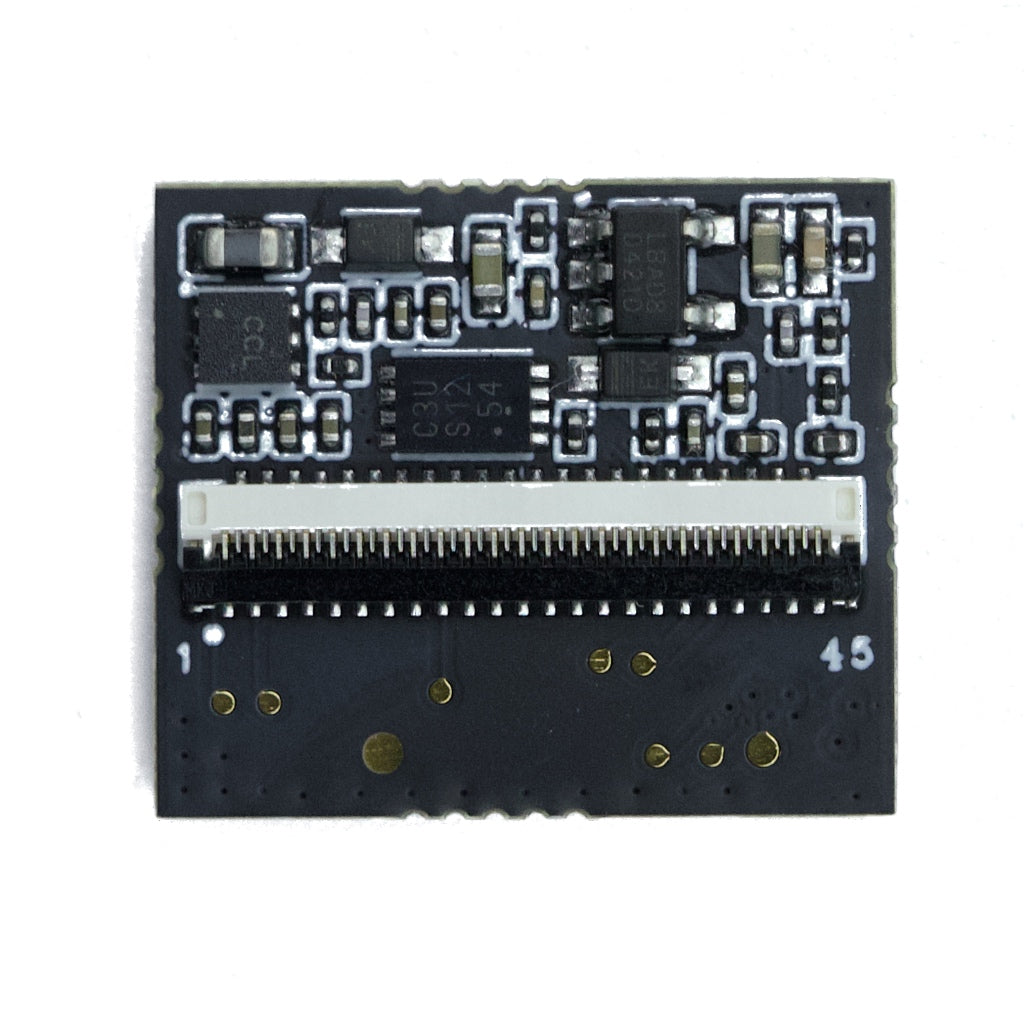
Connector: Molex 5035664502, 45-pin, 0.6 mm pitch.

Verified Technical Specifications

Key specifications are listed for engineering review. Confirm the latest datasheet version and selected ordering variant before production.

Parameter

Specification

Product SKU

DMRXO0039XGNB

Display Technology

Silicon-based active AMOLED microdisplay, top-emission OLED structure

Silicon Process

0.18 μm CMOS backplane

Type Options Listed

Color, Mono White, Mono Green, Mono Red. Confirm the selected variant before ordering.

Diagonal Size

0.39 inch

Resolution

1024 × 768; Active Pixel: 1040 × 784

Pixel Size

7.8 μm × 7.8 μm

Pixel Array

RGB vertical stripe for color version

View Area

8.1325 × 6.1779 mm

Structure Size

16.6 × 14.2 × 3.3 mm

Gray Level

256 levels, 8-bit

Refresh Rate

60 Hz listed in characteristic parameters; XGA timing examples up to 120 Hz are provided in the datasheet

Contrast Ratio

>10000:1 listed in characteristic parameters

Typical Luminance

Full Color: 200 cd/m²; Mono White: 500 cd/m²; Mono Green: 10000 cd/m²; Mono Red: 10000 cd/m²

Luminance Uniformity

>90%, typical 95%

Color Area

70% to 88% NTSC, typical 80%

Digital Video Input

24-bit RGB 4:4:4, 24-bit YCbCr 4:4:4, 16-bit YCbCr 4:2:2, 8-bit MONO Y[7:0]

Control Interface

I²C serial interface, 100 kHz to 400 kHz

Connector

Molex 5035664502, 45-pin, 0.6 mm pitch

Supply Voltage

VDD: 1.62 V to 1.98 V, typical 1.80 V; VAN: 3.10 V to 3.60 V, typical 3.30 V

Operating Temperature

-40°C to +65°C

Storage Temperature

Confirm with DisplayModule before qualification.

Lifetime

20000 h at rated luminance for listed color and mono variants

Net Weight

1 g

Integration Details

This microdisplay should be reviewed as part of the complete optical, electrical, and mechanical design. The following points are intended for engineering teams preparing sample evaluation or PCB design.

Optical Review

Typical luminance depends on the selected variant. The datasheet lists 200 cd/m² for full color, 500 cd/m² for mono white, and 10000 cd/m² for mono green or mono red.

Power and Timing

The datasheet lists VDD at 1.62 V to 1.98 V and VAN at 3.10 V to 3.60 V. It also notes that PCLK should be stable before RESET is pulled up.

Mechanical Fit

The structure size is 16.6 × 14.2 × 3.3 mm, with a view area of 8.1325 × 6.1779 mm. Confirm eyepiece alignment, board clearance, and connector orientation before layout release.

Interface and Control Notes

The product uses a 45-pin Molex connector and register control through I²C. Use the official datasheet pin table for schematic capture and connector matching.

Video Input

24-bit RGB 4:4:4 is the default video input mode listed by the datasheet.

YCbCr modes are listed, including 24-bit YCbCr 4:4:4 and 16-bit YCbCr 4:2:2.

8-bit mono mode uses Y[7:0] according to the video format register table.

I²C Register Control

I²C communication rate is listed as 100 kHz to 400 kHz.

Register functions include test screen selection, brightness adjustment, contrast adjustment, temperature reading, and display mirror configuration.

SDA and SCL should be pulled up to 1.8 V by the external communication controller.

The connector pin definition includes ADDR0, I²C SDA, I²C SCL, GND, DATA0 to DATA23, VS, DE, REST active low reset, HS, PCLK, VAN, VAN+5V, and VDD pins. Confirm the full pin map in the official datasheet before PCB design.

Engineering Notes Before Ordering

Review these points before sample evaluation, optical design, or bulk procurement.

Confirm whether the required version is full color, mono white, mono green, or mono red before ordering.

Confirm the required video format. YCbCr operation should be reviewed with DisplayModule because the datasheet notes that it differs from the default 24-bit RGB mode.

Confirm connector orientation and carrier-board FPC layout against the official mechanical drawing.

Confirm power sequencing, RESET timing, PCLK stability, and I²C pull-up design before schematic finalization.

No touch panel or touch controller IC is specified in the official datasheet. Confirm with DisplayModule if touch integration is required.

Sample availability, bulk lead time, and any FPC or optical integration requirements should be confirmed at the time of purchase.

FAQ

Does this display use MIPI?

MIPI is not listed in the official datasheet. The specified video input formats are 24-bit RGB, 24-bit YCbCr, 16-bit YCbCr and 8-bit mono, with I²C used for register control.

Is the display color or monochrome?

The datasheet lists Color, Mono White, Mono Green, and Mono Red type options. Confirm the exact variant and luminance requirement with DisplayModule before ordering samples or starting optical design.

What brightness value should be used for design review?

The listed typical luminance values are 200 cd/m² for full color, 500 cd/m² for mono white, and 10000 cd/m² for mono green or mono red. These values depend on the selected display type and test conditions.

Is touch included?

No touch panel or touch controller IC is specified in the official datasheet. Confirm with DisplayModule if touch integration is required.

Download Official Datasheet

Use the official datasheet to confirm dimensions, interface definitions, electrical characteristics, optical data, mechanical drawings, timing requirements, and integration notes before design-in.

Download Official Datasheet

Reviews from our customers