



Custom LCD Display Modules | Tailored Size, Interface
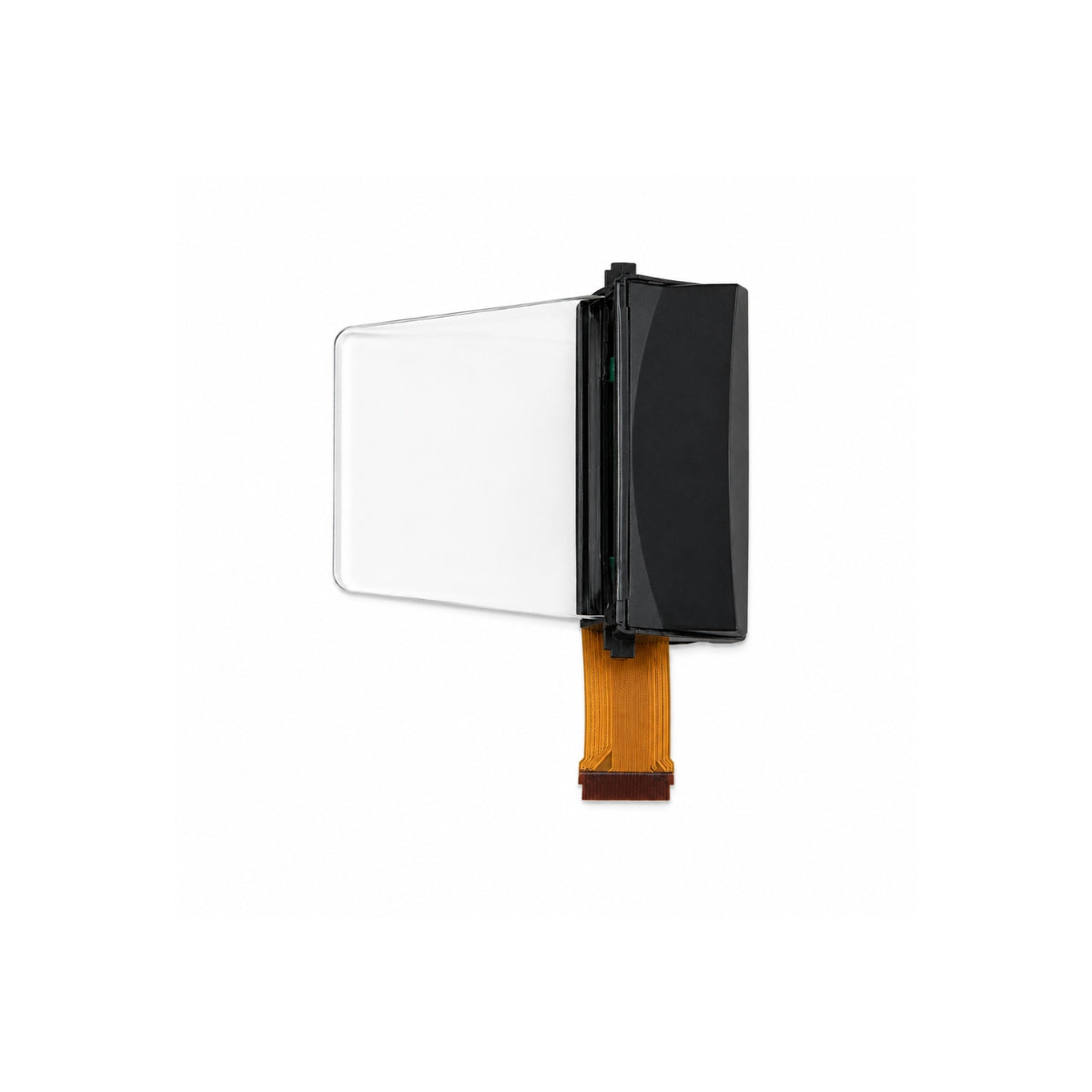
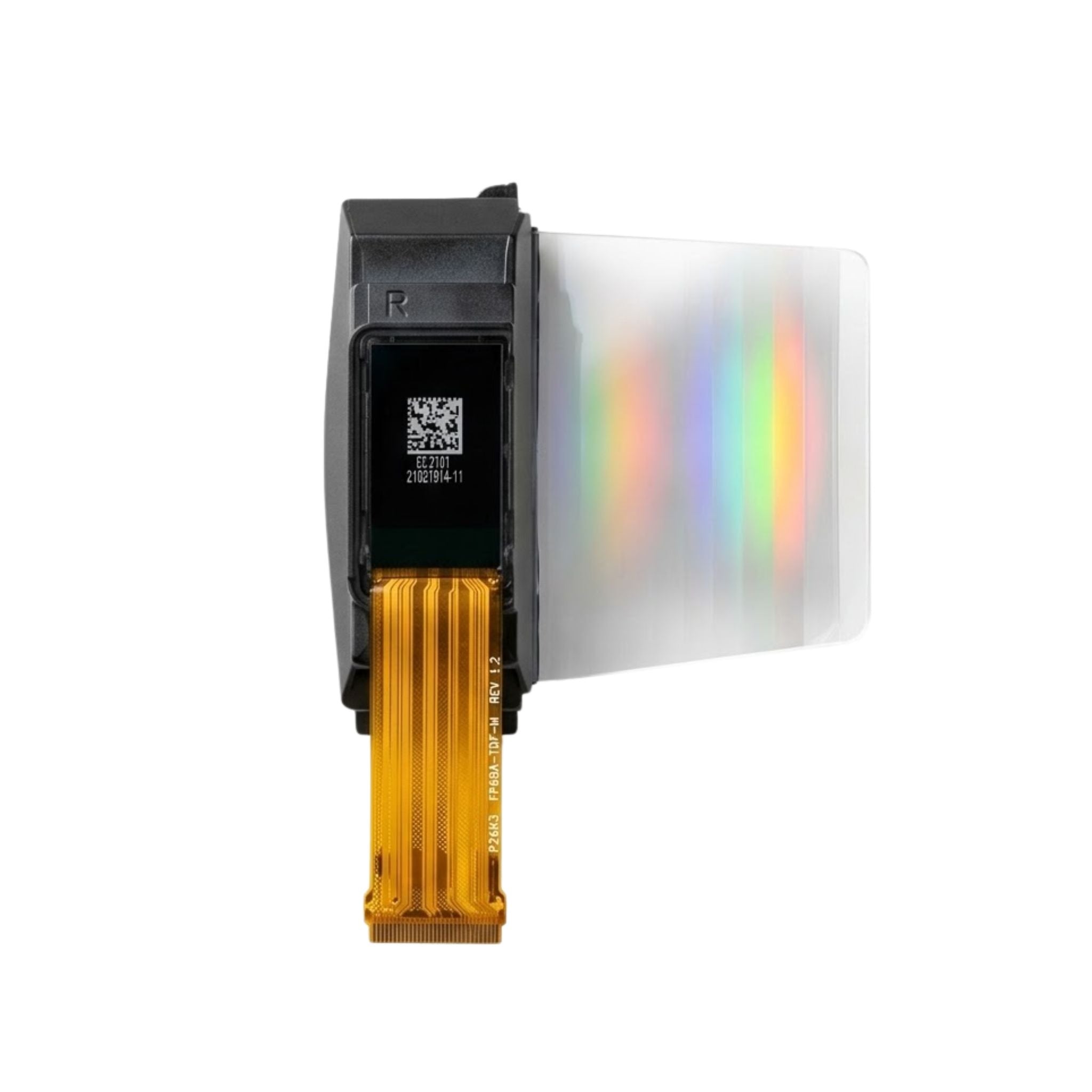
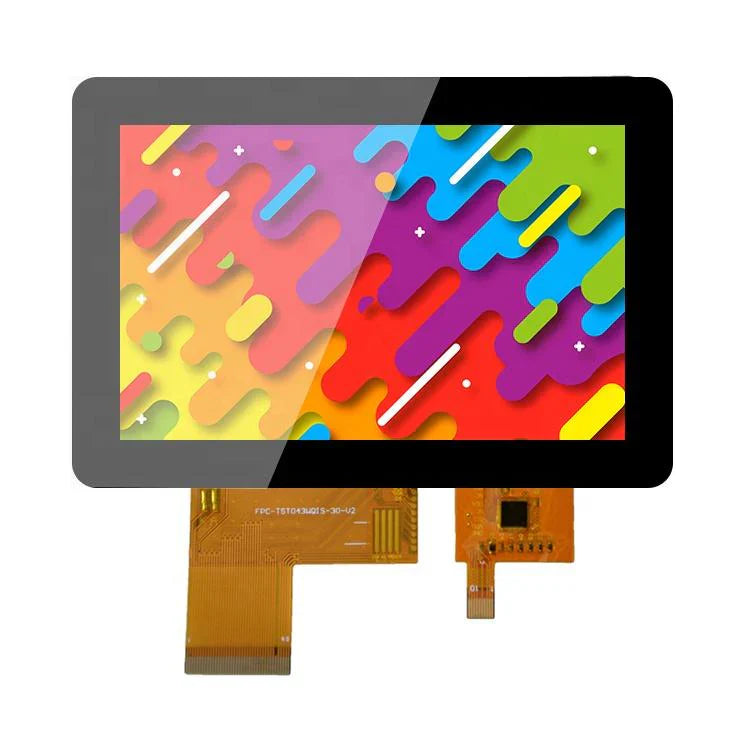
A custom LCD module is a display built to a product's own specification rather than taken from a catalogue: a particular outline, a particular interface, a particular backlight and sometimes a unique segment or dot layout. The engineering question is not whether customisation is possible — it usually is — but which parts of the module are worth customising and which are cheaper to take from a standard part.
What can be customised, and what it costs
Four layers are customisable, in ascending order of cost and lead time.
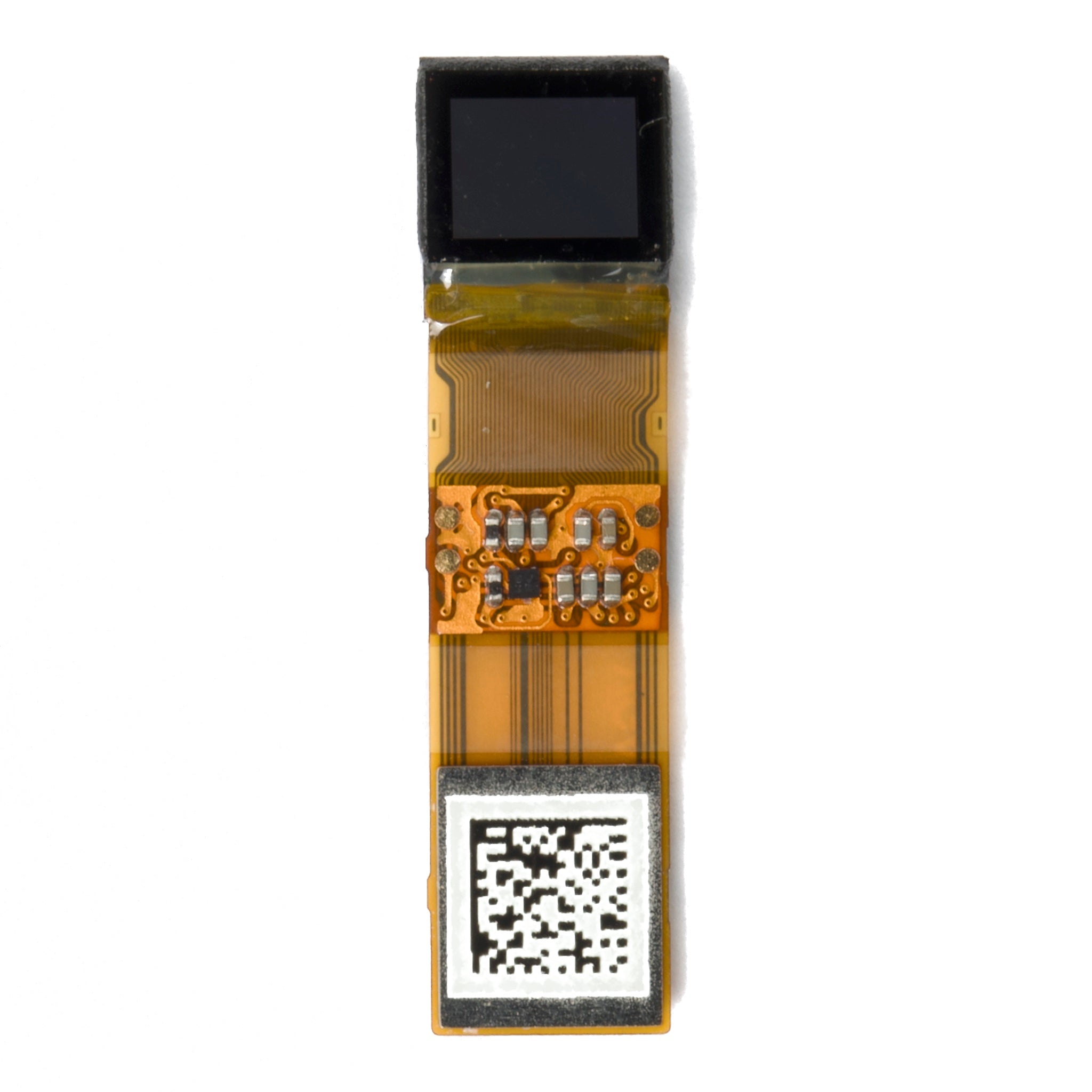
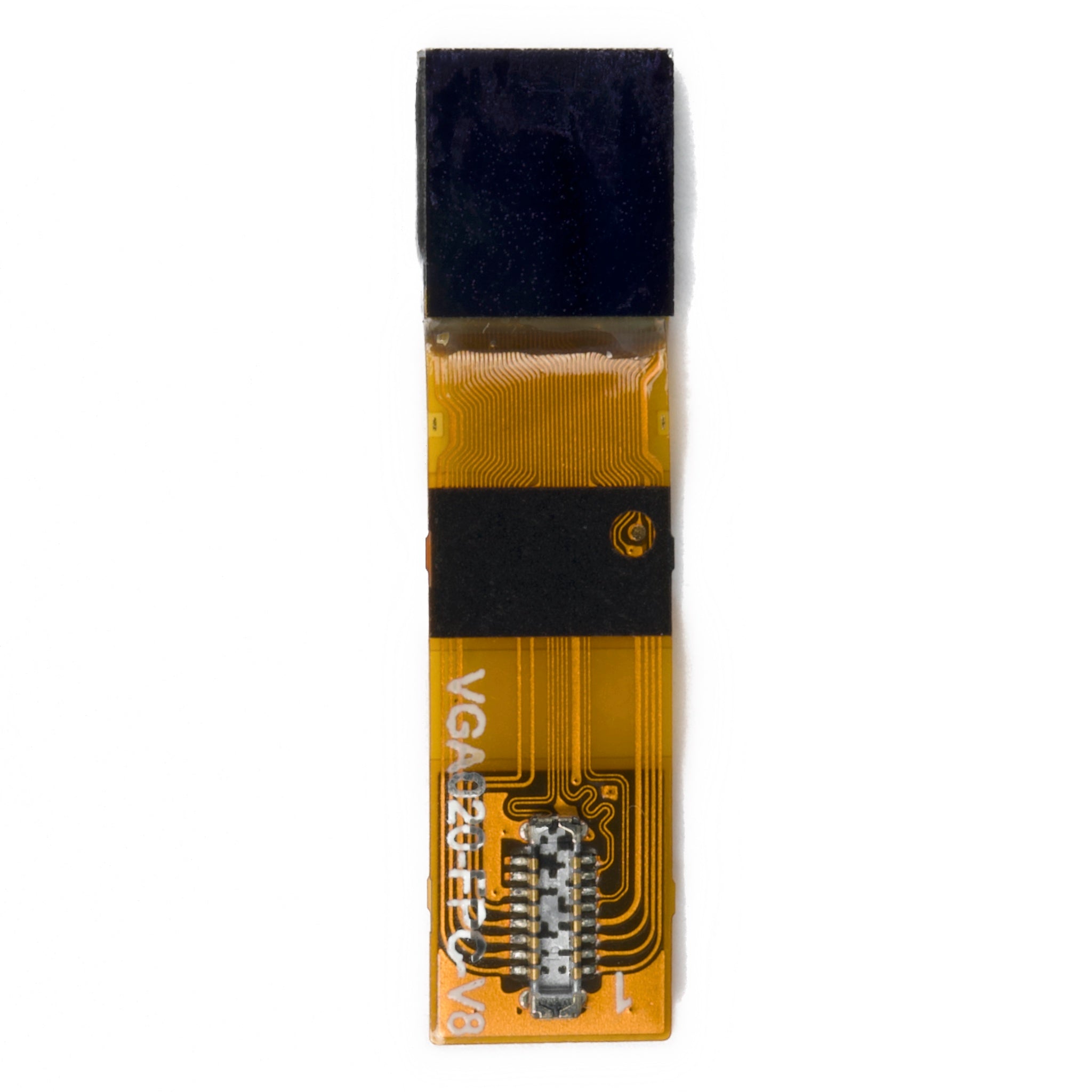
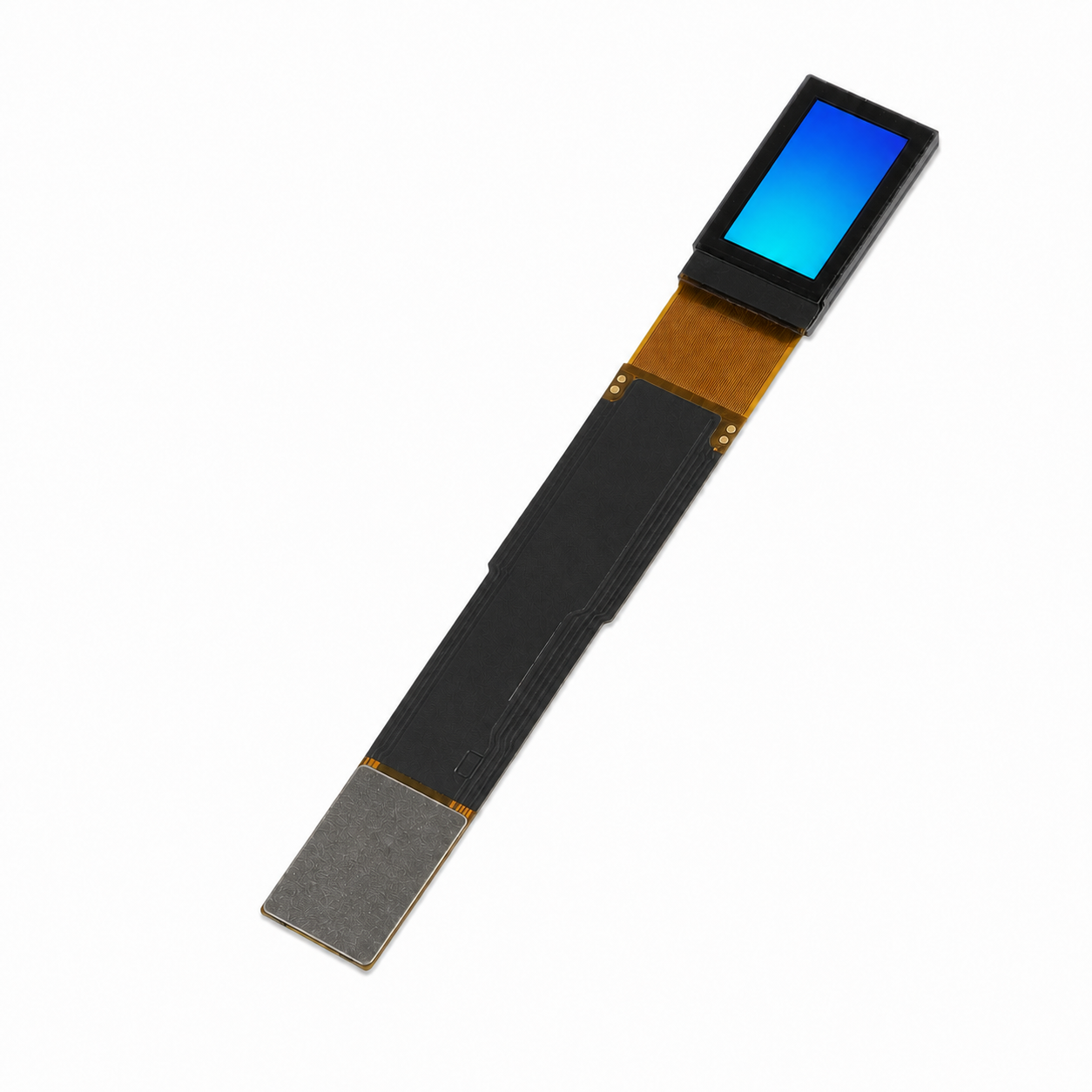
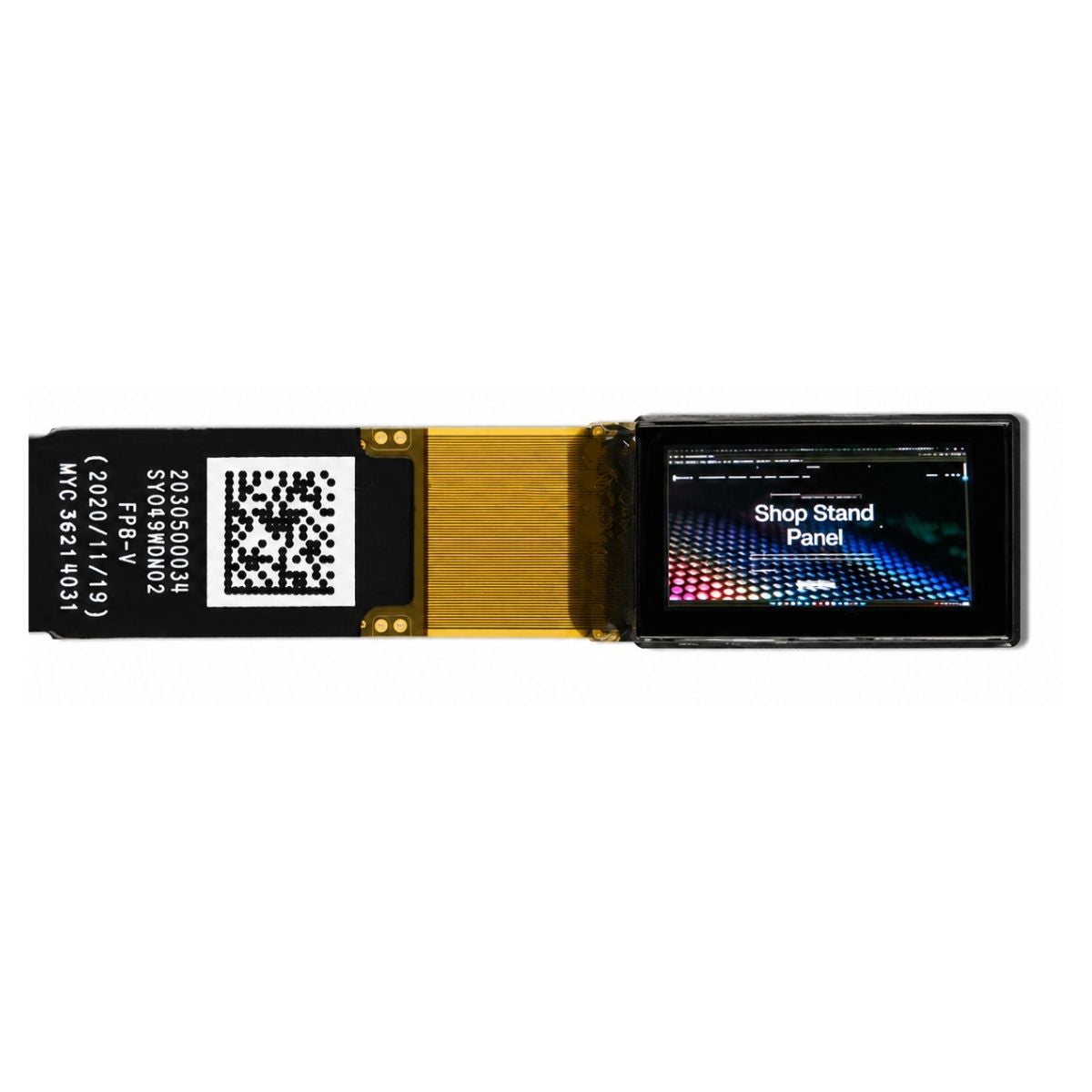
- FPC and connector. Length, shape, pinout and connector type. Relatively cheap to change, and the most common customisation.
- Backlight. Colour, brightness and the number of LEDs. Moderate cost, mostly in brightness binning and driver matching.
- Cover glass and polariser. Anti-glare, anti-reflective, printed borders, touch integration. Moderate to high, because bonding and tooling enter.
- The glass itself. Custom segment or dot layout, custom size, custom viewing direction. The highest cost: new photomasks, new tooling, new qualification.
The practical rule is to customise as low in that list as the product allows. A custom FPC with a standard panel delivers most of the integration benefit at a fraction of the cost of a custom glass.
When a custom glass is justified
Custom glass earns its cost in three situations: the outline must fit a bezel that cannot change, the display must show fixed graphics or a segment layout that a standard dot matrix handles badly, or the product needs a specific viewing direction or transfective treatment that is not available off the shelf.
It does not earn its cost when a standard panel plus a custom FPC would fit, or when the interface could be redrawn to suit an available resolution. Redrawing an interface is usually cheaper than a mask set.
Interface and controller choices
The interface should be chosen against the host, not the panel. A small microcontroller with spare SPI is best served by an SPI module with an integrated controller; a host with parallel bus capability and a need for fast updates may prefer an 8080-style interface. Customisation here is mostly about pin assignment and FPC routing rather than about the protocol.
Two details to settle early: the data/command select line and the reset line, both of which need GPIOs that a design copied from a character module may not have. And the controller's memory: a controller with display RAM lets the host update only what changed.
Tooling, MOQ and the real cost curve
Custom work has three cost bands. At prototype quantities the cost is dominated by tooling and engineering, and the per-unit price is almost meaningless. At pilot quantities the tooling amortises and the price falls. At production quantities the price is materials plus yield.
Ask for the tooling cost separately from the unit price, and ask what the MOQ is after tooling is paid. A supplier who quotes a low unit price with a very high MOQ may be offering worse economics than one with a higher unit price and a lower MOQ, depending on the product's forecast.
What to put in the specification
- Outline drawing with the active area, viewing direction and connector position.
- Interface, controller part number and the host's available bus and GPIOs.
- Backlight colour and brightness, with the operating condition stated.
- Polariser mode and treatment: positive or negative, transmissive/reflective/transflective, anti-glare.
- Operating temperature range and the environment (indoor, outdoor, sealed enclosure).
- Luminance, contrast and uniformity measurement basis, standardised in ISO 9241-307[1].
Standard-format modules that can be customised on FPC, backlight and cover glass are listed in the TFT LCD, character LCD and graphic LCD ranges; segment and COG options are grouped under COG LCD.

Customise a liquid crystal display from the outside in: FPC first, then backlight, then cover glass, and only then the glass layout. Settle the interface details the old design may lack, ask for tooling separately from unit price, and check the MOQ against the forecast before committing.
References
- ISO 9241-307:2008 — Ergonomics of human-system interaction — Part 307: Analysis and compliance test methods for electronic visual displays. International Organization for Standardization. https://www.iso.org/standard/40102.html
Read more
To choose an LCD module, first define requirements: size (e.g., 2.4"), resolution (e.g., 320x240), and interface (SPI for simplicity, MIPI for speed).
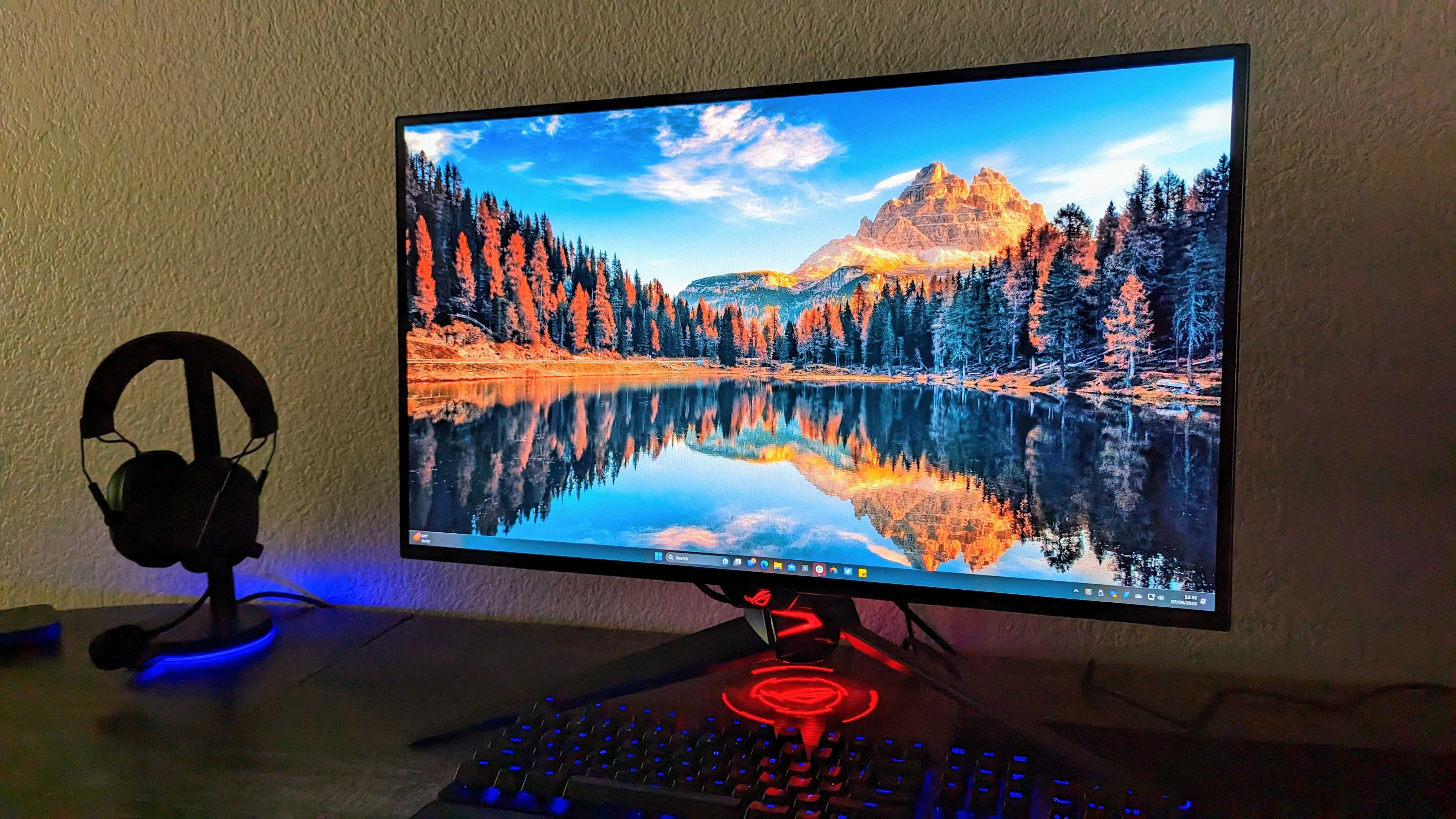
Choose OLED for superior contrast (over 1,000,000:1), faster response (microseconds vs milliseconds), and wider viewing angles. It's ideal for high-end.
Leave a comment
This site is protected by hCaptcha and the hCaptcha Privacy Policy and Terms of Service apply.