

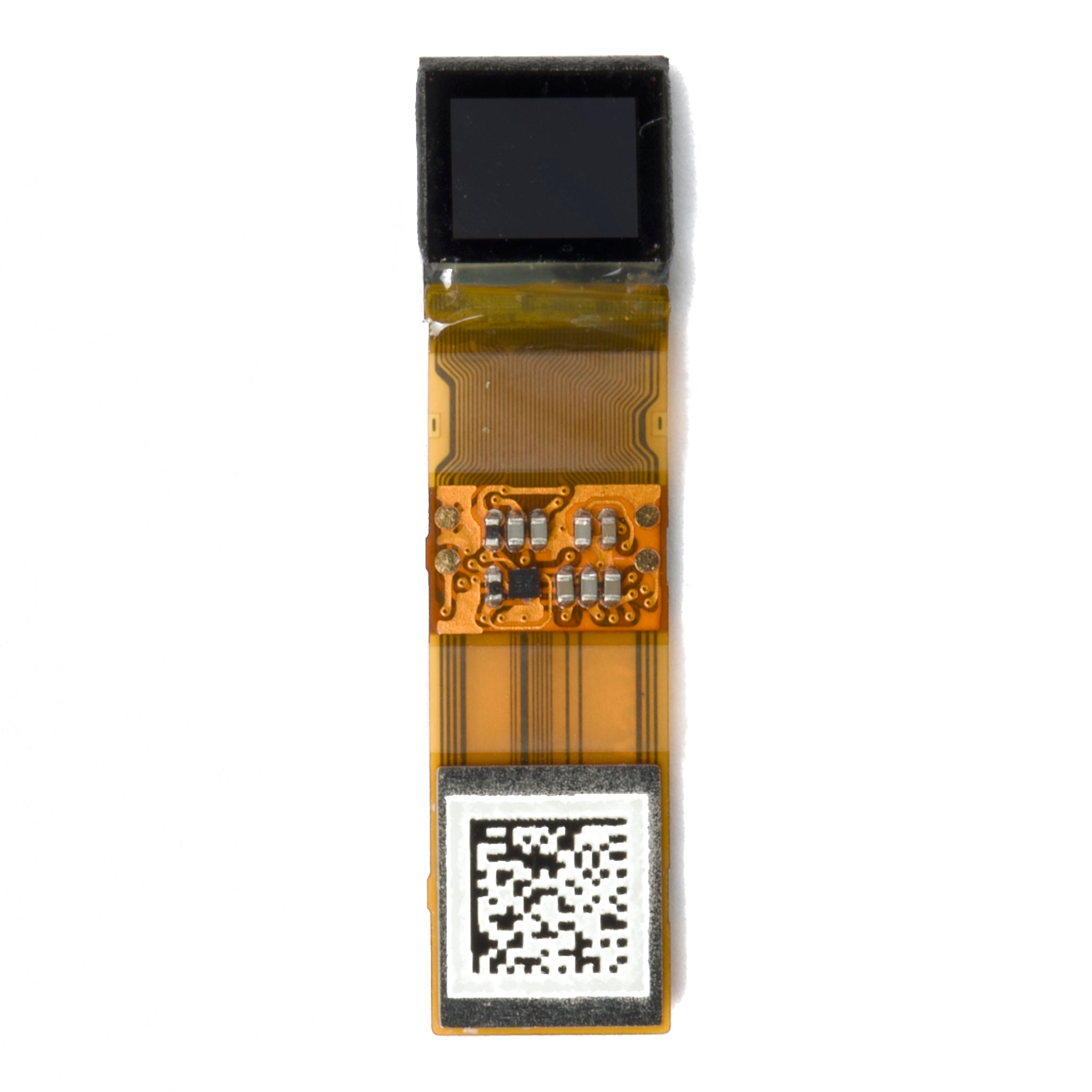
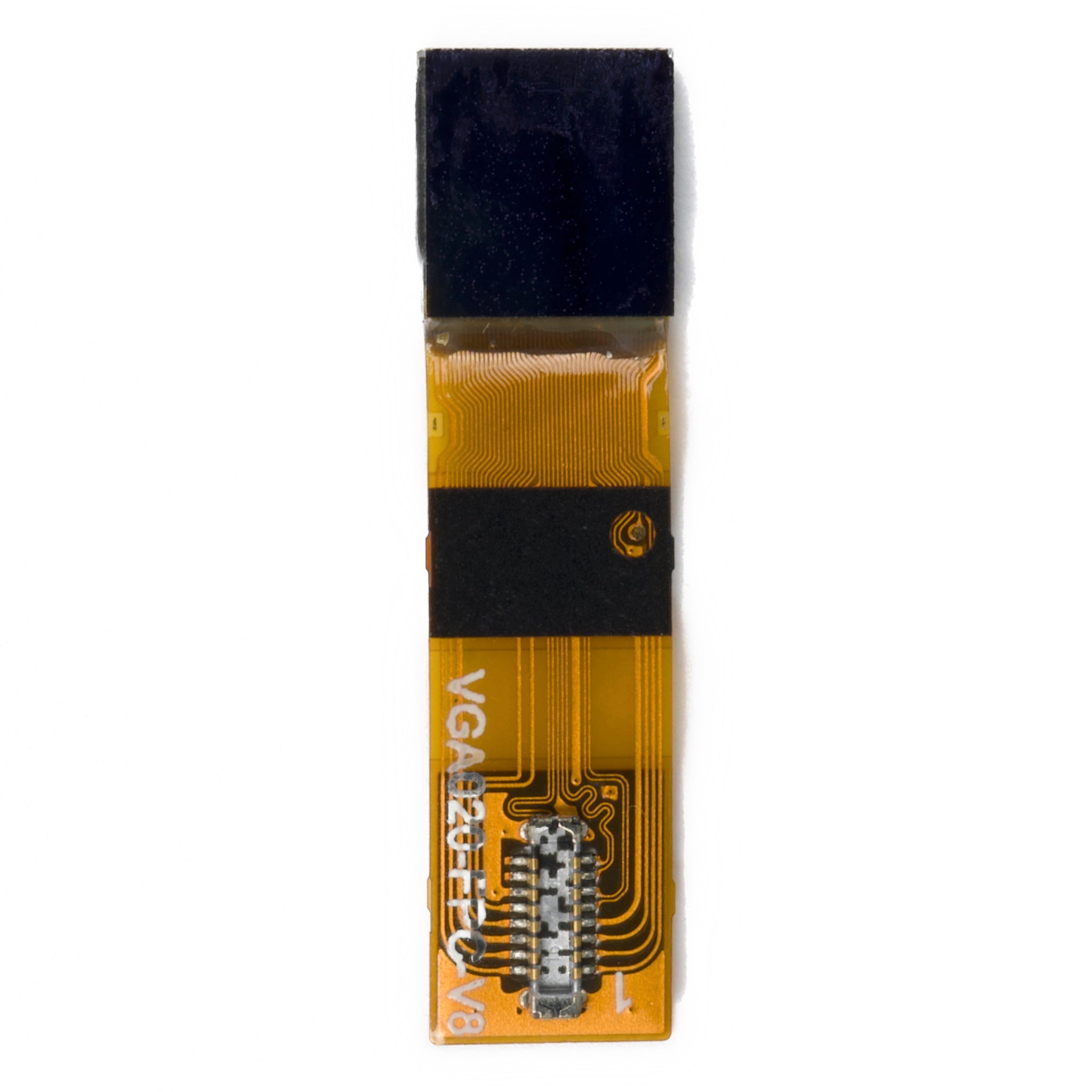
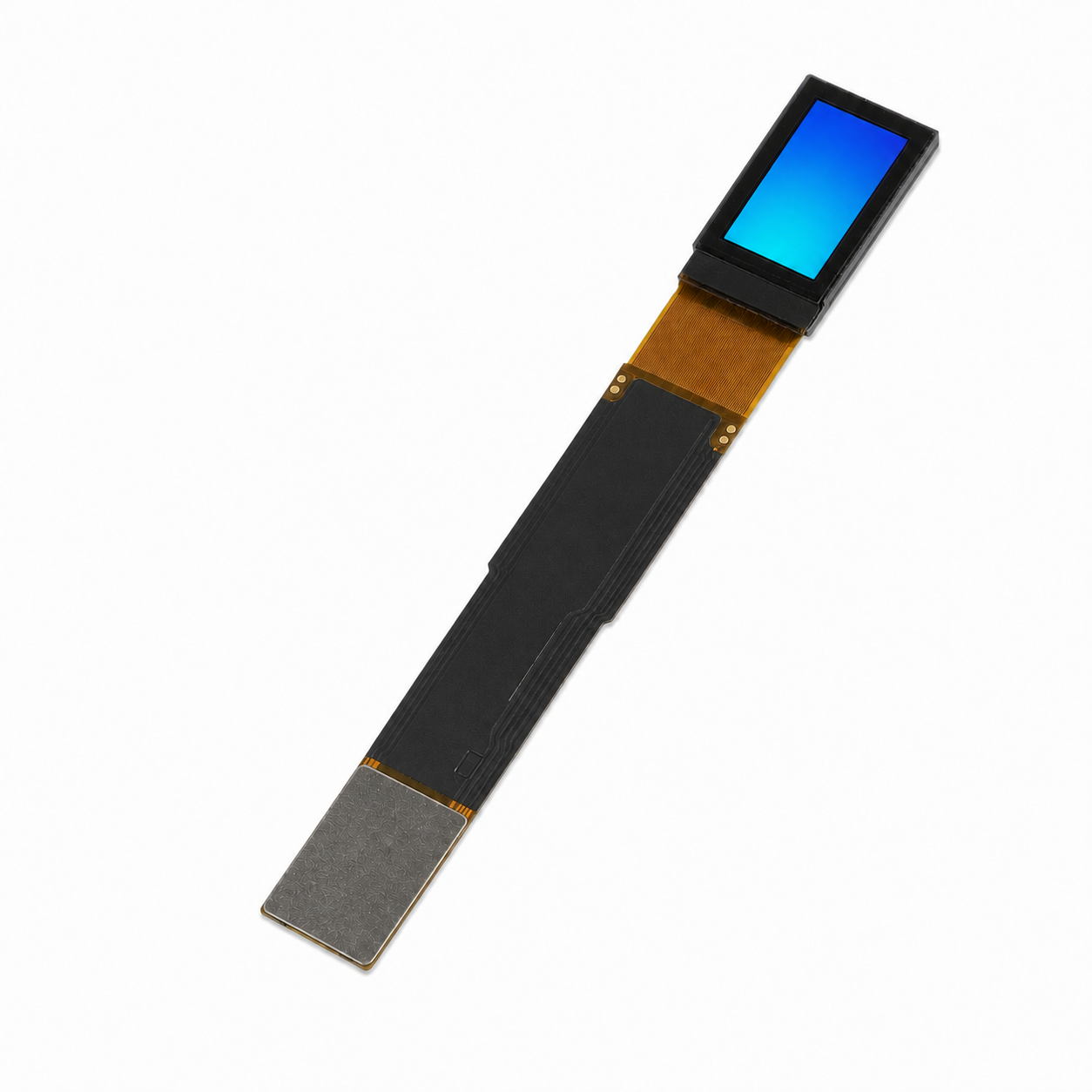
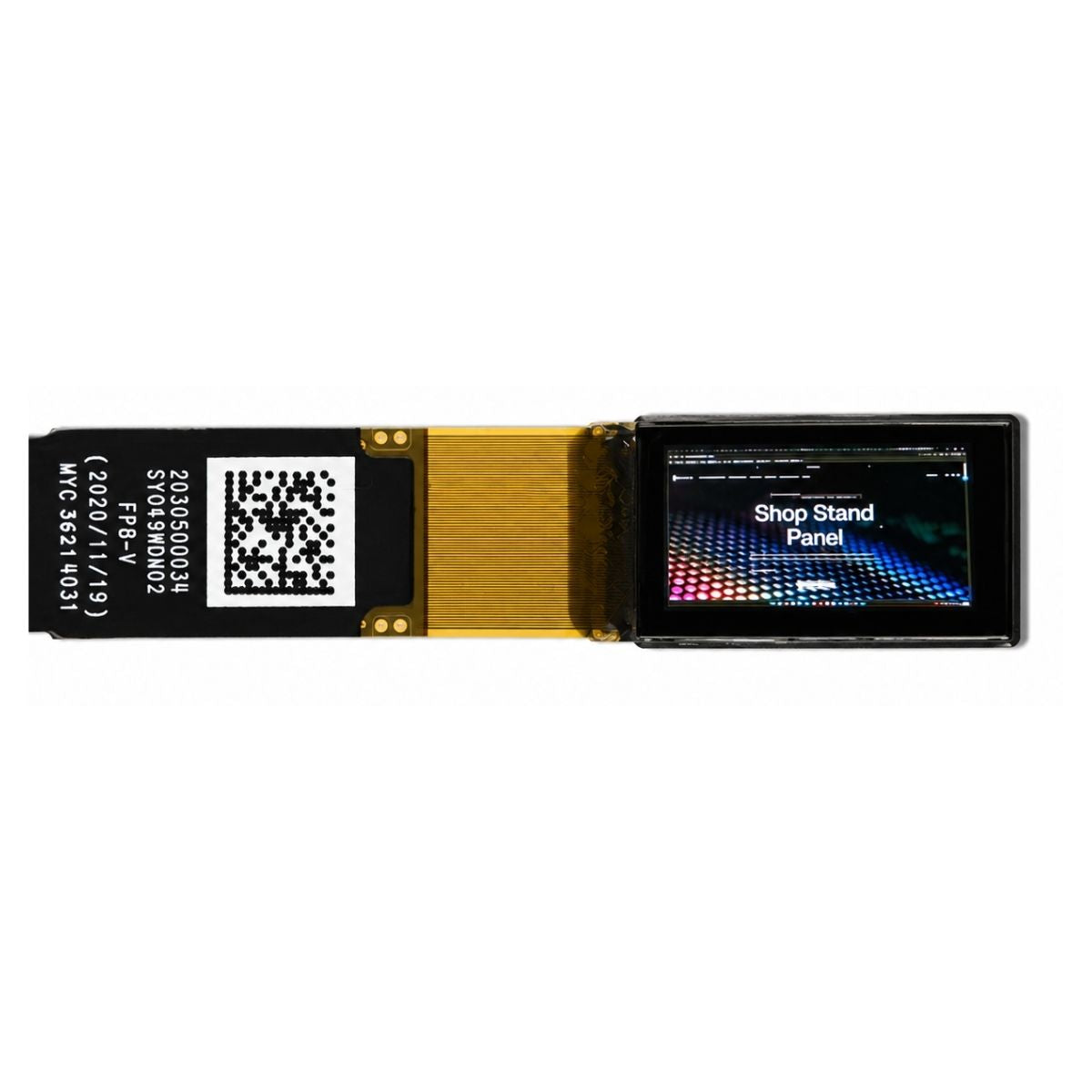


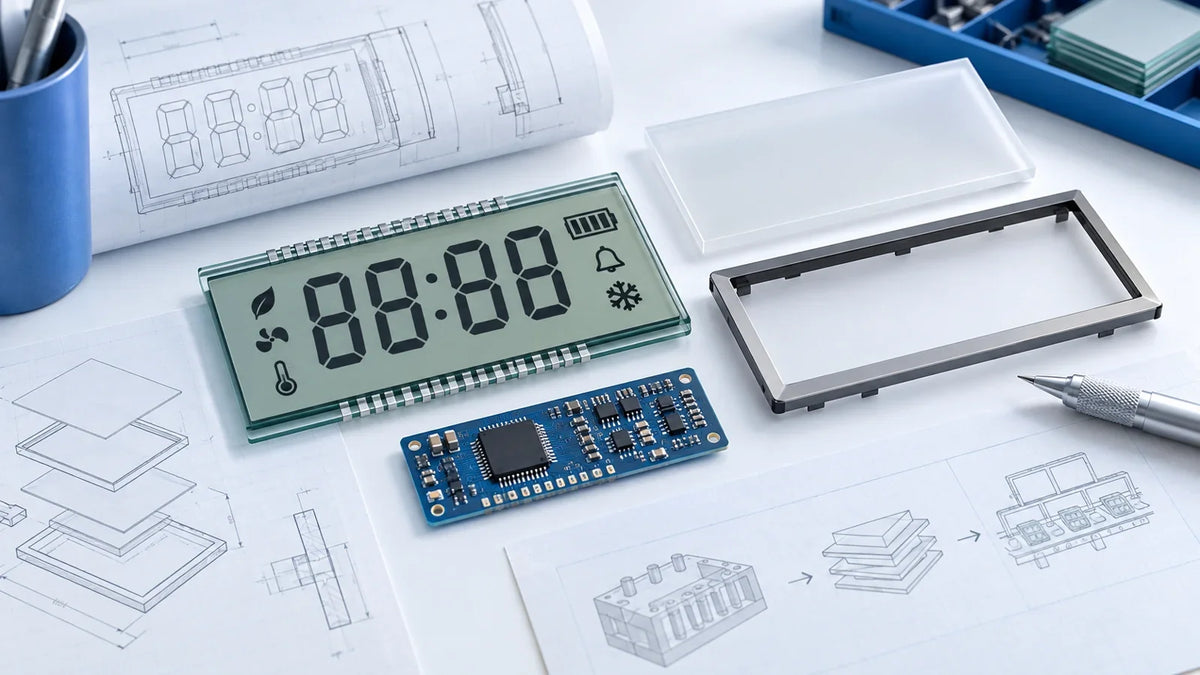
Tooling cost depends on how much must be designed and built specifically for your LCD: electrode patterns, test fixtures, backlights, housings, and driver boards. MOQ depends on the factory’s production batch size and the minimum purchases for those parts. Changing a glass pattern may add a photomask charge; adding a custom backlight may add both tooling and a separate material minimum.
There is no single price or MOQ that covers both bare glass and a complete module. Compare quotes against the same drawing, delivery scope, and order quantity.
All prices and quantities below are calculation examples, not market quotes or industry-standard MOQs. Amounts are in Chinese yuan (CNY).
What Raises the Tooling Cost
| Design requirement | Work to price separately |
|---|---|
| Custom digits, icons, or pinout | Electrode layout, photomasks, samples, and segment mapping |
| Custom backlight or housing | Light-guide development, molds where needed, and assembly fixtures |
| Driver board supplied with the display | Driver selection, PCB layout, prototypes, and test software |
| Specified environmental tests | Test samples, chamber time, measurements, and reports |
| Changes after approval | Only the affected masks, fixtures, boards, and sample builds |
A “CNY 3,000 development fee” should state the sample quantity, included revisions, and any tooling still payable before production. One drawing revision does not necessarily include another sample build.
Segment Count and Driver Capacity
Four seven-segment digits use 28 segments. Four independent decimal points and six icons bring the total to 38.
With a suitable driver and glass layout, four COM lines and ten SEG lines can control up to 40 segments. These 14 electrode connections are not the complete module’s external interface. The quote should distinguish the driver IC from a separate controller board.
Adding a 39th segment stays within that configuration but may still require a new photomask. A 41st segment exceeds it. Spare chip outputs may allow a larger configuration; otherwise, the change may require another driver and PCB revision.
The drive specification also matters: segment LCDs require AC drive, and sustained DC can degrade the display.[1] Include the drive waveform and COM/SEG mapping in the approved electrical specification.
Glass Size and Backlighting
Glass size affects panel yield per process sheet and unit cost. It adds development charges when the new size also requires different masks, fixtures, backlighting, or mechanical parts. A 20% increase in glass area does not imply a 20% increase in tooling cost.
The choice between reflective and transmissive construction changes the parts list: a reflective display uses ambient light, while a transmissive display needs a backlight. For backlit designs, ask whether an existing light guide and frame fit before commissioning new parts.
Temperature and Test Requirements
Changing the operating range from 0–50°C to −20–70°C calls for a review of the liquid crystal material, drive settings, and low-temperature response. Material changes may affect unit price; sample testing and engineering work may add separate development charges.
Specify the temperature, duration, powered state, and display pass criteria. IEC 60068-2-1:2025 covers cold tests for both energized and non-energized specimens used, transported, or stored at low temperatures.[2] A storage test alone does not establish powered display performance.
What Sets the MOQ

Production Batch Costs
A fixed batch setup cost of CNY 1,000 adds CNY 5 per panel at 200 panels, or CNY 1 at 1,000 panels. A factory may set an MOQ to spread that work across more units.
If you need 500 panels against a 1,000-panel MOQ, ask whether the supplier will quote 500 with a batch surcharge. Compare that total with the full 1,000-panel order and its extra inventory.
Component Minimums
A 500-module order might require 500 glass panels but a purchase of 1,000 custom backlights. That does not automatically make the finished-module MOQ 1,000: the supplier may accept 500 modules if you pay for the unused parts.
The quote should identify the limiting component, its purchase minimum, and responsibility for the balance. If you buy the remaining 500 backlights, add 500 × the backlight unit price to the budget and agree on ownership, storage, and cancellation terms.
Samples and Split Deliveries
A five-piece sample order does not establish the production MOQ. Likewise, an order for 2,000 panels delivered in four batches of 500 usually remains a commitment to buy 2,000. Confirm the payment schedule and final delivery date before treating split shipments as a small-order option.
Which Quote Costs Less
This example assumes identical specifications and quality requirements, one-time development fees, fixed unit prices across the quantities shown, and equal other charges.
| Item | Option A | Option B |
|---|---|---|
| Development fee | CNY 3,000 | CNY 8,000 |
| Unit price | CNY 8 | CNY 6 |
| MOQ | 500 panels | 2,000 panels |
| Cost when only 500 panels are needed | CNY 7,000 for 500 panels | CNY 20,000 for the minimum 2,000 panels |
| Cost for 2,000 panels | CNY 19,000 | CNY 20,000 |
| Cost for 5,000 panels | CNY 43,000 | CNY 38,000 |
The cost crossover is (8,000 − 3,000) ÷ (8 − 6) = 2,500 panels. Below that quantity, A costs less under these assumptions. Above it, B costs less.
For a 500-panel requirement, B also leaves 1,500 panels in stock. Include freight, taxes, separate batch charges, and inventory costs where they differ. Do not spread the development fee across an annual forecast unless you expect to purchase that quantity.
Ways to Reduce the Upfront Spend
- Reuse existing parts. Ask for available backlight, frame, connector, and driver-board options. Compare them with the custom versions at the same order quantity.
- Combine compatible glass designs. Three versions ordered at 400 panels each could become one design at 1,200 panels. Check driver capacity and readability; different backlights may still have separate minimums.
- Check whether custom glass is necessary. If the layout only needs text and numbers, an existing 16×2 or 20×2 character LCD may avoid glass development fees. Compare dimensions, power use, and interface requirements before changing the design.
- Price “free tooling” over the full order volume. Waiving CNY 3,000 while adding CNY 1 per panel costs the same at 3,000 panels. Beyond that, the higher unit price costs more, assuming all other terms are equal.
What to Put in the Purchase Terms
Reference the approved display drawing, mechanical drawing, and electrical specification by revision. State the sample allowance, change charges, tooling ownership, and storage period. For unchanged repeat orders, confirm whether usable tooling can be reused without another development fee.
Separate forecasts from buying authority. “Annual forecast: 5,000; first order: 1,000” should not authorize materials for the remaining 4,000 unless you expressly agree to that purchase. For a one-off 100-unit project, state that there is no later production commitment.
Price your actual design and first order
Send DisplayModule your segment drawing, dimensions, drive requirements, operating temperature, and first-order quantity. State whether you need bare glass or a complete module, and request tooling, samples, production pricing, and MOQ as separate items.
Request Tooling & MOQ Pricing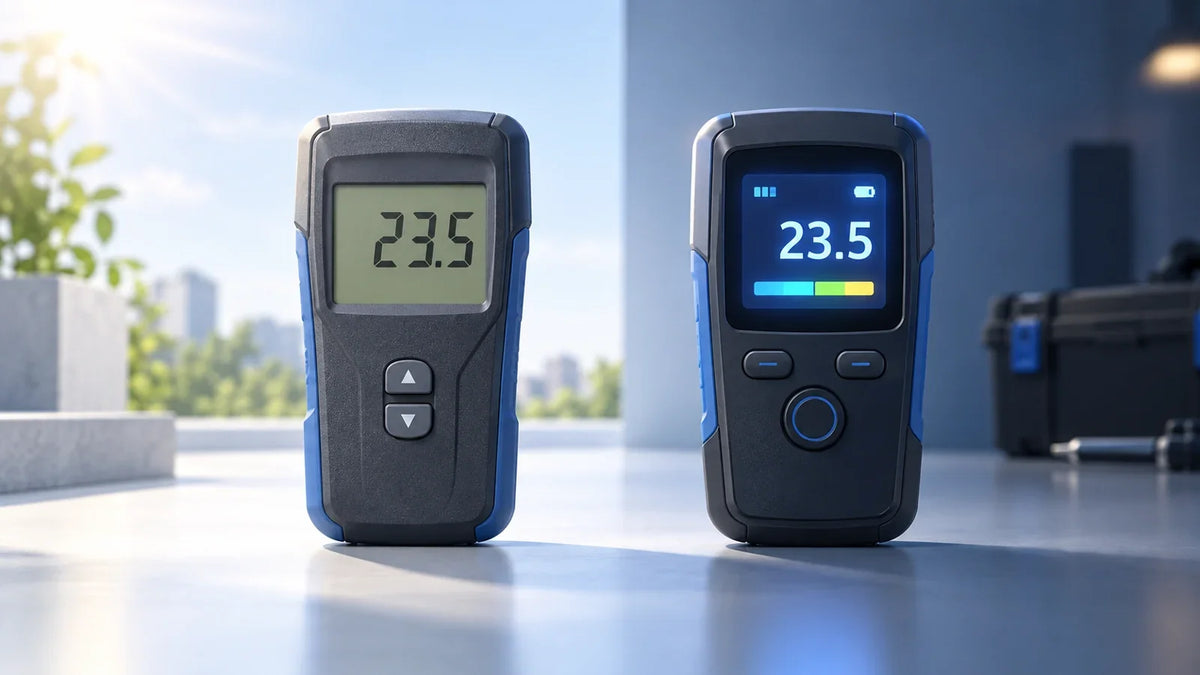
Leave a comment
This site is protected by hCaptcha and the hCaptcha Privacy Policy and Terms of Service apply.