



LCD Panel vs LCD Module: What Is Included in the Price
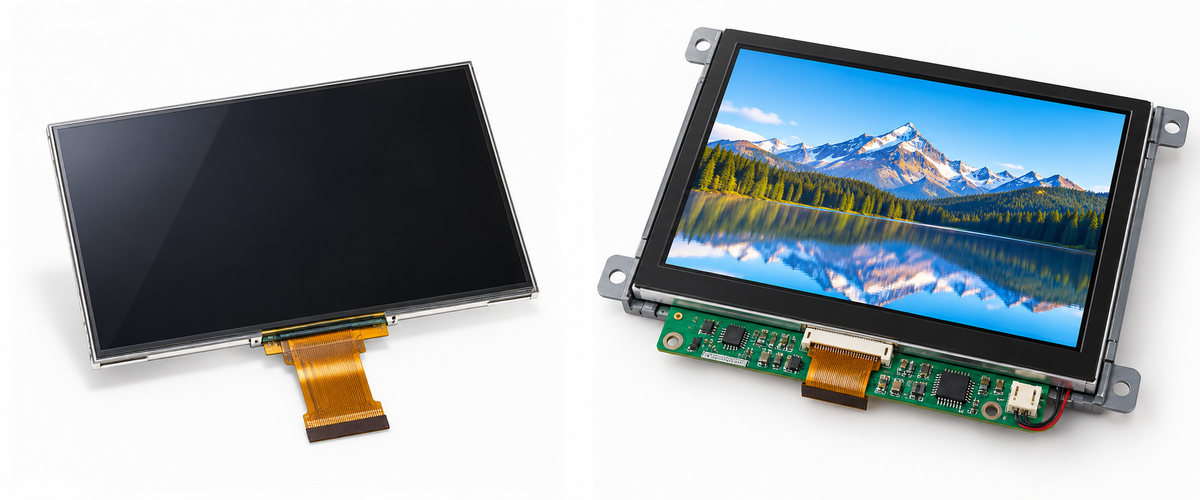
A panel and a module are different products at different prices: the panel is the glass with its liquid crystal and electrodes, and the module adds the driver, the backlight, the connector and the mechanical assembly that make it usable. Most price confusion in this category comes from comparing a panel quotation with a module quotation and assuming the difference is margin.
What the panel alone contains
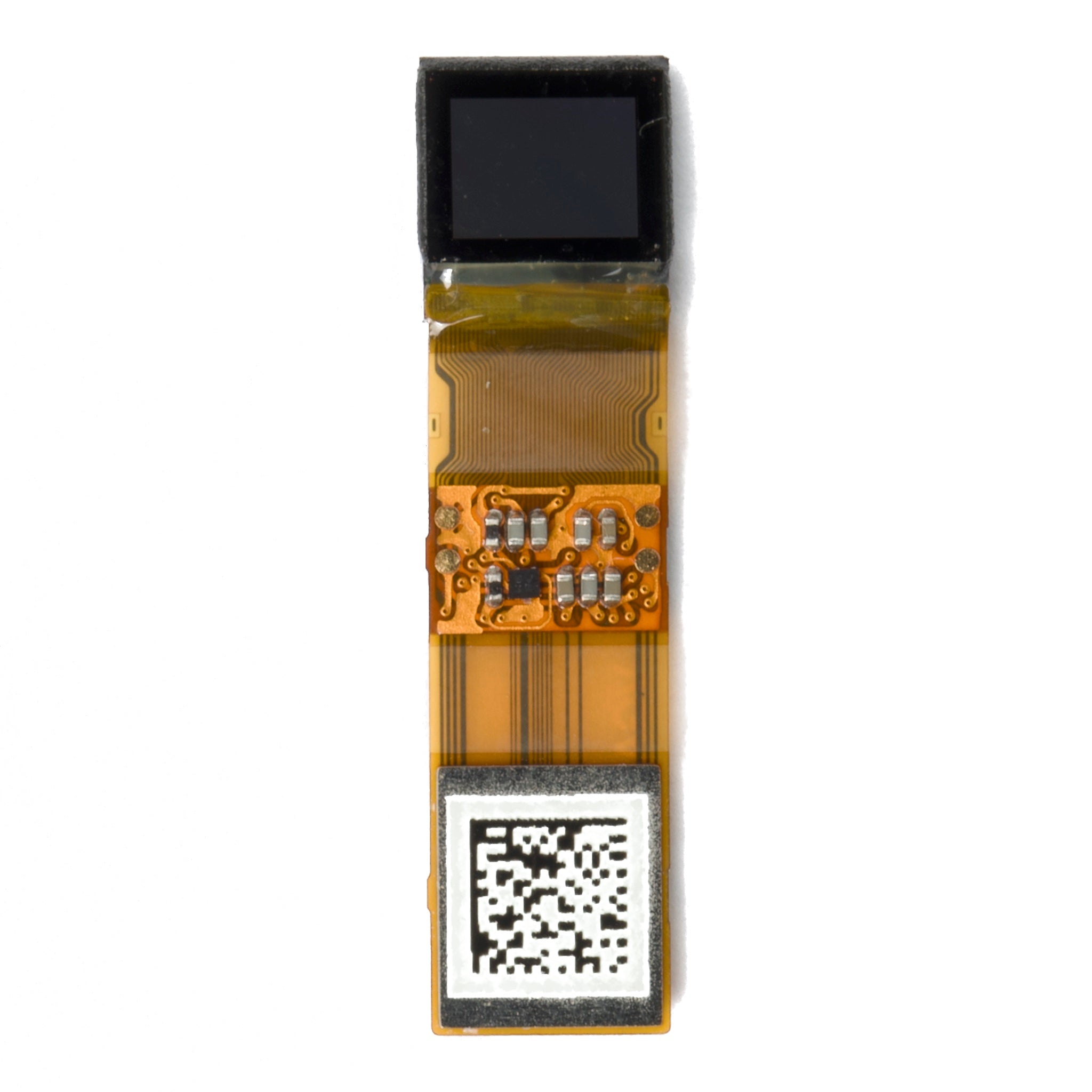
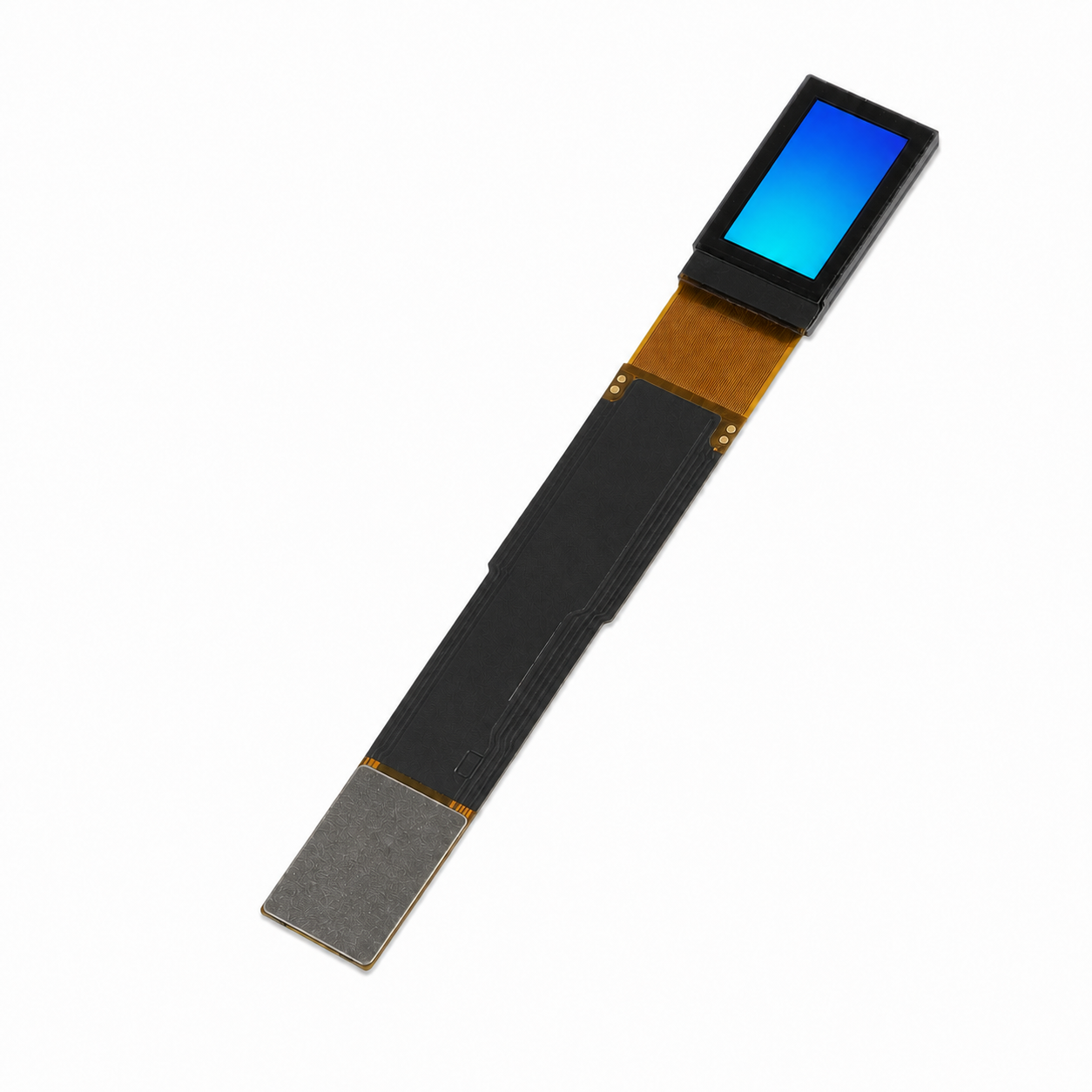
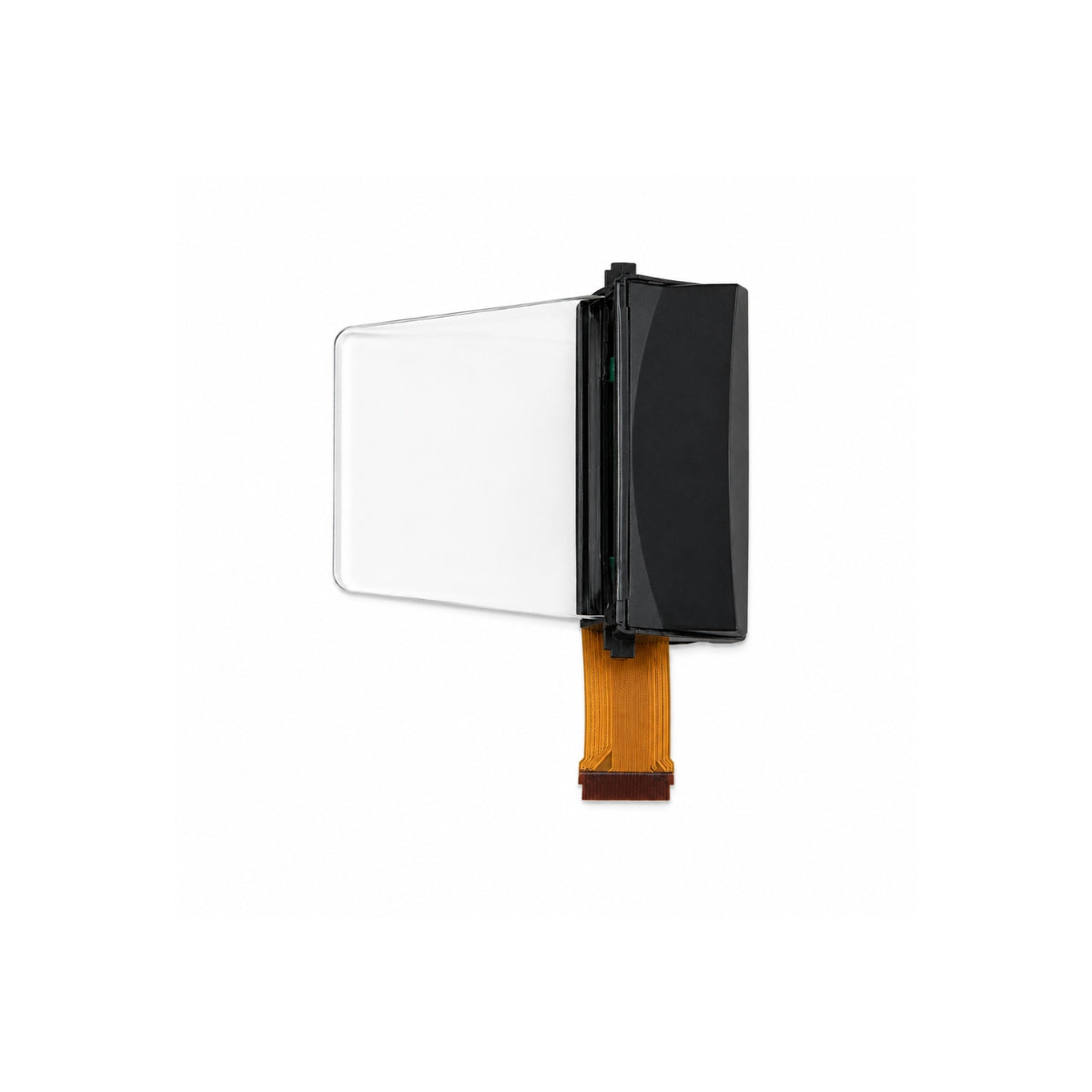
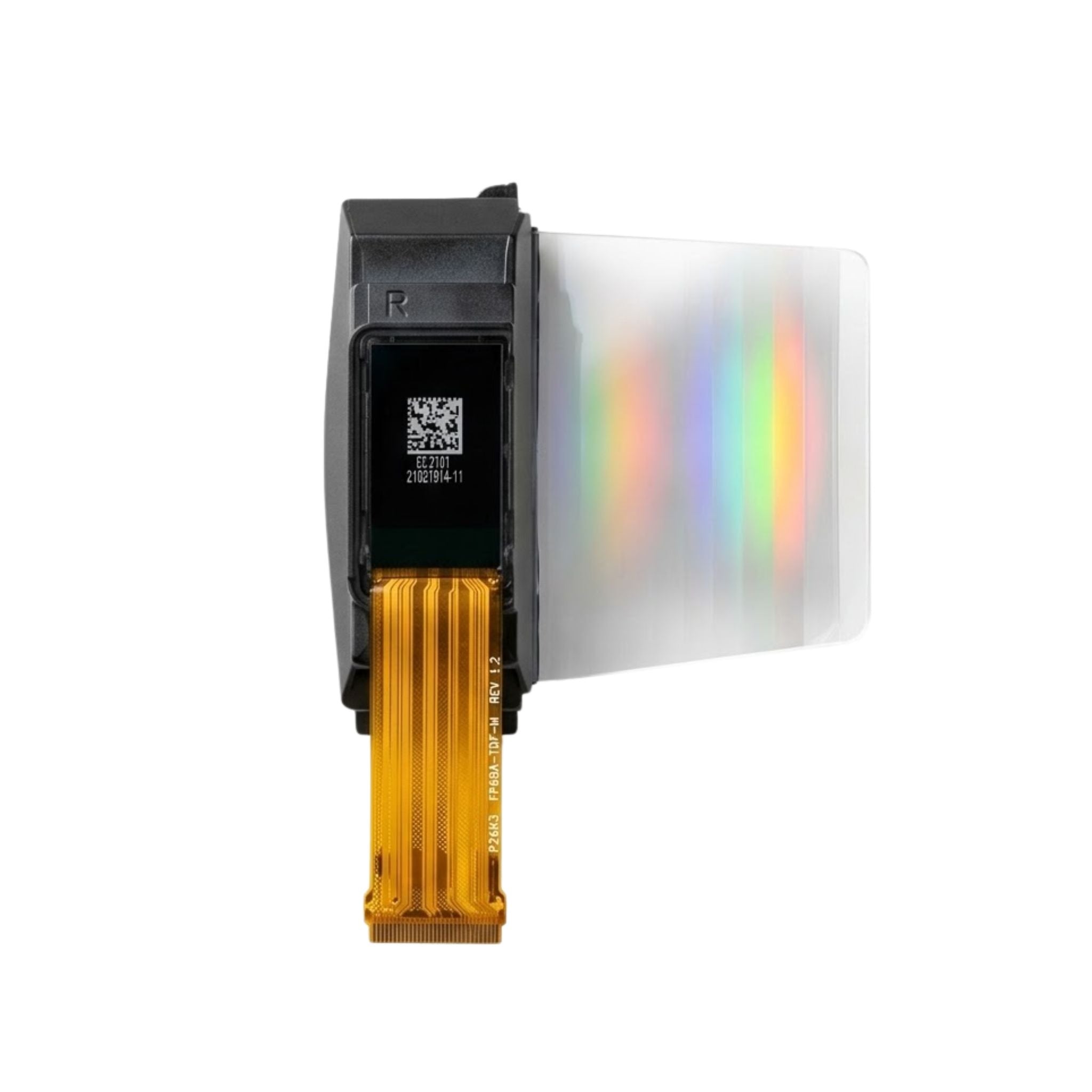
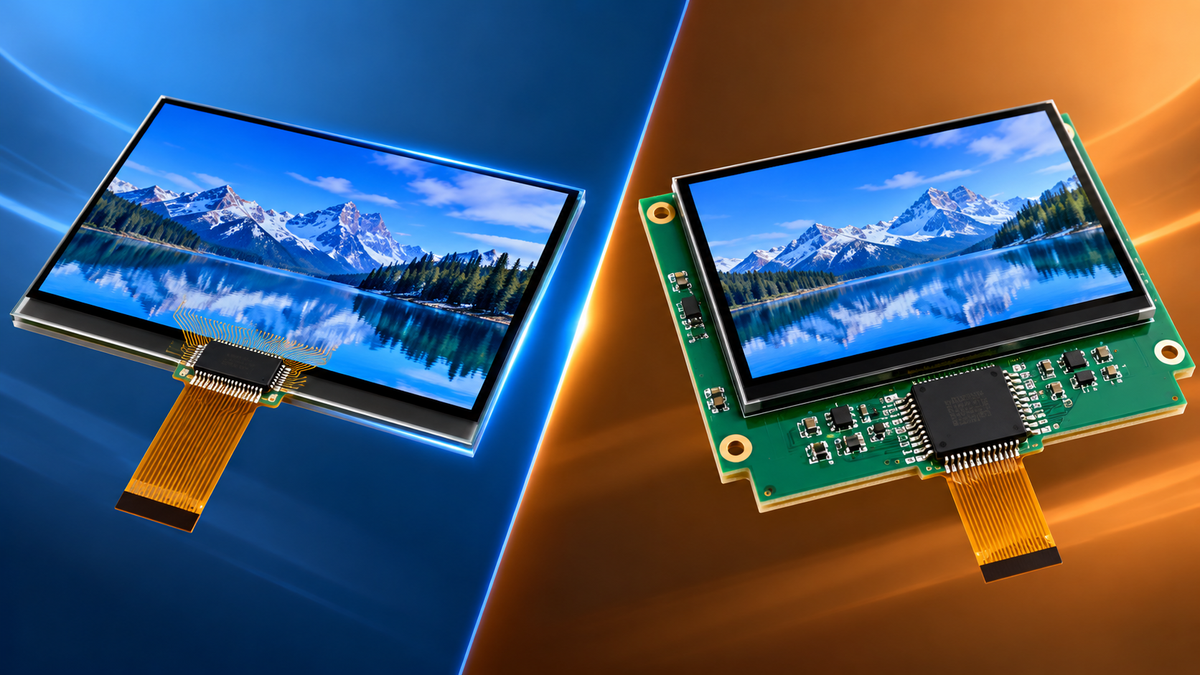
A bare panel is two glass substrates with liquid crystal between them, patterned electrodes, polarisers and the seal. It has no driver electronics, so the row and column electrodes end at the glass edge as fine-pitch contacts. It has no backlight, so a transmissive panel shows nothing without one.
Buying at panel level only makes sense for an organisation that already has the bonding, driver and backlight capability in-house — typically a module maker, not a product company. For a product designer, a panel quotation is an incomplete price.
What the module adds
Four additions turn a panel into a part that can be connected and mounted.
- Driver electronics, bonded to the glass or mounted on a film, converting the host's commands into row and column voltages.
- Backlight with its light guide, diffuser and films, plus the LED driver if it is on-board.
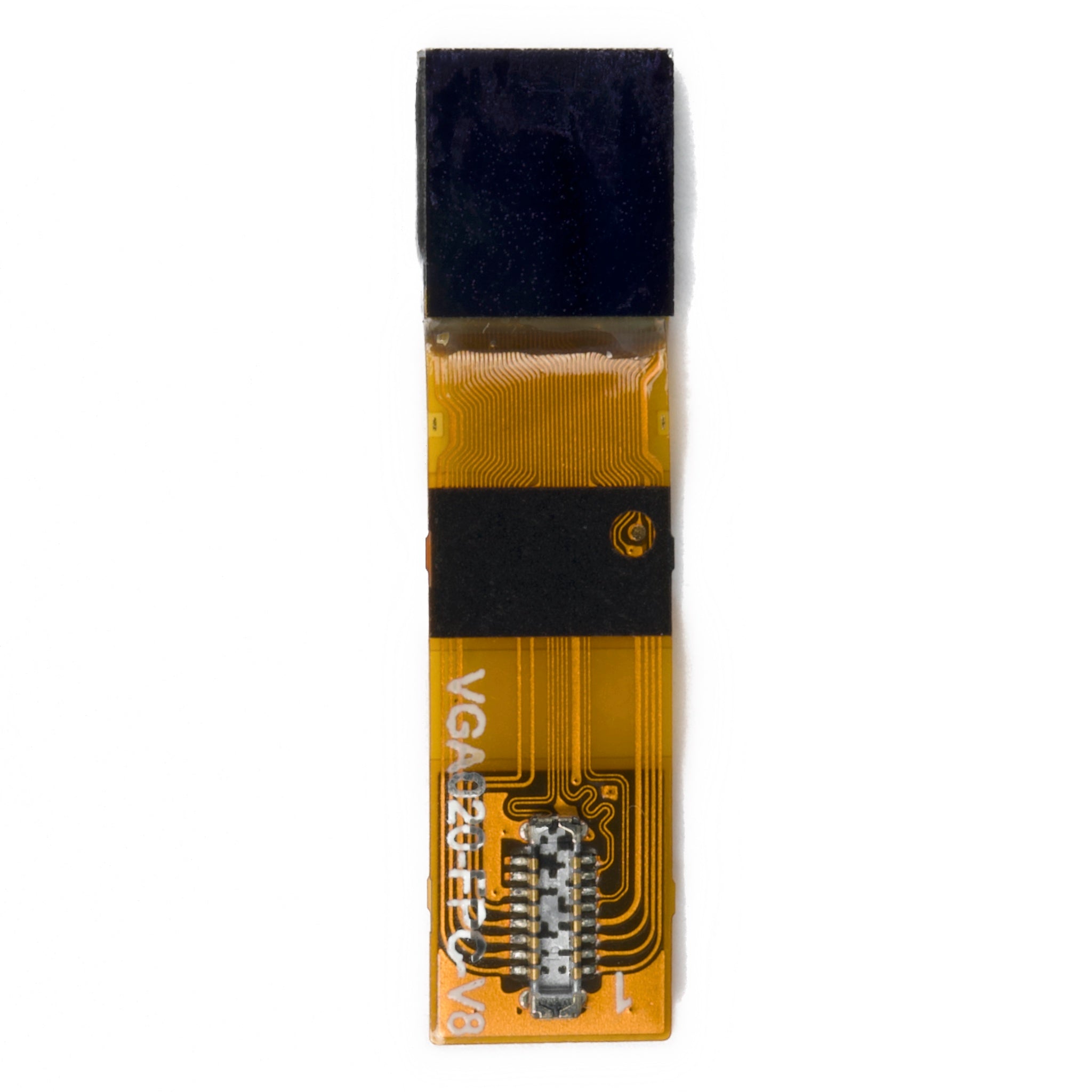
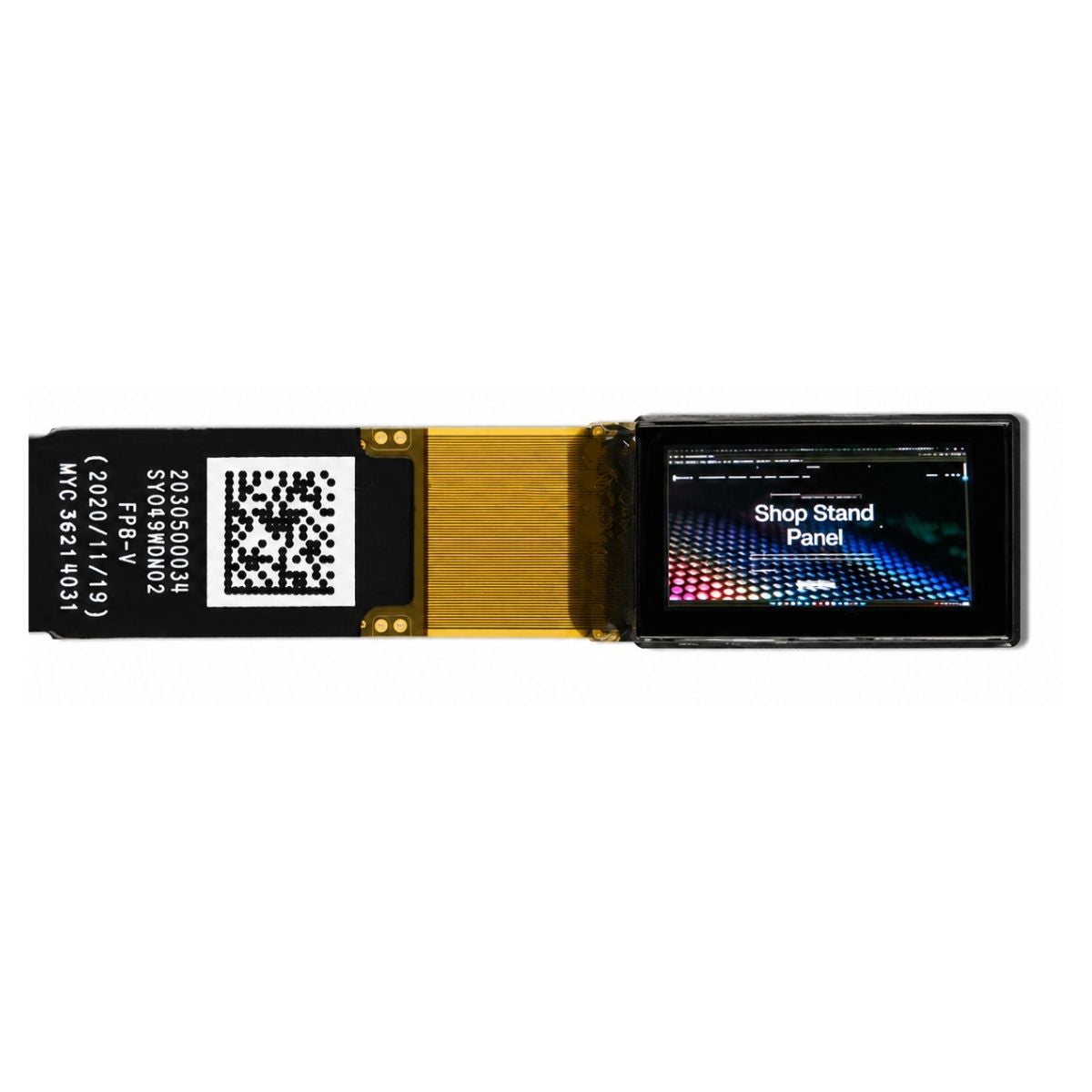
- Connector and FPC, providing the interface and the mechanical flexibility to reach the host board.
- Mechanical frame, which holds the stack in alignment and defines the mounting points.
Each of those is a cost line, and each can be specified differently between suppliers. That is why two "module" quotes for the same panel can differ substantially without either being wrong.
Why the gap matters when comparing prices
Three common mismatches appear in quotations.
Backlight omitted. A quote for a "transmissive LCD" may price the panel and the driver but not the backlight assembly, particularly where the customer intends to supply their own. The unit price looks attractive until the missing line is added.
Touch excluded. Capacitive touch adds a sensor, a controller and a bonding step. It is frequently quoted separately, and a comparison that ignores it measures scope rather than price.
Assembly level. A module with a frame, a connector and a tested backlight is a finished part; a COG assembly bonded to a flex tail is a different product with different integration work remaining at the customer.
Choosing the level that fits your capability
The right level follows from what the organisation can do. A company with SMT lines, bonding equipment and optical assembly can buy panels and build modules profitably. A company whose core competence is the product rather than the display should buy modules and treat the display as a component.
There is a middle level worth knowing: a module without a backlight or without a touch sensor, where the customer adds those from a preferred supplier. It can be the cheapest route when the customer already has qualified backlight or touch suppliers, but it adds integration and test steps that must be counted.
What to specify at either level
- The level explicitly: panel, module, or module with defined omissions.
- Backlight: brightness, colour, uniformity and the LED driver's location.
- Interface and driver part number, with the controller's memory.
- Mechanical: outline, active area, connector position, mounting points.
- Luminance, contrast and uniformity with the measurement basis, standardised in ISO 9241-307[1].
Modules across the main technologies are listed in the TFT LCD, character LCD and IPS collections; COG assemblies are grouped under COG LCD.

An LCD panel is the glass; an LCD module adds driver, backlight, connector and frame. Compare quotations at the same level, ask explicitly what is included, and choose the level your own assembly capability can absorb — otherwise the cheapest quote becomes the most expensive integration.
References
- ISO 9241-307:2008 — Ergonomics of human-system interaction — Part 307: Analysis and compliance test methods for electronic visual displays. International Organization for Standardization. https://www.iso.org/standard/40102.html
Read more
For a PLC-based machine that needs quick integration and easy field replacement, a complete HMI panel is usually the simpler route. If the equipment.
COG goes thinner in both directions: 6.0 mm against 13.6 mm on the same 128×64 dot count, and 400 lines along a glass edge at the finest strip pitch.
Leave a comment
This site is protected by hCaptcha and the hCaptcha Privacy Policy and Terms of Service apply.