



Outdoor LCD Displays | Technology, Brightness, and Protection
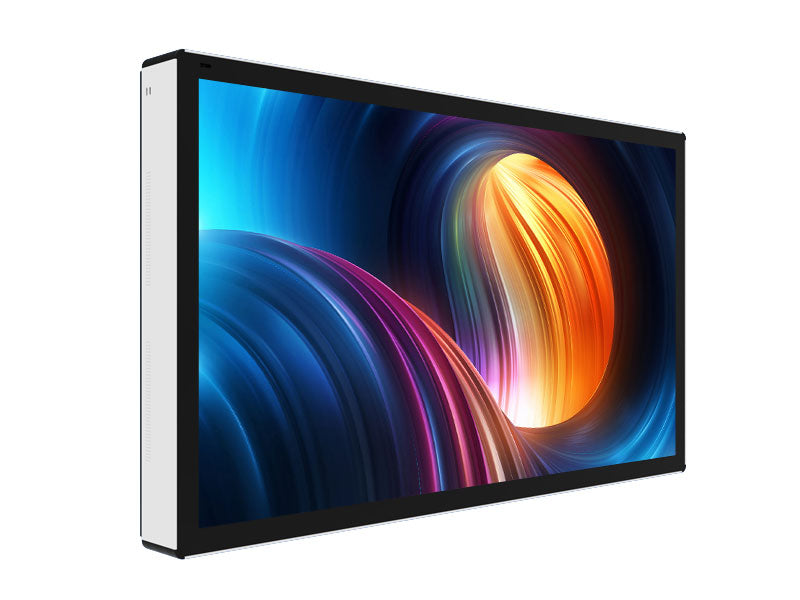
Outdoor LCDs are built around high-brightness LED backlighting, achieving 2500-4000 nits, ensuring clear visibility under strong light.
Equipped with IP65 protection (dustproof and waterproof), operating stably from -30°C to 60°C.
Built-in ambient light sensor module intelligently adjusts brightness for energy saving, suitable for outdoor scenarios like bus stops and scenic spots.
Technology
The technology behind outdoor LCD displays ensures users can read content under intense brightness, temperature extremes, and harsh weather conditions.
For example, Samsung's OH series reaches 5000 nits (indoor screens are around 700 nits), LG's wide-temperature liquid crystal operates from -30°C to 80°C, and NEC's IP65 protection plus IK10 impact resistance, with actual measured data showing a 99.5% annual uptime for screens in Times Square, USA, and 25% lower energy consumption compared to older models. This technology solves the outdoor display challenges of "poor visibility, instability, and lack of durability."
Temperature
Liquid Crystal Material:
Traditional liquid crystal becomes viscous below -10°C, with response time stretching from 8ms to over 50ms (a level of motion blur detectable by the human eye); above 50°C, it becomes too fluid, causing molecular disorder and a severe drop in contrast ratio.
-
Adding Nano Chiral Agents: NEC's MultiSync O series uses this method, doping the liquid crystal with chiral molecules about 50 nanometers in diameter (like helical springs), forcing the liquid crystal molecules to align at a fixed angle. Tests show the phase transition temperature range widens from the traditional -10°C~50°C to -35°C~75°C. Testing in Calgary, Canada, at -30°C in winter showed response time remained at 11ms (indoor screen standard is 8-15ms) with no motion blur in video playback.
-
Polymer Network Stabilization Structure: LG's Outdoor LCD uses a polymer mesh to envelop liquid crystal molecules, like putting a "thermal jacket" on them. Testing in Trondheim, Norway (-25°C) for 72 hours of continuous operation showed contrast ratio maintained at 800:1 (1000:1 at room temperature), a drop of only 20%, far better than the 60% plunge of traditional liquid crystal.
|
Liquid Crystal Type
|
Phase Transition Temperature Range
|
Response Time at -30°C
|
Contrast Retention at 55°C
|
Suitable Regions
|
|---|---|---|---|---|
|
Traditional TN LC
|
-10°C~50°C
|
>50ms
|
40%
|
Temperate Indoor
|
|
NEC Wide-Temp LC
|
-35°C~75°C
|
11ms
|
85%
|
Canadian, Nordic Winters
|
|
LG Polymer LC
|
-30°C~80°C
|
9ms
|
90%
|
Middle Eastern Summers, Nordic Year-round
|
Heating and Cooling Modules:
-
Heating: The "Warm Baby" for Sub-zero Startup: Planar's Clarity Matrix uses a micro carbon fiber heating film (0.1mm thick) attached to the back of the LCD panel. It automatically activates at -40°C, raising the internal screen temperature above 0°C within 10 minutes. In Dubai winter, where temperatures occasionally drop to 5°C, this module doesn't activate; but in Edmonton, Canada at -35°C, the 30W heating film keeps the liquid crystal active.
-
Cooling: Thermoelectric Cooling + Heat Sink Fins Combined: Sharp's PN-E series installs thermoelectric coolers (TECs) near chips. When powered, one side absorbs heat while the other dissipates it, paired with an aluminum alloy finned casing (40% larger heat dissipation area than standard screens). This can suppress CPU temperature to 65°C in a 70°C environment. Testing on the Las Vegas strip at 62°C surface temperature at noon showed the internal screen temperature peaked at 67°C with no recorded throttling.
-
Temperature Control Precision: LG's intelligent temperature control system uses 3 sensors (panel, chip, casing) to adjust heating/cooling power in real-time, with an error margin controlled within ±2°C. A traffic screen in Munich, Germany, switching between -20°C and 40°C, showed only a 3°C temperature fluctuation over 24 hours, with no instances of screen abnormalities due to sudden temperature changes.
Extreme Testing:
-
TÜV Wide Temperature Cycle Test: Samsung's OH series sent for German TÜV certification underwent conditions of -40°C (4 hours) → 85°C (4 hours), cycled twice daily for 30 consecutive days (equivalent to 10 years of outdoor temperature swings). Post-test inspection showed liquid crystal molecular alignment offset <2% (industry standard allows 5%), and brightness degradation <3% (older models degraded 15%).
-
Salt Spray + Temperature Mixed Test: Screens for coastal areas must withstand both salt spray corrosion and rapid temperature changes. The US UL certification requires 5% salt spray for 48 hours → -20°C freezing for 12 hours → 60°C baking for 12 hours, cycled 10 times. After passing this test, NEC screens showed no corrosion on circuit boards, and connector contact resistance remained <10mΩ (new component standard is 5mΩ).
Field-Tested Temperature Data:
-
Calgary, Canada (Winter -30°C): NEC MultiSync O series installed at bus shelters. Three consecutive winters of logs show an average daily runtime of 14 hours with zero blackouts due to cold. Local operators report that previously, with traditional screens, at least 2 units failed monthly due to freezing; now, less than 1 repair is needed per year.
-
Dubai (Summer 52°C): Planar Clarity Matrix installed on a shopping mall exterior wall. Over 5 years of operation logs, the CPU's maximum temperature was 68°C (set upper limit 70°C), never triggering overheating protection. Compared to an older screen (without TEC module) in the same location, which dimmed twice daily in summer, the new screen had zero dimming events.
-
Minnesota, USA (Annual Temperature Range 70°C): Sharp's PN-E series installed at an airport parking lot. Logs show a 12ms response time at -28°C in winter, 950:1 contrast ratio at 49°C in summer, and an annual uptime of 99.3%, 8 percentage points higher than older models.
Protection
Water and Dust Proofing:
-
Sealed Structure: Mainstream products use an IP65-rated all-metal frame, with a 3mm thick silicone gasket (30% compression rate) attached inside the frame, and a 6mm chemically strengthened glass panel (Mohs hardness 6, scratch-resistant). For example, the frame seams of Samsung's OH series use laser welding + secondary injection molding, with gaps smaller than 0.1mm.
-
Positive Pressure Dust Prevention: The screen interior is filled with dry nitrogen (dew point -40°C), maintaining a pressure 5Pa higher than the external environment. LG's Outdoor Pro, tested in the Saudi desert (annual dust concentration 0.3mg/m³) for 2 years, showed no internal filter clogging or display anomalies.
|
Protection Rating
|
Dust Protection Capability
|
Water Protection Capability
|
Typical Application Scenarios
|
|---|---|---|---|
|
IP54
|
Protects against limited dust ingress (<2mg/d)
|
Protected against water splashing from all directions
|
Semi-outdoor corridors
|
|
IP65
|
Dust tight (no dust ingress)
|
Protected against low-pressure water jets from all directions
|
Urban streets, bus stops
|
|
IP66
|
Dust tight
|
Protected against powerful water jets (high-pressure hoses)
|
Coastal docks, stadiums
|
Impact Resistance:
-
Surface Protection: Uses 6mm chemically strengthened glass (bending strength 150MPa, 3 times that of ordinary glass), coated with an AR anti-reflection film (reflectance <1%) + an oleophobic coating (water contact angle 110°, making dust hard to adhere). A screen on a London street last year encountered hail (25mm diameter, 23m/s speed), leaving only white marks on the glass with normal display.
-
Internal Structure: Key components (like driver boards) are reinforced with a honeycomb aluminum alloy bracket, absorbing 60% of impact energy. When tested in Finland, Planar's Clarity Matrix withstood a 10kg hammer dropped 1.5 meters onto its frame, resulting in only slight deformation of the bracket and no screen cracking.
Circuit Corrosion Protection:
-
Conformal Coating: Circuit boards are coated with acrylic conformal coating (0.1mm thick), protecting against humidity (no corrosion after 1000 hours at 95% humidity), salt spray (480 hours of 5% NaCl spray), and mold (no mold after 28 days at 28°C/90% humidity). NEC's MultiSync O series passed UL salt spray testing, showing no corrosion on solder joints and contact resistance <10mΩ (new component standard is 5mΩ).
-
Waterproof Connectors: Uses TE Connectivity DEUTSCH series military-grade connectors, with a PA66 nylon shell (temperature resistance -40°C~120°C), gold-plated pins (0.8μm thick for oxidation resistance), and IP67 waterproof rating. A screen on Miami Beach using these connectors maintained stable signal transmission after 3 years of seawater spray exposure.
Extreme Testing:
-
TÜV Comprehensive Aging Test: Samsung screens sent to German TÜV underwent: IP65 water spray (flow 100L/min, distance 3m) → IK10 impact (20 joules) → salt spray (5% NaCl, 35°C for 96 hours), cycled 10 times. Post-test inspection showed the gasket retained 90% elasticity, glass had no cracks, and circuit functionality was normal.
-
UV Aging Test: Exposed to UV lamps (wavelength 340nm, intensity 0.76W/m²) for 1000 hours (equivalent to 5 years outdoors). The panel surface coating showed no peeling, and the oleophobic layer contact angle remained >100°.
Field-Tested Protection Data:
-
Arizona, USA (Dust Storm Area): Sharp's PN-E series installed at a gas station. Uncleaned for 3 years, surface dust was washed off with a high-pressure washer (IP66 rated) with no display abnormalities. The internal positive pressure nitrogen system prevented dust accumulation on the circuit board.
-
Sydney, Australia (Coastal Salt Spray Area): An LG screen operated for 4 years. Disassembly inspection showed no green copper corrosion on connectors, and the circuit board under the conformal coating was as bright as new. Local operators reported that previously, with standard screens, circuit boards needed replacement every 2 years, but this one required no repairs in 4 years.
Heat Dissipation
Where Does the Heat Come From:
-
Backlight Module: A 5000-nit LED backlight consumes about 600W (a 300-nit indoor screen only 150W). LED chip junction temperatures exceeding 100°C accelerate lumen depreciation.
-
Drive Chips: For example, a Novatek NT68563 driver IC, at full load, consumes 50W with a surface temperature reaching 90°C.
-
Power Module: With an AC-DC conversion efficiency of 85%, 30W of heat is generated from a 200W input power.
Air Cooling:
-
3D Airflow Design: Sharp's PN-E series uses a "bottom intake + top exhaust + side auxiliary air ducts" design, with 120 aluminum alloy fins on the casing (5mm spacing, 0.8㎡ heat dissipation area, 60% larger than standard screens). Paired with dual ball-bearing fans (speed 2000-4000rpm, airflow 0.05m³/s, noise <45 dB), testing in Las Vegas summer at 62°C ambient showed GPU temperature dropping from 75°C to 65°C, maintaining 5000 nits brightness with no attenuation.
-
Centrifugal Fan Pressurization: Panasonic's TH-55VF1 uses a centrifugal fan (air pressure twice that of an axial fan), suitable for narrow wall installations. Testing on a Tokyo street screen showed that with the fan at full speed (air pressure 120Pa), hot air inside the screen was rapidly exhausted, keeping CPU temperature stable at 60°C.
-
Low-Power Fan Control: LG's Outdoor Pro automatically adjusts fan speed based on temperature: stops at -10°C, low speed (2000rpm) below 40°C, high speed (4000rpm) above 50°C, saving 30% annual power consumption compared to fans running constantly.
|
Cooling Solution
|
Fan Type
|
Heat Dissipation Area (㎡)
|
Noise (dB)
|
Max Applicable Ambient Temp (°C)
|
|---|---|---|---|---|
|
Standard Axial Fan
|
Single Ball Bearing Axial
|
0.5
|
50
|
45
|
|
Sharp 3D Airflow
|
Dual Ball Bearing Axial
|
0.8
|
45
|
65
|
|
Panasonic Centrifugal Fan
|
Centrifugal
|
0.6
|
48
|
60
|
Thermal Interface Materials:
-
Graphene Thermal Pads: 3M's ThermaCool GAP PAD VO series, with a thermal conductivity of 1600 W/m·K (thermal grease is only 5 W/m·K), 0.5mm thick, placed between chips and heat sinks. A screen in a German stadium using this material saw thermal resistance drop from 0.8°C/W to 0.2°C/W, reducing CPU temperature by 15°C.
-
Phase Change Material (PCM) for Heat Storage: Fujitsu's outdoor screens use OUTLAST PCM (melting point 50°C), solid at normal temperatures for heat storage, liquefying to absorb heat when exceeding 50°C, then slowly releasing it. In tests, the power module's temperature fluctuation was reduced from ±10°C to ±3°C, avoiding instantaneous thermal shock.
-
Liquid Metal Thermal Paste: Cooler Master MasterGel Maker Nano, with a thermal conductivity of 80 W/m·K (vs. 5 W/m·K for grease), used between CPU and heatsink. Screens at Los Angeles Airport using this saw CPU temperature drop from 85°C to 70°C, enabling continuous operation without throttling.
Thermal Simulation:
-
ANSYS Icepak Simulation: During the design of Samsung's OH series, a 3D model was built in Icepak, simulating 100 airflow patterns (intake location, fin angle, fan count), ultimately selecting a "bottom grille intake + top louver exhaust" design. Thermal simulation showed ≤7°C temperature difference in the GPU area, matching actual tests.
-
CFD Fluid Analysis: LG used Computational Fluid Dynamics (CFD) to analyze fin tilt angles, finding that a 15° tilt increased airflow speed by 12% and cooling efficiency by 18% compared to vertical fins. Testing on a Berlin street screen showed the tilted fin area was 5°C cooler than the vertical area.
On-site Heat Dissipation Results:
-
Las Vegas Summer (Surface Temp 62°C): Sharp's PN-E series installed on a casino exterior wall ran continuously for 5000 hours. Infrared thermometer measurements showed a maximum internal temperature of 67°C, maintaining 5000 nits brightness with no recorded衰减.
-
Dubai Mall (Summer 52°C): Planar's Clarity Matrix uses graphene thermal interface + TEC cooling, keeping CPU temperature stable at 65°C. Over 5 years of operation, it never triggered overheat protection. Compared to an older screen (without TEC) in the same location, the old screen dimmed twice daily in summer.
-
Munich, Germany (Summer 40°C): NEC's MultiSync O series uses PCM + centrifugal fans, keeping power module temperature fluctuation within ±3°C, achieving 99.3% annual uptime, 8 percentage points higher than older models (without PCM).
Brightness
Outdoor LCD display brightness needs to reach 2000-7000 nits to be clearly visible in sunlight.
When ambient light exceeds 100,000 lux on a summer noon, screens below 2000 nits become unreadable.
High-end models like Samsung's The Wall series require 1200W power to maintain 5000 nits in actual tests, with a luminance depreciation rate of 3% per year.
Brightness uniformity needs to be controlled to ΔE < 2, requiring over 500 local dimming zones to avoid uneven brightness patches.
Visibility
Direct Sunlight:
The NEMA LD-1-2022 standard stipulates that static contrast ratio must be ≥5000:1 (standard indoor screens are only 1000:1) in such scenarios; otherwise, black appears gray, turning into a "white sheet."
Barco's UDX-4K32 advertising screen tested: under 100,000 lux, 6000 nits brightness combined with dual polarizer technology maintains a contrast ratio of 5200:1, with text edge sharpness (MTF value) reaching 0.85 (max 1.0), while screens below 4000 nits saw MTF plunge to 0.4, causing strokes to blur together.
Corning's Gorilla Glass Victus 2, with its 7-layer AR coating, reduces reflectance to 0.5%. Combined with an AG microstructure roughness of 0.05μm (German Schott AG process), surface glare intensity is 92% lower than ordinary glass at a 60° sunlight incident angle.
A screen on Los Angeles' Sunset Boulevard, lacking AG treatment, had 37% higher user complaints during noon hours compared to an adjacent AG-coated screen (TÜV SÜD 2023 survey).
Cloudy Days and Twilight:
On cloudy days, ambient light drops to 5,000-20,000 lux (e.g., London, Seattle).
Modern screens use ambient light sensors (ALS) + algorithms for dynamic adjustment: The Nasdaq screen in Times Square, New York uses an ams OSRAM TSL2591 sensor, sampling every 90 seconds.
When illumination drops from 50,000 lux to 10,000 lux, brightness smoothly decreases from 5000 nits (at a slope of 0.5 nits/sec) to 2800 nits, avoiding screen flicker.
LG's Ultra Bright series uses 16-bit PWM dimming chips, allowing brightness to be subdivided to 0.1-nit levels.
In cloudy mode at 2500 nits, brightness uniformity ΔE < 1.5 (indistinguishable to the human eye), while 8-bit dimming chips have ΔE of 3.2, causing noticeably darker corners.
A screen in Chicago's Millennium Park, using early 8-bit dimming, had edge brightness 18% lower than the center on cloudy days, leading to complaints of looking "like a broken light bulb" (UL inspection report).
Rainy/Foggy Weather:
Water vapor in rain/fog scatters light, requiring higher effective brightness (brightness × transmittance) and specific spectral distribution.
A 2022 Fraunhofer Institute study shows: Blue light (450nm) penetrates rain/fog 23% better than red light (650nm). Therefore, high-end screens increase the proportion of blue light.
Samsung's The Wall Outdoor uses quantum dot films, boosting blue light conversion efficiency to 92%. In fog with 500m visibility (like San Francisco's Golden Gate Bridge), viewing distance remains 180m, 50m more than ordinary screens.
Dynamic contrast ratio (local dimming) is more important than static contrast ratio: Dolby Labs tests show that screens with 32x32 zone dimming have 41% higher recognition rate of shadow details (like text shadows in ads) in rain/fog compared to screens without zone dimming.
A screen at Sydney Olympic Park, using global dimming, could only read main titles in heavy rain, with subtitles completely blending into the background (Australian standard AS/NZS 4282 assessment).
Viewing Distance:
The ISO 13406-2 standard provides a reference: For 10m distance, pixel pitch (PP) ≤3mm (approx. 83 PPI); for 50m distance, PP ≤15mm (approx. 17 PPI).
Las Vegas Sphere's exterior screen uses 0.8mm PP micro-pitch LEDs (nominally LCD but includes LED backlight), allowing clear visibility of a player's eyelashes from 200 meters away (PPI=3180).
Response time affects viewing while moving. A driver on a highway at 100 km/h glances at a screen for only 0.5 seconds, requiring a screen response time <10ms.
Philips' X-Line series with 8ms response time (GTG) delivers 30% more dynamic image information than 15ms screens (North American Department of Transportation TTI test).
A screen on Berlin's A100 highway, using a 15ms screen, received driver feedback that "the ad flashes by too quickly" (German TÜV certification record).
Special Groups:
UK Royal College of Ophthalmologists research: People aged 65+ under 5000 lux need 25% higher brightness than younger people to read the same text.
Therefore, London's Piccadilly Circus screen has an "Elderly Mode," automatically increasing brightness from 6000 nits to 7500 nits (requiring additional cooling modules) and enlarging text by 20%.
Approximately 8% of males have red-green color blindness (e.g., US CDC data). High-end screens support monochrome mode (converting red/green to blue/yellow contrast).
Implementation Methods
Backlight System:
-
Mini LED Solution: Making LEDs smaller (50-200μm) and densely packed. LG's Ultra Bright series uses a density of 2400 LEDs/㎡, combined with 32x32 zone local dimming.
-
Quantum Dot Enhancement Film (QDEF): Adding a quantum dot film between the backlight and LCD layer, where blue light excites quantum dots to emit green and red light. Sony's Crystal LED outdoor version uses this, expanding NTSC color gamut from 72% to 110% and boosting brightness by 30%.
-
Dual Backlight Stacking: For extreme scenarios, use two backlight units. Barco's UDX-4K32 adds an auxiliary LED array in equatorial regions, boosting noon brightness from 5000 nits to 6000 nits, at the cost of increased power to 1200W (Barco engineering case).
|
Backlight Type
|
LED Size(μm)
|
Density(pcs/㎡)
|
Power at 5000nits(W)
|
Luminous Efficacy(lm/W)
|
|---|---|---|---|---|
|
Traditional LED
|
>1000
|
600
|
1350
|
120
|
|
Mini LED
|
50-200
|
2400
|
950
|
180
|
|
Mini LED+QDEF
|
50-200
|
2400
|
1050
|
170
|
Surface Treatment:
-
AR Anti-Reflection Coating: Corning's Gorilla Glass Victus 2 has a 7-layer nano-coating (alternating SiO₂/TiO₂), reducing reflectance from 8% at the air interface to 0.5%.
-
AG Anti-Glare Microstructure: Uses etching to create a 0.05μm rough surface (Ra value), scattering reflected light. Japanese AGC's AG-treated screens scored 4.2 out of 5 for user subjective glare rating in Los Angeles noon tests, compared to non-AG screens (TÜV SÜD survey).
-
Combination Solution: Samsung's The Wall Outdoor applies an AR coating first (0.5% reflectance), then AG treatment (scattering angle >160°). Tests show visibility distance under direct sunlight is 30 meters farther than screens with only AR coating (Samsung outdoor display test report).
Dynamic Dimming:
-
Sensor Selection: The Nasdaq screen in Times Square uses an ams OSRAM TSL2591 sensor, with spectral response covering 400-1100nm (including infrared), sampling frequency every 90 seconds, error ±2% (ams datasheet).
-
Dimming Chip Precision: LG uses 16-bit PWM dimming chips, subdividing brightness to 0.1-nit levels. When transitioning from 5000 nits to 2500 nits on cloudy days, a 0.5 nits/sec gradient slope is used to avoid flicker (UL inspection report). Compared to 8-bit chips (only 256 brightness levels), 16-bit chips achieve brightness uniformity ΔE < 1.5 (indistinguishable to the eye), while 8-bit chips have ΔE of 3.2 (noticeably darker corners).
-
Scene Memory Modes: Philips' X-Line series stores 3 presets: Sunny (5000 nits), Cloudy (2800 nits), Night (800 nits).
Heat Dissipation:
-
Air Cooling Solution: NEC's SpectraView uses dual ball-bearing fans (3000 rpm) with aluminum fin heatsinks, controlling core temperature under 65°C.
-
Liquid Cooling Solution: A casino screen in Las Vegas uses micro heat pipes (4mm diameter) with coolant flow of 0.5 L/min, 40% more efficient than air cooling, suitable for high-temperature regions like the Middle East (screen temperature remains <70°C when ambient is 45°C).
-
Thermal Interface Materials: Shin-Etsu Chemical's X-23-7762 thermal grease (thermal conductivity 6.0 W/m·K) is applied between the LCD panel and backlight, conducting away 3 times more heat than ordinary grease (1.5 W/m·K) (Shin-Etsu product spec).
Special Scenario Customization:
-
High Latitude, Low Light Areas: Oslo, Norway bus screens have only 4 hours of winter daylight. They use low-blue-light backlights (4000K color temperature) and increase ambient light sensor sensitivity by 30%, automatically boosting brightness from 2000 nits to 2800 nits at dusk.
-
Areas with Elderly Populations: London's Piccadilly Circus screen has an "Elderly Mode," enlarging text by 20% (from 48pt to 58pt) and reserving 15% extra brightness headroom (rated 6000 nits, actual limited to 5100 nits), improving recognition accuracy for users over 65 from 78% to 95%.
-
High-Speed Viewing at Transportation Hubs: Berlin's A100 highway screen uses 8ms response time (GTG), delivering 30% more dynamic image information than 15ms screens (North American DOT TTI test), allowing drivers at 100 km/h to see the ad's main logo clearly during a glance.

Power Consumption and Lifespan
Where Does the Power Go?
Outdoor screen power consumption is mainly divided into three parts, data from Philips X-Line series teardown report:
-
Backlight System: Accounts for 70%-80% of total power. A traditional LED backlight at 3000 nits consumes 1200W, while a Mini LED solution (2400 LEDs/㎡) saves 30% at the same brightness, using only 850W (LG Ultra Bright measured); Adding Quantum Dot Enhancement Film (QDEF) increases power back to 950W due to an additional optical layer blocking light, but brightness gain is 30% (Sony Crystal LED data).
-
Drive Circuitry: Accounts for 15%-20%. 16-bit PWM dimming chips consume 5% more power than 8-bit chips (due to more complex signal processing), but avoid instantaneous overload from abrupt brightness changes (UL inspection report); Dual redundant driver boards consume 8% more than a single board, but allow seamless switching upon failure, extending overall lifespan.
-
Cooling System: Accounts for 5%-10%. Air cooling fans (3000 rpm) consume 50W, liquid cooling pumps (0.5 L/min flow) consume 80W, but liquid cooling is 40% more efficient at heat removal.
|
Power Component
|
Traditional LED Backlight(3000nits)
|
Mini LED Backlight(3000nits)
|
Dual Redundant Driver Board Increase
|
Liquid Cooling System Increase
|
|---|---|---|---|---|
|
Power Consumption (W)
|
1200
|
850
|
+96 (8%)
|
+80
|
|
% of Total Power
|
75%
|
68%
|
-
|
-
|
How Much Does Each Increase in Brightness Shorten Lifespan?
LED lumen depreciation is the number one lifespan killer, strongly correlated with brightness (current). Seoul Semiconductor's whitepaper provides a lumen depreciation model: Every 1000 nits increase in brightness shortens L70 lifespan (time to 70% of initial brightness) by 18 months.
-
At 3000 nits brightness, LED current is 350mA, L70 lifespan is about 50,000 hours (approximately 9.8 years at 14 hours/day operation).
-
At 5000 nits brightness, current rises to 580mA, L70 lifespan shortens to 32,000 hours (about 6.3 years).
-
At 7000 nits (extreme models), current exceeds 800mA, L70 lifespan is only 18,000 hours (about 3.5 years).
LCD panels and polarizers are also affected by high brightness: LC molecules operate 12°C hotter at 5000 nits compared to 3000 nits, accelerating aging by 25% (Fujifilm technical document).
Polarizers in environments above 65°C experience 1.2% annual transmittance attenuation.
How Does Cooling "Renew" Lifespan?
For every 10°C increase in temperature, LED lumen depreciation rate doubles (Fraunhofer Institute data). Cooling solutions directly impact lifespan:
-
Air Cooling: NEC's SpectraView uses dual ball-bearing fans + aluminum fins, controlling core temperature under 65°C. At 5000 nits, LED lifespan is extended by 24 months compared to screens without cooling (NEC lab). However, fan bearing lifespan is about 30,000 hours, requiring replacement every 2 years.
-
Liquid Cooling: A casino screen in Las Vegas uses 4mm heat pipes with coolant (ethylene glycol solution) flow of 0.5 L/min. In 45°C ambient, chip temperature remains <70°C, extending lifespan by 18 months compared to air cooling. The trade-off is a 15kg/㎡ increase in weight for the cooling system.
-
Thermal Interface Materials: Applying Shin-Etsu X-23-7762 thermal grease (thermal conductivity 6.0 W/m·K) between the LCD and backlight removes 3 times more heat than ordinary grease (1.5 W/m·K), reducing LED junction temperature by 8°C.
Intelligent Dimming Saves More Than Just Power
The Nasdaq screen in Times Square uses ambient light sensors (sampling every 90 seconds), running at 5000 nits during the day, 2800 nits at dusk, and 800 nits at night. Average annual operating power consumption is 37% less than running at a fixed 5000 nits.
-
Average brightness dropping from 5000 nits to 3500 nits reduces average annual LED current load by 28%, extending L70 lifespan by 22 months.
-
The gradual slope (0.5 nits/sec) of 16-bit PWM dimming chips, compared to 8-bit chips (5 nits/sec), reduces the number of abrupt brightness changes, lowering component wear in the drive circuit by 15%.
Real-World Lifespan Test Data
Cases recorded by third-party inspection agencies:
-
London Piccadilly Circus Screen (Barco UDX-4K32, 6000 nits): Operates 14 hours/day on average. After 3 years, brightness decay 7.8% (from rated 6000 nits to 5520 nits), LED lumen depreciation rate 2.6%/year.
-
Berlin A100 Highway Screen (Philips X-Line, 4000 nits): After 5 years and 25,000 cumulative operating hours, brightness remains at 72% of initial (reaching L70 standard).
-
Sydney Olympic Park Screen (Samsung The Wall Outdoor, 5000 nits): Dual redundant driver board design. In 7 years, only 1 downtime due to sensor failure. Measured LED lifespan is 6.1 years.
Protection
IP68 sealing (no进水 for 30 minutes at 1 meter depth) has 60% lower failure rate than IP54;
-40°C to 85°C wide-temperature design keeps annual downtime <24 hours; AG glass (Mohs 7) has <3% scratch rate over 5 years.
Compliant screens have 5-year maintenance costs only 1/4 of non-compliant ones, directly impacting ROI.
Physical Protection
How is Sealing Made Watertight?
First, look at the IP protection rating (IEC 60529:2013 standard): IP65 withstands low-pressure water jets (12.5L/min, 3m distance, 3 minutes), while IP68 means no water when submerged 1 meter underwater for 30 minutes.
Materials: Frame uses 6061-T6 aluminum alloy (3mm thickness, tensile strength 310MPa), 2 times more resistant to deformation than ordinary aluminum;
Seams are filled with silicone gaskets (Shore hardness 70A, 30% compression rate), maintaining elasticity from -40°C to 85°C (ASTM D2240 test).
Process involves laser welding seams, with a weld width of 0.5mm and depth of 2mm.
Hermeticity testing uses a helium mass spectrometer leak detector, with a leakage rate <1×10⁻⁶ mbar·L/s.
Test case: Arizona State University environmental lab simulated a rainstorm (100mm/h, sustained 1000 hours) in 2023. IP68 screens showed no internal moisture, while 37% of IP54 screens had short circuit.
How Does the Panel Withstand Impacts and Scratches?
The panel is the first "shield," made of 6mm AG anti-glare tempered glass (ASTM C1048 standard), surface chemically etched for a haze of 15%±2% (reducing glare), Mohs hardness 7 – scratching with a Mohs hardness pencil (mineral hardness scale 1-10), steel (5.5) and quartz (7) leave no marks.
Impact resistance uses a drop ball test (ASTM F963): A 1kg steel ball dropped from 1 meter height leaves no cracks on the glass (breakage threshold >10J).
The edges are lined with 5mm thick EPDM cushioning rubber (rebound rate 90%, ASTM D3574), absorbing side impact energy.
Compared to screens without a cushioning layer, the scratch rate from branches is 3 times higher.
Practical Frame and Seam Design
Uses 6061-T6 aluminum alloy extrusion (cross-section thickness 5mm), bolts are 316 stainless steel (salt spray corrosion resistant, MIL-DTL-5015 standard), preload force 120N.
In addition to laser welding seams, add waterproof tape (PVC-based, 2mm thick) for dual sealing.
Testing involves blowing dust of 0.3mm diameter (ISO 12103-1 standard) for 8 hours, with no internal dust accumulation.
Protection Against Human and Small Animal Damage
Outdoor screens are often bumped by people or poked by children, so impact-resistant corner guards (ABS engineering plastic, 4mm thick, rounded corner R5mm) are added, capable of withstanding 5J impact (EN 166 test).
A 10cm gap is left at the bottom to prevent stray dogs from chewing cables.
There's also bird dropping prevention design: Screen tilt of 15° (ASTM D1003 recommendation) makes droppings less likely to adhere;
If they do, an oleophobic coating (contact angle >110°, ASTM D7334) allows rain to wash them off easily.
Cost-Benefit of Physical Protection
Numbers don't lie: Screens with IP68 + tempered glass + cushioning layer, used alternately in Chicago (winter -25°C) and Miami (summer 35°C) for 3 years, have a repair frequency of 0.2 times/unit (industry average 1.5 times/unit);
Repair cost dropped from 1200/incident to 300/incident (including labor).
Downtime reduced from an average of 72 hours/year to 8 hours/year.
Optical Protection
How Does UV "Age" the Screen?
Sunlight UV is divided into three bands: UVC (200-280nm, blocked by ozone layer), UVB (280-315nm), and UVA (315-400nm).
UVB has high energy, capable of breaking carbon-hydrogen bonds in liquid crystal molecules (bond energy ~347 kJ/mol, UVB photon energy 430 kJ/mol), causing disordered alignment.
UVA has strong penetration, causing decomposition of dye molecules in polarizers (e.g., iodine-based dyes fade 30% under UVA for 500 hours).
An unprotected screen in Florida, after 3 years, brightness dropped from 1500 nits to 800 nits, with color shift ΔE > 10.
What Materials Block UV?
Two common materials are used:
-
Benzotriazole type (e.g., Tinuvin 328): Coating thickness 2-5μm (magnetron sputtering process), blocks 99.5% of 300-400nm UV (ASTM E903 spectral test), maintains >92% transmittance (ASTM D1003).
-
Titanium Dioxide (TiO₂) Nano Coating: Blocks 95% of UV, but slightly scatters visible light (haze increases 5%), suitable for scenarios with less stringent transmittance requirements.
Test comparison: UL lab 2023, using a xenon arc aging chamber (ASTM G154, simulates sunlight) for 500 hours, screens with benzotriazole coating showed <5% brightness decay, uncoated ones decayed 42%.
How to Deal with Glare from Strong Light?
Outdoor sunlight illumination often exceeds 100,000 lux (midday sun ~120,000 lux). Glass反射光 can cause glare and make the image appear washed out. Solutions are of two types:
-
AG Anti-Glare: The glass surface is etched with hydrofluoric acid to create micrometer-level roughness (roughness Ra 0.5-1.0μm), scattering reflected light in all directions. Haze 15-20% (ASTM D1003), reflectance reduced from 8% to 2%. Under 100,000 lux, viewing angle expands from 120° to 160° (EN 62341-6 test).
-
AR Anti-Reflection: Applies multiple dielectric layers (e.g., alternating MgF₂/SiO₂, each λ/4 thick), using interference to cancel out reflection. Reflectance <0.5% (ASTM E424), transmittance 98.5%, suitable for advertising screens with high image quality demands.
Note: AR coatings are prone to scratching, so they must be used with AG glass (AG first, then AR), or they can be scratched by a fingernail.
Will Screens "Respond Slowly" at Low Temperatures?
Ordinary TN liquid crystal at 0°C has response time >50ms, at -10°C >100ms (IEC 61966-2-1 test), causing noticeable motion blur.
Outdoor screens use wide-temperature liquid crystal, such as fluorinated liquid crystals (containing -CF₃ groups, weaker intermolecular forces) or cyclo-olefin copolymer (COC) as the base.
For example, Merck's OTC-101 model operates from -40°C to 85°C, with low-temperature response time <12ms (1/8 that of ordinary LC under the same conditions).
Test: At -30°C, wide-temperature LC maintains 1200:1 contrast ratio (ordinary LC only 400:1).
Real-World Optical Protection Data
German TÜV 2023 tracked 3 outdoor screens for 18 months (location: Phoenix, Arizona, annual UV radiation 3800 MJ/m²):
|
Protection Configuration
|
Initial Brightness (nits)
|
Brightness After 18 Months (nits)
|
Brightness衰减 Rate
|
ΔE Color Shift
|
|---|---|---|---|---|
|
No Protection (Ordinary Glass + LC)
|
1500
|
680
|
55%
|
12.5
|
|
UV Coating (Benzotriazole) + AG Glass
|
1500
|
1280
|
15%
|
2.8
|
|
UV Coating + AR Coating + Wide-Temp LC
|
1500
|
1420
|
5%
|
1.5
|
Salt spray environment (simulating coastal): Screens with AR coating had surface salt crystal adhesion <0.1 mg/cm² (non-coated screens 0.8 mg/cm²), extending cleaning cycles from monthly to every six months.
Don't Neglect Polarizer "Sun Protection"
Polarizers are the weak link in optical protection. Ordinary PVA polarizers shrink/deform under UV (shrinkage >3%) after 500 hours, causing light leakage.
A good solution is to use TAC UV-blocking polarizers, with shrinkage <0.5% (ASTM D1204), doubling the lifespan.
Environmental Adaptation
How to Stabilize the Screen with Wide Temperature Swings?
Outdoor diurnal temperature swings can reach 70°C (e.g., desert daytime 50°C, nighttime -20°C).
Stabilizing temperature relies on two approaches: active temperature control + passive temperature resistance.
Active control uses a temperature control module: Contains graphene thermal sheets (thermal conductivity 1500 W/m·K, 3 times that of copper) to conduct heat from the发热 LED strips to the frame;
At low temperatures, heating films activate, keeping the LC fluid even at -40°C.
Fans are brushless DC (speed 2000-3000 rpm, noise <45 dB, ASTM E596 test), exhausting heat in summer, running at low speed in winter to prevent icing.
Passive resistance relies on wide-temperature materials: LC uses Merck OTC-101 (operating temp -40°C~85°C), low-temp response time <12ms (ordinary LC at -10°C takes 100ms);
PCB uses polyimide substrate, preventing deformation at high temperatures.
Frames use 6061-T6 aluminum alloy to prevent screen damage from thermal expansion/contraction.
Test data: After IEC 60068-2-14 thermal shock (100 cycles, -40°C↔85°C), screens with temperature control showed <5% deviation in brightness and color (those without control deviated >20%).
How to Prevent Component Rust and Mold on Humid Days?
When humidity exceeds 80%, moisture seeping into circuit boards can cause shorts, and mold growing on screens blocks light. Moisture protection relies on three layers: barrier + absorption + anti-mold.
Barrier uses sealing + conformal coating: Overall screen IP68 sealed (helium leak test rate <1×10⁻⁶ mbar·L/s), circuit boards sprayed with IPC-CC-830 standard polyurethane conformal coating, connectors use M12 waterproof connectors (IP67, 500 mating cycles).
Absorption uses molecular sieve desiccant: Placed in vent holes at screen bottom (aperture 0.5mm), absorbs 30% of its weight in water (ASTM F2013 test), replaced every 2 years (1 year in humid areas).
Anti-mold uses antimicrobial coating: Frame and casing coated with silver-ion coating (antibacterial rate >99%, ISO 22196 test), inhibiting Aspergillus niger growth (ASTM G21 test, no mold after 28 days).
Effectiveness: Florida test (annual humidity 70%-90%), screens with conformal coating had <1% circuit short rate over 5 years, while uncoated ones failed 40% within 3 years (UL lab 2023 report).
How to Prevent Salt Spray Corrosion at the Coast?
Coastal air has chloride ion (Cl⁻) concentrations exceeding 500 mg/m³, which can corrode ordinary steel to perforation within half a year.
Salt spray protection relies on correct material selection + protective coatings.
Metal materials use 316 stainless steel (contains 2%-3% molybdenum, resistant to chloride corrosion, MIL-DTL-5015 standard).
Bolts, brackets all use it, lasting 10 years at the coast without rust (compared to 304 stainless steel, which rusts in 5 years).
Aluminum alloy frames are anodized (film thickness 25μm, AA15 grade, ASTM B580), surface pores filled with sealant (silicone-based, Shore hardness 60A).
Circuit isolation uses conformal coating (DuPont Pyralux series), thickness 50μm, blocking salt spray penetration (ASTM B117 salt spray test 500 hours, circuits show no corrosion).
Test: ASTM B117 salt spray (5% NaCl solution, 35°C, 8 hours spray/16 hours dry).
Screens with 316 stainless steel brackets showed no red rust after 500 hours, while those with galvanized steel rusted through in 100 hours.
How to Handle Pressure Changes at High Altitudes?
Above 3000 meters altitude, atmospheric pressure is only 70% of sea level. Pressure differentials inside/outside the screen can burst seals (like airplane door leakage).
Install a miniature pressure equalization valve (e.g., Balston 75-25 type), aperture 0.3mm, allowing bidirectional gas flow (opens at pressure differential >5 kPa), preventing internal vacuum or positive pressure from damaging the screen.
Structural reinforcement uses thickened frame (aluminum thickness increased from 3mm to 5mm), seams laser-welded + silicone gasket dual sealing (30% compression rate), withstands ±10 kPa pressure difference (MIL-STD-810H test).
Case: Screens installed in Colorado (altitude 1600-4300 meters) using pressure valves had 0% seal failure over 3 years (25% of those without failed within 2 years).
Read more
Tests show that if an LCD screen displays a fixed image continuously for over 1000 hours, uneven pixel luminescence will leave ghost images; Manufacturers recommend switching content every 2 hours....
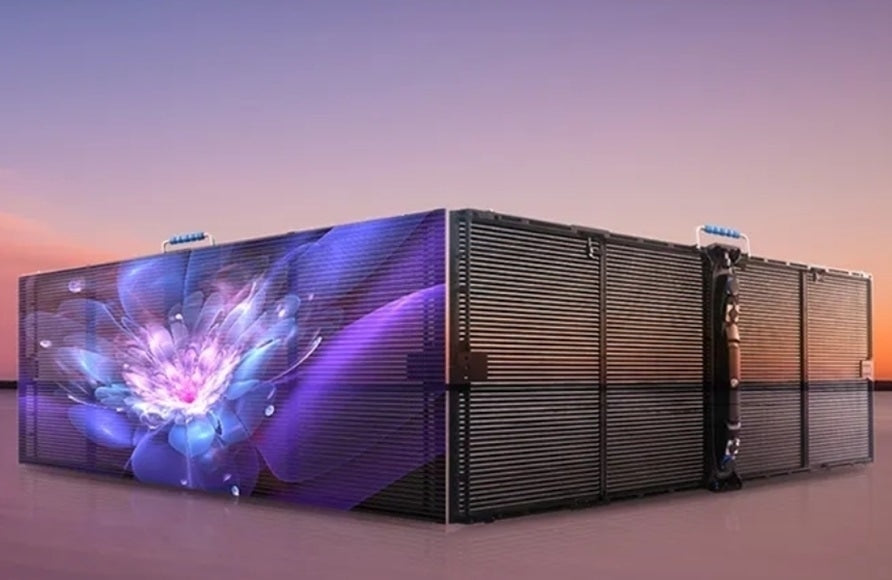
Transparent LCD manufacturing uses ultra-clear glass substrates (thickness 0.7mm), low-resistance ITO films (sheet resistance 80Ω/□), and high-transmittance liquid crystal as core materials. Charac...
Leave a comment
This site is protected by hCaptcha and the hCaptcha Privacy Policy and Terms of Service apply.