



Recommend 2.4-inch ILI9341 TFT screen (240×320), SPI interface saves pins, paired with TFT_eSPI library. After installing the library, call tft.init() to initialize. Compatible with all Arduino ser...
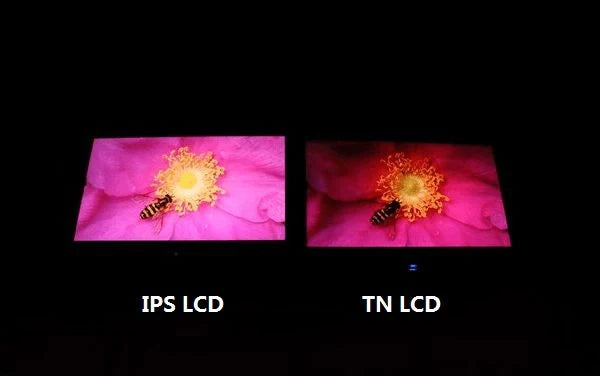
TFT is the overarching term for LCD driving technology, with IPS belonging to its wide-viewing-angle branch. IPS characteristics: 178°/178° viewing angles, ΔE<2 color accuracy; performance-wise ...
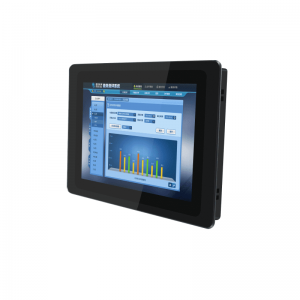
Industrial-grade LCD testing: Environmental simulation includes operation at -40℃ to 85℃, IP67 protection, and 95% humidity without condensation; performance testing includes brightness of 500-1500...
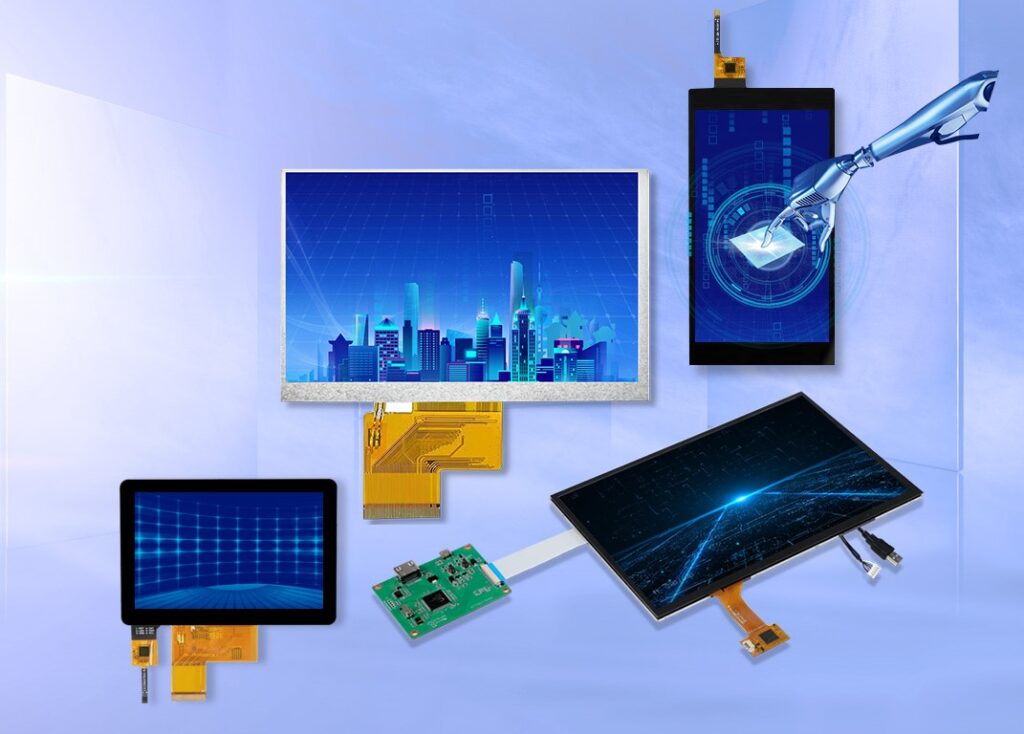
When purchasing a digital display LCD, first consider the scenario: retail uses 32-55 inch 4K screens (approx. 2000-5000), meetings choose 65-86 inch 8K (8000-20k), outdoor requires 100 inch+ with ...
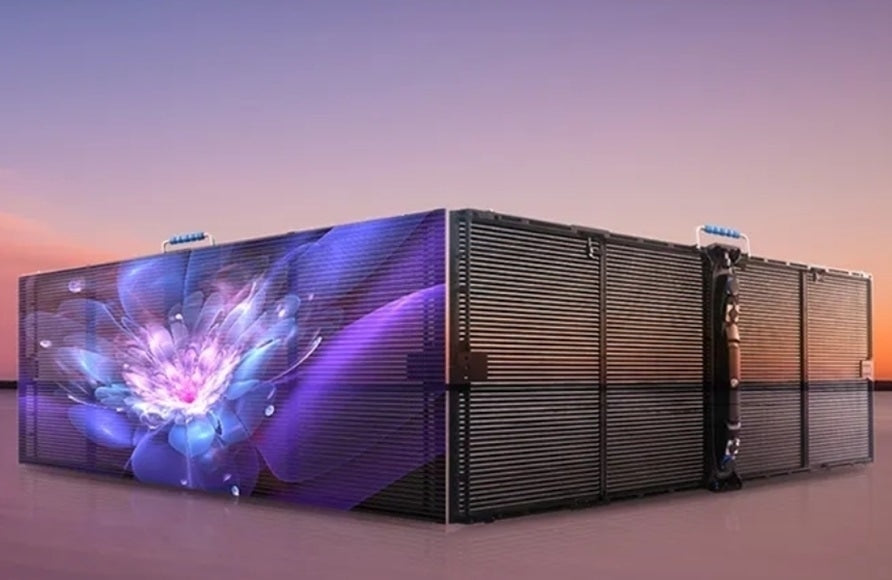
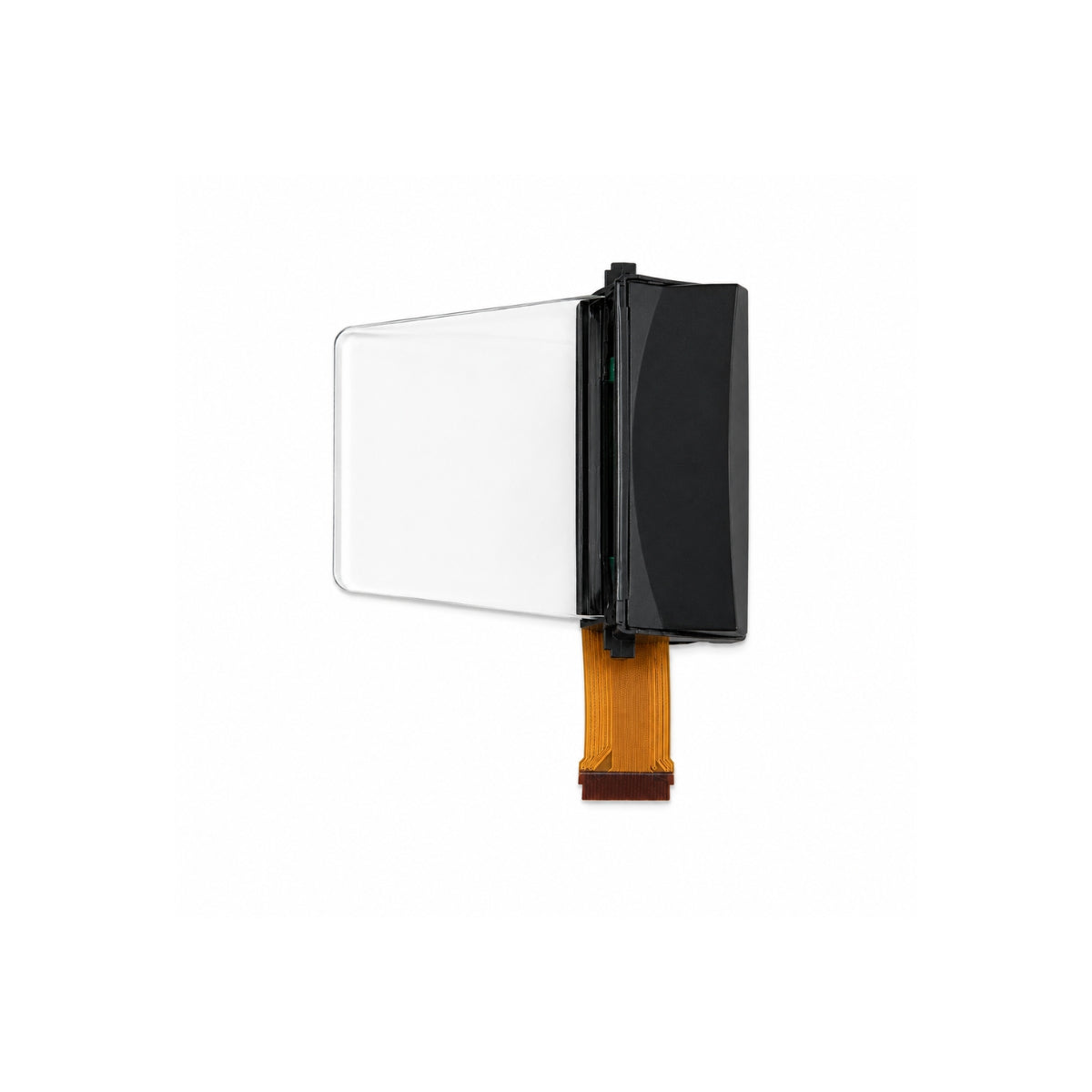
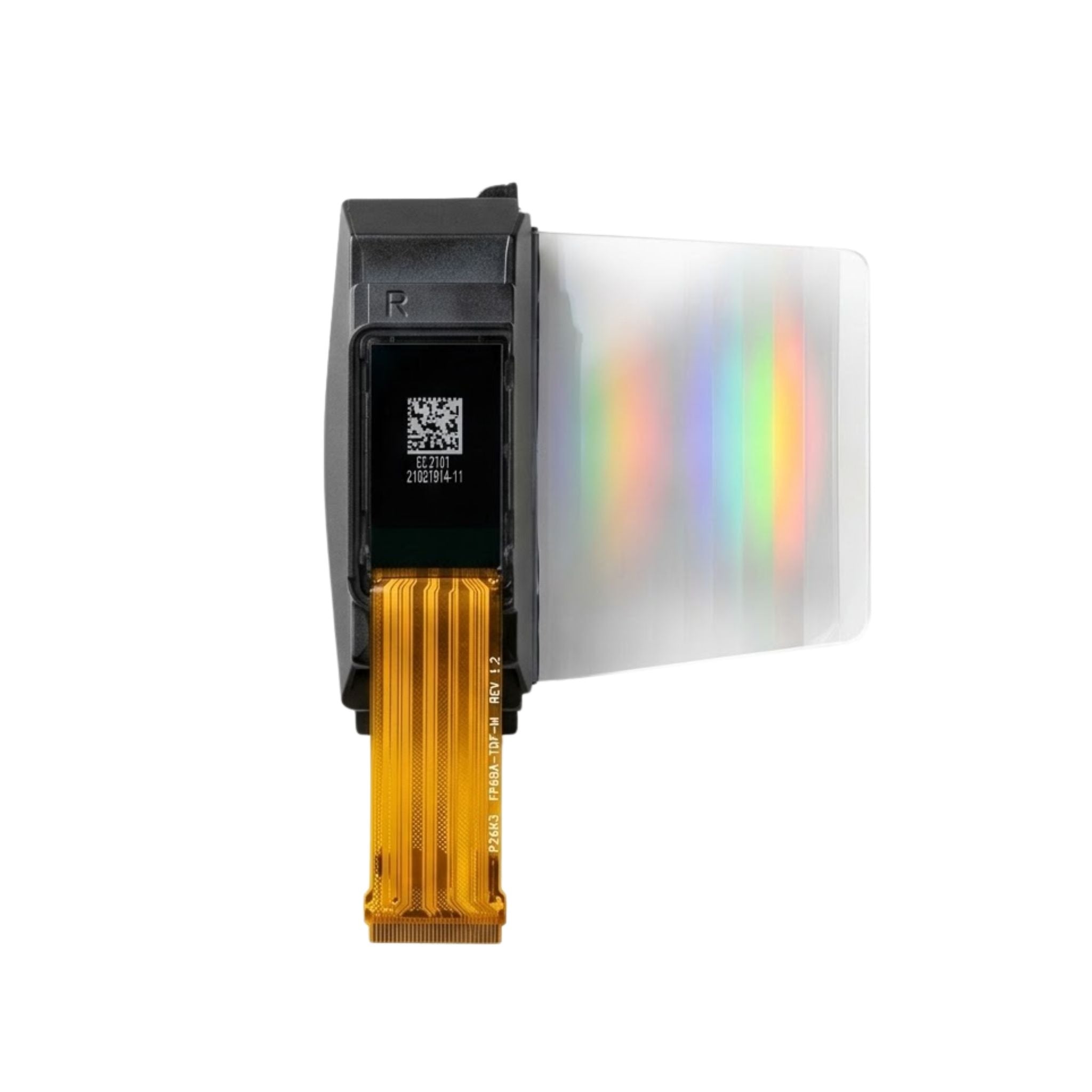
Transparent LCD manufacturing uses ultra-clear glass substrates (thickness 0.7mm), low-resistance ITO films (sheet resistance 80Ω/□), and high-transmittance liquid crystal as core materials. Charac...
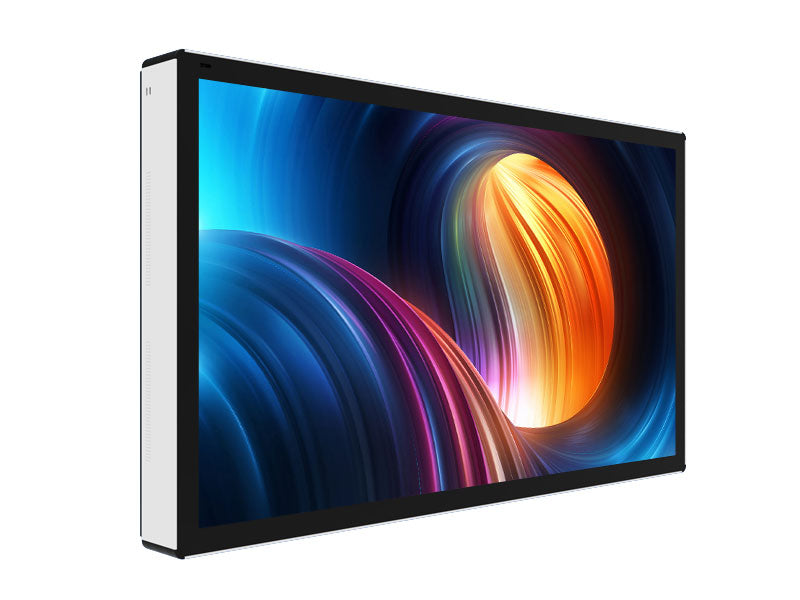
Outdoor LCDs are built around high-brightness LED backlighting, achieving 2500-4000 nits, ensuring clear visibility under strong light. Equipped with IP65 protection (dustproof and waterproof), ope...
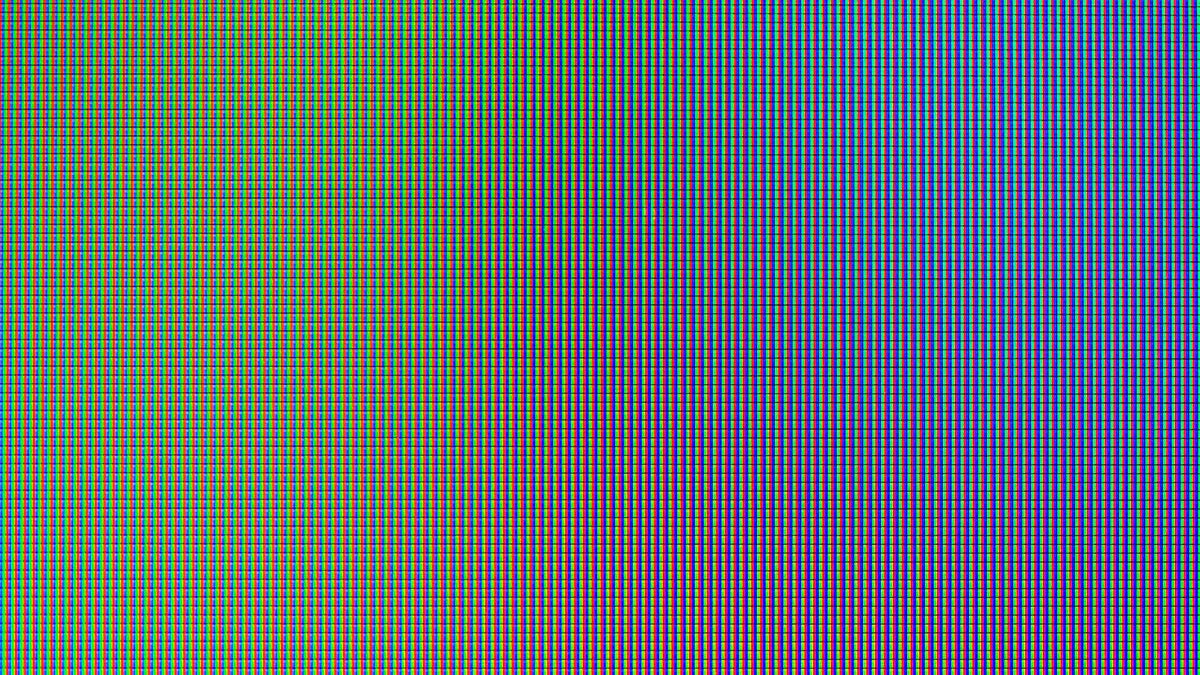
Tests show that if an LCD screen displays a fixed image continuously for over 1000 hours, uneven pixel luminescence will leave ghost images; Manufacturers recommend switching content every 2 hours....
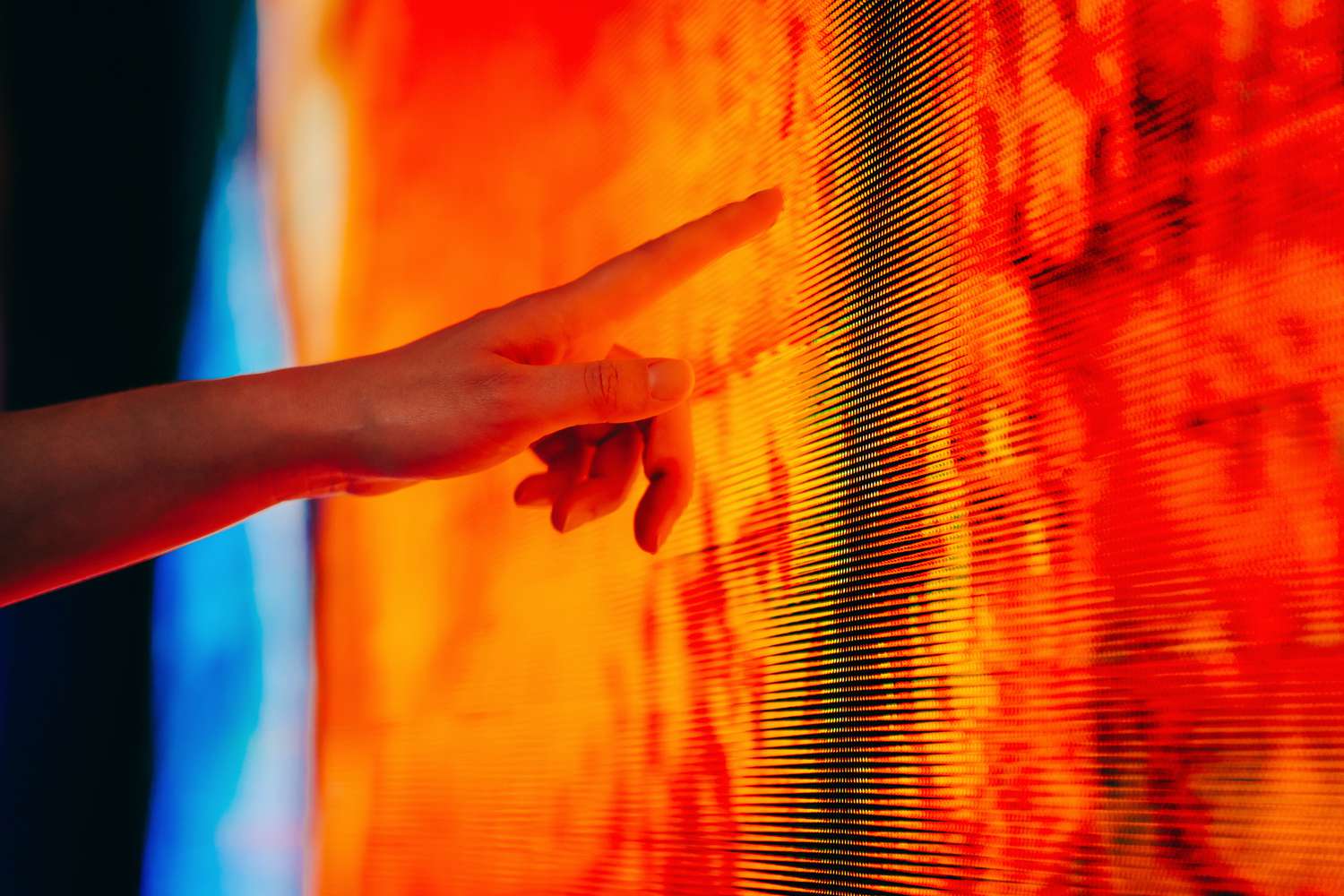
Preventing LCD burn-in involves three key strategies: first, controlling static image duration. Experiments show that displaying the same image for over 2 hours easily leads to image persistence; ...
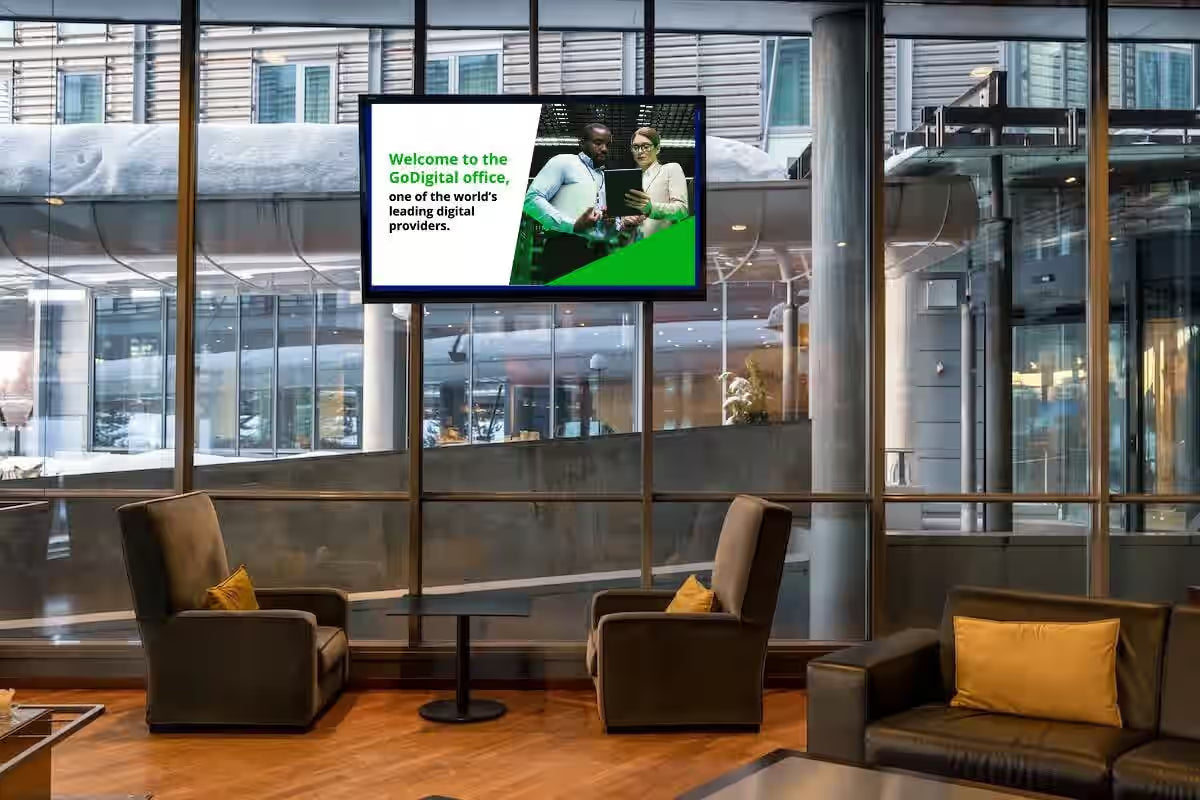
High-definition LCD digital display resolutions are mainstream at 4K (3840×2160) or 8K (7680×4320), with pixel densities exceeding 200 PPI, accurately presenting 0.1mm-level details (such as medica...