

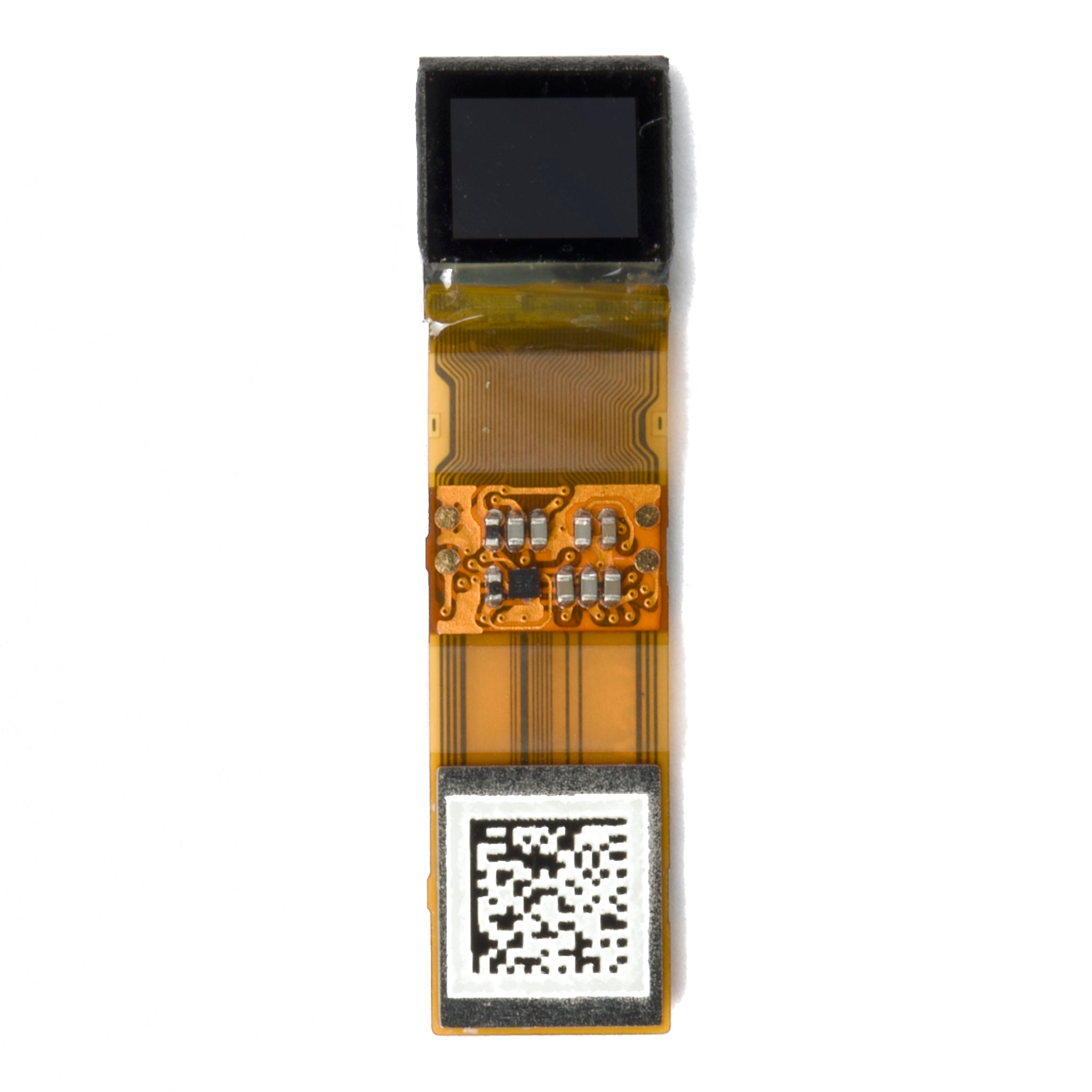
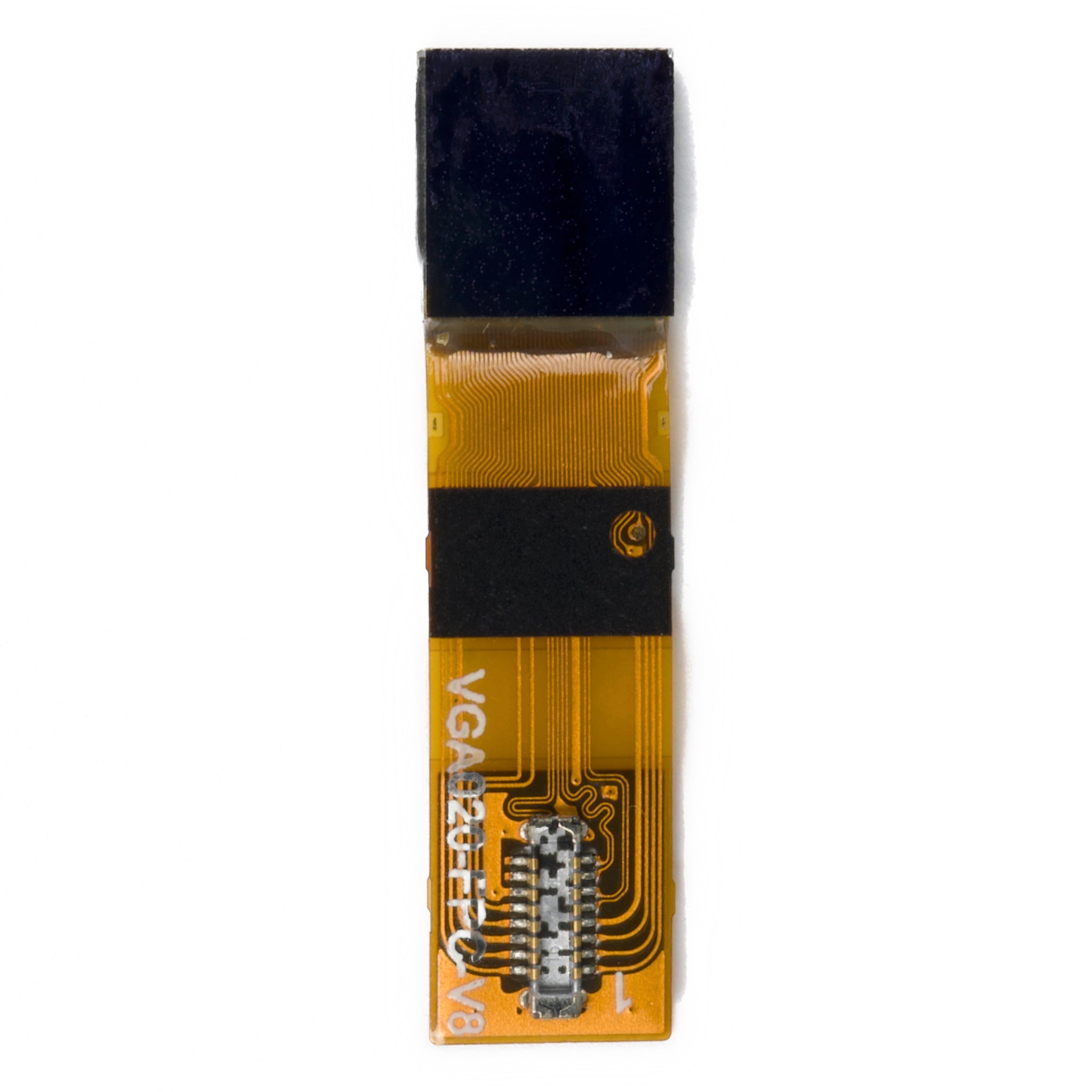
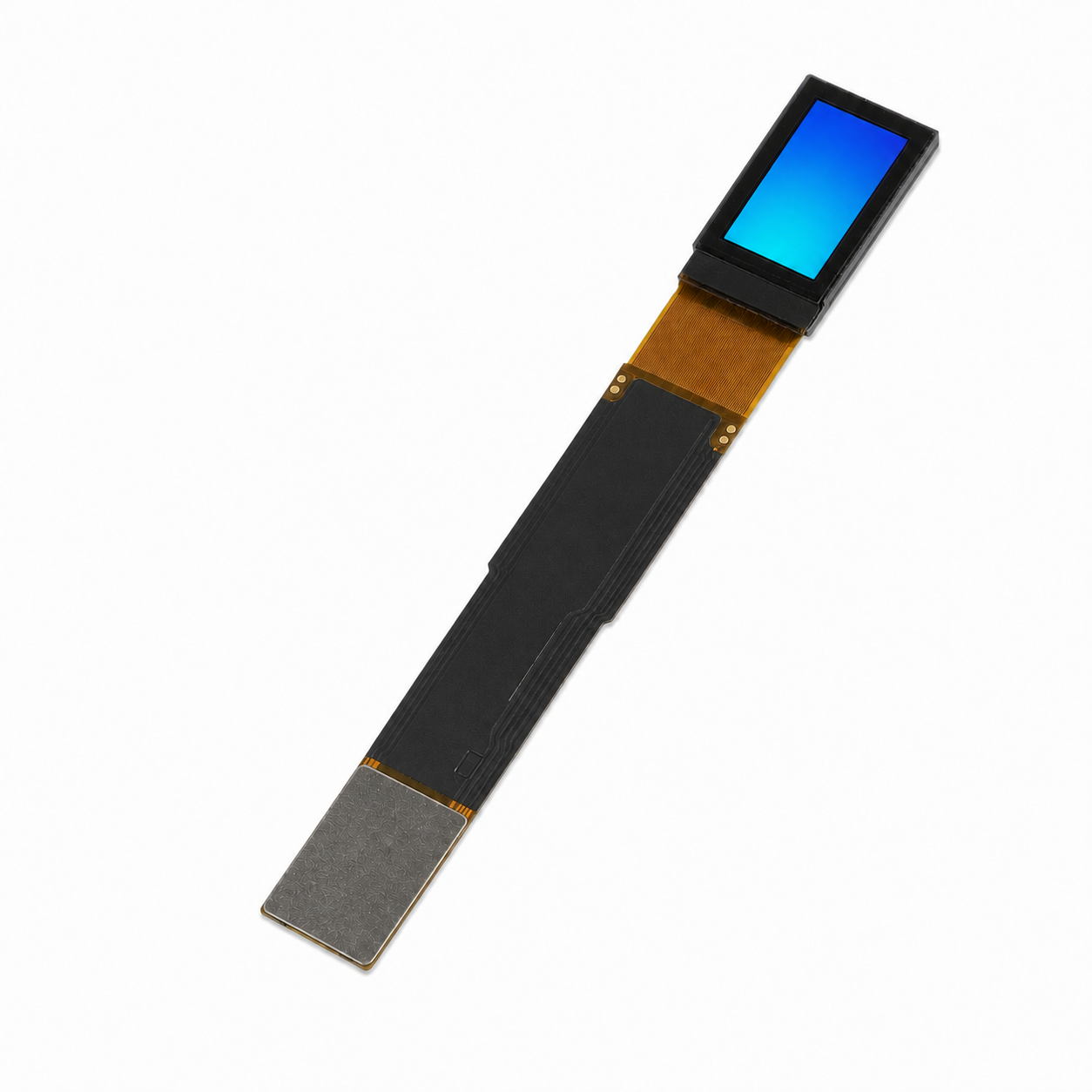
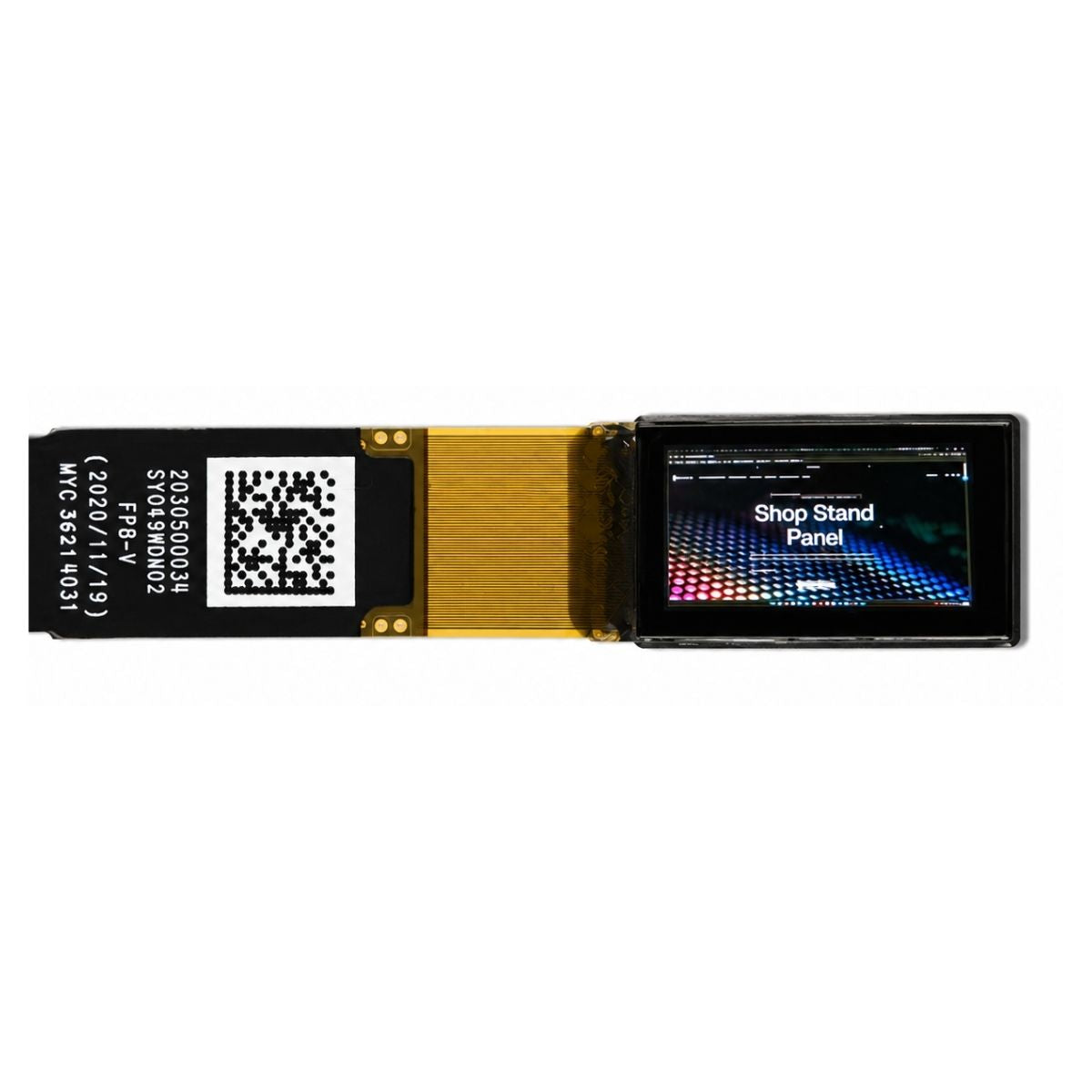
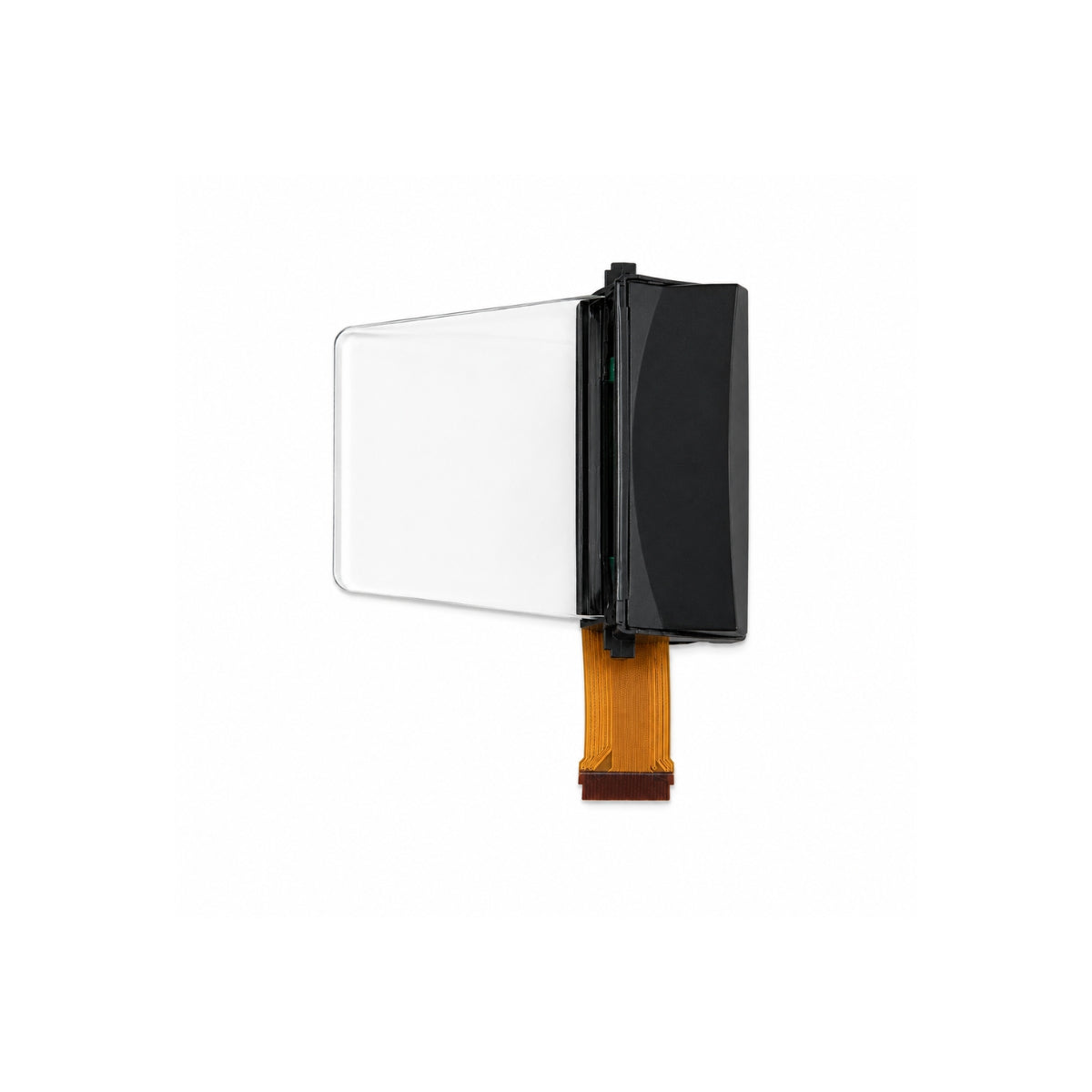
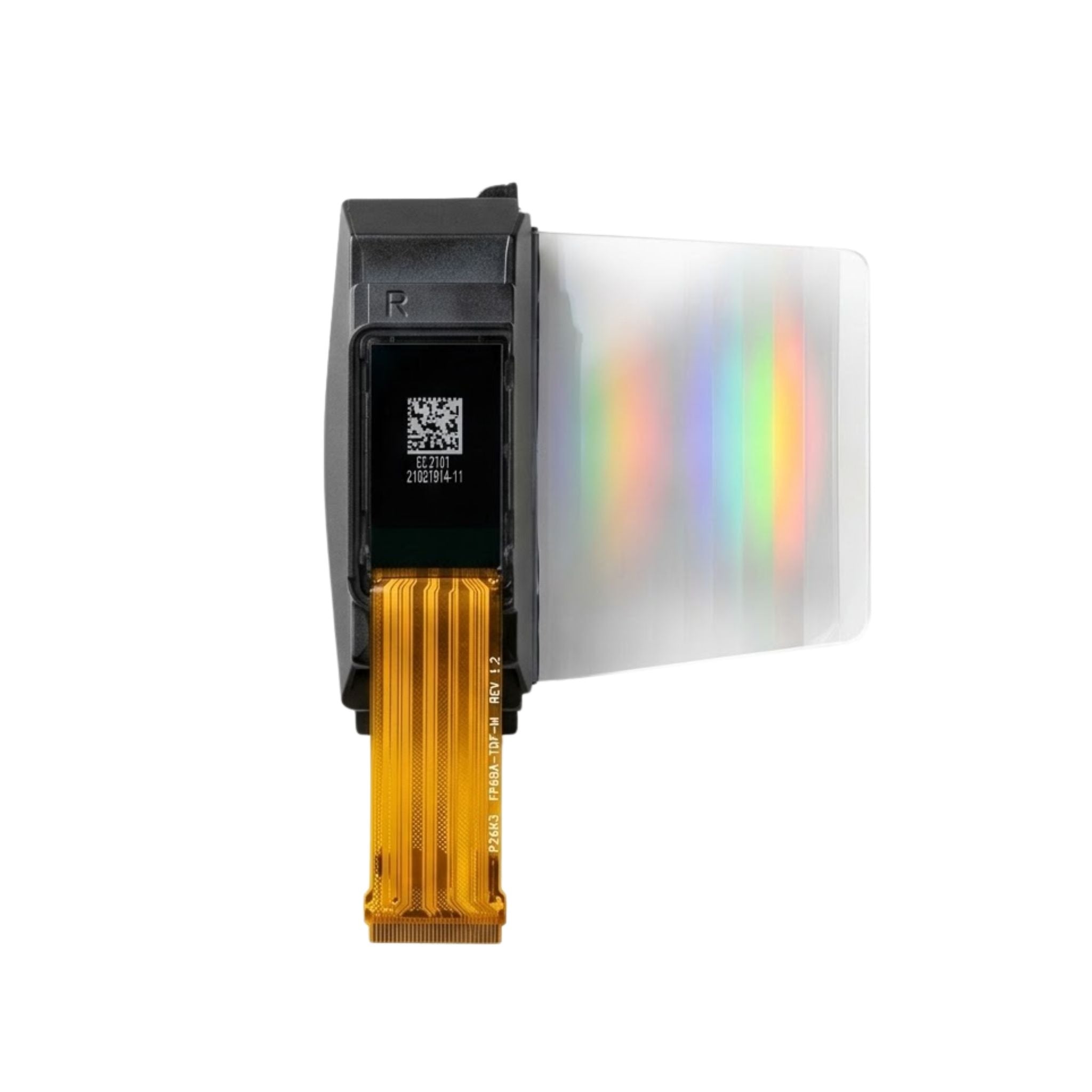


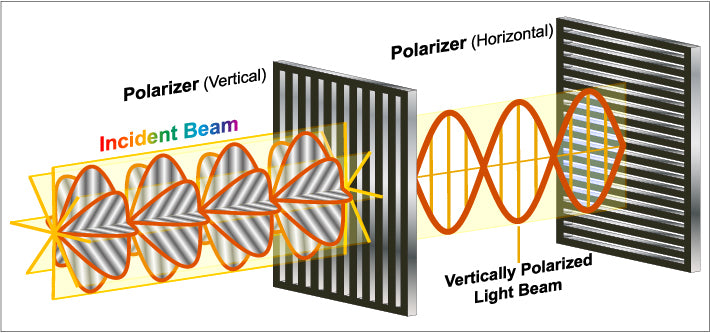
LCDs (Liquid Crystal Displays) use electric signals to control the state of polarized light, creating images. So, before diving into how LCDs display images, let’s get a grasp on the basics of lig...

Thin Film Transistor (TFT) LCDs are primarily composed of the following components: 1. Backlight: Provides the initial light source necessary for the display. The backlight system typically incl...

Liquid crystals (LC) are a special state of matter that exists between isotropic liquids and solid crystals. Within a specific temperature range, they exhibit the birefringence typical of anisotro...
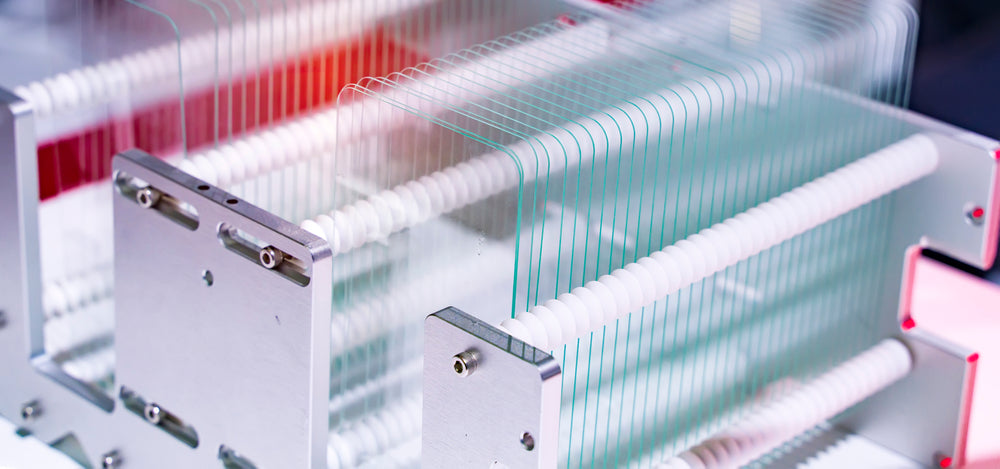
The glass substrate of an LCD (Liquid Crystal Display) is made from aluminosilicate and other components. It is an electronic-grade material that needs to have low alkalinity, high flatness, high-...
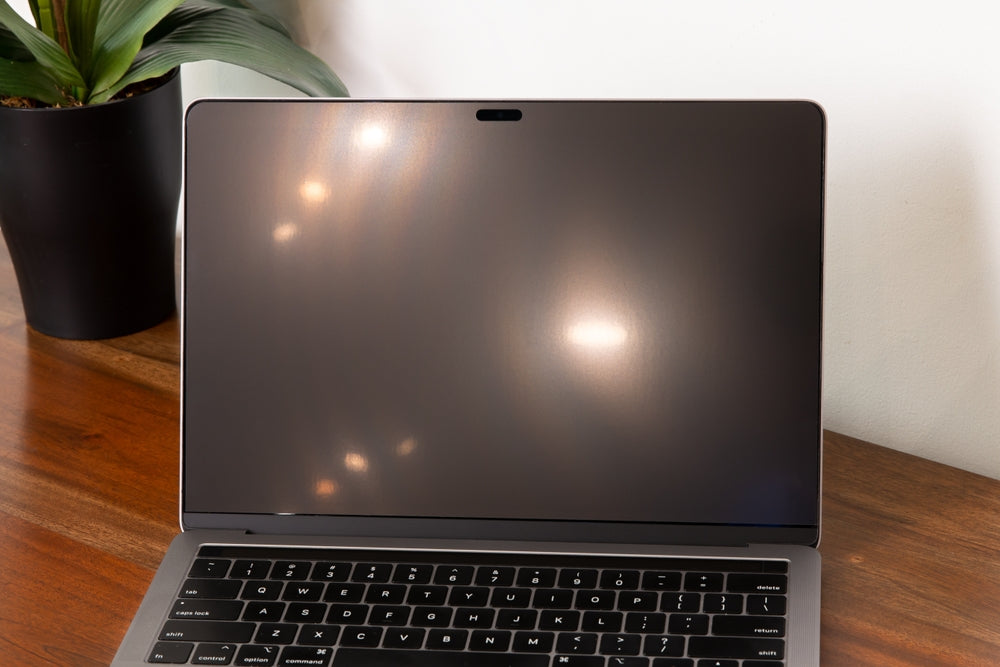
Polarizers without any surface treatment are usually called clear polarizers. Typically, the lower polarizer (attached to the array substrate) of a display is a clear polarizer. However, the upper...
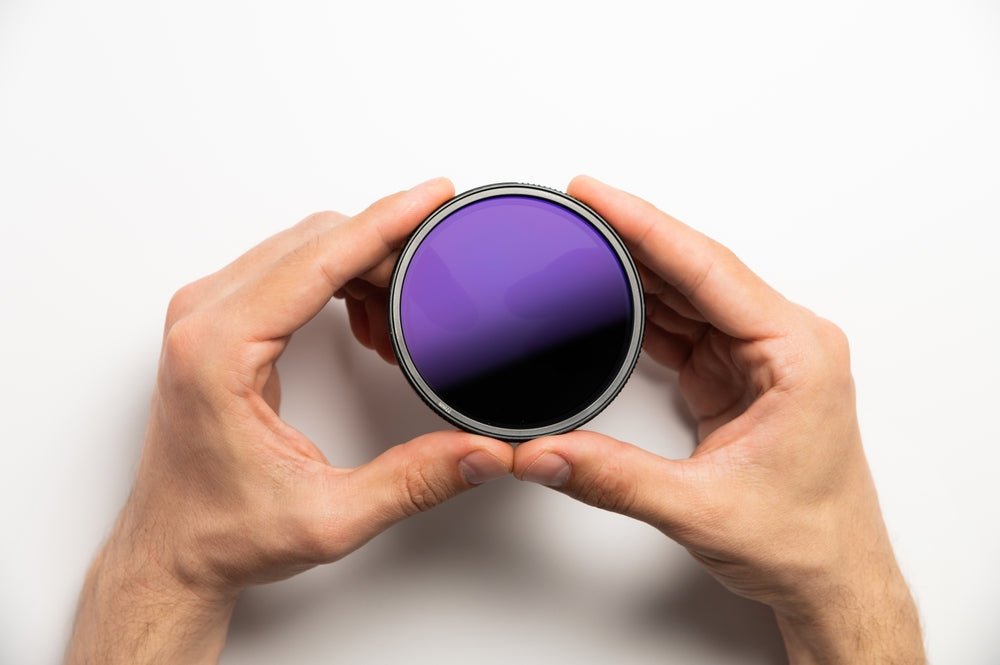
The parameters of polarizers include common optical characteristics such as polarization degree (P), transmittance (T), and hue, as well as reliability, peel strength, and appearance indicators. ...
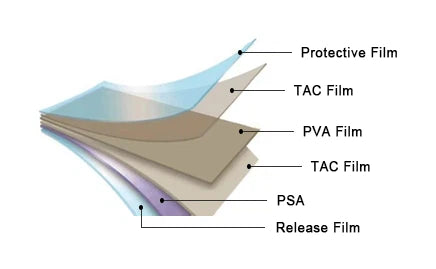
Polarizers are optical components made up of multiple composite layers. From top to bottom, these layers are the protective film, TAC layer, PVA layer, TAC layer, PSA layer, and release film. PV...

A polarizer (also known as a polarizing film) is an optical film material that transforms natural light into polarized light. Since LCDs (liquid crystal displays) rely on the controllable adjustme...
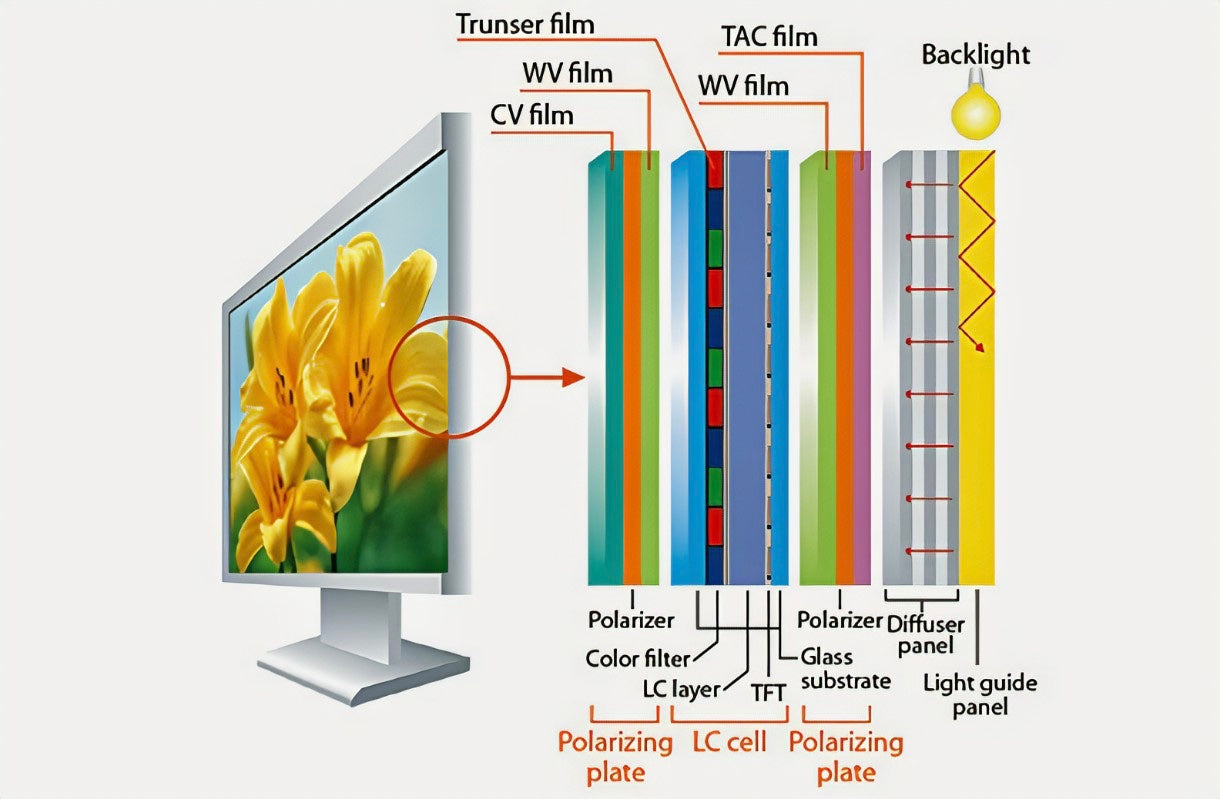
Ever wondered how the screen that you are using to read this content works in real life? Well, that’s what this article is about! IPS technology is a type of LCD technology that is used to display...