






Liquid crystal molecules exhibit electrical anisotropy, meaning their dielectric constant varies along different axes. When the dielectric constant along the long axis is greater than that along t...
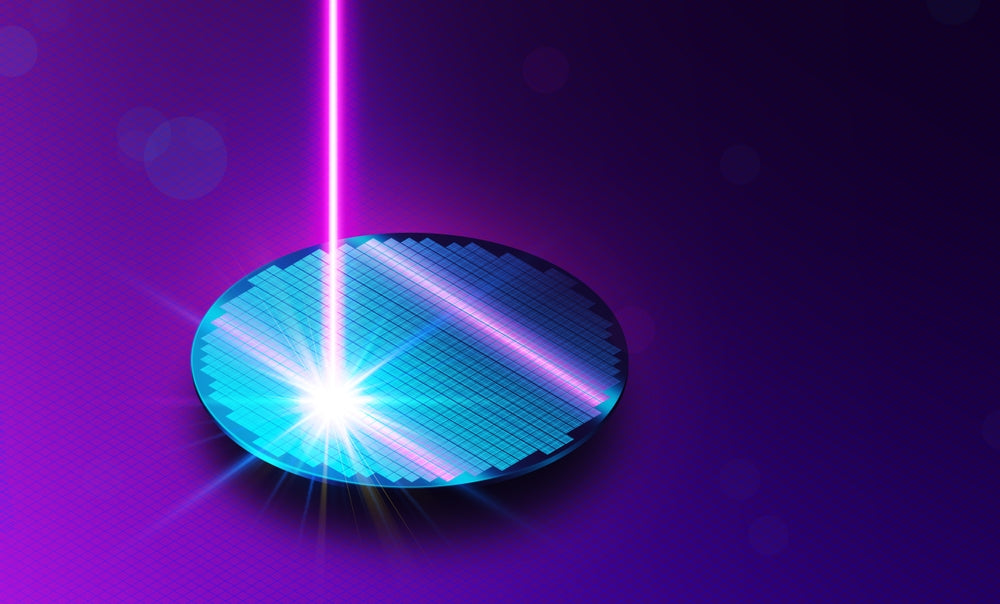
The photolithography process is a critical step in the manufacturing of array substrates for liquid crystal displays. It involves transferring patterns from a mask onto a photoresist layer using u...
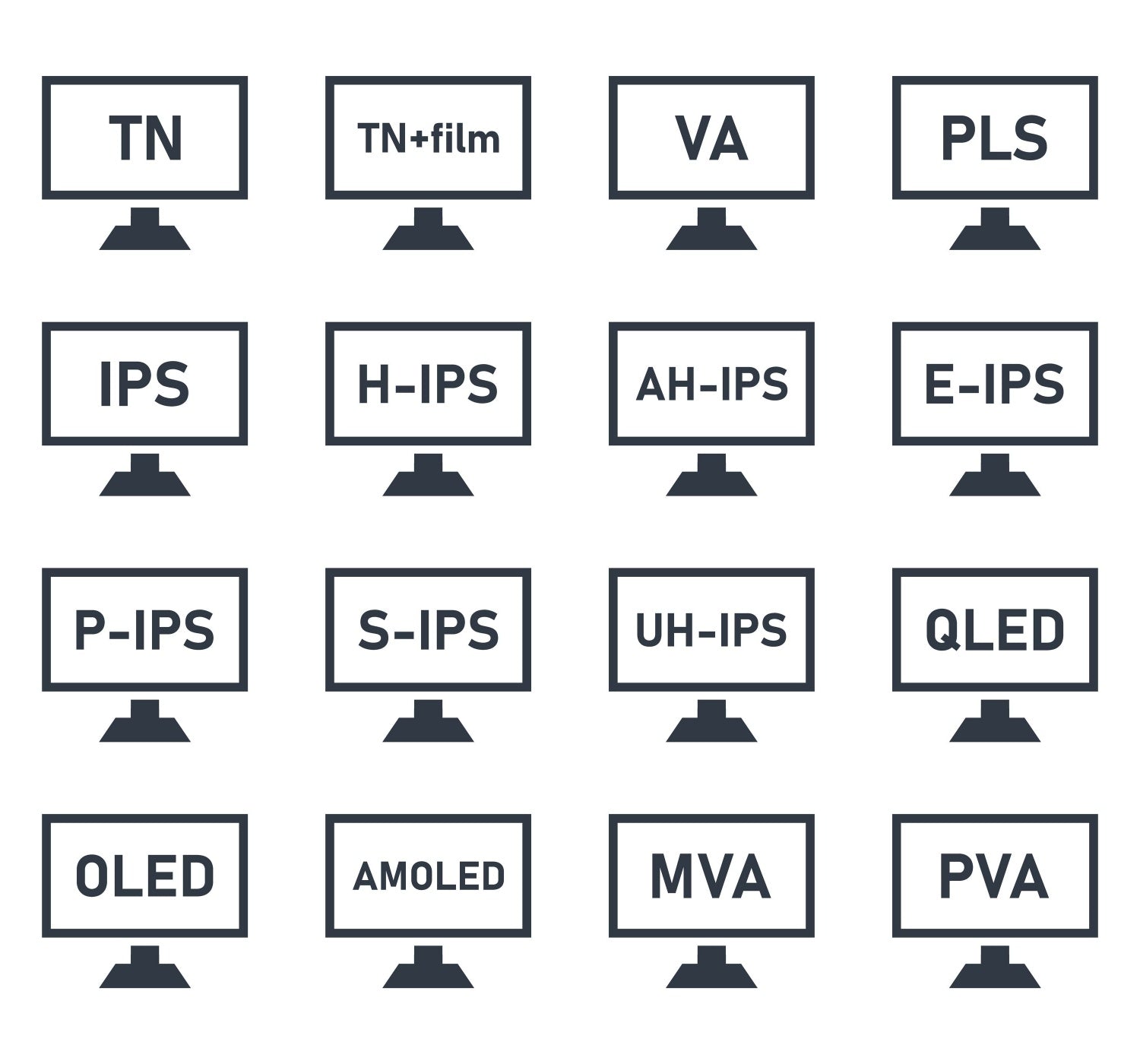
Liquid Crystal Displays (LCDs) employ various display modes, each with unique pixel structures and design intricacies. The most common modes include: • Twist Nematic (TN) Mode: Known for its fa...

The Pad Area, also known as the Bonding Area, is a crucial part of the LCD (Liquid Crystal Display) structure where the electrodes on the array glass substrate connect with the peripheral driving ...

The sealing area in a liquid crystal display (LCD) is the region extending from the boundary of the active display area to either the pad area or the cutting edge of the glass substrate. This area...

The driving structure of pixels in an LCD (Liquid Crystal Display) plays a crucial role in determining how efficiently and effectively the screen can render images. LCDs are driven using a line-by...
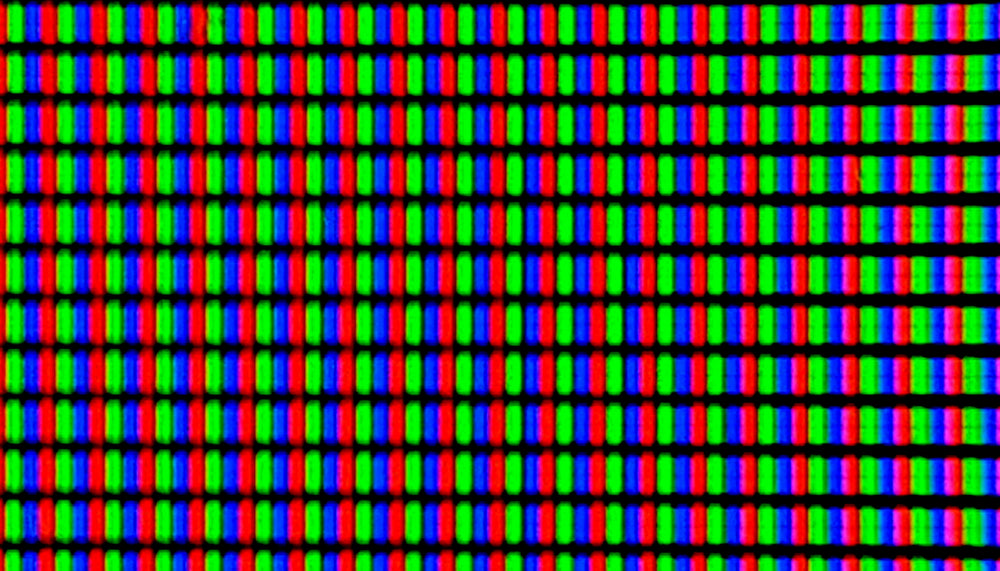
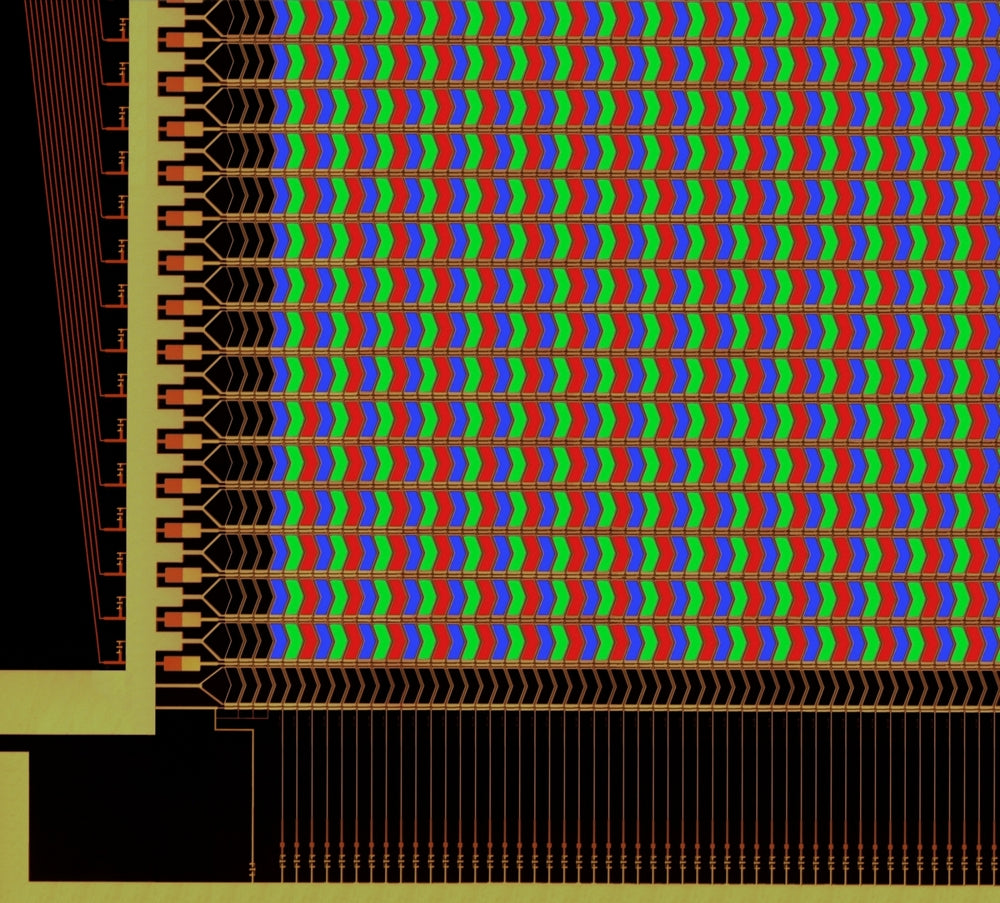
Pixel arrangement refers to the way the red, green, and blue (RGB) sub-pixels are organized within each pixel. The arrangement of these sub-pixels can significantly affect the display’s resolution...
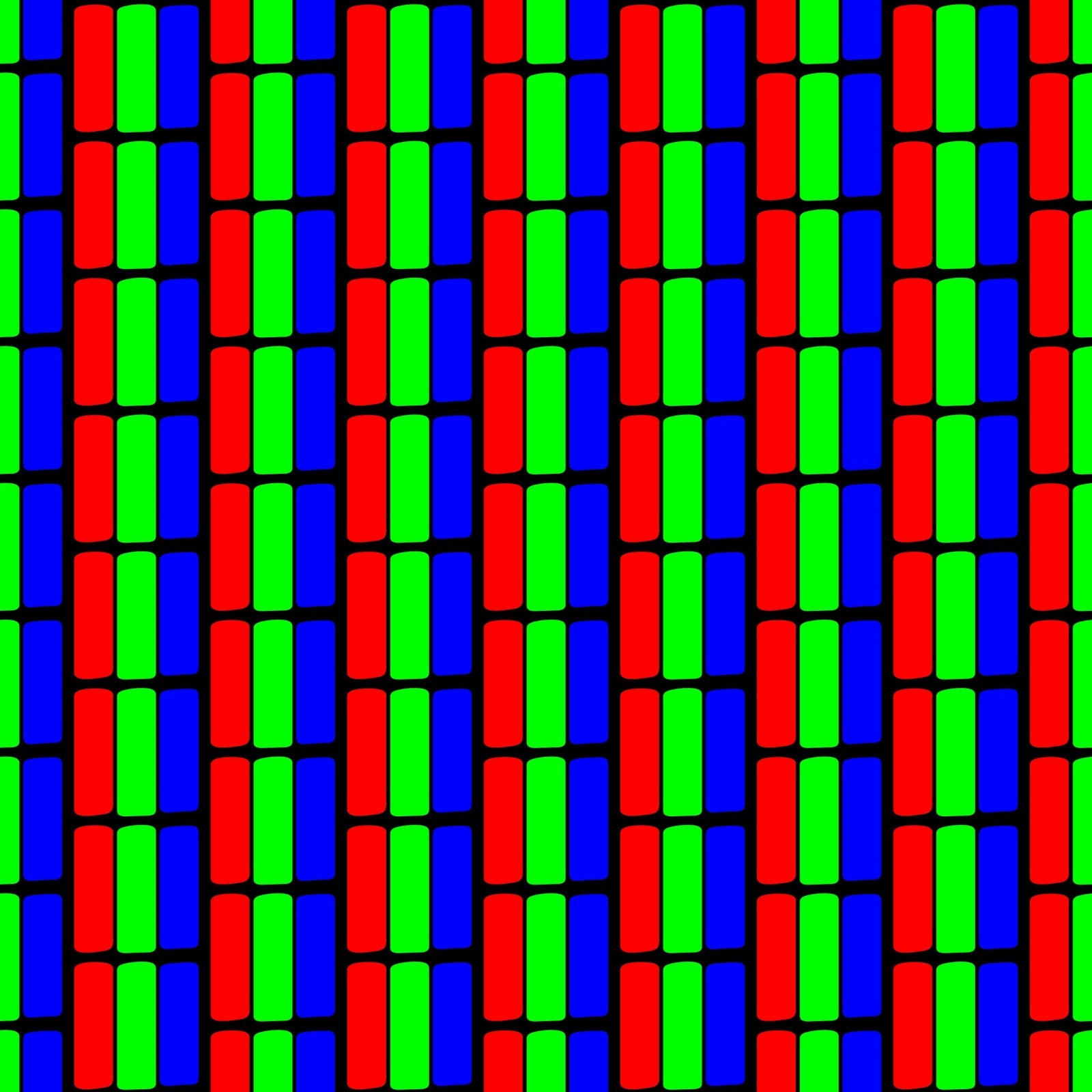
When determining the pixel size in a standard format liquid crystal display (LCD), several factors such as screen size, aspect ratio, and resolution come into play. Here’s how you can calculate th...

The resolution of a display is a critical specification that can be expressed in two concepts: display resolution and image resolution. Display Resolution Also known as screen resolution, disp...