

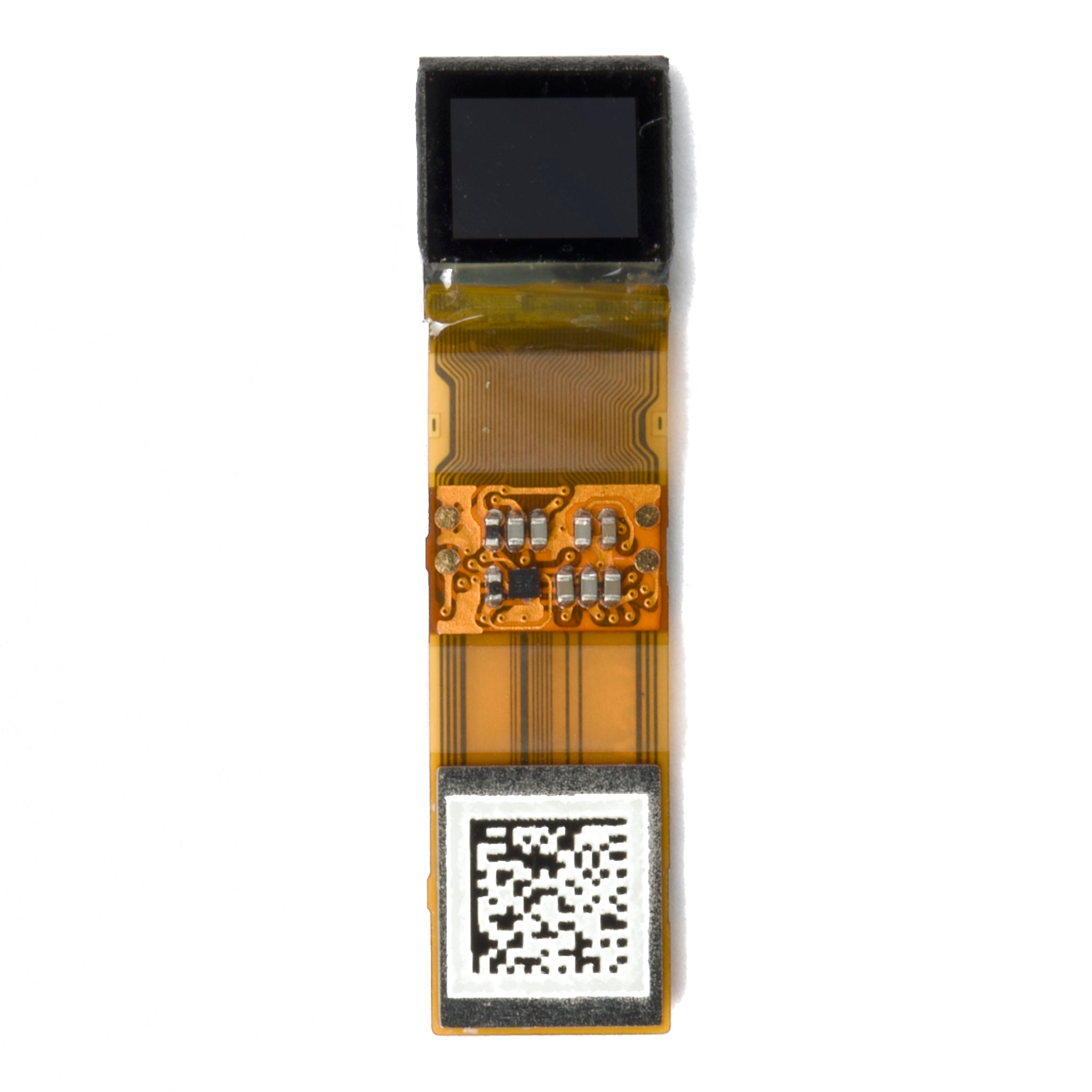
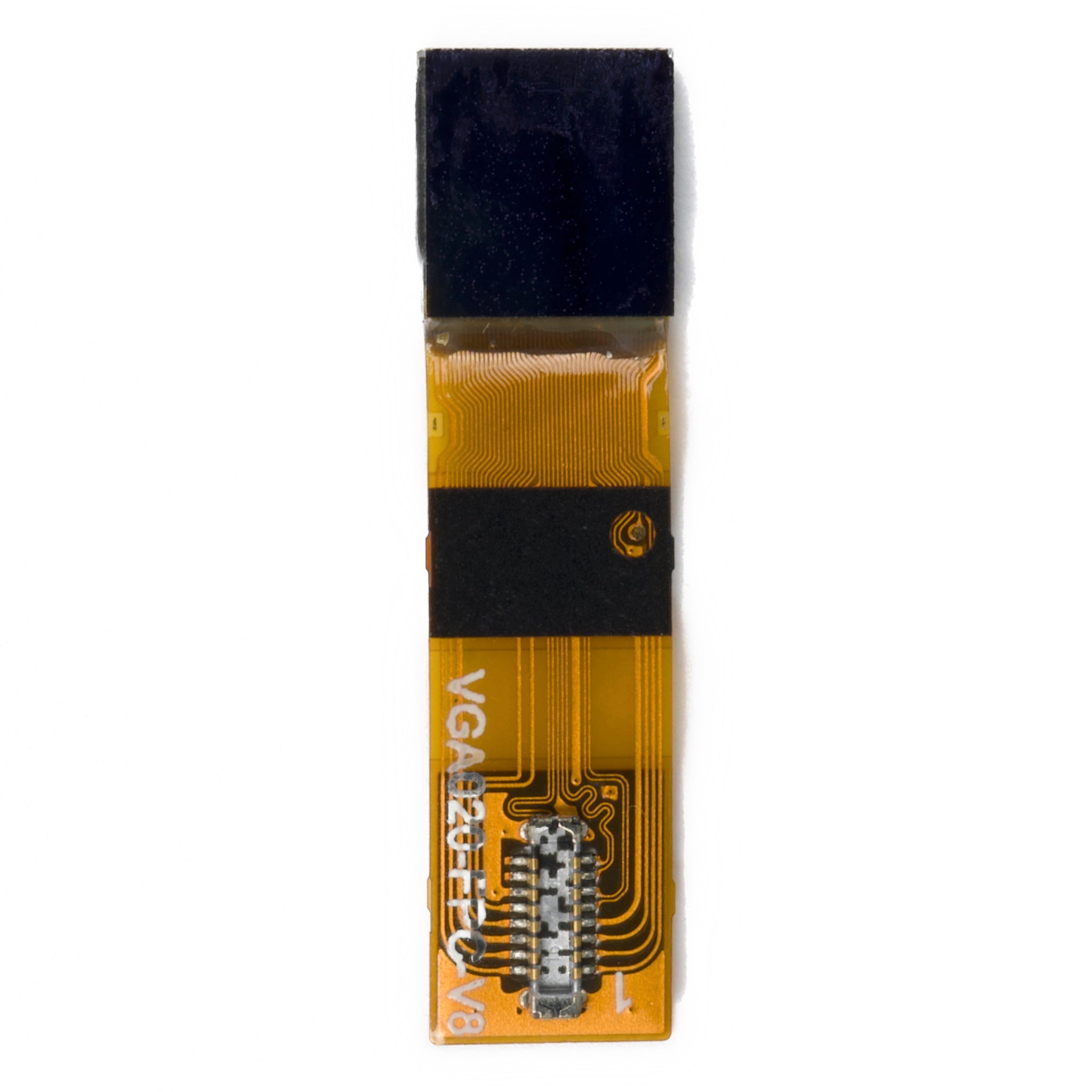
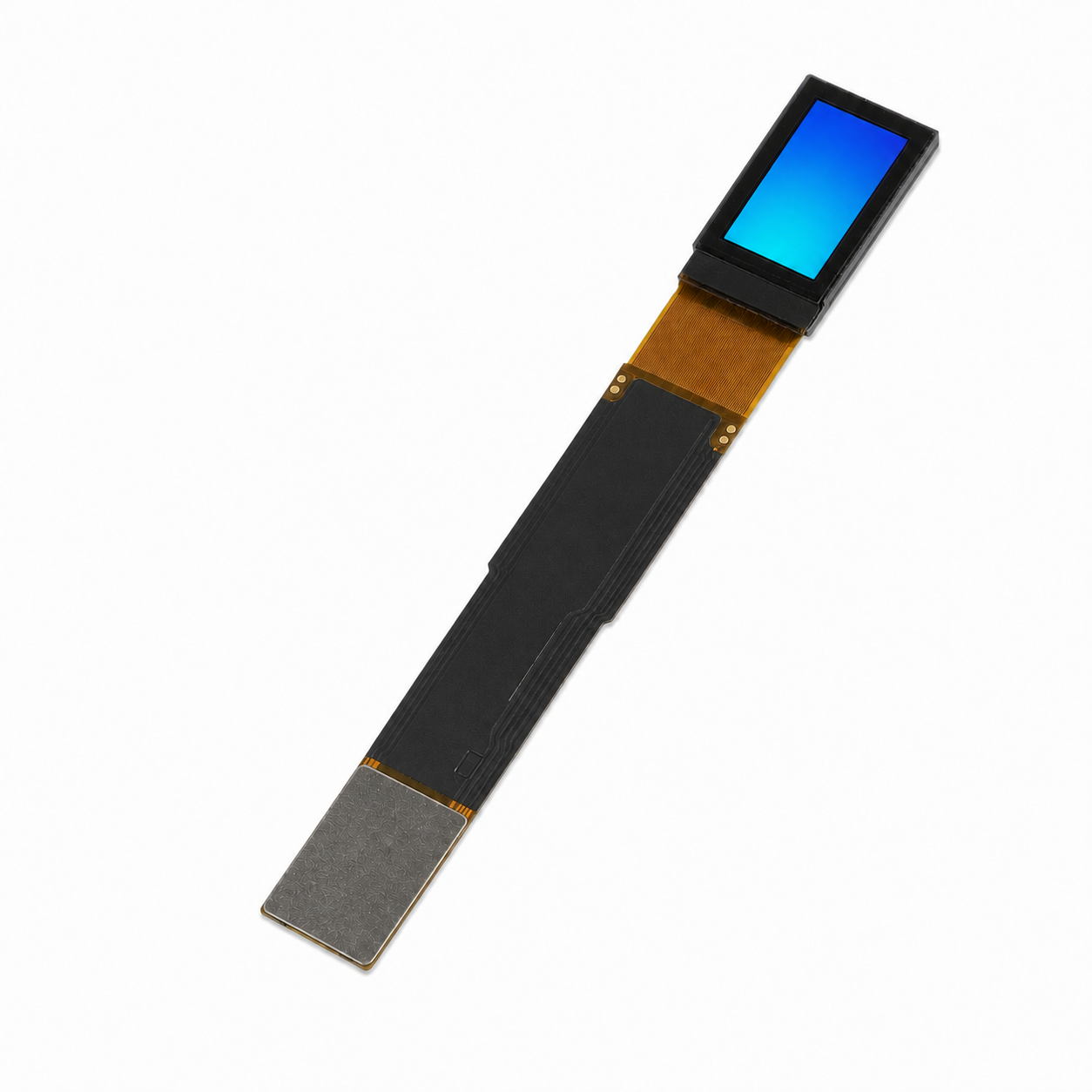
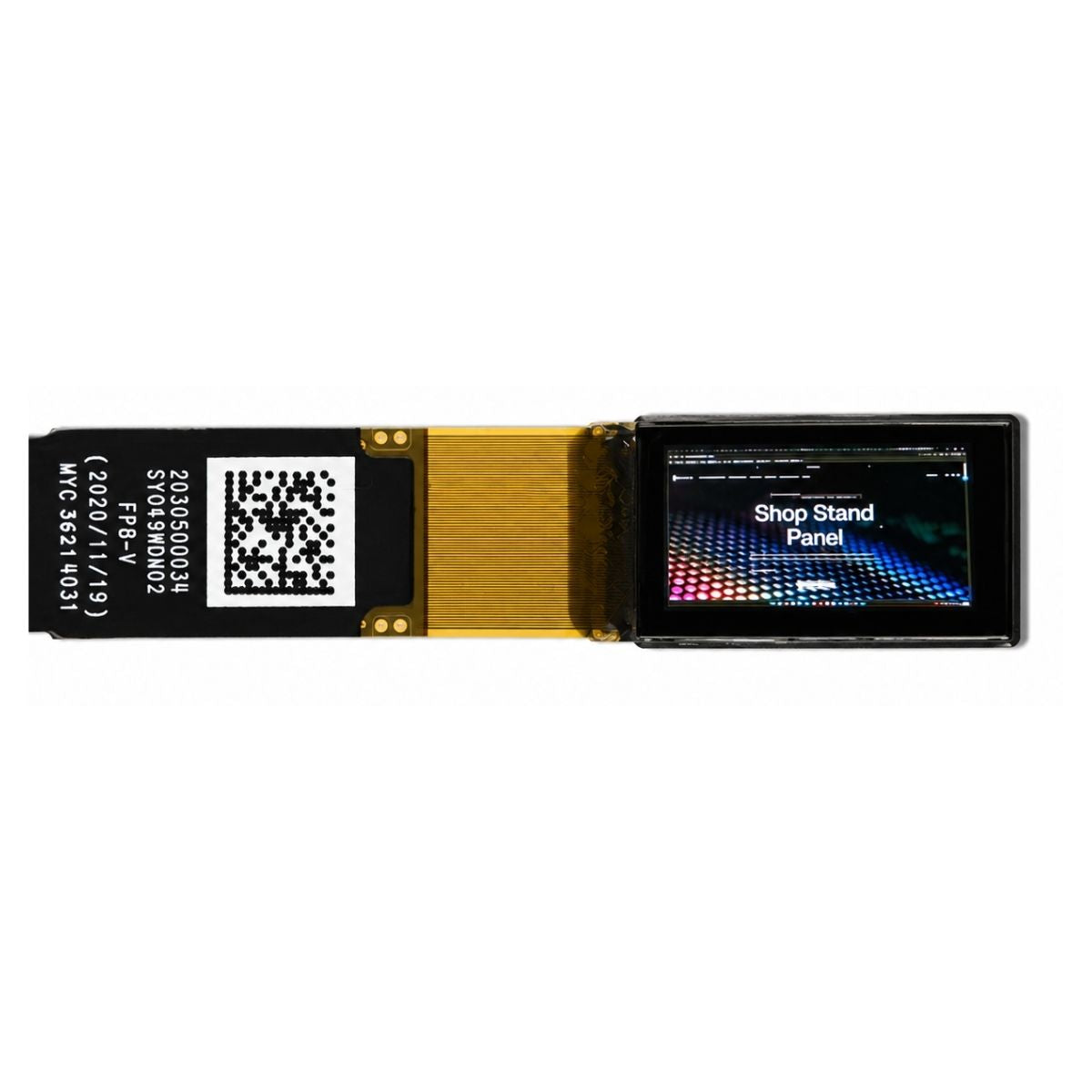


A liquid crystal display (LCD) screen is a sophisticated device that can be divided into three primary sections based on functionality: the Active Area, the Sealing Area, and the Pad Area. Each of ...
The basic components of a Thin Film Transistor (TFT) include two layers of metal (commonly Al or Cu), two insulating layers (generally SiN_x:H), an active layer (usually a-Si:H), and an ohmic cont...

3D display technology comes in many forms and can be categorized differently depending on the perspective. Here’s a breakdown: 1. By Image Format (left and right eye images): - Parallel 3D D...

“Three-Dimension Display” (3D Display) refers to technologies that recreate depth information of objects, making them appear nearer or farther. There are three main types of 3D display technologie...
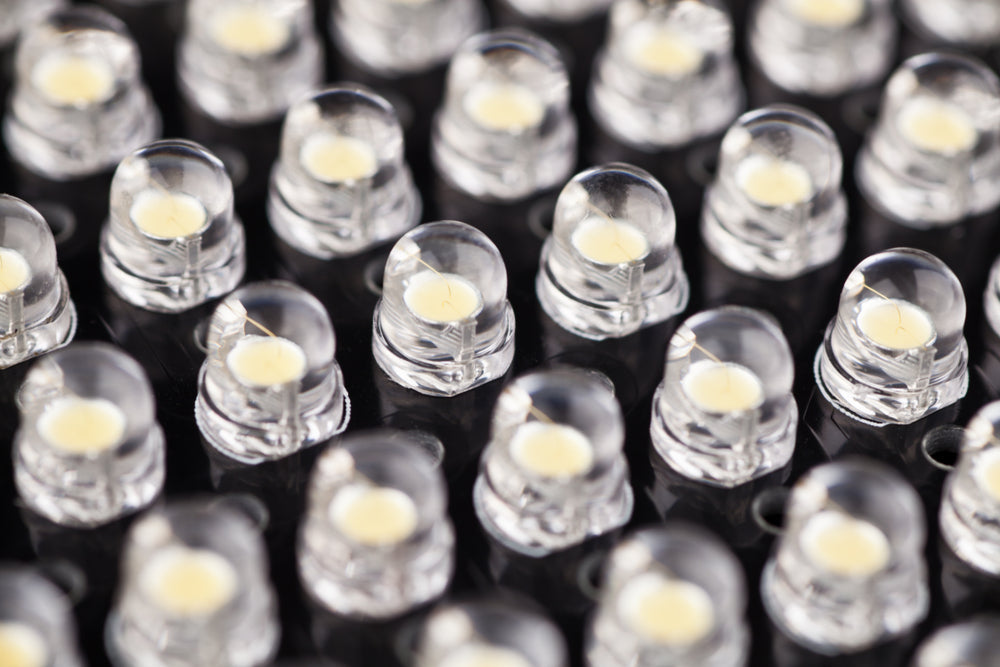
Local Dimming technology divides the entire LED backlight into several independently controlled blocks. Each block’s LED driving current is automatically adjusted based on the grayscale levels of t...
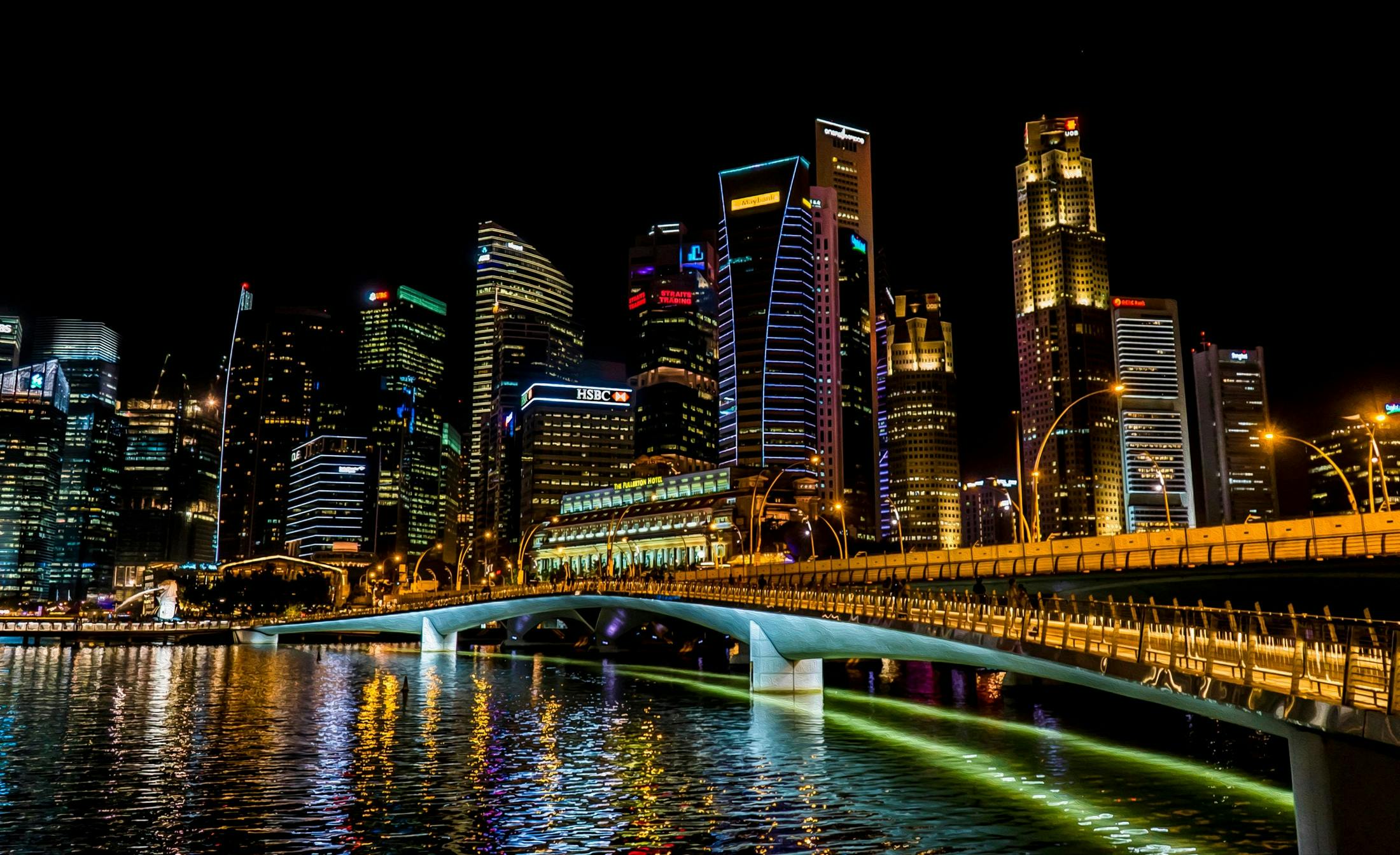
High Dynamic Range (HDR) imaging technology is currently being promoted for use in liquid crystal displays (LCDs) to enhance image quality. The main goal of HDR technology is to allow viewers to e...
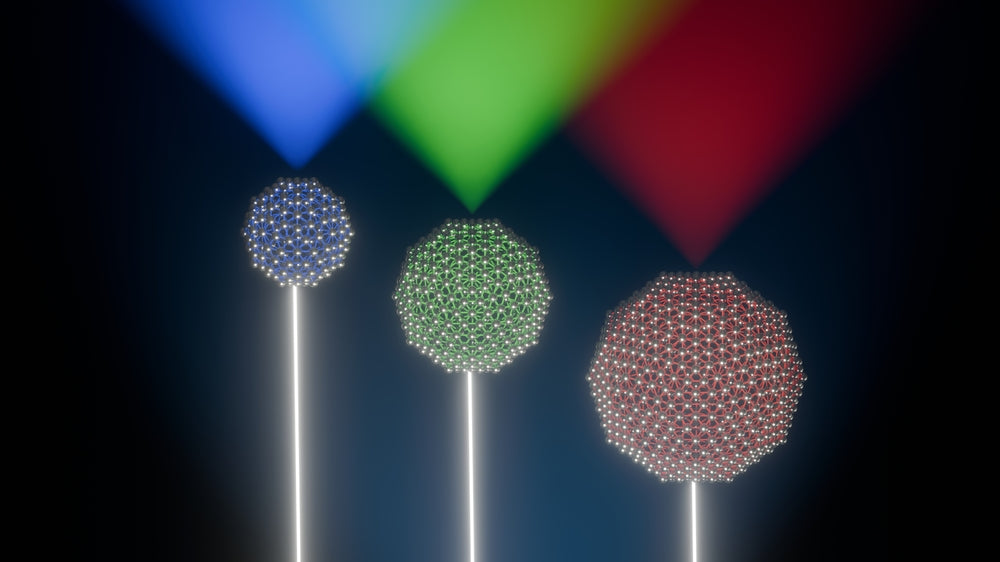
Quantum Dots (QDs) are nanoscale particles composed of II-VI or II-V elements, including atoms like zinc, cadmium, selenium, and sulfur. Their sizes generally range between 1 to 10 nanometers. Due...
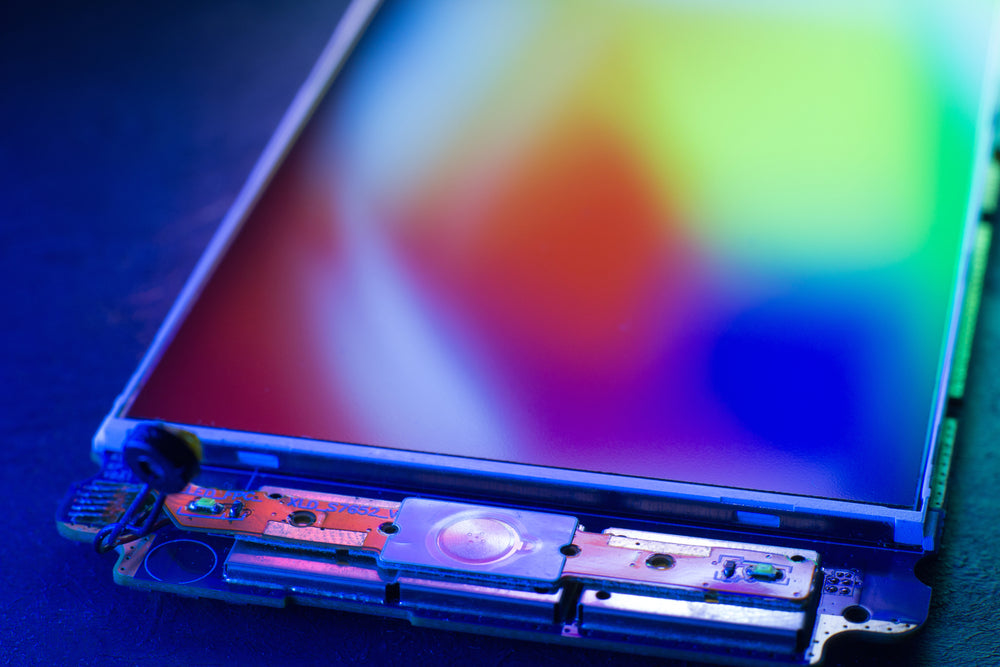
Liquid Crystal Displays (LCDs) have several key parameters that define their performance and quality, including transmittance, response time, contrast ratio, viewing angle, color gamut, and color ...
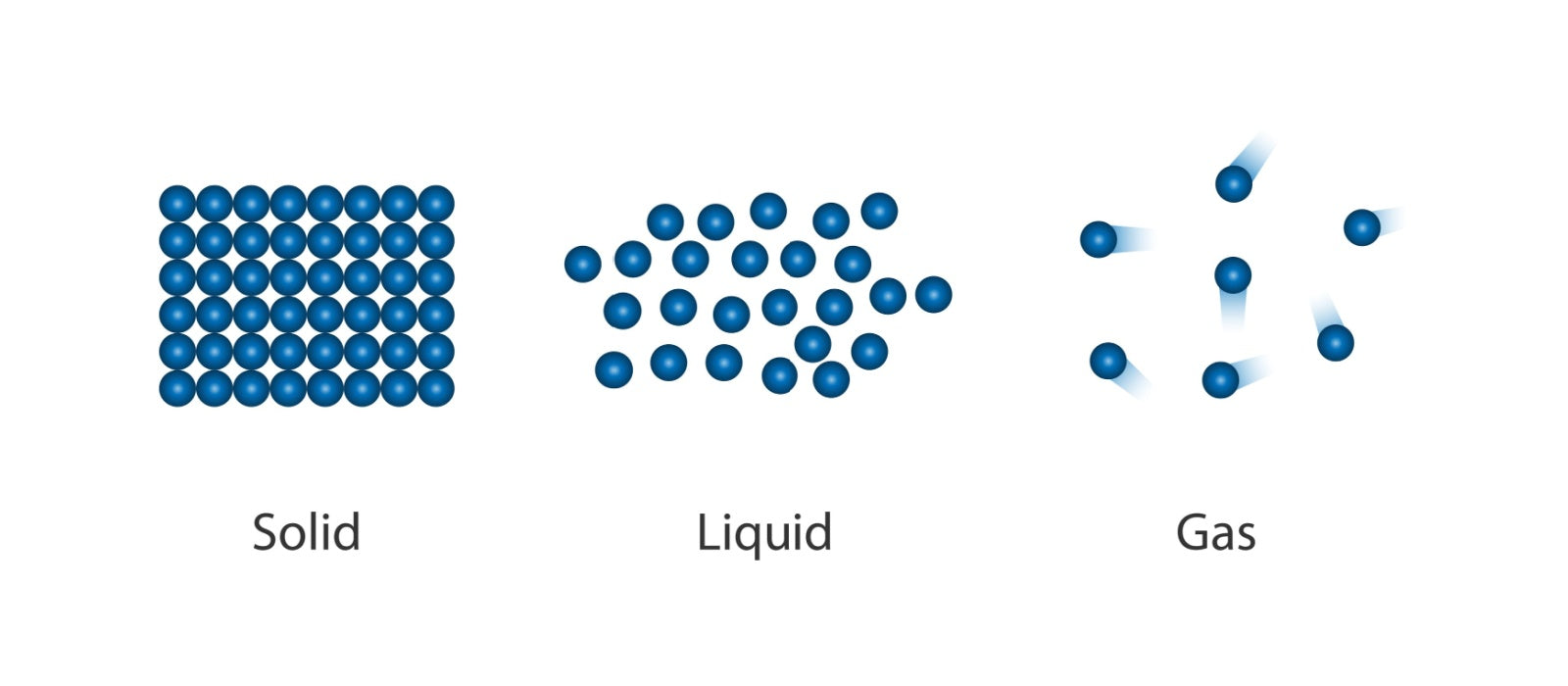
Liquid crystals (LCs) occupy a fascinating niche between solids and liquids, crucially affecting their behavior based on temperature changes. In the realm of displays, LCs are predominantly thermo...