

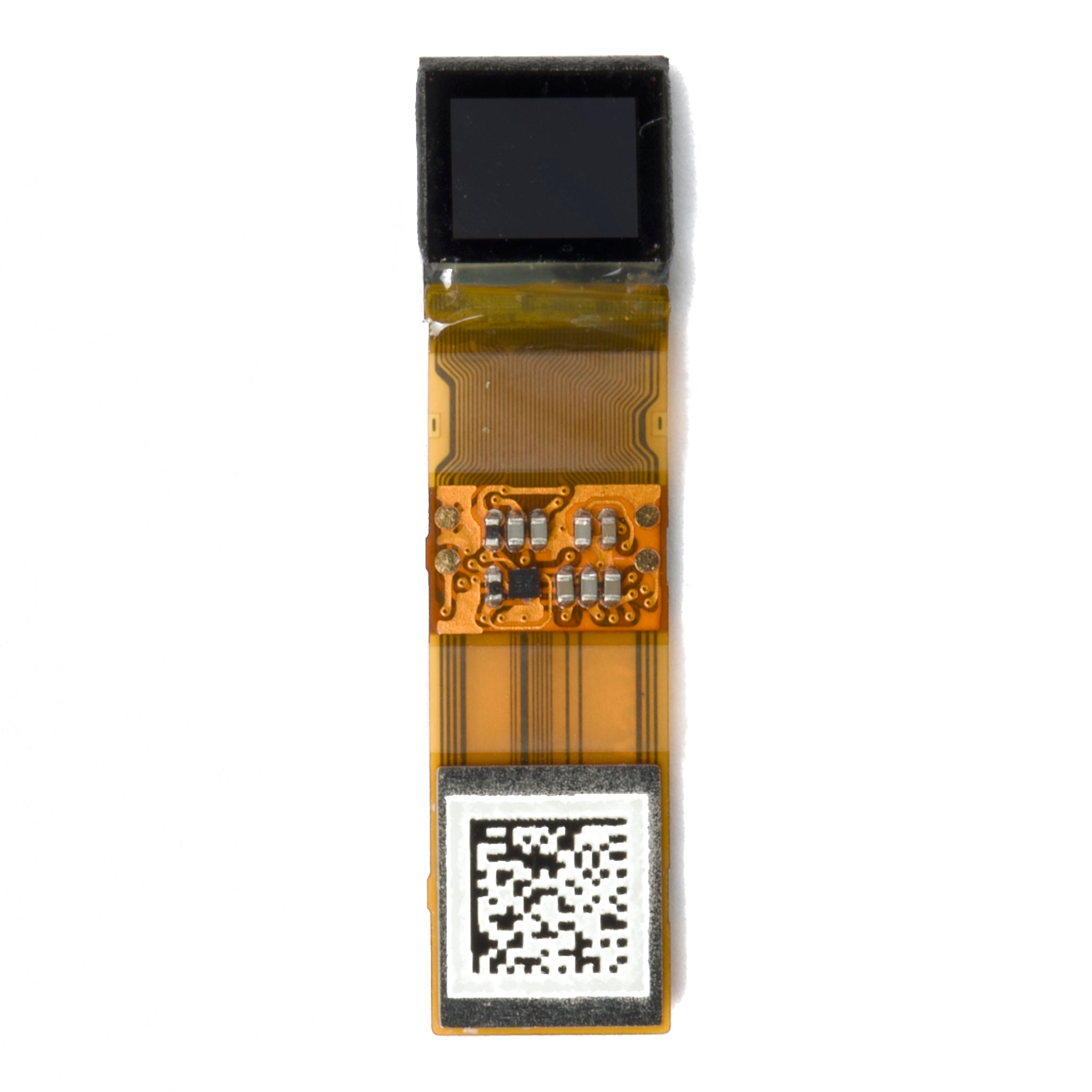
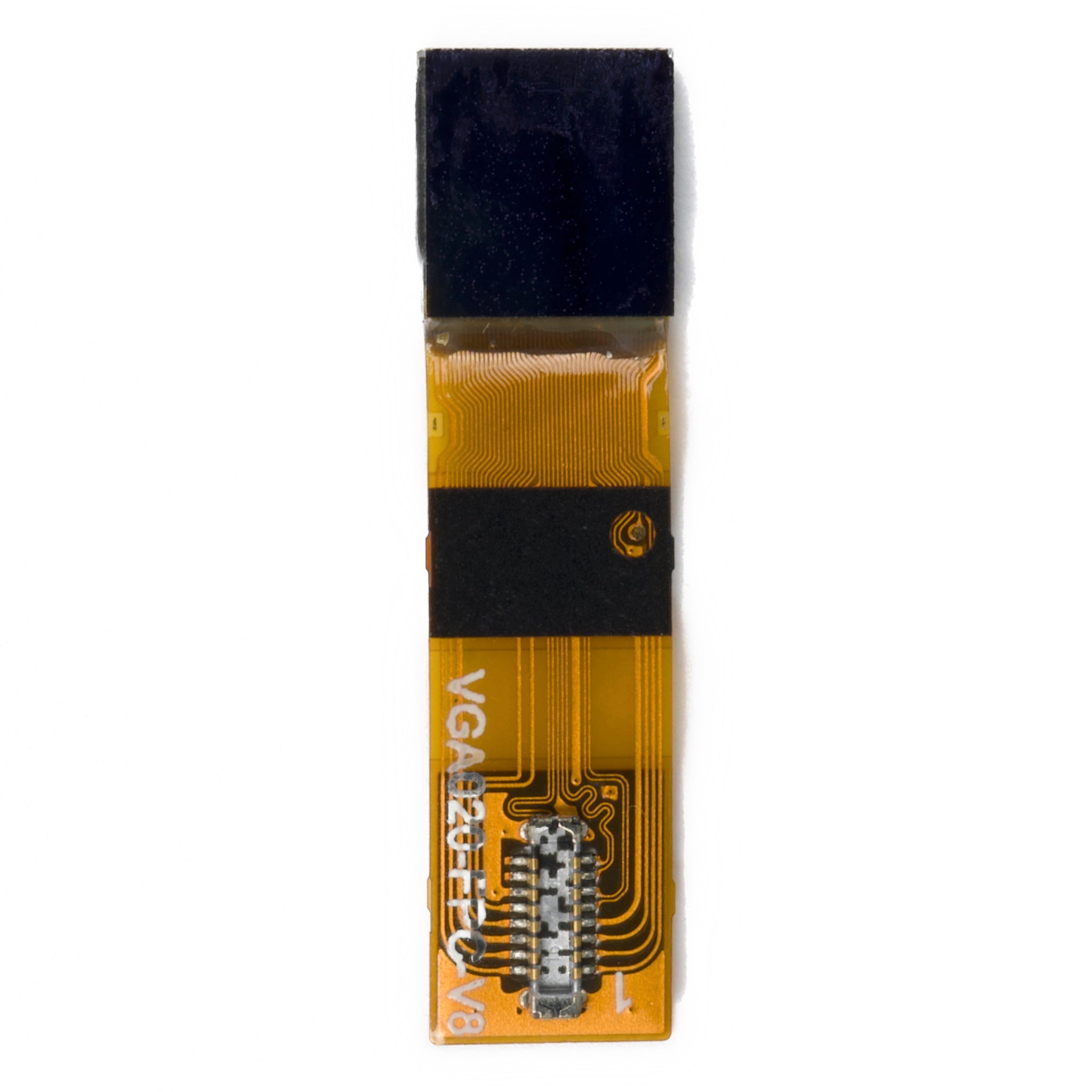
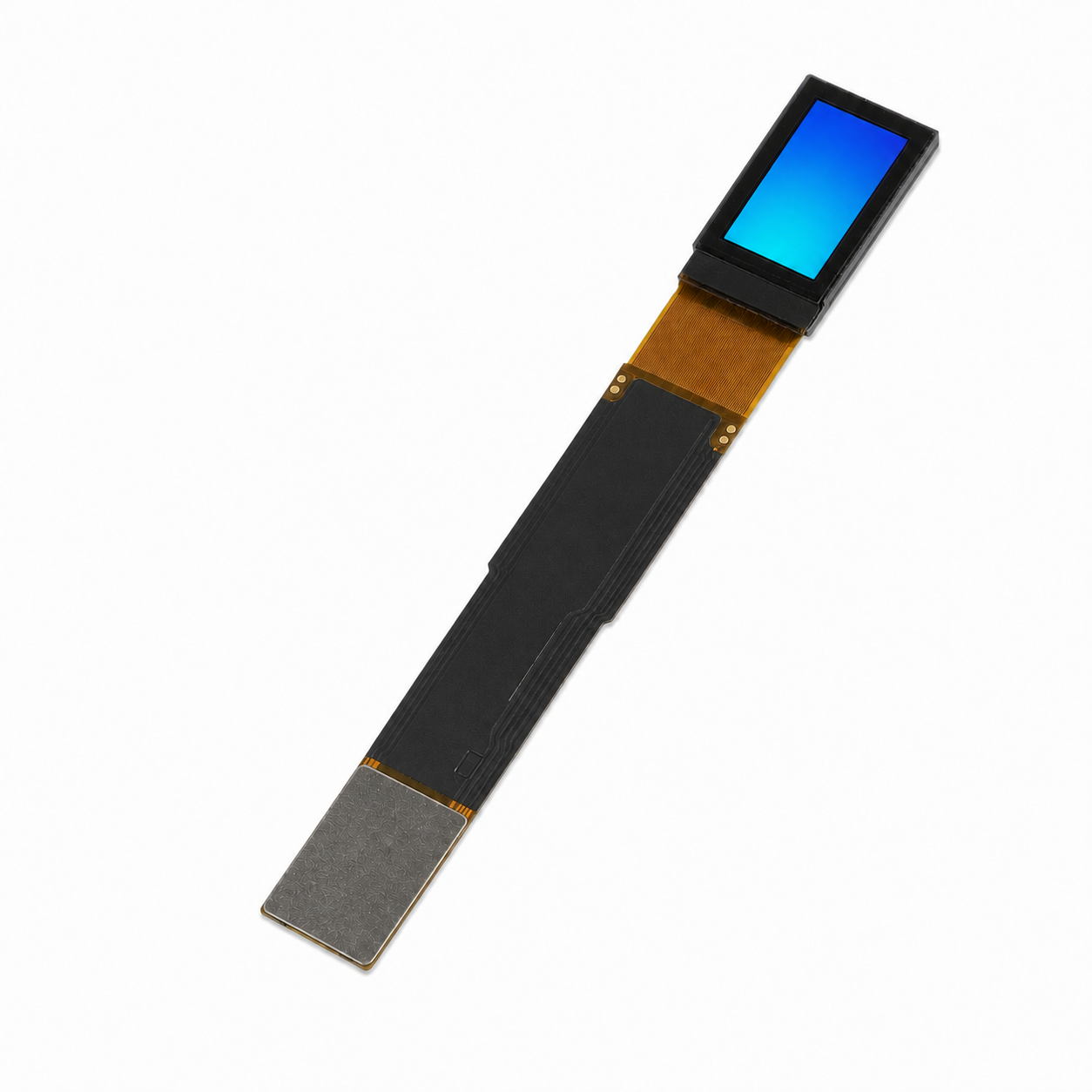
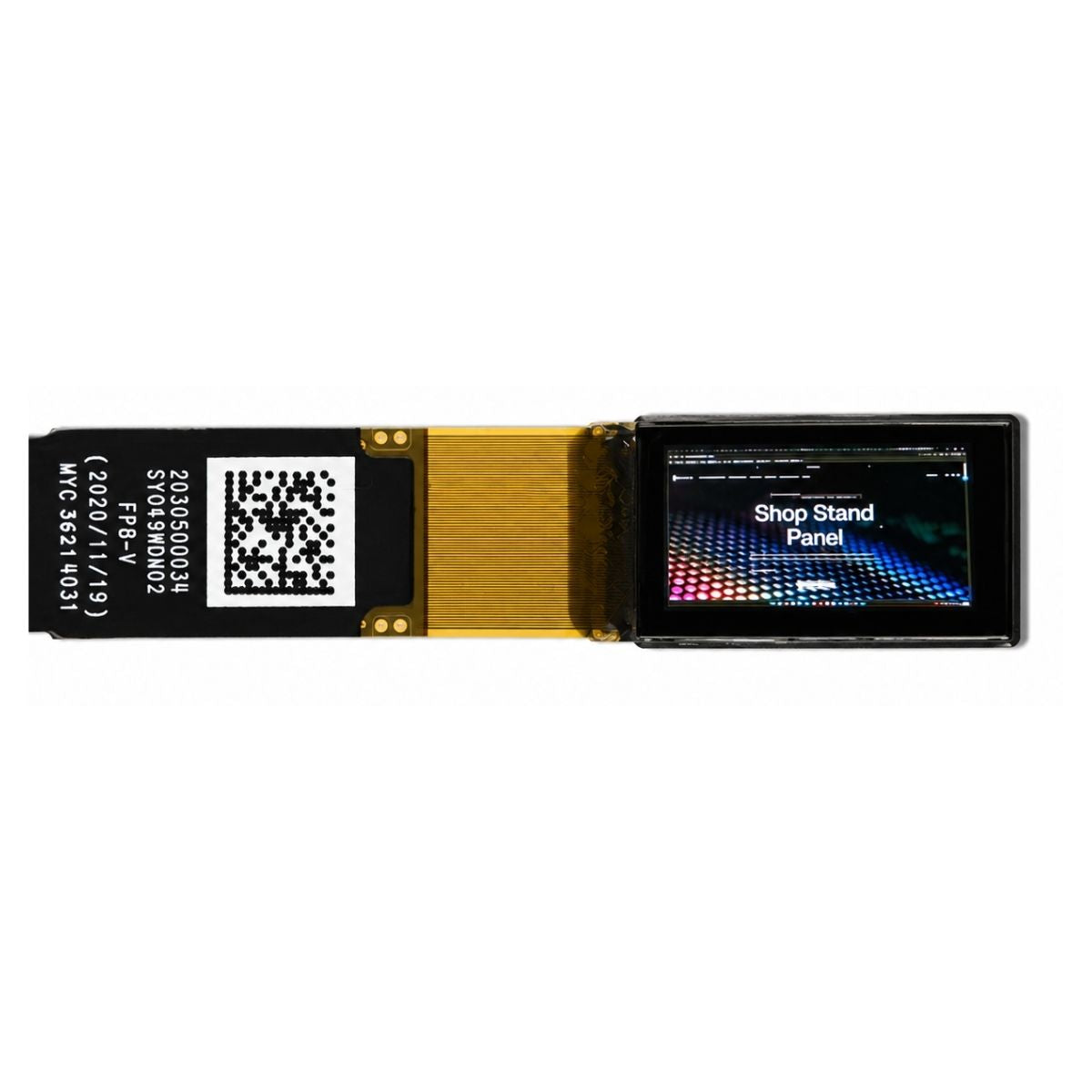
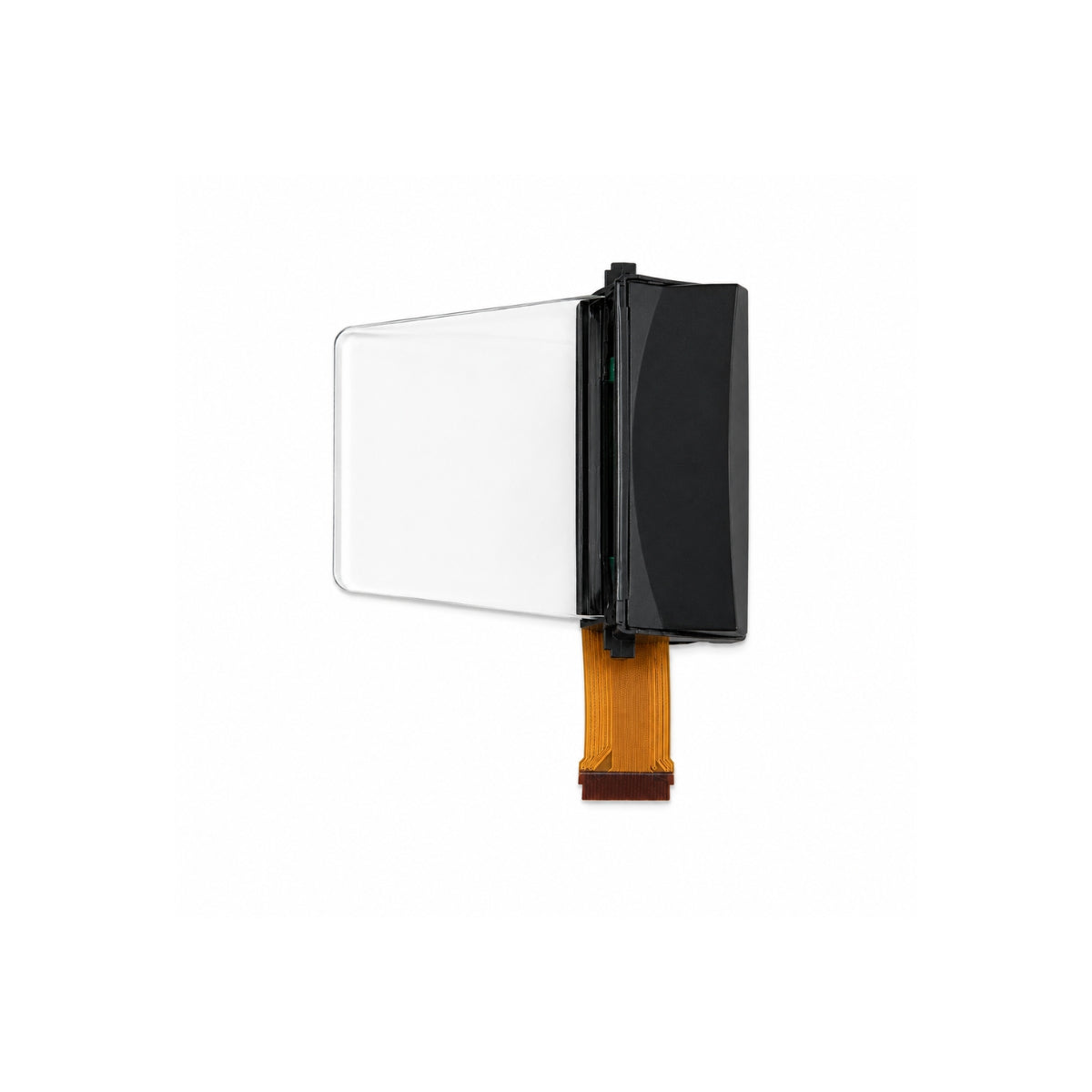
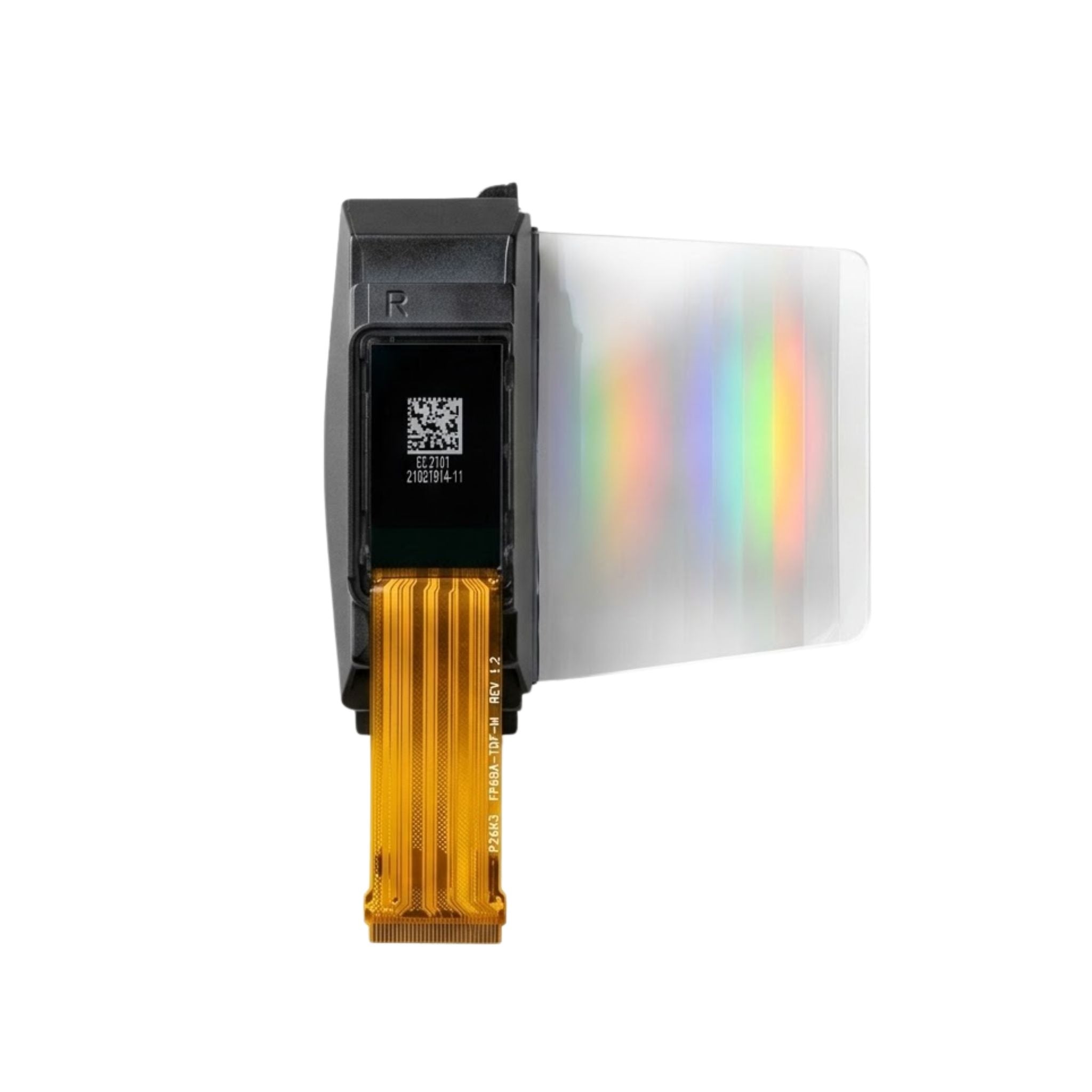


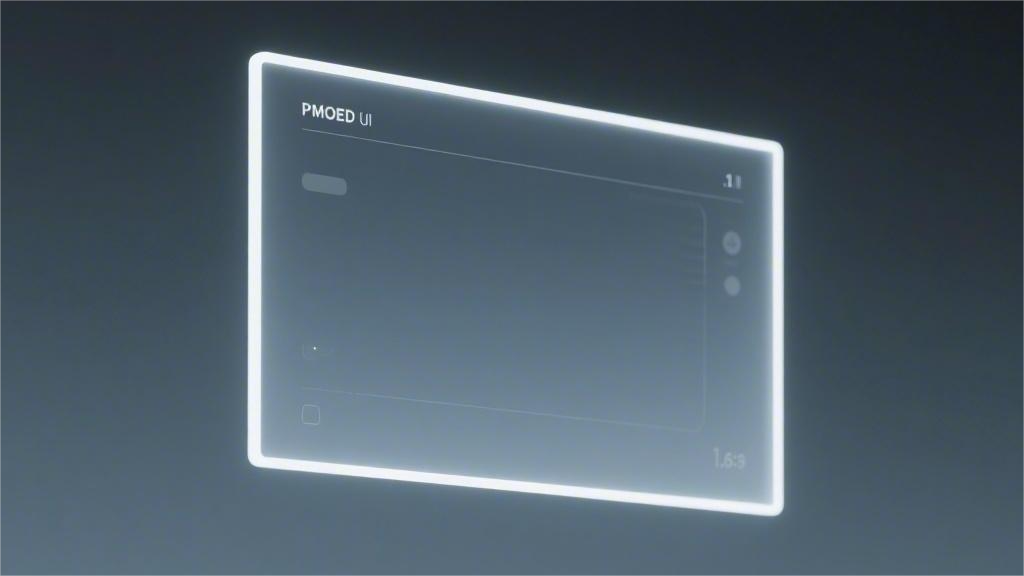
The light transmittance of transparent PMOLED displays typically reaches 40% to 60%. Its core lies in the elimination of the backlight layer, utilizing the self-emissive characteristics of organic ...
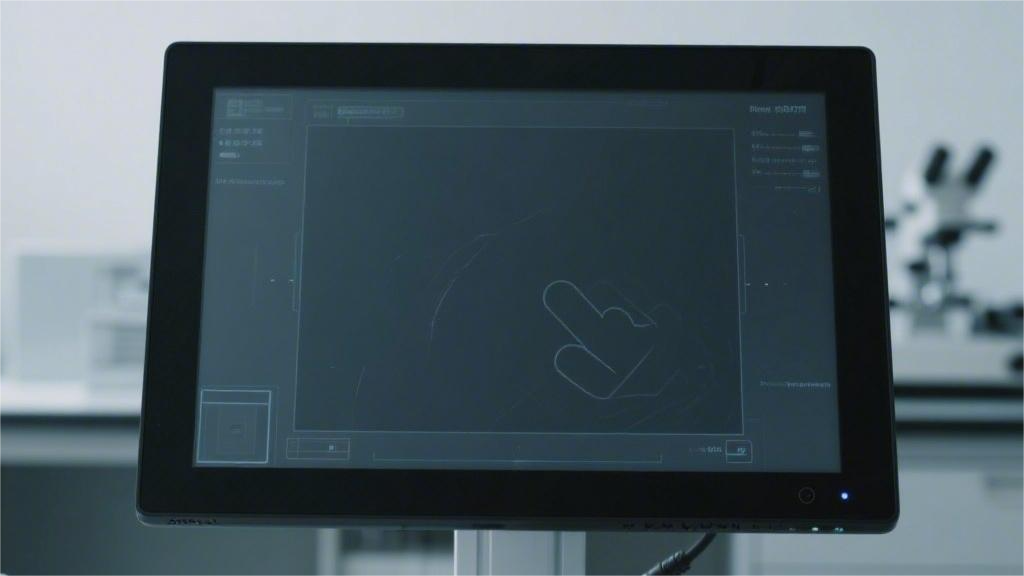
Resistive Touch Panels (RTP) generate signals through physical contact between two conductive layers driven by pressure, featuring IP54-rated dust and water resistance. During use, coordinates must...

IPS screens offer a superior performance! They feature 178° ultra-wide viewing angles and more accurate color reproduction. Verification method: You can observe the screen from a 45° side angle; if...

To extend the lifespan of a PMOLED, a dynamic screen saver must be enabled, avoiding static images for over 5 minutes to prevent burn-in. At the same time, the driving current must be strictly cont...

TFT screens for industrial HMIs must guarantee a backlight lifespan of 50,000 hours. Operationally, the touch panel must be bonded with 3mm tempered glass and programmed with thick-glove and waterp...

PMOLEDs for industrial HMIs must support wide-temperature operation from -40°C to +85°C and feature a 160-degree full viewing angle. Operationally, the hardware requires silicone reinforcement at t...

Monochrome PMOLED selection requires identifying an ultra-high contrast ratio of 10,000:1 and a wide viewing angle of 160 degrees to ensure readability. In terms of operation, it is necessary to se...

The tooling cost for a custom PMOLED is approximately $2,000 to $5,000, supporting circular or custom-shaped cutting. During operation, a CAD drawing containing the FPC pins and display area dimens...
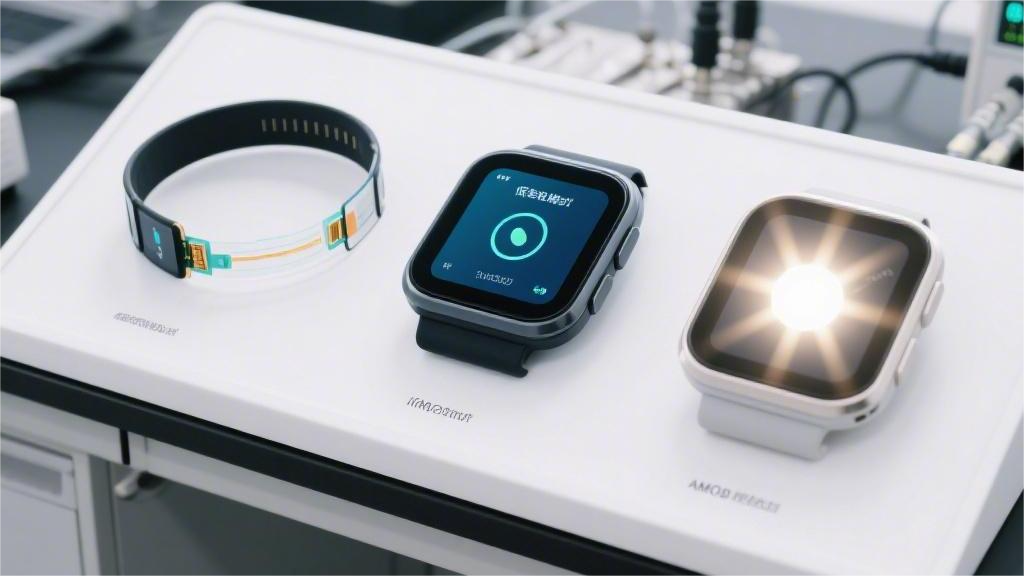
The bending radius of wearable AMOLED reaches R2mm. Utilizing AOD and LTPO technologies to reduce the frequency to 1Hz can save 30% of power. Visibility is enhanced through 1000-nit peak brightness...