



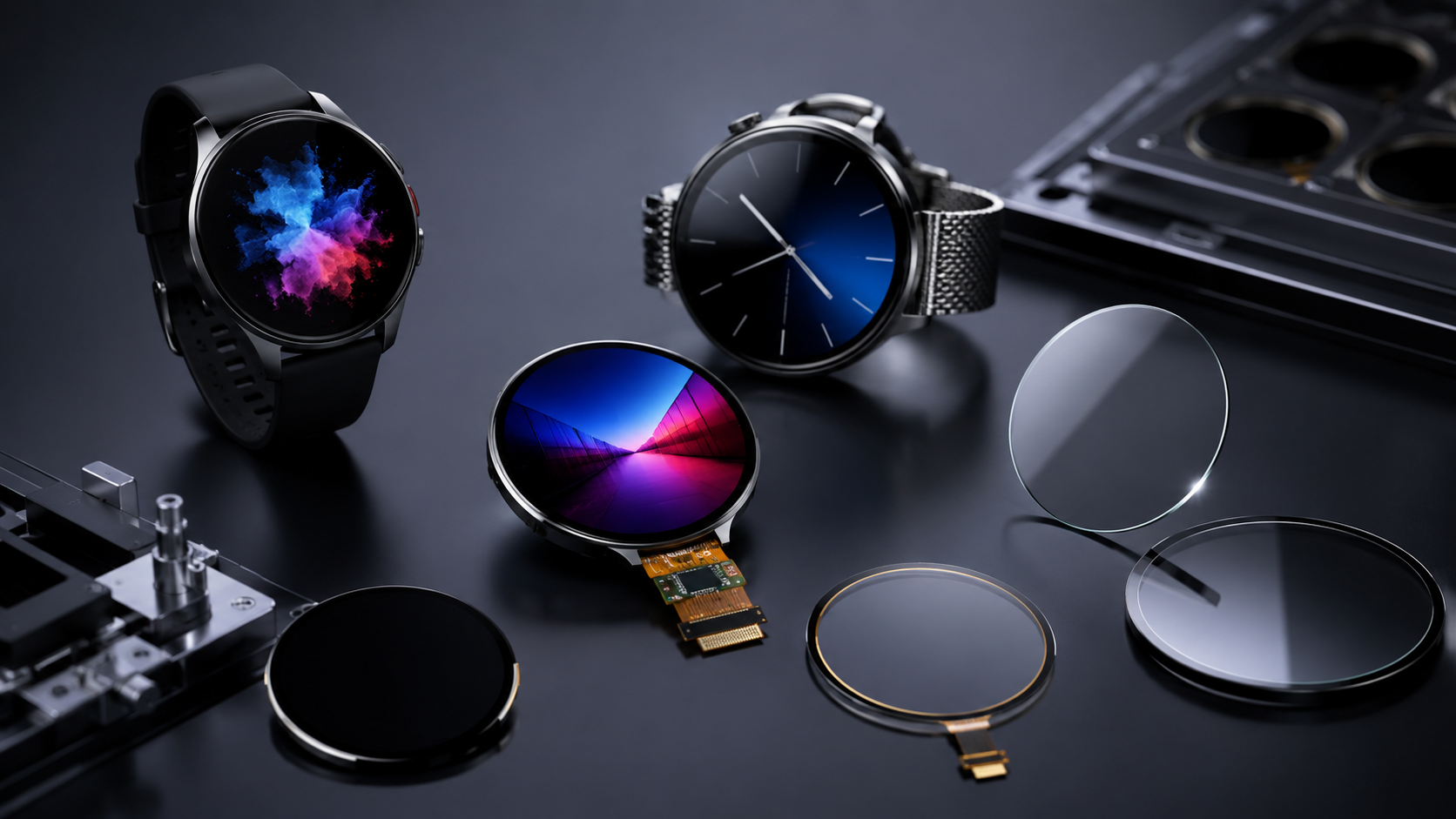
Round AMOLED displays are widely used in smart watches and wearable devices, especially products that follow a traditional watch-style design. Compared with LCD solutions, AMOLED technology uses se...

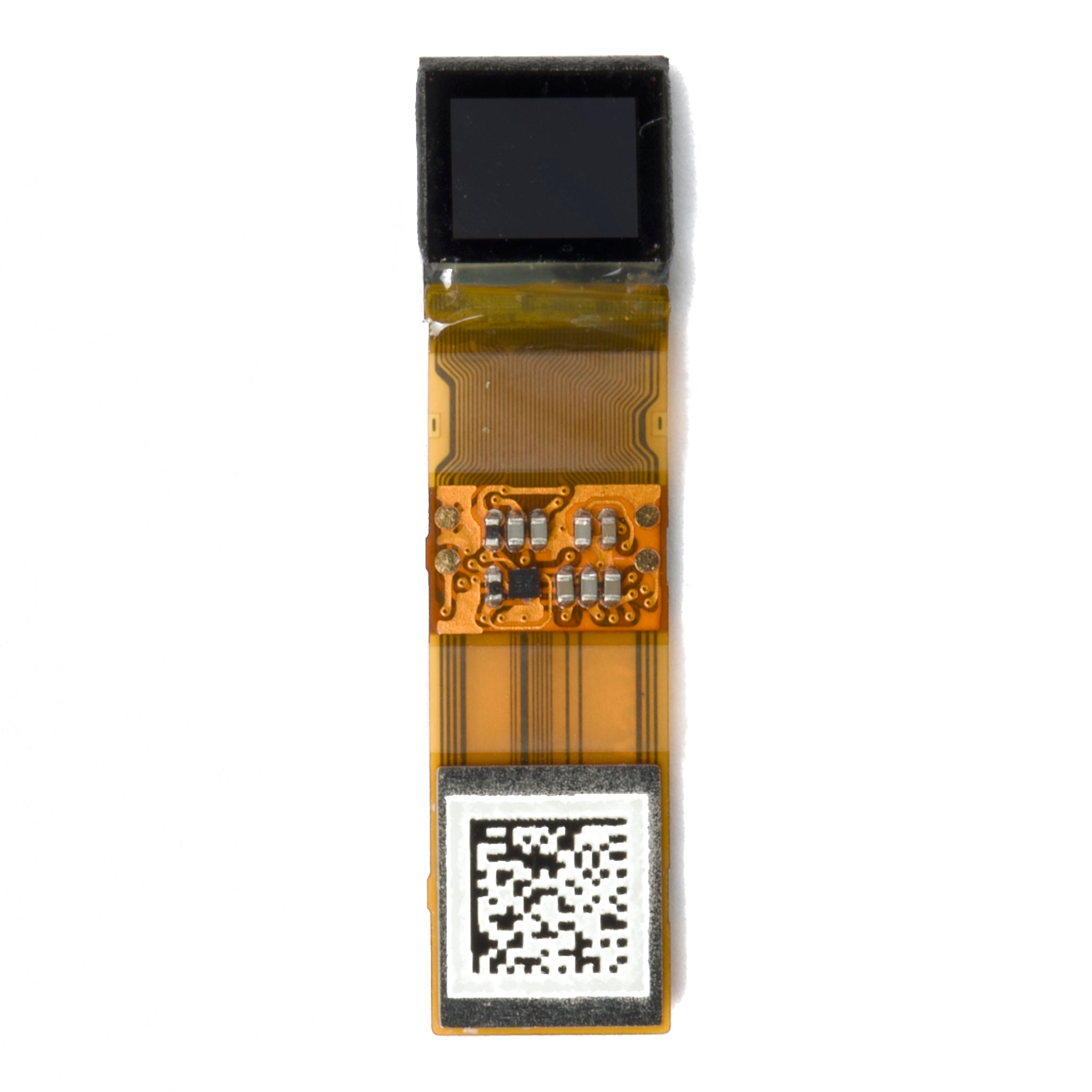
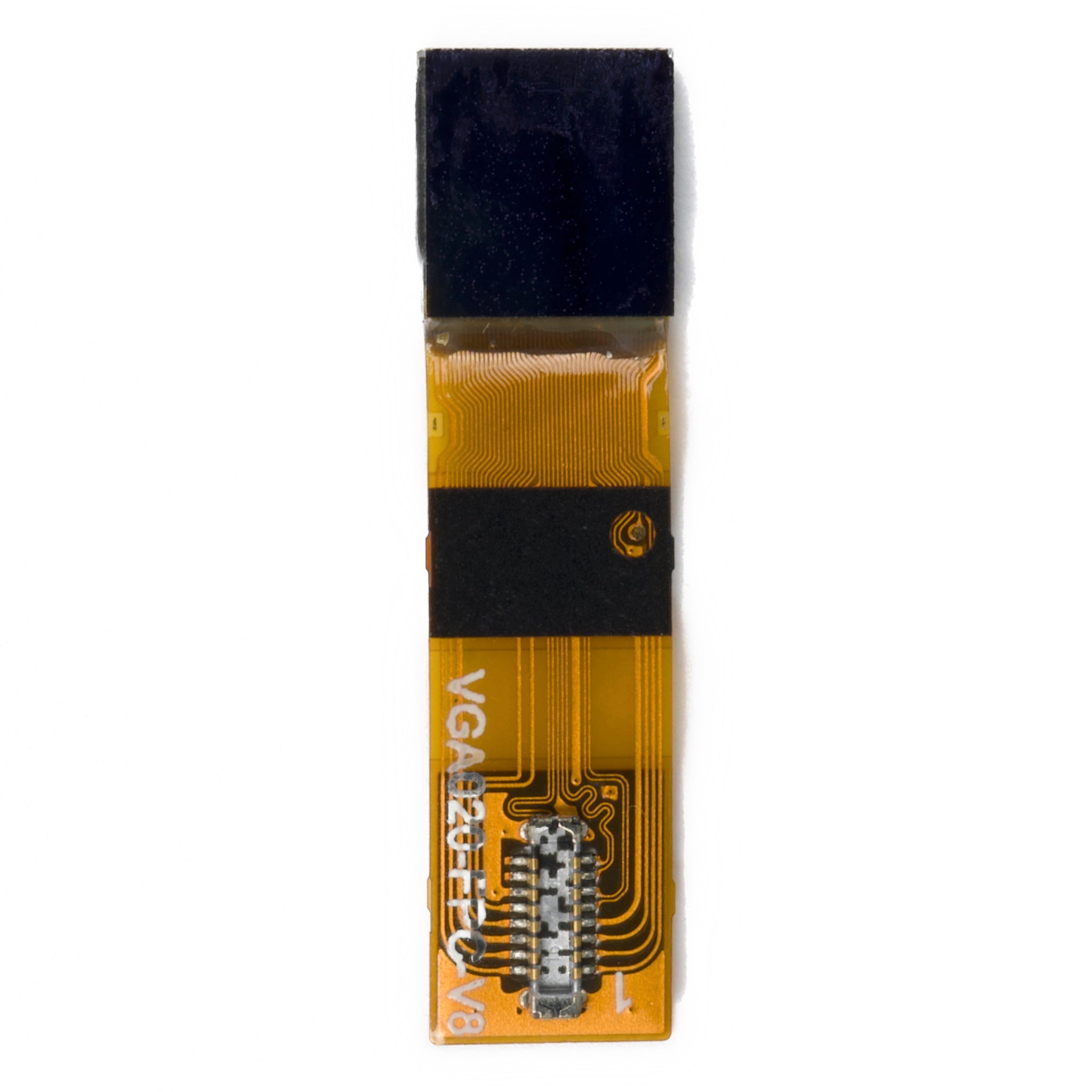
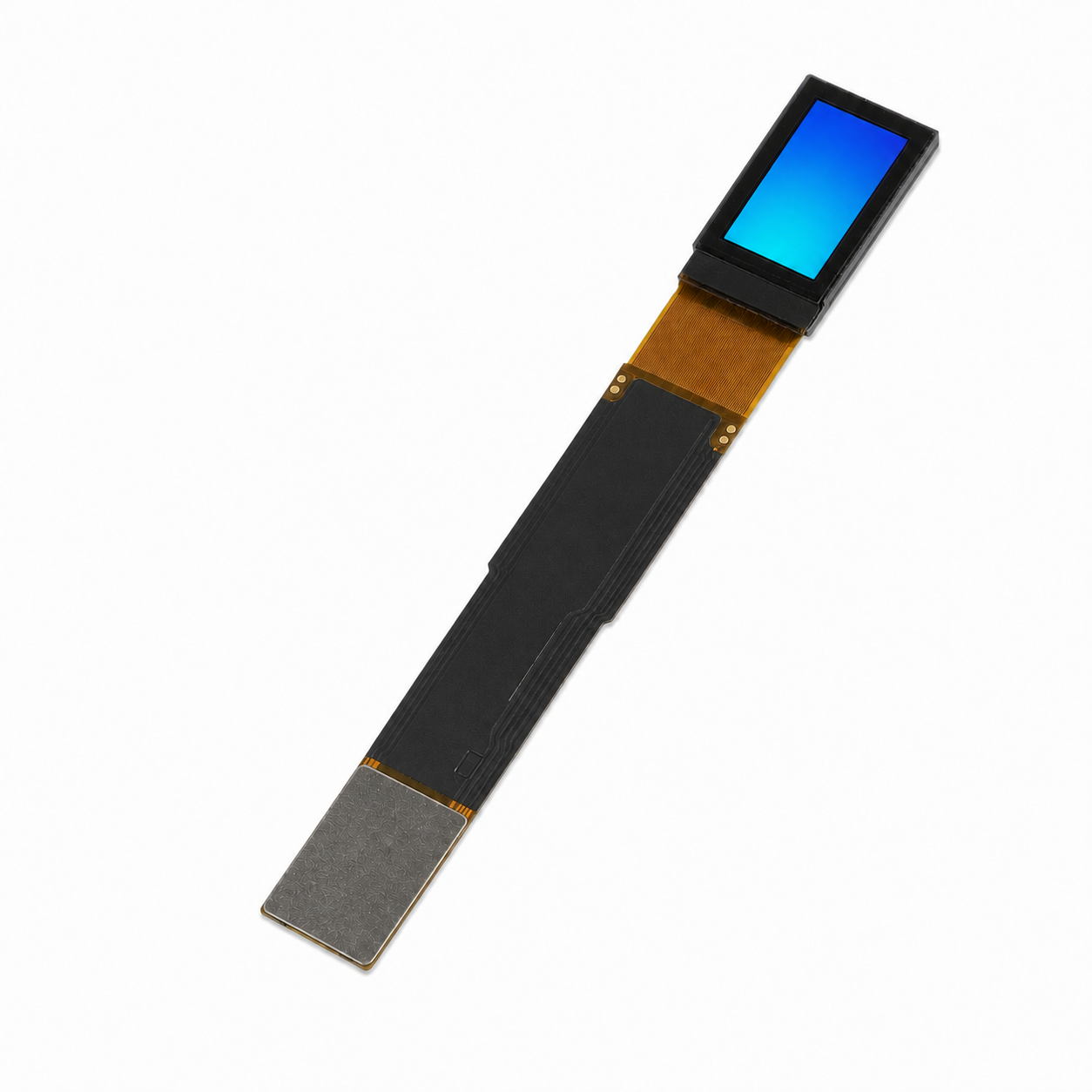
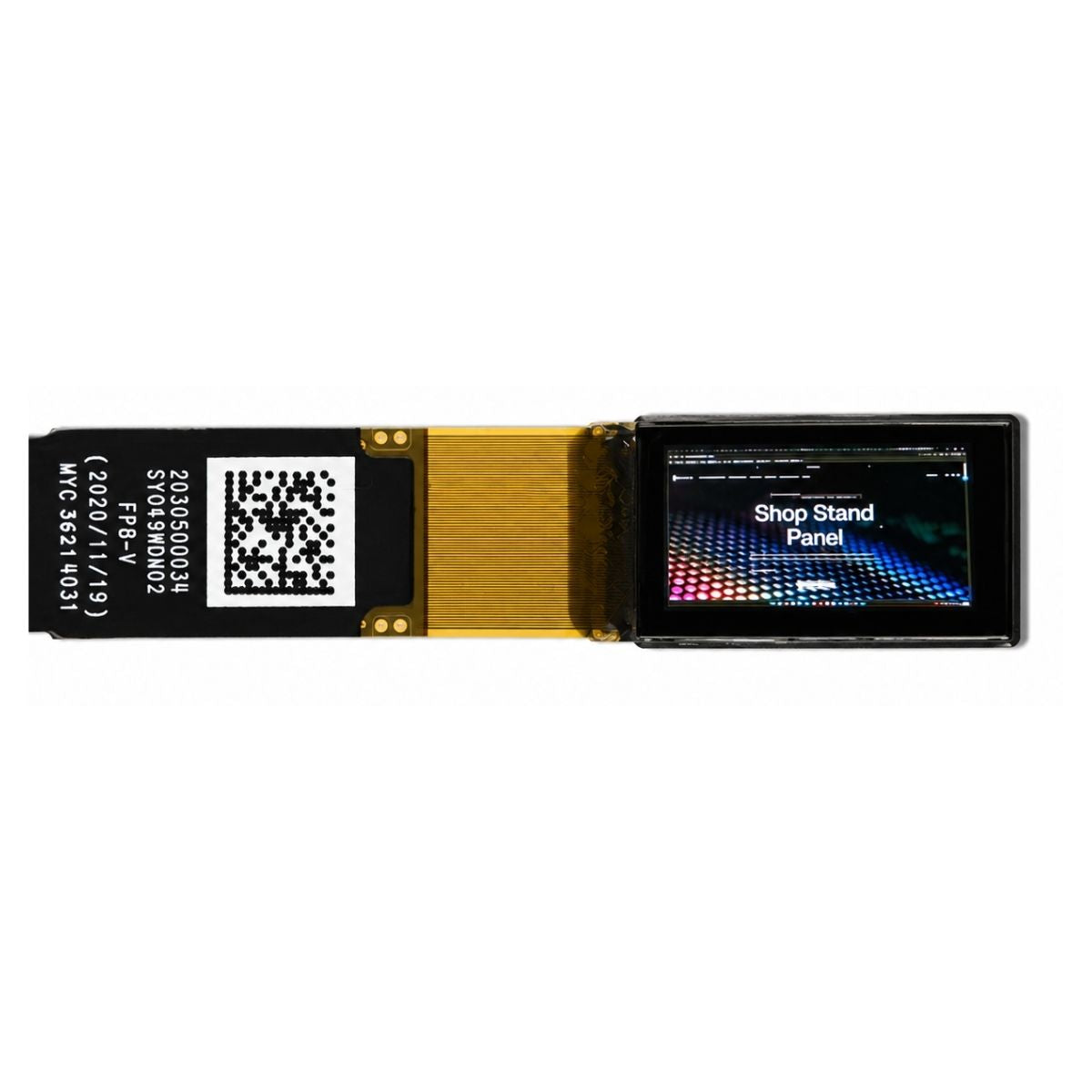
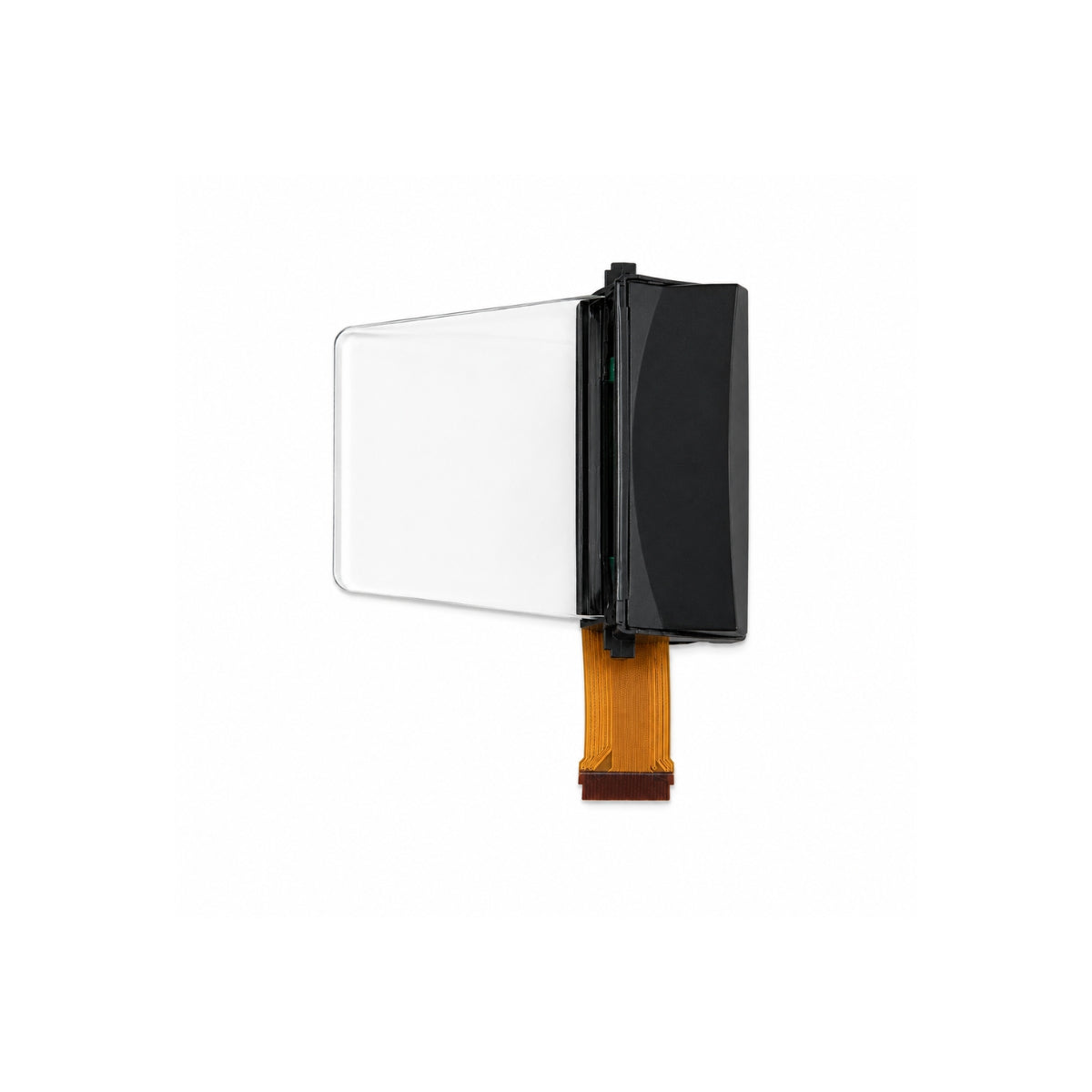
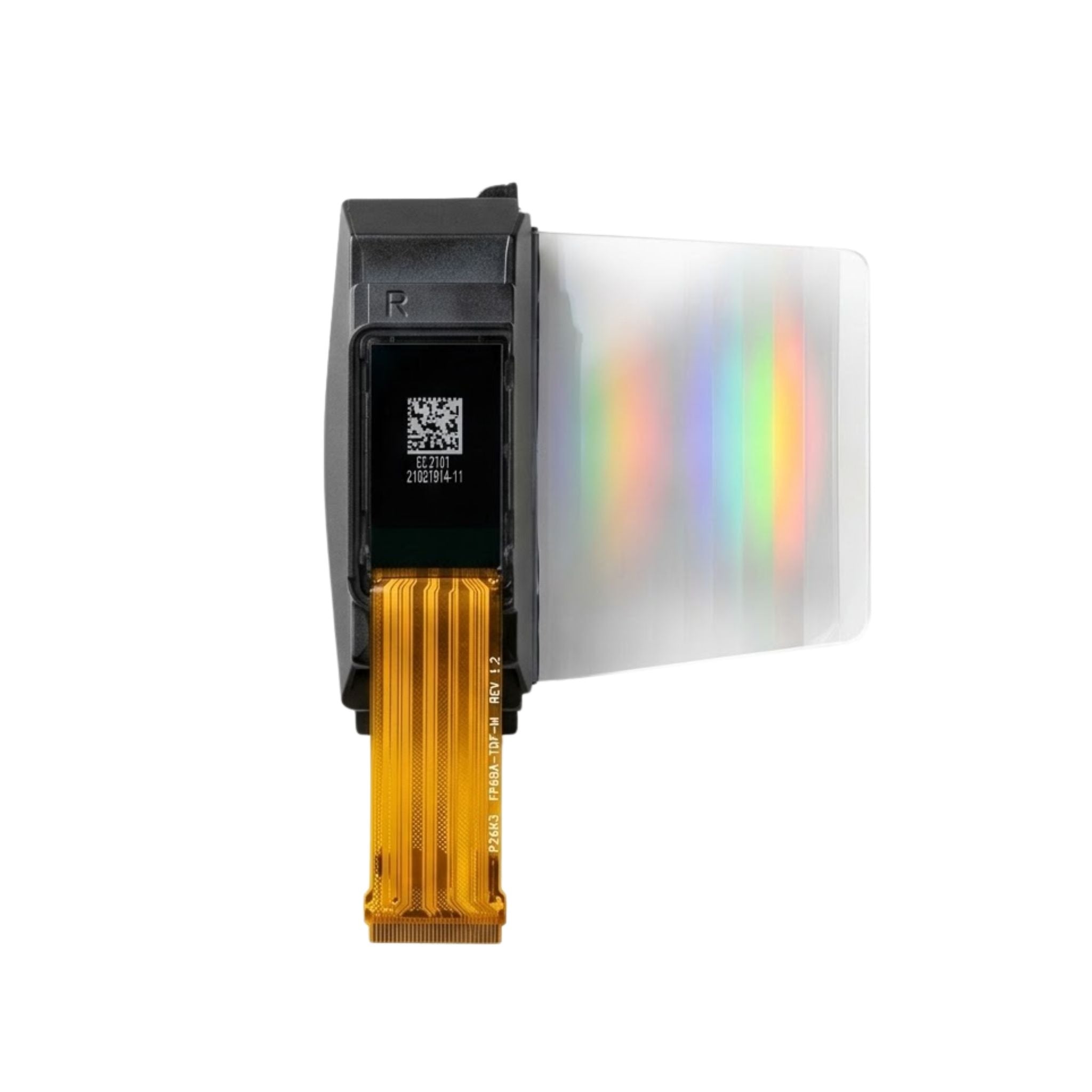
Sony launched the ECX350F micro OLED display microdisplay module, compressing pixel pitch to 5.1 micrometers while delivering an unprecedented peak brightness of 10,000 nits — setting a new benchma...

According to the IHS Markit Industrial Display Market Report, the compound annual growth rate (CAGR) for industrial TFT LCD modules operating in extreme environments reached 11.2%, with sunlight-re...
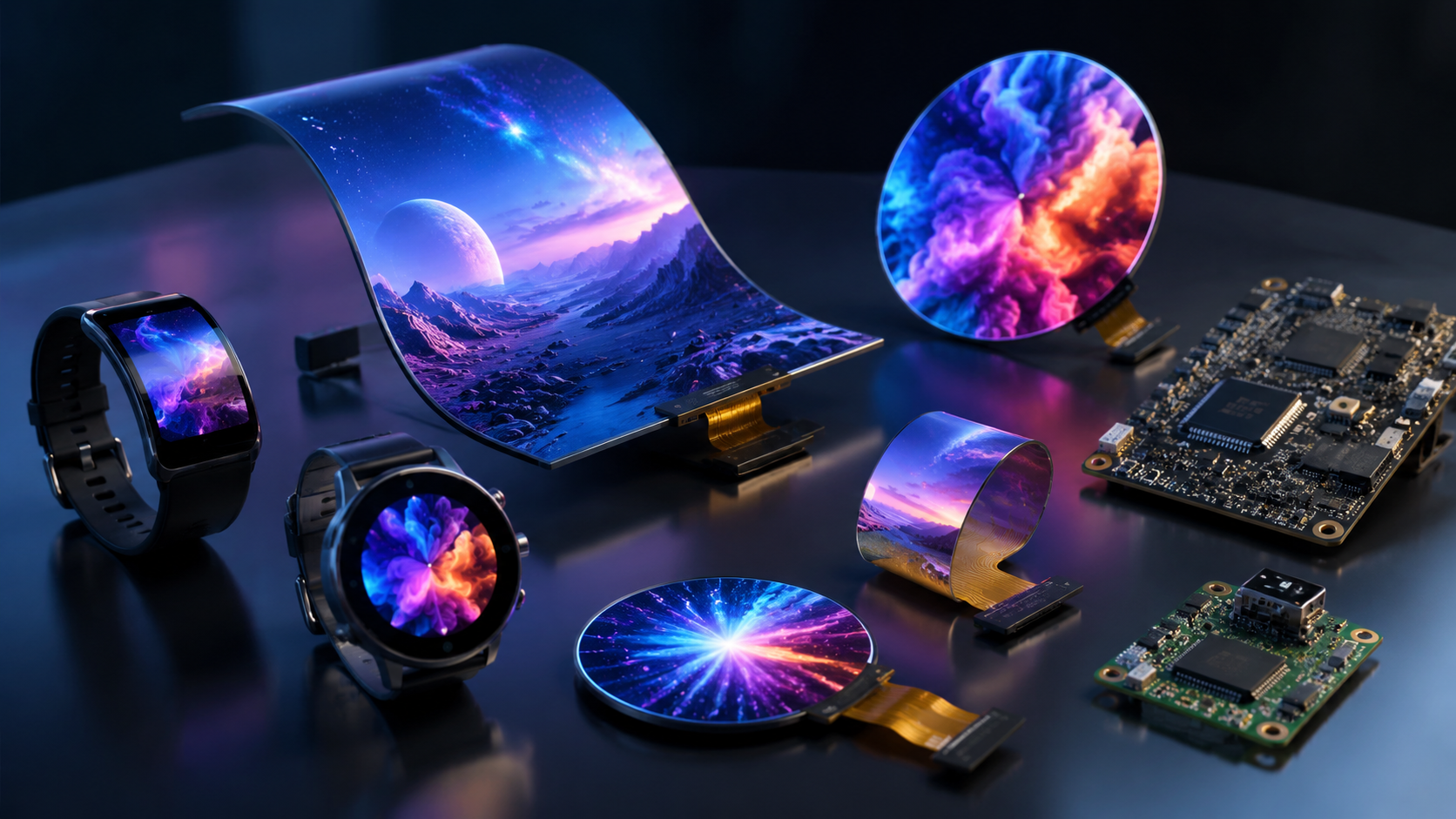
Wearable AMOLED customization hinges on three engineering challenges that cannot be glossed over—fitting the display to a curved wrist surface, designing for a round watch face, and matching the ...
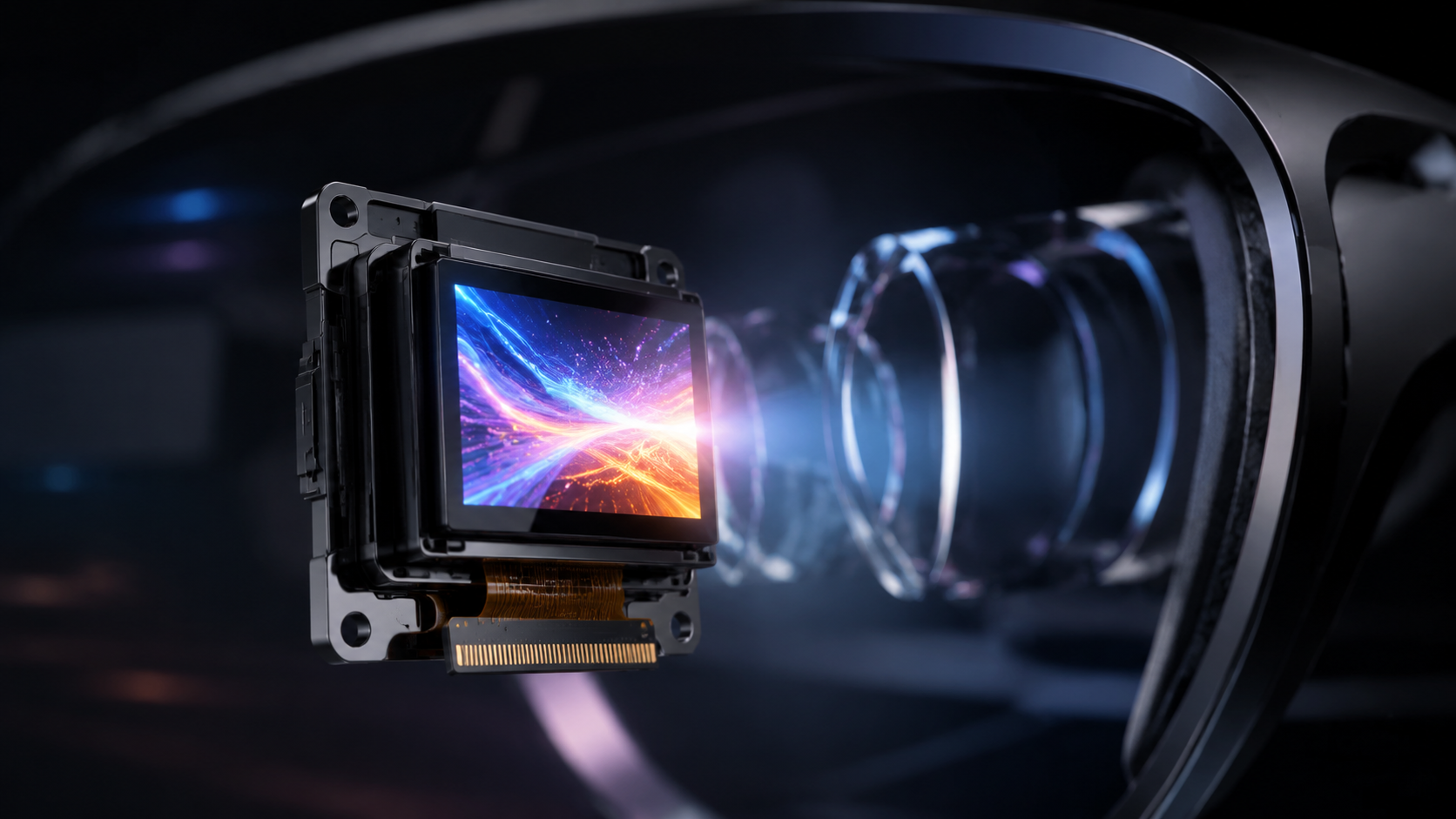
Sony ECX350F pushed peak Micro OLED brightness to 10000 nits in September 2024 — a 0.44-inch module delivering 1920×1200 resolution at 5000ppi pixel density, 5.1µm pixel pitch, 100% sRGB gamut, a...
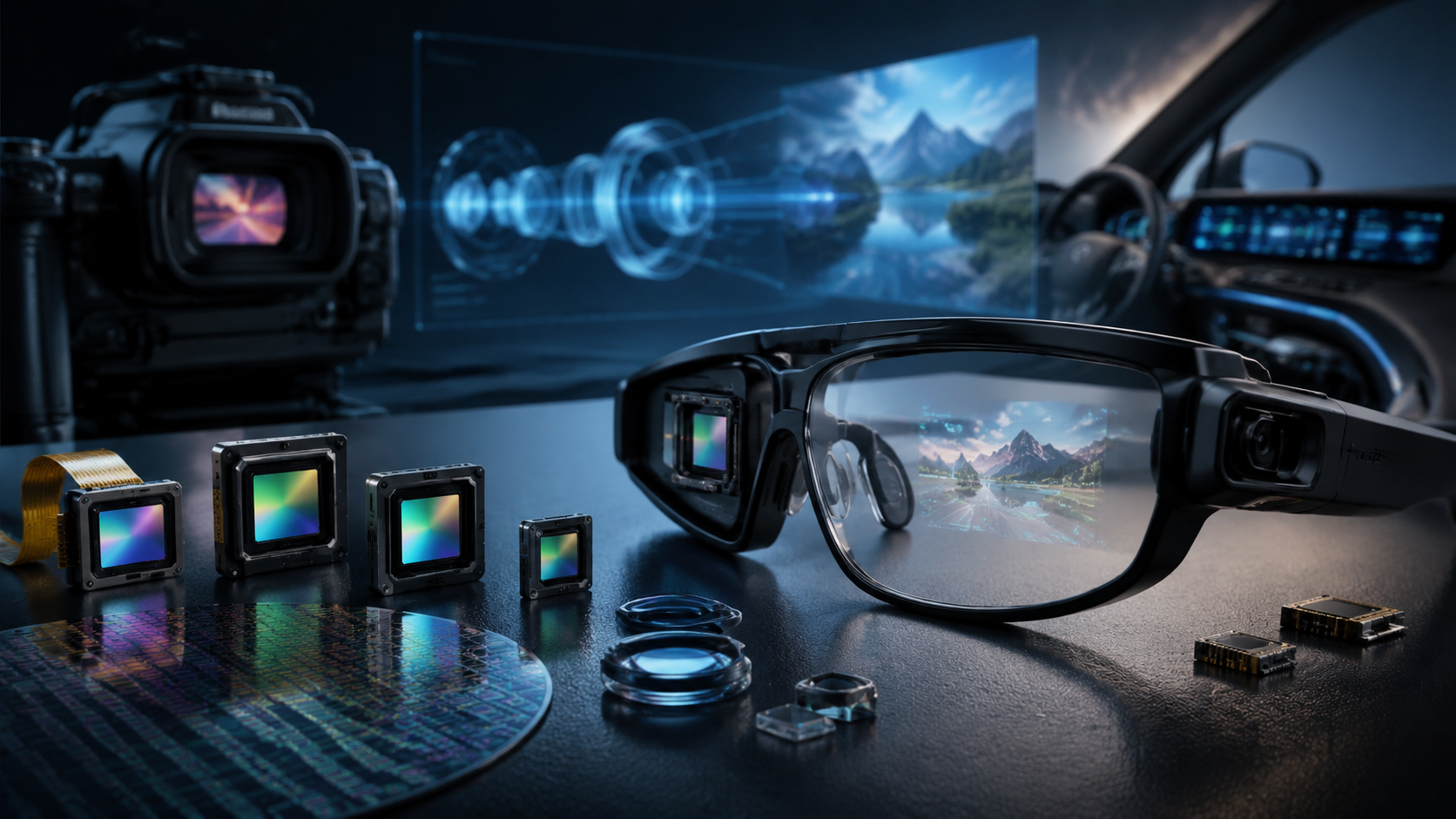
Global demand for custom Micro OLED displays is growing at 23% annually. Small-batch runs of 50–500 units typically require 8–14 week lead times—a timeframe that offers more flexibility than stan...
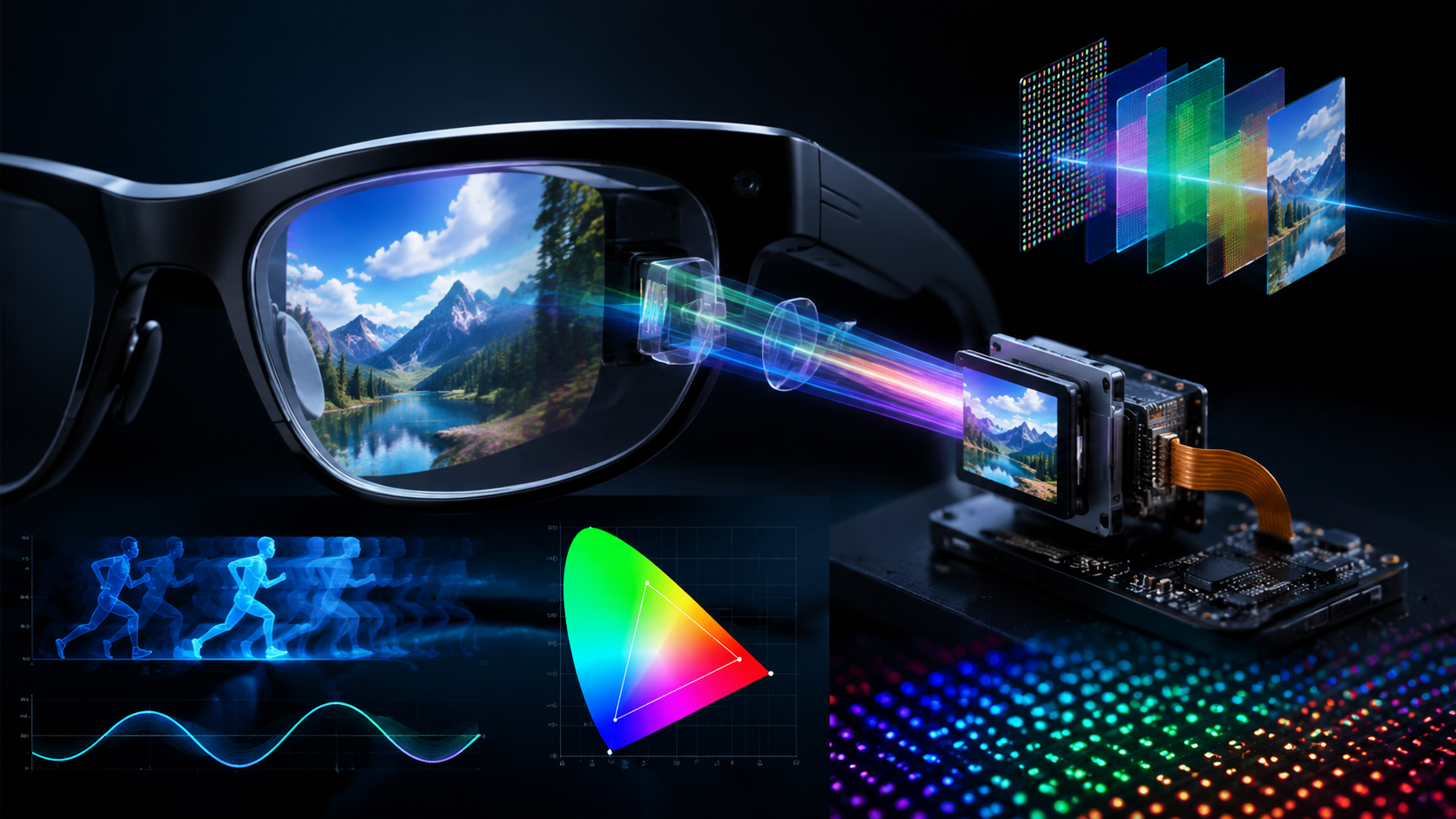
The global microdisplay market reached $1.92 billion in 2024, with Omdia projecting the near-eye display market to surge 200% year-over-year in 2026. Micro OLED—with microsecond response times, m...
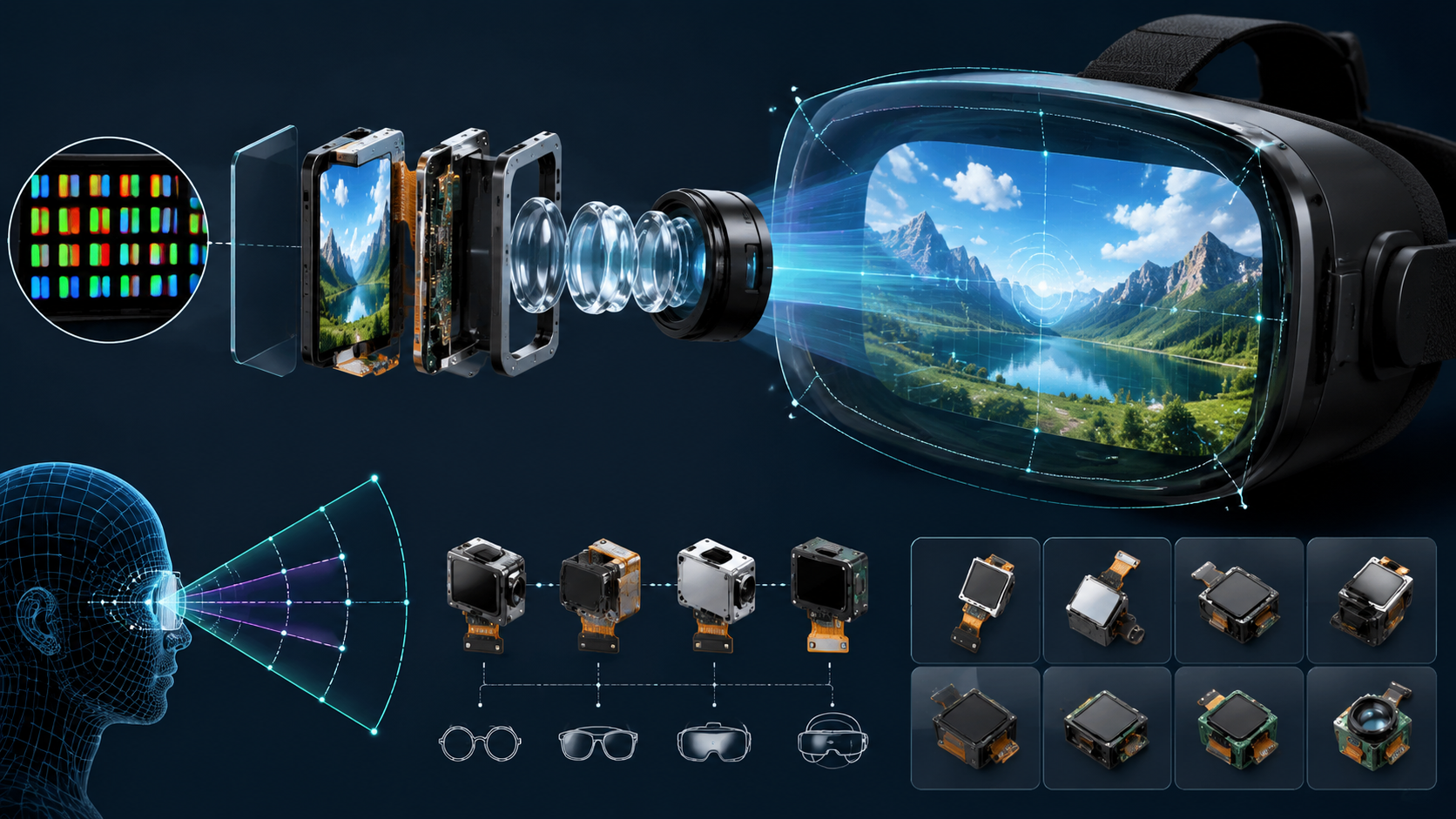
The global microdisplay market reached $1.92 billion in 2024, with Omdia projecting the near-eye display market to exceed $1.2 billion by 2026. The Sony ECX350F—boasting a 5,000 PPI pixel density...
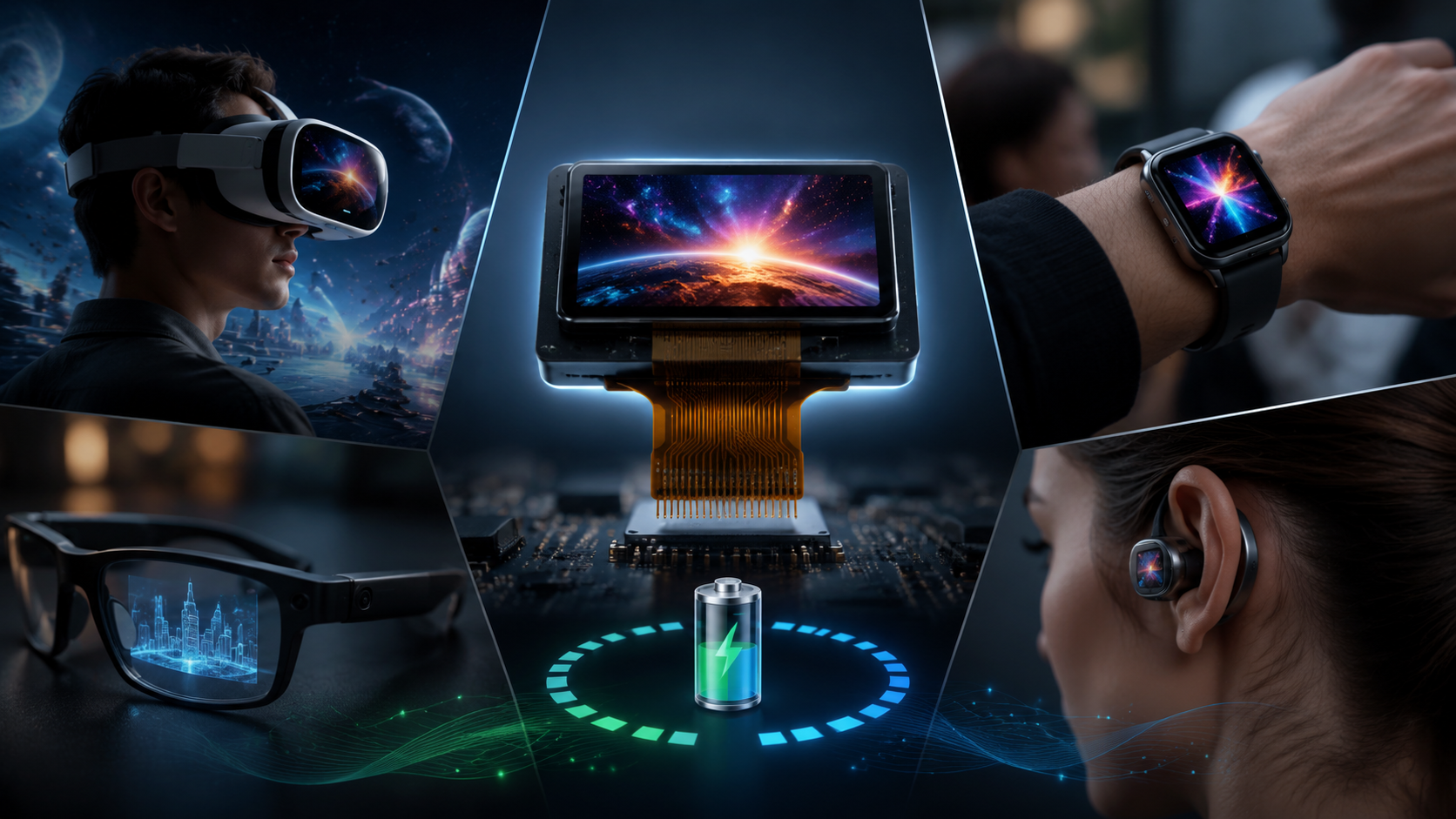
Battery-powered embedded systems demand display modules that do not drain power reserves — PMOLED (Passive Matrix Organic Light-Emitting Diode) delivers 2 – 10 mW typical power consumption through ...