



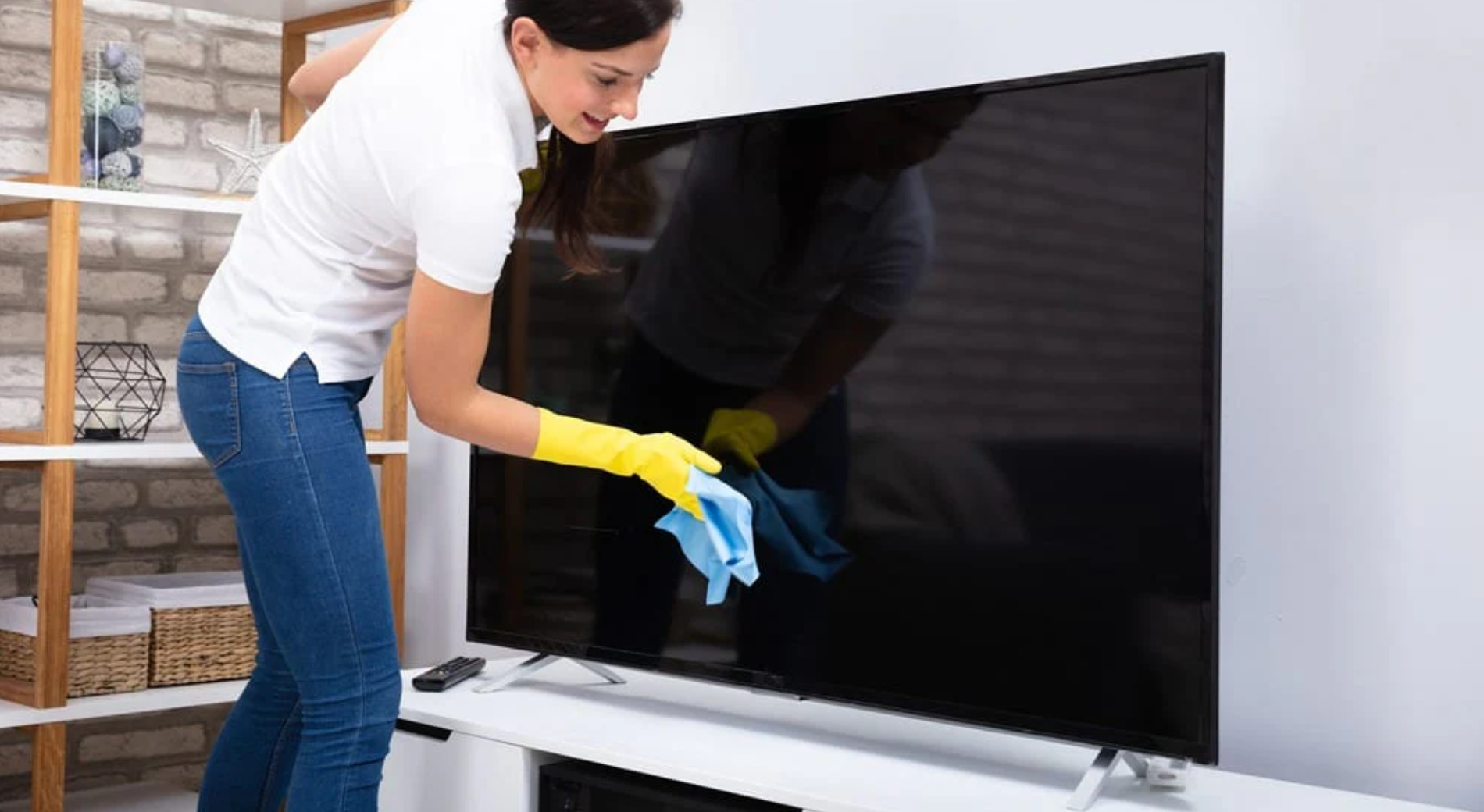
Please be sure to turn off the screen first. Gently wipe the surface in a circular motion using a clean microfiber cloth. For stubborn stains, you may lightly dampen the cloth with a small amount o...
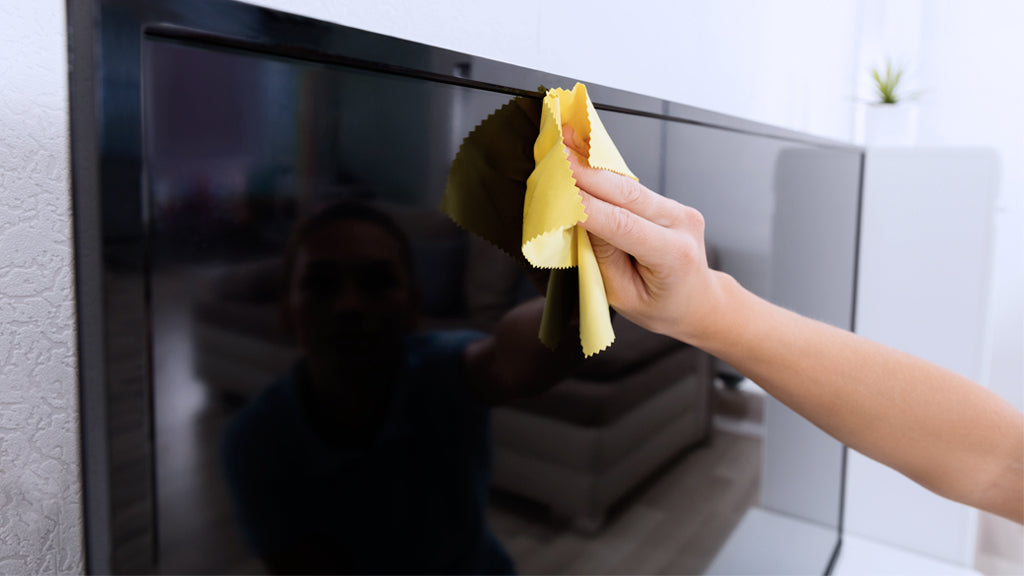
OLED screens are usually covered with reinforced glass with a Mohs hardness of over 6 to resist scratches. To prevent uneven aging of organic emitters causing burn-in, always enable the "Pixel Shif...
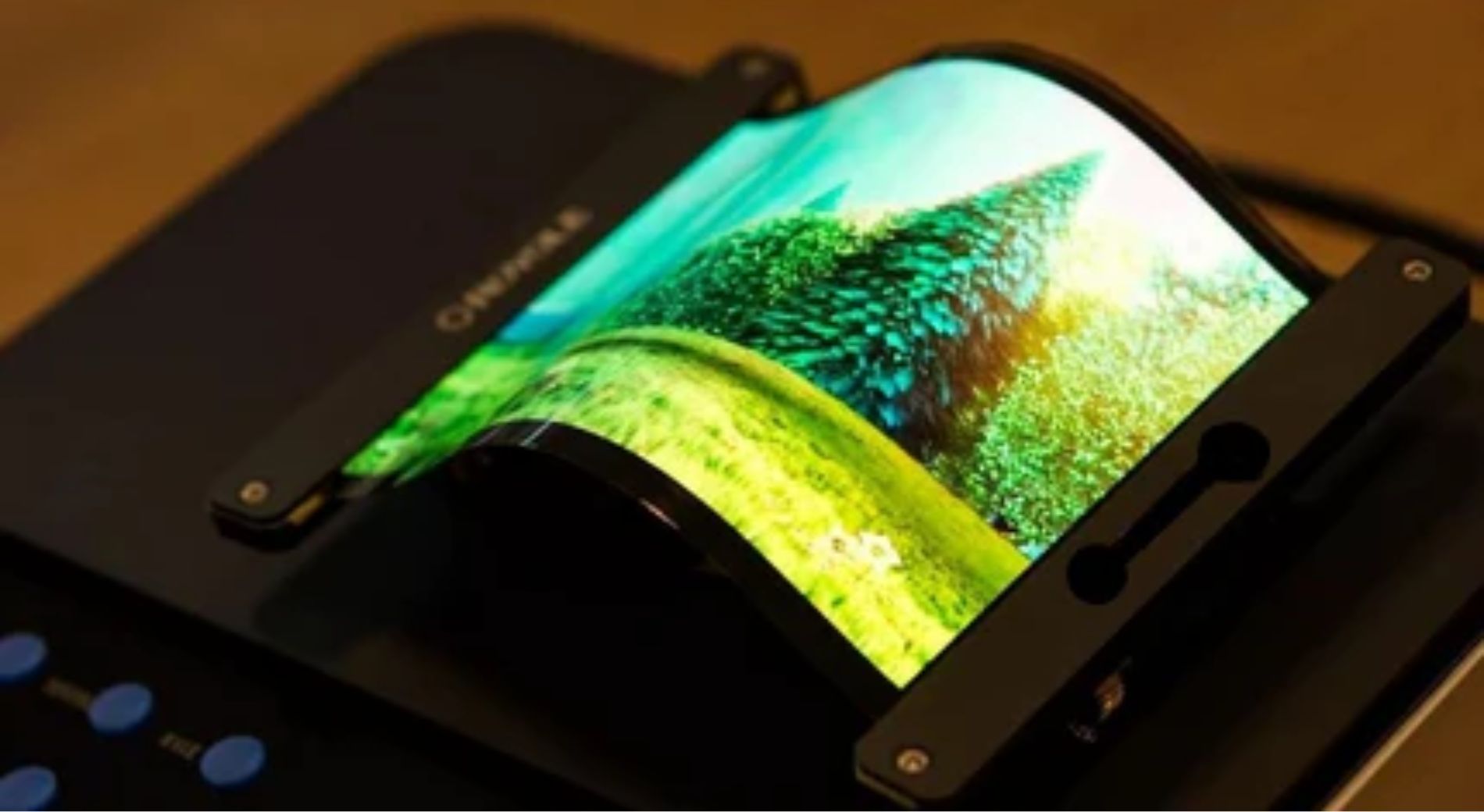
Consumer Electronics Dominates high-end smartphones (e.g., iPhone 15 Pro, 6.1-inch OLED, 500 nits brightness, 98% DCI-P3 color gamut) and TVs (LG C3, 55-inch, peak 2000 nits, million-level contrast...

Automotive OLED utilizes flexible substrates to bond with curved dashboards, meeting automotive-grade temperature resistance standards of -40°C to 105°C. HUDs employ Transparent OLED (transmittance...
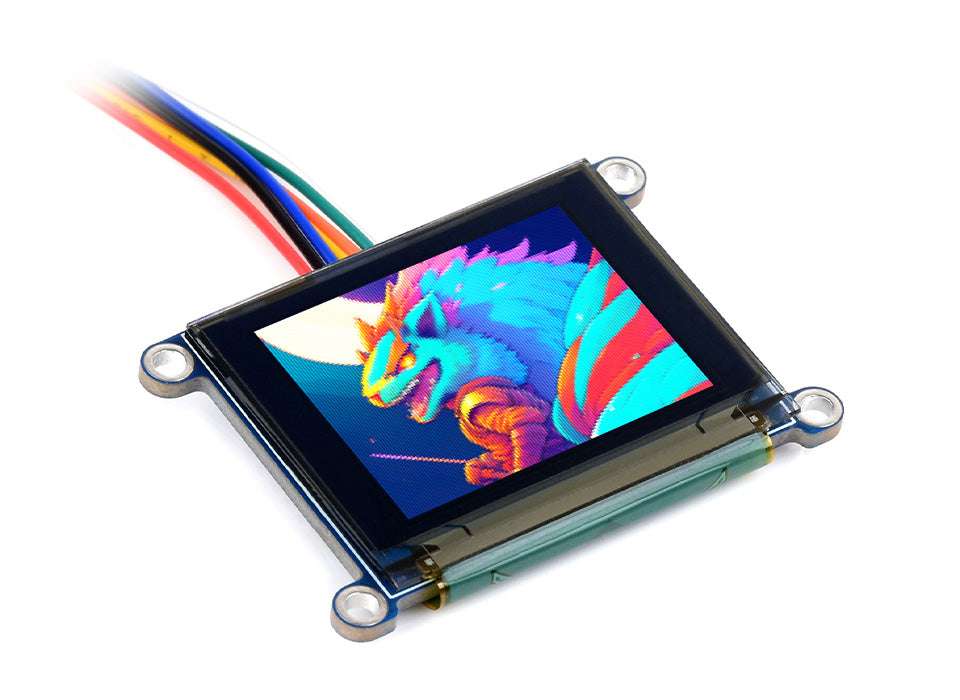
The cost of OLED modules increases non-linearly with size; 65-inch large screens have a unit price far higher than mobile phone screens due to significant cutting losses. High resolution (>400 P...
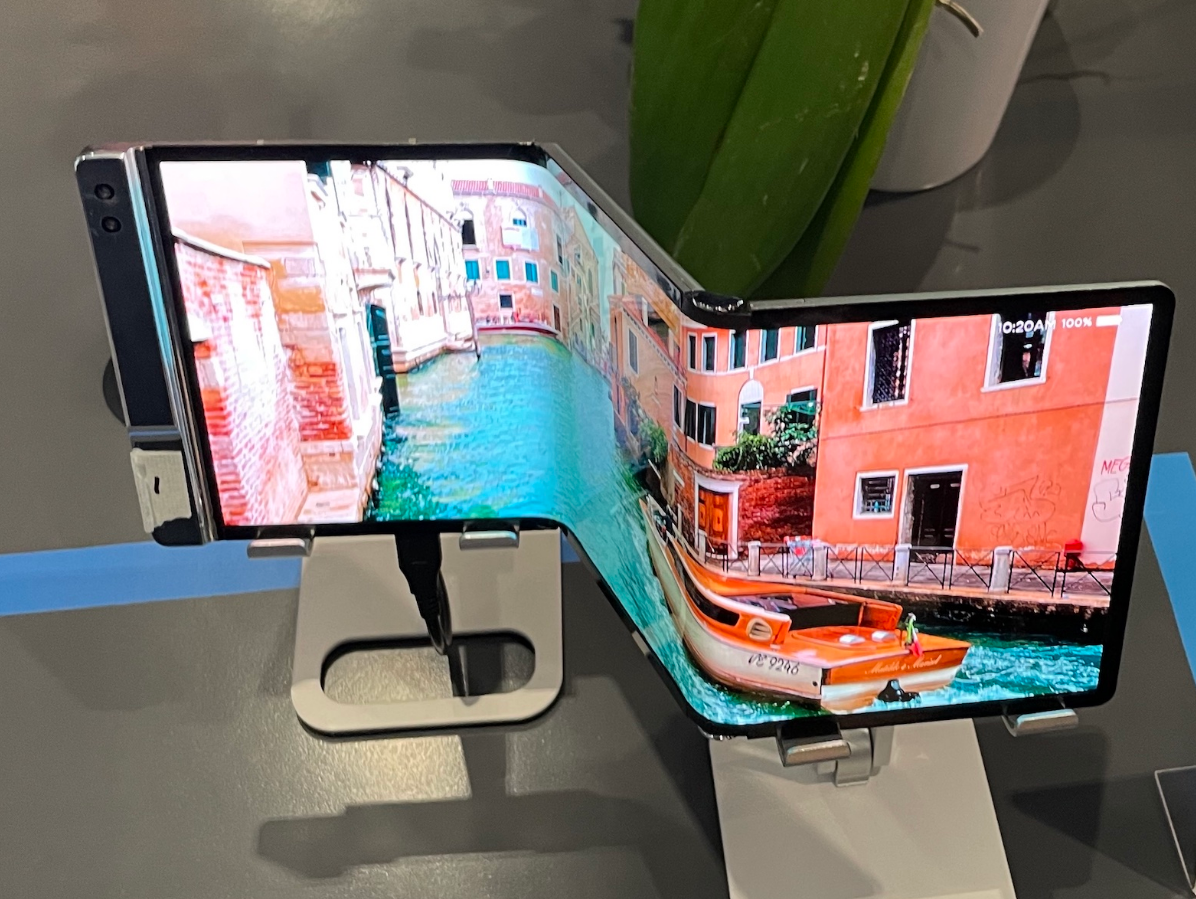
Size should be selected according to the scenario: 6.1-6.7 inches for smartphones (e.g., iPhone 15 Pro 6.1 inches, comfortable grip), 55-75 inches for TVs (65 inches for a 3-meter living room dista...
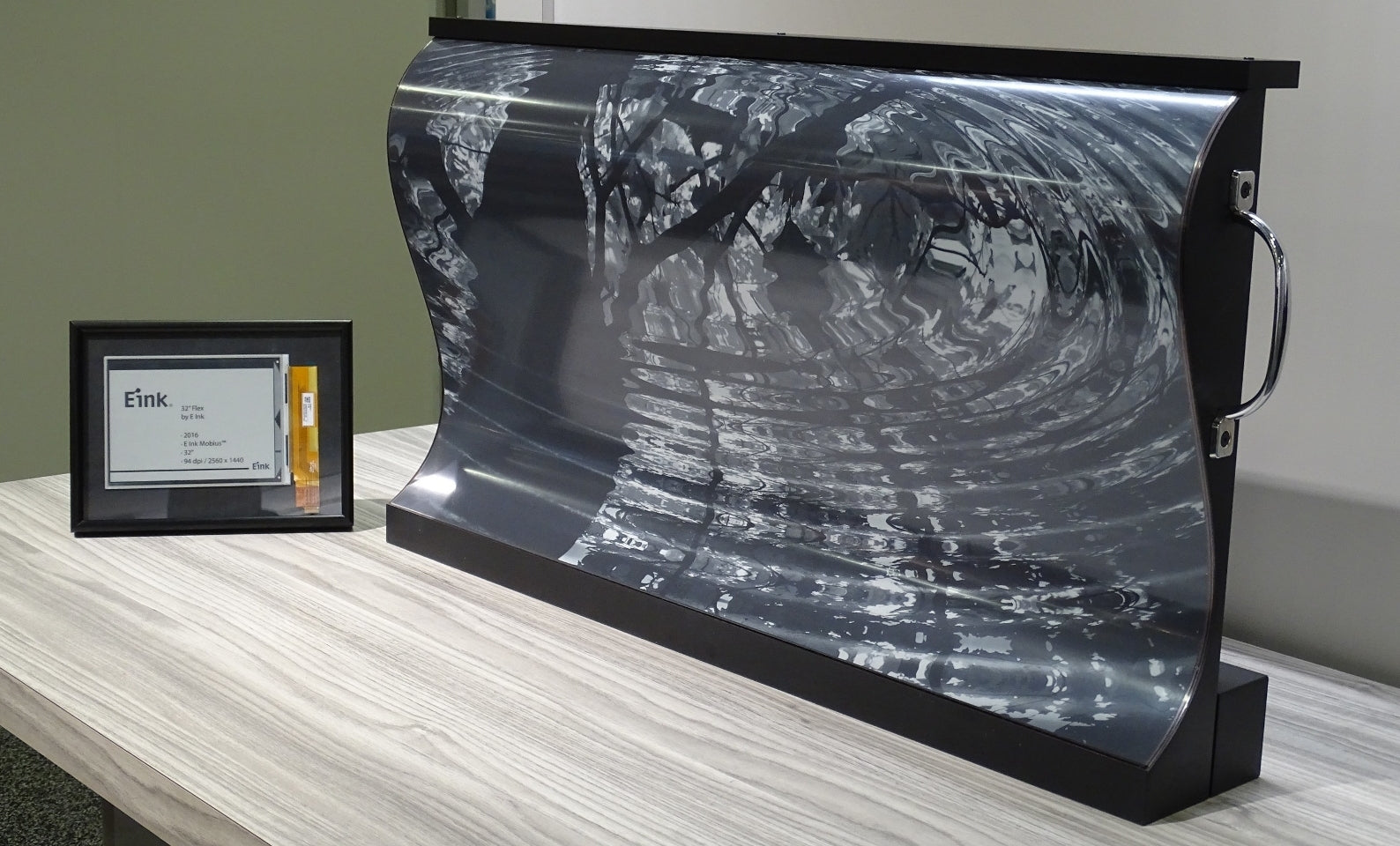
OLED achieves infinite contrast (>100,000:1) and refresh rates exceeding 120Hz thanks to its self-emissive characteristics, making it suitable for dynamic video; Electronic paper (ePaper) relies...
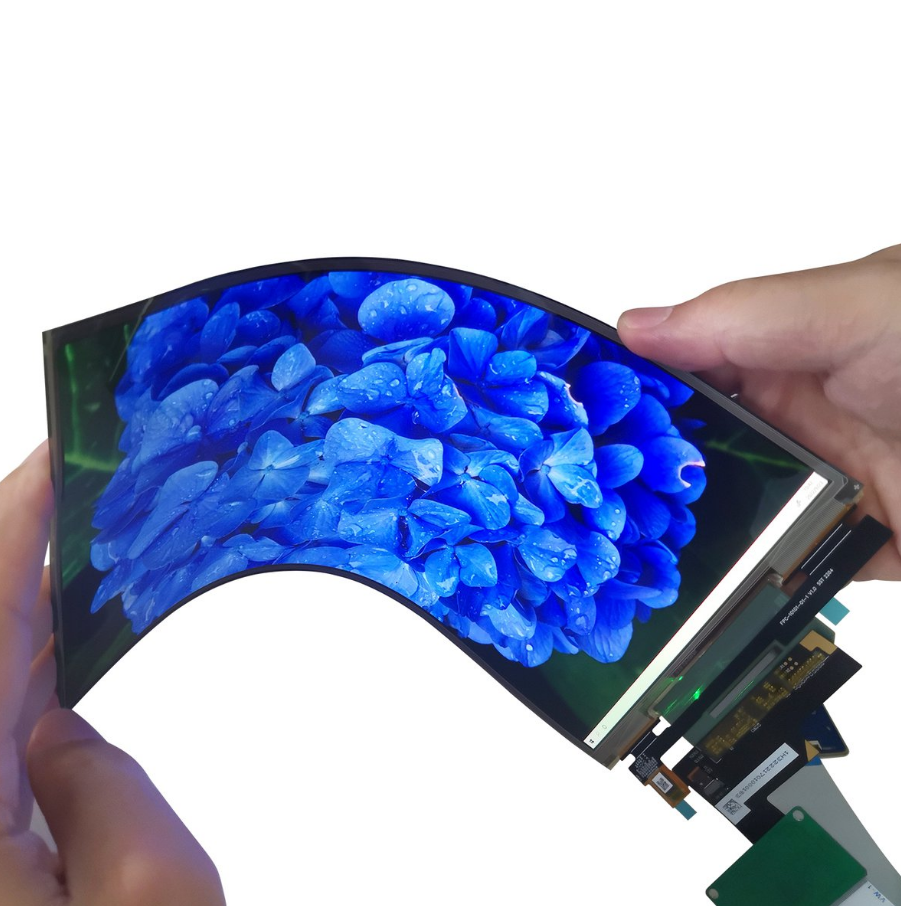
Flexible Substrates Using Polyimide (PI) or Ultra-Thin Glass (UTG), PI substrates are 50-125μm thick with a bending radius of 1-3mm (e.g., Samsung Z Fold series), temperature resistance from -269℃ ...
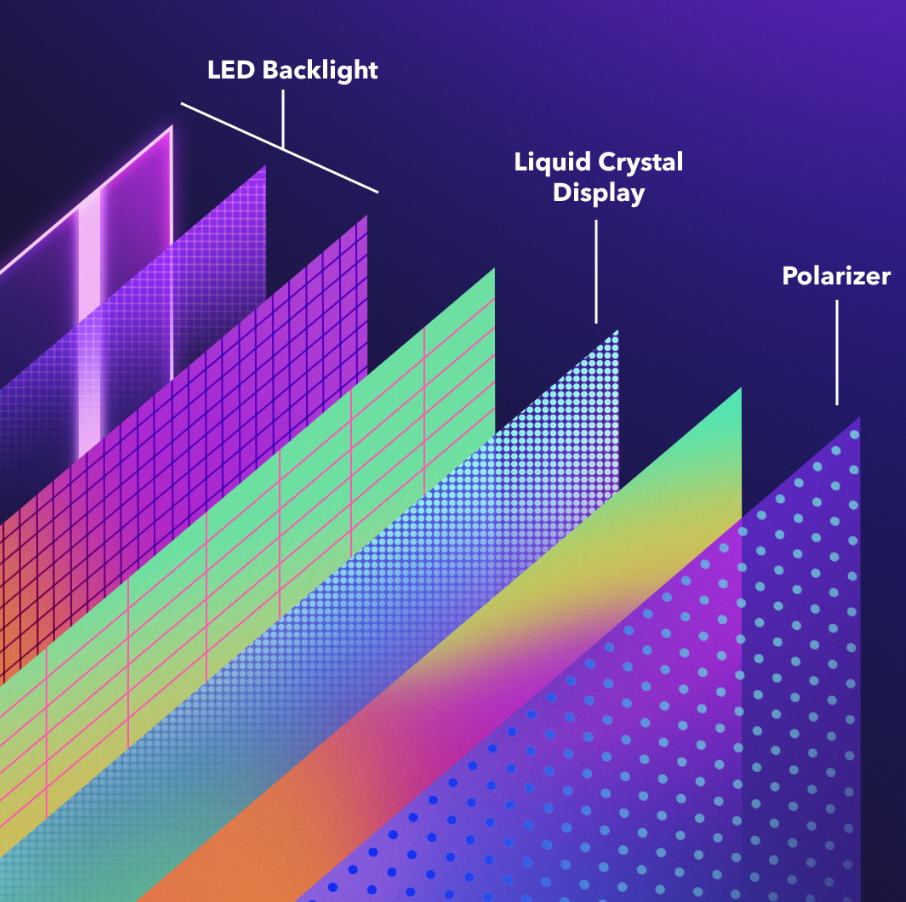
OLED is based on self-emissive organic pixels (light up when energized, turn off when power is cut), with independent pixel light control. It emits no light at all when turned off, reaching a contr...