



16x2 (1602) is the standard choice, with a total of 32 characters suitable for simple readings; If multi-level menus or data logging is needed, the.
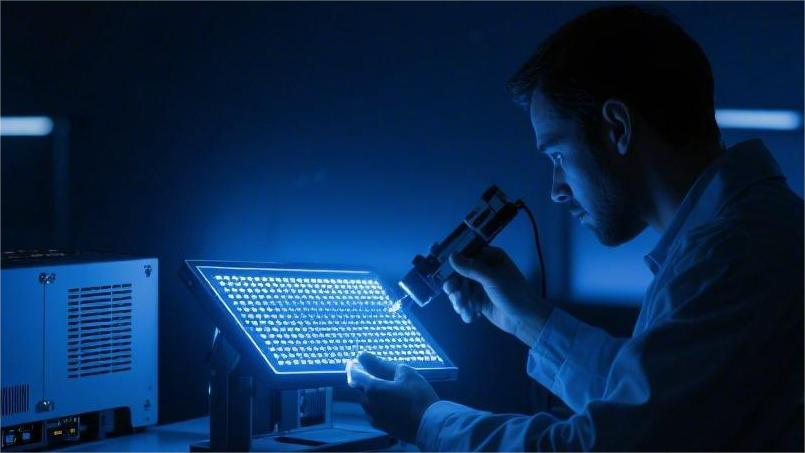
The core of extending OLED lifespan lies in slowing down the decay rate of organic light-emitting materials. In practice, it is recommended to maintain.
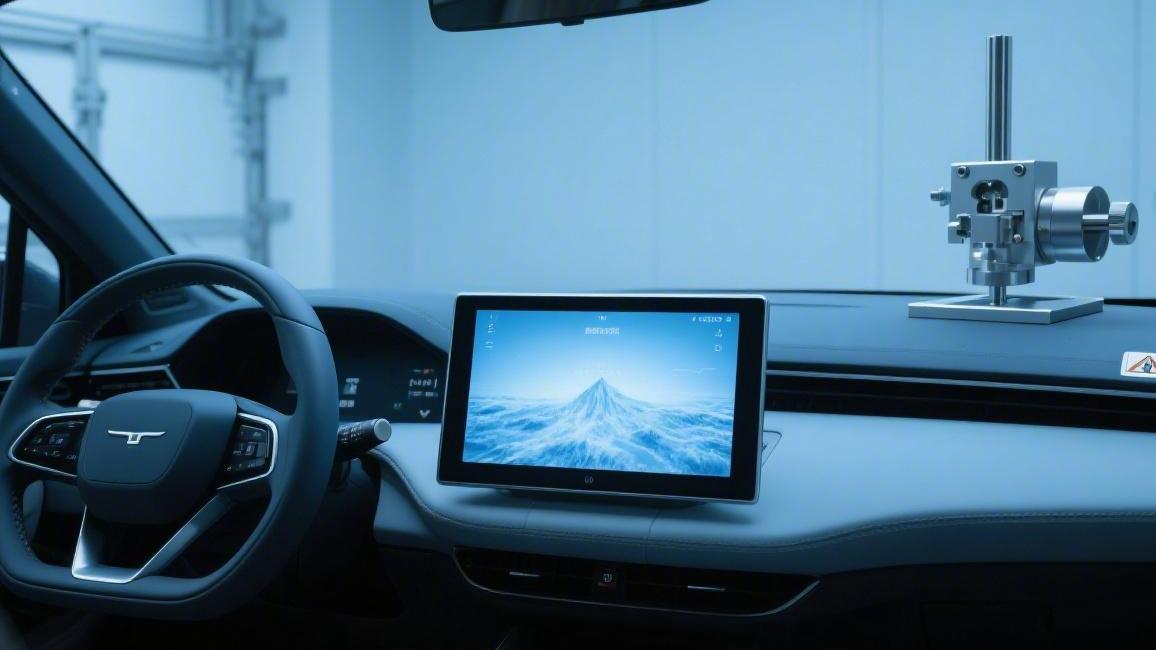
Standard specifications require that the operating temperature must cover -40°C to +85°C to ensure normal startup in both extreme cold and heat. The.
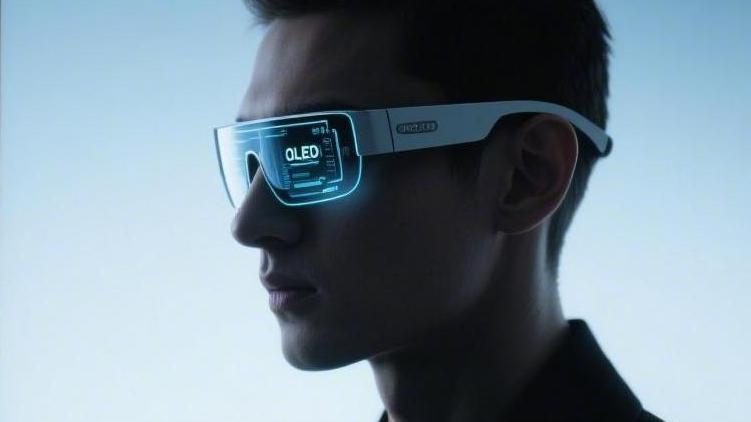
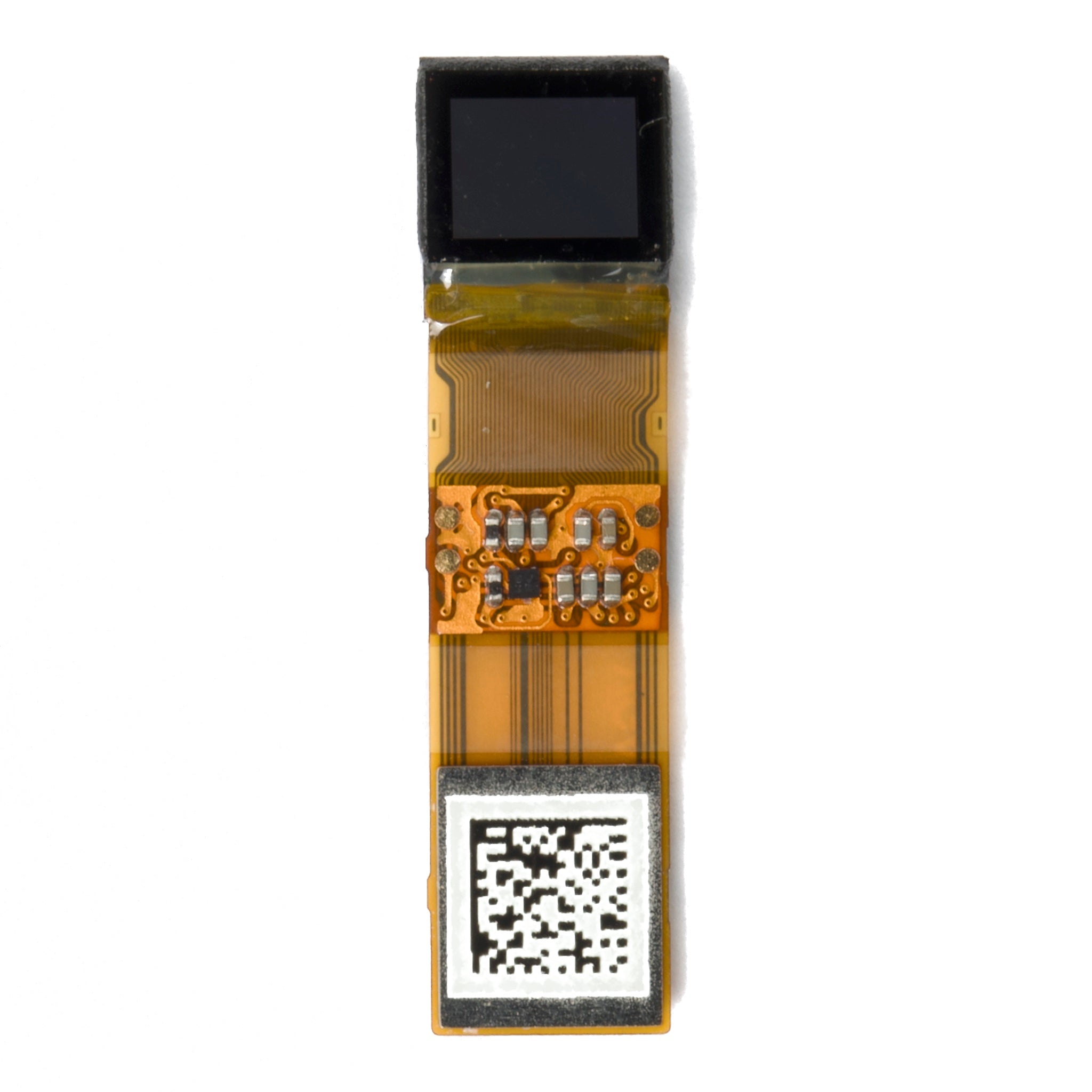
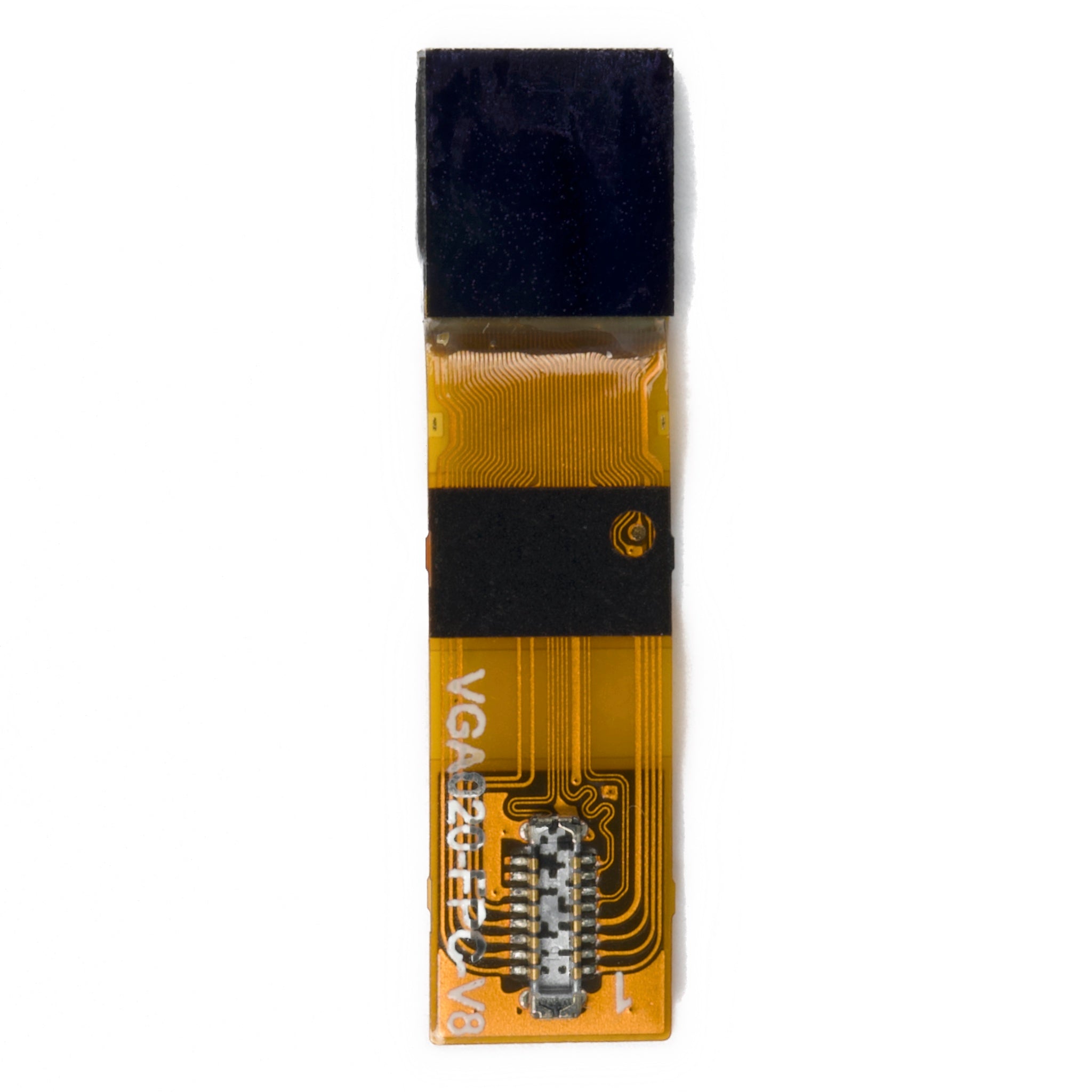
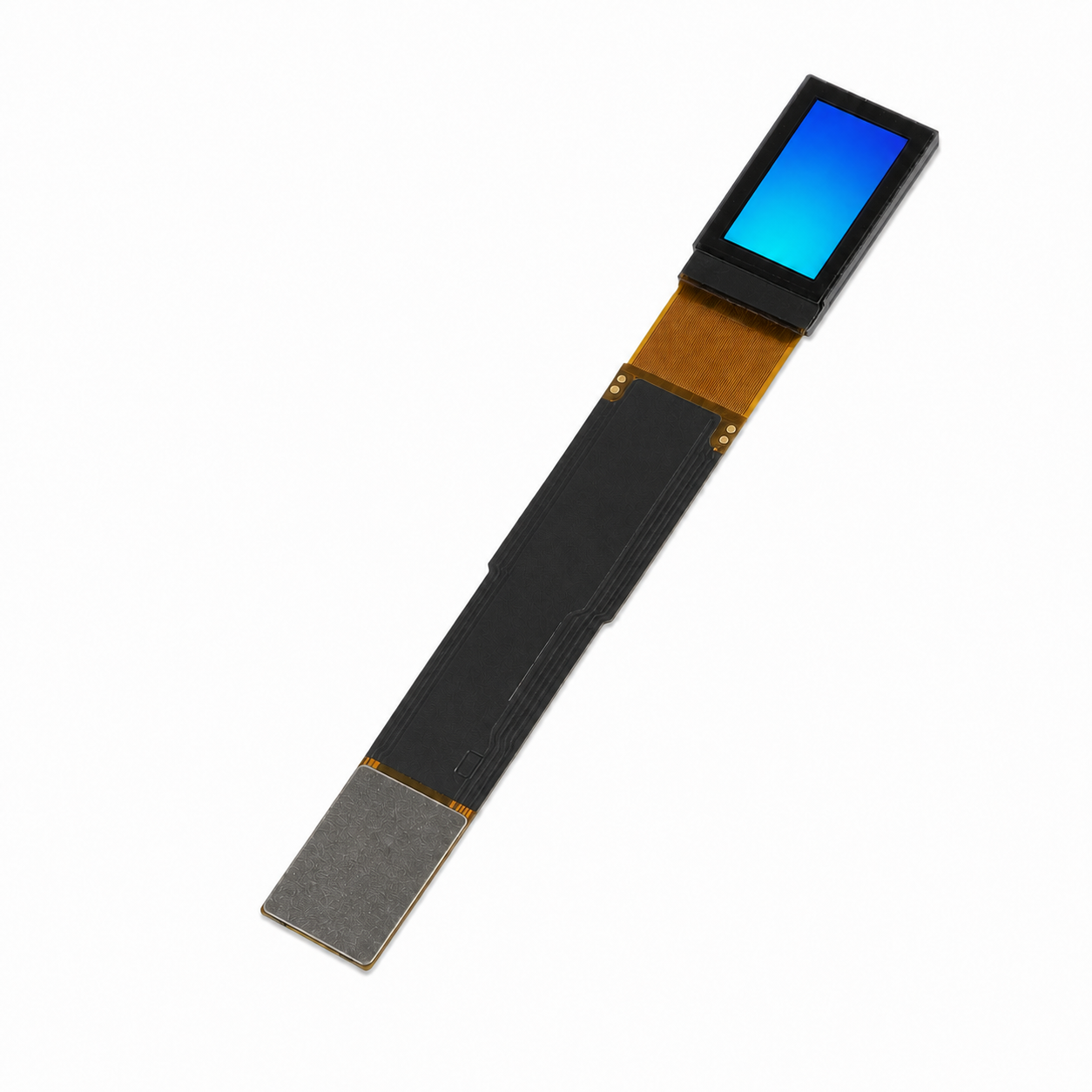
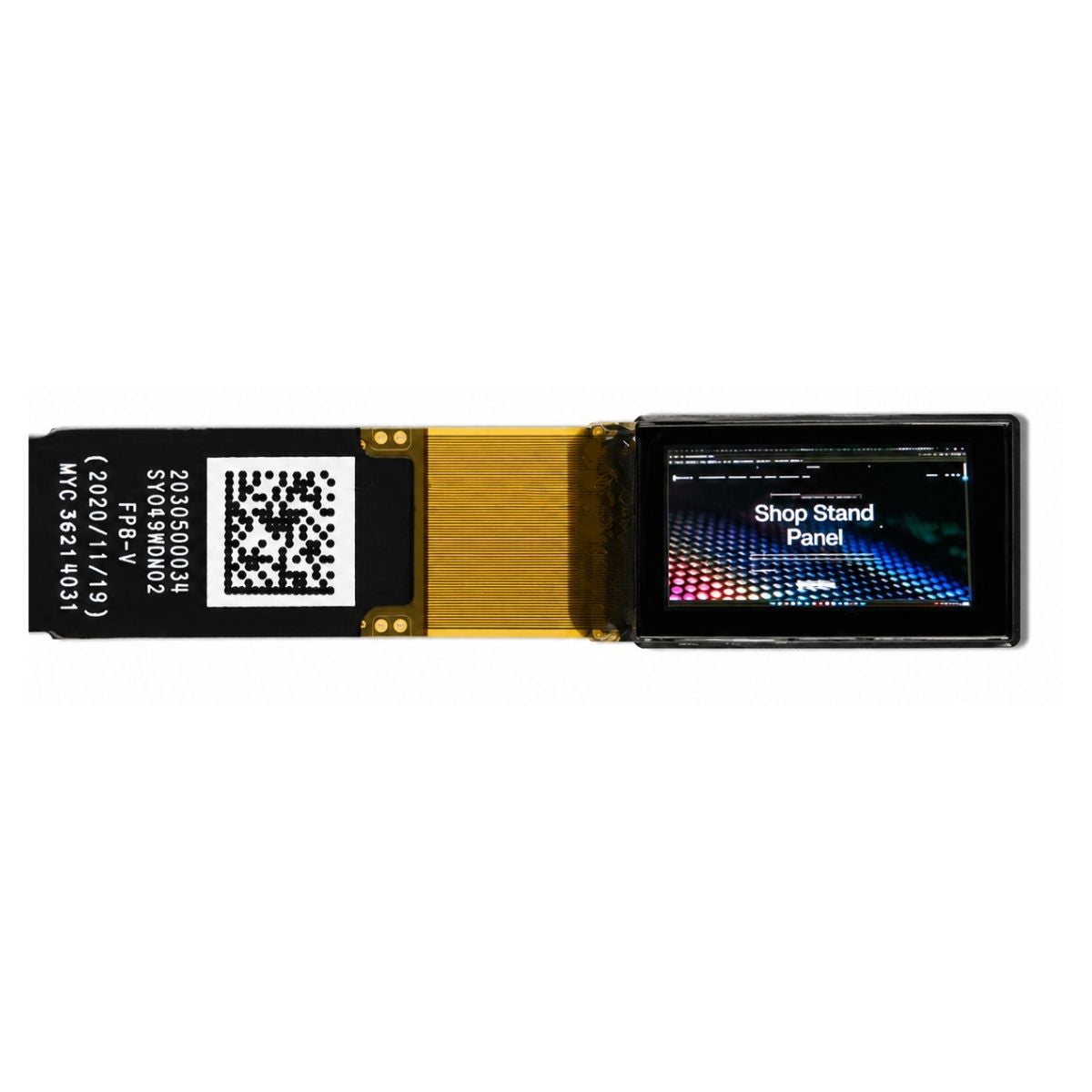
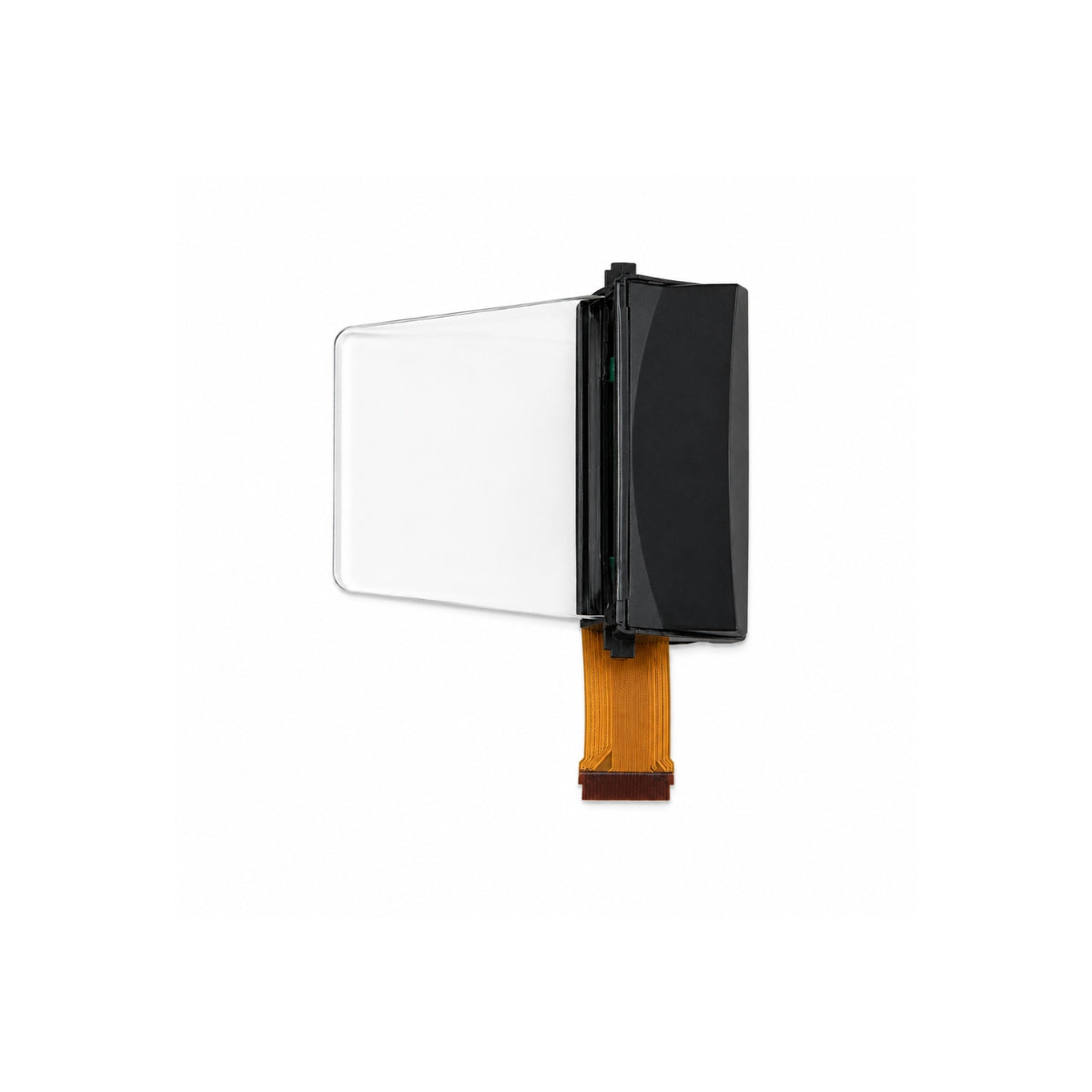
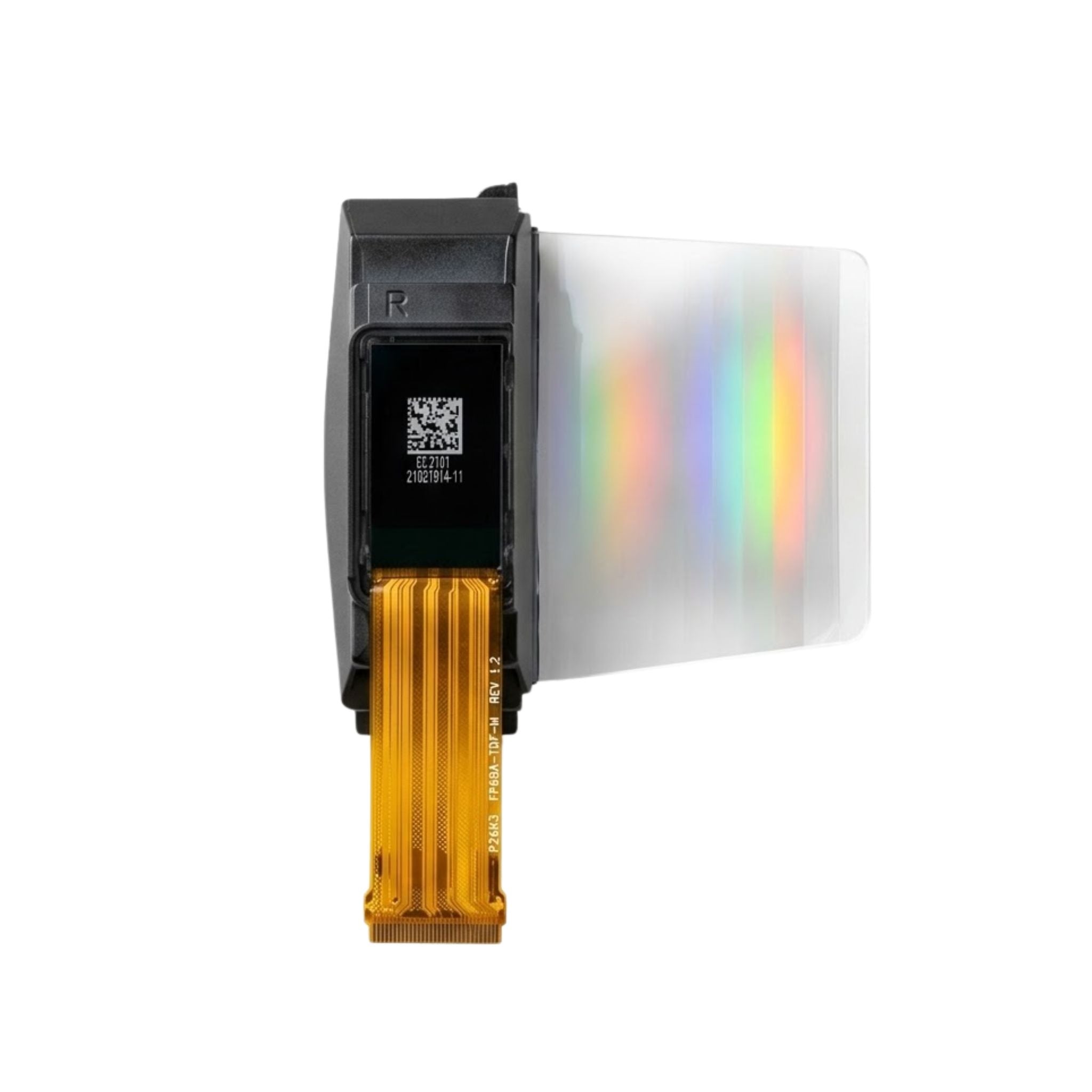
Micro OLED (Silicon-based OLED) is the key to achieving lightweight design and high image quality in smart glasses. It integrates pixels directly onto.
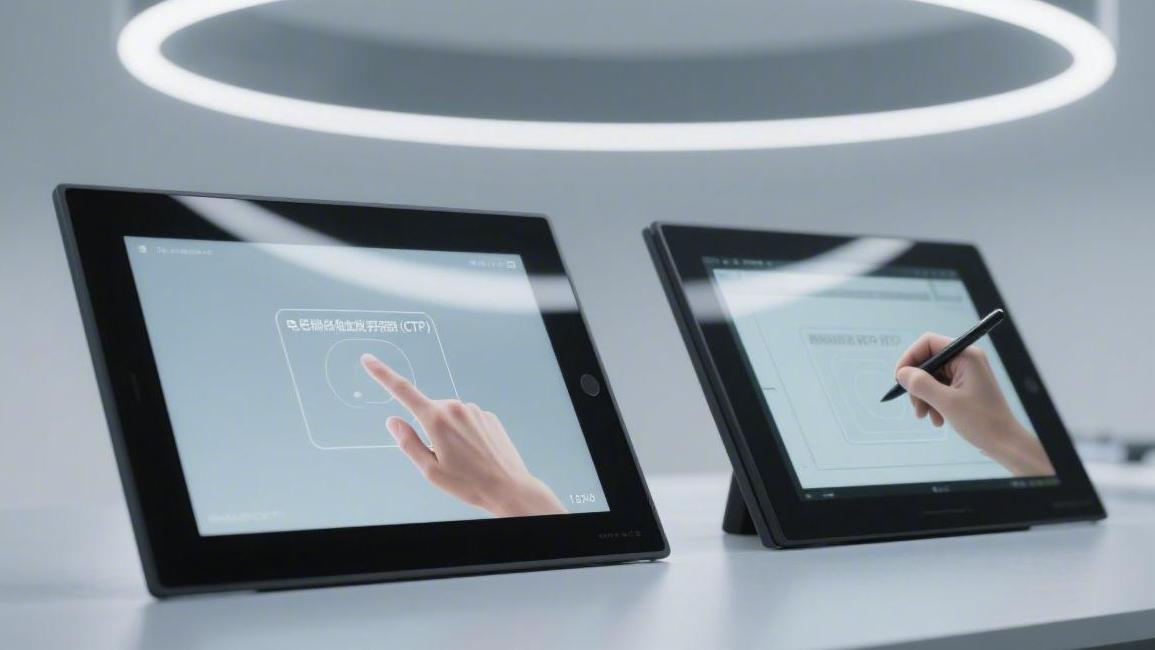
When selecting touch screen technology, trade-offs must be made based on the application environment and cost budget. Projected Capacitive (CTP) screens.

Selecting a wearable display requires a precise balance of size, power consumption, and visibility. For smartwatches or AR glasses, core sizes mostly.

OLED achieves an absolute black field of 0 nits and infinite contrast through pixel self-emissivity, offering a transparent picture quality that makes it.

IPS panels excel with 178° wide viewing angles and high color accuracy, but have slightly higher power consumption; TN panels have narrow viewing angles.
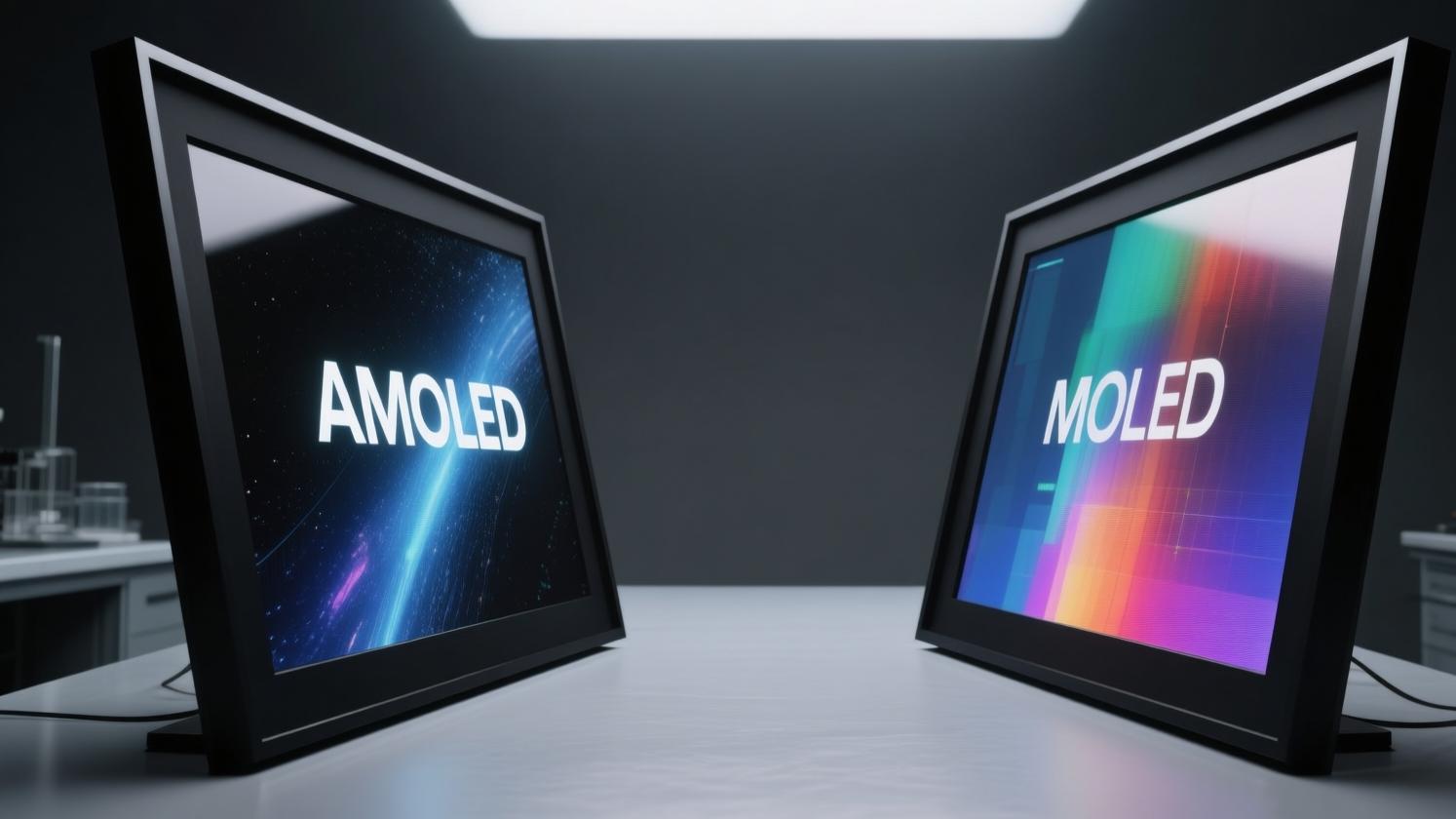
AMOLED relies on a TFT active matrix to achieve an ultra-fast response time of less than 1ms, making it the preferred choice for high-definition large.