

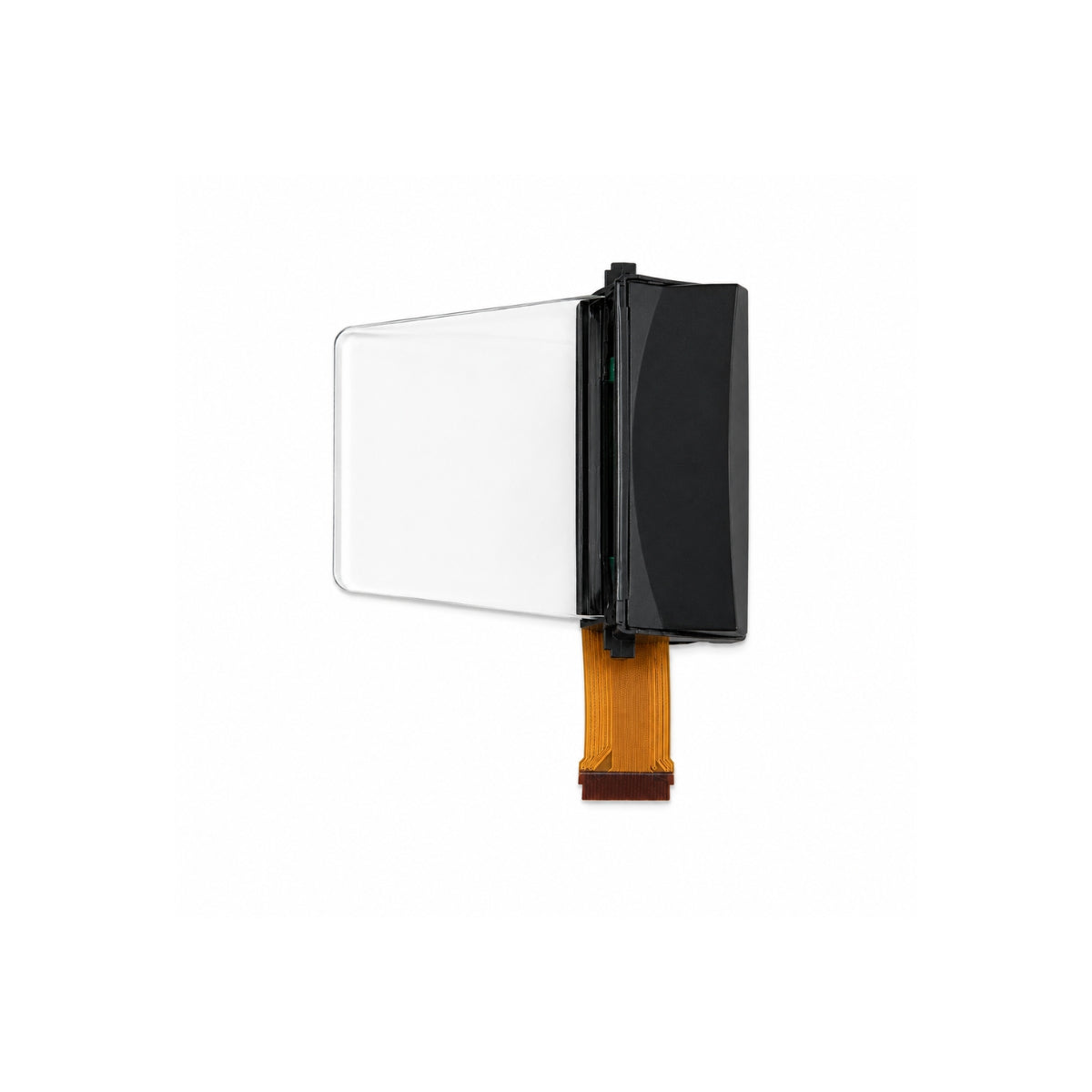
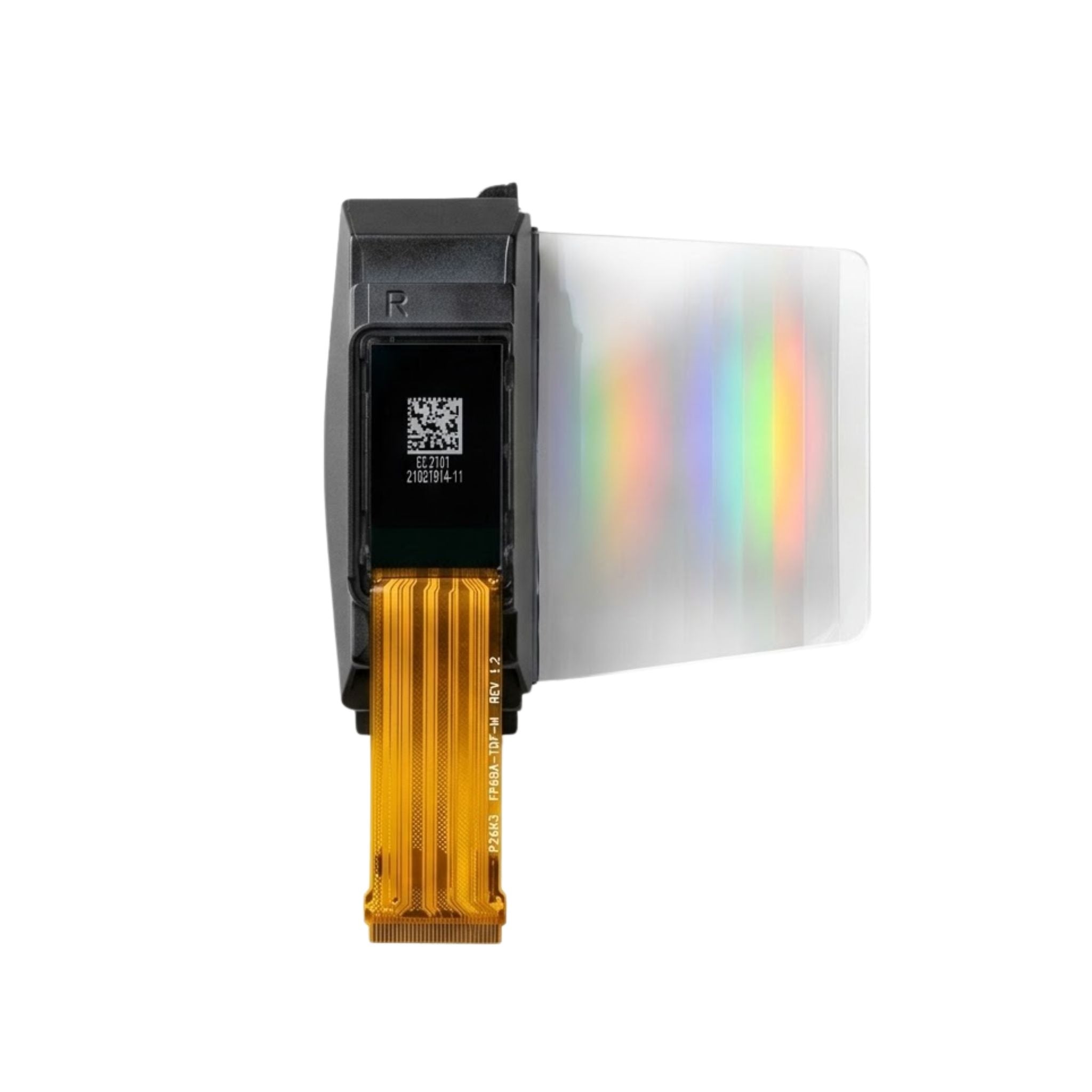


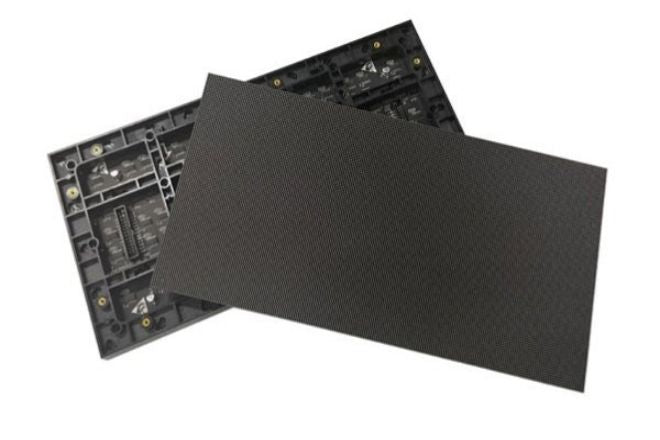
For standard display modules, common sizes range from 1.3 to 2.8 inches diagonally, with popular options like 1.3-inch (128x64 pixels), 1.54-inch (160x128 pixels), and 2.4-inch (240x240 pixels). Co...
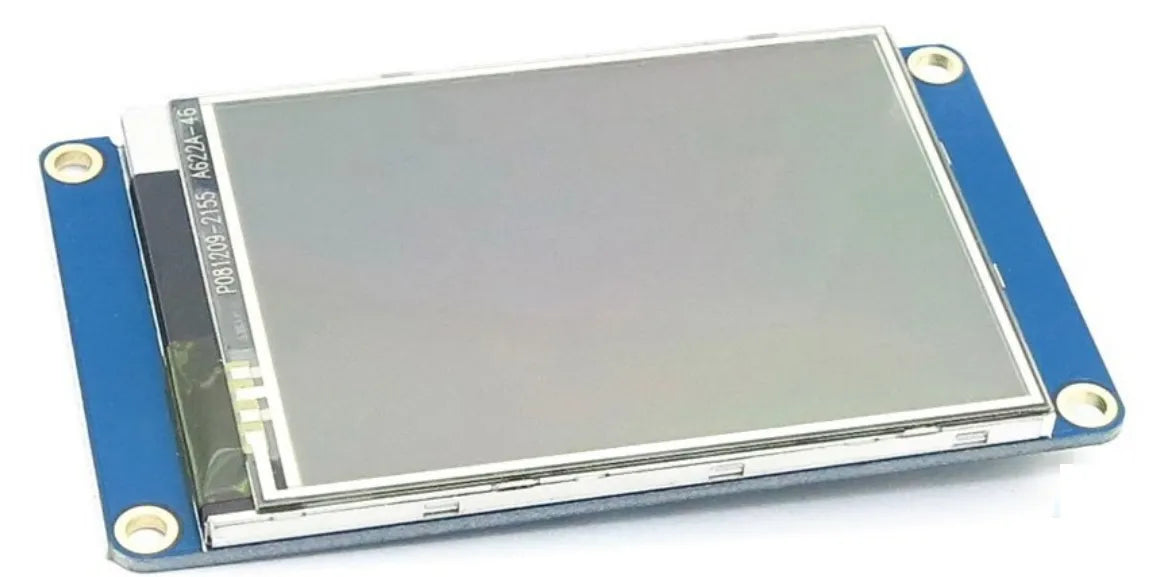
To program NexPCB display modules effortlessly, leverage their NexCode IDE—a beginner-friendly tool with drag-and-drop blocks and auto-generated code, skipping complex syntax. Users access 8 preset...
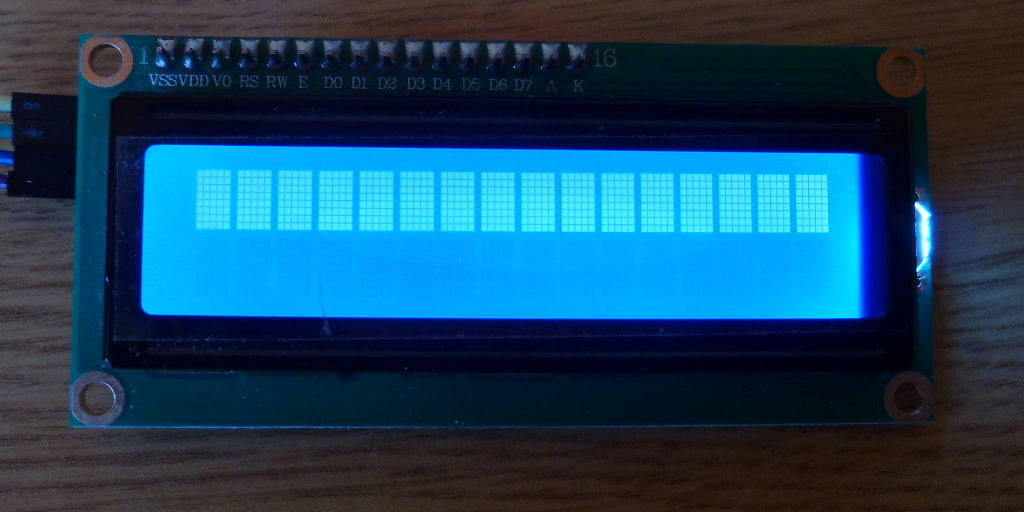
Yes, IPS modules can work outdoors effectively: they endure -40°C to 85°C temperature swings, resist dust/water via IP65 rating, and boast 1500 nits brightness for sunlit visibility, ensuring stabl...
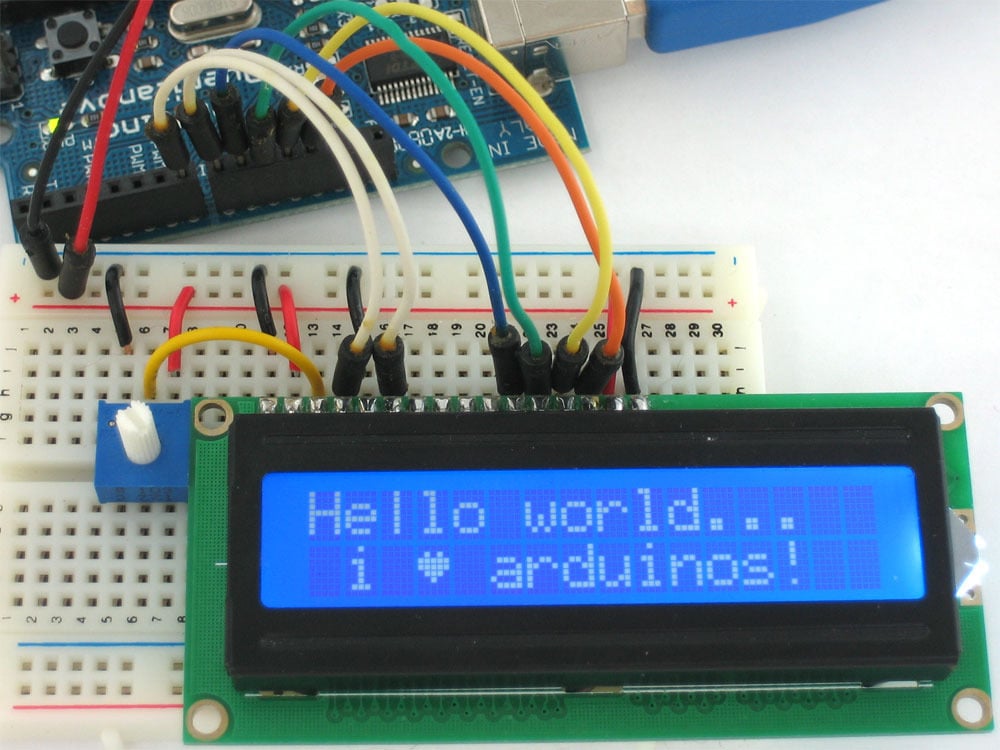
Upgrading from a basic character LCD (commonly 16x2, single-color, using HD44780) to a graphic LCD involves boosting resolution (e.g., 128x64 pixels) for custom graphics/text, swapping drivers (e.g...
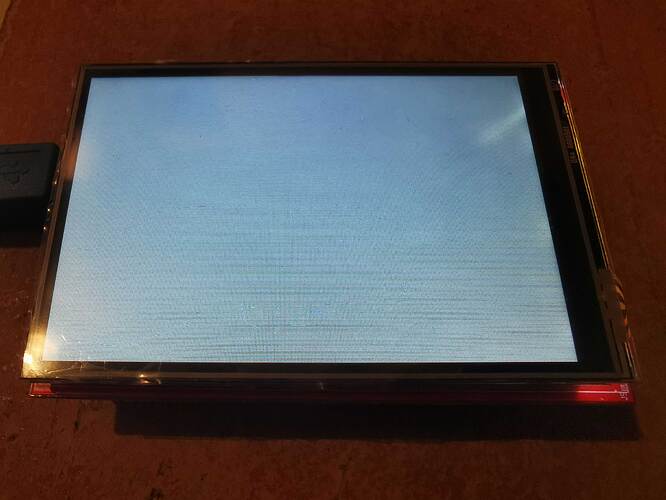
If your TFT LCD module isn’t working, check 3.3V-5V stable power (a weak 3.8V battery often causes failure), ensure no loose FPC connectors or oxidized pins blocking SPI/I2C signals (common with MI...
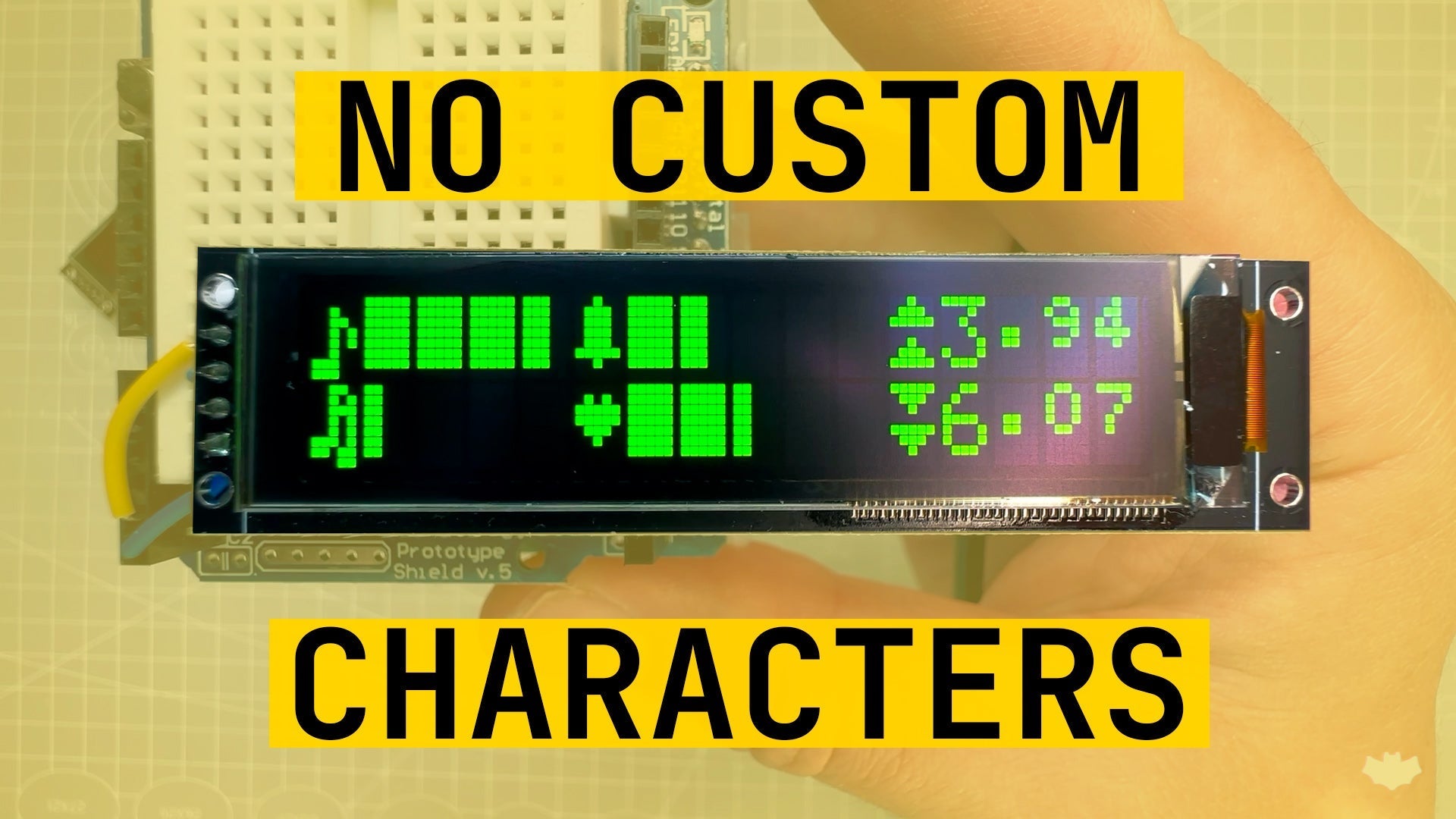
When designing with character OLED modules, start by noting common specs like 128x64 pixel resolution and SSD1306 drivers, using their I2C interface (4-pin setup) to simplify wiring; ensure text st...
Determining how much two fillers cost involves considering factors like brand and location: in the U.S., most clinics charge 200–800 per syringe, so two typically run 400–1,600, though budget optio...
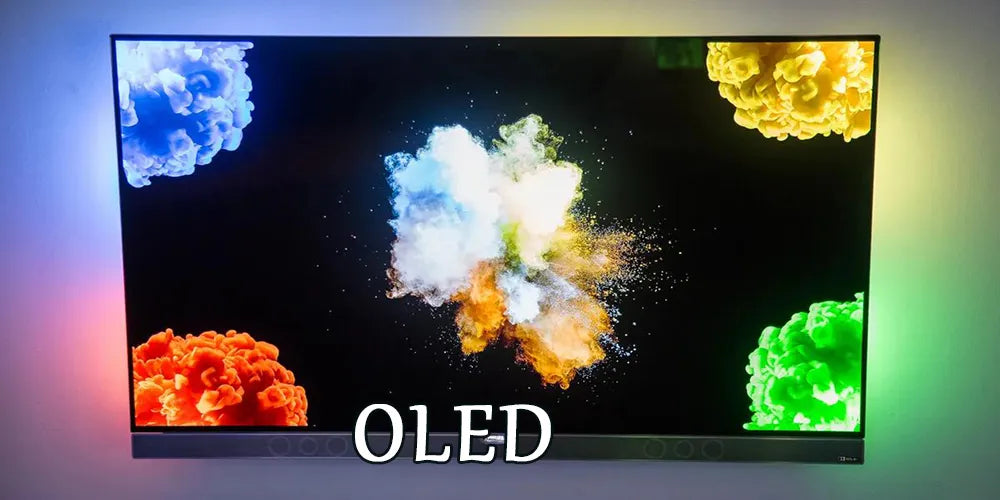
A typical 1.2-inch PMOLED module, when displaying static images, consumes roughly 12-18 mA at 3.3V, equating to 40-60 mW—while standby power plummets to just 0.5-1 μA. Static Power Basics Take a co...
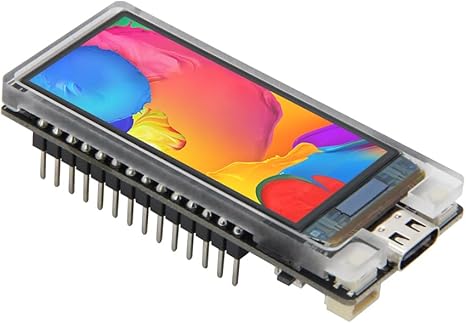
AMOLED display modules generally last 50,000 to 100,000 hours before brightness halves (half-life), equating to ~5-10 years with 5-10 daily hours; yet, high brightness or static images may cause bu...